Trek difficulty
Moderate
Trek duration
7 Days
Trek altitude
11811 Ft.
Group size
6-12
Trek distance
47 Km
Basecamp
Sankri
Best Time
March to June/September to November
Pickup Point
Dehradun
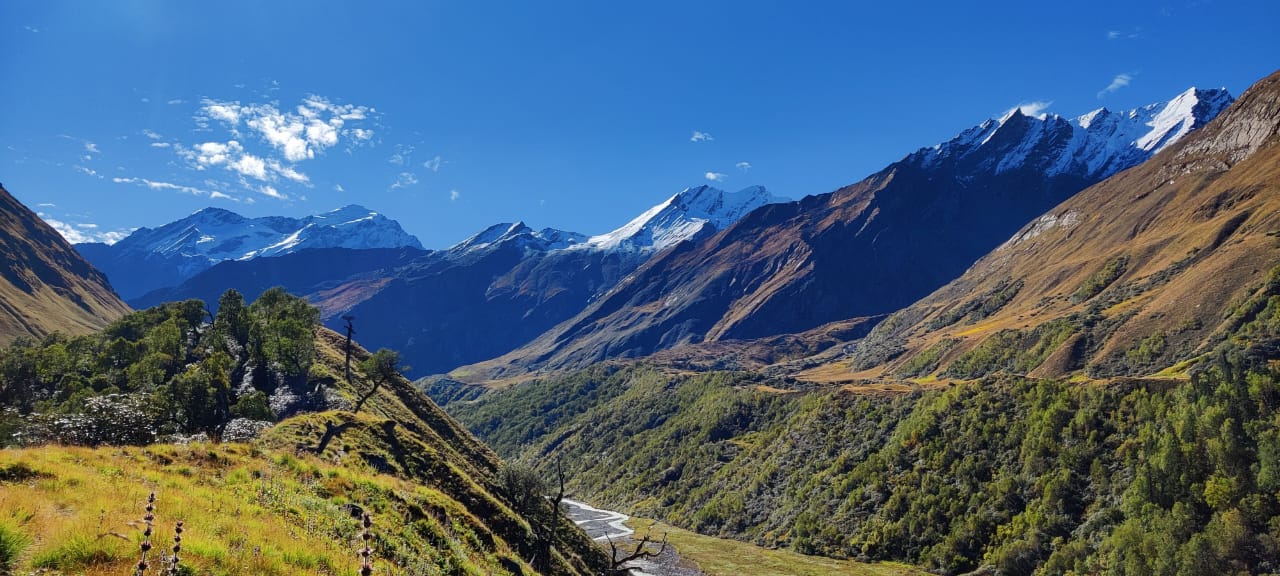
The Har Ki Dun trek is also called the Valley of Gods, and it’s a popular high altitude trail, laid deep in the Garhwal Himalayas of Uttarakhand India. It’s inside the protected Govind Pashu Vihar National Park and this cradle-like valley rises up to about 3,566 meters(11,700 feet) at the top. The whole trek is about 44 to 47 kilometers round trip, usually completed in 6 to 7 days, begins from the base village of Sankri, which is roughly a 9 - 10 hour drive from Dehradun. It’s rated easy to moderate level trek and honestly it works for beginners, families, and also for people with basic trekking experience.
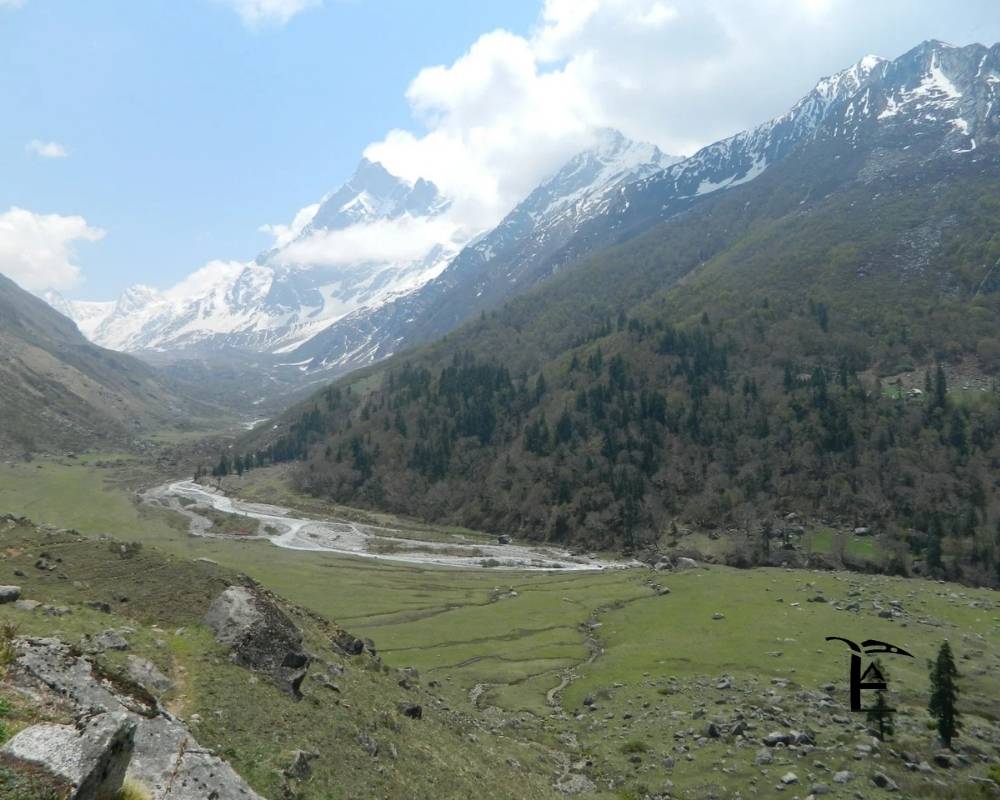
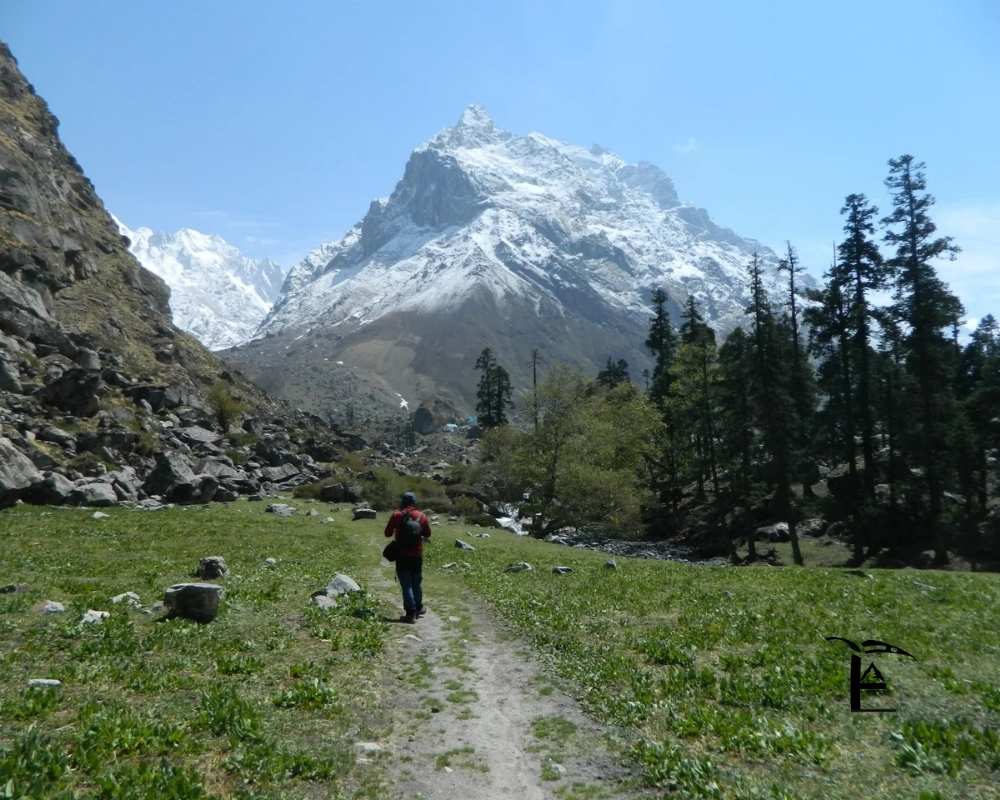
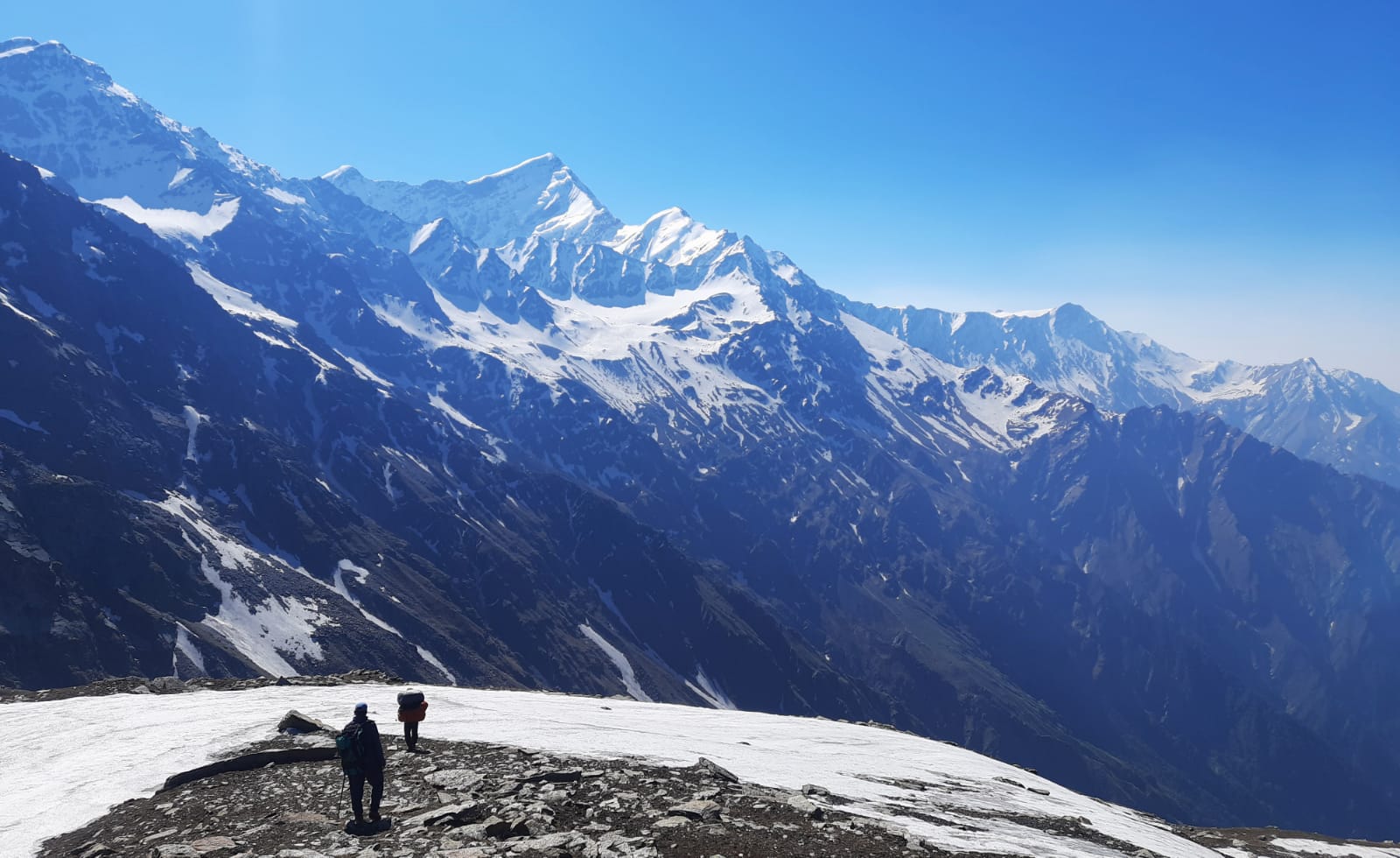
While you trek, you keep company with the turquoise, icy waters of the Supin and Suriya Rivers and you slip through fragrant, thick woods of pine, cedar, chestnut and oak . As you climb more, the scenery sort of shifts into wide highland pastures, the ones they call Bugyals where spring pushes out wildflowers in rolling waves, and the air, honestly, smells different. The route also snakes past remote centuries old hamlets like Taluka, Gangaad and Osla village where small communities live in multi tiered wooden homes made in the Koti Banal style, which is known as earthquake resistant architecture. The area is tightly connected to the Mahabharata epic local stories say the Pandavas walked through this valley during their last climb toward heaven through the multi-tiered Swargarohini Peak and it sounds unreal at times. And once you’re deep in the valley, trekkers get rewarded with close up dramatic views of Swargarohini I, Swargarohini II, Swargarohini III, then Black Peak also called Kalanag, Bandarpoonch, and the huge Jaundhar Glacier too. On top of that there can be rare Himalayan wildlife sightings, like the bright Monal bird. The trek is doable across spring blooms, crisp autumn days and even snow covered winters, so Har Ki Dun ends up feeling like one of the more complete nature plus heritage journeys in the Himalayas with many wonders.
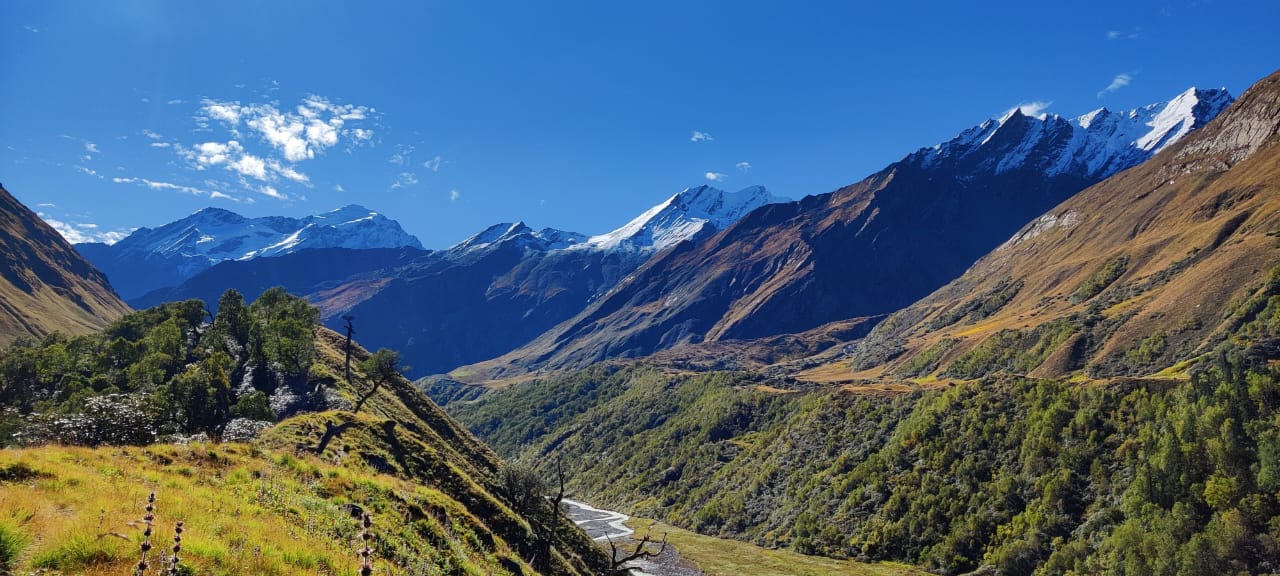
1. Mythological Significance & Epic Views: Folks around the Har Ki Dun call it the "Valley of Gods", and local tales claim the Pandavas took this same winding way during their climb heavenward. When you trek, you basically get front-row panoramic scenes of the towering Swargarohini Massif, also Bandarpoonch and Kalanag (Black Peak) showing up like they are just beside you.
2. Timeless Wooden Villages: The route threads through old, not really touched by time villages such as Osla and Seema. You can notice centuries-old Kath-Kuni (wood-and-stone) architecture and village clothing made on hand looms. And then there is the well known, multi-tiered Someshwar Mahadev Temple, sitting there in a calm sort of way, even if the trail keeps moving.
3. River Basins & Alpine Lakes: You keep moving with the Supin River, where water runs quick and clear through a valley that feels cradle-shaped. If you push a bit past the main stretch, you reach Maninda Tal, a quiet alpine lake, ringed by seasonal mountain wildflowers. Or if you go even further toward the colder zones, you’ll find the broad ice fields around Jaundhar Glacier.
4. Forest Ecology & Wildlife: Inside Govind Pashu Vihar National Park, the path snakes through densely covered Deodar, Walnut and the uncommon Bhojpatra (Birch) trees. Their bark was once used for scriptures so even the trees seem to carry stories. You may spot the bright Himalayan Monal bird, plus other high altitude wildlife, moving around in plain sight if you’re paying attention.
5. Long-Distance Trail with a Soft Incline: Unlike a bunch of high-altitude Himalayan treks that come at you with brutal vertical climbs, Har Ki Dun kind of builds up slowly. It offers a true multi-day deep wilderness vibe, yet it doesn’t turn into this overly steep grind, you know. So it usually suits both newcomers who want a bit of confidence, and seasoned trekkers who still prefer a steady , scenic pace.
1. The Valley of Lord Shiva: Way down in the Garhwal Himalayas, Har Ki Dun gives this meaning like The Valley of Shiva where Har is said to mean Lord Shiva, and Dun is a valley. People from the area say Lord Shiva stayed around in those calm, high alpine grasslands for a while, before he made Mount Kailash his permanent place and even now the local shepherds treat the upper meadows like sacred ground blessed by his quiet presence.
2. The Pandavas’ Stairway to Heaven: This valley has a strong spot in the Hindu epic Mahabharata, because it’s spoken of as the sacred route taken by the five Pandava brothers, Draupadi, and also this stray dog on their last pilgrimage to reach salvation also called Swarga. Right behind everything, the Swargarohini Peak stands like an iconic backdrop, and it’s revered as the actual stairway to heaven, where Yudhishthira was the one mortal believed to rise alive, right there with Dharma, who came along in the shape of that dog.
3. The Legend of Someshwar Devta in Osla: On the trek route, there’s this ancient village called Osla, and it’s tied in local folklore in a really deep way. Lots of travel talk used to insist there was a rare temple there dedicated to Duryodhana, however villagers say no, what they honor is Someshwar Devta, seen as an incarnation of Lord Shiva, and his sacred palanquin gets carried through the valley during lively festivals, with traditional Dhol-Damau drum rhythms and folk dances that keep moving on and on.
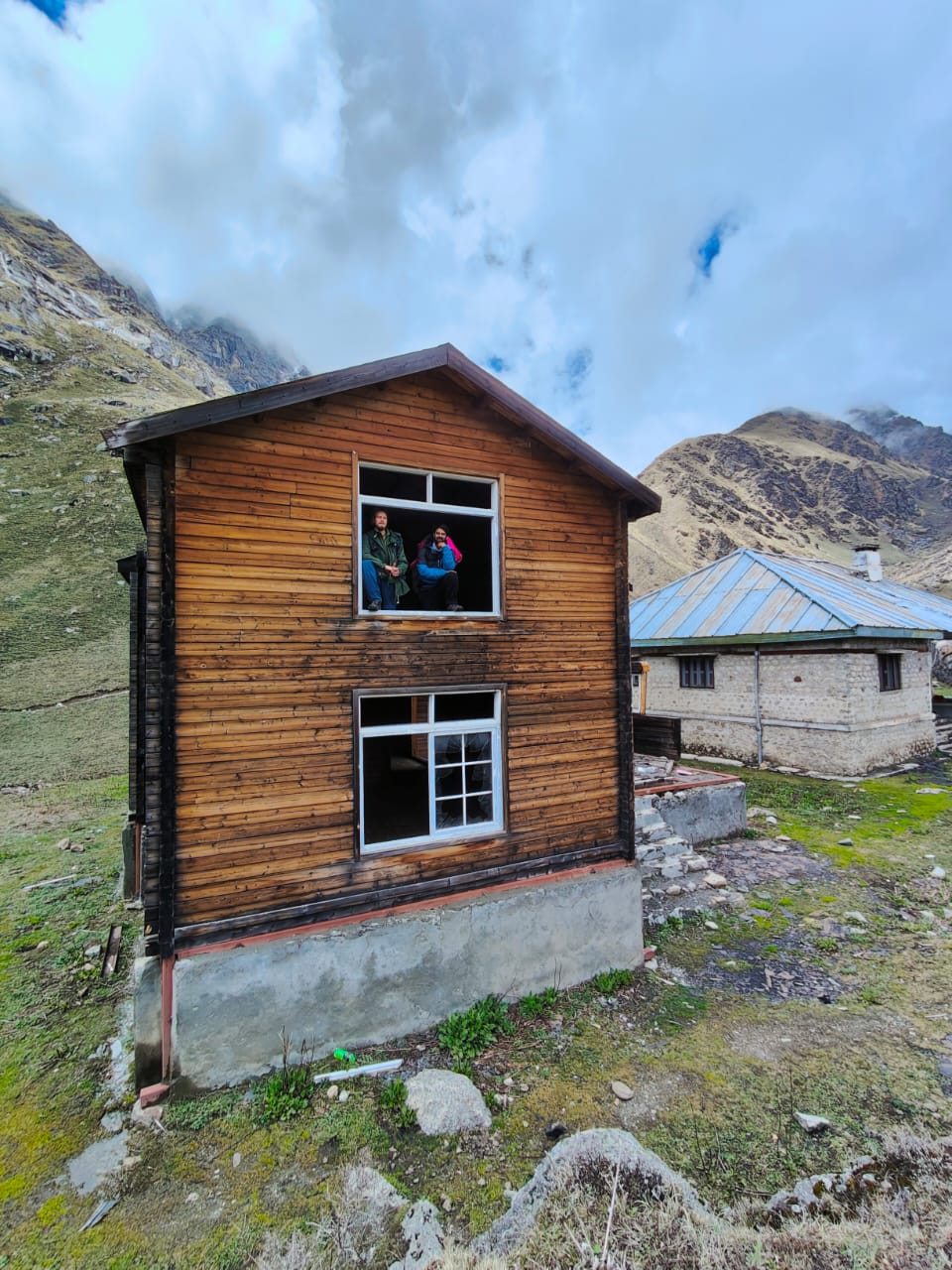
4. Kath-Kuni Architectural Heritage: those mountain hamlets of Osla, Seema, and Gangaad, you know, they really show Kath-Kuni architecture, an old earthquake-resistant way of building. It uses alternating layers of heavy wooden logs and slate stone, and there’s no mortar at all. The balconies are hand carved with that careful patience of someone tending real daily care, the temple pillars look ornate in a way you almost feel it in the air, and then the roofs stack slate upon slate sort of, not in a rush. All together it is a timeless view into traditional Himalayan craftsmanship, which somehow made it through brutal weather for centuries even when everything else seemed ready to just stop.
5. A Living Cultural Time Capsule: In the Supin Valley, the people keep an indigenous way of living that stays tightly linked to nature and daily agriculture, plus sheep-herding too. You’ll notice folks dressed in traditional hand-woven wool coats called Pakhai and also the distinctive woolen caps called Tepang. Those caps are often decorated with fresh wildflowers, so the mountain traditions stay alive, not dulled by modern rush, and not exactly swallowed by any hustle. It feels like a calm kind of continuity, a cultural small time capsule, just sitting there, still breathing.
Day 1: Drive Dehradun to Sankri (Drive 200 km, around 6-7 hours).
Day 2: Drive Sankri to Gangar village and Trek to Seema, via a Pauni Garaat
Day 3: Trek from Seema to Boslo
Day 4: Trek Bolo to Har Ki Dun Valley and further to the Hata valley or Marinda Taal and back to boslo
Day 5: Trek Bolo to Seema Via Davsu Bugyal
Day 6: Trek Seema to Gangar village and drive to Sankri
Day 7: Sankri to Dehradun
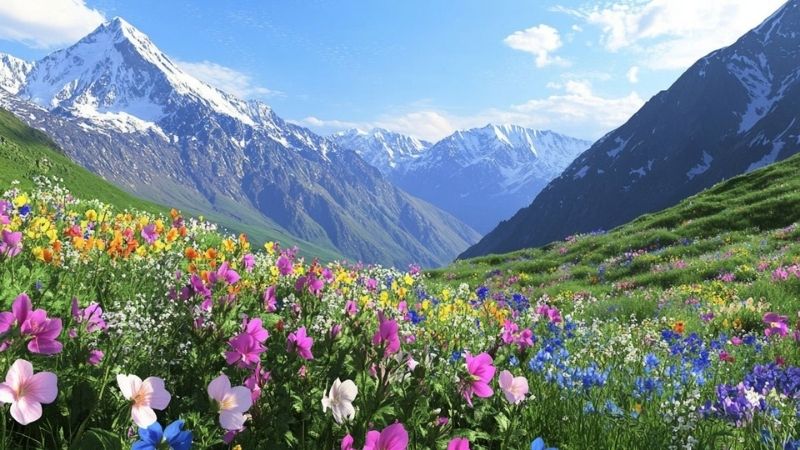
1. March to April (Snow Patches and Early Flowers): In early spring the paths still have a bit of lingering snow on the higher ridges, so it can be nice if you want that snow walking moment without feeling stuck in the full winter cold. Then as April shows up, rhododendron blooms and suddenly the wooded stretches turn into lively pink red tones, sitting right there against the melting snow sort of background.
2. May to June (Lush Greenery and Pleasant Weather): Early summer is usually the sweet spot for trekking, comfortable days around 12°C to 20°C, mostly easy weather and trails that feel fairly straightforward. The valley just goes into this full bloom mode, alpine wildflowers everywhere, meadows staying richly green and mountain streams moving too fast like all of it is fueled by snow melt, so people often say this is the best stretch for beginners and also for anyone doing their first camping trek, nothing's really too intense yet.
3. September (post monsoon freshness): When the monsoon finally eases off, the valley is left looking fully rinsed, neat, and bright green. The air feels crisp, streams are still moving strongly, and the view starts drifting toward those warmer golden-brown vibes, as autumn slowly takes over, step by step.
4. October into November (Crystal-Clear Mountain Views): is kind of when everything looks most clear, more amazing than the rest of the year, especially once the skies turn cloudless, deep blue too. Folks who photograph landscapes tend to really enjoy this season, because the summits like Swargarohini, Bandarpoonch and Black Peak, show up with sharp outlines against golden forest canopies. Still, the nights turn a lot colder and by November temperatures can dip below freezing around -5°C.
The Har Ki Dun trek is officially labeled as an Easy to Moderate level of trek, so it works for fit beginners too, but it still gives that real stamina squeeze for regular hikers. Because the route doesn’t really have steep technical ascents or any nervous pass crossings, the main difficulty is more about multi day physical endurance, like you’re steadily in motion. You’ll probably cover roughly 45 to 50 kilometers across 4 to 5 days, and you’ll trek about 10 to 14 kilometers each day (around 5 to 7 hours) on dirt paths, boulder stretches and woodland trails with a backpack on your shoulders.The slow rise along the Supin River means sharp climbs stay low and the danger of intense altitude sickness is reduced however getting to the highest point of almost 12,000 feet (3,566 m) brings thinner air and then each walking day feels a bit more draining on your lungs and legs.
Firstly you have to reach Dehradun by different modes of transport and then further move to the basecamp of Har Ki Dun trek. Ways to get from your home city to Dehradun can really vary but basically you’ve got three main paths, and honestly they are pretty straightforward.
1. By Flight: Land at Jolly Grant Airport (DED). It's around 25 km from the city, and there are frequent direct flights every day from Delhi, Mumbai, and Bengaluru, though it depends on the season, you know. After that, take a taxi for about 45 minutes to the railway station and try to come a day early so the morning departures don’t end up feeling rushed, or like you are barely keeping up with everything.
2. By Train: There’s also a simpler choice to reach Dehradun Railway Station (DDN) which sits right in the middle of the city. If you use an overnight train such as the Nanda Devi Express (12401) from Delhi, it usually arrives around 5:40 AM, which works nicely for those early morning pickups.
3. By Bus: You can also go overnight on an AC Volvo from ISBT Kashmiri Gate (Delhi) to Dehradun ISBT usually around 5 – 7 hours. After you get down from the bus terminal you can grab a 15 minute auto or taxi toward the railway station side.
Our Thin Air Expedition crew will meet you early in the morning between 6:00 AM and 6:30 AM right outside the main exit of Dehradun Railway Station where our representative will greet you, and manage the loading of your luggage into our private vehicles. After you’re on board we get going for a beautiful, 200 km scenic drive to Sankri, cruising through the misty hills near Mussoorie and along the moving currents of the Yamuna and Tons rivers, plus you’ll also pass lush pine forests and small hillside hamlets like Purola. There are comfortable breaks for breakfast and lunch along the way, so this 8-to-10-hour ride becomes this calm little switch from the flat city lands into the real inner Himalayas. By late afternoon you’ll be at our basecamp in Sankri (6,400 ft) welcoming with evening snacks & hot tea / coffee with your trek briefing for the next day's trek.
Preparing your pack for Har Ki Dun is more than just ticking off stuff on a list. It is about piling on layers for those warm campfire evenings, sharp mountain mornings and the moments you will remember long after the trail sort of fades. Below is a carefully mandatory guide so you can pack with comfort for what’s coming:
1. Main Rucksack (50–60 L): pick one that has real hip belt support, plus a built in rain cover that is actually waterproof.
2. Daypack (20–30 L): useful when you need to drop the bigger bag for a bit. Keep it for water, rain jacket, camera, and snacks while you’re on the move walking around.
1. Trekking Shoes: go for high-ankle boots with deep lugs, for grip on dirt, mud, and those loose rocks that like to slide. Break them in before the trek, don’t keep it for the last minute either, because that part always backfires.
2. Layered Apparel System
Base Layer: 3–4 quick-dry, moisture-wicking full-sleeve t-shirts and please avoid cotton.
Insulation Layer: 1 fleece jacket or sweater + 1 heavier down jacket because nights can go below freezing pretty fast.
Outer Layer: 1 windproof and waterproof jacket, or even a poncho, for sudden rain and snow that shows up without notice.
Trek Pants: Carry 2–3 pairs of lightweight quick-dry synthetic pants.
Socks: 3–4 pairs of thick sports or merino wool socks + 1 pair of fleece socks, only for sleeping.
Head & Handwear
1 woolen beanie or balaclava
1 sun cap
1 pair of waterproof fleece-lined gloves
1. Trekking Poles: a pair of adjustable poles,help lessen the load on your knees during long downhills or that kind of grind.
2. Hydration: either two 1-liter reusable bottles, or just one 2-liter hydration bladder. If it’s cold outside add an insulated tube cover, that helps a lot.
3. Headlamp/Torch: Useful for early starts and for moving around camps after dark. Also carry spare batteries, just in case.
4. Sunglasses: UV-protected sunglasses to prevent snow blindness and to shield your eyes from mountain glare.
1. Personal first aid stuff: Paracetamol, Diamox (if they gave it to you for altitude) , ORS/Electral packets , Band-Aids, blister pads , anti friction cream, also.
2. Toiletry bits: biodegradable soap, quick dry microfibre towel, lip balm (with SPF) high SPF sunscreen, hand sanitizer, wet wipes.
3. Electronics section: a 10,000–20,000 mAh power bank keeps it warm inside your sleeping bag at night, cause the cold drains it real fast .
1. Government ID: original copy, plus 2–3 photocopies of Aadhar Card , Passport , or Voter ID .
2. Medical Fitness Certificate: signed by a registered practitioner (if your trek operator asks for it).
3. Passport Photos: 2–3 recent passport-sized photographs for forest department permissions.
Har Ki Dun is deeply connected with:
Local belief associates the Swargarohini region with the route taken by the Pandavas during their final ascent toward heaven.
These stories remain present across the valley through:
Another important cultural layer is the temple tradition in Osla village.
The village contains old wooden temple architecture associated locally with Someshwar and Duryodhana worship traditions.
Interpretations vary historically across the region, but the traditions continue remaining an important part of local identity.
During The Trek
Exclusion
The valley is different in two distinct seasons; for clear views of flora-adorned meadows, Swargarohini massif, and pleasant weather, April to mid-June are perfect months.
In the month of September to mid-November, the air turns crisp, skies become blue, and autumn colors convert the forest gold.
Har ki Dun is considered easy to moderate trek suggesting good fitness level. However, the gradients are gentle but the physical fitness is tested when multiple days walk is involved.
Connectivity gets patchy after Purola. Sankri has BSNL/Jio signals but keeps fading now and then. Once you cross Netwar Barrier you enter “digital silence” zone. Use this silence to reflect on your life while connecting with the unknown wild.
Yes, but in December and January the trail is snow-covered making it bit challenging to walk even after the landscape turns into “white sanctuary”. Trekking in winter requires special gear. Also, temperature can drop to extreme freezing 10 degree.
Although, stream at higher-altitude are clean but it is always safe to carry purification tablet or at last a filter bottle. The water is unspoiled but your body might not be ready to consume mineral-rich glacial run off.
Osla temple (Siddheshwara temple) is a living museum of vernacular artistry where natives often associate it with a story of Duryodhana. Worshipping in this temple is more of a communal pulse.
Sankri is the last point were reliable electricity connection are available in homestays. After that, when you start from Taluka there are no charging points at any of the campsites. Carrying a high-capacity power bank (20, 000 mAH) and camera batteries can save you big time. Make sure you keep them inside your bags or jackets. The cold nights in mountains drain lithium batteries faster.
You are more welcome to do a solo trek with Thin Air Expedition. However, doing independently can be risky as you are unaware of navigation, local culture, and contacts if any unforeseen emergency falls. It is better to make a booking through certified and trusted trek operators for safety perspective. Plus, while travelling with the locals you learn more about the vernacular heritage. You are solo but with a group of trusted trekkers.
Carry 5000 INR per person to cover-off tipping charges, loading, local snacks, and unforeseen emergency.
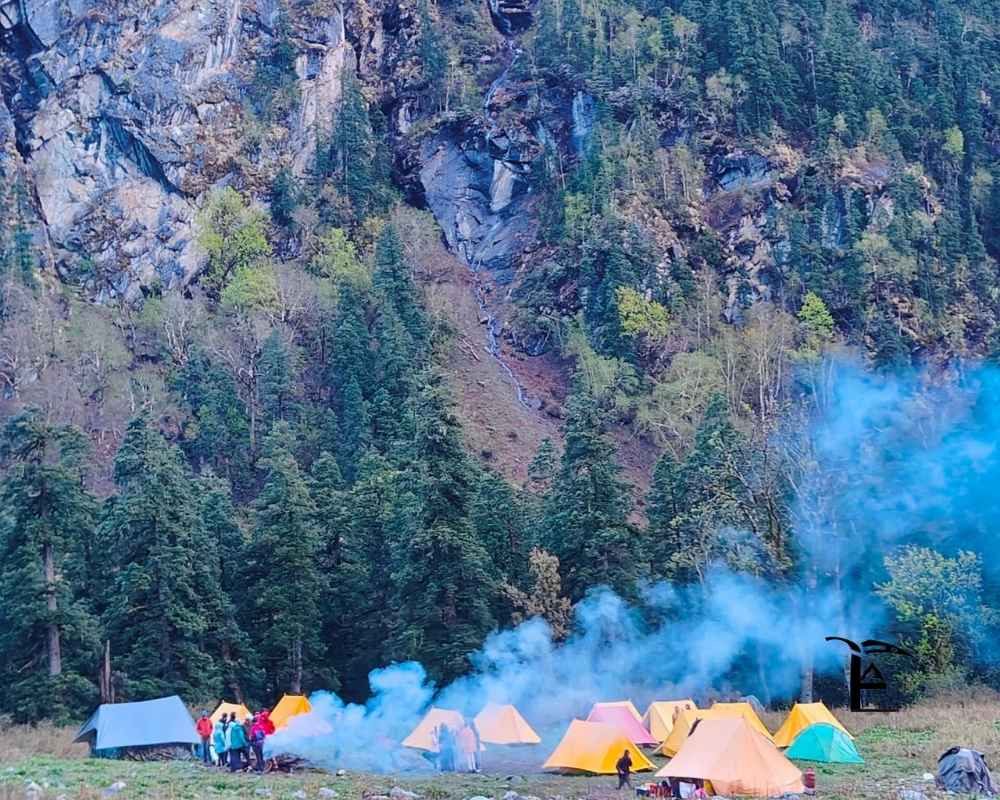
In Sankri you get to stay in homestay/guesthouse. After that, comfortable alpine tents are on twin or triple sharing basis are pitched each day until you return Sankri.
Welcome to the poignant transition from hustle bustle of the city life to the unscripted story of untamed wild. The panic of civilization gradually dissolves and silence embraces you completely as you stand at the base of eternal Swargarohini massif.
Team at ThinAirExpedition guides you to an ancestral gait honoring the local culture and artistry work of wooden houses and breathing Museum of Supin River.
Come join ThinAirExpedition as we navigate the silence. Return with the sovereign soul tempered by the altitude and unedited peace.
₹12000 | $133
5 Days
Uttarakhand
22Km
December to early March./mid-March/May to Juneto April./
₹9500 | $130
5 Days
Uttarakhand
8 km
April to June (pleasant weather) and September to November (clear views); December to March for snow trekking.
₹7000 | $76
5 Days
Uttarakhand
9 Km
december to march
₹30000 | $327
7 Days
Uttarakhand, India
42
May to mid-June & Mid-September to October
₹12500 | $138
6 Days
Uttarakhand
26 km
May–June / September–October
₹22000 | $300
9 Days
Uttarakhand
66 km
May to June | September to October
₹21000 | $230
6 Days
Uttarakhand
38Km
July-August,
₹13500 | $200
6 Days
Uttarakhand
24 km
September to June
Testimonials

Rakesh dulams
Nice experience with the thinAir expedition and accommodation and hospitality and safty such as taken personal care and well experienced guide and such a cool guy

Aditi 99
I had an amazing experience with thin air expeditions. The food, the hospitality, and the preparedness of the staff for all sorts of scenarios was commendable. The location of camps was perfect. Even though i was a female solo traveller , i felt very safe and comfortable. Couldn’t have asked for a better team.

Radandi Shashank
“You are not just a mountain trek guides, but a true guardian of the journey. Your unwavering loyalty to our team, the mountains, and safety itself is extraordinary. Every step felt secure because of your dedication, integrity. And stayed committed to every trekker, through every challenge, with patience, care, and honesty. Huge respect to Subodh Jii n Aditi Mam!! Thank youu @thinairexpedition It was wonderful experience!!❤️❤️

67D3_KALYAN
Completing the Kedarkantha trek at an altitude of around 12,500 feet was not just a trek for us, it was a life-long memory, and a major reason for this unforgettable experience is our guide Shubhod Sir. From the very first day till the summit, Shubhod Sir guided us with immense patience, discipline, and genuine care. At every difficult patch, when our legs were tired and breathing became hard, his calm words, constant motivation, and confident leadership gave us the strength to keep moving forward. He never rushed anyone and always made sure that every member of the group was safe, comfortable, and mentally strong. Shubhod Sir’s knowledge of the mountains, weather, and high-altitude conditions was truly impressive. More than a guide, he felt like a protector and mentor who treated everyone like family. His positive attitude and humble nature created a sense of trust and confidence among all of us. We are also thankful to Atidhi Madam for her support and cooperation during the trek, which added to the smooth experience. Because of Shubhod Sir’s guidance and dedication, we successfully reached the summit with confidence and joy. We will always remember this trek with gratitude and respect. Truly blessed to have a guide like him. 🙏⛰️

Arvind Sahu
Wonderful experience totally worth it. At those price they provided services that no one could provides really enjoyed ❤️🎉

Kolanu Anirudh
This is my first trek in Uttarakhand(Kedharkanta) and Thin Air Expedition made it a memorable one Thanks for everything subodh bro you made it so special.

kanica kandpal
Completed the Gaumukh–Tapovan trek with Thin Air Expedition, and it was an exceptional experience from beginning to end. Instead of opting for a fixed-departure model, we chose a personally curated itinerary, as this was our first trek—and it turned out to be the perfect decision. The team was extremely thoughtful in planning each day’s distance, ensuring we were comfortably challenged without ever feeling overtired or exhausted upon reaching the campsites. Every campsite was carefully selected, offering not just safety and comfort but also breathtaking views that made each halt truly memorable. What stood out most was the level of personalization. The itinerary was clearly tailored to our pace and comfort, and the trek leader constantly shared insightful facts about the region, its geography, and cultural significance, adding depth and meaning to the journey. Overall, Thin Air Expedition delivers a highly personalized, well-paced, and enriching trekking experience. I would highly recommend them, especially for first-time trekkers looking for a safe, informative, and thoughtfully curated adventure.Sen

Raj Bahadur
I booked my trek with Thin Air Expedition on a friend’s recommendation, and it turned out to be a great decision. They managed travel and accommodation very smoothly, and everything was well organized throughout the journey. The team stayed in regular coordination, ensuring that stays and drivers were properly arranged each day. The entire trip was timely, hassle-free, and also pocket-friendly. I would definitely recommend Thin Air Expedition—you can trust them completely with your travel and trekking plans.

sachin aulakh
I recently completed the Kedarkantha Trek with ThinAirExpedition, and the entire experience was outstanding. The coordination, communication, and arrangements were excellent. The trek leaders were experienced and friendly, the support staff was humble, the stay was comfortable, and the food quality in such high altitude conditions was truly impressive. Their focus on safety and responsible trekking made the journey even better. I would definitely choose them again for my next Himalayan adventure! 🏔️✨

Aman rai
I recently completed a trek with the help of ThinAirExpedition, and the entire experience was very comfortable. From stay arrangements to travel from Rishikesh to Rishikesh, everything was well managed. The driver was extremely polite, supportive, and made the journey smooth and stress-free. Overall, a great experience and I would definitely recommend them.

Nitya Jaiswal
Kedarkantha was not just a trek, it was an experience that helped me reconnect with myself. Thanks to Thin air expeditions , I felt safe, cared for and encouraged at every step. The sunrise at the summit, the laughter around the campfire and the kindness of the guides will stay with me forever. If you're looking for a company that treats you like family on the mountains, this is the one.

Biswajit Sahoo
Subodh Sir making the trek so much of fun and intresting .. Awesome Experience with Subodh Sir

Anmol Verma
Overall trekking and accommodation was a very smooth experience. Our trek leader Mr. Ramesh was amazing and very helpful. He managed to make the trek look easy. Overall experience was 10/10. Would highly recommend.

Rishabh Singh Rana
Trek Guide Mr. Ramesh Ji is a very cool & good person. Trek journey became beautiful with the group and overall it became my one of the best experience.

aditi vaidya
I recently went on a trek with Thin Air Expeditions, and I can't get over the experience I had! I did the Phulara Ridge trek with Subodh sir, and it was an incredible experience. What made it even more special was that Subodh sir made sure I could bring my dog, Flake, a toy pom. His team and him took such great care of us, and it was clear that they truly care about their guests, human or canine! The group was amazing too. I met some wonderful people along the way, and we formed lifelong bonds. The whole experience was beautiful – from the breathtaking views to the friendly, supportive environment. I’ll cherish these memories forever! If you're looking for a SAFE, well-organized, fun, and caring trekking company, Thin Air Expeditions and Subodh sir are the ones to go with!

Anuja Vaidya
It was a wonderful experience with TAE on Phulara ridge trek, everything was on point the gears, food, trek guides and Subodh sir himself was an amazing leader who is the founder of TAE, he made sure the experience was amazing even for the first timers keeping safety the first priority. Also I took my Dog, Flake along with me for the trek and it was a great experience for her as well and her food and safety was well taken care of . 🐾 Would love to go back again with Thin air expedition. Thank you so much 🤗

Simran Samal
Phulara Ridge Trek – A Memorable Experience for me !!! Someone once told me, “Trips aren’t just about travel — they become a part of you.” I never really believed it, but this time, Phulara Ridge became exactly that for me. Our first campsite — the forest trail, the tents, the whole setting — gave me the first taste of what was to come. Everything was so thoughtfully arranged, it felt like nature itself had prepared that space for us. All thanks to our trek leader, Subodh bhai 🙌🏻. The next stop was magical in its own way. The campsite was picture-perfect, and we even ended up learning a bit of the local Uttarakhandi dance from Dev bhaiya (well… I tried to! 😄). In the evenings, we played games and spent such a good time that we forgot the weight of city life for a while. And finally, the Ridge: Honestly, we thought the weather would block the views, but Subodh bhai timed it so perfectly that the skies cleared for us. Walking on the ridge — one valley on the right, another on the left, clouds passing beneath us — felt surreal. We sat there for hours, just soaking it all in. It was pure peace. And yes, we even made tea there!!! 🫶🏻 (Of course, we made no mess, cleaned it all up, and left the space exactly the way it should be 😌). For me personally, trekking has always been like meditation — a way to quiet the noise and reconnect with myself. This trek with Subodh bhai and the team gave me exactly that: peace, perspective, memories for a lifetime, and inspiration. #SoGrateful 🙏🏻 Thank you, Subodh bhai and team, for making this such a soulful and unforgettable journey! Lastly Just one note for all: “In the end, we don’t conquer mountains; they help us discover who we truly are.” To anyone even considering it: please go with #ThinAir Expeditions to experience the rawness of trekking, the beauty of nature, and the joy of escaping city life for a while. You’ll come back not just with pictures, but with stories, stillness, and a piece of the mountains in your heart. All the best !!! ✌🏻

Netra Sharma
It was a wonderful experience with ThinAir Expedition. I went on my first trek to Phulara Ridge, and it was truly amazing. Our guide, Subodh ji, managed everything so well and remained patient throughout the trek. I enjoyed every moment and every spot. The place, the cook, and the helpers were all wonderful. The food and camps were awesome. I highly recommend joining ThinAir Expedition to experience the best of “pahadi” life!

Vaibhav Srivastava
Thin Air Expedition gave us the best experience while trekking. Everything was finely arranged and properly taken care of whether it was travel, food. Staff availablity. But the best part was free hand while trekking. Subodh led us beautifully taking in note that everyone reaches the base camp and everyone is doing well. Consulting our next phase keeping in mind the safety and gears. It was collectively very amazing. He gave us full free hand additionally it is our responsibility as well to take care of each other. We did so many activities had games and fun and he even taught us how to camp. How to set up it was fun. If it would've given me option I'll rate it 10. Thanks subodh and team and thin air expedition for such a memorable trip.

Somya Chaturvedi
I recently did the Phulara Ridge Trek with Thin Air Expedition, and it was my first trek ever truly an unforgettable experience! Everything was so well managed from safety arrangements and equipment to food and stay, I never had to worry about a thing. Our trek leader, Subodh, was extremely supportive, patient, and motivating, which made a huge difference for a first-timer like me. The food was simple, homely, and very satisfying after long trekking hours. Most importantly, safety was always the top priority. For anyone planning their first or next trek, I’d highly recommend Thin Air Expedition. Professional, caring, and passionate about making the experience memorable!
We're always ready for adventure
Trekking comes with uncertainty. Weather, terrain, and setbacks are part of the journey. We embrace them with resilience and openness—each challenge makes us stronger and more appreciative of nature's beauty.
We embrace low-noise trekking
We blend into nature, not the other way around. We avoid shouting, loud music, and noisy games. In silence, we hear birdsong, streams, and the wind—inviting peace, reflection, and a deeper connection with nature.
We protect the environment
We protect the environment by minimising waste, reusing resources, and picking up litter. We carry eco-bags, segregate waste, and inspire others to preserve trails. Sustainable trekking ensures these mountains remain beautiful for future generations.
We are self-sufficient
We carry our load as much as possible, manage our gear, and stay prepared for all situations. Self-sufficiency builds confidence, independence, and respect for fellow trekkers, support staff, and the trail itself.
We support each other
Trekking is not a solo act. We wait for each other, share burdens, and uplift teammates. By putting the group first, we build strong bonds and help everyone complete the trek joyfully.
We are fit and prepared
We train well before our treks. This helps us walk longer, handle emergencies, and contribute to the team. Fitness ensures we are never a burden and always ready to help when needed.


