Trek difficulty
Easy
Trek duration
4 Days
Trek altitude
1,220
Group size
1-12
Trek distance
500-600
Basecamp
Uttarakhand
Best Time
All Time
Pickup Point
Delhi
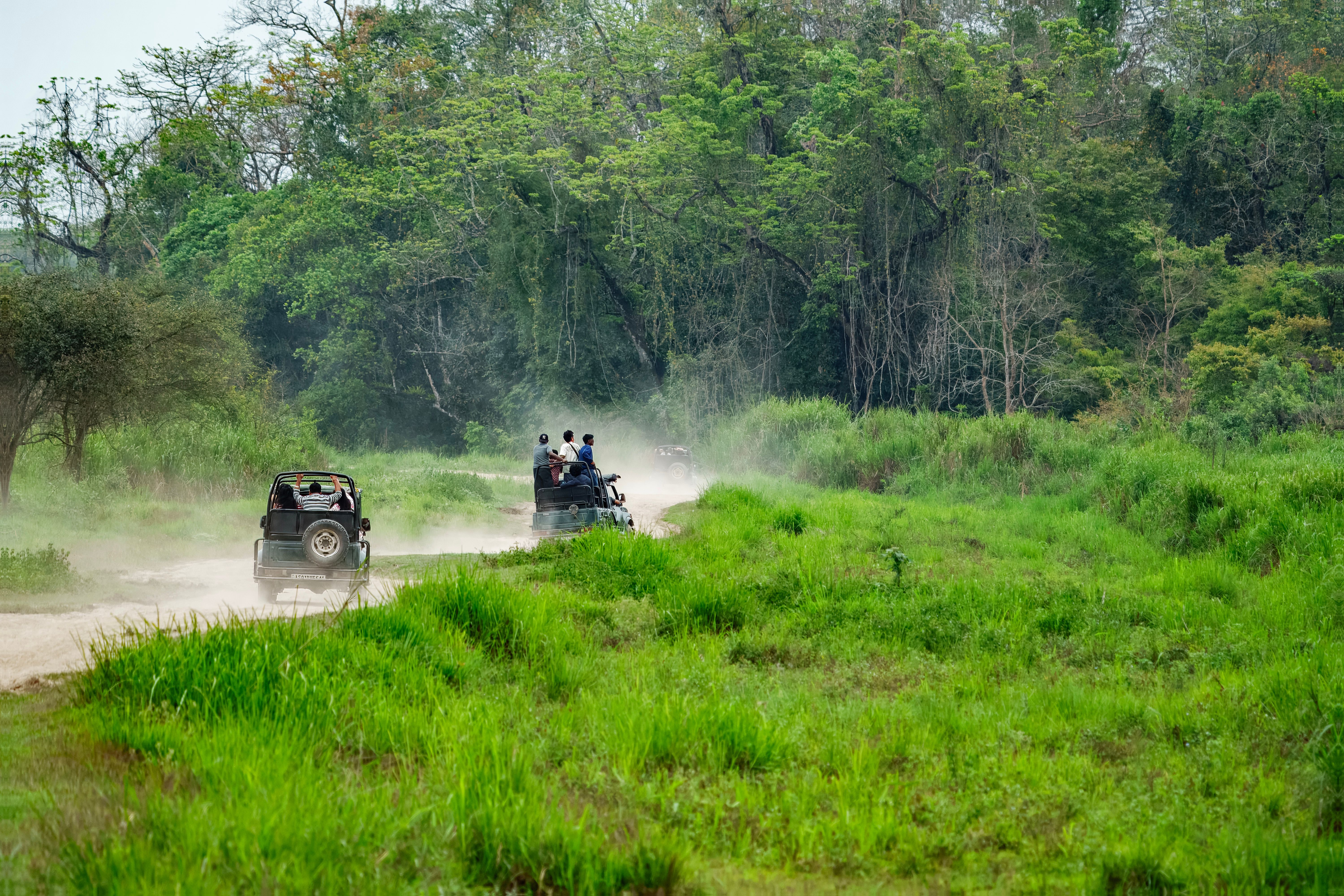
This 4-day Uttarakhand holiday combines the scenic beauty of Nainital with the wildlife and natural landscapes of Jim Corbett National Park. The journey begins with a drive from Delhi to Nainital, followed by lake visits, temple sightseeing and Himalayan viewpoints. Continue to the Corbett region to explore its wildlife heritage, learn about the legendary Jim Corbett, and enjoy an exciting jungle safari before returning to Delhi.
Jim Corbett
Edward James Corbett, popularly known as Jim Corbett, was a well-known hunter, naturalist, author and conservationist who had a deep connection with the Kumaon region of Uttarakhand. He was born in Nainital and spent much of his life in the forests and villages of the Kumaon and Garhwal Himalayas.
During his early years, Corbett became familiar with the forests, wildlife and local communities of the region. He became widely known for tracking and hunting man-eating tigers and leopards that had become a threat to villagers. However, his legacy goes beyond hunting. He developed a strong interest in wildlife protection and conservation and helped create awareness about the importance of protecting India's forests and animals.
Jim Corbett also became a celebrated author. His books, including Man-Eaters of Kumaon, describe his experiences in the forests and his encounters with wildlife. His writing introduced readers around the world to the landscapes, people and wildlife of the Kumaon region.
Jim Corbett National Park has an important place in India's wildlife conservation history. It was established on 8 August 1936 as Hailey National Park, making it India's first national park. After independence, it was renamed Ramganga National Park in 1954 and later renamed Corbett National Park in 1957, in memory of Jim Corbett.
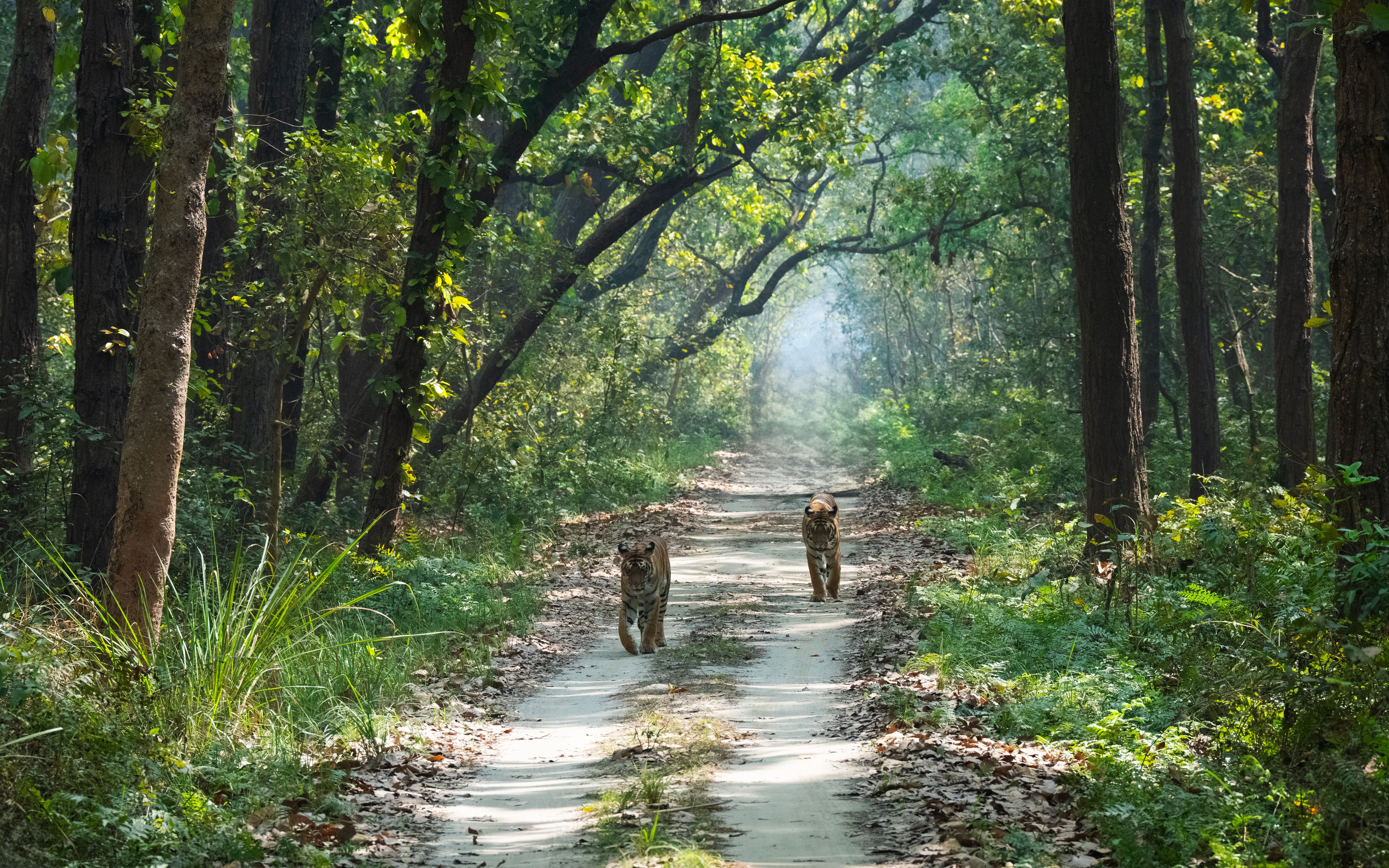
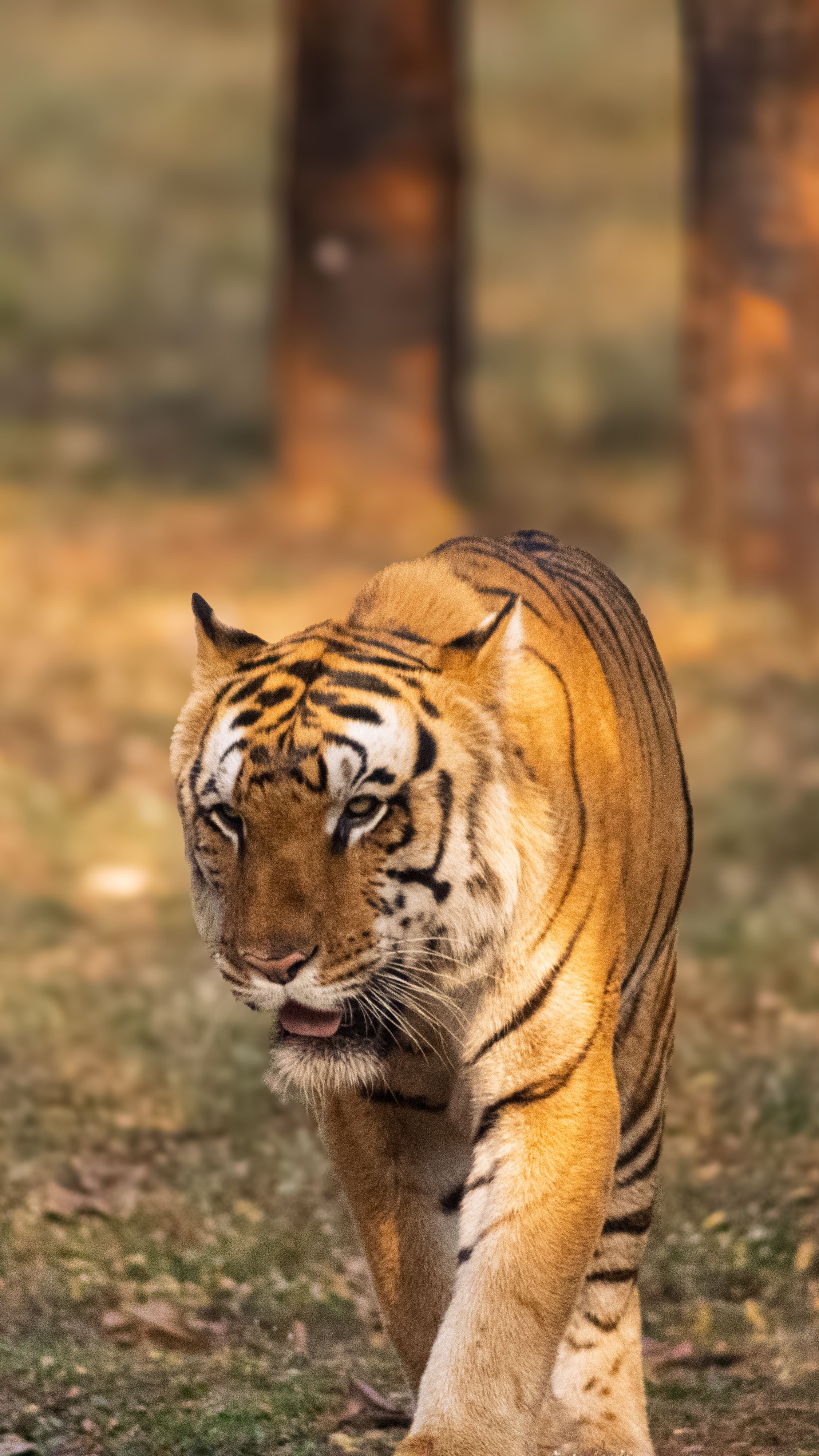
On 1 April 1973, the park became the launch site of Project Tiger, India's major tiger conservation initiative. Today, Corbett Tiger Reserve is recognised for its rich biodiversity, forests, rivers, grasslands and wildlife, including the Bengal tiger and Asian elephant.
It is India's first national park.
It is closely associated with the legacy of Jim Corbett.
It played a historic role in the launch of Project Tiger in 1973.
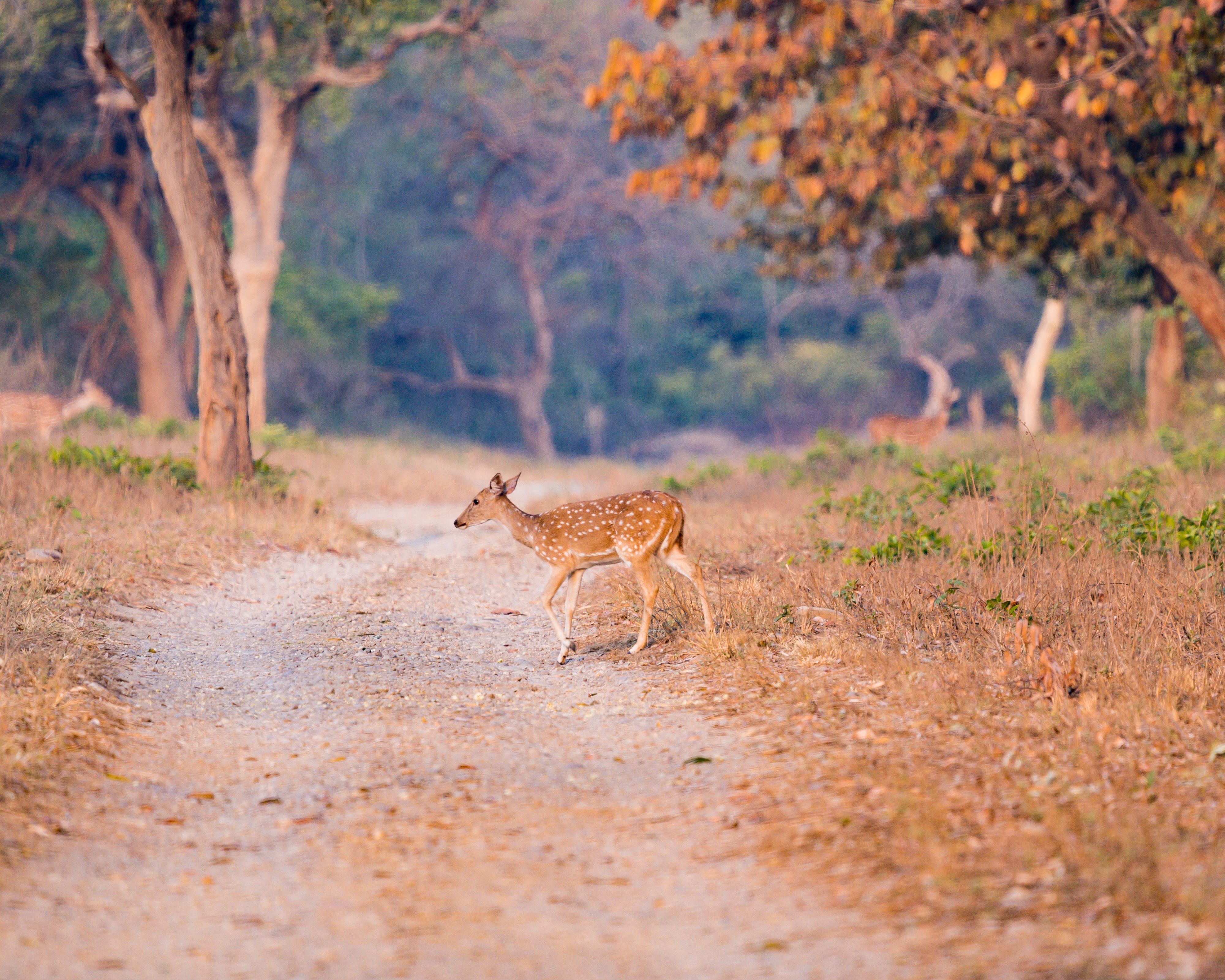
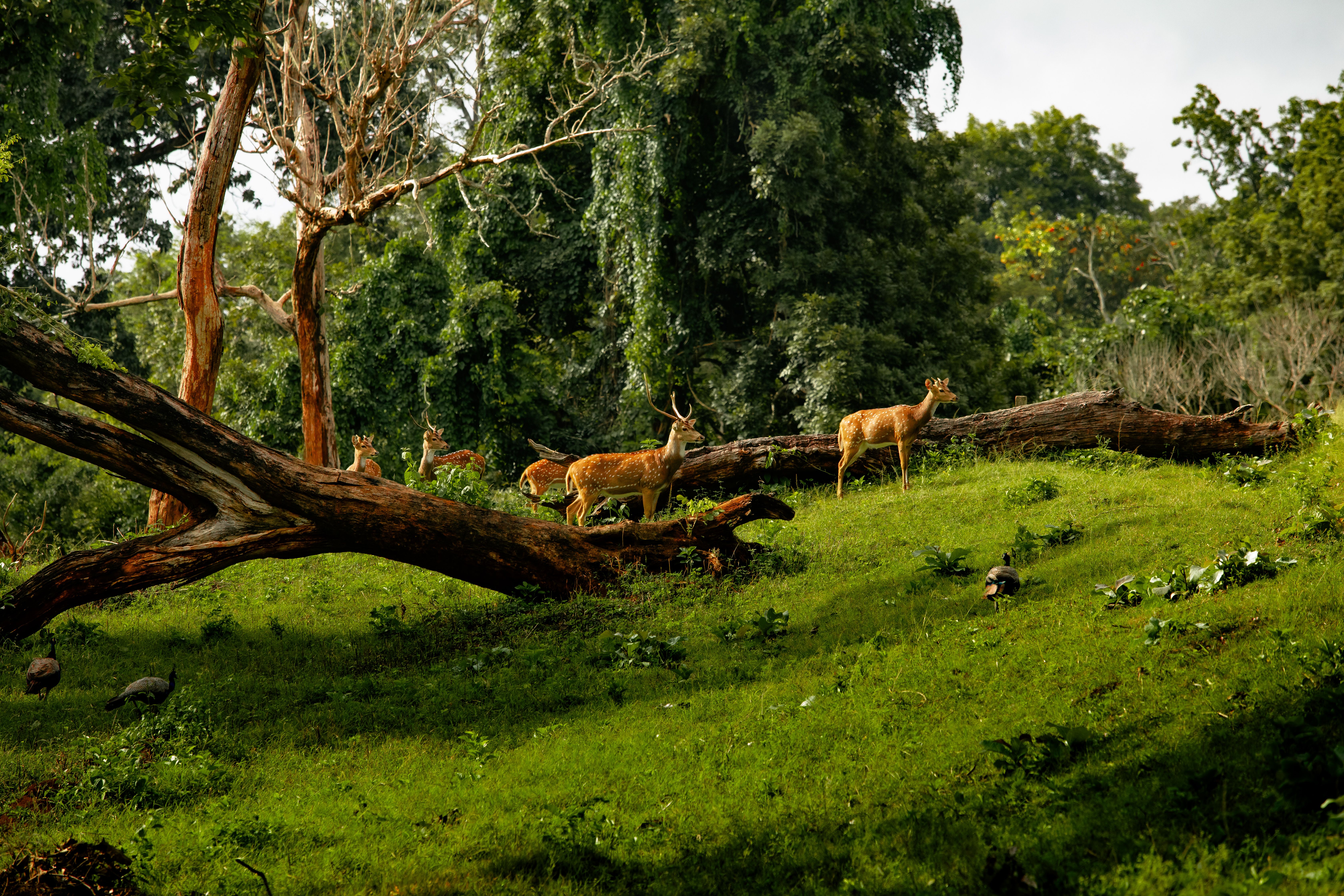
It is known for Bengal tigers, elephants, deer and diverse birdlife.
Its landscape includes dense forests, grasslands, rivers and streams.
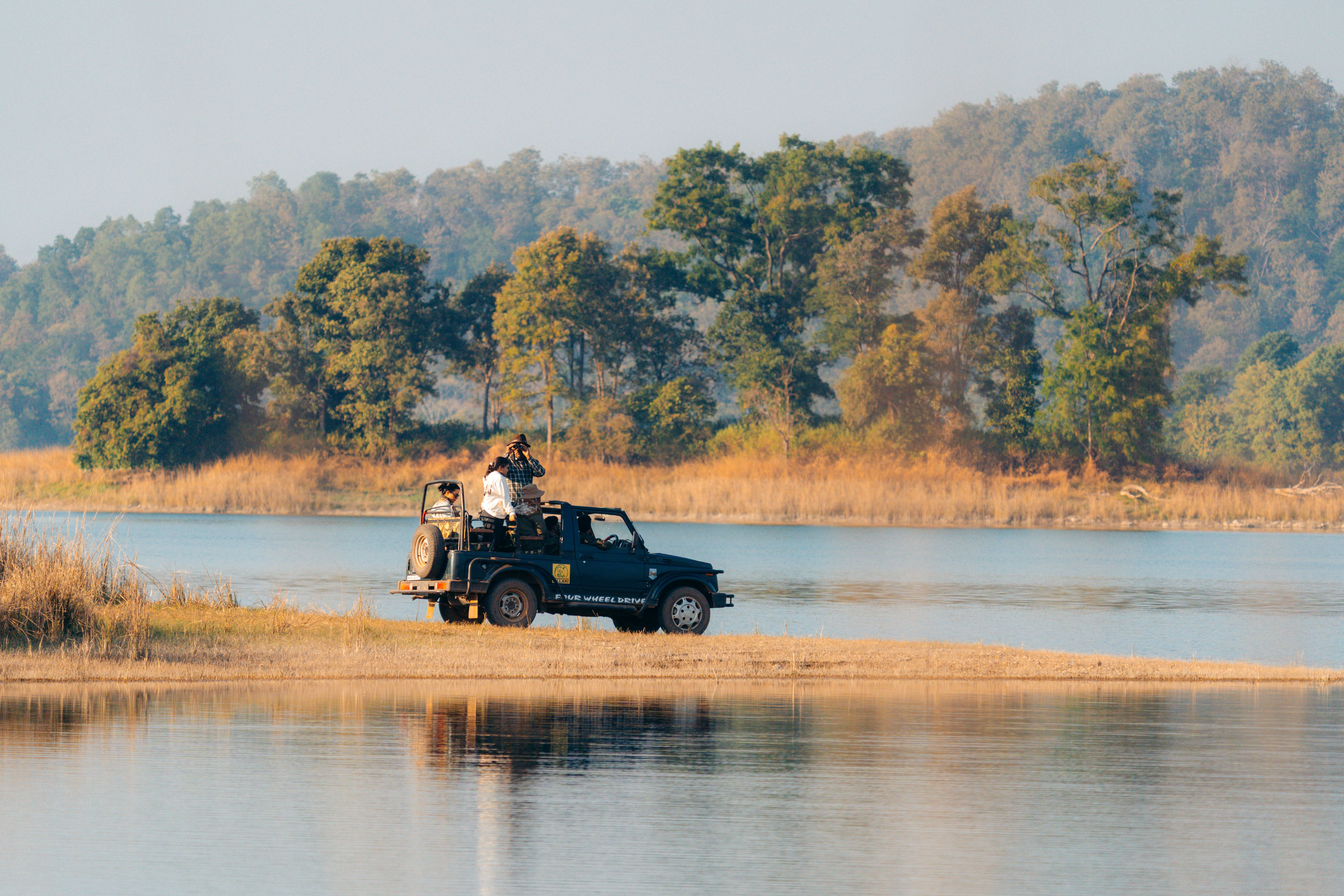
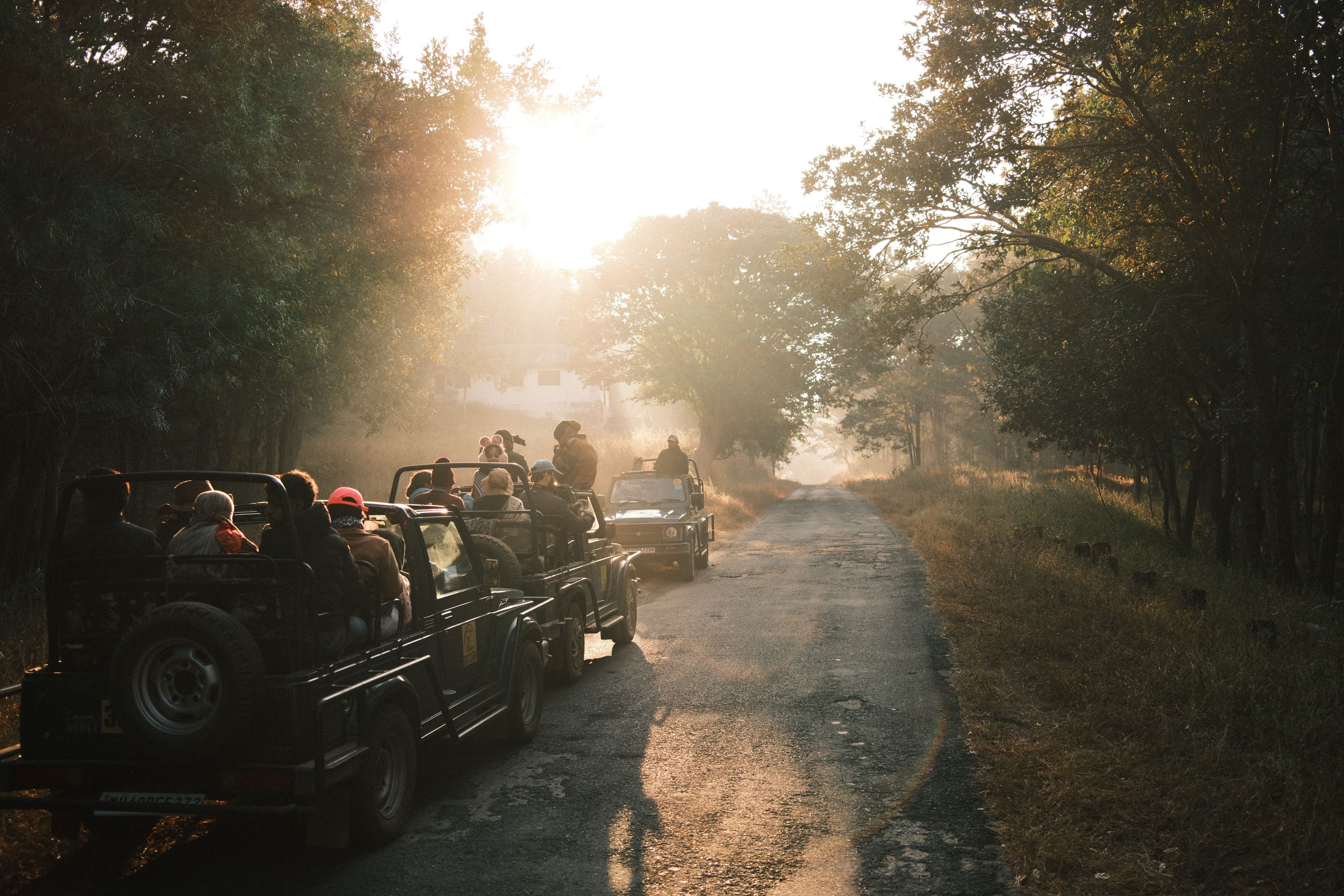
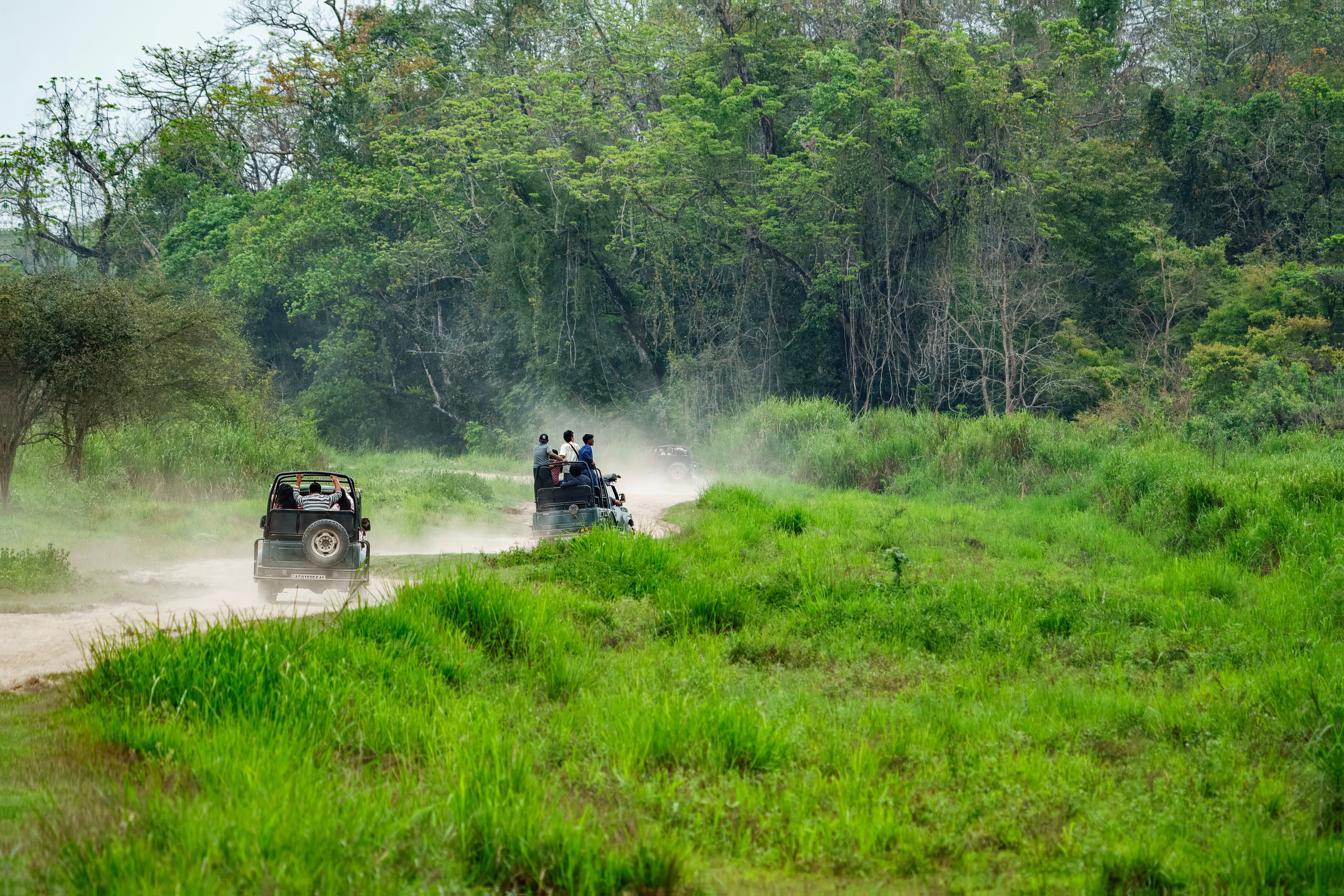
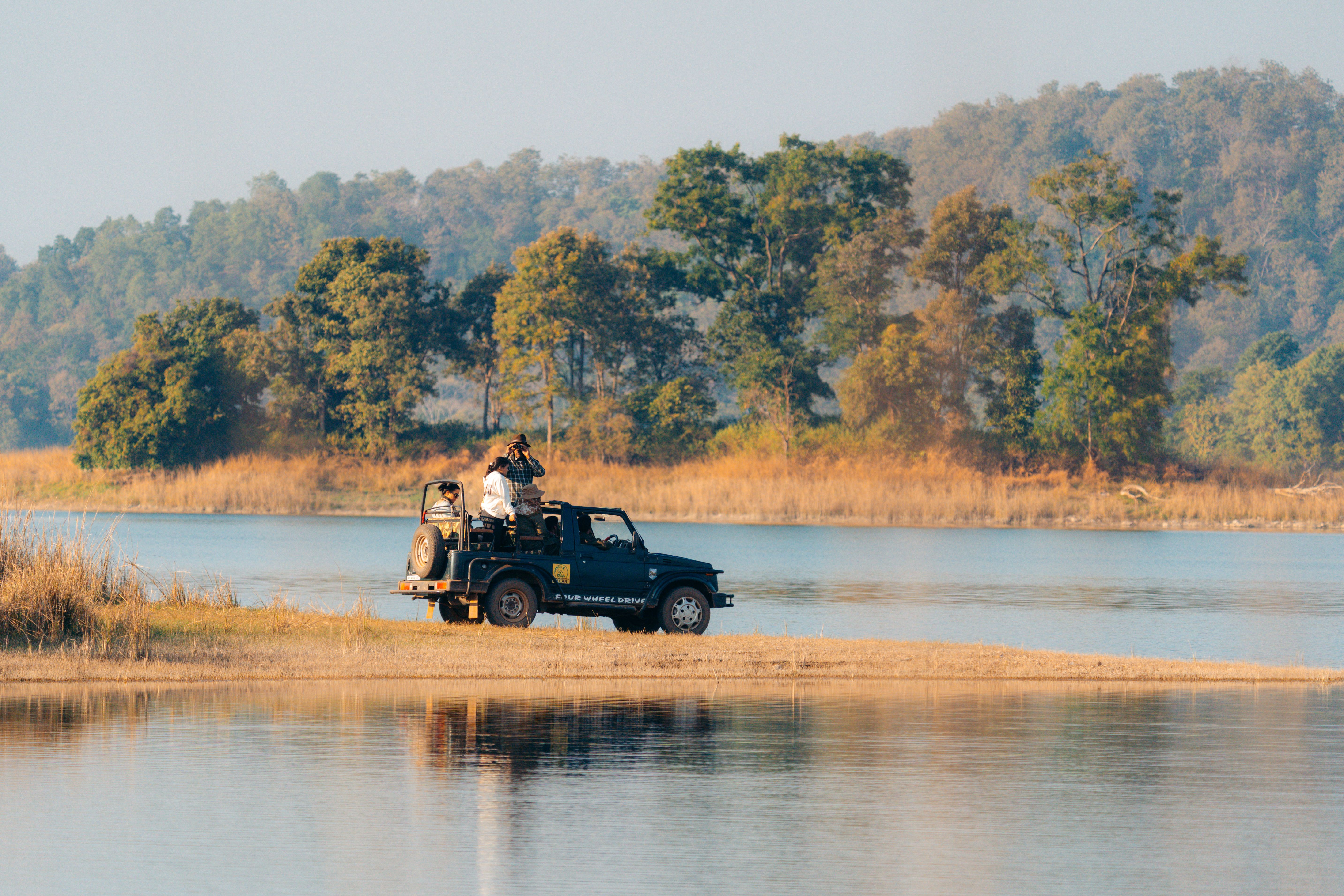
It offers authorised jeep safari experiences in designated zones.
A special experience for visitors: A visit to the Corbett region is not only about wildlife safari. It is also an opportunity to learn about the life of Jim Corbett, the history of India's early wildlife conservation efforts and the natural heritage of the Kumaon Himalayas.
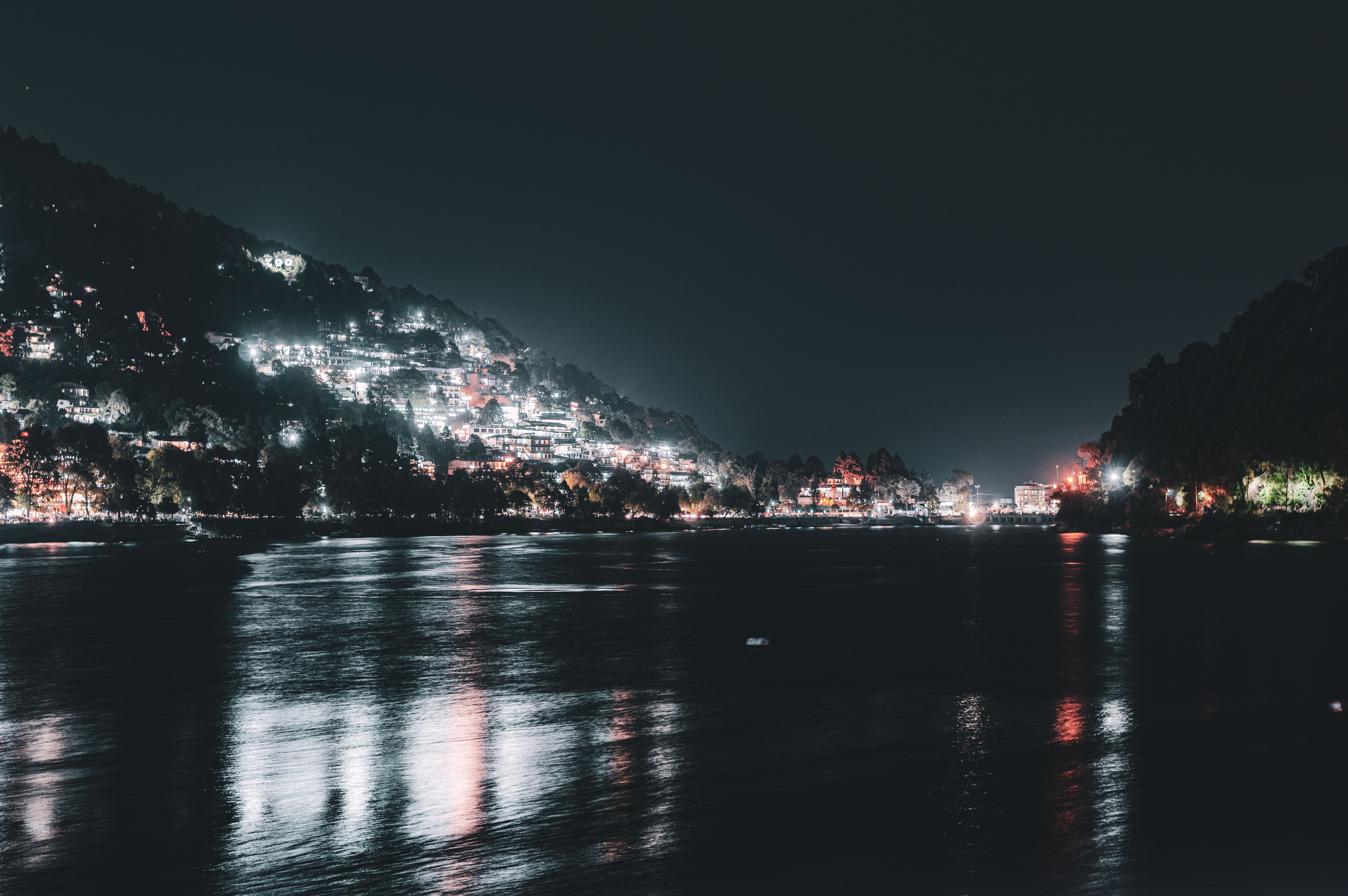
Explore the beautiful Himalayan lake town of Nainital.
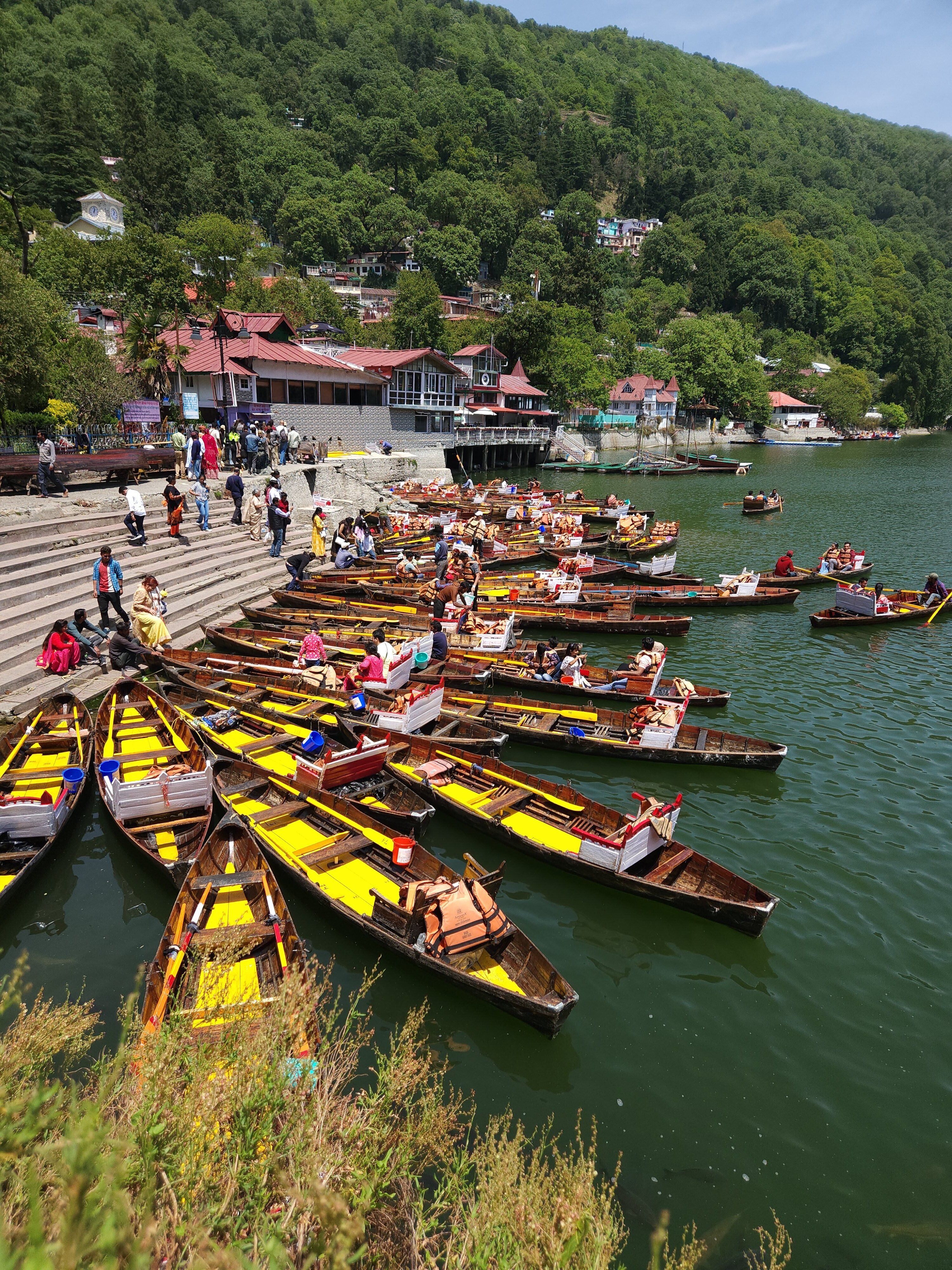
Enjoy boating and scenic views at Naini Lake.
Visit the sacred Naina Devi Temple.
Explore Snow View Point, Tiffin Top and other popular viewpoints.
Stroll along Nainital's famous Mall Road.
Travel through the scenic Kumaon foothills to Jim Corbett National Park.
Discover the history and legacy of Jim Corbett, the naturalist after whom the park is named.
Enjoy an exciting jeep safari in the forest, subject to availability and applicable permissions.
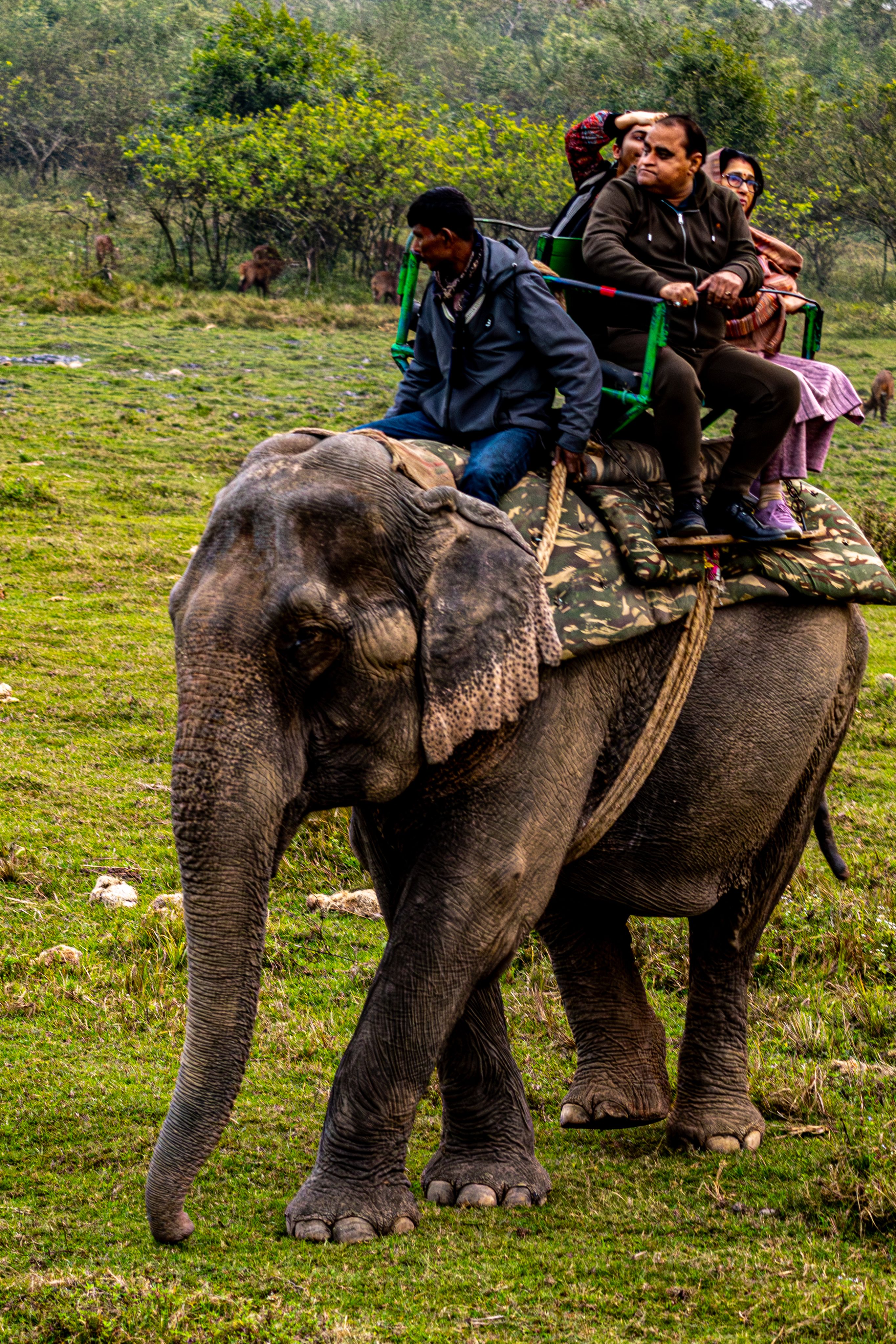
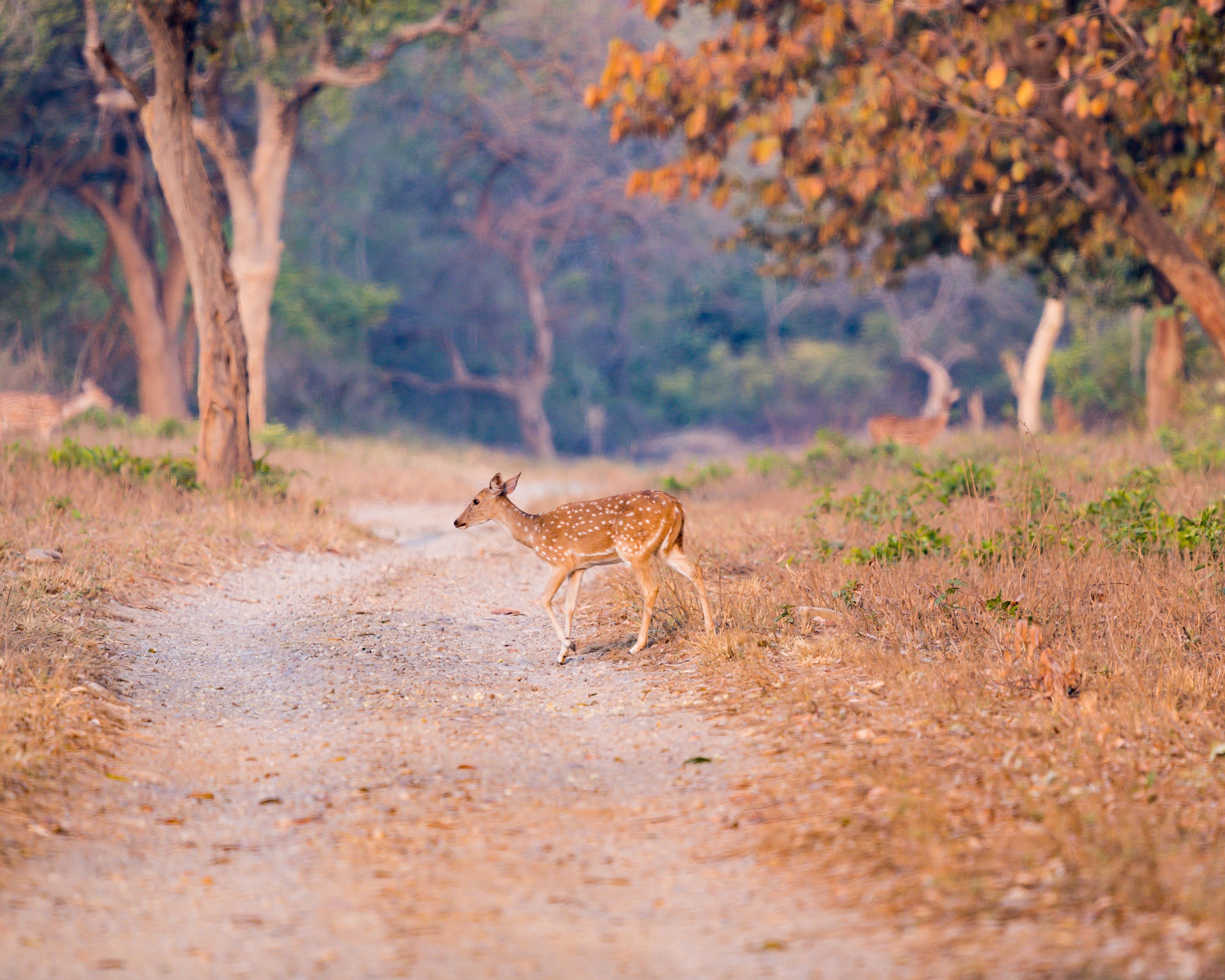
Look out for elephants, deer, birds and other wildlife in their natural habitat.
|
Tour detail |
Information |
|---|---|
|
Tour duration |
4 Days / 3 Nights |
|
Starting point |
Delhi |
|
Ending point |
Delhi |
|
Destinations |
Nainital and Jim Corbett |
|
Region |
Kumaon, Uttarakhand |
|
Tour type |
Nature, sightseeing and wildlife |
|
Ideal for |
Families, couples, friends and private groups |
|
Accommodation |
2 nights Nainital + 1 night Corbett |
|
Main activity |
Corbett jeep safari |
|
Day |
Travel plan |
Overnight stay |
|---|---|---|
|
Day 1 |
Delhi to Nainital |
Nainital |
|
Day 2 |
Nainital local sightseeing |
Nainital |
|
Day 3 |
Nainital to Jim Corbett National Park |
Corbett |
|
Day 4 |
Early morning jungle safari and drive to Delhi |
Tour ends |
|
Route |
Approx. distance |
Approx. driving time |
|---|---|---|
|
Delhi to Nainital |
300–320 km |
7–9 hours |
|
Nainital local sightseeing |
Varies by attraction |
6–8 hours |
|
Nainital to Ramnagar / Corbett |
65–80 km |
2–3 hours |
|
Ramnagar / Corbett to Delhi |
240–280 km |
6–8 hours |
Distances and travel times are approximate. They vary with the hotel location, route, traffic, road conditions, sightseeing stops and Delhi pickup/drop point.
March to June: A popular period for pleasant weather in Nainital, sightseeing, boating and summer holidays. It is also a good time to plan a wildlife holiday, subject to the operating schedule of the selected safari zone.
July to September: The monsoon brings lush greenery to the hills and forests. However, heavy rainfall, slippery roads and seasonal restrictions can affect sightseeing and safari operations.
October to February: A beautiful period for enjoying the cooler weather, peaceful landscapes and winter atmosphere in Nainital. Safari availability depends on the designated zone and its official operating dates.
Safari zones do not necessarily operate throughout the year. Always check the current official schedule and book permits in advance.
Carry valid government-issued photo identification for all travellers.
Safari bookings require the details of the participants as requested by the authorised booking system.
Safari permits are subject to availability and confirmation; advance booking is recommended.
The safari zone and reporting time are governed by the official booking and forest authorities.
Wildlife sightings are natural and cannot be guaranteed.
Ropeway rides, boating and other activities depend on weather and operating conditions.
The Day 4 safari and return drive make for an early and fairly long day. Guests should be prepared for an early wake-up and a full day of travel.
The itinerary may be adjusted due to traffic, weather, local restrictions or operational requirements.
At Thin Air Expedition, we aim to make your Uttarakhand holiday comfortable, memorable and well organised. Our team helps travellers explore the region through thoughtfully planned journeys, local experiences and practical travel arrangements.
We offer two ways to explore:
Customized / Private Tour: Travel on your preferred dates with a flexible itinerary, private vehicle and accommodation options based on your requirements.
Fixed Departure Tour: Join a scheduled group departure with a fixed itinerary and planned services, subject to departure confirmation.
Whether you are travelling with family, as a couple or with friends, we can help arrange a Nainital and Jim Corbett holiday according to your travel preferences and budget.
The final inclusions can be adjusted according to the selected hotel category and quotation. A typical package may include:
3 nights' accommodation: 2 nights in Nainital and 1 night in the Corbett region.
Daily breakfast at the hotels.
Private vehicle for Delhi–Nainital–Corbett–Delhi transfers and sightseeing as per the itinerary.
Driver allowance, fuel, parking and applicable road taxes.
Nainital local sightseeing as per the agreed itinerary.
Assistance with safari booking, subject to availability and the package selected.
Train or flight tickets.
Lunch, dinner and meals not specifically mentioned.
Corbett jeep safari charges, unless included in the final quotation.
Safari permit, entry fees and guide charges, unless specified.
Boating, ropeway, pony rides and other optional activities.
Entry tickets to sightseeing attractions.
Personal expenses such as laundry, telephone calls, tips and shopping.
Additional expenses due to road closures, bad weather, delays or other circumstances beyond our control.
Anything not mentioned under inclusions.
A 4-day / 3-night tour is a good short holiday covering Nainital sightseeing and a jungle safari in the Corbett region.
The distance is approximately 300–320 km by road, depending on the route and pickup location.
Ramnagar, the main gateway for many Corbett visitors, is approximately 65–80 km from Nainital, depending on the route and destination.
Safari inclusion depends on the final package quotation. It can be added subject to permit and vehicle availability.
Tiger sightings are possible but never guaranteed. Corbett is a natural forest habitat, and wildlife moves freely.
The reserve is home to Bengal tigers, elephants, spotted deer, sambar, wild boar, crocodiles and many species of birds. Actual sightings vary.
Jim Corbett was a famous hunter, naturalist, author and conservationist born in Nainital. He became known for his knowledge of the Kumaon forests and his contribution to wildlife conservation.
The park was renamed in his memory in 1957. His connection with the region and contribution to the park's establishment made him an important figure in its history.
It was established on 8 August 1936 as Hailey National Park, India's first national park.
Project Tiger is India's tiger conservation programme, launched on 1 April 1973, with Corbett as its launch site.
Popular attractions include Naini Lake, Naina Devi Temple, Snow View Point, Tiffin Top, Eco Cave Garden and Mall Road.
Yes, boating is a popular activity at Naini Lake. It is subject to local operating conditions and charges.
Yes. The tour combines hill-station sightseeing and wildlife experiences and can be suitable for families, couples and groups.
Yes. Thin Air Expedition can customise the travel dates, hotel category, vehicle, sightseeing and duration according to your preferences.
Four days are suitable for a short visit. However, Day 4 includes an early safari followed by a long drive to Delhi. Travellers who prefer a relaxed pace may consider adding an extra night.
₹On Demand | $On Demand
6 Days
Uttarakhand
800-1000
All Time
₹On Demand | $On Demand
5 Days
Uttarakhand
800-1000
All Time
₹On Demand | $On Demand
9 Days
Uttarakhand
1500-2000
All Time
₹On Demand | $On Demand
4 Days
Uttarakhand
800-1000
All Time
Testimonials

Rakesh dulams
Nice experience with the thinAir expedition and accommodation and hospitality and safty such as taken personal care and well experienced guide and such a cool guy

Aditi 99
I had an amazing experience with thin air expeditions. The food, the hospitality, and the preparedness of the staff for all sorts of scenarios was commendable. The location of camps was perfect. Even though i was a female solo traveller , i felt very safe and comfortable. Couldn’t have asked for a better team.

Radandi Shashank
“You are not just a mountain trek guides, but a true guardian of the journey. Your unwavering loyalty to our team, the mountains, and safety itself is extraordinary. Every step felt secure because of your dedication, integrity. And stayed committed to every trekker, through every challenge, with patience, care, and honesty. Huge respect to Subodh Jii n Aditi Mam!! Thank youu @thinairexpedition It was wonderful experience!!❤️❤️

67D3_KALYAN
Completing the Kedarkantha trek at an altitude of around 12,500 feet was not just a trek for us, it was a life-long memory, and a major reason for this unforgettable experience is our guide Shubhod Sir. From the very first day till the summit, Shubhod Sir guided us with immense patience, discipline, and genuine care. At every difficult patch, when our legs were tired and breathing became hard, his calm words, constant motivation, and confident leadership gave us the strength to keep moving forward. He never rushed anyone and always made sure that every member of the group was safe, comfortable, and mentally strong. Shubhod Sir’s knowledge of the mountains, weather, and high-altitude conditions was truly impressive. More than a guide, he felt like a protector and mentor who treated everyone like family. His positive attitude and humble nature created a sense of trust and confidence among all of us. We are also thankful to Atidhi Madam for her support and cooperation during the trek, which added to the smooth experience. Because of Shubhod Sir’s guidance and dedication, we successfully reached the summit with confidence and joy. We will always remember this trek with gratitude and respect. Truly blessed to have a guide like him. 🙏⛰️

Arvind Sahu
Wonderful experience totally worth it. At those price they provided services that no one could provides really enjoyed ❤️🎉

Kolanu Anirudh
This is my first trek in Uttarakhand(Kedharkanta) and Thin Air Expedition made it a memorable one Thanks for everything subodh bro you made it so special.

kanica kandpal
Completed the Gaumukh–Tapovan trek with Thin Air Expedition, and it was an exceptional experience from beginning to end. Instead of opting for a fixed-departure model, we chose a personally curated itinerary, as this was our first trek—and it turned out to be the perfect decision. The team was extremely thoughtful in planning each day’s distance, ensuring we were comfortably challenged without ever feeling overtired or exhausted upon reaching the campsites. Every campsite was carefully selected, offering not just safety and comfort but also breathtaking views that made each halt truly memorable. What stood out most was the level of personalization. The itinerary was clearly tailored to our pace and comfort, and the trek leader constantly shared insightful facts about the region, its geography, and cultural significance, adding depth and meaning to the journey. Overall, Thin Air Expedition delivers a highly personalized, well-paced, and enriching trekking experience. I would highly recommend them, especially for first-time trekkers looking for a safe, informative, and thoughtfully curated adventure.Sen

Raj Bahadur
I booked my trek with Thin Air Expedition on a friend’s recommendation, and it turned out to be a great decision. They managed travel and accommodation very smoothly, and everything was well organized throughout the journey. The team stayed in regular coordination, ensuring that stays and drivers were properly arranged each day. The entire trip was timely, hassle-free, and also pocket-friendly. I would definitely recommend Thin Air Expedition—you can trust them completely with your travel and trekking plans.

sachin aulakh
I recently completed the Kedarkantha Trek with ThinAirExpedition, and the entire experience was outstanding. The coordination, communication, and arrangements were excellent. The trek leaders were experienced and friendly, the support staff was humble, the stay was comfortable, and the food quality in such high altitude conditions was truly impressive. Their focus on safety and responsible trekking made the journey even better. I would definitely choose them again for my next Himalayan adventure! 🏔️✨

Aman rai
I recently completed a trek with the help of ThinAirExpedition, and the entire experience was very comfortable. From stay arrangements to travel from Rishikesh to Rishikesh, everything was well managed. The driver was extremely polite, supportive, and made the journey smooth and stress-free. Overall, a great experience and I would definitely recommend them.

Nitya Jaiswal
Kedarkantha was not just a trek, it was an experience that helped me reconnect with myself. Thanks to Thin air expeditions , I felt safe, cared for and encouraged at every step. The sunrise at the summit, the laughter around the campfire and the kindness of the guides will stay with me forever. If you're looking for a company that treats you like family on the mountains, this is the one.

Biswajit Sahoo
Subodh Sir making the trek so much of fun and intresting .. Awesome Experience with Subodh Sir

Anmol Verma
Overall trekking and accommodation was a very smooth experience. Our trek leader Mr. Ramesh was amazing and very helpful. He managed to make the trek look easy. Overall experience was 10/10. Would highly recommend.

Rishabh Singh Rana
Trek Guide Mr. Ramesh Ji is a very cool & good person. Trek journey became beautiful with the group and overall it became my one of the best experience.

aditi vaidya
I recently went on a trek with Thin Air Expeditions, and I can't get over the experience I had! I did the Phulara Ridge trek with Subodh sir, and it was an incredible experience. What made it even more special was that Subodh sir made sure I could bring my dog, Flake, a toy pom. His team and him took such great care of us, and it was clear that they truly care about their guests, human or canine! The group was amazing too. I met some wonderful people along the way, and we formed lifelong bonds. The whole experience was beautiful – from the breathtaking views to the friendly, supportive environment. I’ll cherish these memories forever! If you're looking for a SAFE, well-organized, fun, and caring trekking company, Thin Air Expeditions and Subodh sir are the ones to go with!

Anuja Vaidya
It was a wonderful experience with TAE on Phulara ridge trek, everything was on point the gears, food, trek guides and Subodh sir himself was an amazing leader who is the founder of TAE, he made sure the experience was amazing even for the first timers keeping safety the first priority. Also I took my Dog, Flake along with me for the trek and it was a great experience for her as well and her food and safety was well taken care of . 🐾 Would love to go back again with Thin air expedition. Thank you so much 🤗

Simran Samal
Phulara Ridge Trek – A Memorable Experience for me !!! Someone once told me, “Trips aren’t just about travel — they become a part of you.” I never really believed it, but this time, Phulara Ridge became exactly that for me. Our first campsite — the forest trail, the tents, the whole setting — gave me the first taste of what was to come. Everything was so thoughtfully arranged, it felt like nature itself had prepared that space for us. All thanks to our trek leader, Subodh bhai 🙌🏻. The next stop was magical in its own way. The campsite was picture-perfect, and we even ended up learning a bit of the local Uttarakhandi dance from Dev bhaiya (well… I tried to! 😄). In the evenings, we played games and spent such a good time that we forgot the weight of city life for a while. And finally, the Ridge: Honestly, we thought the weather would block the views, but Subodh bhai timed it so perfectly that the skies cleared for us. Walking on the ridge — one valley on the right, another on the left, clouds passing beneath us — felt surreal. We sat there for hours, just soaking it all in. It was pure peace. And yes, we even made tea there!!! 🫶🏻 (Of course, we made no mess, cleaned it all up, and left the space exactly the way it should be 😌). For me personally, trekking has always been like meditation — a way to quiet the noise and reconnect with myself. This trek with Subodh bhai and the team gave me exactly that: peace, perspective, memories for a lifetime, and inspiration. #SoGrateful 🙏🏻 Thank you, Subodh bhai and team, for making this such a soulful and unforgettable journey! Lastly Just one note for all: “In the end, we don’t conquer mountains; they help us discover who we truly are.” To anyone even considering it: please go with #ThinAir Expeditions to experience the rawness of trekking, the beauty of nature, and the joy of escaping city life for a while. You’ll come back not just with pictures, but with stories, stillness, and a piece of the mountains in your heart. All the best !!! ✌🏻

Netra Sharma
It was a wonderful experience with ThinAir Expedition. I went on my first trek to Phulara Ridge, and it was truly amazing. Our guide, Subodh ji, managed everything so well and remained patient throughout the trek. I enjoyed every moment and every spot. The place, the cook, and the helpers were all wonderful. The food and camps were awesome. I highly recommend joining ThinAir Expedition to experience the best of “pahadi” life!

Vaibhav Srivastava
Thin Air Expedition gave us the best experience while trekking. Everything was finely arranged and properly taken care of whether it was travel, food. Staff availablity. But the best part was free hand while trekking. Subodh led us beautifully taking in note that everyone reaches the base camp and everyone is doing well. Consulting our next phase keeping in mind the safety and gears. It was collectively very amazing. He gave us full free hand additionally it is our responsibility as well to take care of each other. We did so many activities had games and fun and he even taught us how to camp. How to set up it was fun. If it would've given me option I'll rate it 10. Thanks subodh and team and thin air expedition for such a memorable trip.

Somya Chaturvedi
I recently did the Phulara Ridge Trek with Thin Air Expedition, and it was my first trek ever truly an unforgettable experience! Everything was so well managed from safety arrangements and equipment to food and stay, I never had to worry about a thing. Our trek leader, Subodh, was extremely supportive, patient, and motivating, which made a huge difference for a first-timer like me. The food was simple, homely, and very satisfying after long trekking hours. Most importantly, safety was always the top priority. For anyone planning their first or next trek, I’d highly recommend Thin Air Expedition. Professional, caring, and passionate about making the experience memorable!
We're always ready for adventure
Trekking comes with uncertainty. Weather, terrain, and setbacks are part of the journey. We embrace them with resilience and openness—each challenge makes us stronger and more appreciative of nature's beauty.
We embrace low-noise trekking
We blend into nature, not the other way around. We avoid shouting, loud music, and noisy games. In silence, we hear birdsong, streams, and the wind—inviting peace, reflection, and a deeper connection with nature.
We protect the environment
We protect the environment by minimising waste, reusing resources, and picking up litter. We carry eco-bags, segregate waste, and inspire others to preserve trails. Sustainable trekking ensures these mountains remain beautiful for future generations.
We are self-sufficient
We carry our load as much as possible, manage our gear, and stay prepared for all situations. Self-sufficiency builds confidence, independence, and respect for fellow trekkers, support staff, and the trail itself.
We support each other
Trekking is not a solo act. We wait for each other, share burdens, and uplift teammates. By putting the group first, we build strong bonds and help everyone complete the trek joyfully.
We are fit and prepared
We train well before our treks. This helps us walk longer, handle emergencies, and contribute to the team. Fitness ensures we are never a burden and always ready to help when needed.


