Explore the giant peaks of the Garhwal Himalayas Black Peak Expedition
Explore the giant peaks of the Garhwal Himalayas Black Peak Expedition
11
Jul

If you really get into high altitude treks like Kedarkantha trek, or Bali Pass trek, sooner or later you feel that to go for something larger, more demanding. That’s when you start thinking about switching your basic trekking poles for ice axes. Once you feel ready to walk off the mapped paths, and actually measure yourself against freezing snow and ice, then the Garhwal Himalayas become this ideal ground where you can show what you’re capable of to beat the high altitude expeditions. Rising to 6,387 meters (20,955 feet) inside Uttarakhand’s Govind Wildlife Sanctuary, Black Peak locally called Kalanag is the clear gateway into extreme mountaineering in India.
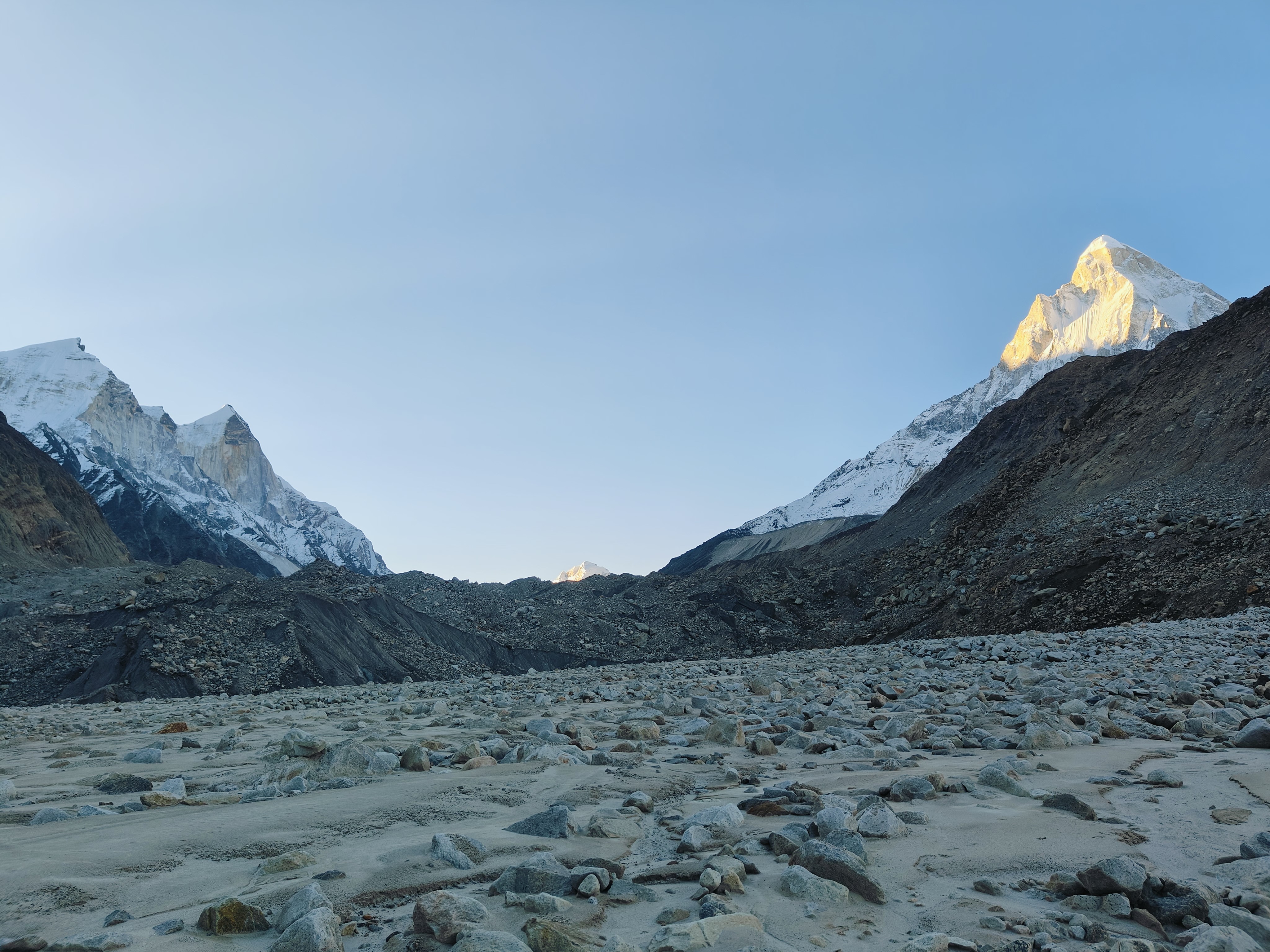
Black Peak is the tallest summit in the Bandarpoonch massif, and it simply towers over the nearby highs, Bandarpoonch I (6,316m) and White Peak (Bandarpoonch II , 6,102m).
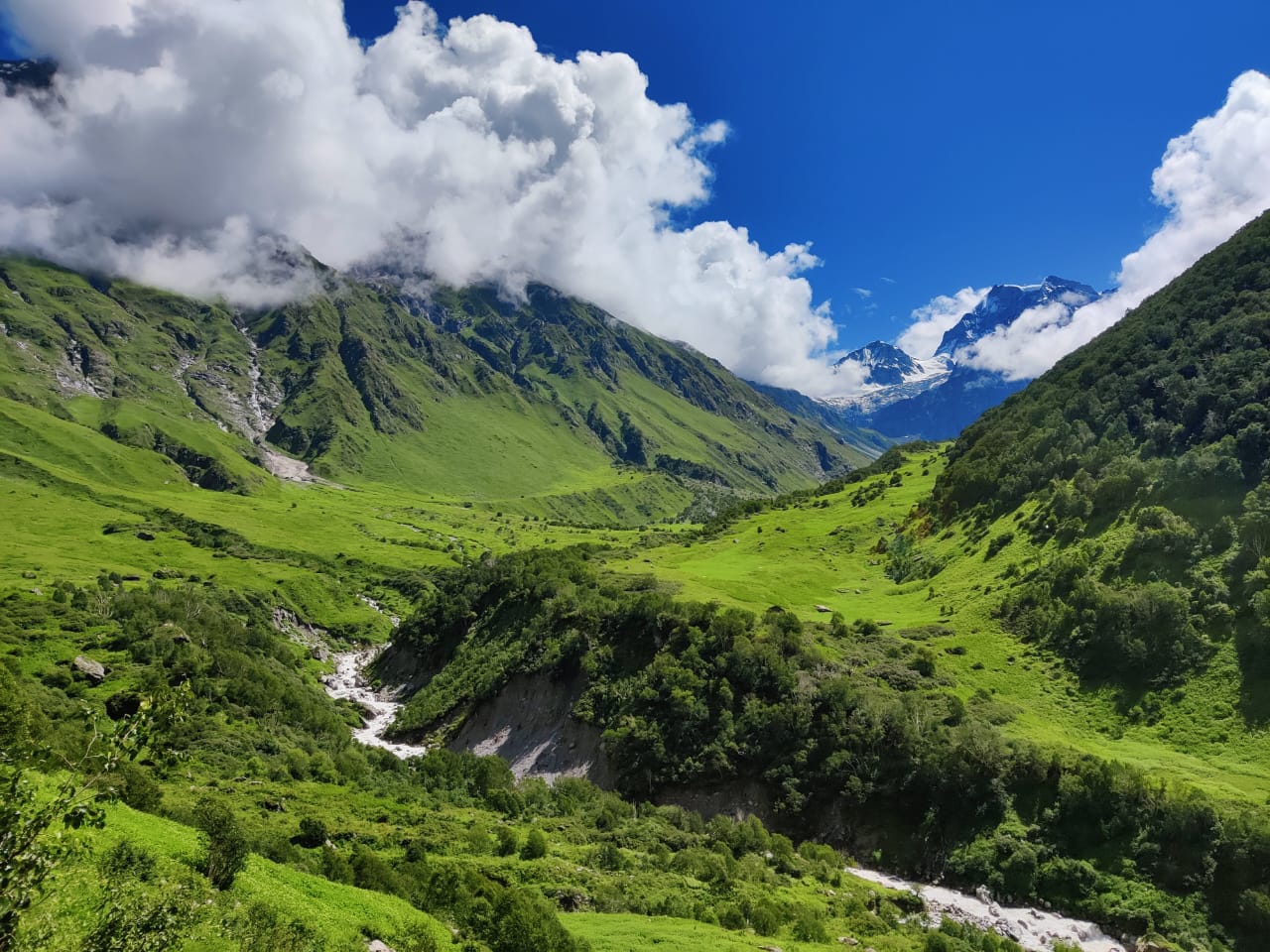
What makes this expedition sort of unique is the layout itself. It gives a gentle, beautiful approach through which the Ruinsara Valley switches up suddenly into an alpine headache once you’ve moved beyond Base Camp. In a way it works as a stepping stone for climbers chasing world class 7,000-meter giants like Mount Satopanth, Nun, or Kun , and along the way you get a real masterclass in glacier travel, rope navigation and stubborn high-altitude endurance.
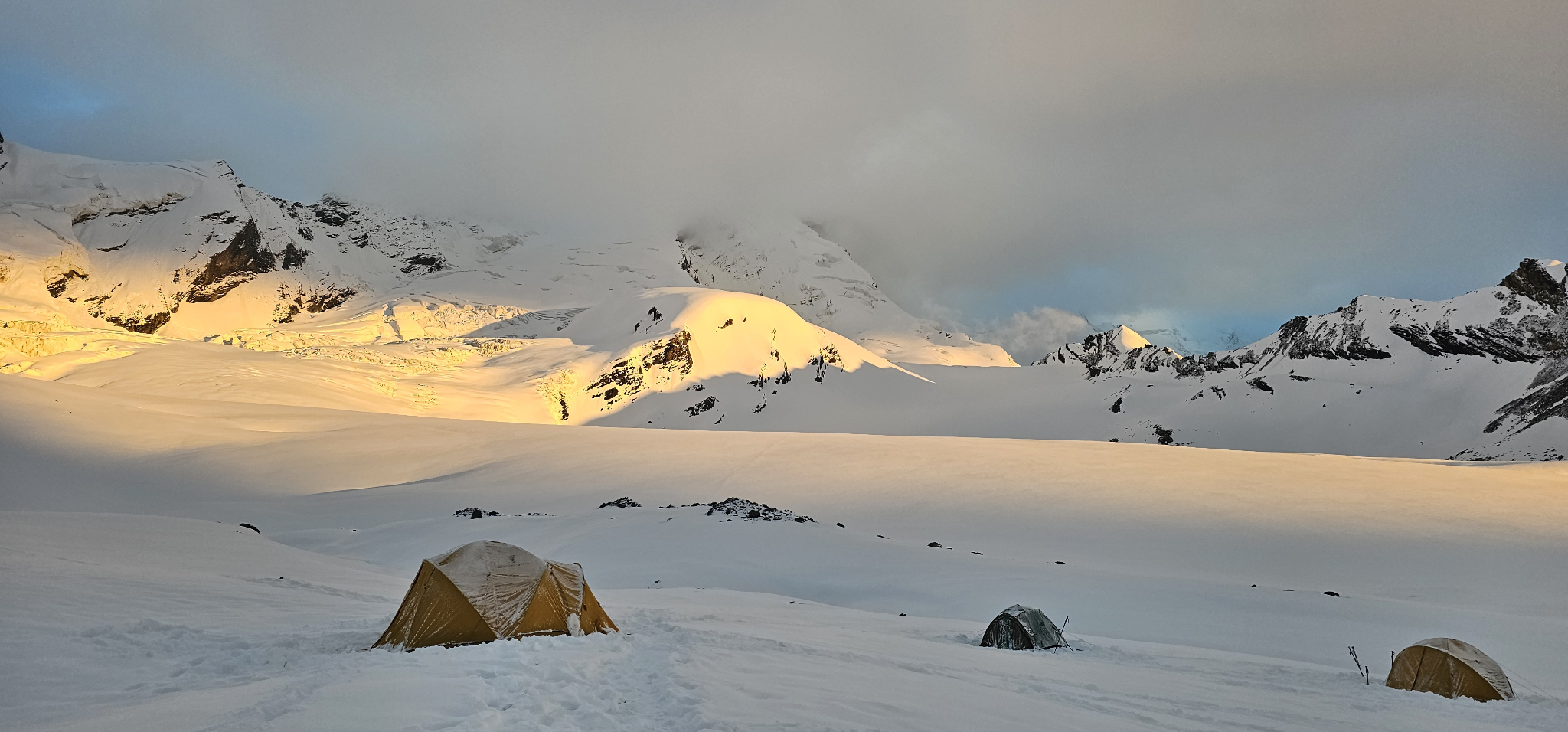
Location: Uttarakhand
Duration: 15 Days
Trek Distance: 72 Km
Max Altitude: 6,387 m
Difficulty: Moderate to Difficult
Best Time: May - June & September - October
The mountain’s local name is Kalanag, which straight up translates to Black Cobra. That comes from its overall geometry: the south and west rock faces are almost free of snow, so you see this dark, spare monolith that looks a lot like the raised hood on a giant cobra. As for the climbing history of Black Peak, it’s tightly linked with the golden age of Indian mountaineering:
Early Exploration: In the 1930s, the Bandarpoonch massif really grabbed the attention of early British climbers, including the notable explorer Jack Gibson , who helped introduce alpine style climbing to students across the area.
The First Ascent: The peak was officially climbed to the summit for the first time in 1955 by a respected team led by Jack Gibson. One member of that pioneering push was Gombu Lama (Nawang Gombu), Tenzing Norgay’s nephew, who later became the first person to top Mount Everest twice.
Modern Era: Nowadays, Kalanag is still seen as a classic training peak, looked after under the regulatory gaze of the Indian Mountaineering Foundation (IMF). So it keeps its role as that kind of important bridge, for mountaineers in the making.
Black Peak (6,387 meters / 20,955 feet) really kind of boils down to one main thing, a defining kind of idea really: it’s the ultimate gateway peak that smoothly, and maybe too perfectly transitions you from being a high-altitude trekker into a technical alpine mountaineer. Most peaks are either just long high walks that slowly drag you uphill, or they are built only for elite climbers and nothing else. Black Peak, though, kind of slides between those worlds with these very particular specialties, even if it sounds a little dramatic:
The Perfect Gateway Peak: At 6,387 meters, Black Peak’s main specialty is being the perfect link between high-altitude trekking and technical alpine mountaineering. A lot of people treat it as the ideal training mountain, not just for getting your legs ready but also for testing your body and technique before you go chasing those massive 7,000-meter Himalayan giants.
The 75-Foot Vertical Ice Wall: While other 6,000-meter peaks can be mostly a long, steep snow route, Black Peak has a more technical kind of gatekeeper. Just under the summit there’s a 75-foot, near-vertical slab of hard blue ice, with a rough 70-degree incline. Clearing it means you’re using fixed ropes, ice axes, and mechanical ascenders (Jumars).
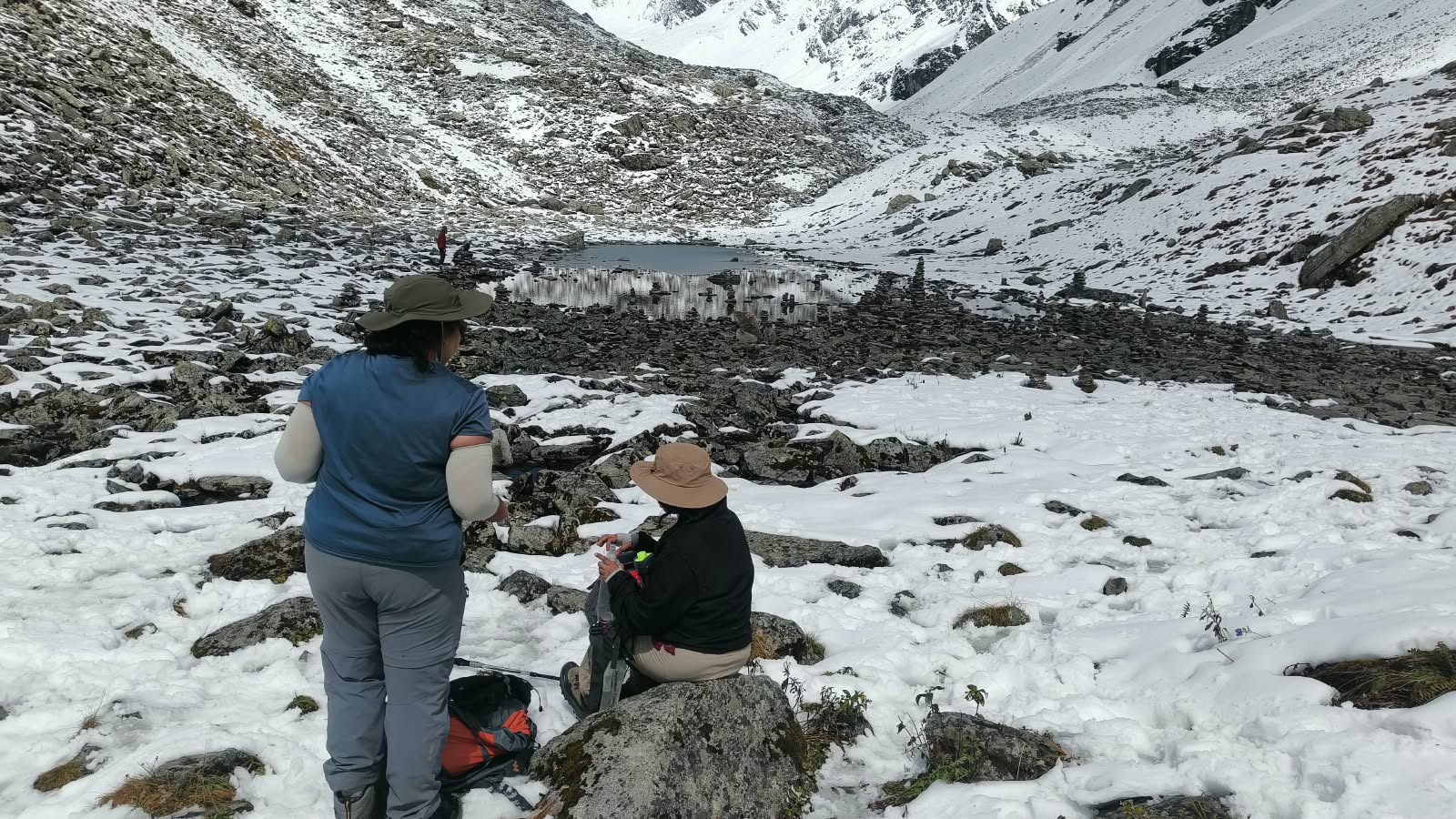
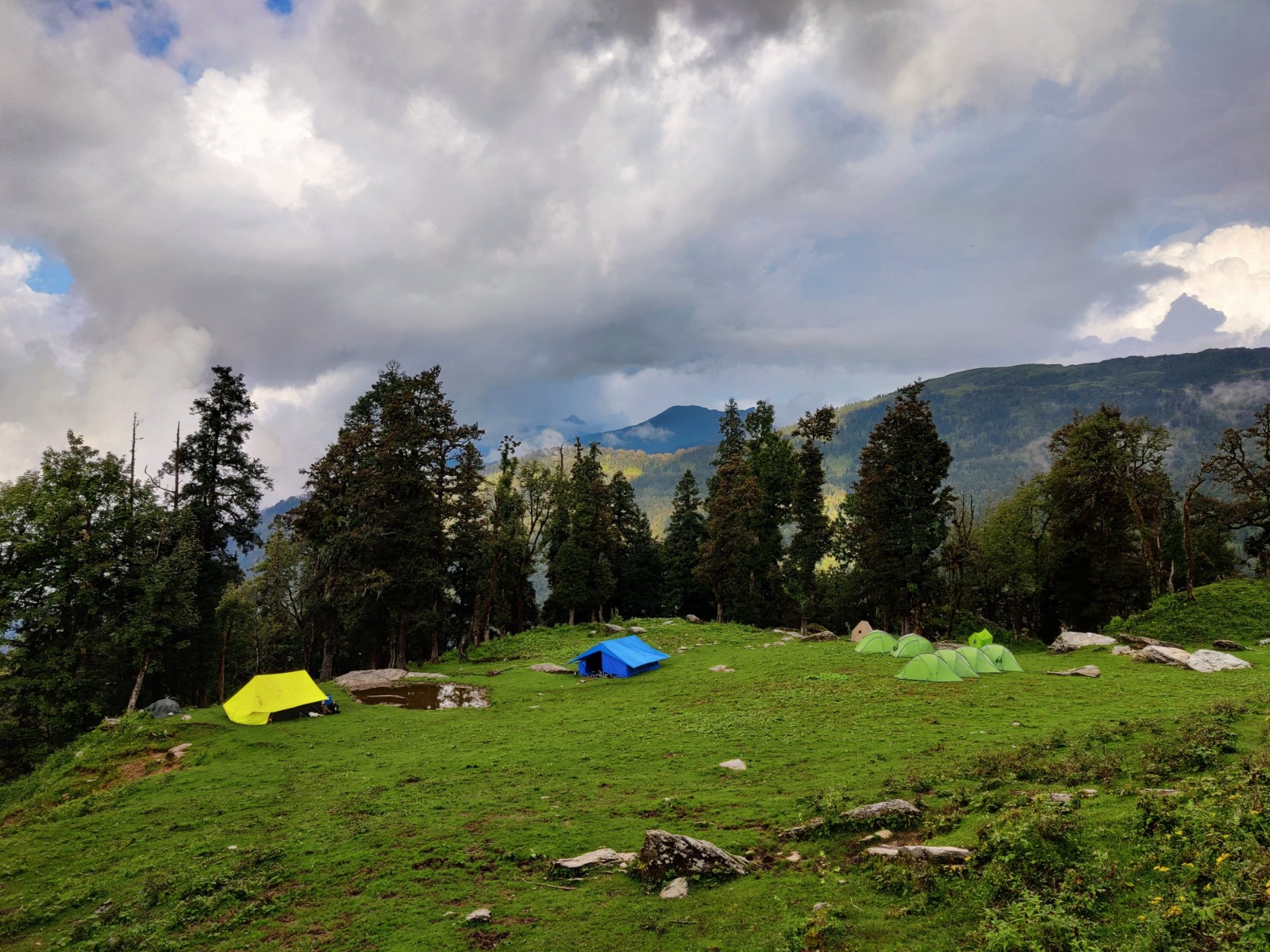
The Two-World Terrain Change: The expedition layout is unusually specific because it literally flips halfway through. The first 5 days are a calm, scenic trek through green forests and alpine meadows in the Ruinsara Valley, then, without much warning, it changes into a harsher reality , loose rock moraines everywhere and above Base Camp a zone of dangerous cracked glaciers.
The Black Cobra shape: The mountain’s local name is Kalanag, it translates to Black Cobra. That sort of tells you something about its look, because while the other ridges are wrapped in white snow, Black Peak’s main face is dark and bare rock, and it bends up into a snowy summit line like the raised hood of a giant cobra.
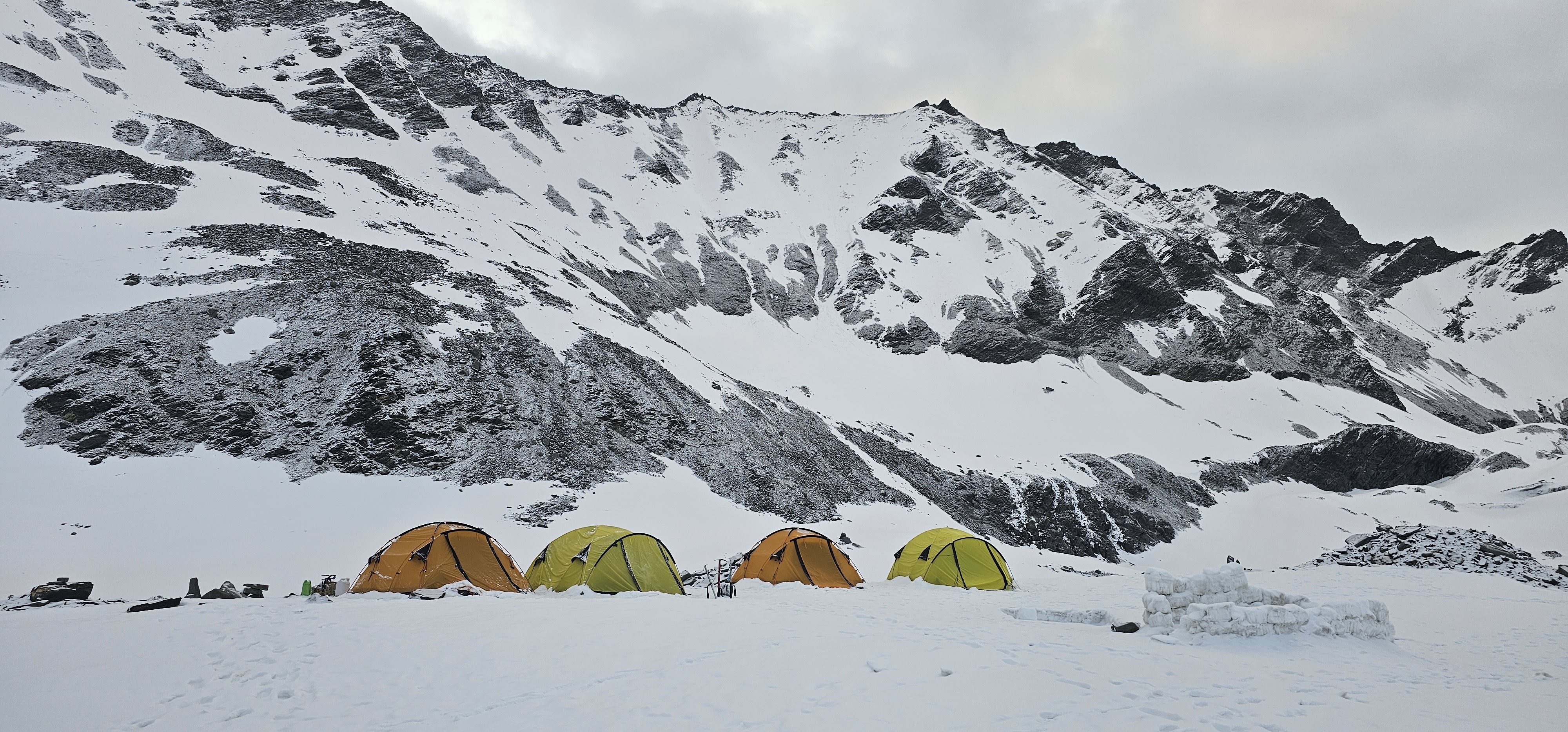
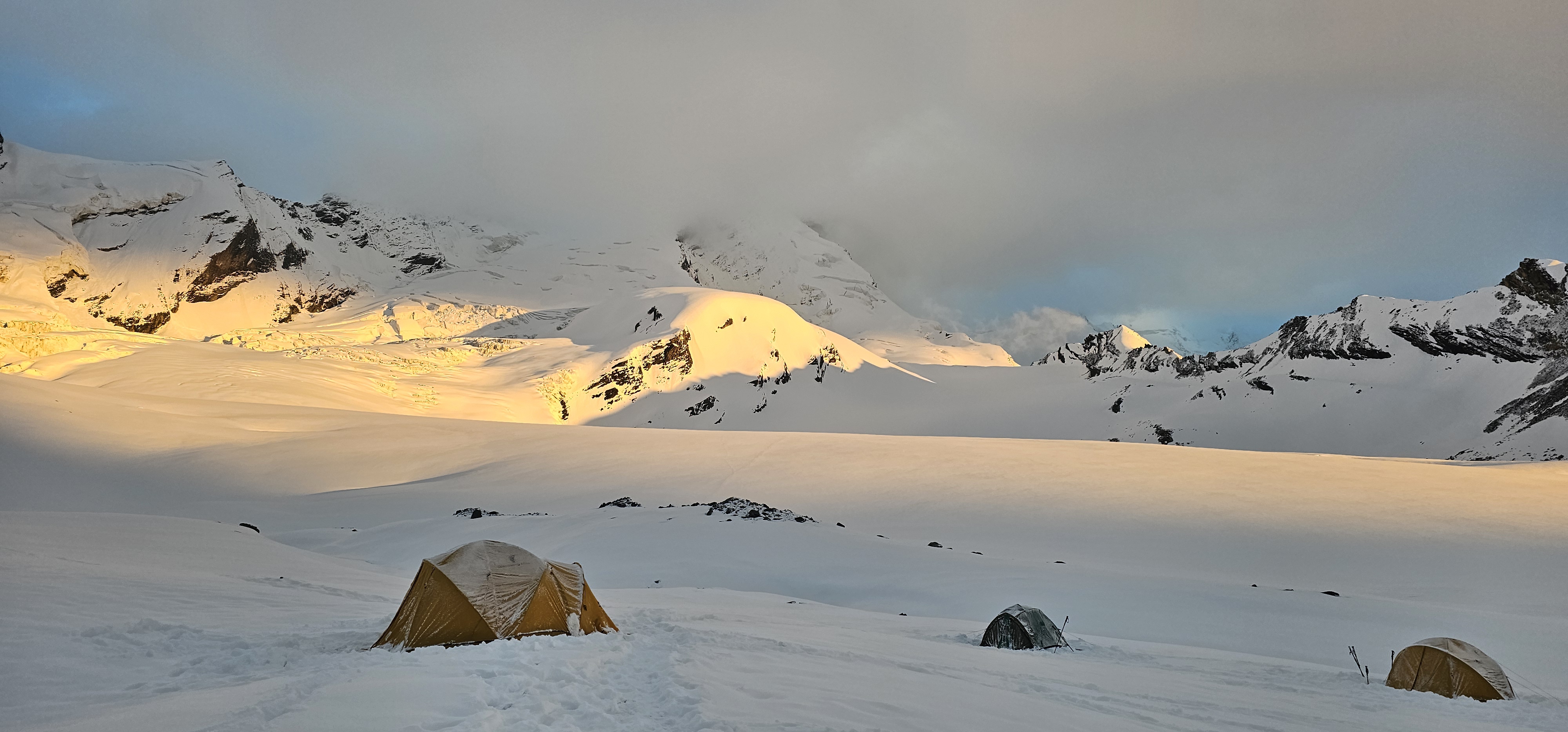
Real alpine self reliance: The big specialty of this climb is that shift into strict teamwork, and a serious self sufficiency thing too, because horse and mule support actually ends completely when you reach Base Camp. Up on the upper mountain you really have to live the alpine style survival, which means you carry your own gear weight, about 11 to 15 kg, you set up your own high altitude tents and you melt snow for your daily water.
The real time reality of climbing Black Peak (6,387 m) is pretty gritty and, yeah, physically draining alpine work. It’s a kind of steady mental and physical tug of war, against your own body and whatever the elements decide to throw at you. And honestly it can feel like one long countdown until the atmosphere finally starts pushing back.
That exhausting load, ferry rhythm: Once you’re above Base Camp there aren’t any mules, no porters, nothing to lean on. You’re hauling your own 12 to 15 kg survival load up steep slopes just to place the higher camps. You go up, you dump gear, then you hike back down to sleep. Then you do it again the next day, not because it’s fun, but because your body needs time to cope with the altitude, so it can stop acting surprised.
The heavy mental haze of thin air: Over 5,000 m the oxygen gets cut by almost half. Little things, like tying boot laces, turns into this whole panting situation. Evenings are spent inside a freezing tent, hearing that small stove roar while you burn hours melting chunks of glacier ice just to make drinking water. It’s practical, slow, and kind of brutal.
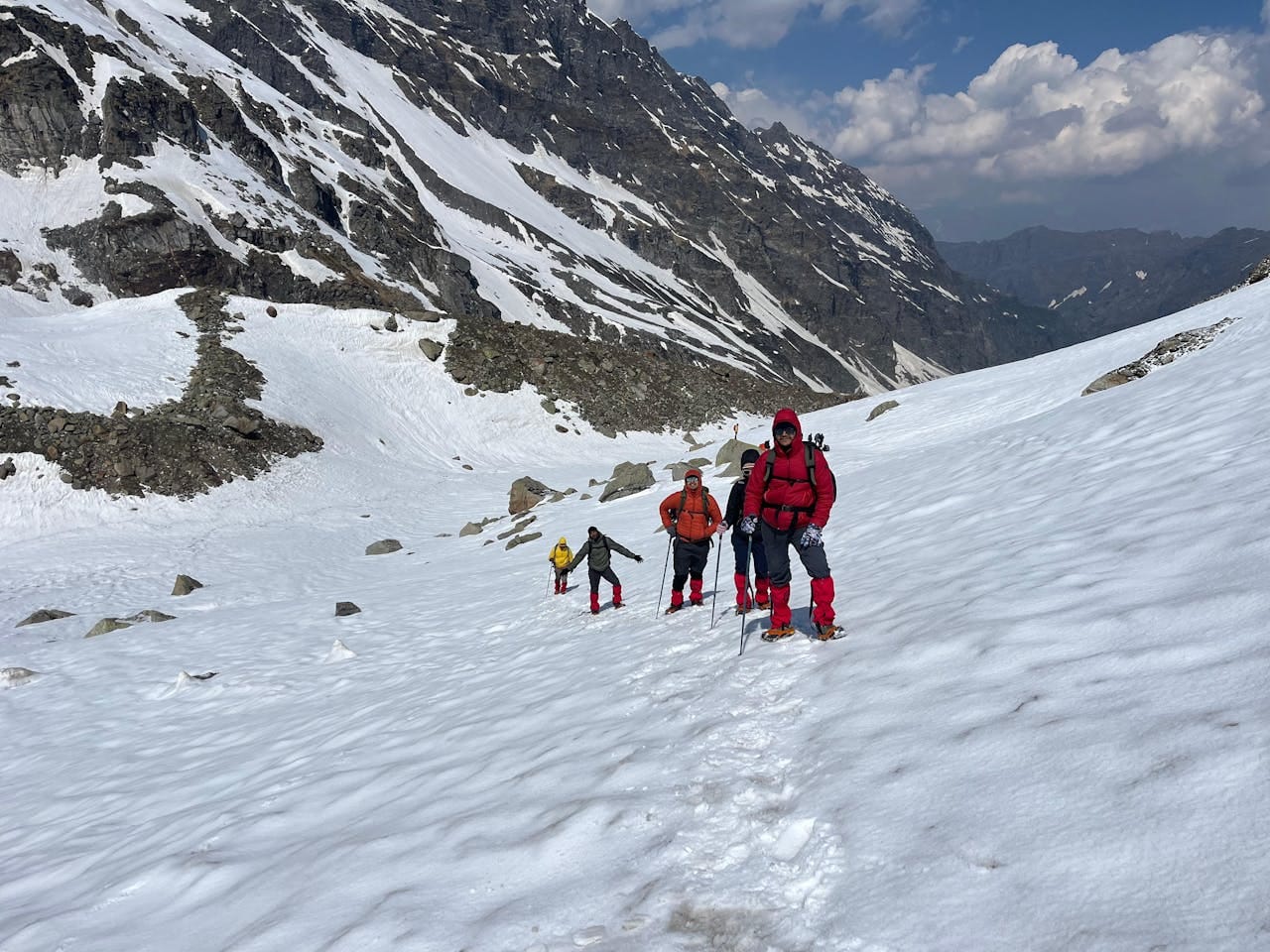
That tight rope team pressure: Crossing active glacier areas means you are literally linked to your teammates with a static rope. You move in almost total quiet, listening to the metallic crunch of crampons, because you know the snow bridge can be fragile. If it gives way, over a bottomless crevasse, you have to react immediately, dropping and digging your ice axe into the snow to anchor your partner.
The dark adrenaline that comes with the ice wall: Summit night usually starts around 1:30 AM in sub zero winds. The final test is about a 75-foot vertical stretch of hard blue ice, with a roughly 70-degree angle right under the peak. Your calves will complain from the tension as you drive steel boot spikes into the ice, then pull yourself upward using a mechanical Jumar on the fixed lines.
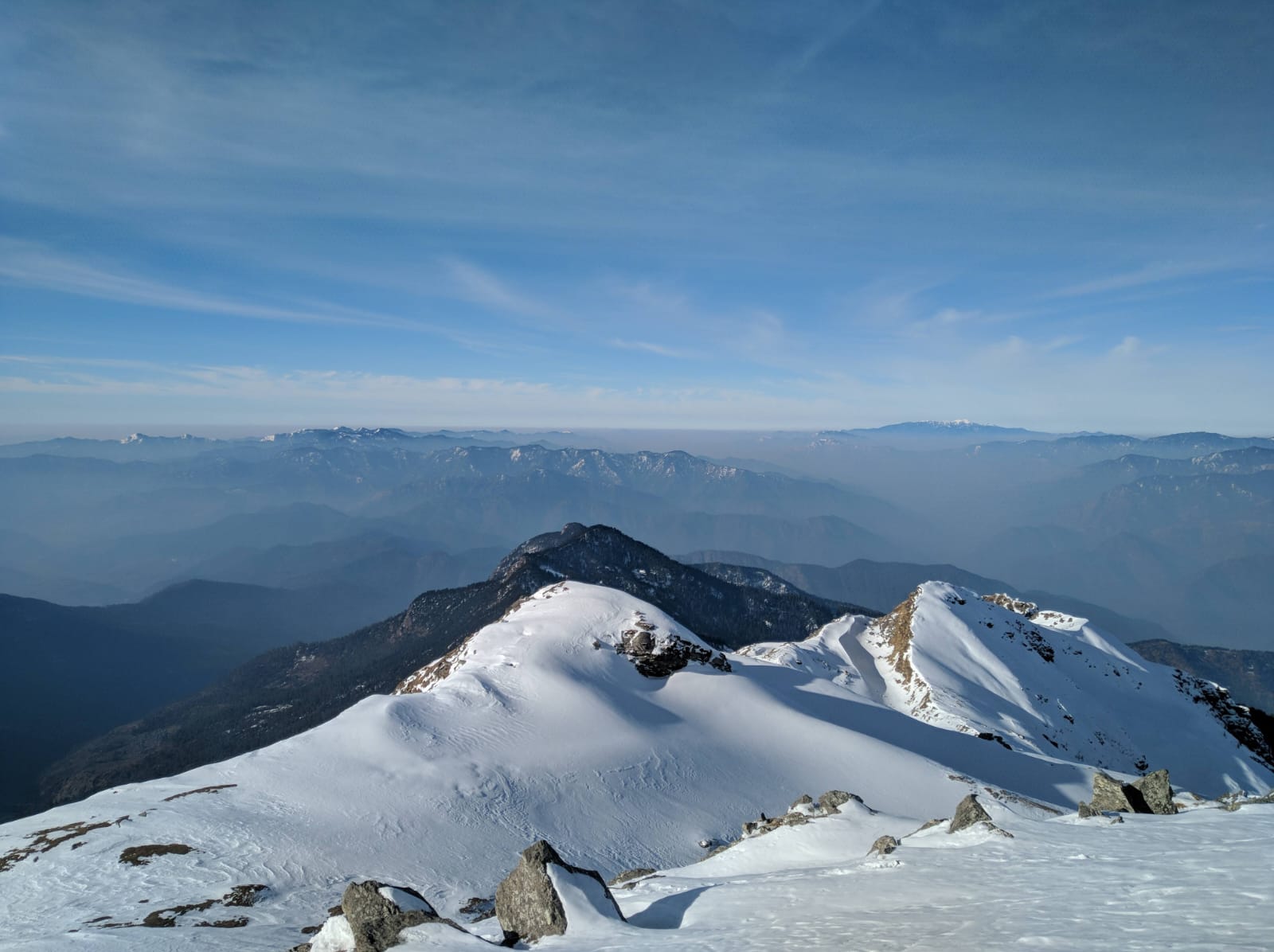
The Silent Relief up at the Summit: Stepping onto the peak at sunrise isn’t met by wild cheering, it’s met by this wave of genuine, mostly silent exhaustion. Standing 6,387 meters above the clouds looking down at the huge Bandarpoonch range, you feel it in your bones, like you didn’t only walk a trail.
Train with a Heavy Weighted Pack: Since animal support basically stops at Base Camp , you’ll need to condition your body for serious self-reliance in extreme altitude. About 3 months before the climb start training with hiking or even climbing stairs , carrying a 12 to 15 kg weighted backpack. That helps your torso stability, lower back resilience , and shoulder strength for hypoxic , low-oxygen conditions.
Hit the Running Benchmarks: Your heart-lungs system needs a big cushion, especially for the thin air above 5,000 meters . Do endurance work at sea level, hard and steady, until you can run 5 km in under 30 minutes, or 7 km in 45 minutes, solo, no assistance.
Wear Strict Category 4 Glare Protection: Strong sun glare bouncing off the high-altitude glaciers can trigger snow blindness fast. Don’t rely on normal lifestyle sunglasses or random fashion lenses. You should bring specialized Category 4 mountaineering glasses, or glacier goggles, that block at least 90% of visible light.
Break In Double Boots Before the Glacier: Rigid plastic, or synthetic double mountaineering boots can cause brutal blisters, if your feet aren’t already used to them . Take plenty of time walking around Base Camp in the same boots, check the fit, adjust how your foot sits, before you step onto technical ice.
Force 4 to 5 Liters of Daily Hydration: The cold thin air dries you out quickly, especially your breathing passages, thickening your blood and raising your chance of Acute Mountain Sickness. Aim for 4 to 5 liters of warm water or electrolyte drinks every day, even if you don’t feel thirsty, and try to keep it consistent.
Maintain Perfect Rope Team Spacing: When you are moving roped together across glaciated areas, don't let the safety line sit dragging on the ice, or yank hard and tight against your partners either. Aim for a steady 3-to-4 meter gap , so the rope tension can quickly cinch and anchor a teammate if a thin snow bridge gives way over some unseen crevasse.
Deploy a Three-Layer Glove System: High altitude summit pushes usually start about 1:30 AM, in temps that often fall under -15 deg C. Shield your hands with a thin liner glove, then add a heavier fleece insulating glove, and finish with a windproof mountaineering mitten on top . And don't handle frozen metal carabiners or ice axes with bare skin ever.
Black Peak is a tough, beautiful, and serious mountain. It will push your physical limits and test your mental focus with sub-zero winds and steep ice walls. Still, when you’re standing up there at sunrise, it feels like all that effort you know, all that push becomes worth every little thing. That moment is what makes you officially a true mountain climber, like really and truly.