black peak expedition cost
black peak expedition cost
03
Aug

Planning to climb one of the most spectacular peaks in the Indian Himalayas?
Understanding the Black Peak Expedition Cost is the first step towards preparing for this incredible high-altitude adventure. Rising to an impressive 6,387 metres (20,955 feet), Black Peak, also known as Kala Nag Peak, is the highest summit in the Bandarpunch Range of Uttarakhand. Renowned for its striking black rock face and thrilling glacier climb, the mountain attracts experienced trekkers and aspiring mountaineers from across the world.
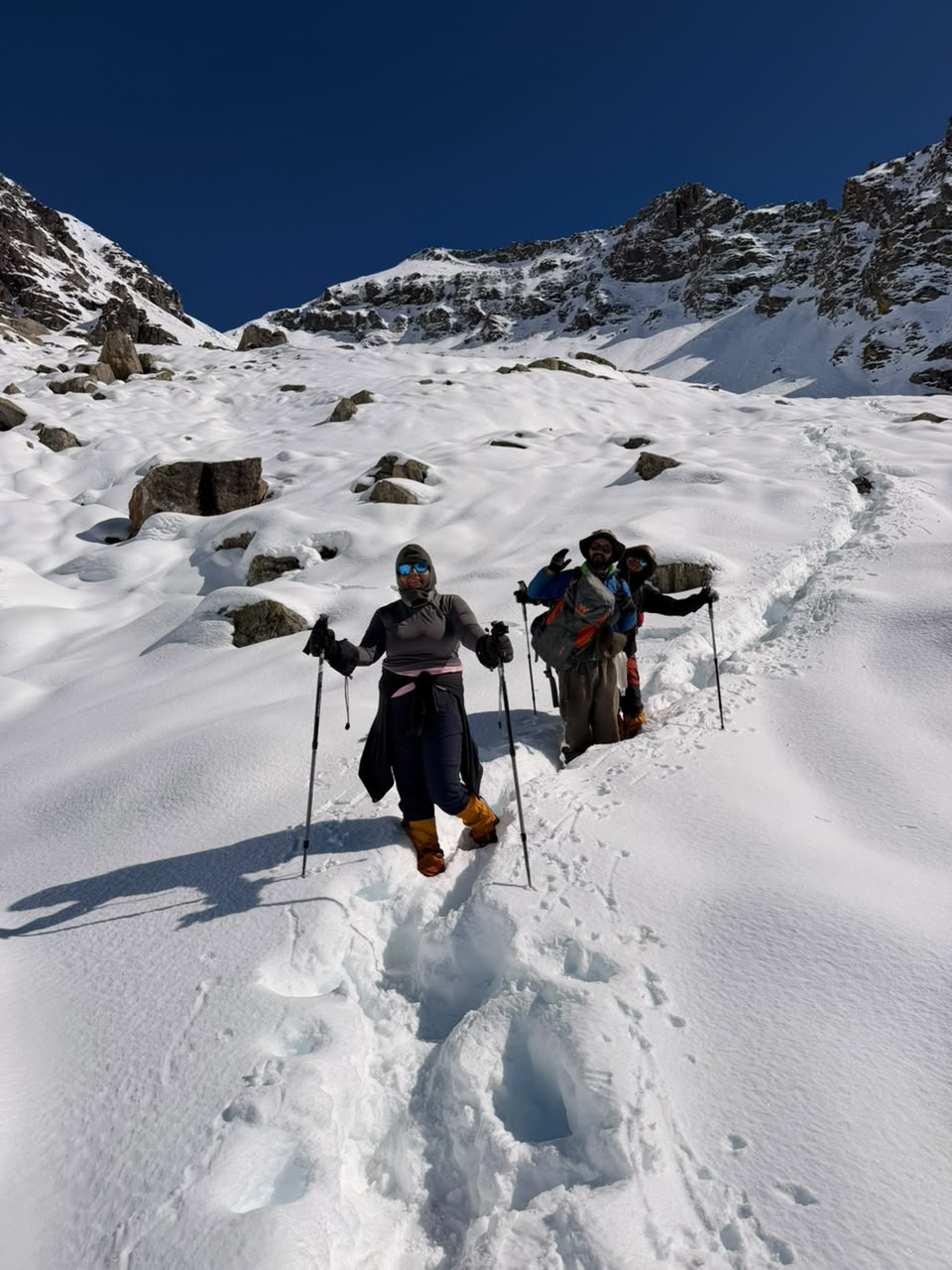
Unlike a regular Himalayan trek, the Black Peak Expedition is a full-fledged mountaineering expedition in India that demands proper acclimatization, technical climbing skills, glacier travel, and expert guidance. As a result, the Black Peak cost is naturally higher than conventional trekking packages. The expedition involves multiple camps, experienced mountain leaders, certified climbing guides, technical equipment, permits, transportation, and extensive logistical support, all of which contribute to the overall Black Peak expedition price.
On average, the Black Peak Expedition Cost ranges between ₹65,000 and ₹95,000 per person, depending on the expedition operator, group size, itinerary, inclusions, and support services. While it may seem like a significant investment, the price reflects the expertise, planning, and safety standards required to conduct a successful Himalayan mountaineering expedition at over 6,300 metres.
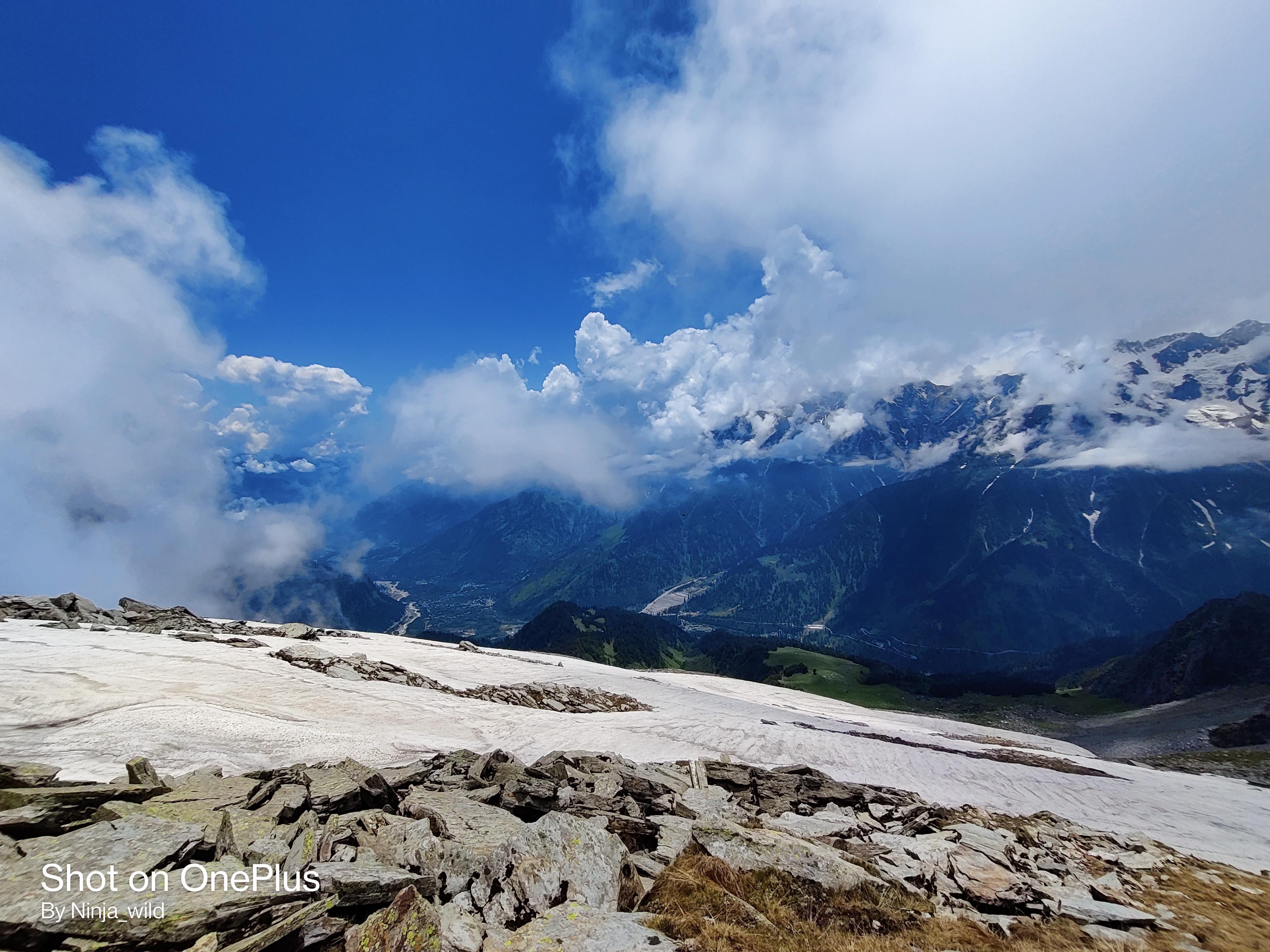
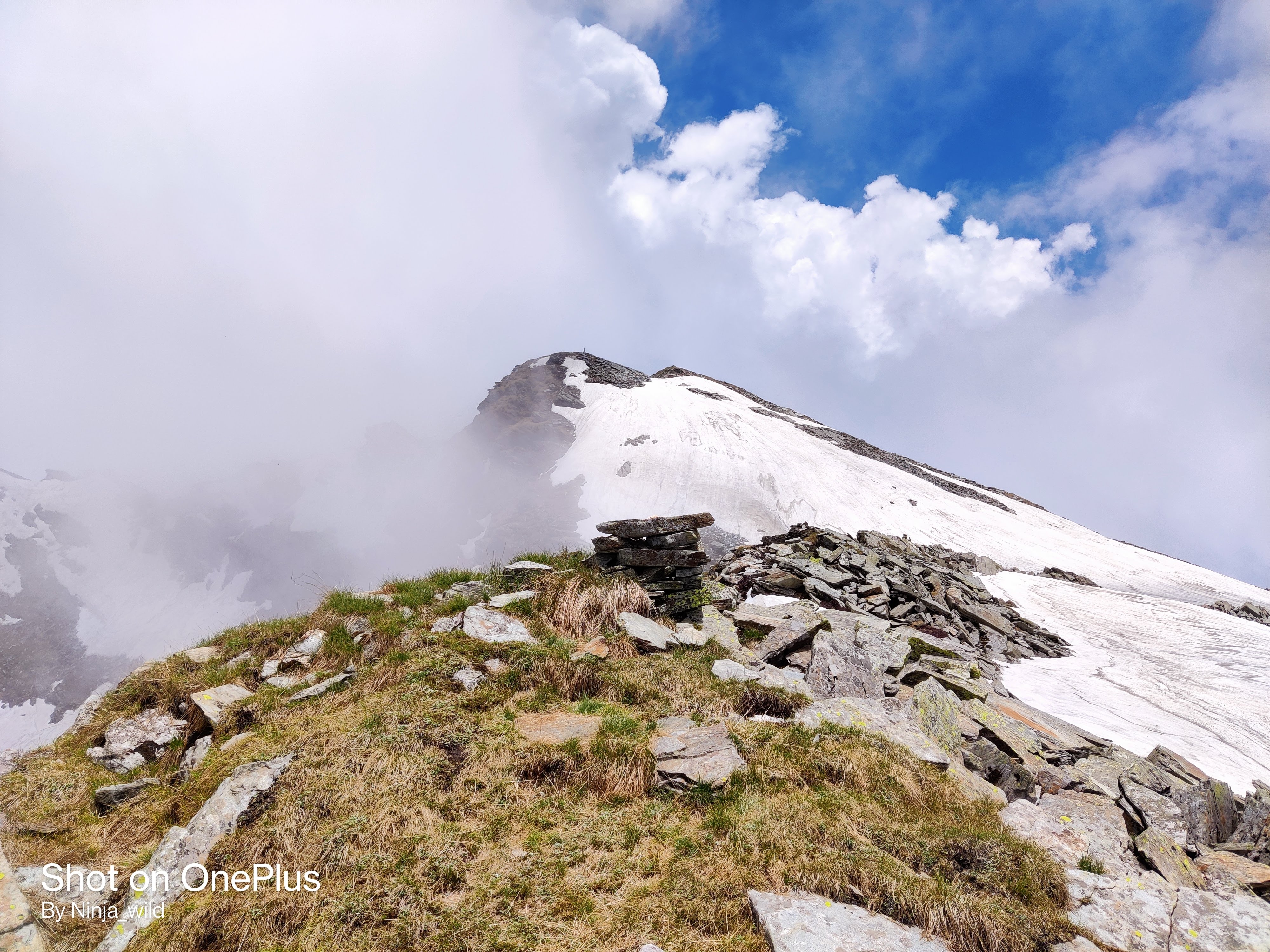
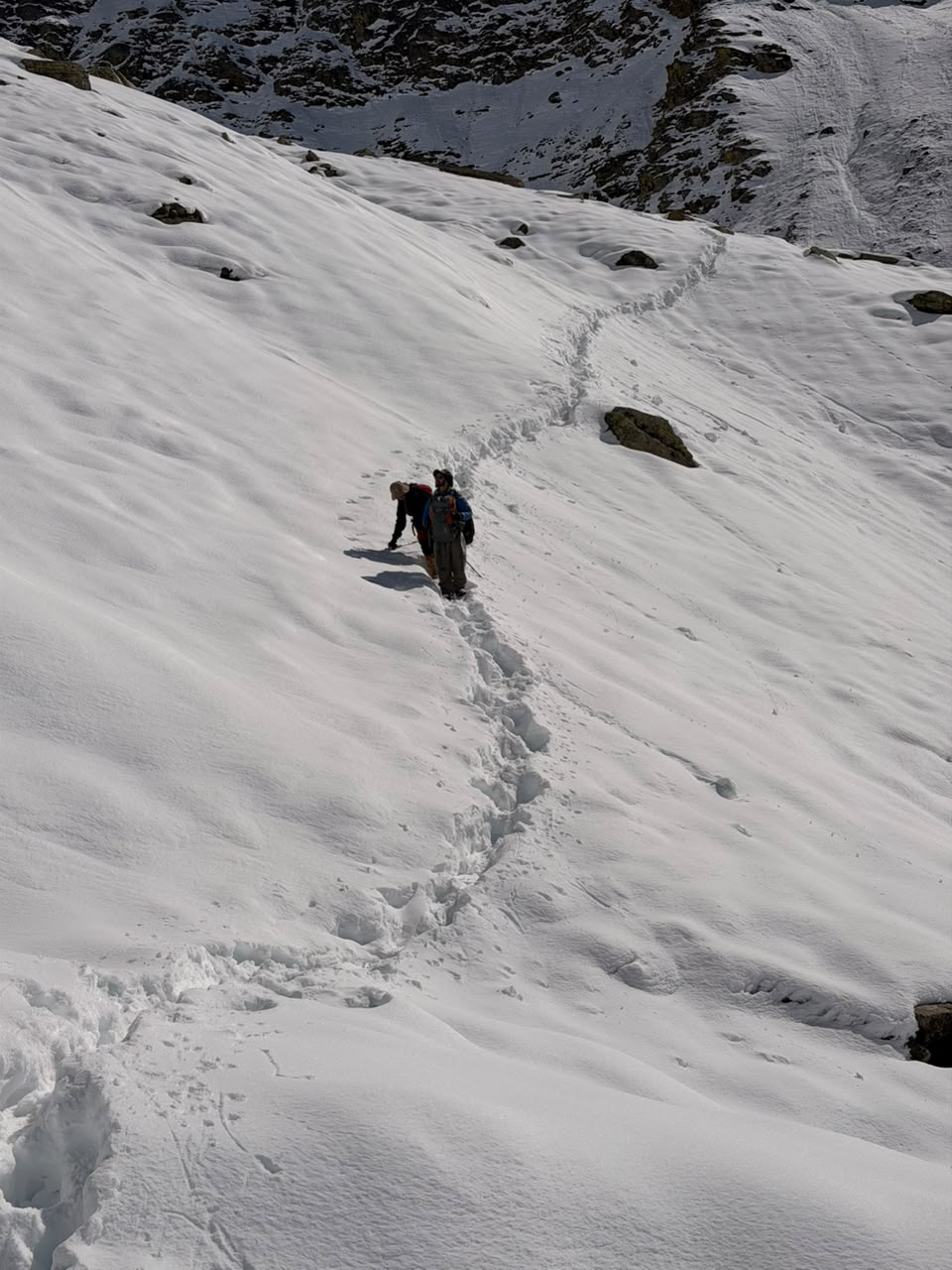
Most expeditions begin from Dehradun, followed by a scenic drive to Sankri, the gateway to the Govind Pashu Vihar National Park. From there, the trail passes through beautiful Himalayan villages like Taluka and Osla, before reaching stunning campsites such as Ruinsara Tal and Kyarkoti, which serves as the Black Peak Base Camp. The final summit push involves glacier travel, snow slopes, and breathtaking panoramic views of the Swargarohini Range, Bandarpunch, and numerous Himalayan giants.
In this comprehensive guide, you'll learn everything about the Cost of Black Peak Expedition, including package inclusions, exclusions, additional expenses, budgeting tips, and the best time to climb this magnificent Himalayan summit.
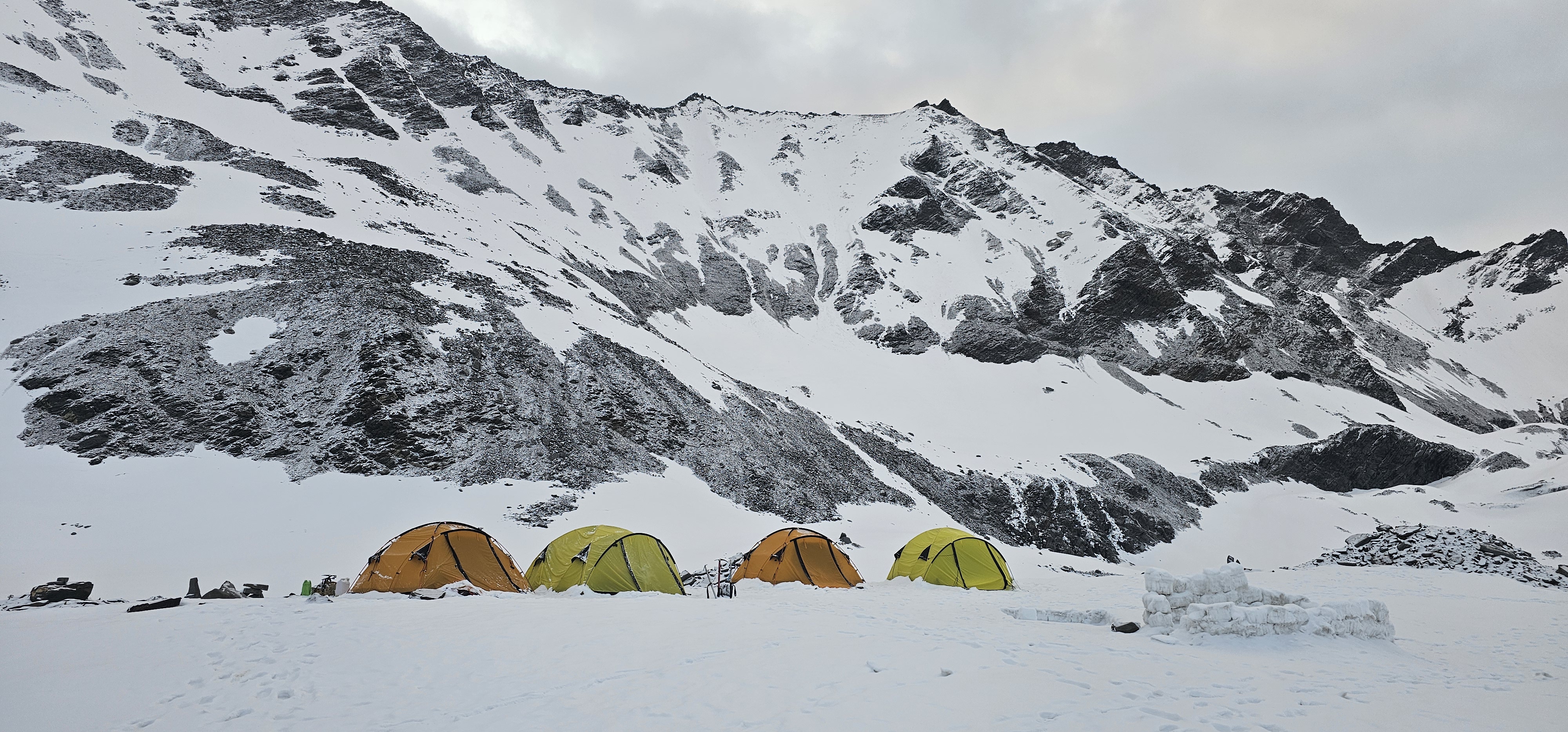
Before booking your expedition, here's a quick overview of the essential details.
|
Particulars |
Details |
|---|---|
|
Average Black Peak Expedition Cost |
INR 65,000–INR 95,000 per person |
|
Expedition Duration |
15 Days |
|
Black Peak Altitude |
6,387 m (20,955 ft) |
|
Difficulty Level |
Difficult |
|
Region |
Uttarkashi, Uttarakhand |
|
National Park |
Govind Pashu Vihar National Park |
|
Starting Point |
Dehradun |
|
Base Village |
Sankri |
|
Base Camp |
Kyarkoti |
|
Best Time to Climb |
May–June & September–October |
|
Ideal For |
Experienced trekkers & aspiring mountaineers |
A standard Black Peak expedition itinerary begins with a drive from Dehradun to Sankri, followed by trekking through Taluka, Osla, Seema, Ruinsara Tal, and Kyarkoti before establishing the summit camp. Climbers spend several days acclimatizing to the increasing altitude before attempting the summit.
Compared to a standard trekking package, the Black Peak package cost is considerably higher because the expedition requires technical climbing support, experienced expedition leaders, glacier equipment, fixed ropes, camping logistics, and comprehensive safety arrangements.
If you're planning your first Himalayan expedition above 6,000 metres, understanding these costs will help you choose the right operator and estimate your total Black Peak expedition budget more accurately.
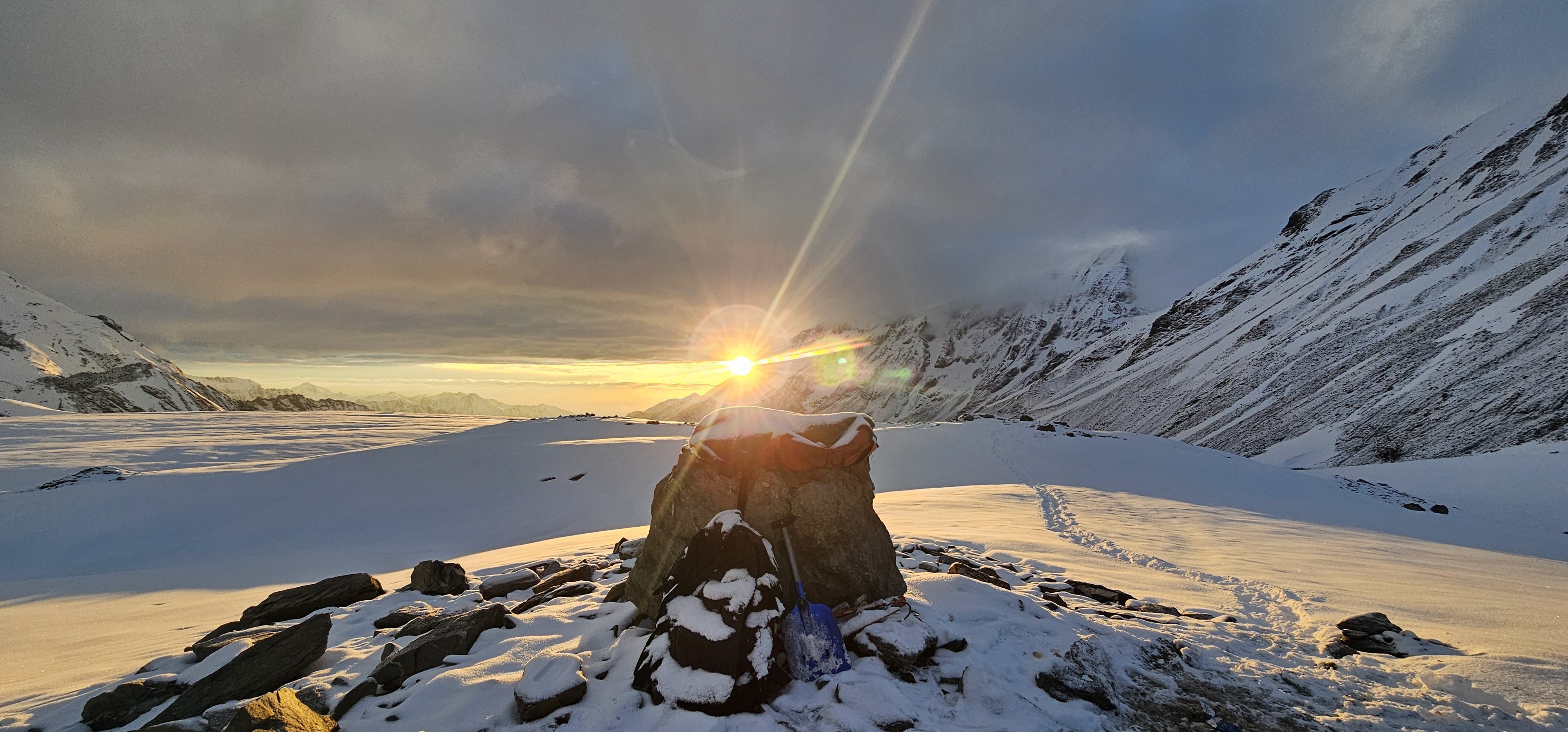
The Black Peak Expedition Cost generally ranges from INR 65,000 to INR 95,000 per person, depending on the expedition organizer and the services included in the package. The final Black Peak expedition price varies based on factors such as expedition duration, group size, transportation, climbing equipment, guide experience, camping quality, and overall logistical support.
Most reputed operators advertise the Black Peak cost from Dehradun, meaning the package usually includes transportation between Dehradun and Sankri, along with all expedition logistics until the return journey. However, travel from your hometown to Dehradun is generally not included and should be budgeted separately.
The Black Peak package cost also depends on whether you choose a scheduled group departure or a customized private expedition. Fixed departures are generally more affordable because transportation, guides, kitchen staff, camping equipment, and logistics are shared among all participants. Private expeditions provide greater flexibility and personalized service but involve significantly higher operational expenses.
Several important factors influence the Cost of Black Peak Expedition, including:
Expedition duration (15 days)
Group size
Transportation from Dehradun
Accommodation and alpine camping
Experienced expedition leaders
Certified local climbing guides
High-altitude support staff
Technical climbing equipment
Glacier safety equipment
Expedition permits
Medical support
Oxygen cylinders
Food quality
Rescue preparedness
Overall expedition logistics
When comparing different operators, avoid selecting an expedition solely because it offers the lowest Black Peak cost. The quality of leadership, technical expertise, safety standards, and equipment can make a significant difference to your overall experience and summit success.
A professionally organized Black Peak expedition package not only increases your chances of reaching the summit safely but also provides peace of mind throughout one of India's most challenging mountaineering adventures.
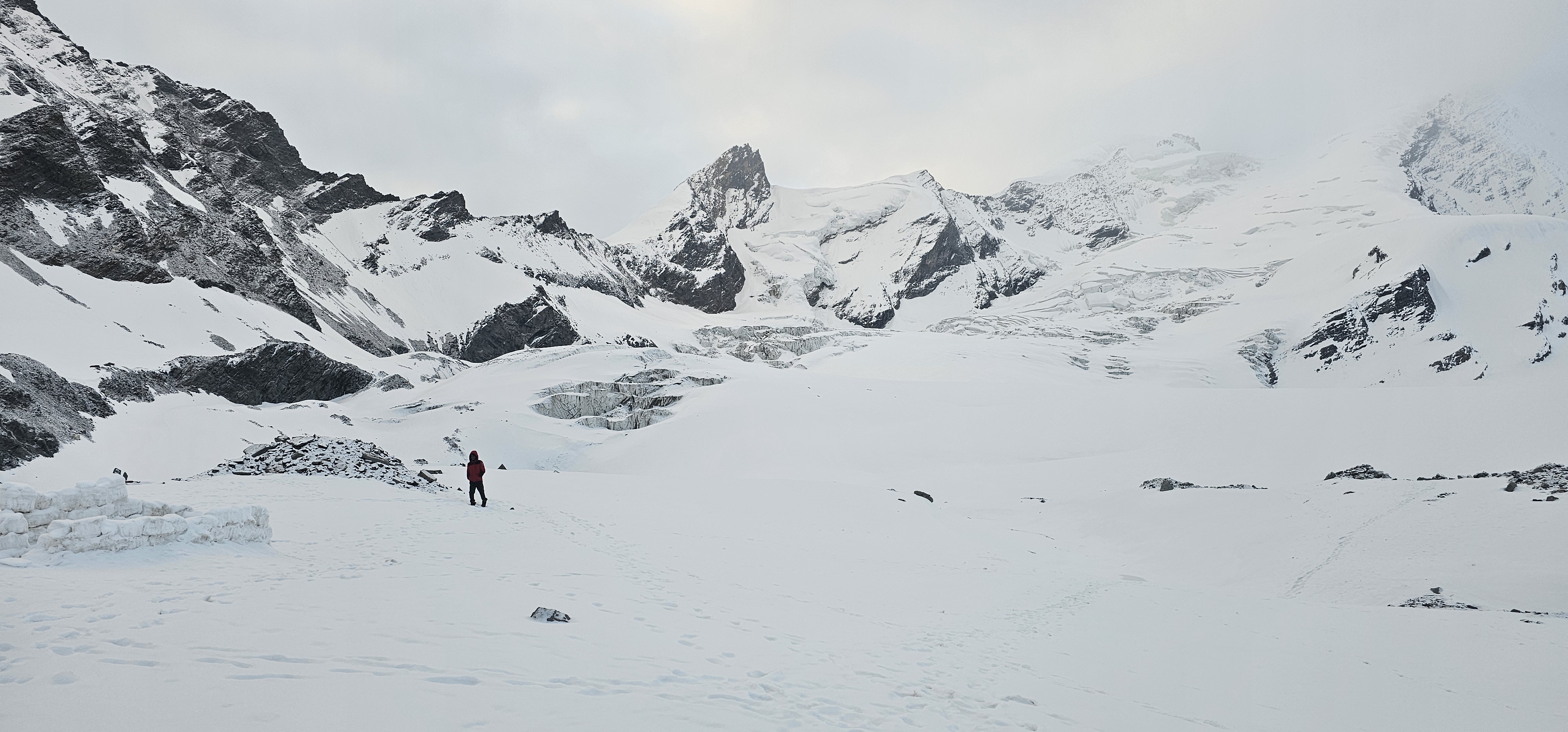
Choosing a professionally managed Black Peak expedition package ensures that most of the essential logistics are taken care of, allowing climbers to focus entirely on the expedition. Since Black Peak (Kala Nag Peak) is a technical high-altitude expedition rather than a regular trek, the package includes several services that are necessary for safety, comfort, and a successful summit attempt.
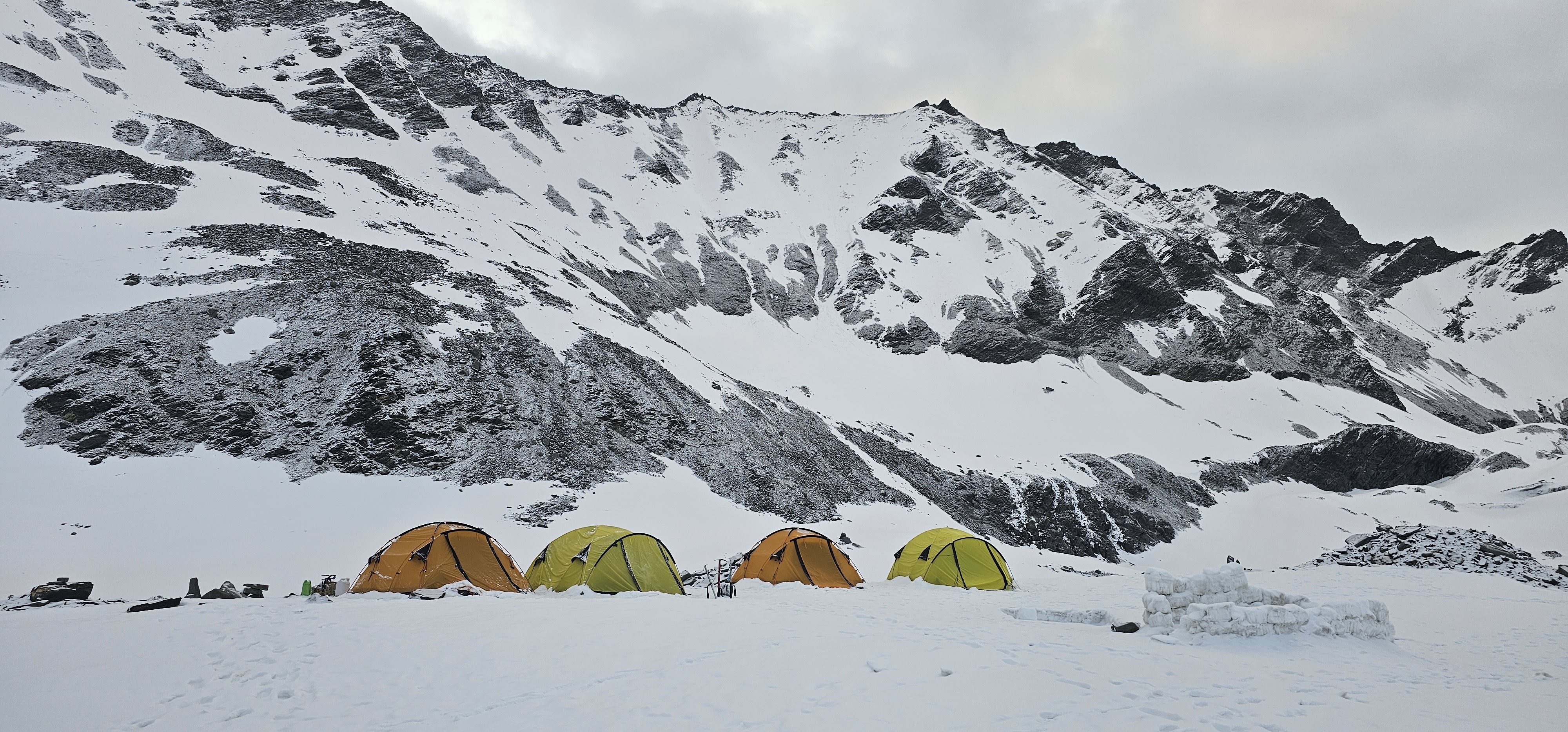
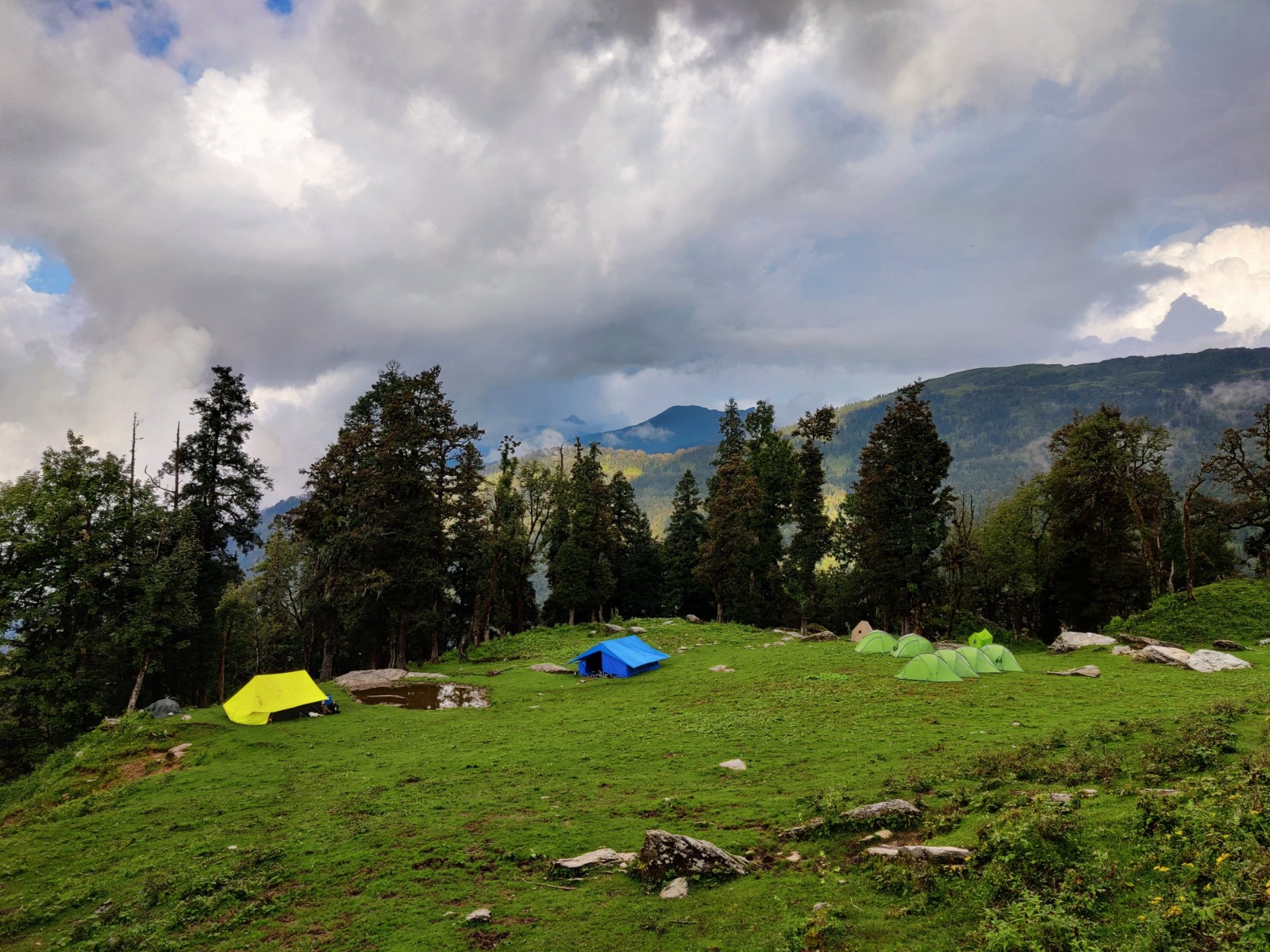
Most operators provide accommodation in Sankri on the first day of the expedition (depending on the itinerary) along with quality alpine tents throughout the trek. Comfortable twin-sharing tents are set up at campsites including Seema, Ruinsara Tal, Kyarkoti (Black Peak Base Camp), and the Summit Camp, ensuring adequate rest before the demanding summit push.
The Black Peak Expedition Cost usually includes freshly prepared vegetarian meals from the beginning of the trek until the expedition concludes. High-calorie breakfasts, packed lunches, evening snacks, soups, tea, and wholesome dinners help climbers maintain energy during long trekking days and technical climbing sections.
Most Black Peak expedition packages include transportation between Dehradun and Sankri, making logistics simple for participants. This is why many operators advertise the Black Peak cost from Dehradun rather than from individual cities.
A successful Himalayan mountaineering expedition depends heavily on experienced leadership. Reputed companies provide certified expedition leaders and trained local climbing guides who are experienced in glacier travel, altitude management, rope techniques, and emergency procedures.
Unlike standard trekking packages, the Black Peak Expedition Cost often includes common technical climbing equipment required during glacier crossings and summit day.
Depending on the operator, the package may include:
Ice axe
Crampons
Climbing harness
Helmet
Fixed ropes
Carabiners
Safety slings
Climbing rope
Some companies include these items within the package, while others offer them as rental equipment. It is always advisable to confirm the inclusions before completing your Black Peak expedition booking.
Camping Equipment
The expedition package generally includes:
High-quality alpine tents
Sleeping mats
Dining tent
Kitchen tent
Camping furniture
Cooking equipment
Common camping utilities
Premium camping equipment becomes especially important during extended stays at Kyarkoti Base Camp, where climbers spend valuable time acclimatizing before moving higher.
Permits and Administrative Fees
The Black Peak package cost usually covers all necessary expedition permits, camping fees, forest permissions, and entry charges required to enter Govind Pashu Vihar National Park.
Safety remains one of the biggest reasons behind the Black Peak expedition price. Most reputed expedition companies provide:
Comprehensive first-aid kits
Oxygen cylinders
Pulse oximeters
Emergency communication devices
High-altitude medical support
Rescue preparedness
Since the climb reaches 6,387 metres, these safety arrangements are essential for handling altitude-related emergencies and ensuring a safer expedition.
Although the Black Peak Expedition Cost includes most operational expenses, climbers should budget separately for certain personal costs.
The biggest exclusion is travel from your hometown to Dehradun, which serves as the starting point for the expedition. Flights, trains, or buses to Dehradun are generally not part of the Black Peak cost from Dehradun.
Accommodation before and after the expedition may also be excluded depending on the operator. Many climbers arrive a day early to rest, organize equipment, and attend the expedition briefing.
Personal mountaineering clothing is usually not included. Climbers are expected to carry:
Down jacket
Waterproof jacket
Trekking pants
Thermal wear
Mountaineering boots
Gloves
Sunglasses
Backpack
Water bottles
Headlamp
Personal medicines
Other common exclusions include:
Personal travel insurance
Backpack offloading or porter services
Emergency evacuation costs
Personal medical expenses
Snacks and beverages
Laundry services
Battery charging
Tips for guides and support staff
Expenses caused by weather delays or itinerary changes
Understanding these exclusions helps you calculate your complete Black Peak expedition budget and prevents unexpected expenses during the climb.
Even after paying the Black Peak Expedition Cost, you should plan for a few additional expenses to ensure a smooth and stress-free adventure.
Your journey to Dehradun will likely be the first major expense. Booking flights or trains well in advance can help reduce travel costs significantly.
If you don't own mountaineering gear, renting equipment is a cost-effective option. Many shops in Dehradun and Sankri offer quality gear such as mountaineering boots, gaiters, trekking poles, insulated jackets, crampons, and ice axes.
It is also wise to carry extra cash for:
Energy bars
Dry fruits
Chocolates
Personal medicines
Toiletries
Souvenirs
Emergency purchases
Since ATM access is unavailable beyond Sankri, carrying INR 8,000–INR 10,000 as emergency cash is recommended.
Including these expenses while planning your Black Peak expedition budget helps avoid financial surprises during the expedition.
If you've researched multiple operators, you'll notice considerable differences in the Black Peak expedition price. While every expedition climbs the same mountain, the level of service, safety, and logistics often varies greatly.
One of the biggest factors affecting the Black Peak package cost is the experience of expedition leaders. Companies employing certified mountaineers, technical climbing instructors, and experienced high-altitude guides generally charge more but also provide significantly better safety and summit support.
Group size also influences pricing. Smaller batches allow expedition leaders to monitor every participant closely, provide personalized guidance, and improve overall expedition safety.
Camping infrastructure is another important consideration. Operators investing in premium alpine tents, hygienic kitchens, comfortable dining facilities, and better sleeping arrangements naturally incur higher operating costs.
Safety measures also play a major role. Carrying oxygen cylinders, communication devices, first-aid kits, rescue equipment, and maintaining trained support staff substantially increases operational expenses.
Rather than choosing the lowest Black Peak cost, evaluate companies based on:
Guide experience
Safety standards
Expedition success rate
Equipment quality
Food quality
Group size
Customer reviews
Emergency preparedness
A slightly higher investment often results in a safer, more comfortable, and more successful Himalayan expedition.
Without a doubt, yes.
Standing at 6,387 metres, Black Peak (Kala Nag Peak) is one of the most prestigious mountaineering objectives in India. The expedition offers climbers an authentic Himalayan experience that combines long-distance trekking, glacier travel, alpine camping, technical climbing, and an unforgettable summit.
The route itself is spectacular. Trekkers pass through the charming villages of Taluka and Osla, camp beside the pristine waters of Ruinsara Tal, establish base camp at Kyarkoti, and finally climb towards the summit while enjoying breathtaking views of the Swargarohini Range, Bandarpunch, and countless snow-covered Himalayan peaks.
The expedition also develops valuable mountaineering skills, including:
Glacier travel
Rope climbing
Fixed rope techniques
Ice axe usage
Crampon walking
High-altitude camping
Acclimatization strategies
Considering that the Black Peak Expedition Cost includes transportation, accommodation, permits, meals, camping logistics, guides, technical support, and safety equipment, it offers outstanding value for anyone aspiring to become a serious mountaineer.
Although the expedition is a premium mountaineering experience, you can reduce your overall Black Peak expedition budget by planning wisely.
Book your expedition early to secure discounted prices.
Join scheduled group departures instead of private expeditions.
Rent technical climbing equipment instead of purchasing it.
Travel with friends to share hotel and transport expenses.
Book flights and trains several weeks in advance.
Begin physical preparation early to avoid last-minute cancellations.
Compare expedition inclusions rather than choosing the cheapest package.
These simple strategies can significantly reduce your overall Cost of Black Peak Expedition.
The best time to climb Black Peak is during May–June and September–October, when weather conditions are relatively stable and summit success rates are higher.
May
Snow remains abundant on the upper mountain, creating ideal conditions for a true mountaineering experience.
June
Long daylight hours, stable weather, and comfortable temperatures make June one of the most popular months for the Black Peak Expedition.
September
Following the monsoon, the skies become crystal clear, offering spectacular mountain views and excellent visibility for summit attempts.
October
October provides cold but stable weather, fewer crowds, and stunning post-monsoon landscapes. However, temperatures at higher camps become considerably lower.
Regardless of the season, mountain weather can change rapidly. Always follow your expedition leader's guidance and prioritize safety over reaching the summit.
At ThinAirExpedition, we understand that climbing Black Peak is more than just another expedition—it's a personal milestone that requires preparation, trust, and expert guidance.
Our expeditions are led by experienced mountaineers who prioritize safety, proper acclimatization, and responsible climbing practices. We operate in small batches, allowing every participant to receive personalized attention throughout the expedition.
Our Black Peak expedition package includes carefully planned itineraries, quality camping equipment, nutritious meals, experienced local guides, and strong safety protocols to maximize both comfort and summit success.
Whether you're taking your first step into technical mountaineering or preparing for higher Himalayan expeditions, our goal is to help you achieve your summit safely while creating an unforgettable mountain experience.
What is the average Black Peak Expedition Cost?
The average Black Peak Expedition Cost ranges between INR 65,000 and INR 95,000, depending on the operator and package inclusions.
What is the Black Peak altitude?
Black Peak altitude is 6,387 metres (20,955 feet) above sea level.
Is Black Peak suitable for beginners?
Black Peak is recommended for experienced trekkers with excellent fitness and some prior high-altitude trekking or mountaineering experience.
Does the package include climbing permits?
Yes. Most expedition operators include all necessary permits and camping fees.
Is transportation from Dehradun included?
Yes. Most companies include transportation within the Black Peak cost from Dehradun.
Can I rent technical climbing equipment?
Yes. Most equipment can be rented if it is not included in your expedition package.
How much emergency cash should I carry?
Carrying INR 8,000–INR 10,000 is generally recommended.
The Black Peak Expedition is one of India's finest high-altitude mountaineering experiences. From the picturesque trail through Govind Pashu Vihar National Park to the technical summit climb above 6,387 metres, every stage of the expedition challenges and rewards you in equal measure.
While the Black Peak Expedition Cost may appear substantial, it reflects the expertise, logistics, safety arrangements, permits, transportation, technical equipment, and professional support required for a successful Himalayan climb.
When comparing operators, don't base your decision solely on the Black Peak expedition price. Instead, evaluate their safety standards, guide experience, equipment quality, summit success record, and overall expedition management.
Choose a trusted operator like Thin Air Expedition, prepare thoroughly, respect the mountains, and you'll return not only with a successful summit but with memories and mountaineering skills that will stay with you for life.