Buran Ghati Trek Route Itinerary Best Time and Cost
Buran Ghati Trek Route Itinerary Best Time and Cost
21
Oct

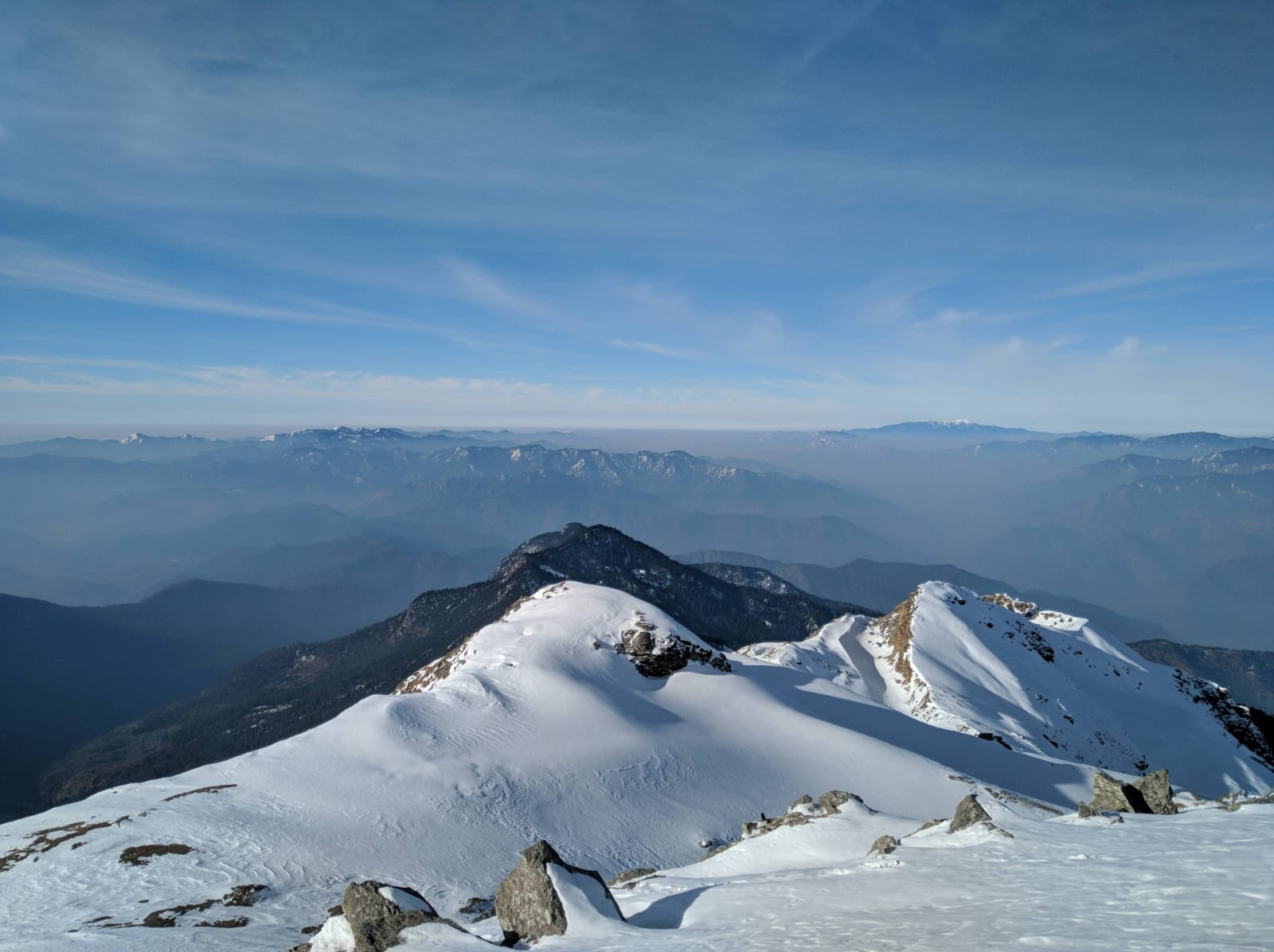
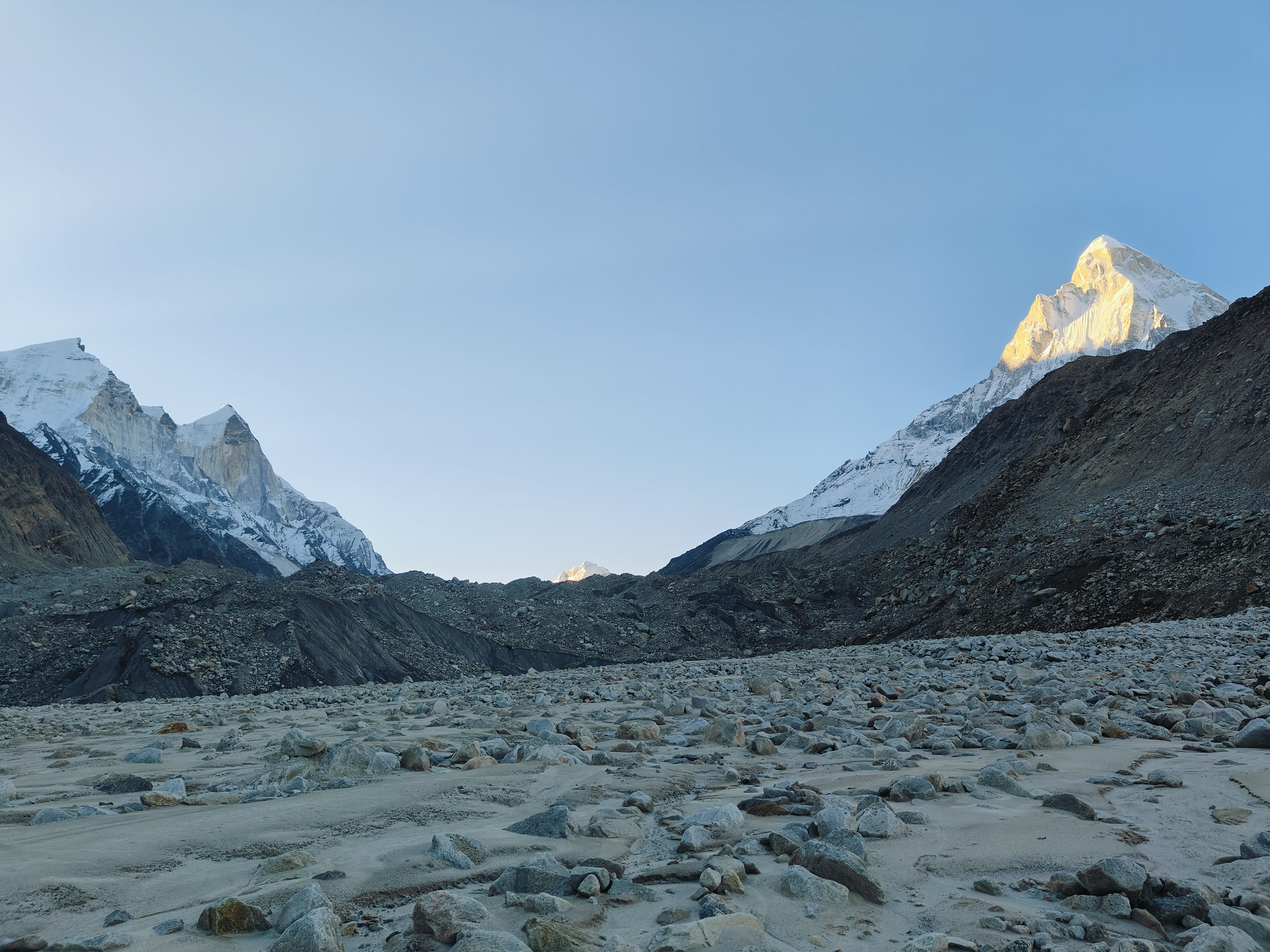
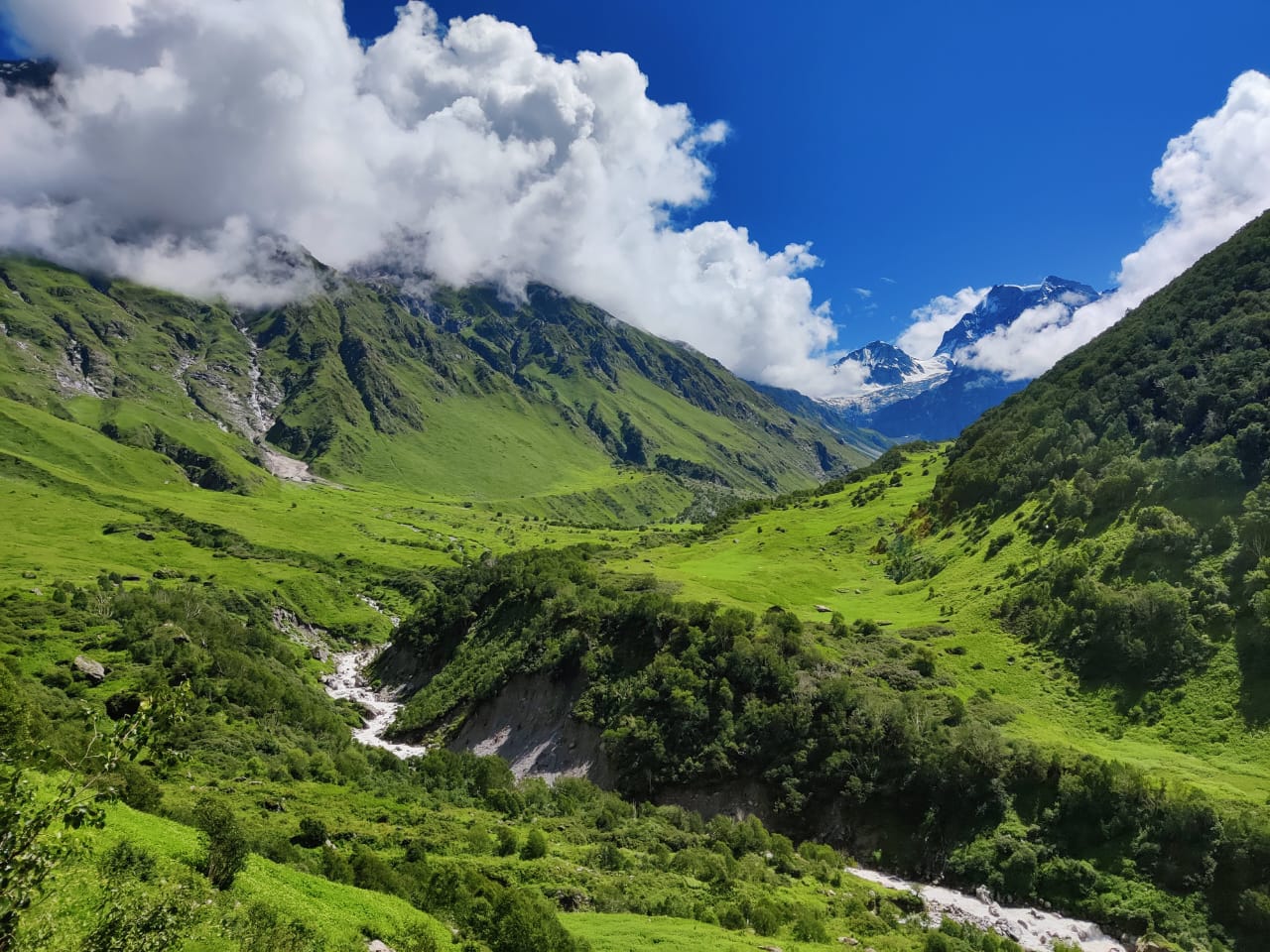
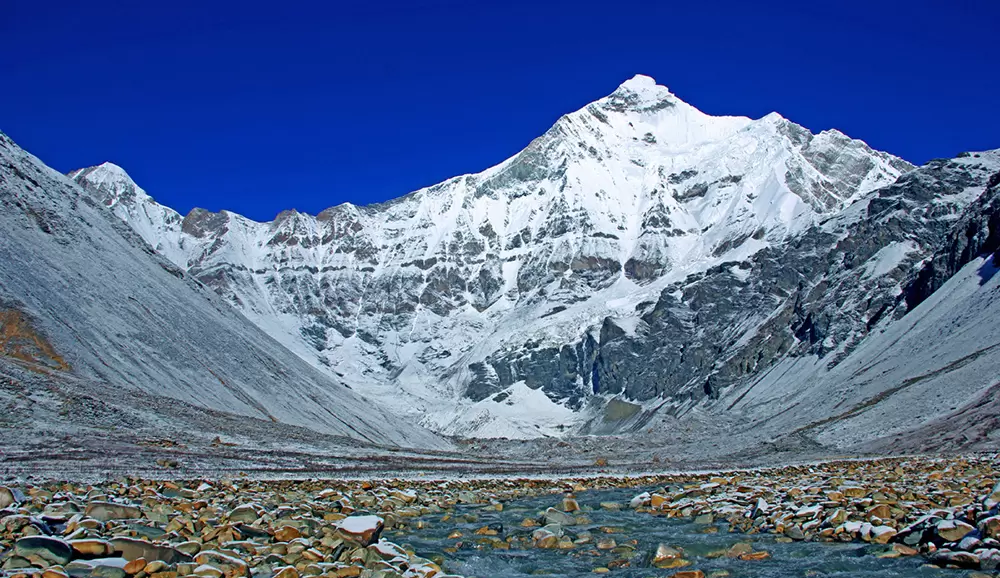
The Buran Ghati Trek is a spectacular high-altitude Himalayan crossing in Himachal Pradesh, offering a rare combination of dense forests, vast alpine meadows, glacial lakes, snow-covered mountain passes and traditional Himalayan villages. Starting from Janglik in the Pabbar Valley and descending towards Barua in the Kinnaur region, this trek takes you through dramatically changing landscapes before crossing Buran Ghati Pass at approximately 4,572 metres (15,000 feet).
Unlike treks that follow the same trail for the ascent and descent, the Buran Ghati Pass Trek is a crossover expedition. Its appeal lies in the diversity of the journey, with forest trails giving way to open meadows, rugged mountain terrain and steep snow-covered slopes near the pass. The experience can vary significantly depending on the season, snowfall and prevailing weather conditions.
This guide covers the Buran Ghati trek route, distance, itinerary, difficulty level, best time to visit, temperature, travel arrangements, estimated cost and essential packing requirements to help you prepare for this Himalayan adventure.
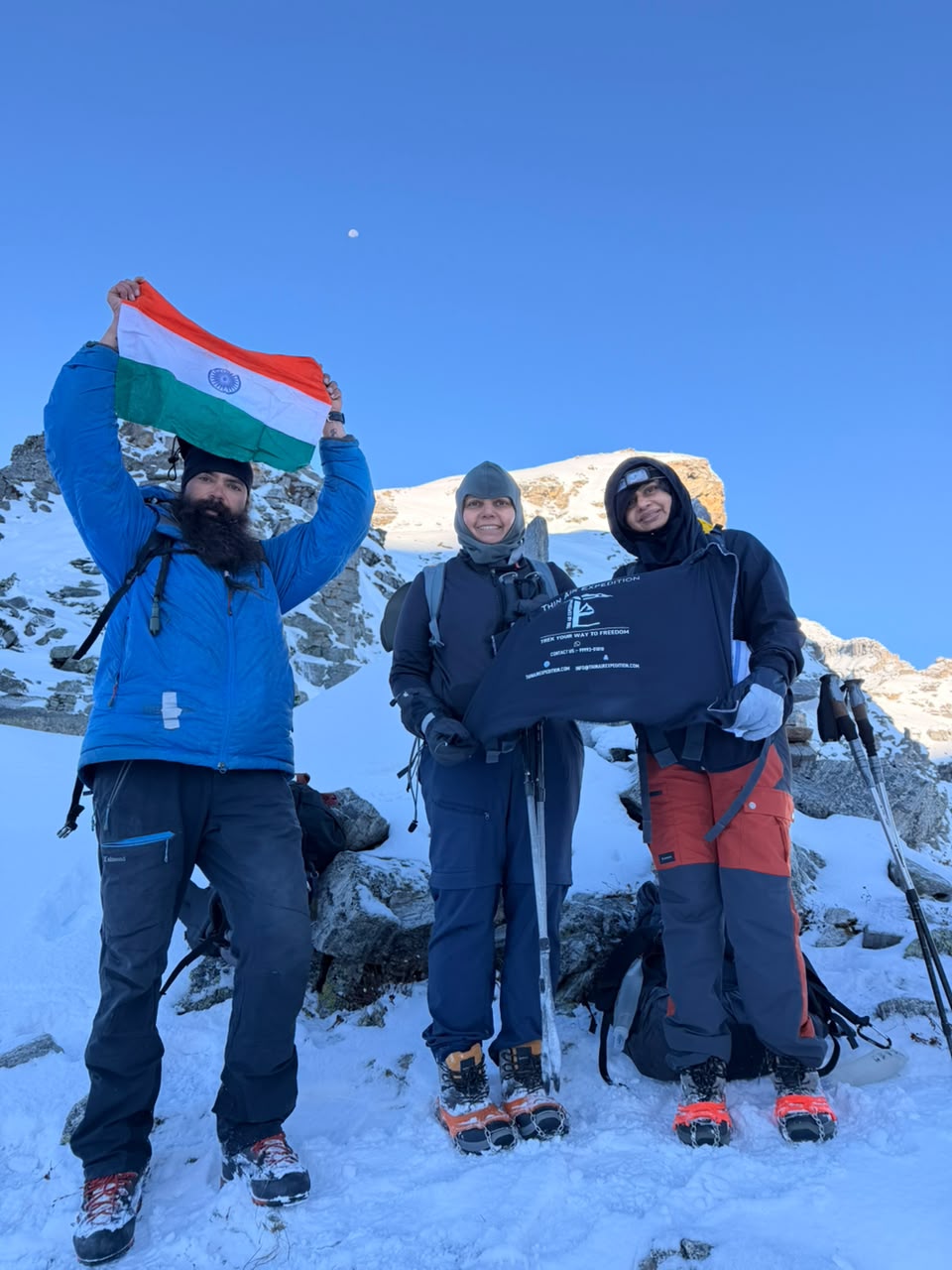
1. Buran Ghati Trek Overview
The Buran Ghati Trek is located in Himachal Pradesh, connecting the Pabbar Valley near Shimla with the Baspa Valley in Kinnaur. The trek generally begins at Janglik village and concludes at Barua village, although the exact route and campsite arrangements can vary with weather and operational conditions.
The expedition typically requires seven to eight days, including road transfers and the main trekking section. Trekkers can expect approximately 35–45 kilometres of walking, depending on the selected itinerary, additional excursions and the final crossing route. The highest point is Buran Ghati Pass, which reaches around 4,572 metres above sea level.
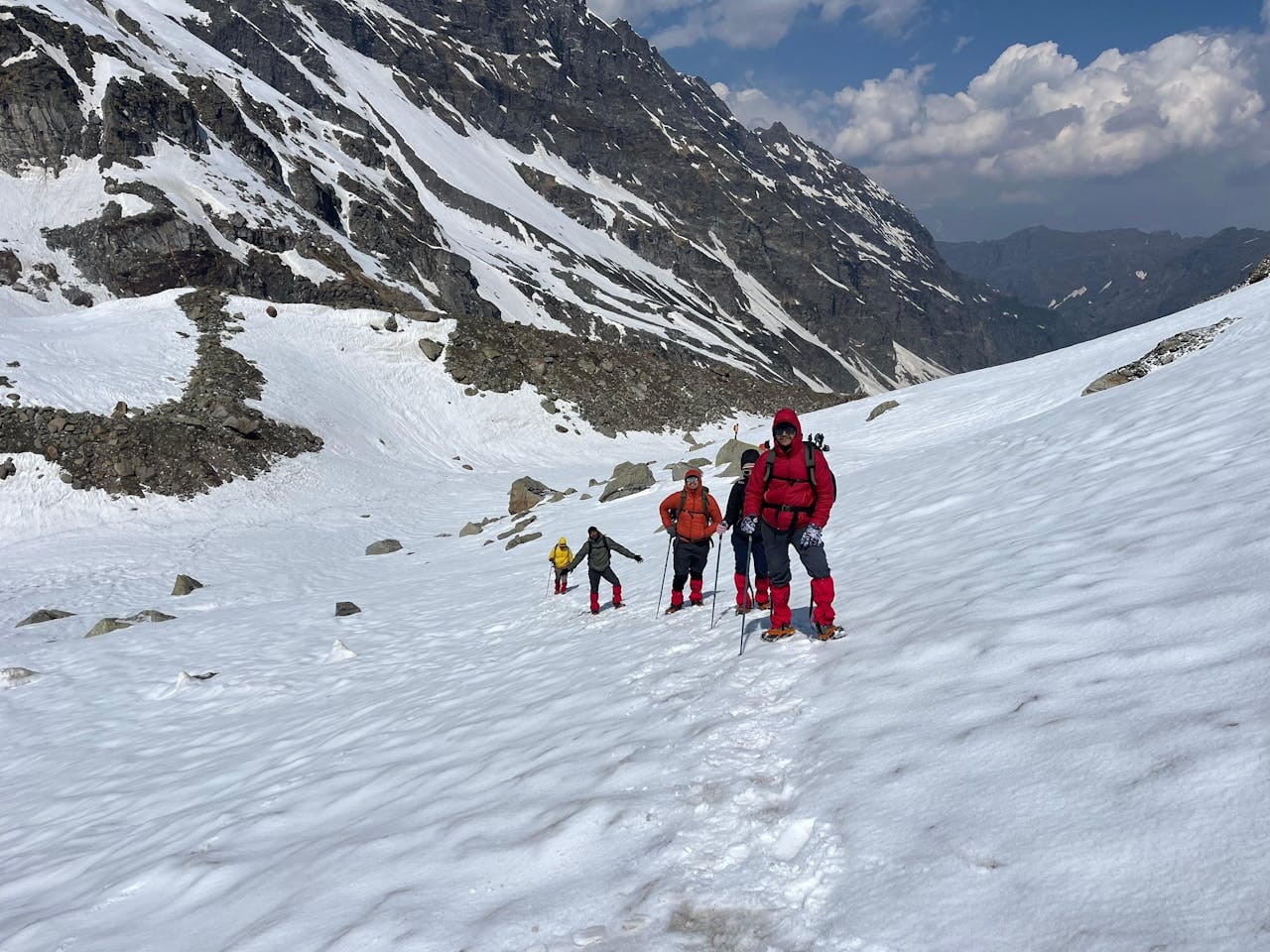
The terrain ranges from forest paths and grassy meadows to boulder sections, snowfields and steep descents. During suitable conditions, the pass crossing may involve rope-assisted movement and specialised technical equipment under trained supervision.
The Buran Ghati Trek is generally considered moderate to difficult or difficult, depending on snow conditions and the route followed. It is best suited to physically fit trekkers who are comfortable with consecutive days of walking, significant altitude gain and challenging mountain terrain.
Package prices depend on the operator, group size, departure dates, transport arrangements and equipment requirements. As a broad planning estimate, guided packages may range from approximately ₹20,000 to ₹35,000 or more per person. Confirm the current package price and inclusions before booking.
2. Where Is Buran Ghati Pass?
Buran Ghati lies in the Himalayan region of Himachal Pradesh, along a mountain crossing between the Pabbar Valley and the Baspa Valley. The approach begins in the Shimla district, with Janglik serving as the traditional starting point for the trek. The journey finishes near Barua in the Kinnaur region.
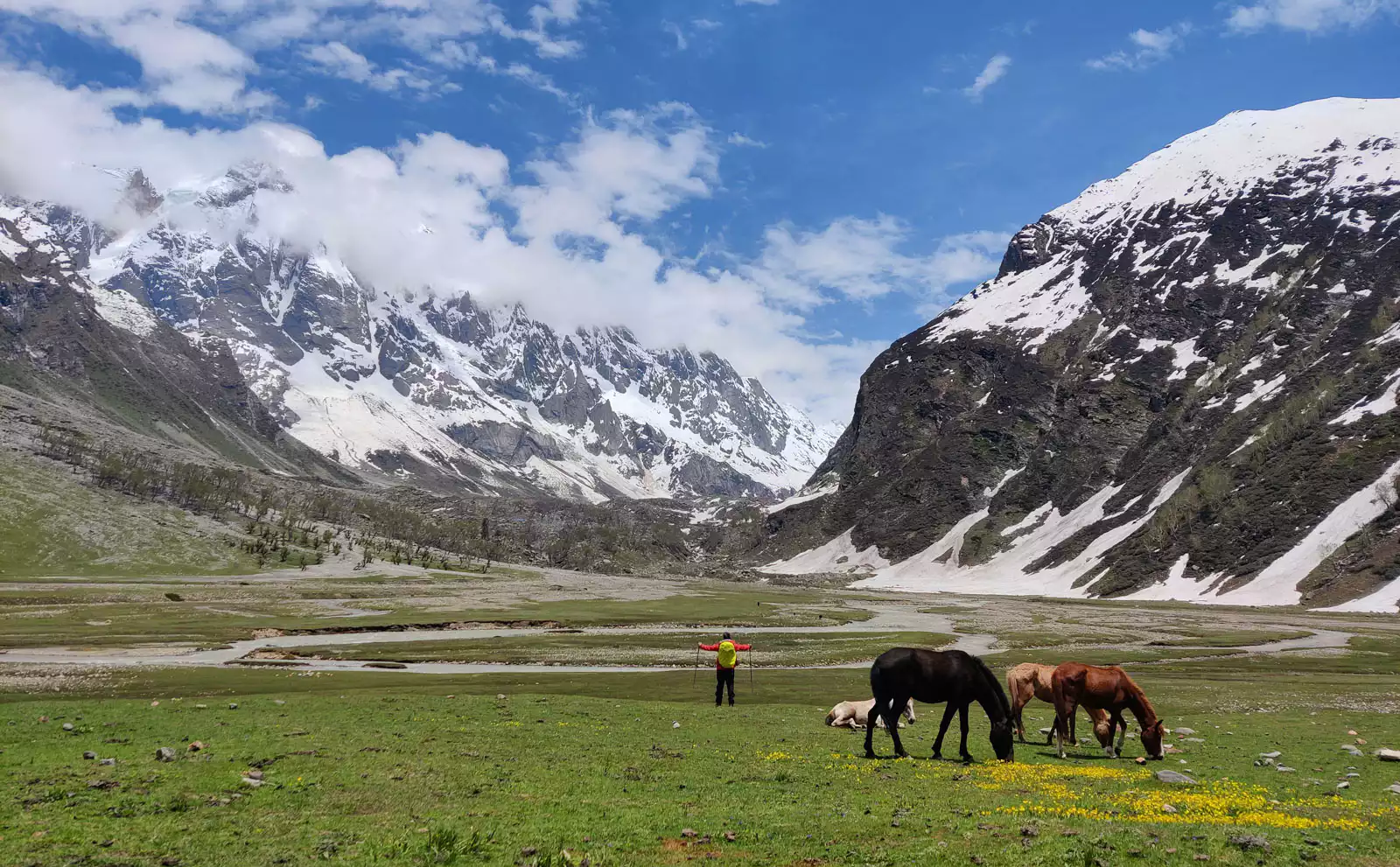
The route passes through remote mountain landscapes where forests, high-altitude grasslands and snow-fed streams shape the experience. Janglik is particularly notable for its traditional wooden houses and quiet village setting. As trekkers move deeper into the mountains, the scenery opens into the expansive meadows of Dayara and the dramatic surroundings of Litham.
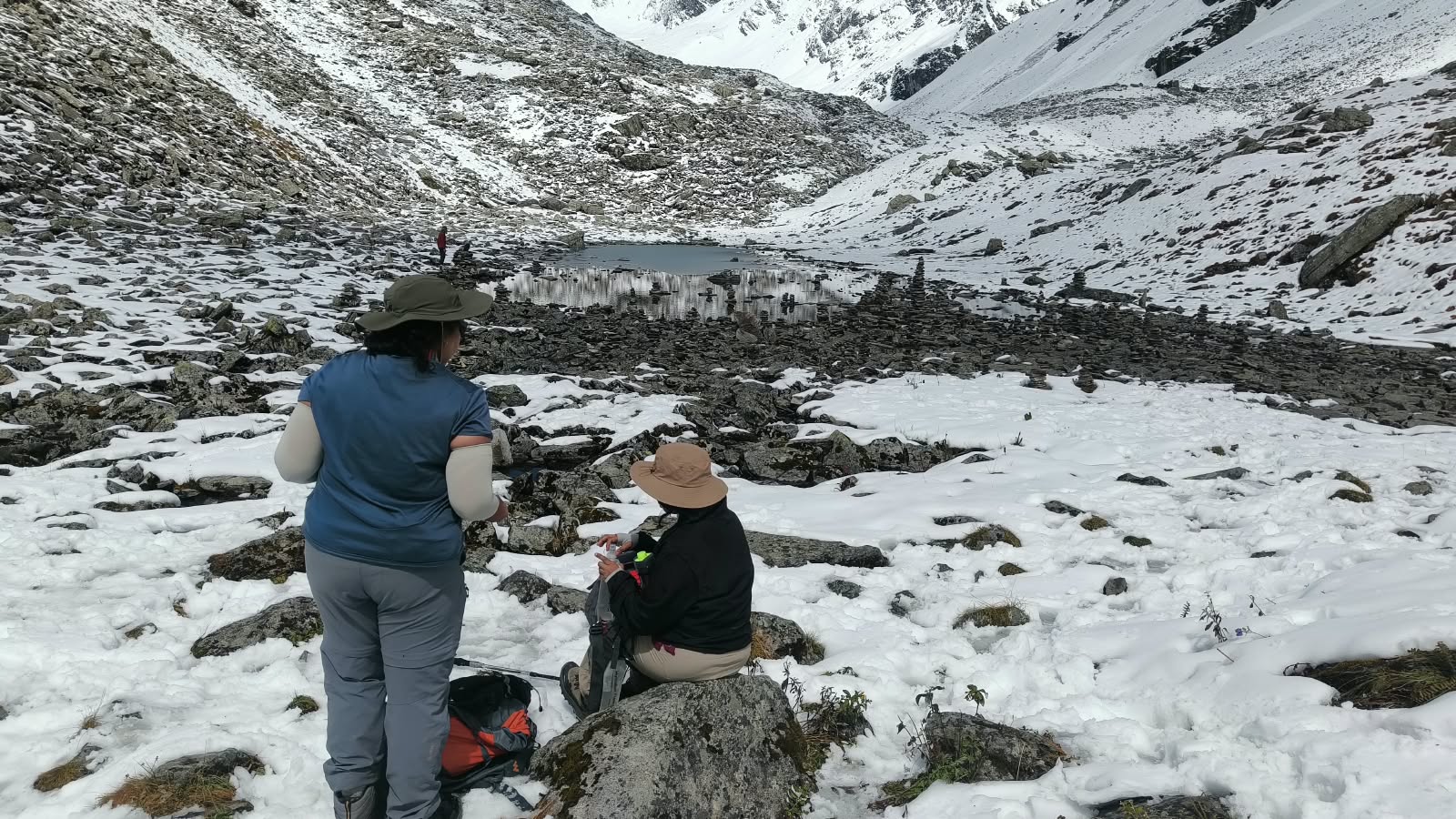
Chandranahan Lake is another major attraction in this region. Located in a high-altitude basin, the lake area is known for its rugged surroundings and snow-fed landscape. It is often included as an excursion or acclimatisation hike, depending on the itinerary.
For route planning, an interactive map should identify Shimla, Rohru, Janglik, Dayara, Litham, Dhunda, Buran Ghati Pass and Barua. Since this is a point-to-point trek, travellers should also confirm the final pickup location and return transport before departure.
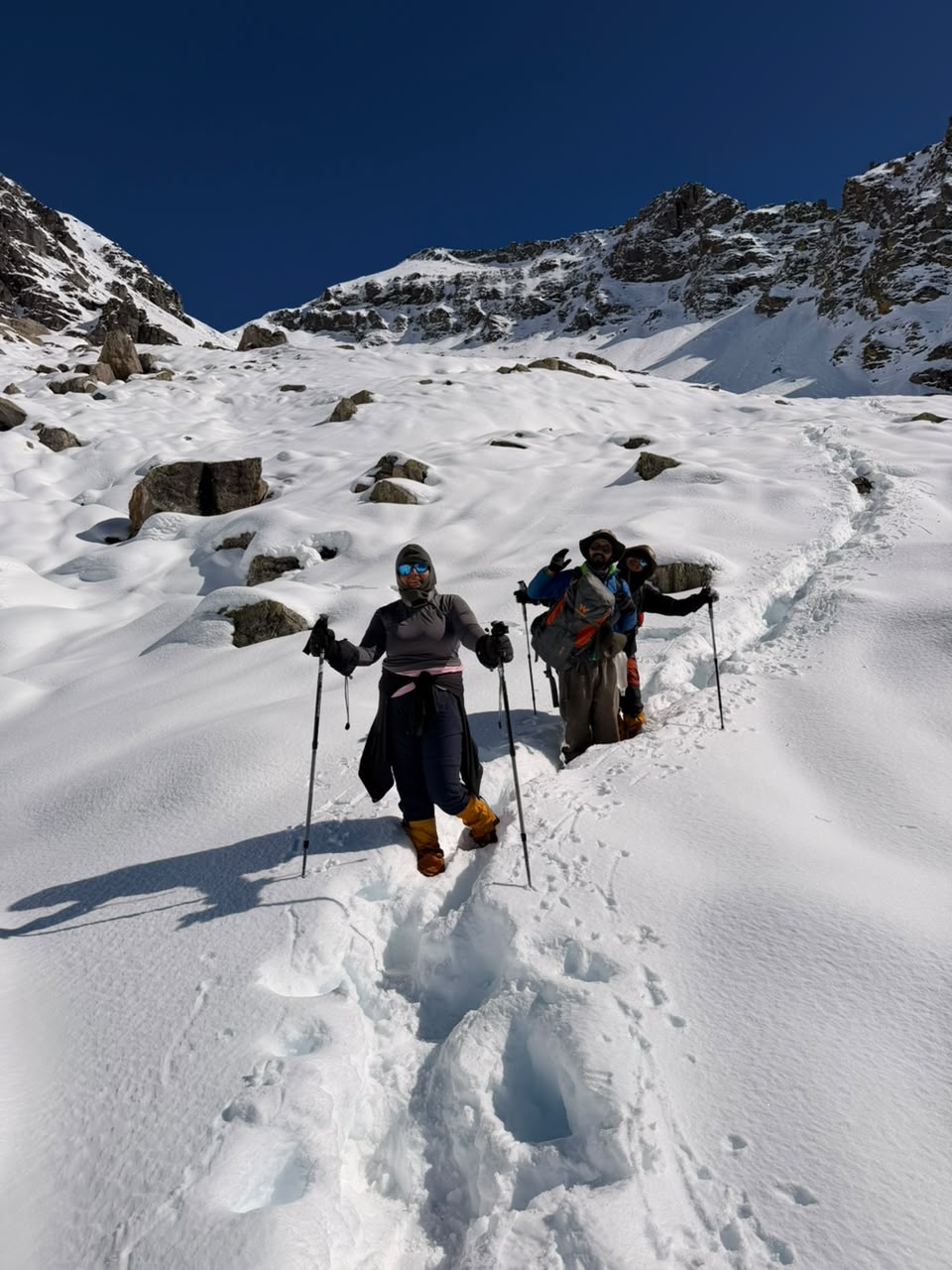
3. Buran Ghati Trek Route
The classic Buran Ghati trek route starts with a drive from Shimla towards Janglik via Rohru and Chirgaon. The road journey follows mountain valleys and gradually enters more remote terrain. The final stretch can be rough and slow, so sufficient travel time is essential.
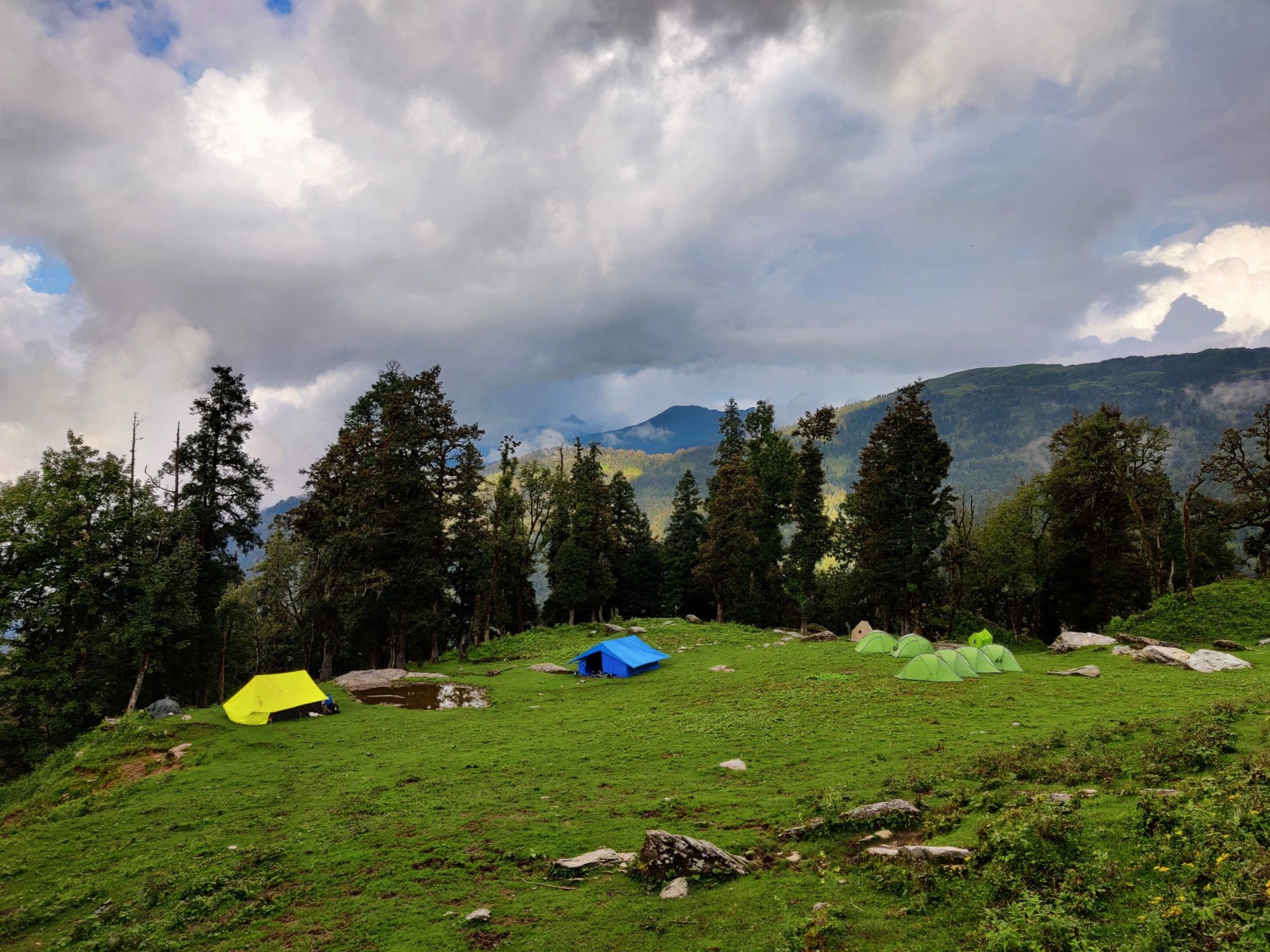
From Janglik, the walking trail climbs through forests before opening into the broad grasslands of Dayara. This section introduces trekkers to the gradual transition from village landscapes to the alpine environment. The next stage leads towards Litham, where streams, meadows and mountain views create a striking campsite setting.
Depending on the itinerary, trekkers may spend an additional day exploring the Chandranahan Lake area. The route then continues towards Dhunda, a high-altitude campsite that provides views of the surrounding mountains and the approach to Buran Ghati Pass.
The pass crossing is the most demanding section of the expedition. Snow, ice, steep gradients and loose terrain can make the ascent and descent technically challenging. Under suitable conditions, the descent may require ropes and controlled movement under the direction of experienced guides. The route then drops towards the Kinnaur side, eventually reaching Barua village.
The exact trail, campsite sequence and crossing arrangements must be confirmed with the expedition operator because weather, snow cover and local restrictions can affect the route.
4. Buran Ghati Trek Itinerary
A typical Buran Ghati trek itinerary takes seven to eight days. The following outline provides a realistic planning framework, although the final schedule may change according to weather and trail conditions.
Day 1: Shimla to Janglik
The journey begins with a mountain drive from Shimla to Janglik, usually taking around eight to ten hours depending on road conditions and the starting point. After reaching the village, trekkers settle into their accommodation, meet the expedition team and attend a briefing covering equipment, safety and the days ahead. An overnight stay allows time to rest before the trek begins.
Day 2: Janglik to Dayara
The first trekking day involves a steady ascent through forested slopes before the landscape opens into Dayara's expansive meadows. Expect approximately five to six hours of walking, depending on pace and trail conditions. The campsite provides an opportunity to recover, hydrate and prepare for the next day's journey.
Day 3: Dayara to Litham
The trail continues through meadows and mountain terrain towards Litham. Streams, open grasslands and changing mountain views make this one of the scenic sections of the trek. The walking duration is generally around four to six hours, depending on the selected route and campsite.
Day 4: Chandranahan Lake Excursion or Acclimatisation
Where included, this day is used for an excursion towards Chandranahan Lake or another suitable acclimatisation activity. The route can involve a steep ascent over rocky terrain, and the walk may take several hours. The decision to visit the lake should depend on weather, fitness and the expedition leader's assessment. Some itineraries place this excursion on a different day.
Day 5: Litham towards Dhunda
The trail climbs towards higher mountain terrain, bringing trekkers closer to Buran Ghati Pass. Walking may take approximately three to five hours, although conditions can alter the duration. The campsite offers time to rest, check equipment and receive a detailed briefing for the crossing.
Day 6: Buran Ghati Pass Crossing and Descent
This is usually the most demanding day of the expedition. The team starts early to allow sufficient time for the ascent, pass crossing and descent towards the Kinnaur side. The day may involve steep snow slopes, exposed sections and rope-assisted movement, depending on conditions. Walking can take eight to twelve hours or longer in difficult circumstances. The final route and overnight campsite depend on safety assessments and the operational plan.
Day 7: Descent towards Barua and Return Transfer
The final trekking section descends towards Barua village, passing through mountain terrain that gradually leads back towards settled areas. Once the group reaches the roadhead, onward transport is arranged according to the package. Some itineraries require an additional day for the return journey, making an eight-day plan more practical.
Trekkers should avoid booking onward flights or trains with tight connections immediately after the planned finish. A weather-related delay is always possible on a high-altitude crossing.
5. Best Time to Visit Buran Ghati Trek
The main trekking seasons for Buran Ghati are generally late spring to early summer and early autumn, with exact dates depending on snowfall and local conditions.
May and June are popular for trekkers who want to experience snow-covered terrain. Snow can remain substantial near the pass, making the crossing particularly demanding. The meadows begin to open up at lower elevations, while higher camps may still experience freezing temperatures.
September and early October can offer clearer mountain views, cooler daytime conditions and reduced monsoon influence. However, the pass may still contain snow or ice, and temperatures can fall sharply after sunset. The autumn landscape can also look different from the lush greenery of early summer.
July and August generally bring monsoon-related concerns, including slippery trails, swollen streams, landslides and unstable mountain weather. The route should not be attempted simply because a calendar indicates that it is trekking season. Current trail assessments and local advice are essential.
Winter conditions are considerably more severe, and a standard Buran Ghati trekking itinerary should not be assumed safe or operational during heavy snowfall.
6. How to Reach Buran Ghati from Delhi, Dehradun and Shimla
Shimla is a practical access point for the Buran Ghati Trek, although the final transport arrangement depends on the operator's designated meeting location.
From Delhi: Travellers can reach Shimla by road, bus or train connections through the Kalka–Shimla corridor. Another option is to travel by air to Chandigarh and continue by road. From Shimla, the journey continues through Rohru and Chirgaon towards Janglik. The mountain drive can take most of a day, so an early departure is recommended.
From Dehradun: Travellers can use road or rail connections towards Chandigarh, Kalka or Shimla, depending on availability and convenience. From Shimla, onward travel follows the route towards Rohru and Janglik. Allow enough time for connections rather than assuming the entire journey can be completed comfortably in a single short travel window.
From Shimla: The usual approach is via Rohru and Chirgaon, followed by the final road stretch to Janglik. Road conditions can deteriorate beyond the larger towns, and travel times may change after rain or snowfall. A vehicle arranged by the expedition operator can simplify coordination, especially for groups carrying trekking equipment.
Confirm whether transport from Shimla to Janglik and from Barua back to Shimla is included in your package. These are separate road journeys, and the trek itself does not return to its starting village.
7. Buran Ghati Trek Cost and Package Inclusions
The cost of the Buran Ghati Trek depends on the operator, group size, season, transportation arrangements and the level of technical support required. For preliminary budgeting, a guided trekking package may cost approximately ₹20,000–₹35,000 or more per person. This is an indicative range, not a confirmed Thin Air Expedition quotation.
A standard package may include camping accommodation during the trek, meals on designated trekking days, trek permits where applicable, an expedition leader, support staff, group safety equipment and arrangements for carrying essential supplies. Some operators also include accommodation at Janglik and selected road transfers.
Expenses that may be excluded include travel to Shimla, transport between the start and finish points, personal trekking equipment, additional accommodation caused by delays, personal snacks, insurance and any evacuation-related costs not covered by the policy.
Before booking, request a written breakdown of the package price. Confirm the number of trekking days, accommodation standards, meals, baggage limits, guide-to-trekker arrangements, technical equipment and cancellation terms. For a route involving a high-altitude pass, clarity about safety support and contingency arrangements is just as important as the advertised price.
8. Buran Ghati Trek Difficulty, Fitness and Packing List
The Buran Ghati Trek is not an easy introductory hike. Its difficulty comes from the combination of altitude, consecutive walking days, steep ascents, demanding descents and unpredictable conditions near the pass. Even experienced walkers may find the crossing challenging when snow is hard, visibility deteriorates or the trail becomes slippery.
Preparation should begin several weeks before departure. Regular brisk walking, stair climbing, aerobic exercise and leg-strengthening activities can improve endurance. Practising longer walks with a light backpack can also help prepare the body for sustained effort. Fitness cannot eliminate the risks of altitude, so gradual acclimatisation and attention to symptoms remain essential.
The packing list should include broken-in trekking shoes with good grip, warm base layers, insulating fleece or down clothing, a waterproof jacket and trousers, thermal socks, gloves, a warm cap, sunglasses and sun protection. A headlamp, reusable water bottles, personal medication, basic toiletries and a suitable backpack are also important.
Carry clothing that can be layered as temperatures change throughout the day. High-altitude sunshine can be intense even when the air is cold, while nights at camp can be freezing. Technical equipment such as helmets, harnesses, crampons or ropes should be selected and managed according to conditions by the qualified expedition team.
Trekkers should follow the guide's instructions throughout the journey. Headache, nausea, dizziness, unusual fatigue or breathlessness at rest may indicate altitude-related illness. Symptoms should never be ignored or concealed to keep up with the group. The appropriate response may involve stopping the ascent and descending with medical guidance.
Families and beginners should assess the route realistically. The trek is better suited to fit adults with previous multi-day trekking experience than to casual walkers or young children without suitable preparation. No summit or pass crossing should take priority over safety.
9. Why Choose Thin Air Expedition for the Buran Ghati Trek?
Choosing the right trekking operator can make a meaningful difference to the planning, logistics and safety of a high-altitude Himalayan expedition. The Buran Ghati Trek requires more than arranging camps and meals; it calls for careful pacing, appropriate equipment, weather awareness and experienced leadership during the pass crossing.
Thin Air Expedition approaches Himalayan adventures with an emphasis on responsible trekking, meaningful outdoor experiences and respect for the natural environment. Its philosophy, reflected in the tagline “Trek Your Way To Freedom,” encourages travellers to experience the mountains with preparation, awareness and a sense of responsibility.
When considering Thin Air Expedition for the Buran Ghati Pass Trek, ask about the team's experience on this specific route, guide qualifications, group size, first-aid training, emergency communication arrangements and technical support for snow conditions. Confirm the safety equipment available for the pass crossing and the procedure for delaying or abandoning the crossing when conditions are unsuitable.
It is equally important to understand how the team manages waste, respects local communities and minimises its impact on fragile mountain ecosystems. Responsible trekking protects the landscapes that make the experience worthwhile and helps preserve them for future travellers.
Before booking, review the current itinerary, inclusions, cancellation policy and any available customer feedback. Specific qualifications, route experience and safety arrangements should be verified for the departure you choose rather than assumed.
For trekkers seeking a challenging Himalayan crossover through alpine meadows, glacial landscapes and traditional mountain villages, the Buran Ghati Trek can be a memorable adventure when undertaken with the right preparation and support. Contact Thin Air Expedition to discuss available departures, the current itinerary, package inclusions and the experience required for this demanding mountain crossing.
10. Frequently Asked Questions About Buran Ghati Trek
How difficult is the Buran Ghati Trek?
The trek is generally graded moderate to difficult or difficult. The high-altitude pass, steep descent, variable snow conditions and long walking days make good fitness and previous trekking experience advisable.
How many days are required for the Buran Ghati Trek?
Most itineraries take seven to eight days, including the approach drive and return arrangements. Additional buffer days may be useful when weather or road conditions affect the schedule.
What is the maximum altitude of Buran Ghati Pass?
Buran Ghati Pass is approximately 4,572 metres (15,000 feet) above sea level. Exact figures may vary slightly between published route descriptions.
What is the best month for the Buran Ghati Trek?
May and June are popular for snow-covered terrain, while September and early October can offer clearer weather. Actual suitability depends on snowfall, weather forecasts and current route conditions.
How much does the Buran Ghati Trek cost?
A preliminary budget of ₹20,000–₹35,000 or more per person is reasonable for comparing guided packages. The final price depends on the operator, dates, transport, equipment and inclusions.
Is the Buran Ghati Trek suitable for beginners?
It is not the best choice for an unprepared first-time trekker. Fit beginners may be considered by some operators, but prior experience on multi-day Himalayan treks is strongly recommended.
Is technical equipment required for the Buran Ghati Pass crossing?
Depending on the season, snow and route conditions, the crossing may require ropes and other technical equipment. The expedition leader must assess the conditions and determine the appropriate equipment and procedure.
Can the Buran Ghati Trek be completed during the monsoon?
Monsoon conditions can increase the risks of landslides, slippery trails, stream crossings and poor visibility. Travel should depend on current local assessments and the operator's safety decision, not simply on a fixed itinerary.
Does the Buran Ghati Trek start and finish at the same location?
No. The classic route starts at Janglik and descends towards Barua in Kinnaur. Return transportation must therefore be arranged from the finishing point.
What should I confirm before booking the Buran Ghati Trek?
Check the exact itinerary, total cost, transport, meals, accommodation, technical equipment, guide qualifications, safety procedures, insurance requirements and weather-related cancellation policy. These details help you prepare properly for a demanding Himalayan crossing.