Nanda Devi Base Camp Trek Route Itinerary Best Time Cost
Nanda Devi Base Camp Trek Route Itinerary Best Time Cost
16
Oct

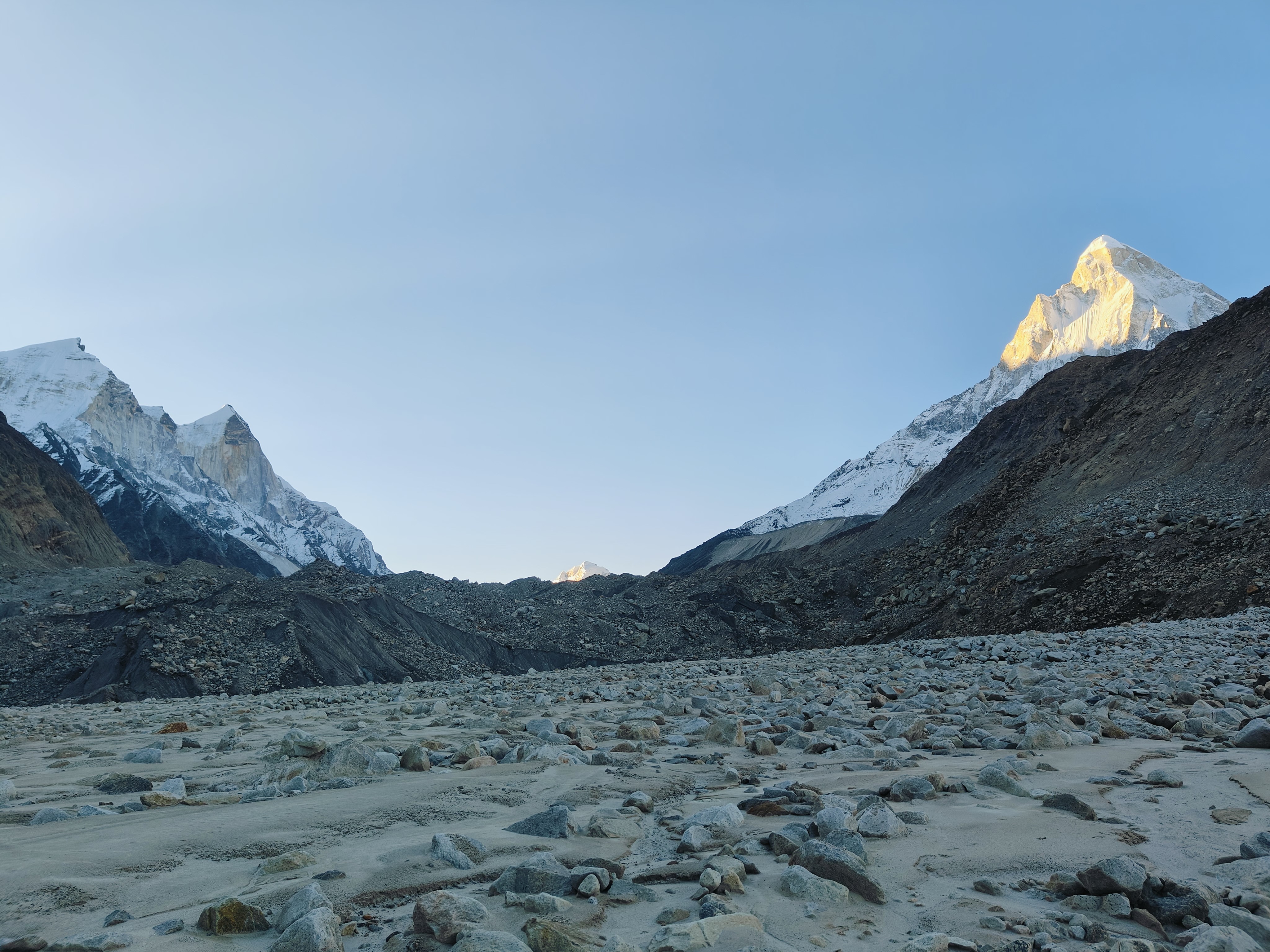
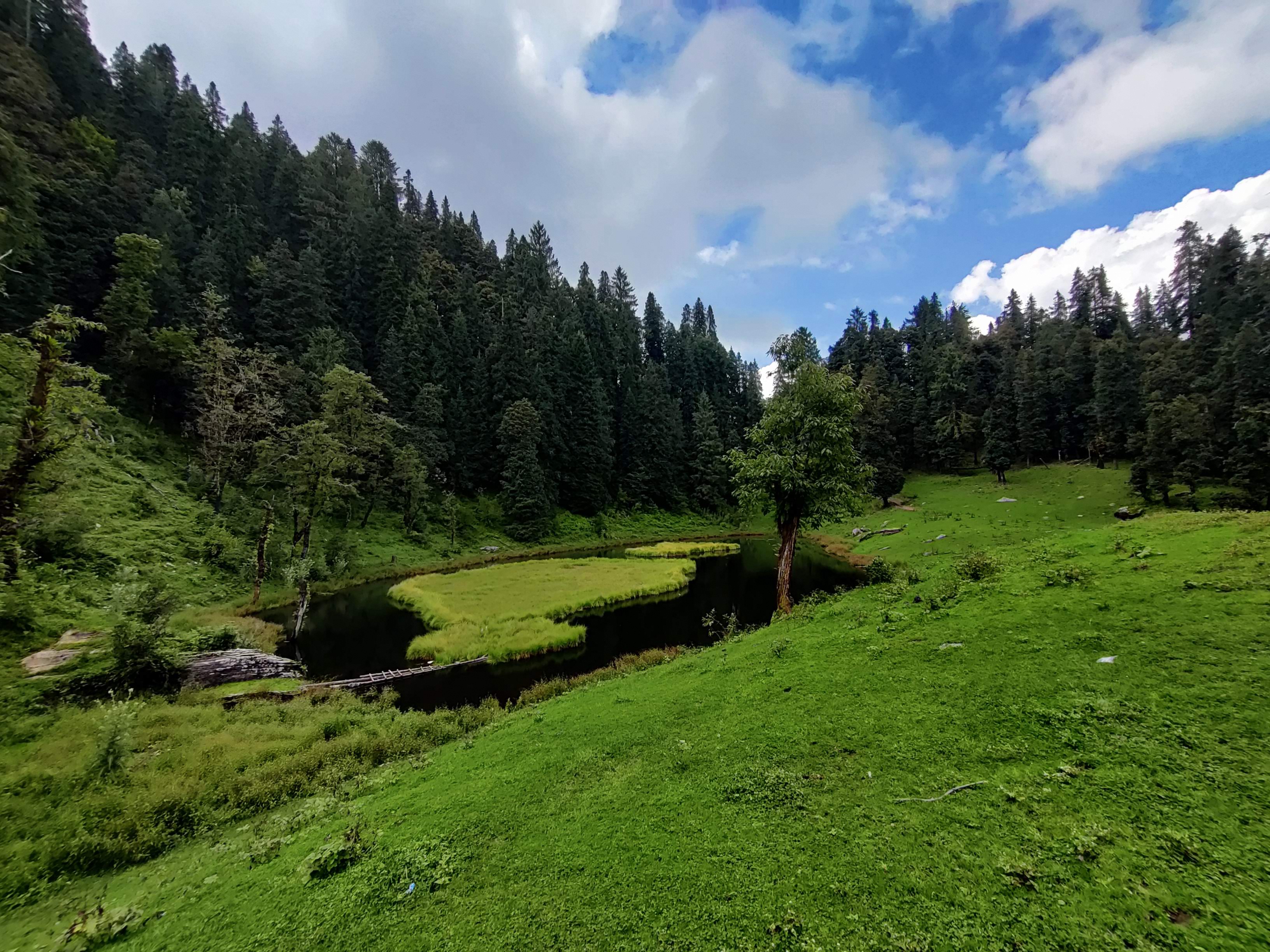
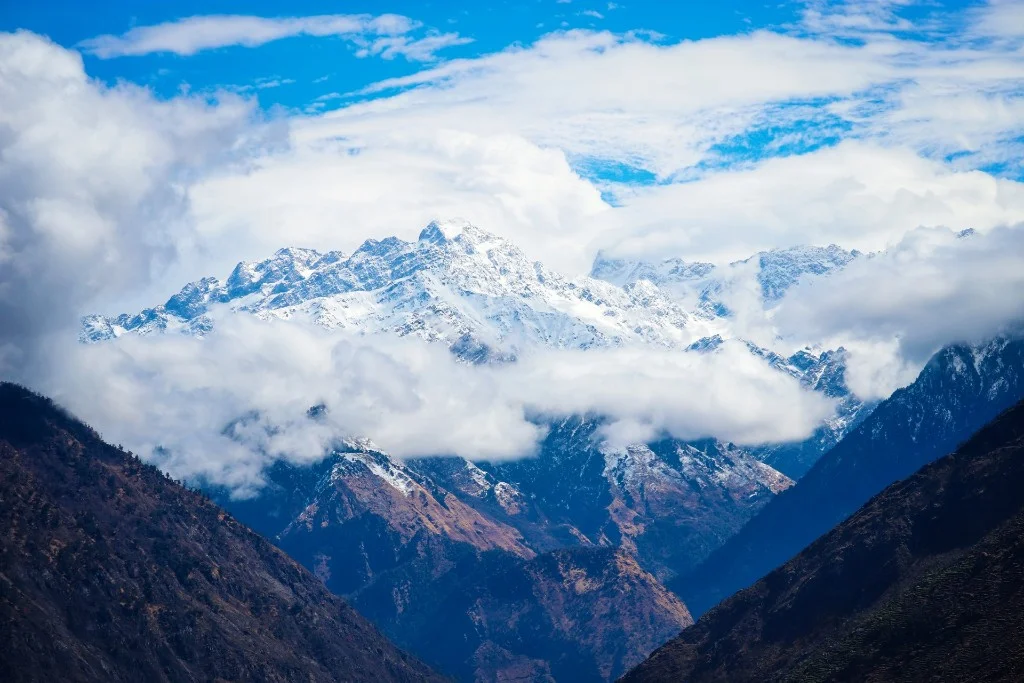
The Nanda Devi Base Camp Trek is one of the most rewarding high-altitude trekking experiences in the Kumaon Himalayas of Uttarakhand. Surrounded by dramatic mountain landscapes, remote Himalayan villages, glacial valleys and centuries-old cultural traditions, this trek offers an opportunity to explore a quieter side of the Indian Himalayas. Unlike popular trekking routes that attract large crowds, the journey through the Johar Valley offers a deeper connection with mountain life and the natural environment.
The Nanda Devi East Base Camp Trek generally begins from Munsiyari and follows the historic trail through villages such as Martoli and Milam, depending on the itinerary and prevailing access conditions. Trekkers encounter changing landscapes, from forested trails and river valleys to alpine terrain and impressive views of the surrounding peaks. The route requires careful planning, suitable fitness and appropriate acclimatisation because of its remote location and high altitude.
Whether you are researching the Nanda Devi Base Camp Trek route, planning a Himalayan adventure or comparing trekking packages, understanding the journey, seasonal conditions and overall cost will help you prepare for a safer and more enjoyable experience.
1. Nanda Devi Base Camp Trek Overview
The Nanda Devi Base Camp Trek is located in the Kumaon region of Uttarakhand, in the eastern Himalayan landscape surrounding the Nanda Devi massif. The eastern approach is associated with Munsiyari and the historic Johar Valley, a region known for its dramatic mountain scenery, traditional settlements and access to the Milam Glacier area.
The trek generally requires around 8–12 days, depending on the starting point, chosen route, acclimatisation schedule and transport arrangements. Longer itineraries may include additional days for exploring Milam Glacier, visiting historic villages or allowing flexibility for changing mountain weather.
The distance and maximum altitude depend on the specific route operated. Some itineraries approach the Nanda Devi East Base Camp area at approximately 4,100–4,700 metres, while other expedition descriptions include higher or more remote objectives. Trekkers should confirm the exact endpoint and altitude with their trekking operator before booking rather than assuming that every package follows the same route.
The trek is usually graded moderate to difficult or strenuous, depending on its itinerary and conditions. Long walking days, uneven trails, steep sections, cold nights and limited facilities make preparation essential. Package prices also vary according to group size, transport, accommodation, guide support, meals and permit requirements. An organised expedition may cost approximately ₹20,000–₹50,000 or more per person, depending on the services included and the duration.
2. Where Is Nanda Devi Base Camp?
Nanda Devi Base Camp lies in the Kumaon Himalayas of Uttarakhand, within the broader landscape associated with the Nanda Devi mountain region. Nanda Devi, standing at 7,816 metres, is India's second-highest mountain entirely within the country. The eastern approach to its surrounding landscape is reached through the Johar Valley, with Munsiyari serving as a major road-accessible base for many trekking itineraries.
Munsiyari is situated in Pithoragarh district and is known for its views of the Panchachuli peaks. From here, the route continues towards the upper Gori Ganga valley, passing through remote settlements and historic villages such as Martoli and Milam, depending on the chosen itinerary. The region combines mountain scenery with the heritage of communities that historically traded across Himalayan routes.
For planning purposes, trekkers should distinguish the eastern base camp approach from routes associated with Nanda Devi National Park in the Garhwal region. These are different approaches, and access rules, trail conditions and permit requirements may differ. Entry into protected areas is controlled, and the permitted route must be confirmed before departure.
A map search for the Nanda Devi East Base Camp Trek via Munsiyari and Johar Valley can help travellers understand the broad geography. However, a standard online road map will not necessarily show remote walking trails accurately. Use a route map supplied by your trekking operator and follow local guidance for the final approach.
3. Nanda Devi Base Camp Trek Route
The Nanda Devi Base Camp Trek route generally begins in Munsiyari, where trekkers complete their preparations before travelling towards the trailhead. Depending on road conditions and the operating plan, the trekking section may begin near Dhapa or another accessible point in the Johar Valley.
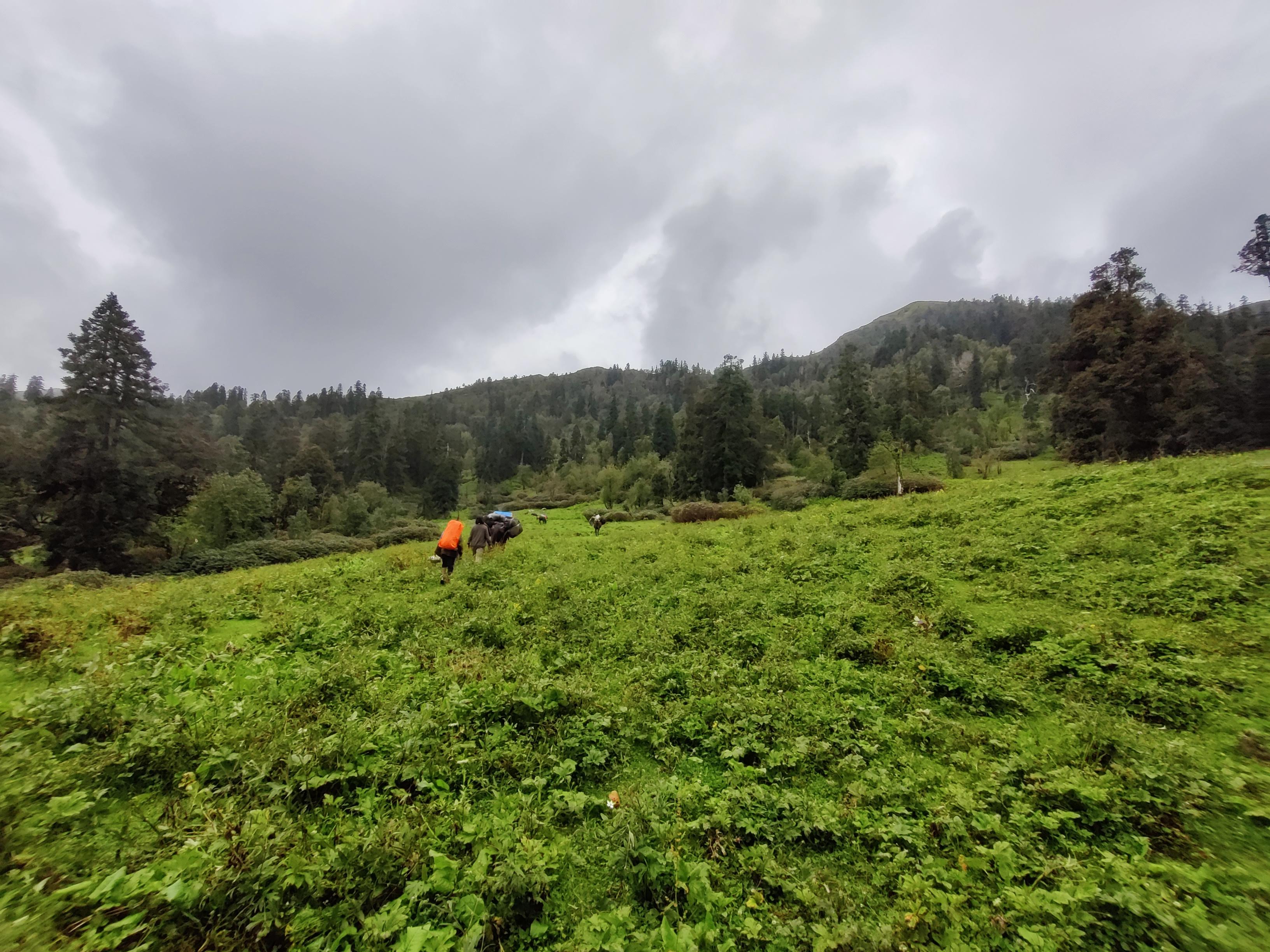
The route follows the upper Gori Ganga valley through a landscape that changes gradually with altitude. Forested stretches, rocky paths, river crossings and open mountain terrain create different challenges along the way. Lilam and Bogudiyar are associated with the traditional approach, while Rilkot, Martoli and Milam feature in longer itineraries exploring the historic Johar Valley.
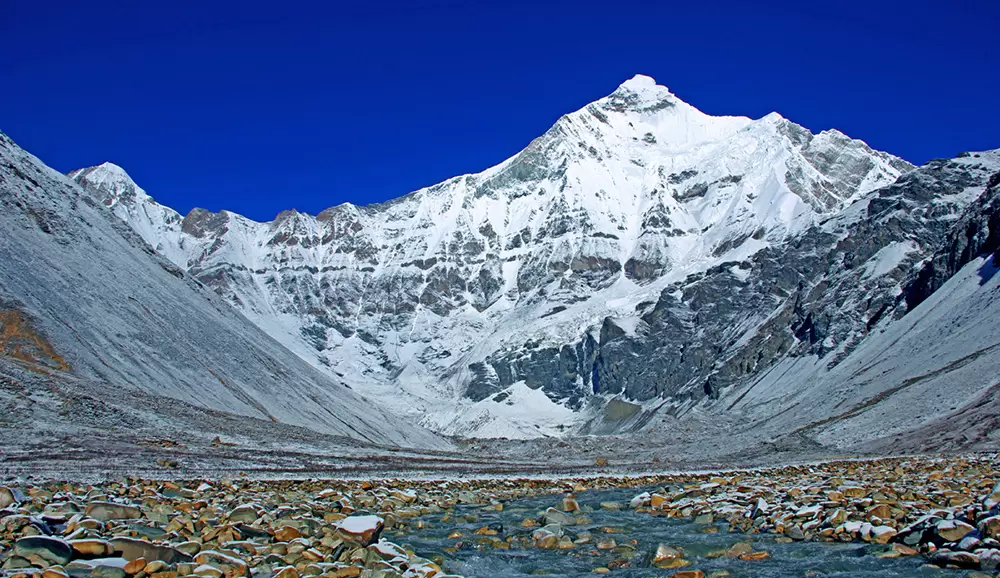
Martoli is particularly memorable for its traditional stone architecture, old village structures and striking mountain setting. It offers a glimpse into the region's cultural history and provides a meaningful stop during the journey. Further along, the landscape becomes increasingly alpine, with open slopes, glacial streams and expansive views of the surrounding Himalayan peaks.
The final approach to Nanda Devi East Base Camp depends on the specific permitted route and current trail conditions. It can involve rough ground, loose stones and exposed sections where careful footing is necessary. The return journey generally retraces the approach or follows a pre-planned alternative route through the valley.
Because this is a remote high-altitude trek, route decisions should be based on current local conditions, official permissions and the judgement of an experienced trekking team. River levels, snow, landslides and changing weather can affect the itinerary.
4. Nanda Devi Base Camp Trek Itinerary
A realistic Nanda Devi Base Camp Trek itinerary allows time for road travel, acclimatisation, gradual altitude gain and a safe return. The following is an illustrative 11-day plan; the actual route and daily stages must be confirmed with the operator.
Day 1: Kathgodam to Munsiyari. Travel by road towards Munsiyari through the Kumaon hills. The journey can take most of the day, depending on traffic, road conditions and stops. Overnight accommodation in Munsiyari allows the group to rest before the trek.
Day 2: Preparation and acclimatisation in Munsiyari. Complete permit checks, meet the local trekking team and organise equipment. A relaxed day helps trekkers prepare for the remote journey. Depending on the final itinerary, this day may also be used for the transfer to the trailhead.
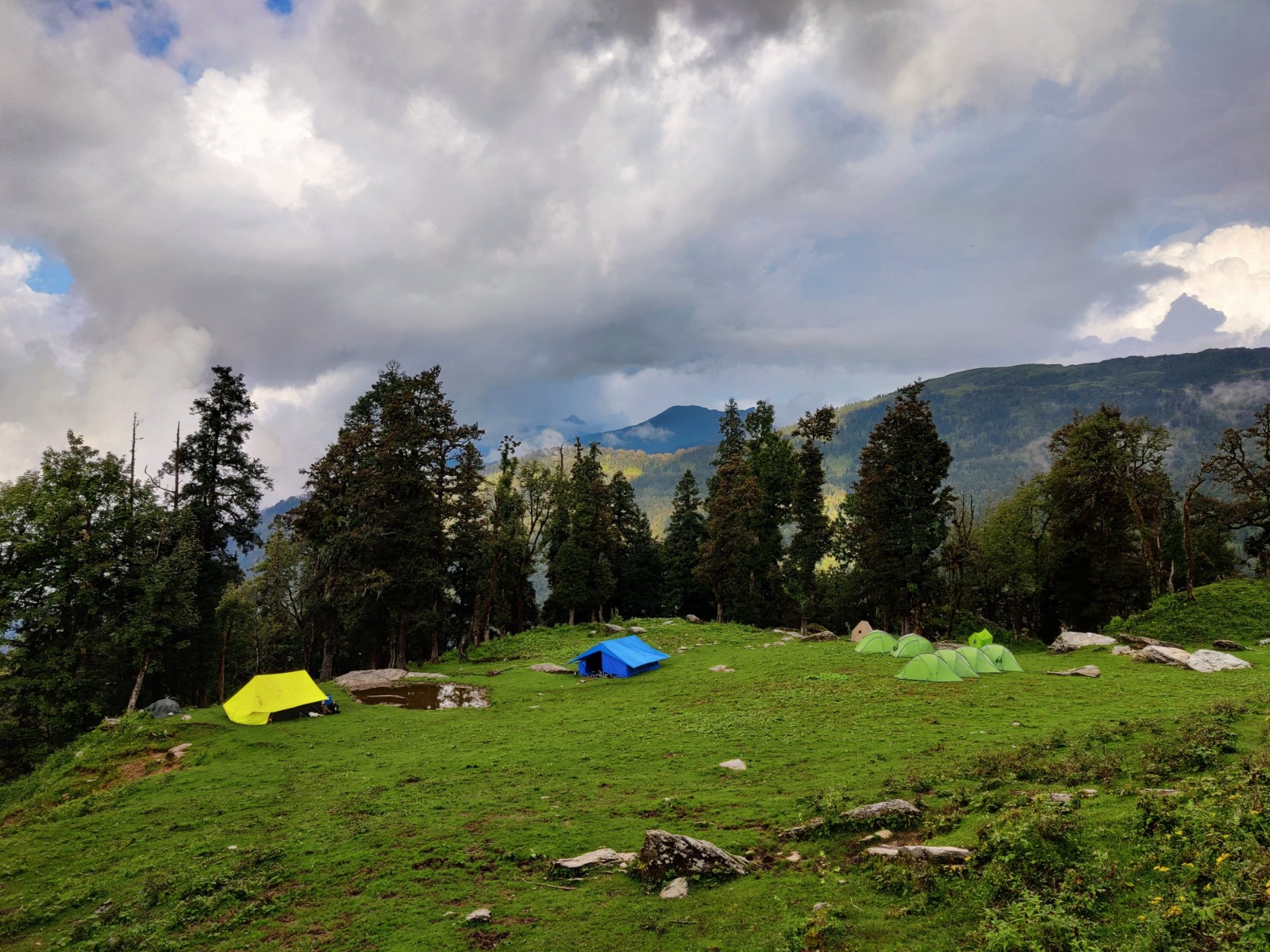
Day 3: Munsiyari to Lilam or the designated trailhead. Travel to the permitted starting point and begin walking through the valley. The duration varies according to the roadhead and route selected. Overnight accommodation may be in a basic shelter or campsite.
Day 4: Lilam to Bogudiyar. Follow the valley trail through rugged terrain and forested sections. Expect several hours of walking, with the exact duration depending on trail conditions and the group's pace.
Day 5: Bogudiyar towards Rilkot. Continue deeper into the Johar Valley. The terrain becomes more demanding in places, so regular breaks, hydration and a steady pace are important.
Day 6: Rilkot to Martoli. Walk towards the historic village of Martoli, where the surrounding mountain scenery becomes increasingly dramatic. The overnight stop offers an opportunity to rest and appreciate the region's cultural heritage.
Day 7: Acclimatisation and route preparation. Allow time to adjust to the altitude and review conditions for the next stage. The guide may recommend a short walk or a rest day depending on the group's condition and the planned endpoint.
Day 8: Trek towards Nanda Devi East Base Camp. Continue through alpine terrain towards the designated base camp area. This can be one of the most physically demanding stages, requiring careful pacing and close attention to weather and trail conditions.
Day 9: Exploration and return preparation. If conditions and permissions allow, spend time appreciating the mountain landscape and photographing the surrounding peaks. The group then prepares for the descent according to the itinerary.
Day 10: Descend towards the lower valley. Begin the return journey, retracing the route or following the approved alternative. Descending requires care because tired legs and loose terrain can increase the risk of slipping.
Day 11: Return to Munsiyari and onward travel. Complete the final walking or road-transfer section and return to Munsiyari. Further travel towards Kathgodam may require an additional day, so travellers should not book onward connections without allowing sufficient time.
5. Best Time to Visit Nanda Devi Base Camp
The best time for the Nanda Devi Base Camp Trek is generally during the pre-monsoon months of May and June or the post-monsoon period of September and October, subject to local access rules and the operator's confirmed schedule.
May and June bring longer daylight hours and the gradual opening of high-altitude trails after winter. Snow may remain on higher sections, and melting snow can increase stream flow. Early-season conditions therefore require careful route assessment and suitable equipment.
September and early October often offer clearer mountain views after the monsoon, although weather can still change rapidly. The post-monsoon landscape can be particularly rewarding for photography, with broad views across the Himalayan ranges. As autumn progresses, temperatures drop and nights at higher camps become colder.
July and August coincide with the monsoon season in Uttarakhand. Heavy rainfall can trigger landslides, road closures, swollen streams and unstable trail conditions. Travel during this period should only be considered if local authorities and experienced operators confirm that the route is safe and open.
Winter is generally unsuitable for a standard trekking itinerary because of severe cold, snow and additional logistical challenges. Before finalising travel dates, check current weather forecasts, road access, protected-area permissions and the latest advice from the local trekking team.
6. How to Reach Nanda Devi Base Camp from Delhi, Dehradun and Munsiyari
Reaching Nanda Devi Base Camp requires a combination of road travel and trekking. Munsiyari is the principal access point for many Nanda Devi East Base Camp itineraries, and travellers should plan their transport according to the operator's designated meeting point.
From Delhi, travellers can take a train or bus towards Kathgodam or Haldwani and continue by road to Munsiyari. The drive passes through the Kumaon hills and can take most of the day, depending on road conditions. Travellers arriving by overnight train should allow enough time for onward transfers rather than assuming that the journey will be completed quickly.
From Dehradun, travellers can reach the Kumaon region by road or connect through suitable rail services towards Kathgodam or Haldwani. Reaching Munsiyari from Dehradun generally requires substantial additional travel time, so an overnight stop may be practical depending on the departure schedule.
From Munsiyari, the trekking team arranges the onward transfer towards the designated trailhead, depending on road accessibility and the permitted route. Public transport options become more limited as travellers move deeper into the valley, making advance arrangements important.
The nearest major railway access point for many itineraries is Kathgodam, while Pantnagar is a regional airport option. Travellers should verify flight and train schedules before booking. Since mountain roads can be affected by landslides, rain and maintenance work, keeping a buffer day is advisable.
7. Nanda Devi Base Camp Trek Cost and Package Inclusions
The Nanda Devi Base Camp Trek cost depends on the duration, group size, transport arrangements, camping support and services included in the package. As a broad planning estimate, guided packages may range from approximately ₹20,000 to ₹50,000 or more per person. These figures are indicative rather than a confirmed Thin Air Expedition quotation, and travellers should request an updated price for their preferred dates.
A comprehensive trekking package may include accommodation during the itinerary, meals on trekking days, experienced local guides, camping equipment, support staff, logistics and applicable permits or entry charges. Transport between the meeting point and the trailhead may also be included, but this should be checked carefully before booking.
Expenses that may fall outside the package include travel to the meeting point, personal trekking equipment, travel insurance, personal medicines, tips, additional accommodation caused by delays and emergency evacuation expenses. Single-room accommodation, excess baggage support and changes to the itinerary may also incur additional charges.
Before confirming a booking, request a written breakdown of the total cost, inclusions, exclusions, cancellation policy and payment schedule. Permit requirements and charges should be verified for the exact route and nationality of the participants.
A transparent Nanda Devi Base Camp Trek package should explain what happens if weather, road closures or official access restrictions prevent the group from reaching its planned destination. Clear communication about these possibilities helps travellers make informed decisions and avoid unexpected expenses.
8. Difficulty, Fitness and What to Pack
The Nanda Devi Base Camp Trek is best suited to trekkers who are comfortable with long walking days and changing mountain conditions. Although the exact difficulty depends on the selected route, the remoteness, altitude and limited facilities make this a more demanding undertaking than a short introductory trek.
A sensible preparation plan includes regular walking, stair climbing, cardiovascular exercise and strength training for the legs and core. Practising with a loaded daypack can help prepare for consecutive days on uneven terrain. Previous multi-day trekking experience is beneficial, especially for itineraries that involve prolonged walking at high altitude.
Acclimatisation is essential. Trekkers should follow a gradual ascent plan, drink fluids regularly and report symptoms such as headaches, nausea, dizziness or unusual fatigue to their guide. Severe breathlessness at rest, confusion or difficulty walking normally require urgent medical attention and immediate descent when appropriate. Physical fitness does not eliminate the risk of altitude sickness.
Packing should focus on warmth, weather protection and reliable footwear. Waterproof trekking boots with good grip, moisture-wicking base layers, insulating mid-layers, a warm down or synthetic jacket, waterproof outerwear, gloves, a warm hat and suitable trekking socks are important. Sunglasses, sunscreen, a headlamp, personal medication, a reusable water bottle and trekking poles can also be useful.
Carry a small personal first-aid kit and keep essential items protected from moisture. The operator should specify whether sleeping bags, sleeping mats, tents and other group equipment are provided. Avoid carrying unnecessary items, but do not compromise on essential cold-weather protection.
Families and first-time trekkers should assess the exact itinerary rather than relying on a general difficulty label. Children should only participate if the operator confirms that the route, age requirements and safety arrangements are appropriate.
9. Why Book the Nanda Devi Base Camp Trek with ThinAirExpedition?
Choosing a trekking operator is an important part of planning a remote Himalayan expedition. The right team should understand the route, local conditions, permit procedures and practical challenges of operating in a high-altitude environment.
Thin Air Expedition can present its Nanda Devi Base Camp Trek through a clear itinerary, transparent pricing and detailed information about the services included. Prospective trekkers should be able to understand the daily walking schedule, accommodation arrangements, food provisions, group size and support available throughout the journey before making a booking.
Guide experience and safety procedures deserve particular attention. Before departure, travellers should confirm the qualifications and relevant high-altitude experience of the assigned trek leader, the guide-to-trekker ratio, emergency communication arrangements and the team's plan for responding to altitude-related illness or severe weather.
A responsible expedition also respects local communities, follows applicable forest and protected-area regulations, minimises waste and avoids disturbing wildlife. In remote mountain environments, responsible trekking is essential to preserving both the landscape and the experience for future visitors.
Customer reviews and feedback can help travellers assess an operator's reliability. Thin Air Expedition should highlight genuine customer testimonials, verifiable trekking experience, relevant guide credentials and documented safety practices where available. These details allow prospective clients to make a decision based on evidence rather than unsupported promises.
By providing clear information and setting realistic expectations, Thin Air Expedition can help trekkers prepare for a memorable journey into the Kumaon Himalayas.
10. Frequently Asked Questions About the Nanda Devi Base Camp Trek
How many days are required for the Nanda Devi Base Camp Trek?
Most itineraries require approximately 8–12 days, although longer expeditions may take additional time. The duration depends on the route, transport arrangements, acclimatisation days and weather conditions.
What is the maximum altitude of the Nanda Devi Base Camp Trek?
The altitude varies according to the exact base camp approach and itinerary. Some eastern-route descriptions place the base camp area around 4,100–4,700 metres. Confirm the planned endpoint and maximum altitude with your trekking operator.
Is the Nanda Devi Base Camp Trek suitable for beginners?
It is not an ideal first trek for people without hiking experience. Its remoteness, altitude and demanding terrain make previous trekking experience and physical preparation advisable.
What is the best month for the Nanda Devi Base Camp Trek?
May, June, September and early October are commonly considered suitable periods, subject to local weather, trail conditions and official permissions.
How much does the Nanda Devi Base Camp Trek cost?
A guided package may cost approximately ₹20,000–₹50,000 or more per person. The final amount depends on the duration, group size, transport and package inclusions. Confirm current pricing directly with the operator.
Do I need permits for the Nanda Devi Base Camp Trek?
Permit and access requirements depend on the exact route, the protected areas entered and the participant's nationality. Confirm the latest requirements with the relevant authorities and your trekking operator before travelling.
Is the Nanda Devi Base Camp Trek safe?
No high-altitude trek is entirely risk-free. Weather changes, altitude sickness, difficult terrain and limited emergency access can present serious challenges. A suitable itinerary, experienced guides, acclimatisation and a clear emergency plan are essential.
Can I complete the Nanda Devi Base Camp Trek without a guide?
Independent trekking should not be assumed to be permitted or appropriate on this remote route. Check current access regulations and local requirements, and use qualified local support where required.
What should I carry for the trek?
Carry sturdy trekking boots, warm layered clothing, waterproof outerwear, gloves, a warm hat, sunglasses, sunscreen, personal medication and a headlamp. Confirm the remaining equipment requirements with your operator.
How can I book the Nanda Devi Base Camp Trek with Thin Air Expedition?
Contact Thin Air Expedition to confirm available departure dates, the exact route, permits, package inclusions and current pricing. Review the complete itinerary and safety arrangements before confirming your booking.
The Nanda Devi Base Camp Trek offers a rewarding opportunity to experience the remote beauty and cultural heritage of the Kumaon Himalayas. With suitable preparation, responsible trekking practices and a carefully planned itinerary, the journey can become a memorable Himalayan adventure. Before setting out, confirm the current route, access permissions, weather conditions and package details so that your expectations match the realities of travelling in this remarkable mountain region.