Hampta Pass Trek Route Itinerary Best Time Cost and Complete Travel Guide
Hampta Pass Trek Route Itinerary Best Time Cost and Complete Travel Guide
18
Oct

The Hampta Pass Trek is one of the most exciting Himalayan trekking experiences in Himachal Pradesh, taking trekkers from the lush green valleys of Kullu to the dramatic, high-altitude landscapes of Lahaul. Known for its changing scenery, mountain streams, alpine meadows, rocky trails and snow-covered surroundings, this trek offers a remarkable introduction to the diversity of the Indian Himalayas. For adventure seekers planning their first multi-day Himalayan expedition or experienced trekkers looking for a scenic mountain crossing, the Hampta Pass Trek combines natural beauty, physical challenge and a genuine sense of exploration.
If you are searching for a complete Hampta Pass Trek guide covering the route, itinerary, difficulty level, best time to visit, weather conditions, cost and packing list, this guide will help you understand what to expect before planning your expedition with Thin Air Expedition.
1. Hampta Pass Trek Overview
The Hampta Pass Trek is a high-altitude mountain crossing located in the Pir Panjal range of Himachal Pradesh. The trail begins in the Kullu Valley, near Manali, and crosses Hampta Pass before descending towards the comparatively dry and rugged landscapes of Lahaul. This sudden change in terrain is one of the defining features of the expedition, making it particularly appealing to trekkers who want to experience multiple Himalayan landscapes within a single journey.
The trek generally begins from Jobra, reached by road from Manali, and continues through forests, open meadows, river valleys and high-altitude campsites. The highest point is Hampta Pass, at approximately 4,270 metres above sea level. Depending on the itinerary, the trekking distance is commonly around 25–35 kilometres, excluding some road transfers and optional excursions. The total duration usually ranges from four to five days on the trail, with additional time required to reach Manali and return home.
The difficulty level is generally considered moderate to challenging, depending on weather conditions, trail conditions, altitude response and the trekker's fitness. Although the overall distance may appear manageable, consecutive days of walking, steep ascents, river crossings, loose terrain and the altitude of the pass make preparation essential. Package prices vary according to the season, group size, inclusions, accommodation arrangements and operator. Travellers should confirm the current price, itinerary and inclusions directly with their chosen trekking operator before booking.
2. Where Is Hampta Pass? Location and Geography
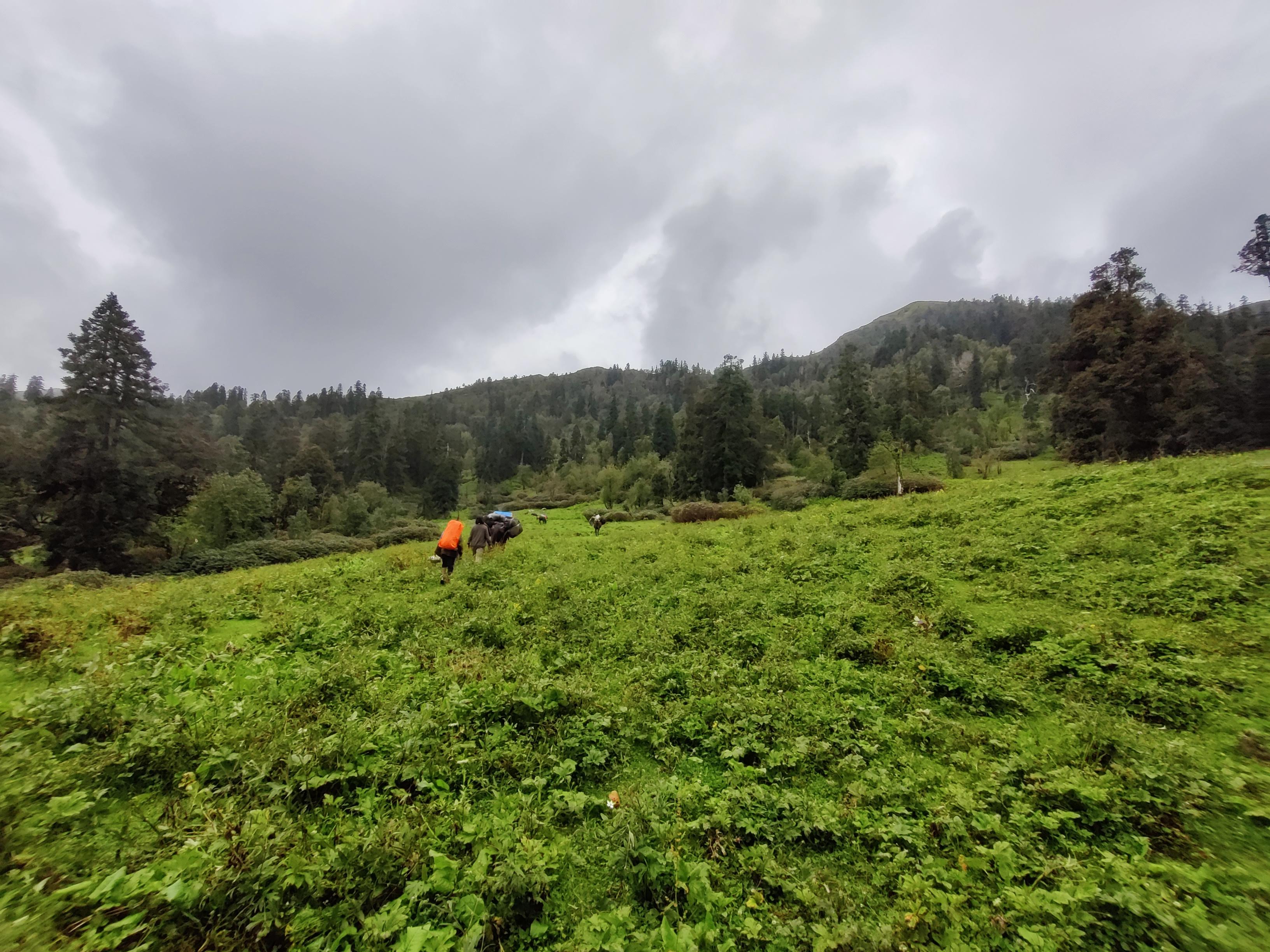
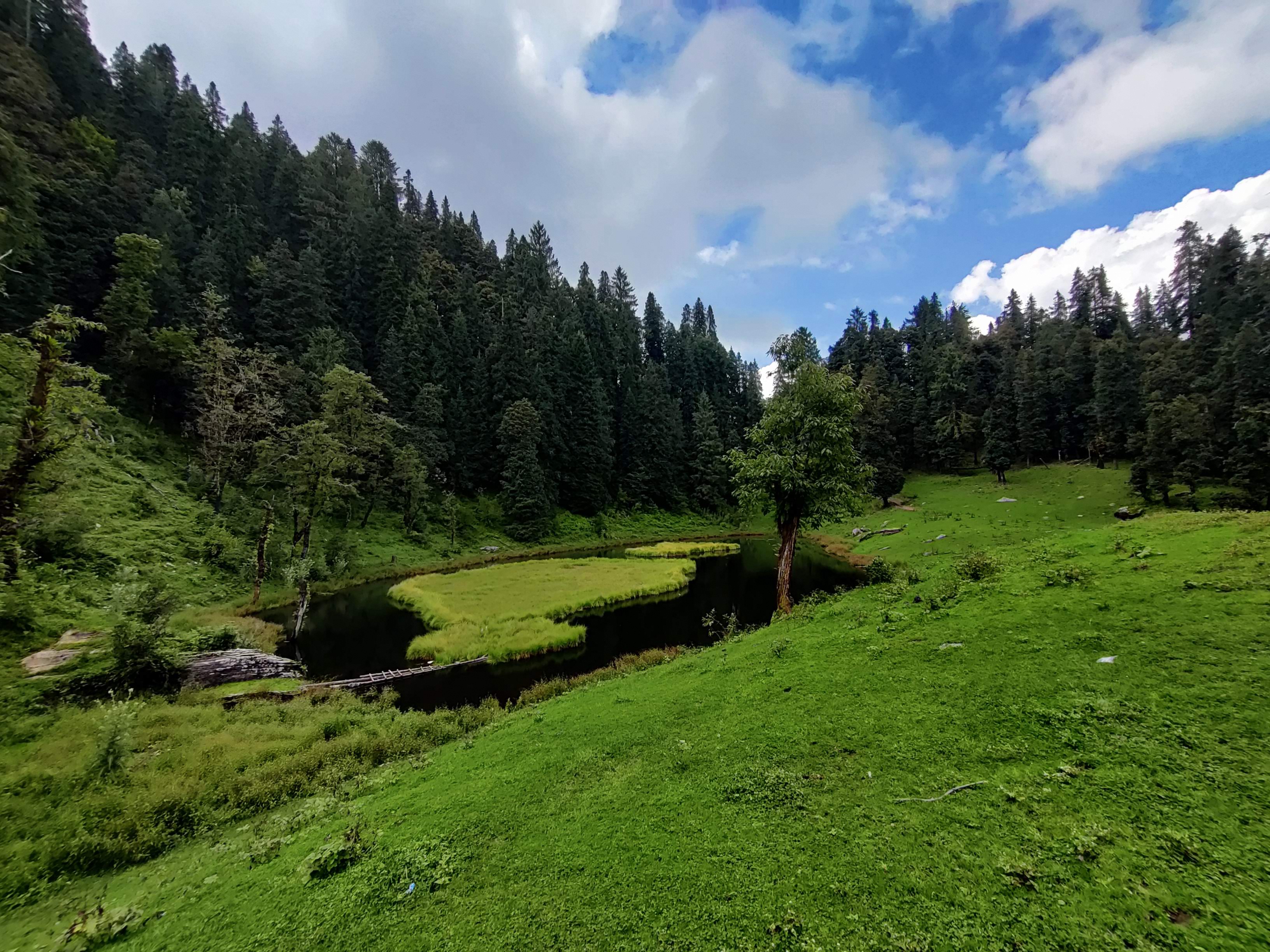
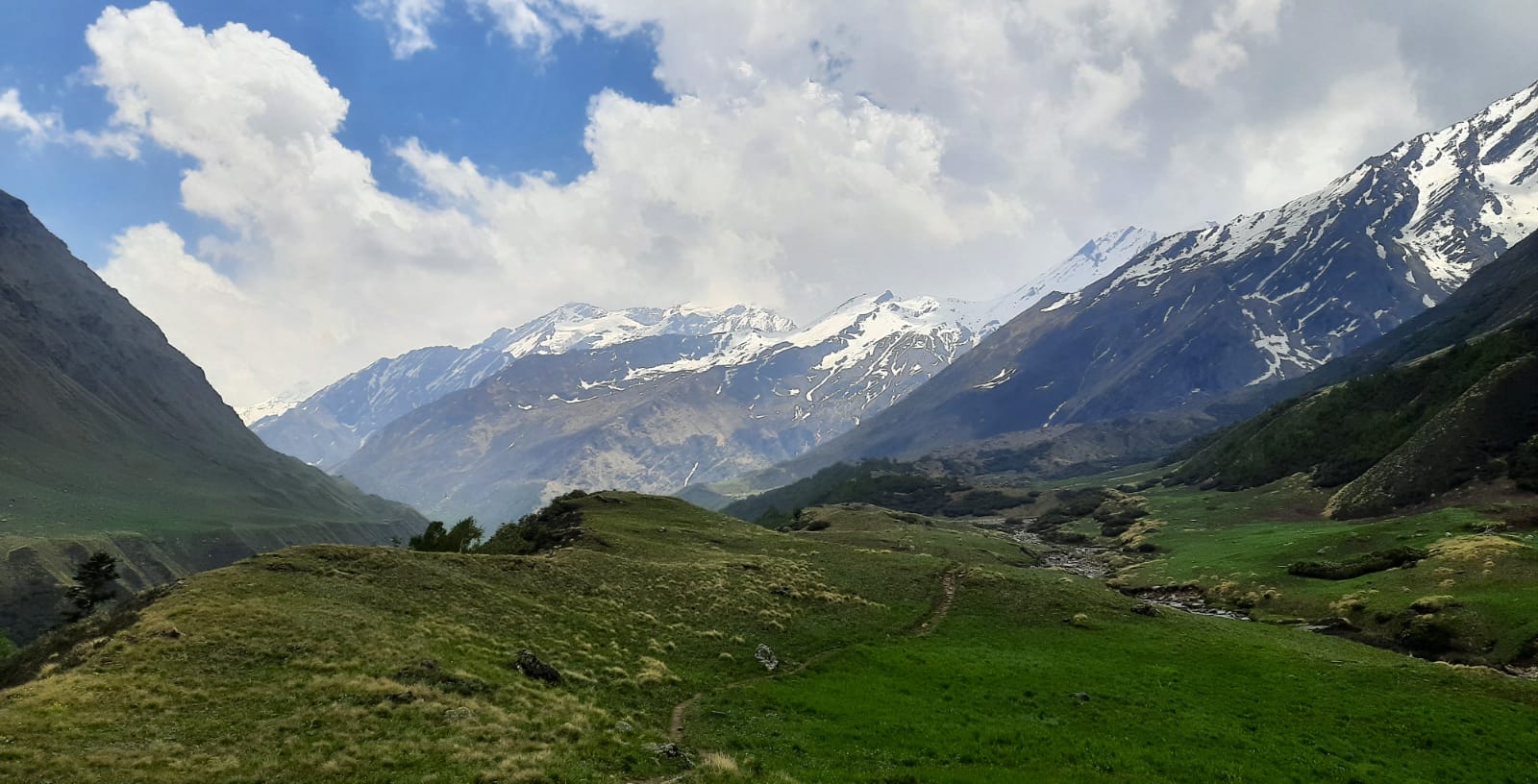
Hampta Pass is situated in Himachal Pradesh, connecting the Kullu Valley with the Chandra Valley in Lahaul. Manali is the principal access point for trekkers travelling to the region. The trek starts on the Kullu side, where forests, green slopes and flowing streams create a landscape very different from the rocky, high-altitude terrain encountered after crossing the pass.
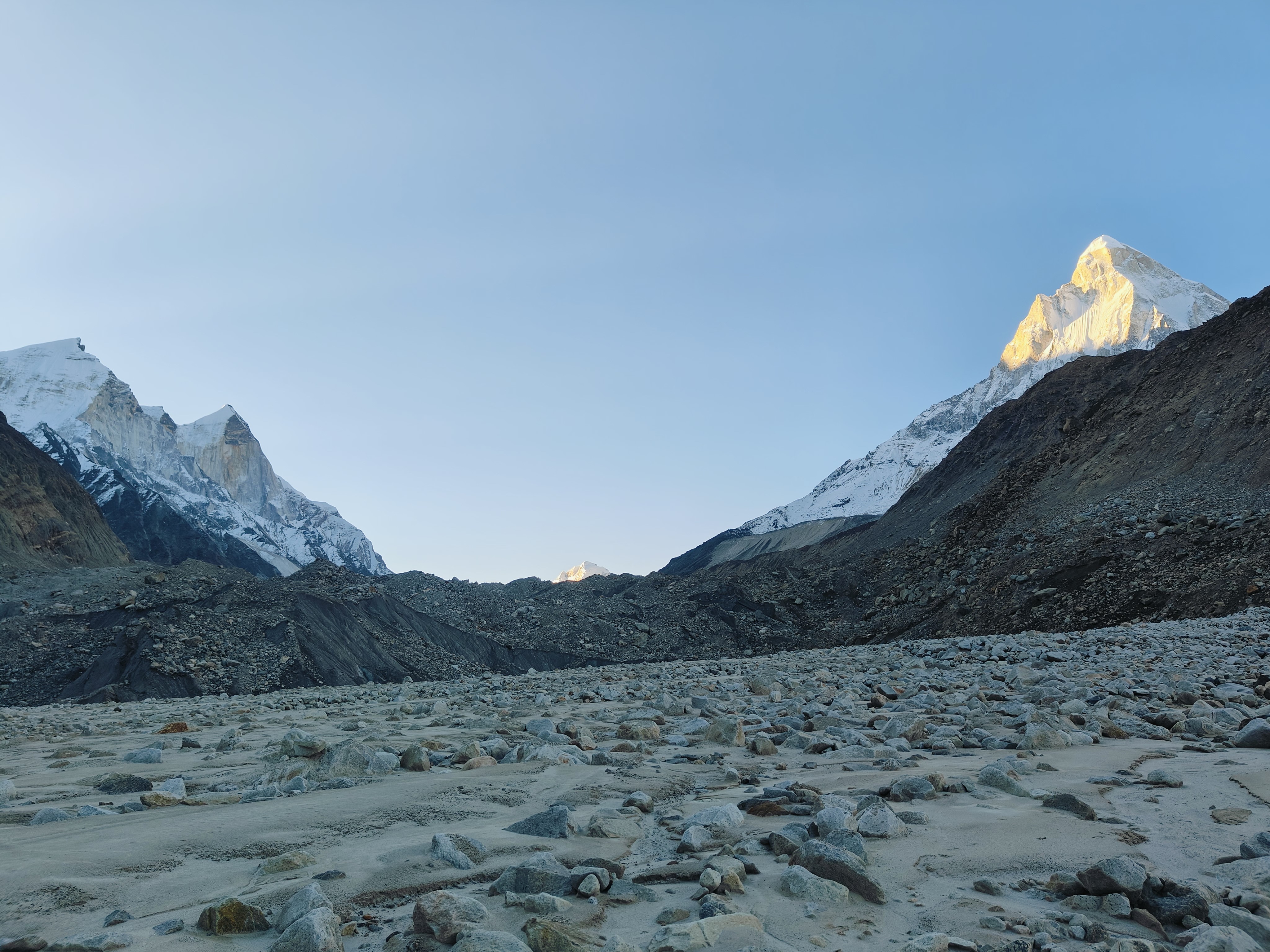
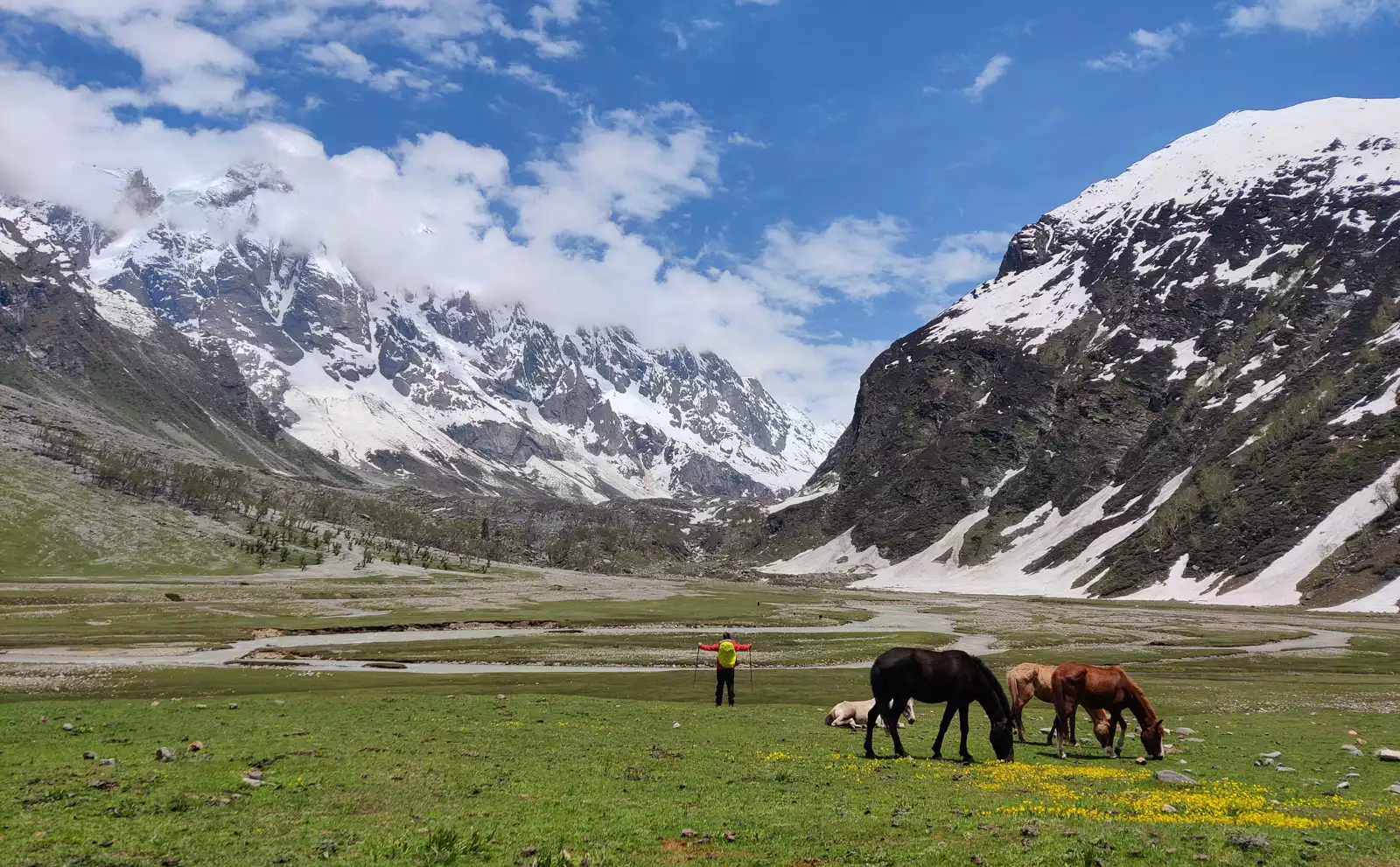
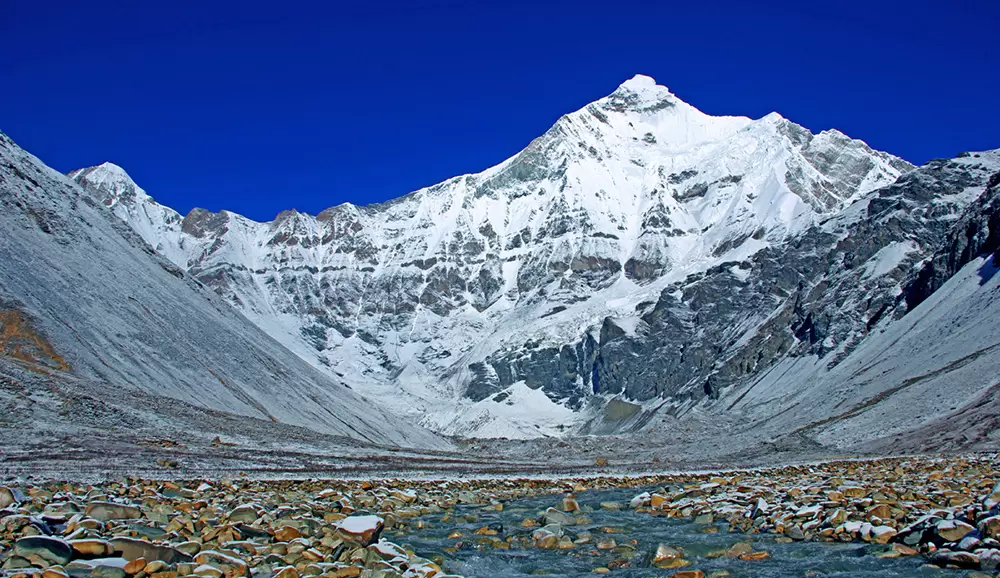
The geographical contrast is one of the strongest reasons to choose the Hampta Pass Trek. On the Kullu side, trekkers encounter vegetation, mountain streams and broad grasslands. As the trail climbs higher, the surroundings become increasingly rugged, with exposed mountain slopes, snow patches during suitable conditions and views of the surrounding Himalayan peaks. Beyond Hampta Pass, the descent towards Lahaul reveals a drier landscape characterised by barren mountains, rocky valleys and striking contrasts in colour and texture.
The route is also popular among photographers because the scenery changes considerably from one trekking day to the next. Weather permitting, trekkers can experience cloud-covered ridges, expansive mountain views, glacially influenced terrain and open valleys that feel dramatically different from the forested beginning of the trail.
To understand the route, search for Jobra, Chika, Balu Ka Ghera, Hampta Pass, Shea Goru and Chatru on a map of Himachal Pradesh. These locations help illustrate the typical trekking progression from the Kullu Valley towards Lahaul. The exact campsites and finishing point may differ according to the itinerary and prevailing trail conditions.
3. Hampta Pass Trek Route: From Jobra to Chatru
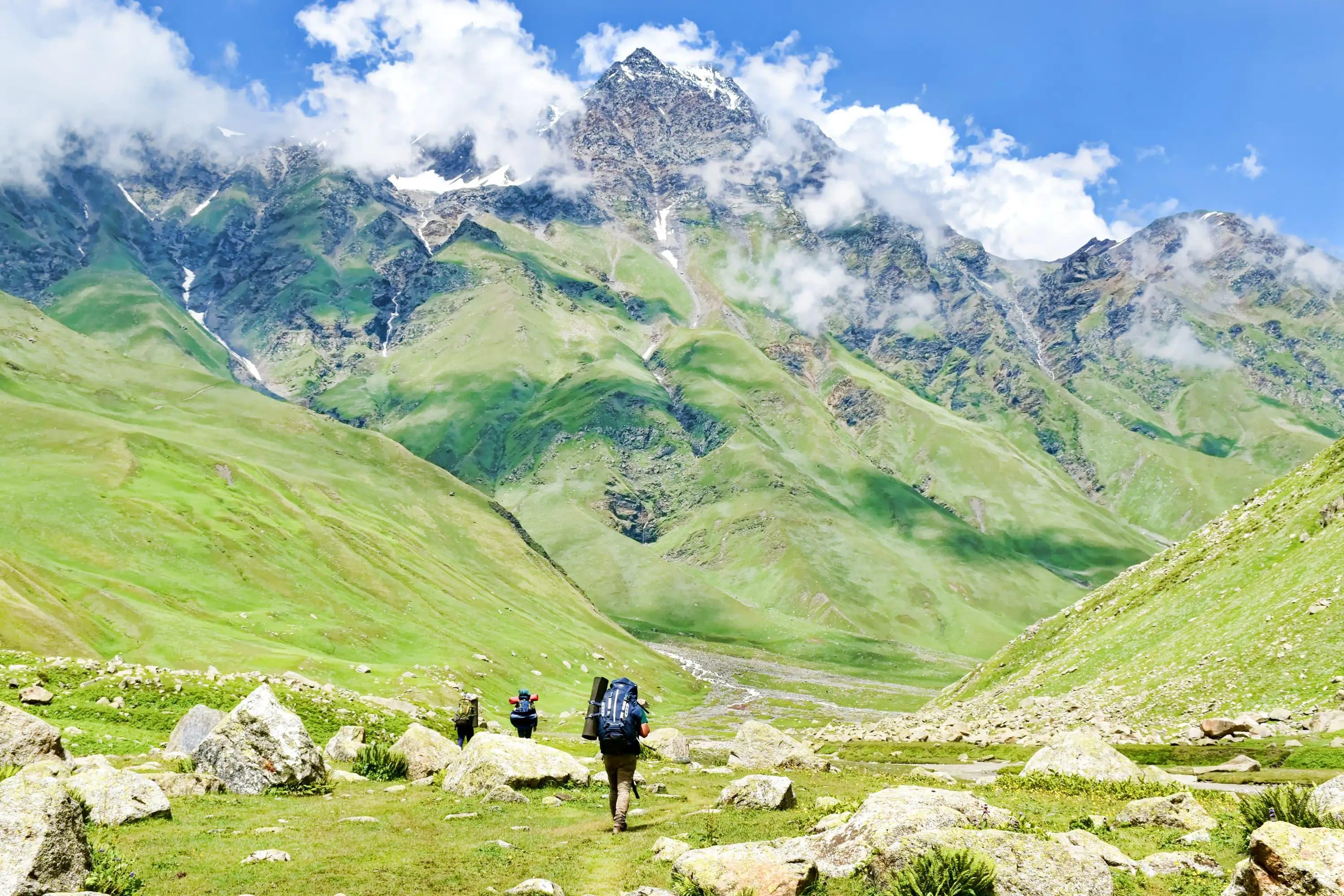
The classic Hampta Pass Trek route starts at Jobra, a short drive from Manali. From Jobra, the trail enters a landscape of forested slopes and open clearings before gradually following the valley deeper into the mountains. The early section is an opportunity to acclimatise to the trekking routine, understand the terrain and settle into the pace required for a multi-day expedition.
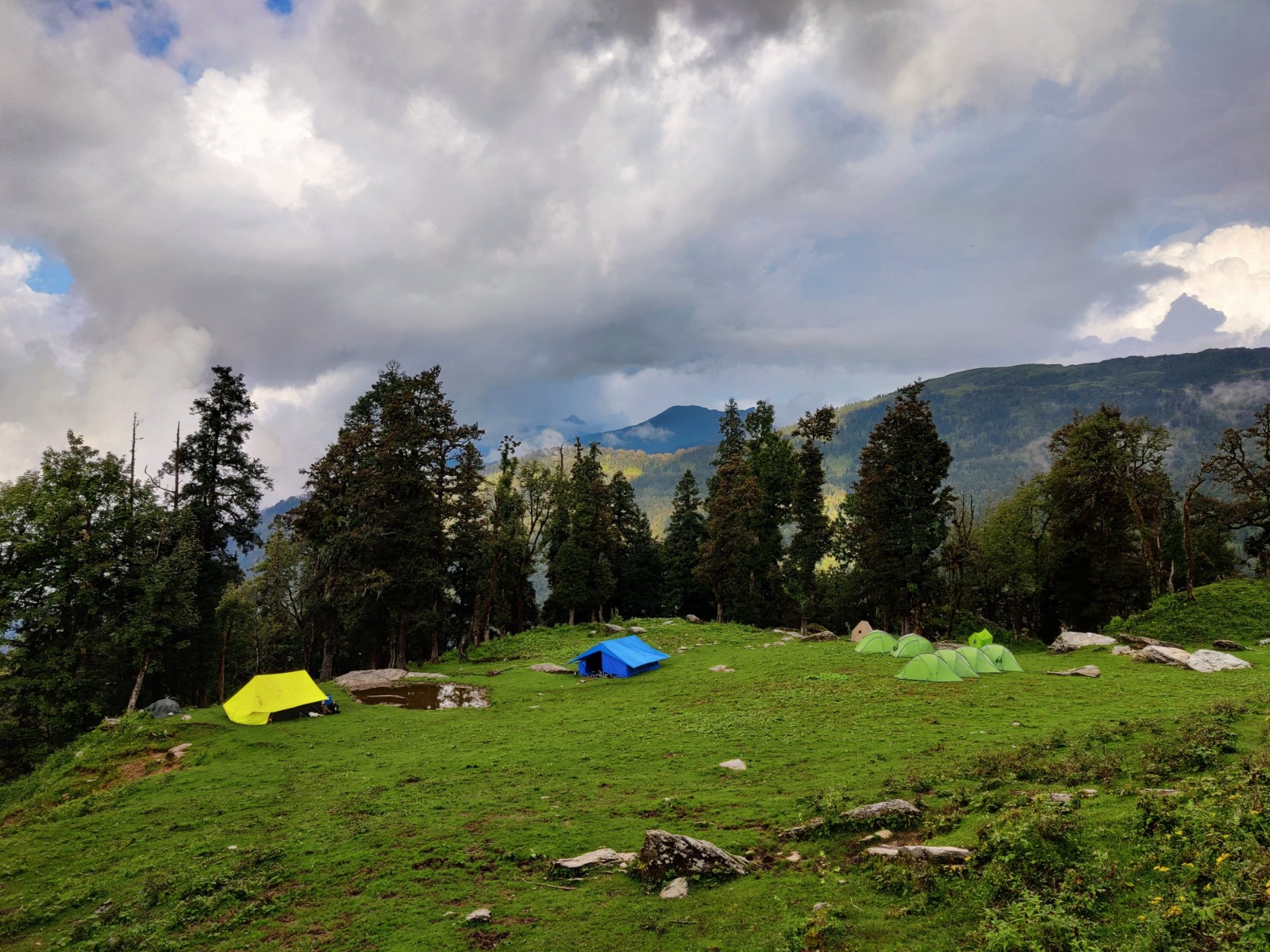
The trail generally continues towards Chika, a scenic campsite surrounded by mountain slopes and open spaces. The walk includes gradual ascents, stream crossings and sections where the path follows the natural contours of the valley. The surroundings are especially attractive during the summer trekking season, when the landscape is greener and seasonal streams are active.
From Chika, trekkers typically continue towards Balu Ka Ghera, an open high-altitude camping area beneath the surrounding mountains. This section involves a longer walk and an increase in elevation. The trail passes through changing terrain, with rocky sections and water crossings depending on seasonal conditions. Balu Ka Ghera serves as an important staging point before the ascent to Hampta Pass.
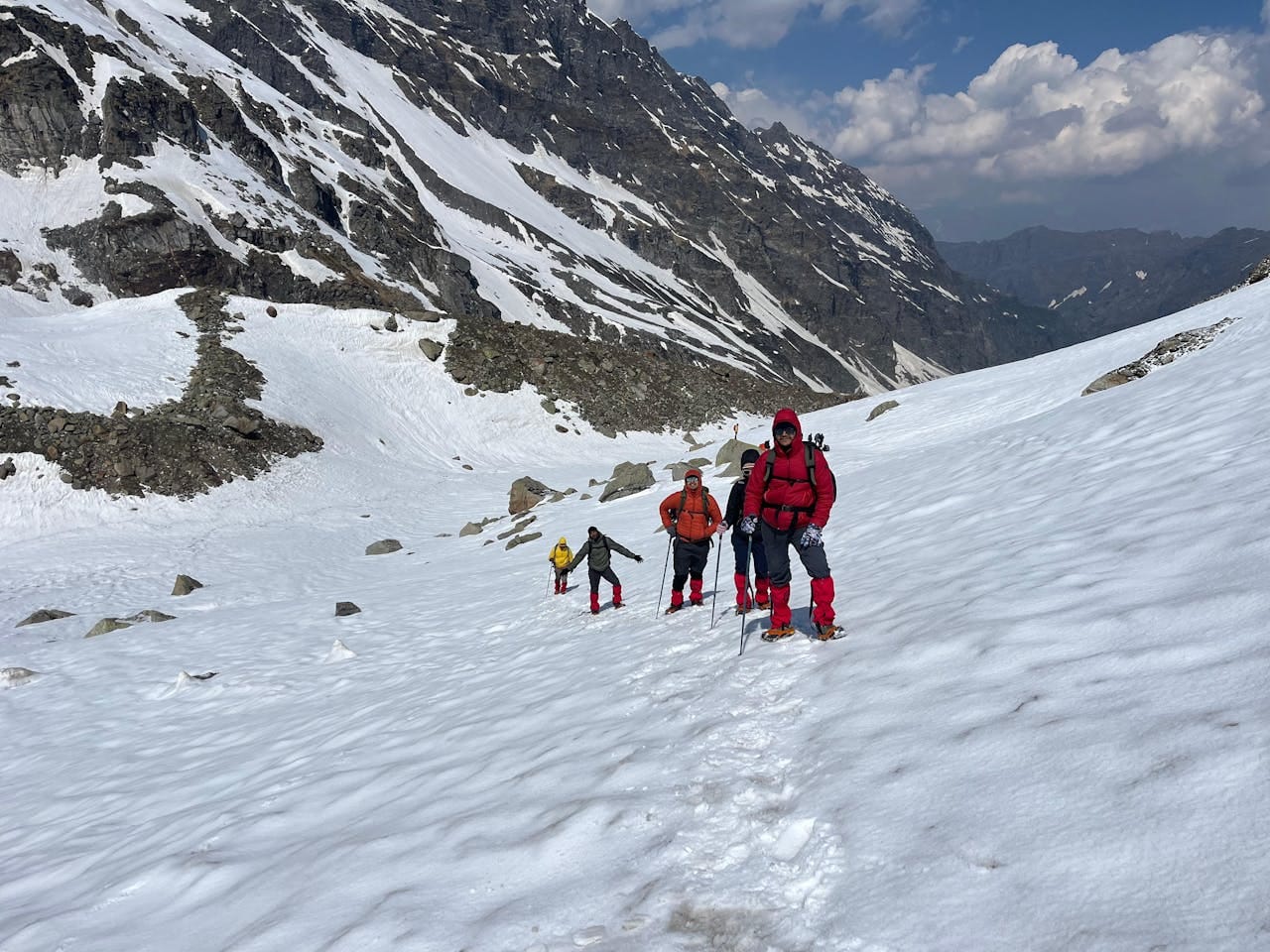
The next major section takes trekkers towards Hampta Pass, the highest point of the expedition. This is often the most physically demanding day because the trail climbs steeply over uneven ground, with snow or loose rock possible depending on the season. The final ascent requires a steady pace, careful footing and attention to the guide's instructions. From the pass, the views can reveal a dramatic transition between the greener Kullu side and the stark terrain of Lahaul, although visibility depends on the weather.
After crossing the pass, trekkers descend towards Shea Goru, a high-altitude campsite in the Lahaul region. The descent can be tiring on the knees and requires particular care on loose or slippery ground. The following section usually continues towards Chatru, where the trekking portion commonly ends and road transport reconnects trekkers with the wider road network. Some itineraries include a visit to Chandratal Lake, subject to road access, weather, available time and the operator's arrangements.
The route and campsites should always be treated as conditional rather than fixed. Snowfall, rainfall, stream levels, landslides and local administrative decisions can require changes to the planned itinerary.
4. Hampta Pass Trek Itinerary: A Realistic Day-by-Day Plan
A typical five-day trekking itinerary provides time to walk at a manageable pace, camp overnight and cross the pass without compressing the entire experience into an unrealistic schedule. The following outline is indicative; actual walking times depend on the operator, group pace, weather and trail conditions.
Day 1: Manali to Jobra and trek to Chika. The day generally begins with a road transfer from Manali to Jobra, followed by the first trek towards Chika. The walking section may take approximately two to three hours, depending on the route and conditions. Trekkers move through forested areas and open clearings before reaching the campsite. The remaining time is useful for resting, hydrating and preparing for the following day's longer walk.
Day 2: Chika to Balu Ka Ghera. This stage typically takes around five to seven hours of walking. The trail gradually gains altitude and passes through meadows, rocky stretches and streams. The increasing elevation makes it important to maintain a comfortable pace rather than rushing to reach camp. After arriving at Balu Ka Ghera, trekkers can rest, eat and prepare their equipment for the pass crossing.
Day 3: Balu Ka Ghera to Hampta Pass and descent to Shea Goru. This is usually the most demanding day of the expedition and may involve approximately seven to nine hours of trekking. The ascent to Hampta Pass can be steep, with snow patches, loose ground or difficult visibility depending on conditions. After reaching the pass, trekkers descend towards Shea Goru. The guide may adjust the schedule or route according to weather, group fitness and safety considerations.
Day 4: Shea Goru to Chatru. The descent towards Chatru generally takes around four to six hours, although the duration varies with trail conditions and the precise campsite. This section offers further views of the rugged Lahaul landscape. Depending on road access and the booked itinerary, the group may continue by vehicle towards Chandratal or return towards Manali. A visit to Chandratal should never be assumed to be guaranteed, particularly when road or weather conditions are unfavourable.
Day 5: Chandratal excursion or return to Manali. If the itinerary includes Chandratal and access is safe, this day can be used for the excursion and onward travel. Otherwise, the group may return towards Manali according to its transport arrangements. Travellers should avoid scheduling an important flight, train or onward connection immediately after the estimated return time because mountain roads and weather can cause delays.
For the most practical experience, plan an additional buffer day where possible. A realistic itinerary accounts for rest, acclimatisation, changing weather and safe decisions rather than treating every walking time as guaranteed.
5. Best Time to Visit Hampta Pass Trek
The best time for the Hampta Pass Trek is generally from June to September, with the precise trekking window determined by snow conditions, weather and local access. Each part of the season offers a different experience, so choosing the right dates depends on the kind of landscape and trekking conditions you prefer.
June to early July can offer snow-covered sections at higher elevations, making the pass visually dramatic. However, snow can make the route more demanding, and crossing conditions must be assessed by an experienced trekking team. Early-season dates may require itinerary adjustments if the trail is not ready for a safe crossing.
Mid-July to August often brings greener landscapes on the Kullu side, flowing streams and lush meadows. This period can also bring heavier rainfall, particularly in the broader region, increasing the possibility of slippery trails, rising water levels and road disruptions. Trekkers should understand that attractive greenery does not necessarily mean easier conditions.
September can offer clearer mountain views and a more autumnal atmosphere, depending on the year's weather. Temperatures can fall noticeably at night, and fresh snowfall or changing conditions may affect the upper trail.
The Hampta Pass temperature varies considerably with elevation, sunlight, wind and weather. Manali may feel relatively mild during the day, while high-altitude camps can become very cold after sunset. Trekkers should carry warm layers regardless of the season and check the latest forecast before departure. Rather than relying on a single temperature estimate, prepare for cold nights, rain, strong winds and sudden weather changes.
6. How to Reach Hampta Pass from Delhi, Dehradun and Manali
Manali is the principal gateway to the Hampta Pass Trek. Travellers from Delhi can take an overnight or daytime bus to Manali, use a private vehicle or combine rail or air travel with onward road transport. Bus services vary by season, and journey times depend on traffic, road conditions and the departure point.
From Dehradun, travellers can reach Manali by road, usually through a combination of bus services or private transport. Depending on the available connections, an alternative is to travel by train or air to a suitable connecting city and continue by road. The most convenient option depends on budget, travel dates and how much time is available.
Travellers arriving by air can consider flights to Bhuntar Airport, subject to flight availability and weather-related disruptions, followed by road transport to Manali. Flight schedules in mountain regions can be limited, so this option should not be treated as a guaranteed time-saving solution.
From Manali, the trekking team generally arranges or coordinates transport to Jobra, the starting point of the trek. Travellers should confirm whether the transfer is included in their package and where the group assembles before departure. Arriving in Manali at least one day before the trek is advisable, allowing time for rest, equipment checks and briefing.
7. Hampta Pass Trek Cost and Package Inclusions
The cost of the Hampta Pass Trek depends on the operator, group size, season, accommodation arrangements, transport and any additional excursions. Rather than relying on an unverified fixed price, request a current quotation that clearly explains the services included in the package.
A standard guided trekking package may include trek permits where applicable, qualified trekking staff, camping accommodation, meals during the trek, group safety equipment and designated transfers between the agreed starting and ending points. However, inclusions vary, and the exact arrangements should be confirmed in writing before payment.
Expenses that may be excluded include travel to and from Manali, hotel accommodation before or after the trek, personal trekking gear, porter or personal baggage services, snacks, bottled drinks, emergency evacuation expenses and additional transport associated with itinerary changes. Chandratal excursions may also involve separate costs if they are not included in the original package.
When comparing Hampta Pass Trek packages, do not make the decision solely on the lowest advertised price. Check the quality and suitability of equipment, staff experience, group size, meal arrangements, emergency procedures and the policy for adverse weather. A transparent quotation should state the itinerary, payment terms, cancellation conditions, inclusions and exclusions without leaving important expenses unclear.
For current Hampta Pass Trek package details, contact Thin Air Expedition directly to confirm availability, pricing, departure dates and the services offered for your preferred season.
8. Hampta Pass Trek Difficulty, Fitness and Packing List
The Hampta Pass Trek is generally rated moderate to challenging because it combines consecutive trekking days with substantial elevation gain, a high mountain pass and potentially unpredictable weather. Beginners with good fitness may be able to complete the trek with appropriate preparation and professional guidance, but it should not be treated as an effortless introductory walk.
Preparing in advance can make a considerable difference. Regular walking, stair climbing and cardiovascular exercise help build endurance, while lower-body strengthening improves stability on ascents and descents. Gradually increasing the duration of training walks is more useful than attempting one exhausting workout immediately before departure. Trekkers should also become comfortable walking for several hours with a light daypack.
The most important part of the Hampta Pass Trek packing list is clothing that can be layered. Carry moisture-wicking base layers, warm insulating layers, a weather-resistant outer jacket, trekking trousers, thermal wear, suitable socks, gloves, a warm cap and a rain jacket or poncho. Temperatures can change rapidly, so clothing should support both active walking and cold evenings at camp.
Footwear deserves particular attention. Well-fitting trekking shoes with good grip help on rocky and uneven trails. Break in new shoes before the trek, and carry extra socks to manage damp conditions. A comfortable backpack, reusable water bottle, headlamp, sun protection, sunglasses, personal toiletries and a basic personal first-aid kit are also useful. Your operator should explain which shared safety equipment is provided and which items you must bring yourself.
Families and first-time trekkers should assess the demands of the full route rather than judging suitability by the short distance covered on the first day. Children should participate only when their fitness, maturity and ability to handle high-altitude conditions have been assessed appropriately. Anyone with concerns about altitude or an existing medical condition should seek medical advice before booking.
9. Why Book the Hampta Pass Trek with Thin Air Expedition?
Choosing a trekking operator involves more than selecting a scenic route or an attractive package price. High-altitude trekking requires sound planning, experienced leadership, responsible decisions and clear communication before and during the expedition.
Thin Air Expedition offers trekkers an opportunity to explore Himalayan landscapes through organised trekking experiences. Before booking the Hampta Pass Trek, travellers should confirm the experience of the assigned trek leader, the qualifications and first-aid training of the support team, the guide-to-trekker ratio, the availability of emergency equipment and the procedures followed if a participant develops symptoms of altitude sickness.
Responsible trekking also means respecting local communities, minimising waste, avoiding damage to fragile mountain vegetation and carrying rubbish back from campsites. Participants should follow the instructions of their trek leaders, stay on approved trails and avoid risky river crossings or attempts to reach the pass when conditions are unsafe.
Ask the team about the current itinerary, meal and camping arrangements, emergency communication, evacuation planning, weather-related cancellations and the process for deciding whether to continue or turn back. You can also request recent customer feedback or verifiable reviews before making a booking. These checks help you evaluate the actual service offered rather than relying on broad claims about safety or experience.
With suitable preparation and a well-planned itinerary, the Hampta Pass Trek can become a memorable journey through two contrasting Himalayan regions. Contact Thin Air Expedition to discuss your travel dates, fitness level, group requirements and preferred package before confirming your expedition.
10. Frequently Asked Questions About Hampta Pass Trek
How difficult is the Hampta Pass Trek?
The trek is generally considered moderate to challenging. The steep climb to the pass, consecutive walking days, altitude and changing trail conditions require good fitness and careful preparation.
How many days are required for the Hampta Pass Trek?
The trekking portion commonly takes four to five days, depending on the itinerary. Travellers should allow additional time for reaching Manali, resting before departure and handling possible weather delays.
What is the highest altitude of the Hampta Pass Trek?
Hampta Pass is approximately 4,270 metres above sea level. Altitude affects individuals differently, so a steady pace, appropriate acclimatisation and attention to symptoms are important.
Can beginners do the Hampta Pass Trek?
Yes, some beginners complete the trek successfully when they have adequate fitness, preparation and qualified guidance. However, it is not suitable for everyone, and beginners should understand the high-altitude demands before booking.
What is the best month for the Hampta Pass Trek?
June to September is the usual trekking season, subject to conditions. June and early July may offer more snow at higher elevations, while July and August can be greener but wetter. September may offer clearer views, although cold and snowfall remain possible.
Is the Hampta Pass Trek safe?
The Hampta Pass Trek can be completed safely with proper preparation, experienced guides and responsible trekking practices. However, it involves high-altitude terrain, unpredictable weather, steep descents and river crossings that can become challenging during adverse conditions. Trekkers should follow their guide's instructions, monitor their health and accept route changes or cancellations when necessary. Choosing a responsible trekking operator with appropriate safety procedures is essential for a safer Himalayan experience.
Is Chandratal Lake included in the Hampta Pass Trek?
Some Hampta Pass Trek packages include an excursion to Chandratal Lake, while others do not. The visit depends on the itinerary, road accessibility, weather conditions and available time. Confirm whether Chandratal is included in your package before booking, as mountain road conditions can change unexpectedly.
What should I pack for the Hampta Pass Trek?
Your Hampta Pass Trek packing list should include layered warm clothing, thermal wear, a waterproof jacket, trekking trousers, sturdy trekking shoes with good grip, extra socks, gloves, a warm cap, sunglasses, sunscreen, a reusable water bottle, a headlamp and personal toiletries. Carry a small first-aid kit and any personal medication you require. Follow your trekking operator's recommended packing list for the season and confirm which equipment will be provided.
Can beginners do the Hampta Pass Trek?
Yes, beginners with good fitness and adequate preparation can attempt the Hampta Pass Trek with qualified guidance. However, the steep ascent to the pass, consecutive walking days and high altitude make it more demanding than a regular hiking trail. Start training several weeks in advance and choose an itinerary that allows a manageable pace and appropriate rest.
Can I do the Hampta Pass Trek without a guide?
Although experienced trekkers may have navigation skills, a guided expedition is advisable because the route passes through remote mountain terrain where weather, snow conditions and river levels can change rapidly. A qualified trekking team can help with route decisions, group management and emergency planning. Always check current local regulations and trail restrictions before planning an independent trek.
How much does the Hampta Pass Trek cost?
The cost depends on the trekking operator, departure dates, group size, accommodation, meals, transport and package inclusions. Some packages include camping equipment, trek staff and meals during the expedition, while transport to Manali, personal gear and additional excursions may cost extra. Contact Thin Air Expedition for current pricing, availability and a detailed breakdown of inclusions and exclusions.
Plan Your Hampta Pass Trek with Thin Air Expedition
The Hampta Pass Trek offers an unforgettable journey from the lush green valleys of Kullu to the rugged landscapes of Lahaul. With scenic mountain trails, high-altitude campsites and the rewarding experience of crossing a Himalayan pass, it is an excellent choice for adventure seekers looking to explore the diverse beauty of Himachal Pradesh.
Prepare well, choose the right season and trek responsibly to make the most of your Himalayan adventure. Contact Thin Air Expedition to discuss your preferred dates, understand the available packages and plan your Hampta Pass expedition with a focus on safety and responsible travel.
ThinAirExpedition — Trek Your Way To Freedom.