Trek difficulty
Easy - Moderate
Trek duration
7 Days Days
Trek altitude
13,200 ft
Group size
6-12
Trek distance
60 Km
Basecamp
Himachal Pradesh
Best Time
June to September
Pickup Point
Manali
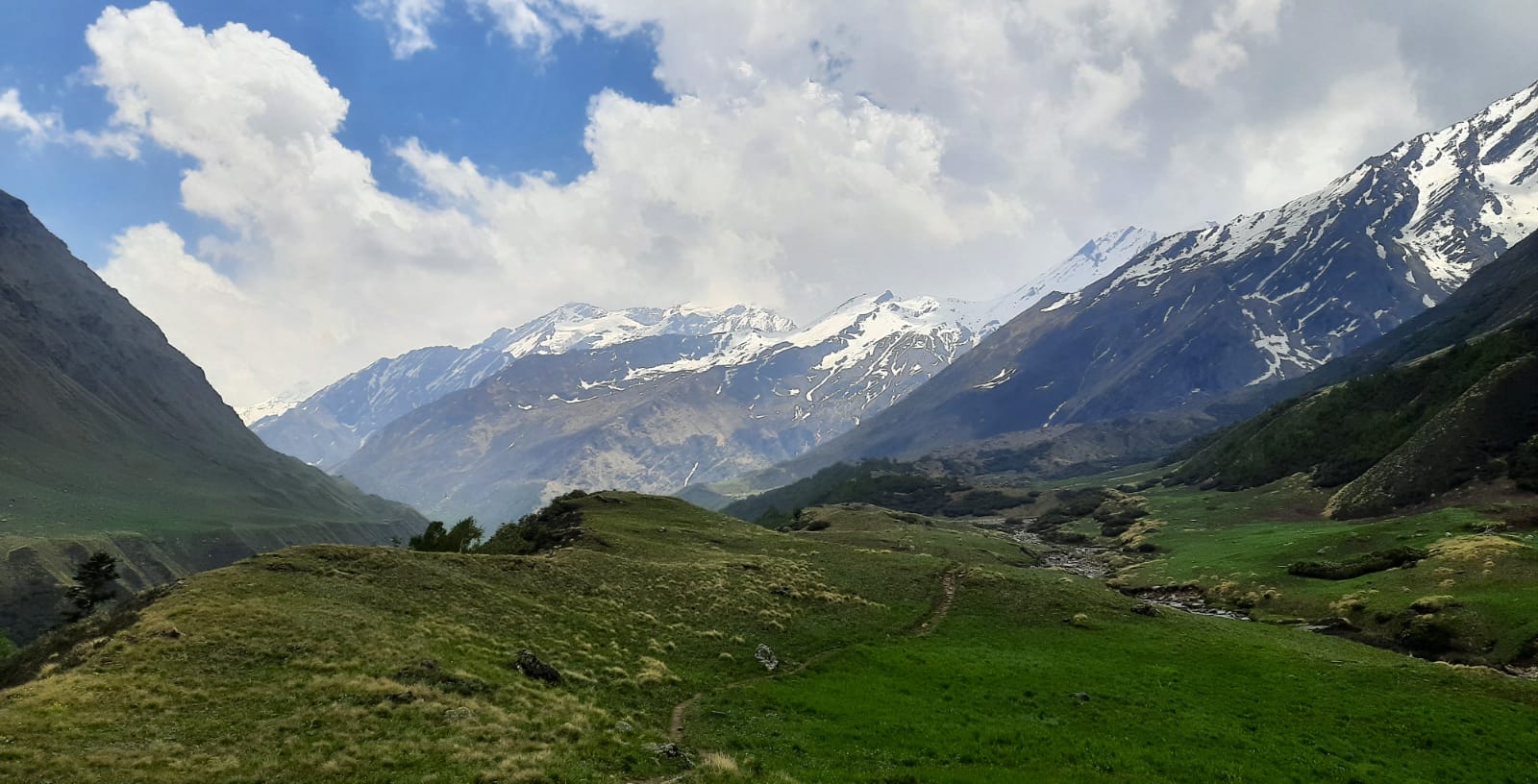
Hidden deep within the Lahaul region of Himachal Pradesh, the Miyar Valley Trek is one of the Indian Himalayas' most remarkable yet least-explored journeys. While many Himalayan trails have become household names, Miyar Valley continues to reward trekkers with an experience that feels raw, peaceful, and wonderfully untouched. Stretching through an expansive glacial valley carved by the Miyar Nala, the trail unfolds across lush alpine meadows, wildflower-covered plains, sparkling streams, and dramatic granite cliffs that rise thousands of feet into the sky. Every stage of the trek reveals a different landscape, making the journey as memorable as the destination itself.
Unlike treks that lead to a single summit or lake, Miyar Valley is about immersing yourself in an ever-changing Himalayan landscape. The valley gradually opens into vast grasslands where grazing horses, shepherd camps, colorful wildflowers, and snow-fed rivers create scenes that feel almost surreal. The absence of large crowds allows trekkers to experience the silence, scale, and wilderness of the mountains in a way that has become increasingly rare.
Miyar Valley has earned the nickname **"Yosemite of India"** because of its striking resemblance to the famous Yosemite Valley in California. Towering granite walls rise almost vertically from the valley floor, creating an awe-inspiring landscape that is rarely seen elsewhere in the Indian Himalayas. These immense rock faces, sculpted over thousands of years by glaciers, frame an incredibly broad valley filled with rivers, meadows, and seasonal flowers.
The valley is also home to numerous glaciers, glacial streams, and towering peaks, including the magnificent Menthosa massif, which dominates the skyline. During the trekking season, vibrant carpets of Himalayan wildflowers bloom across the valley, contrasting beautifully against snow-covered mountains and emerald-green grasslands. This unique combination of dramatic granite formations, expansive alpine terrain, and glacial scenery gives Miyar Valley its distinctive character and justifies its comparison with Yosemite.
Every Himalayan trek has its own personality, and Miyar Valley stands apart because of the experience it offers rather than the challenge of crossing a high mountain pass. While Hampta Pass is known for its dramatic transition from lush Kullu to the barren landscapes of Lahaul, and Pin Bhaba combines dense forests with the stark beauty of Spiti, Miyar Valley focuses on the grandeur of a single, exceptionally wide glacial valley. Instead of constantly climbing over ridges or passes, trekkers spend their days walking through expansive meadows beneath towering granite cliffs, alongside glacier-fed rivers and endless open landscapes.
Compared to the Kashmir Great Lakes Trek, which is celebrated for its chain of alpine lakes and relatively busy trekking season, Miyar Valley feels quieter and more remote. The trail receives significantly fewer visitors, allowing trekkers to enjoy campsites, valleys, and panoramic views without the crowds that are common on many popular Himalayan routes.
The gradual terrain also makes the trek less about technical difficulty and more about appreciating the Himalayan wilderness. The journey is ideal for photographers, nature lovers, birdwatchers, and trekkers who enjoy spending time in wide open valleys where every turn reveals a new perspective of the surrounding peaks.
The Miyar Valley Trek is a moderate Himalayan expedition that usually spans **7 to 8 days**, beginning from the picturesque village of Khanjar in the Lahaul Valley. The trail follows the course of the Miyar River through high-altitude meadows, glacial streams, shepherd settlements, and scenic campsites before reaching the breathtaking upper reaches of the valley near Palpu and Kesar Yon Choo.
Throughout the trek, participants witness dramatic changes in scenery—from cultivated fields and traditional Himalayan villages to vast alpine grasslands and rugged glacial landscapes. The highest camps offer spectacular views of snow-covered peaks, hanging glaciers, and the immense granite walls that define the valley. Comfortable camping, gradual altitude gain, and relatively moderate walking distances make the journey enjoyable for trekkers who wish to experience a remote Himalayan valley without undertaking an extremely technical expedition.
The Miyar Valley Trek is best suited for trekkers who appreciate nature in its purest form and want to venture beyond the more commercial Himalayan routes. It is an excellent choice for fit beginners with some prior trekking experience, as well as experienced trekkers looking for a quieter alternative to the region's popular trails. A reasonable level of physical fitness is recommended, as the trek involves multiple days of walking at high altitude over varied terrain.
This trek is particularly rewarding for landscape photographers, wildlife enthusiasts, and anyone fascinated by Himalayan geology and alpine ecosystems. Those seeking peaceful campsites, dramatic mountain scenery, colourful wildflower meadows, and an authentic wilderness experience will find Miyar Valley to be one of the most memorable trekking destinations in the Indian Himalayas. Rather than offering a race to a summit, the trail invites trekkers to slow down, absorb the changing landscapes, and experience one of Himachal Pradesh's last truly untouched mountain valleys.
The Miyar Valley Trek is a journey through one of the most spectacular yet underrated landscapes in the Indian Himalayas. Unlike many treks where a single summit or pass becomes the main attraction, Miyar Valley offers continuous scenic rewards from the moment you step onto the trail. Every day introduces a new landscape—lush meadows, roaring glacial streams, towering granite cliffs, colourful wildflower fields, and peaceful Himalayan villages. Its untouched beauty and relative isolation make it an unforgettable experience for trekkers seeking solitude and raw mountain wilderness.
Endless Alpine Meadows
One of the defining features of Miyar Valley is its vast alpine meadows that stretch for kilometres beneath towering mountain peaks. As the valley gradually widens, lush grasslands replace dense vegetation, creating open landscapes unlike those found on most Himalayan treks. During summer, these meadows become grazing grounds for horses, sheep, and yaks, adding life to the already breathtaking scenery.
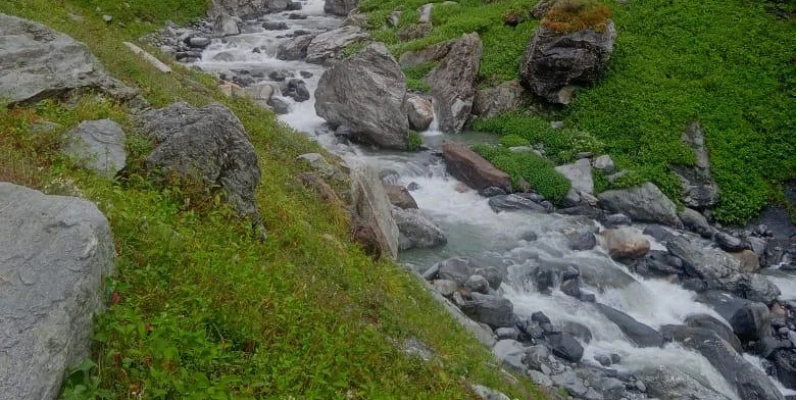
The Miyar River, nourished by numerous glaciers surrounding the valley, remains your constant companion throughout the trek. Crystal-clear streams and glacier-fed water channels cross the trail at several points, adding a sense of adventure while showcasing the valley's pristine environment. The soothing sound of flowing water accompanies much of the journey and contributes to the peaceful atmosphere of the trek.
The valley offers spectacular views of several snow-clad Himalayan peaks, with the majestic Menthosa massif dominating the skyline. Towering above the surrounding landscape, these peaks create dramatic backdrops throughout the trek. As the trail progresses deeper into the valley, the mountain panorama becomes even more expansive, revealing glaciers, hanging ice fields, and rugged ridgelines.
The monsoon months transform Miyar Valley into a natural alpine garden. Meadows burst into colour as countless species of Himalayan wildflowers bloom across the valley floor. Shades of yellow, purple, pink, blue, and white contrast beautifully with the green grasslands and snow-covered mountains, making this one of the best seasons for nature lovers and photographers.
The journey begins in the culturally rich Lahaul region, where traditional Himalayan villages provide a glimpse into the lifestyle of the local communities. Stone houses, ancient farming practices, Buddhist influences, and warm local hospitality add a cultural dimension to the trekking experience before the trail enters the remote wilderness of the valley.
Often compared to the famous Yosemite Valley, Miyar is renowned for its enormous granite cliffs that rise almost vertically from the valley floor. These massive rock formations, sculpted over centuries by glaciers and natural erosion, create an awe-inspiring landscape rarely seen elsewhere in the Indian Himalayas. Their sheer scale makes trekkers feel immersed in one of nature's grandest mountain amphitheatres.
Despite its extraordinary beauty, Miyar Valley remains one of Himachal Pradesh's lesser-known trekking destinations. Unlike many popular Himalayan trails that see large numbers of trekkers every season, Miyar offers a quieter and more intimate experience with nature. The uncrowded campsites, tranquil trails, and untouched surroundings allow trekkers to truly disconnect from everyday life and appreciate the Himalayas in their purest form.
Region: Lahaul Valley, Western Himalayas
State: Himachal Pradesh
Base Village: Khanjar Village
Duration: 7 Days / 6 Nights (excluding travel to and from Manali)
Trek Distance: Approximately 60–65 km (round trip)
Maximum Altitude: Approximately 4,000 m (13,120 ft) at Kesar Yon Choo
Trek Difficulty: Moderate
Best Season: July to Early September
Network Availability: Mobile connectivity is available intermittently until Khanjar Village. Once the trek begins, there is little to no mobile network throughout the valley.
ATM Availability: ATMs are available in Manali. Trekkers are advised to carry sufficient cash before proceeding to the base village, as there are no reliable banking facilities further ahead.
Nearest Railway Station: Chandigarh Railway Station, located approximately 310 km from Manali.
Nearest Airport: Bhuntar Airport (Kullu), situated around 50 km from Manali, is the closest airport to the trek.
Trek Style: A fully supported camping trek with comfortable tented accommodation throughout the trail. The journey begins with a scenic drive from Manali to Khanjar Village, followed by the trekking expedition.
Return Point: The trek concludes at Khanjar Village, from where participants drive back to Manali.
The Indian Himalayas are home to countless trekking trails, each offering a unique experience. While many treks are known for dramatic mountain passes, alpine lakes, or challenging summit climbs, the Miyar Valley Trek stands apart for its sheer scale, tranquillity, and untouched wilderness. It is not a trek that rushes you towards a single destination; instead, it invites you to immerse yourself in one of the widest and most pristine glacial valleys in the Himalayas. For trekkers seeking solitude, expansive landscapes, and an authentic mountain experience away from the crowds, Miyar Valley is an exceptional choice.
Unlike the narrow valleys commonly encountered on Himalayan trails, Miyar Valley gradually unfolds into an immense alpine landscape with broad meadows, glacier-fed rivers, and towering mountain walls. The openness of the valley allows uninterrupted views of snow-capped peaks, hanging glaciers, and vast grasslands stretching towards the horizon. This unique topography creates a sense of freedom and grandeur that is rarely experienced on other treks in the region.
Although the trek reaches an altitude of around 4,000 metres, the trail features relatively gradual ascents for much of the journey. Instead of steep and continuous climbs, trekkers walk through gently rising meadows and river valleys, making the trek physically rewarding without being excessively strenuous. The balanced terrain allows participants to spend more time appreciating the scenery rather than constantly negotiating difficult climbs.
One of Miyar Valley's greatest strengths is its peaceful atmosphere. Unlike many of Himachal Pradesh's popular trekking destinations, the valley remains relatively unexplored and sees only a limited number of trekkers each season. The uncrowded trails, quiet campsites, and untouched surroundings create an experience that feels genuinely remote, allowing visitors to reconnect with nature without the distractions of busy trekking routes.
Every section of the trail offers opportunities for stunning photography. From colourful wildflower meadows and crystal-clear streams to dramatic granite cliffs and glacier-covered peaks, the valley presents an extraordinary variety of landscapes. The constantly changing light, especially during sunrise and sunset, transforms the scenery into a photographer's dream, making every campsite and viewpoint worth capturing.
The remote location of Miyar Valley supports a healthy alpine ecosystem. During the trekking season, the valley comes alive with seasonal wildflowers, while keen observers may spot Himalayan marmots, blue sheep, Himalayan griffons, golden eagles, and several species of alpine birds. Although sightings of elusive wildlife are never guaranteed, the valley's relatively undisturbed environment offers better opportunities for observing Himalayan fauna than many heavily visited trekking destinations.
If your idea of a Himalayan trek involves peaceful campsites, uninterrupted mountain views, and long days spent walking through untouched landscapes, Miyar Valley delivers an experience that few trails can match. It is particularly suited to experienced trekkers who have already explored popular routes and are looking for something quieter and more immersive. At the same time, fit beginners with good preparation will also appreciate the valley's gradual terrain and rewarding scenery, making it a trek that combines accessibility with a true sense of wilderness.
The Miyar Valley Trek passes through one of the most ecologically rich regions of the Lahaul Himalayas. Owing to its remote location and relatively low tourist footfall, the valley supports a healthy alpine ecosystem where diverse plant and animal species continue to thrive in their natural habitat. During the trekking season, the landscape transforms into a vibrant mosaic of colourful wildflowers, alpine grasses, glacial streams, and rocky slopes that provide shelter to a variety of Himalayan wildlife. While wildlife sightings can never be guaranteed, patient trekkers are often rewarded with memorable encounters amid this pristine wilderness.
From July to early September, Miyar Valley comes alive with an extraordinary display of alpine wildflowers. Vast meadows are painted in shades of yellow, purple, pink, blue, and white, creating a spectacular contrast against the surrounding snow-covered peaks and granite cliffs. Species such as Himalayan blue poppies, primulas, potentillas, asters, anemones, and Himalayan daisies are commonly found along different sections of the trail. These seasonal blooms not only enhance the valley's beauty but also support a rich population of pollinating insects and butterflies.
One of the most fascinating inhabitants of the valley is the Himalayan Blue Sheep, locally known as Bharal. Perfectly adapted to steep rocky terrain, these agile mountain ungulates are often seen grazing on high-altitude slopes or effortlessly navigating near-vertical cliffs. Their greyish-blue coat blends remarkably well with the surrounding rocks, making them difficult to spot unless observed carefully through binoculars. Blue sheep also form an important part of the Himalayan ecosystem, serving as prey for elusive predators such as the snow leopard.
The alpine meadows of Miyar Valley are home to the charming Himalayan Marmot, one of the region's most commonly sighted mammals. These large ground squirrels are frequently seen basking in the sun near their burrows or standing upright to observe their surroundings. Their playful behaviour and loud warning whistles make them a favourite among trekkers and wildlife photographers. Marmots are generally active during daylight hours before retreating underground as temperatures begin to drop.
The valley offers excellent opportunities for birdwatching, particularly during the summer months when migratory and resident species are most active. Trekkers may spot majestic Himalayan Griffon Vultures soaring high above the valley, Golden Eagles gliding over mountain ridges, Lammergeiers (Bearded Vultures), Snow Pigeons, Choughs, and several species of high-altitude finches and wagtails. The diverse habitats of alpine meadows, rocky cliffs, and glacial streams make Miyar Valley an attractive destination for bird enthusiasts.
For centuries, the people of Lahaul have relied on the rich alpine vegetation for traditional medicinal practices. The valley is home to numerous medicinal herbs and aromatic plants that naturally thrive in its high-altitude environment. Species such as Himalayan thyme, wild mint, juniper, and several indigenous alpine herbs are found along the trail, while other valuable medicinal plants grow in protected areas of the valley. These plants play a vital role in maintaining the fragile Himalayan ecosystem and are carefully conserved by local communities and forest authorities.
The remarkable biodiversity of Miyar Valley is one of the many reasons why the trek is considered a hidden gem of Himachal Pradesh. As visitors to this pristine environment, trekkers are encouraged to follow the principles of responsible and sustainable travel by avoiding disturbance to wildlife, refraining from picking flowers or plants, and ensuring that the valley remains as untouched for future generations as it is today.
Day 1: Arrival in Manali – Drive to Khanjar Village
Day 2: Acclimatisation Day at Khanjar Village
Day 3: Khanjar Village to Yolling
Day 4: Yolling to Zardong
Day 5: Zardong to Palpu – Excursion to Kesar Yon Choo – Return to Palpu
Day 6: Palpu to Yolling
Day 7: Yolling to Khanjar Village – Drive to Manali
Although the Miyar Valley Trek is graded as a moderate Himalayan trek, it requires a good level of physical fitness to comfortably complete multiple days of trekking at high altitude. Participants should be prepared to walk 10–16 km daily while carrying a daypack over uneven terrain, crossing streams, and gradually ascending to approximately 4,000 metres (13,120 ft).
A structured fitness routine started at least **six weeks before the trek** will significantly improve your endurance, strength, and recovery. Rather than focusing on intense workouts, consistency is the key. A combination of cardiovascular training, lower body strength, core stability, and flexibility will prepare your body for long hours of trekking while reducing the risk of fatigue and injury.
The first two weeks should focus on developing cardiovascular endurance and improving overall mobility.
· Brisk walk or light jog for 30–40 minutes, 4–5 days a week.
· Strength training 3 days a week, focusing on bodyweight exercises.
· Stretching or yoga for 15–20 minutes after every workout.
· Walk at least 8,000–10,000 steps daily.
· Gradually increase both the duration and intensity of your workouts.
· Jog or run 4–5 km without taking long breaks.
· Include stair climbing sessions 2–3 times a week.
· Continue strength training with additional repetitions.
· Begin carrying a light backpack during walks.
· The final two weeks should prepare your body for consecutive trekking days.
· Complete 5–8 km runs comfortably.
· Take one long walk or hike every weekend lasting 3–5 hours.
· Climb stairs continuously for 30–45 minutes.
· Train with a backpack weighing 5–7 kg to simulate trekking conditions.
Cardiovascular endurance is one of the most important aspects of trek preparation. Before joining the Miyar Valley Trek, you should ideally be able to achieve one of the following fitness benchmarks:
· Run 5 km in under 35–40 minutes comfortably.
· Alternatively, complete 8 km within 60–70 minutes at a steady pace.
· Maintain a brisk walk for 8–10 km without excessive fatigue.
These targets indicate that your body is ready for sustained physical activity at altitude.
Strong legs and a stable core make trekking more efficient while reducing strain on your knees and lower back. Include the following exercises three times a week:
· Squats – 3 sets of 15 repetitions.
· Lunges – 3 sets of 12 repetitions per leg.
· Step-ups on a sturdy bench or platform – 3 sets of 15 repetitions.
· Plank – Hold for 45–60 seconds, 3 repetitions.
· Glute bridges – 3 sets of 15 repetitions.
· Push-ups – 3 sets of 10–15 repetitions (or as per your fitness level).
· Focus on proper technique rather than lifting heavy weights.
Stair climbing closely replicates the effort required while trekking uphill and is one of the best ways to prepare for mountain trails.
Aim to:
· Climb stairs continuously for 30–45 minutes.
· Practice at least 2–3 sessions every week.
As your fitness improves, climb while carrying a light backpack to increase endurance and leg strength.
Your daypack will carry essentials such as water, snacks, rain gear, extra clothing, and personal items throughout the trek. Training with a backpack beforehand helps your shoulders, back, and legs adapt to the additional weight.
Start with a backpack weighing 3 kg and gradually increase it to 5–7 kg over the six-week training period. Wear the same trekking shoes you plan to use during the expedition and practise walking on uneven trails, parks, or staircases. This not only builds strength but also helps break in your footwear, reducing the chances of blisters during the trek.
By following this training plan consistently, you'll arrive at the base camp feeling stronger, more confident, and well-prepared to enjoy every moment of the Miyar Valley Trek. Remember, the objective is not just to complete the trek but to experience its spectacular landscapes without being limited by fatigue.
Why Trek with Thin Air Expedition?
A Himalayan trek is more than just reaching a destination—it's about feeling safe, learning about the mountains, and creating memories that stay with you long after the journey ends. At Thin Air Expedition, we believe that every trek should be an experience built on safety, responsible travel, and genuine mountain hospitality.
Our expeditions are led by experienced trek leaders and local support teams who know the terrain, weather patterns, and culture of the region. From the moment you arrive until the trek concludes, every aspect of the journey is carefully planned to ensure your comfort without compromising the spirit of adventure. Well-paced itineraries, acclimatisation days, nutritious meals, quality camping equipment, and strict safety protocols allow you to focus entirely on enjoying the mountains.
What truly sets Thin Air Expedition apart is our commitment to creating meaningful experiences rather than simply completing an itinerary. We believe in small trekking groups, personalised attention, environmental responsibility, and supporting local communities. Throughout the journey, our team shares insights about the region's geography, culture, wildlife, and mountain ethics, making the trek both enjoyable and enriching.
Whether you are taking your first step into the Himalayas or returning for another adventure, our goal is to help you experience Miyar Valley in its purest form—with confidence, comfort, and respect for nature. If you're looking for a trekking company that values safety, professionalism, sustainability, and authentic Himalayan experiences, Thin Air Expedition is ready to take you on a journey you'll remember for a lifetime.
Join Thin Air Expedition and discover why Miyar Valley remains one of the most breathtaking hidden gems of the Indian Himalayas—where every trail leads to a new adventure and every journey becomes a story worth sharing.
✔ Pickup from Shimla
✔ Mountain transportation
✔ Homestay / Guesthouse stay
✔ Twin-sharing expedition tents
✔ Sleeping bags & mattresses
✔ Meals during trek (Veg with Eggs)
✔ Certified trek leader
✔ Local guides & support crew
✔ Oxygen support & first aid
✔ Forest permits & camping fees
✔ Mules/porters for common equipment
✘ Travel to Shimla
✘ Trek insurance
✘ Personal trekking gear
✘ Backpack offloading
✘ Personal expenses
✘ Buffer day expenses
✘ Anything not mentioned under inclusions
Yes, if you have a basic fitness level and prepare for 4–6 weeks before the trek. It's a great introduction to Himalayan trekking.
Unlike many crowded Himalayan trails, Miyar Valley offers vast meadows, glacial rivers, towering peaks, colorful wildflowers, and a sense of complete wilderness.
You should be able to jog 5 km comfortably, climb stairs without long breaks, and carry a light backpack for several hours.
Not everyone does. Staying hydrated, walking at a steady pace, and following your trek leader's advice greatly reduces the risk.
No. Charge all your devices before the trek and carry a power bank if needed.
Network is available only in some villages before the trek. Once you're on the trail, expect little to no connectivity.
Yes. Organized trekking groups provide clean toilet tents at campsites.
Children above 12 years with good fitness and prior outdoor experience can usually participate with parental supervision.
You may spot marmots, Himalayan birds, butterflies, and, if you're lucky, blue sheep or foxes from a safe distance.
Fresh, nutritious vegetarian meals, snacks, tea, and soups are served to keep you energized throughout the journey.
Days are generally pleasant, but mornings and nights can be quite cold, so proper layering is essential.
Absolutely! Miyar Valley is a paradise for photographers. Just remember to protect your gear from rain and dust.
No. One of Miyar Valley's biggest attractions is its peaceful, less-explored trail compared to many popular Himalayan treks.
Walking long distances for consecutive days while adapting to altitude. Mental endurance is just as important as physical fitness.
If you're looking for untouched Himalayan beauty, fewer crowds, endless meadows, glaciers, and a true wilderness experience, Miyar Valley is one of the most rewarding treks you can do.
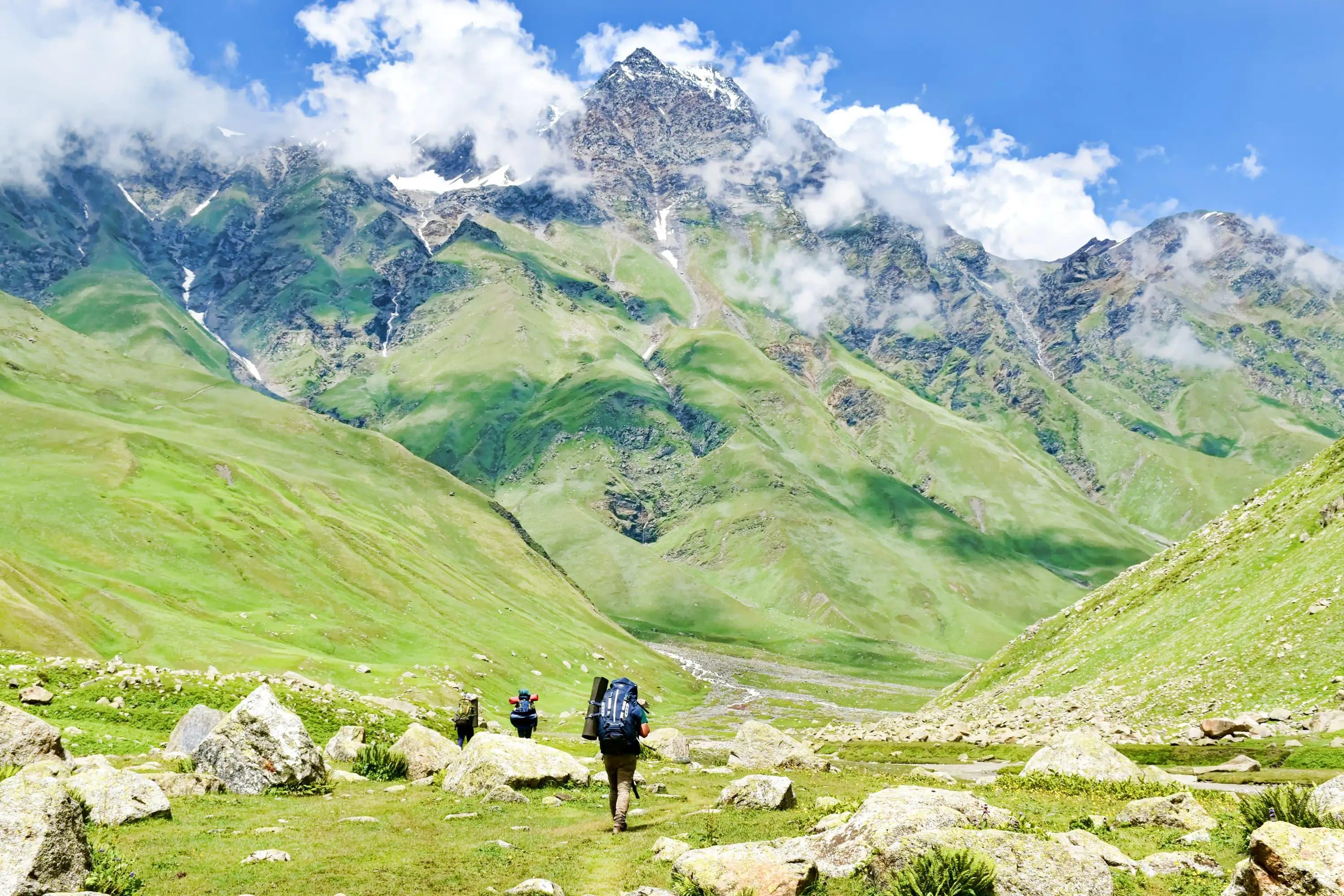
₹25000 | $300
7 Days Days
Himachal Pradesh
49 Km
July to September
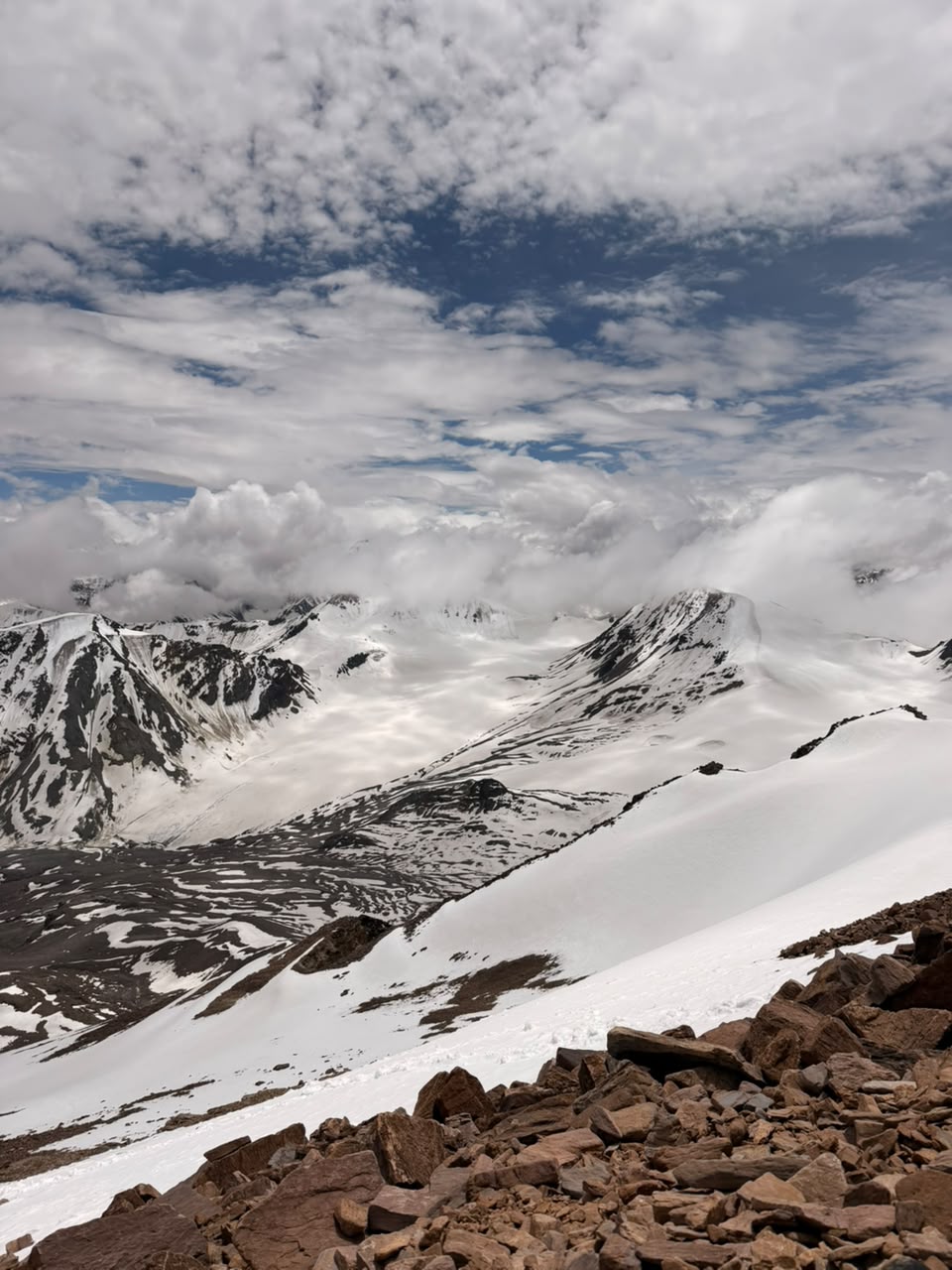
₹38000 | $500
8 Days
Himachal Pradesh
22 km
June to September
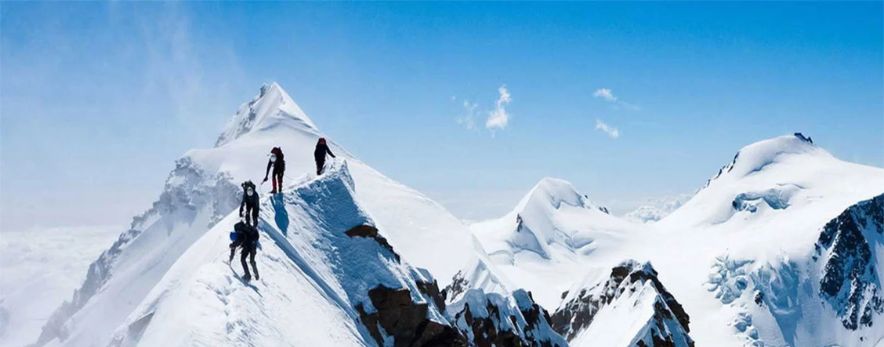
₹On Demand | $On Demand
8 Days
Himachal Pradesh
42 Km
July & August
₹28000 | $305
10 Days
Himachal Pradesh
110 Km
July to September.
Testimonials

Rakesh dulams
Nice experience with the thinAir expedition and accommodation and hospitality and safty such as taken personal care and well experienced guide and such a cool guy

Aditi 99
I had an amazing experience with thin air expeditions. The food, the hospitality, and the preparedness of the staff for all sorts of scenarios was commendable. The location of camps was perfect. Even though i was a female solo traveller , i felt very safe and comfortable. Couldn’t have asked for a better team.

Radandi Shashank
“You are not just a mountain trek guides, but a true guardian of the journey. Your unwavering loyalty to our team, the mountains, and safety itself is extraordinary. Every step felt secure because of your dedication, integrity. And stayed committed to every trekker, through every challenge, with patience, care, and honesty. Huge respect to Subodh Jii n Aditi Mam!! Thank youu @thinairexpedition It was wonderful experience!!❤️❤️

67D3_KALYAN
Completing the Kedarkantha trek at an altitude of around 12,500 feet was not just a trek for us, it was a life-long memory, and a major reason for this unforgettable experience is our guide Shubhod Sir. From the very first day till the summit, Shubhod Sir guided us with immense patience, discipline, and genuine care. At every difficult patch, when our legs were tired and breathing became hard, his calm words, constant motivation, and confident leadership gave us the strength to keep moving forward. He never rushed anyone and always made sure that every member of the group was safe, comfortable, and mentally strong. Shubhod Sir’s knowledge of the mountains, weather, and high-altitude conditions was truly impressive. More than a guide, he felt like a protector and mentor who treated everyone like family. His positive attitude and humble nature created a sense of trust and confidence among all of us. We are also thankful to Atidhi Madam for her support and cooperation during the trek, which added to the smooth experience. Because of Shubhod Sir’s guidance and dedication, we successfully reached the summit with confidence and joy. We will always remember this trek with gratitude and respect. Truly blessed to have a guide like him. 🙏⛰️

Arvind Sahu
Wonderful experience totally worth it. At those price they provided services that no one could provides really enjoyed ❤️🎉

Kolanu Anirudh
This is my first trek in Uttarakhand(Kedharkanta) and Thin Air Expedition made it a memorable one Thanks for everything subodh bro you made it so special.

kanica kandpal
Completed the Gaumukh–Tapovan trek with Thin Air Expedition, and it was an exceptional experience from beginning to end. Instead of opting for a fixed-departure model, we chose a personally curated itinerary, as this was our first trek—and it turned out to be the perfect decision. The team was extremely thoughtful in planning each day’s distance, ensuring we were comfortably challenged without ever feeling overtired or exhausted upon reaching the campsites. Every campsite was carefully selected, offering not just safety and comfort but also breathtaking views that made each halt truly memorable. What stood out most was the level of personalization. The itinerary was clearly tailored to our pace and comfort, and the trek leader constantly shared insightful facts about the region, its geography, and cultural significance, adding depth and meaning to the journey. Overall, Thin Air Expedition delivers a highly personalized, well-paced, and enriching trekking experience. I would highly recommend them, especially for first-time trekkers looking for a safe, informative, and thoughtfully curated adventure.Sen

Raj Bahadur
I booked my trek with Thin Air Expedition on a friend’s recommendation, and it turned out to be a great decision. They managed travel and accommodation very smoothly, and everything was well organized throughout the journey. The team stayed in regular coordination, ensuring that stays and drivers were properly arranged each day. The entire trip was timely, hassle-free, and also pocket-friendly. I would definitely recommend Thin Air Expedition—you can trust them completely with your travel and trekking plans.

sachin aulakh
I recently completed the Kedarkantha Trek with ThinAirExpedition, and the entire experience was outstanding. The coordination, communication, and arrangements were excellent. The trek leaders were experienced and friendly, the support staff was humble, the stay was comfortable, and the food quality in such high altitude conditions was truly impressive. Their focus on safety and responsible trekking made the journey even better. I would definitely choose them again for my next Himalayan adventure! 🏔️✨

Aman rai
I recently completed a trek with the help of ThinAirExpedition, and the entire experience was very comfortable. From stay arrangements to travel from Rishikesh to Rishikesh, everything was well managed. The driver was extremely polite, supportive, and made the journey smooth and stress-free. Overall, a great experience and I would definitely recommend them.

Nitya Jaiswal
Kedarkantha was not just a trek, it was an experience that helped me reconnect with myself. Thanks to Thin air expeditions , I felt safe, cared for and encouraged at every step. The sunrise at the summit, the laughter around the campfire and the kindness of the guides will stay with me forever. If you're looking for a company that treats you like family on the mountains, this is the one.

Biswajit Sahoo
Subodh Sir making the trek so much of fun and intresting .. Awesome Experience with Subodh Sir

Anmol Verma
Overall trekking and accommodation was a very smooth experience. Our trek leader Mr. Ramesh was amazing and very helpful. He managed to make the trek look easy. Overall experience was 10/10. Would highly recommend.

Rishabh Singh Rana
Trek Guide Mr. Ramesh Ji is a very cool & good person. Trek journey became beautiful with the group and overall it became my one of the best experience.

aditi vaidya
I recently went on a trek with Thin Air Expeditions, and I can't get over the experience I had! I did the Phulara Ridge trek with Subodh sir, and it was an incredible experience. What made it even more special was that Subodh sir made sure I could bring my dog, Flake, a toy pom. His team and him took such great care of us, and it was clear that they truly care about their guests, human or canine! The group was amazing too. I met some wonderful people along the way, and we formed lifelong bonds. The whole experience was beautiful – from the breathtaking views to the friendly, supportive environment. I’ll cherish these memories forever! If you're looking for a SAFE, well-organized, fun, and caring trekking company, Thin Air Expeditions and Subodh sir are the ones to go with!

Anuja Vaidya
It was a wonderful experience with TAE on Phulara ridge trek, everything was on point the gears, food, trek guides and Subodh sir himself was an amazing leader who is the founder of TAE, he made sure the experience was amazing even for the first timers keeping safety the first priority. Also I took my Dog, Flake along with me for the trek and it was a great experience for her as well and her food and safety was well taken care of . 🐾 Would love to go back again with Thin air expedition. Thank you so much 🤗

Simran Samal
Phulara Ridge Trek – A Memorable Experience for me !!! Someone once told me, “Trips aren’t just about travel — they become a part of you.” I never really believed it, but this time, Phulara Ridge became exactly that for me. Our first campsite — the forest trail, the tents, the whole setting — gave me the first taste of what was to come. Everything was so thoughtfully arranged, it felt like nature itself had prepared that space for us. All thanks to our trek leader, Subodh bhai 🙌🏻. The next stop was magical in its own way. The campsite was picture-perfect, and we even ended up learning a bit of the local Uttarakhandi dance from Dev bhaiya (well… I tried to! 😄). In the evenings, we played games and spent such a good time that we forgot the weight of city life for a while. And finally, the Ridge: Honestly, we thought the weather would block the views, but Subodh bhai timed it so perfectly that the skies cleared for us. Walking on the ridge — one valley on the right, another on the left, clouds passing beneath us — felt surreal. We sat there for hours, just soaking it all in. It was pure peace. And yes, we even made tea there!!! 🫶🏻 (Of course, we made no mess, cleaned it all up, and left the space exactly the way it should be 😌). For me personally, trekking has always been like meditation — a way to quiet the noise and reconnect with myself. This trek with Subodh bhai and the team gave me exactly that: peace, perspective, memories for a lifetime, and inspiration. #SoGrateful 🙏🏻 Thank you, Subodh bhai and team, for making this such a soulful and unforgettable journey! Lastly Just one note for all: “In the end, we don’t conquer mountains; they help us discover who we truly are.” To anyone even considering it: please go with #ThinAir Expeditions to experience the rawness of trekking, the beauty of nature, and the joy of escaping city life for a while. You’ll come back not just with pictures, but with stories, stillness, and a piece of the mountains in your heart. All the best !!! ✌🏻

Netra Sharma
It was a wonderful experience with ThinAir Expedition. I went on my first trek to Phulara Ridge, and it was truly amazing. Our guide, Subodh ji, managed everything so well and remained patient throughout the trek. I enjoyed every moment and every spot. The place, the cook, and the helpers were all wonderful. The food and camps were awesome. I highly recommend joining ThinAir Expedition to experience the best of “pahadi” life!

Vaibhav Srivastava
Thin Air Expedition gave us the best experience while trekking. Everything was finely arranged and properly taken care of whether it was travel, food. Staff availablity. But the best part was free hand while trekking. Subodh led us beautifully taking in note that everyone reaches the base camp and everyone is doing well. Consulting our next phase keeping in mind the safety and gears. It was collectively very amazing. He gave us full free hand additionally it is our responsibility as well to take care of each other. We did so many activities had games and fun and he even taught us how to camp. How to set up it was fun. If it would've given me option I'll rate it 10. Thanks subodh and team and thin air expedition for such a memorable trip.

Somya Chaturvedi
I recently did the Phulara Ridge Trek with Thin Air Expedition, and it was my first trek ever truly an unforgettable experience! Everything was so well managed from safety arrangements and equipment to food and stay, I never had to worry about a thing. Our trek leader, Subodh, was extremely supportive, patient, and motivating, which made a huge difference for a first-timer like me. The food was simple, homely, and very satisfying after long trekking hours. Most importantly, safety was always the top priority. For anyone planning their first or next trek, I’d highly recommend Thin Air Expedition. Professional, caring, and passionate about making the experience memorable!
We're always ready for adventure
Trekking comes with uncertainty. Weather, terrain, and setbacks are part of the journey. We embrace them with resilience and openness—each challenge makes us stronger and more appreciative of nature's beauty.
We embrace low-noise trekking
We blend into nature, not the other way around. We avoid shouting, loud music, and noisy games. In silence, we hear birdsong, streams, and the wind—inviting peace, reflection, and a deeper connection with nature.
We protect the environment
We protect the environment by minimising waste, reusing resources, and picking up litter. We carry eco-bags, segregate waste, and inspire others to preserve trails. Sustainable trekking ensures these mountains remain beautiful for future generations.
We are self-sufficient
We carry our load as much as possible, manage our gear, and stay prepared for all situations. Self-sufficiency builds confidence, independence, and respect for fellow trekkers, support staff, and the trail itself.
We support each other
Trekking is not a solo act. We wait for each other, share burdens, and uplift teammates. By putting the group first, we build strong bonds and help everyone complete the trek joyfully.
We are fit and prepared
We train well before our treks. This helps us walk longer, handle emergencies, and contribute to the team. Fitness ensures we are never a burden and always ready to help when needed.


