Trek difficulty
Difficult
Trek duration
10 Days
Trek altitude
17500 Ft
Group size
6-12
Trek distance
110 Km
Basecamp
Kasol
Best Time
July to September.
Pickup Point
Kasol
The Pin Parvati Pass is one of the toughest trekking destinations. This trek includes many difficulties. However, the higher the risk, the higher the reward. So, this is a tough journey, but it’s one in a lifetime experience. The Pin Parvati Pass trek connects two different landscapes. Moreover, the trek starts from green forests and passes through glaciers and ends in a cold desert. The Pin Parvati Pass trek is one of the longest treks, as it takes 10 to 11 days to complete. However, the beauty of the trek is so mesmerizing that it will leave its impression on your mind even after the completion of the entire journey.
Every trek has its unique features that make it special and unforgettable, and the Pin Parvati Pass Trek is no exception. Here are the highlights of the trek, which make it more attractive, and thus, people are keen to do the trek.
The Pin Parvati Pass Trek is generally regarded as one of the toughest multi-day treks in India but there are many other reasons why this trek is especial the first being that it is a geographical portal, a literal knife edge ridge dividing two violently opposing worlds (Kullu's lush, rain-fed jungle versus Spiti's barren, wind-eroded stone desert).
If you have done your research and are willing to blog off of beaten paths and experience what it actually is to walk along a geological fault line, then let's hit the trail.
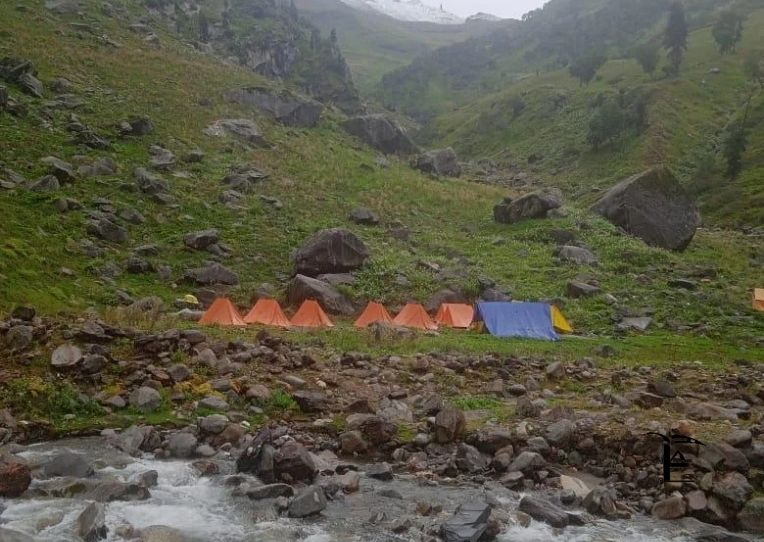
To understand how the 110-kilometre trek can feel like you are walking in two places on two separate planets, we must explore the rainshadow effects of the Pir Panjal and Great Himalayan Ranges.
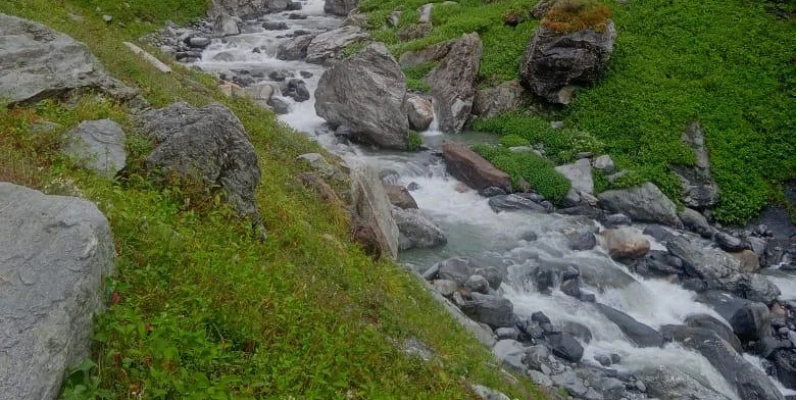
The Indian Monsoon gets funneled through a massive funnel from the left (or western) side of the Parvati Valley and as the funnel passes through the valley, it flows through the funnel and the valley receives the moisture and is transported to the Indian Sub-Continent. Thus, when we reach this area, everything has turned from tropical rainforests, with enormous Deodar Trees, into boulders that have large amounts of moss and many cascading waterfalls.
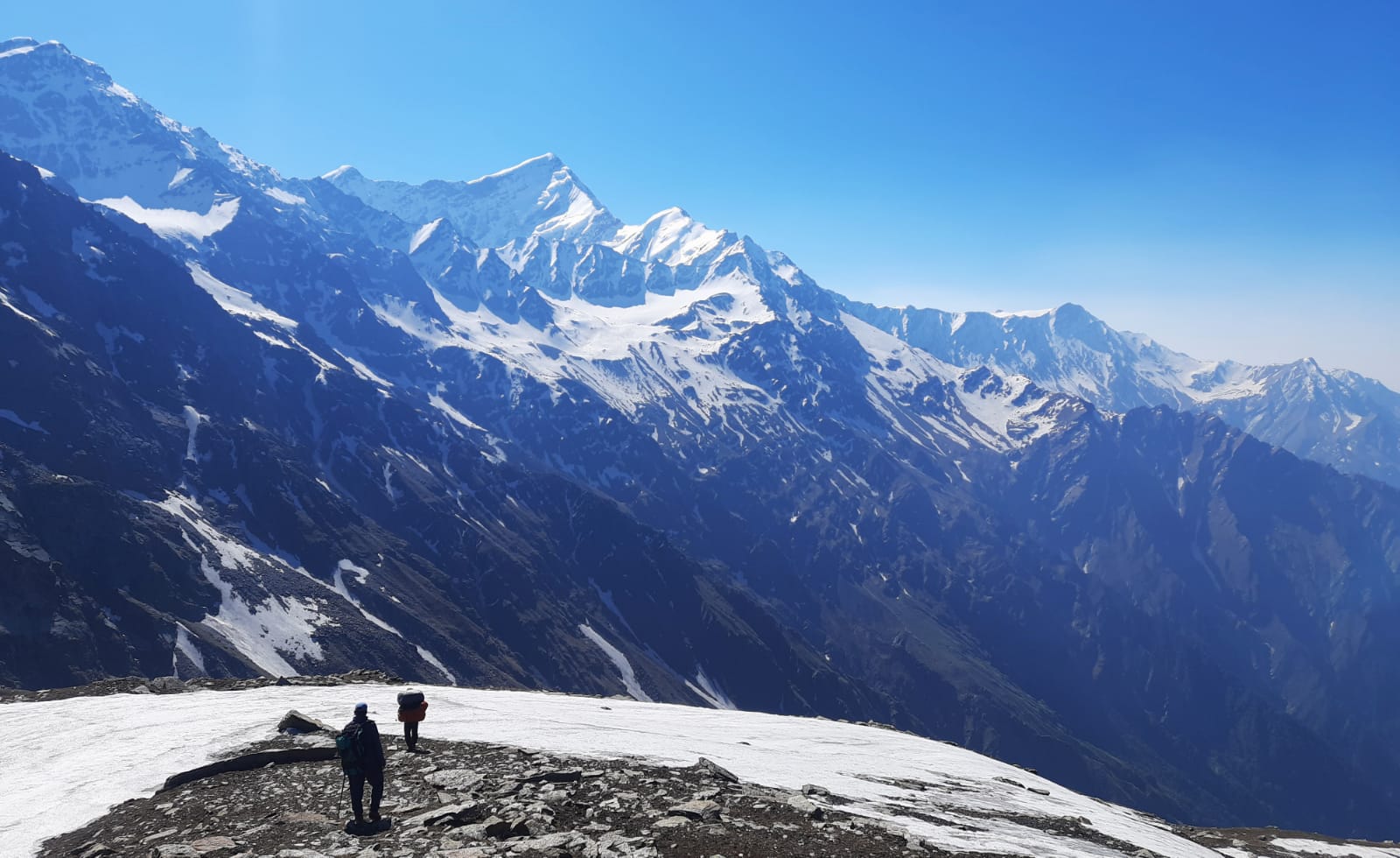
As you travel through the notch of the Pin Parvati Pass, which is 5,319 m, you will see the naked mountains of the Pin Valley. They are made up of shale and limestone and have been exposed for so long that they have had no rain to wash off the colours so they show brilliant purple, ochre, and reddish hues of colour in bands of colour on their exposed surfaces.
Every high-altitude trekking route has its defining landmarks but the Pin Parvati Pass trek requires strategic planning and complete concentration on milestones on the trail.
Tunda Bhuj changes from a gentle trail at the village of Barsheni to an erratic and unpredictable trail when you reach Tunda Bhuj. The trail changes from broad and flat through the valley into a vertical granite gorge, the main source of water for Tunda Bhuj is the 2 - 3km or 20,049,975,790 gallons per hour of rainfall that drops from the clouds onto the path. The trail gets very slippery because of the constant flow of water, making the crossing of simple water-filled ditches impossible without extreme caution and testing your skills as you attempt to maintain your balance on the surface of the water. If you do fall in the ditch, you will be very sorry for it; the sound of the thundering Parvati River is only a few feet from where you are walking.
You'll see the Pandu Bridge on your way to Thakur Kuan's high pastures. There is no manmade structure such as metal or wooden bridges. The Pandu Bridge is made of large boulders that have rolled down from the mountains over many years creating a natural bridge over the fast-flowing Parvati River. To cross them with your heavy backpack you'll want to be steady and balanced.
Mantalai Lake is an extremely quiet and still place. Mantalai is a glacial lake that is supplied by the vast amounts of ice above.
The Spiritual Border: Mantalai Lake has many small iron tridents (called trishuls) left by the shepherds to mark the source of the Parvati River. The altitude is high and the air is thin, the temperature drops to below freezing after the sun goes down, and the large ridges that surround the basin block the sun early in the afternoon leaving the basin in a very dark and cold shadow.
The Pin Parvati Pass is the most impressive and shocking view in the whole of the Himalayan range at the narrow rock notch. This is a true knife-edge division of two different parts of the universe:
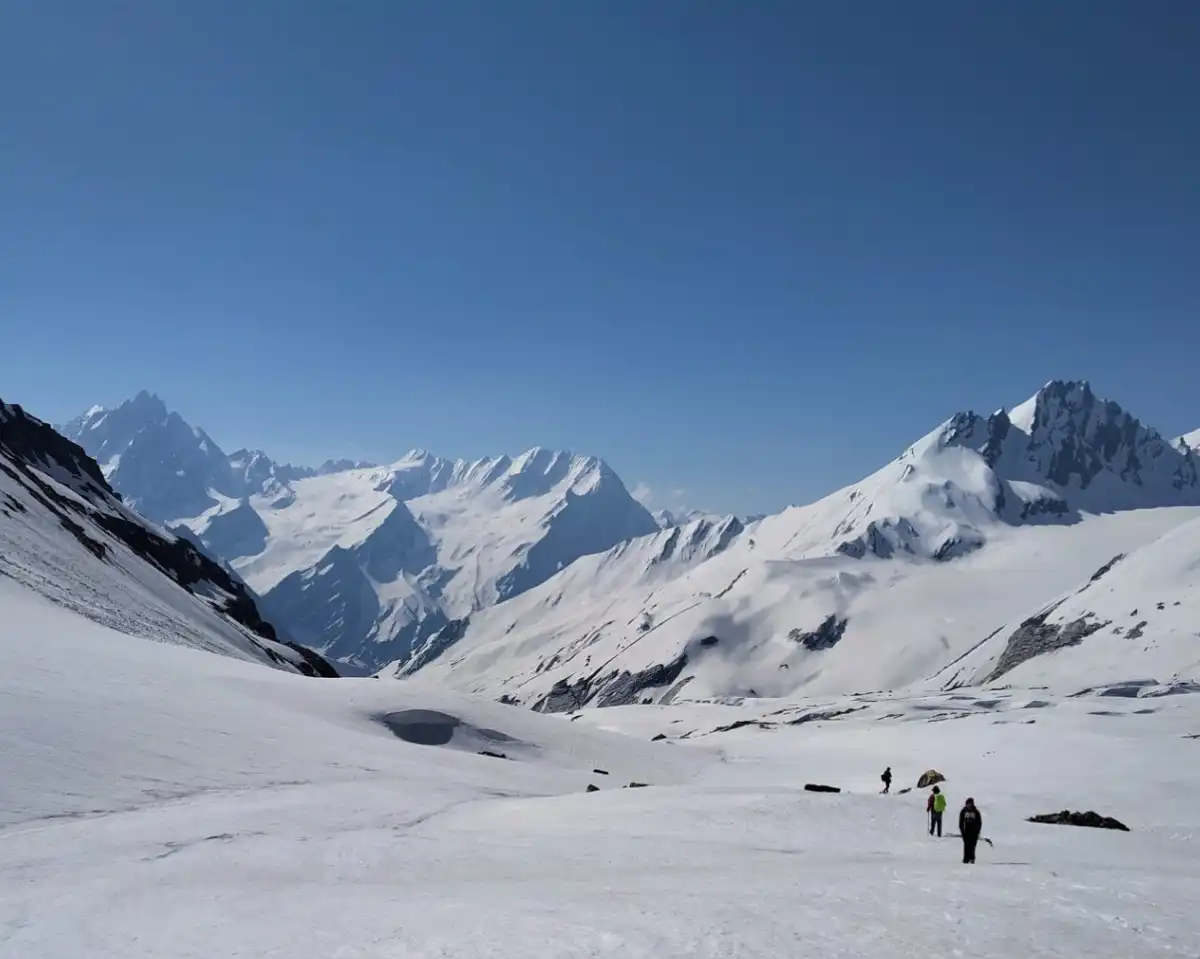
Backwards (Kullu): A dark and jagged peak, misty kingdom with deep snowfields and monsoon laden clouds, attempting to force their way into the valley
Forwards (Spiti): A sudden drop into an entirely dry, rainshadowed world, completely void of vegetation, with an incredible band of purple, maroon, ochre and brick-red rocks, shining under the blinding deep-blue sky over the banding rocks.
The experience of summiting a mountain on a glacier is unlike anything else you will experience when out on trekking routes. After departing the high camp at two in the morning, you are left with nothing but your headlamp’s helicopter-light-colored narrow beam. When you finally step onto the massive, rolling glacier of the Parvati and attach your micro spikes and rope to one of your climbing partners, you have a true sense of adventure when walking in the quiet and rhythmic line of your crew while crossing the enormous glacier beneath the incredibly bright starry sky and listening to the occasional, deep rumbling sounds of the ice shifting beneath you.
Collision of the Indian continent with the Eurasian continent created the Pin Valley. As a result, the Pin Valley mountains are mainly made up of an ancient ocean floor that has been uplifted above sea level to roughly 4,000 meters. After you have completed your trek and visited some of the small villages located around the valley, including Langza, you can actually reach down into the arid, dusty scree and recover fossils from the ancient marine life that lived in the Tethys Sea millions of years ago. These fossils are the remains of hard-bodied marine animals.
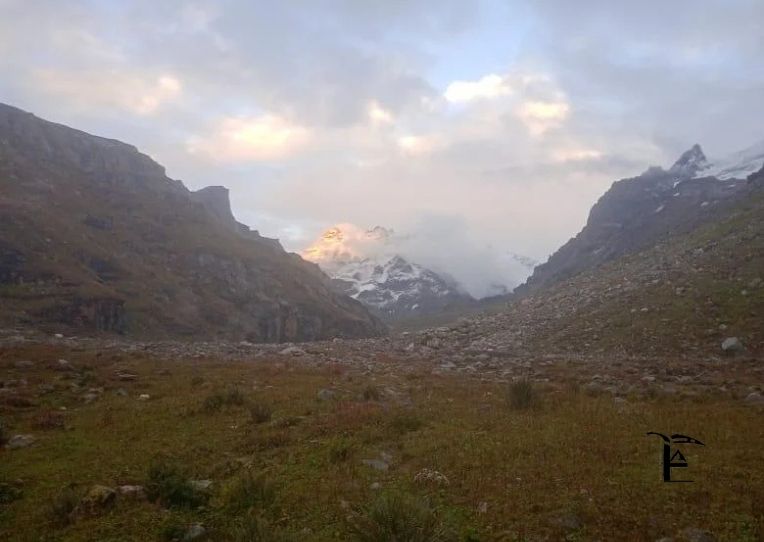
In order to cross from the Parvati base camp (4,940 m) to Pin Valley requires a 12-hour full-body exertion of an alpine crossing. You will start the trek at two o'clock in the morning, by the narrow beams of your headlamps. The alpine start is needed to ensure your safety from cold - the huge glacier leading to the pass has to be traversed while it is still frozen by overnight night-time frost. Once the sun rises above the glacier, any crevasses that were hidden when it is frozen become unstable; and the snow on them will become soft and exhausting to trek through.
The route up to the pass consists of trekking across a flat and uneven surface of glacier ice. As you trek, you will hear deep, booming groaning noises of the active glacier as you step on it - reminding you of the tremendous force of the high Himalayas that you are in. When you reach the pass, the visual change is drastic. The world is instantly green; and there is a long, steep, and slippery slope of loose, moving rock and scree (loose crumbly rock) that goes down into the stark, dry, and flat/empty expanses of Spiti.
The majority of blogs give generalized info about fitness, but Pin Parvati requires a very specialized physical and emotional preparedness kit.
Conquering the Descents: You shouldn't be afraid of making your way down from the pass to the floor of Pin Valley; while it appears daunting at first, once you're past the top of the pass, it's not too steep. However, by the time you hit the "land" at Pin Valley, you'll have dropped over 1,200 metres which means the ground will be very unstable. If you do not have well-developed quads and stabilisers, you will definitely not have knees left for the whole length of your trek.
Slid Your Way into Technique: Learn to slide when you are trekking on loose shale, by bending at the waist slightly and allowing your feet to slide on the rocks while using your trekking poles. You want to use walking poles for stability.
Acclimatizing to the Cold Desert: The air in Spiti is the driest of any place you'll feel some relief after you've crossed the pass, however there will be winds coming from the Pin Valley that are dry, dusty and will cause you to experience extreme sunburn/chapped lips and dehydration unless you continuously drink lots of fluid (water mixed with electrolytes) during this trek.
You’ll be safe crossing the Glacier on Pin Parvati Pass when you arrive at 11:00 AM or earlier; if you don’t reach the Pass summit until after mid-morning (12:00 PM or later), you will have to turn around and return to the base, as there is a high risk of falling into a Crevasse and experiencing Clarke’s high risk of becoming trapped (by having your boots soak up the loss of temperature/humidity) no longer be available (too late) by the time you return to the base.
To prevent your feet from getting damaged by high humidity and/or dampness (besides having the best chance to protect your feet, you’ll also want to use, properly laced-up, good support). This will require using high-ankle boots that are fully broken in with deep lugs and rubber (the more rubber, the better), and then supplementing with thin liner socks underneath the thick wool; additionally, stuff wet boots you wear at night with dry paper overnight to help combat the high humidity of the rainforest.
When crossing rivers that are glacially fed, do so in the early morning (when water levels are lower than they are later when more sunlight will be hitting the river); but always wear your boots or, if you wish, sandals specifically designed for crossing rivers (for protective reasons – as there are sharp parts from nearby rocks) always, safety-wise, before you leave, feel free to unclip straps as soon as you go into the current, to make it easier to get you to safety (by removing the weight and void spaces generated by what you were wearing when you went into the current).
Mules will not be able travel across the glaciated area or steep scree area of your route. There is an accreditation system to help you find an accredited and experienced local guide, with certification holders from Kullu Valley or Spitti Valley, who is able to recognize the erratic nature of Trans-Himalaya weather, help you to change from mule carrying your expedition to being carried by human porter at base camp, and co-ordinate emergency procedures in an area with no cell phone reception.
The rapid rate of ascent requires that you check your blood oxygen levels twice per day; consume 4 to 5 litres of fluid per day (to replace the water removed from your body by the very dry desert air), and to add an electrolyte powder to your water flasks (to replace the electrolytes (salts) removed from your body as a result of drinking pure glacial meltwater).
Descent of 1,000 vertical metres over loose shale on the Spiti side requires specific body mechanics, leaning slightly forward using your toes to keep your weight centred on your boots, taking short step rhythms, and using both trekking poles extended to their full extension to provide essential stability.
The Pin Parvati Pass Trek is not a commercial and grossly managed holiday, but rather an unrefined, high-consequential crossing of the mountain, which will be an everlasting memory for everyone who successfully completes the trek. If you are an experienced trekker looking to gain an open space for climbing on a true mountain, the Pin Parvati Pass trail is the most qualifying expedition.
Day 1- Kasol to Barshaini and then Trek to Kheerganga
Day 2- Kheerganga to Tunda Bhuj
Day 3 - Tunda Bhuj to Thakur Kuan
Day 4 - Thakur Kuan to Odi Thach
Day 5 - Odi Thach to Mantalai Lake
Day 6 - Acclimatization at Mantalai Lake
Day 7 - Mantalai to Base Camp
Day 8 - Cross Pin Parvati Pass, then reach the Pin Base Camp
Day 9 - Pin Base to Tiya
Day 10 - Tiya to Mudh Village and then drive to Kaza
To complete the trek smoothly and safely, it’s important to choose the right season. The Pin Parvati pass trek is challenging because it goes to very high altitudes, and the weather changes quickly. It’s important to choose the right time to go. So, plan your journey according to the season. However, the best time to do the Pin Parvati Pass trek is between mid-July and mid-September.
This is the ideal season to do the trek, as trails are more accessible during these months. From mid-July to mid-September, the trails are mostly clear of snow, the weather is pleasant, and the landscapes are at their best, with blooming flowers, green meadows, and flowing rivers. During this time, the pass is more accessible, and with proper gear, trekkers can cross it safely. However, this is the crowded month too, so be careful and enjoy the journey.
Inclusion
During The Trek
Exclusion
The trek usually lasts for 10 days (not counting travel to the starting point), covering a distance of approximately 100 to 110 kilometers.
You must be in top physical condition, capable of trekking 6–10 hours a day with a backpack at high altitude. Good stamina, strong lungs, and mental toughness are essential.
This is a highly challenging trek suited for experienced trekkers. It includes long walking days, glacier crossings, river wading, steep ascents, and crossing a high-altitude pass at 5,319 meters.
No, there is no mobile network or electricity during the trek. You’ll lose signal after Barshaini, and there are no charging points or connectivity along the entire route.
Yes, you should have completed at least 2–3 high-altitude treks before trying this one. It’s not suitable for beginners.
₹12000 | $200
5 Days
Himachal Pradesh
26 km
May to September
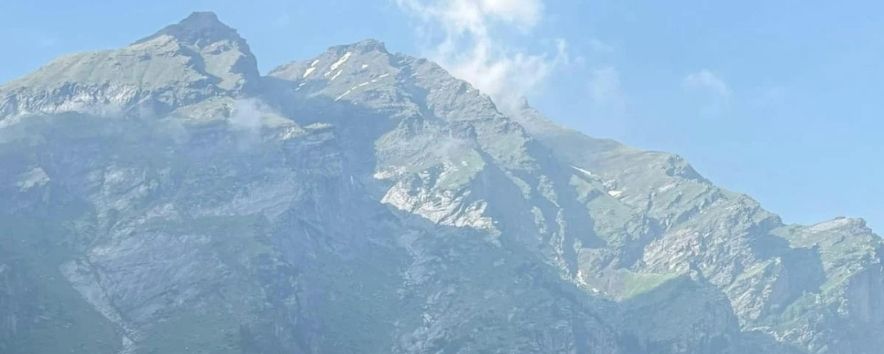
₹15000 | $163
5 Days
Himachal Pradesh
27 Km
June and September.
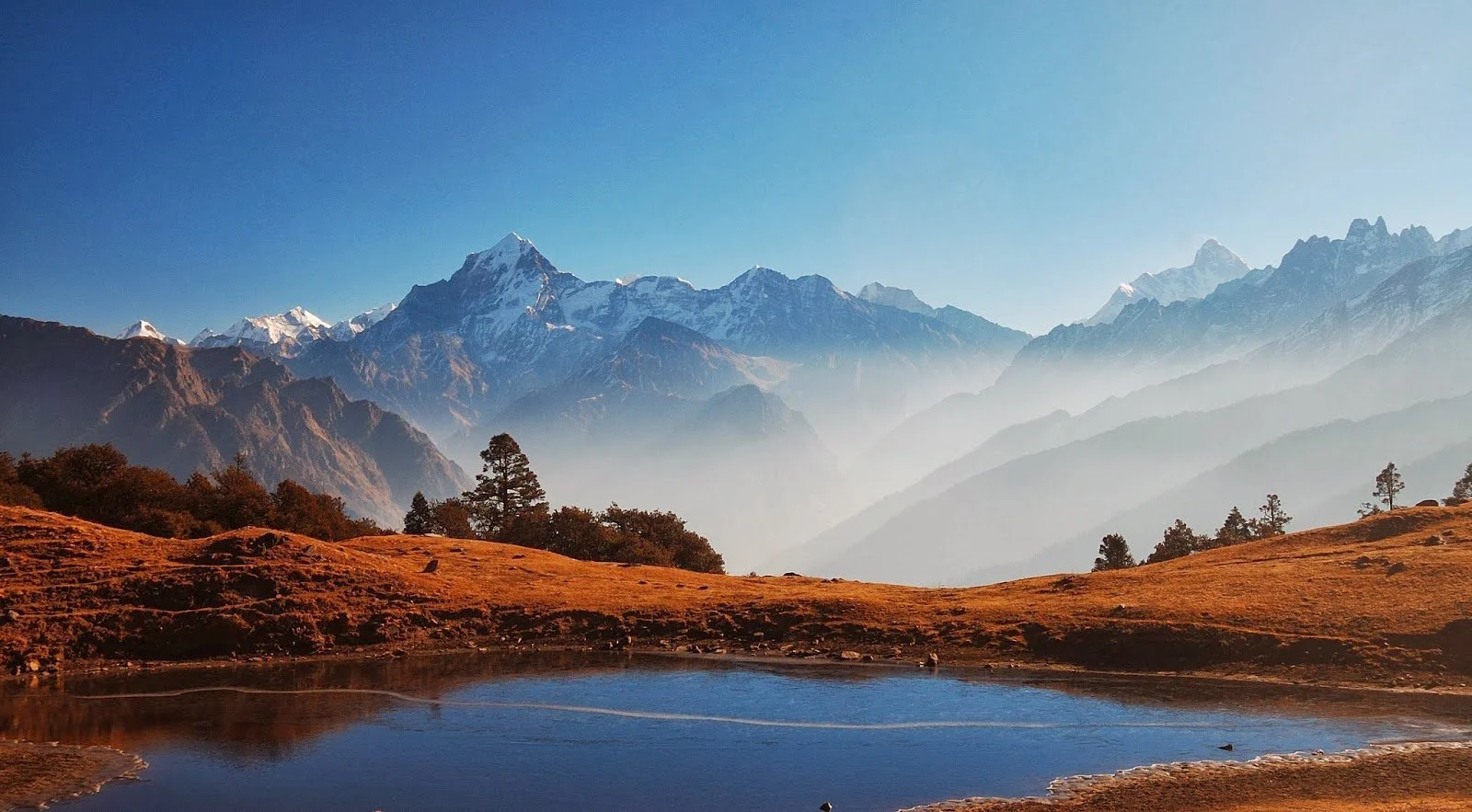
₹18000 | $196
6 Days
Uttarakhand
26 Km
November to February
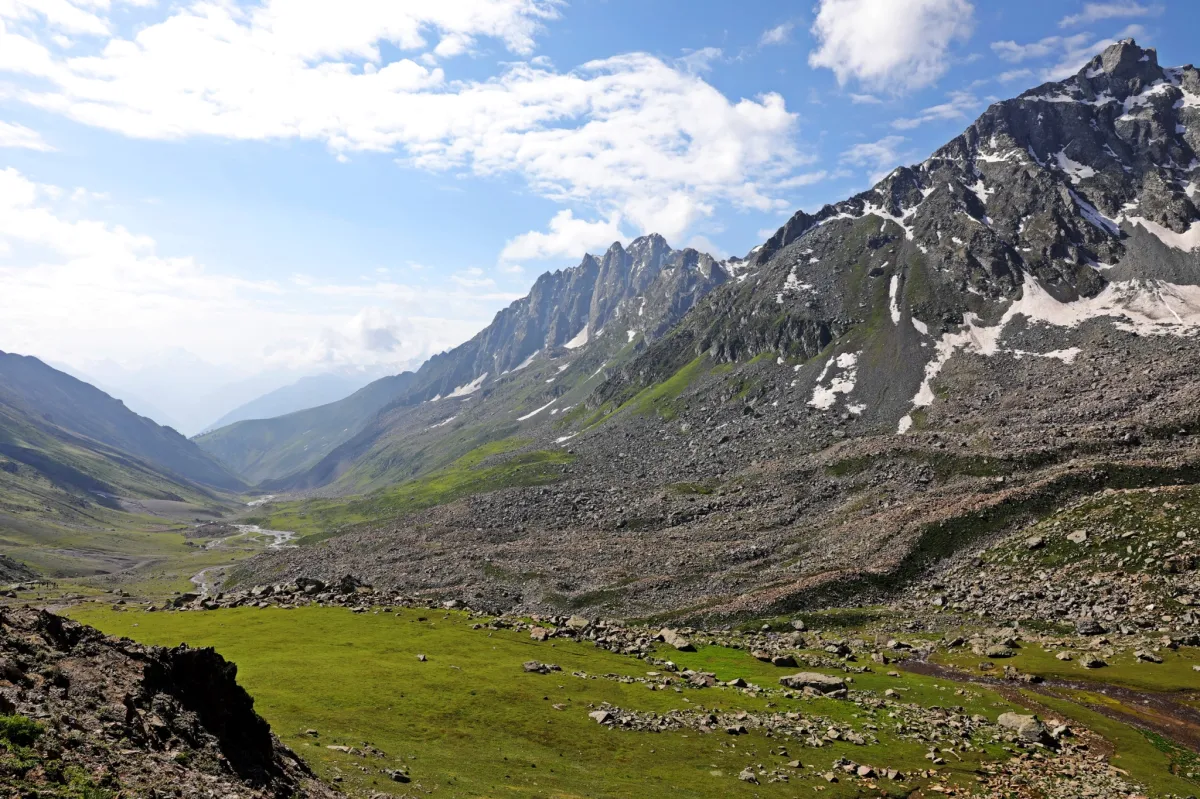
₹20000 | $217
4 Days
Kashmir
26 Km
July to September
₹28000 | $305
10 Days
Himachal Pradesh
110 Km
July to September.
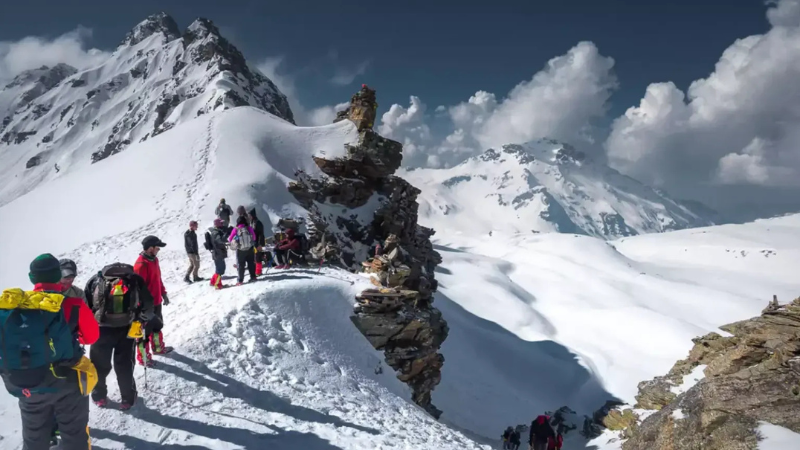
₹15000 | $163
7 Days
Himachal Pradesh
52 Km
may-Jun
₹22000 | $300
9 Days
Uttarakhand
66 km
May to June | September to October
₹38000 | $500
8 Days
Uttarakhand
62 km
May-June | September-October
Testimonials

Rakesh dulams
Nice experience with the thinAir expedition and accommodation and hospitality and safty such as taken personal care and well experienced guide and such a cool guy

Aditi 99
I had an amazing experience with thin air expeditions. The food, the hospitality, and the preparedness of the staff for all sorts of scenarios was commendable. The location of camps was perfect. Even though i was a female solo traveller , i felt very safe and comfortable. Couldn’t have asked for a better team.

Radandi Shashank
“You are not just a mountain trek guides, but a true guardian of the journey. Your unwavering loyalty to our team, the mountains, and safety itself is extraordinary. Every step felt secure because of your dedication, integrity. And stayed committed to every trekker, through every challenge, with patience, care, and honesty. Huge respect to Subodh Jii n Aditi Mam!! Thank youu @thinairexpedition It was wonderful experience!!❤️❤️

67D3_KALYAN
Completing the Kedarkantha trek at an altitude of around 12,500 feet was not just a trek for us, it was a life-long memory, and a major reason for this unforgettable experience is our guide Shubhod Sir. From the very first day till the summit, Shubhod Sir guided us with immense patience, discipline, and genuine care. At every difficult patch, when our legs were tired and breathing became hard, his calm words, constant motivation, and confident leadership gave us the strength to keep moving forward. He never rushed anyone and always made sure that every member of the group was safe, comfortable, and mentally strong. Shubhod Sir’s knowledge of the mountains, weather, and high-altitude conditions was truly impressive. More than a guide, he felt like a protector and mentor who treated everyone like family. His positive attitude and humble nature created a sense of trust and confidence among all of us. We are also thankful to Atidhi Madam for her support and cooperation during the trek, which added to the smooth experience. Because of Shubhod Sir’s guidance and dedication, we successfully reached the summit with confidence and joy. We will always remember this trek with gratitude and respect. Truly blessed to have a guide like him. 🙏⛰️

Arvind Sahu
Wonderful experience totally worth it. At those price they provided services that no one could provides really enjoyed ❤️🎉

Kolanu Anirudh
This is my first trek in Uttarakhand(Kedharkanta) and Thin Air Expedition made it a memorable one Thanks for everything subodh bro you made it so special.

kanica kandpal
Completed the Gaumukh–Tapovan trek with Thin Air Expedition, and it was an exceptional experience from beginning to end. Instead of opting for a fixed-departure model, we chose a personally curated itinerary, as this was our first trek—and it turned out to be the perfect decision. The team was extremely thoughtful in planning each day’s distance, ensuring we were comfortably challenged without ever feeling overtired or exhausted upon reaching the campsites. Every campsite was carefully selected, offering not just safety and comfort but also breathtaking views that made each halt truly memorable. What stood out most was the level of personalization. The itinerary was clearly tailored to our pace and comfort, and the trek leader constantly shared insightful facts about the region, its geography, and cultural significance, adding depth and meaning to the journey. Overall, Thin Air Expedition delivers a highly personalized, well-paced, and enriching trekking experience. I would highly recommend them, especially for first-time trekkers looking for a safe, informative, and thoughtfully curated adventure.Sen

Raj Bahadur
I booked my trek with Thin Air Expedition on a friend’s recommendation, and it turned out to be a great decision. They managed travel and accommodation very smoothly, and everything was well organized throughout the journey. The team stayed in regular coordination, ensuring that stays and drivers were properly arranged each day. The entire trip was timely, hassle-free, and also pocket-friendly. I would definitely recommend Thin Air Expedition—you can trust them completely with your travel and trekking plans.

sachin aulakh
I recently completed the Kedarkantha Trek with ThinAirExpedition, and the entire experience was outstanding. The coordination, communication, and arrangements were excellent. The trek leaders were experienced and friendly, the support staff was humble, the stay was comfortable, and the food quality in such high altitude conditions was truly impressive. Their focus on safety and responsible trekking made the journey even better. I would definitely choose them again for my next Himalayan adventure! 🏔️✨

Aman rai
I recently completed a trek with the help of ThinAirExpedition, and the entire experience was very comfortable. From stay arrangements to travel from Rishikesh to Rishikesh, everything was well managed. The driver was extremely polite, supportive, and made the journey smooth and stress-free. Overall, a great experience and I would definitely recommend them.

Nitya Jaiswal
Kedarkantha was not just a trek, it was an experience that helped me reconnect with myself. Thanks to Thin air expeditions , I felt safe, cared for and encouraged at every step. The sunrise at the summit, the laughter around the campfire and the kindness of the guides will stay with me forever. If you're looking for a company that treats you like family on the mountains, this is the one.

Biswajit Sahoo
Subodh Sir making the trek so much of fun and intresting .. Awesome Experience with Subodh Sir

Anmol Verma
Overall trekking and accommodation was a very smooth experience. Our trek leader Mr. Ramesh was amazing and very helpful. He managed to make the trek look easy. Overall experience was 10/10. Would highly recommend.

Rishabh Singh Rana
Trek Guide Mr. Ramesh Ji is a very cool & good person. Trek journey became beautiful with the group and overall it became my one of the best experience.

aditi vaidya
I recently went on a trek with Thin Air Expeditions, and I can't get over the experience I had! I did the Phulara Ridge trek with Subodh sir, and it was an incredible experience. What made it even more special was that Subodh sir made sure I could bring my dog, Flake, a toy pom. His team and him took such great care of us, and it was clear that they truly care about their guests, human or canine! The group was amazing too. I met some wonderful people along the way, and we formed lifelong bonds. The whole experience was beautiful – from the breathtaking views to the friendly, supportive environment. I’ll cherish these memories forever! If you're looking for a SAFE, well-organized, fun, and caring trekking company, Thin Air Expeditions and Subodh sir are the ones to go with!

Anuja Vaidya
It was a wonderful experience with TAE on Phulara ridge trek, everything was on point the gears, food, trek guides and Subodh sir himself was an amazing leader who is the founder of TAE, he made sure the experience was amazing even for the first timers keeping safety the first priority. Also I took my Dog, Flake along with me for the trek and it was a great experience for her as well and her food and safety was well taken care of . 🐾 Would love to go back again with Thin air expedition. Thank you so much 🤗

Simran Samal
Phulara Ridge Trek – A Memorable Experience for me !!! Someone once told me, “Trips aren’t just about travel — they become a part of you.” I never really believed it, but this time, Phulara Ridge became exactly that for me. Our first campsite — the forest trail, the tents, the whole setting — gave me the first taste of what was to come. Everything was so thoughtfully arranged, it felt like nature itself had prepared that space for us. All thanks to our trek leader, Subodh bhai 🙌🏻. The next stop was magical in its own way. The campsite was picture-perfect, and we even ended up learning a bit of the local Uttarakhandi dance from Dev bhaiya (well… I tried to! 😄). In the evenings, we played games and spent such a good time that we forgot the weight of city life for a while. And finally, the Ridge: Honestly, we thought the weather would block the views, but Subodh bhai timed it so perfectly that the skies cleared for us. Walking on the ridge — one valley on the right, another on the left, clouds passing beneath us — felt surreal. We sat there for hours, just soaking it all in. It was pure peace. And yes, we even made tea there!!! 🫶🏻 (Of course, we made no mess, cleaned it all up, and left the space exactly the way it should be 😌). For me personally, trekking has always been like meditation — a way to quiet the noise and reconnect with myself. This trek with Subodh bhai and the team gave me exactly that: peace, perspective, memories for a lifetime, and inspiration. #SoGrateful 🙏🏻 Thank you, Subodh bhai and team, for making this such a soulful and unforgettable journey! Lastly Just one note for all: “In the end, we don’t conquer mountains; they help us discover who we truly are.” To anyone even considering it: please go with #ThinAir Expeditions to experience the rawness of trekking, the beauty of nature, and the joy of escaping city life for a while. You’ll come back not just with pictures, but with stories, stillness, and a piece of the mountains in your heart. All the best !!! ✌🏻

Netra Sharma
It was a wonderful experience with ThinAir Expedition. I went on my first trek to Phulara Ridge, and it was truly amazing. Our guide, Subodh ji, managed everything so well and remained patient throughout the trek. I enjoyed every moment and every spot. The place, the cook, and the helpers were all wonderful. The food and camps were awesome. I highly recommend joining ThinAir Expedition to experience the best of “pahadi” life!

Vaibhav Srivastava
Thin Air Expedition gave us the best experience while trekking. Everything was finely arranged and properly taken care of whether it was travel, food. Staff availablity. But the best part was free hand while trekking. Subodh led us beautifully taking in note that everyone reaches the base camp and everyone is doing well. Consulting our next phase keeping in mind the safety and gears. It was collectively very amazing. He gave us full free hand additionally it is our responsibility as well to take care of each other. We did so many activities had games and fun and he even taught us how to camp. How to set up it was fun. If it would've given me option I'll rate it 10. Thanks subodh and team and thin air expedition for such a memorable trip.

Somya Chaturvedi
I recently did the Phulara Ridge Trek with Thin Air Expedition, and it was my first trek ever truly an unforgettable experience! Everything was so well managed from safety arrangements and equipment to food and stay, I never had to worry about a thing. Our trek leader, Subodh, was extremely supportive, patient, and motivating, which made a huge difference for a first-timer like me. The food was simple, homely, and very satisfying after long trekking hours. Most importantly, safety was always the top priority. For anyone planning their first or next trek, I’d highly recommend Thin Air Expedition. Professional, caring, and passionate about making the experience memorable!
We're always ready for adventure
Trekking comes with uncertainty. Weather, terrain, and setbacks are part of the journey. We embrace them with resilience and openness—each challenge makes us stronger and more appreciative of nature's beauty.
We embrace low-noise trekking
We blend into nature, not the other way around. We avoid shouting, loud music, and noisy games. In silence, we hear birdsong, streams, and the wind—inviting peace, reflection, and a deeper connection with nature.
We protect the environment
We protect the environment by minimising waste, reusing resources, and picking up litter. We carry eco-bags, segregate waste, and inspire others to preserve trails. Sustainable trekking ensures these mountains remain beautiful for future generations.
We are self-sufficient
We carry our load as much as possible, manage our gear, and stay prepared for all situations. Self-sufficiency builds confidence, independence, and respect for fellow trekkers, support staff, and the trail itself.
We support each other
Trekking is not a solo act. We wait for each other, share burdens, and uplift teammates. By putting the group first, we build strong bonds and help everyone complete the trek joyfully.
We are fit and prepared
We train well before our treks. This helps us walk longer, handle emergencies, and contribute to the team. Fitness ensures we are never a burden and always ready to help when needed.


