Valley of Flowers Trek Route Itinerary Best Time and Cost
Valley of Flowers Trek Route Itinerary Best Time and Cost
19
Oct

1. Valley of Flowers Trek Overview
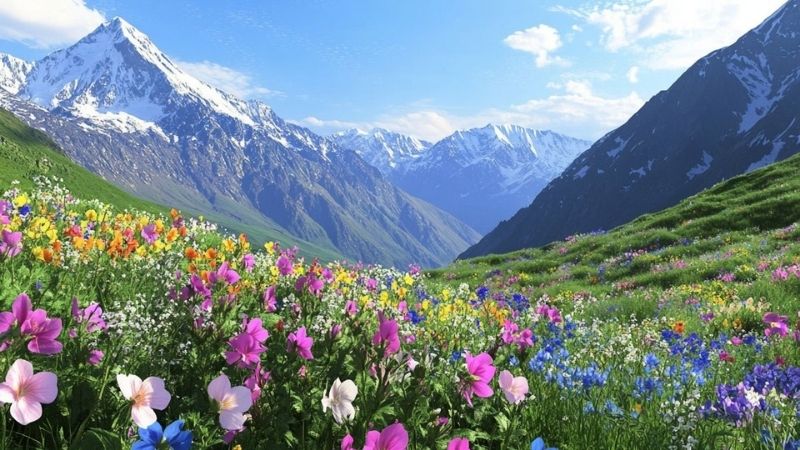
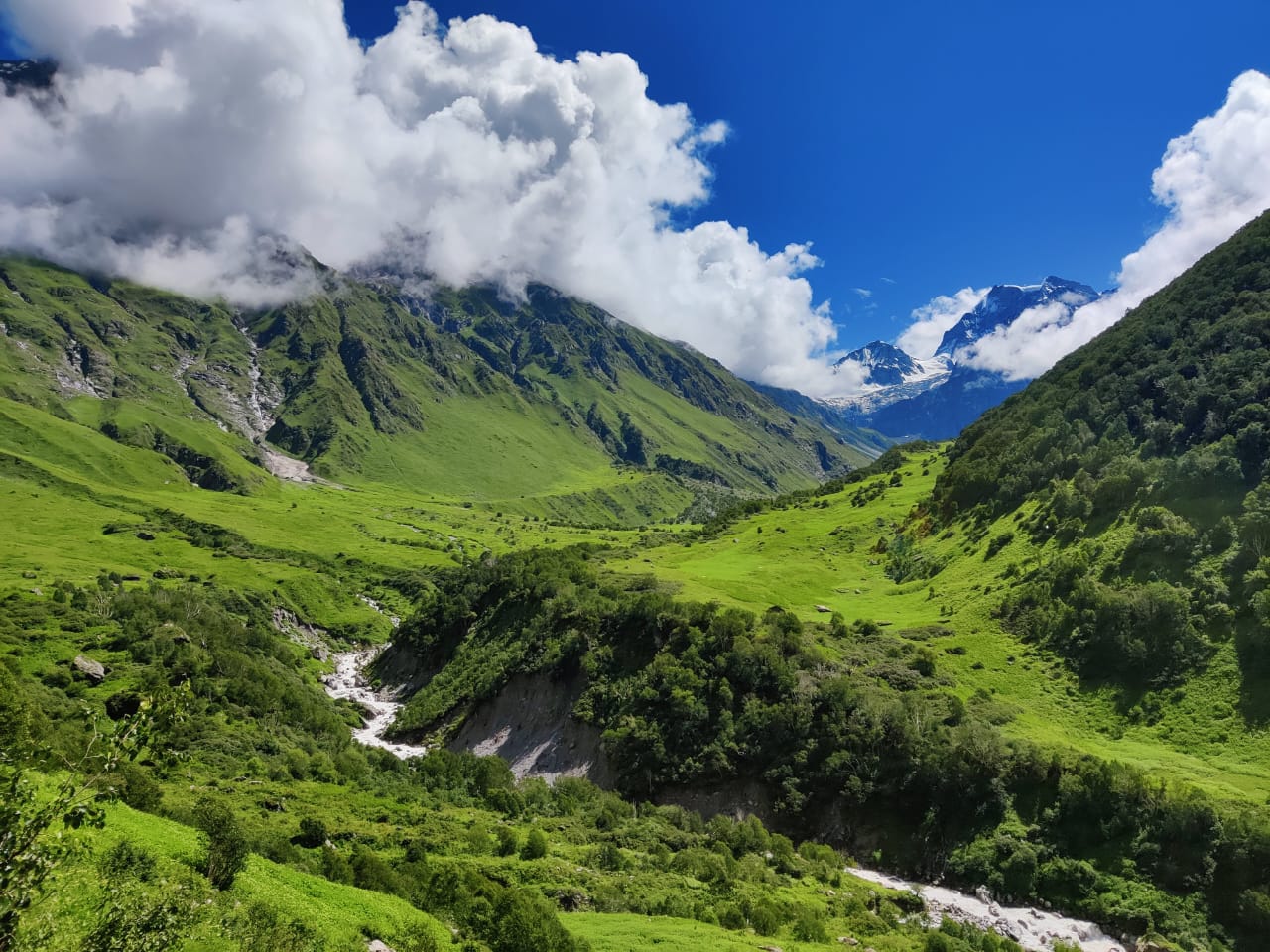
The Valley of Flowers Trek is one of Uttarakhand’s most beautiful Himalayan adventures, taking trekkers through lush mountain landscapes, cascading waterfalls, glacial streams and colourful alpine meadows. Located in Chamoli district, the Valley of Flowers National Park is a UNESCO World Heritage Site and forms part of the Nanda Devi Biosphere Reserve. During the flowering season, the valley transforms into a vibrant natural landscape filled with diverse wildflowers and surrounded by dramatic Himalayan peaks.
Unlike high-altitude summit treks, the Valley of Flowers Trek focuses on exploring a protected alpine valley. It is an excellent choice for nature lovers, photography enthusiasts and travellers seeking a rewarding Himalayan experience.
Valley of Flowers Trek Highlights
- Location: Chamoli district, Uttarakhand
- Starting point: Govindghat, followed by a transfer to Pulna
- Base camp: Ghangaria
- Duration: Approximately 5–6 days, depending on the itinerary
- Trek difficulty: Moderate
- Altitude: Approximately 3,600 metres above sea level
- Trek distance: Approximately 34–38 km for a standard itinerary, depending on the route and excursions included
- Best time: July to September
- Accommodation: Hotels, guesthouses and lodges along the route
- Package price: Varies according to group size, accommodation, meals, transport and inclusions
The Valley of Flowers Trek is ideal for travellers who want to experience Himalayan wilderness without attempting a technical climbing route. However, the long walking days, steep sections and high altitude require reasonable fitness and preparation.
2. Where Is the Valley of Flowers?
The Valley of Flowers is situated in the Garhwal Himalayas of Uttarakhand, within the Chamoli district. It lies inside the Nanda Devi National Park region and is recognised internationally for its exceptional alpine biodiversity.
The nearest major trekking access point is Govindghat, located along the Badrinath highway. From Govindghat, travellers continue towards Pulna village and trek to Ghangaria, the main base for visiting the valley.
Ghangaria is also the starting point for the Hemkund Sahib pilgrimage. Its location makes it possible to explore both destinations during the same trip, provided sufficient time and physical preparation are available.
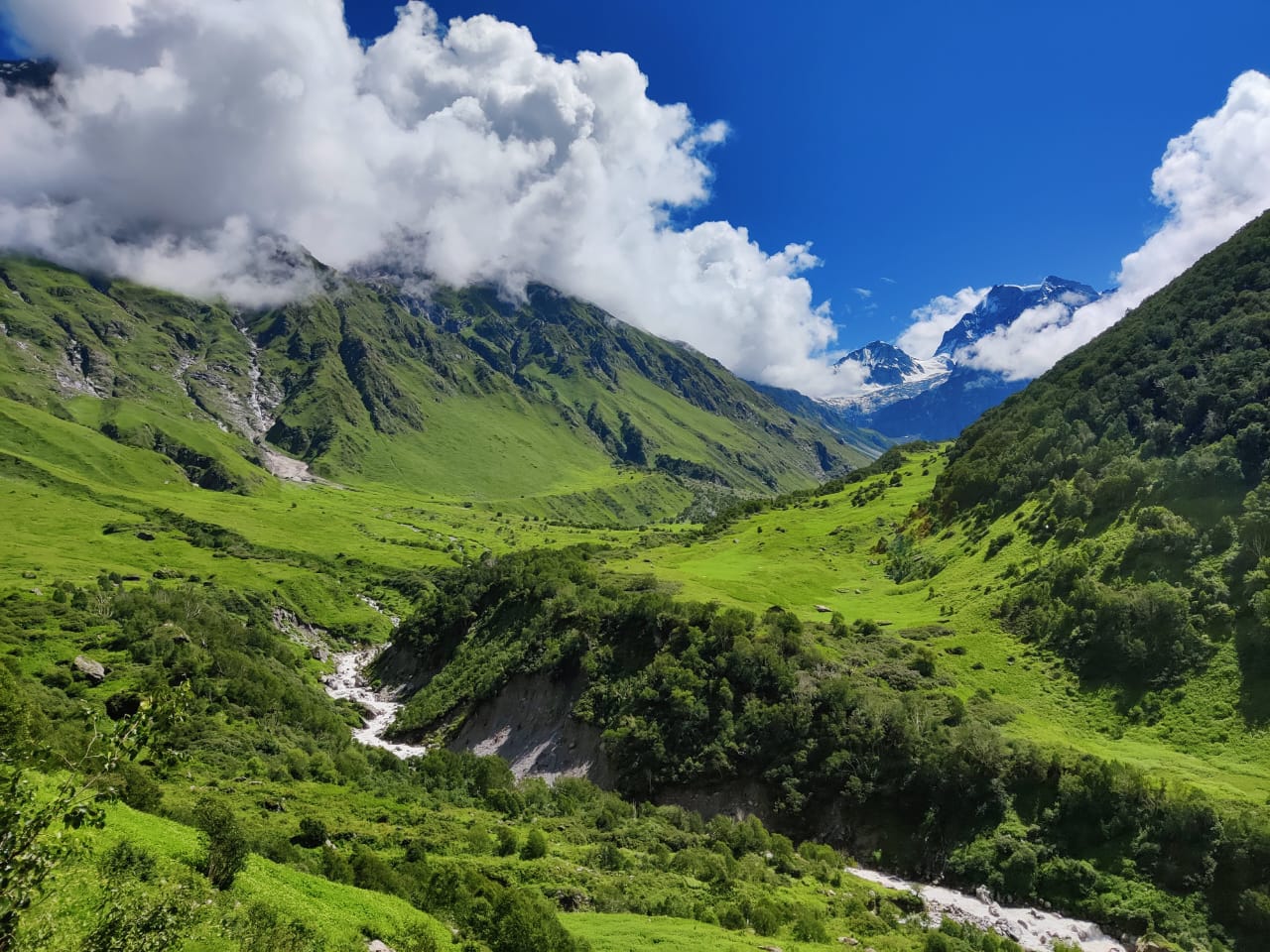
The landscape changes throughout the journey. The lower trail follows mountain rivers and forested slopes, while the higher sections reveal waterfalls, rocky paths, mist-covered mountains and open meadows. Inside the protected valley, visitors can observe seasonal wildflowers in their natural habitat.
The Valley of Flowers is a protected national park, so visitors must follow forest regulations, respect designated trails and avoid disturbing the fragile ecosystem.
3. Valley of Flowers Trek Route
The traditional Valley of Flowers Trek begins at Govindghat. Travellers generally use a local vehicle to reach Pulna before starting the main uphill walk to Ghangaria.
Route breakdown:
Govindghat to Pulna: This short road transfer takes trekkers to the usual starting point of the walking trail. Local transport availability and operating arrangements may vary.
Pulna to Ghangaria: The route follows a mountain trail alongside the Pushpawati River, passing waterfalls, bridges, forested stretches and small resting points. The uphill journey is physically demanding because of its length and sustained elevation gain. Allow approximately 5–7 hours, depending on pace, trail conditions and breaks.
Ghangaria to Valley of Flowers: From Ghangaria, trekkers follow a separate trail towards the national park entrance. The distance is approximately 4 km one way, followed by further walking inside the valley. The trail includes uphill sections, uneven ground and exposed areas that can become slippery during rainfall.
Return to Ghangaria: Visitors retrace the same route to the base village. The day's walking distance depends on how far they explore inside the valley and how much time they spend observing the landscape.
The Valley of Flowers route is not a technical climbing trail, but weather, altitude and changing ground conditions can make the experience challenging. A planned pace, suitable footwear and an early start are essential.
4. Valley of Flowers Trek Itinerary
A well-planned Valley of Flowers Trek itinerary allows enough time for road travel, acclimatisation, the main valley excursion and a safe return. The following six-day itinerary is a practical framework; the final schedule may change according to road conditions and weather.
Day 1: Rishikesh or Haridwar to Joshimath/Pipalkoti
Begin the mountain journey from Rishikesh or Haridwar and travel through the Garhwal region towards Joshimath or Pipalkoti. The drive follows winding mountain roads alongside rivers and passes through scenic Himalayan settlements.
Travel time can range from approximately 8–11 hours or longer, depending on the starting point, traffic and road conditions. Overnight accommodation helps break up the journey before trekking begins.
Day 2: Drive to Govindghat and trek to Ghangaria
After breakfast, continue towards Govindghat. Transfer to Pulna using local transport where available, then begin the trek to Ghangaria.
The trail gradually climbs through mountain scenery, with opportunities to rest at designated stops. After reaching Ghangaria, check into your accommodation, have a meal and prepare for the next day's excursion.
Day 3: Ghangaria to Valley of Flowers and back
Start early and trek towards the Valley of Flowers National Park. Complete the required entry formalities and spend the day exploring the accessible sections of the valley.
The landscape may feature colourful seasonal flowers, streams, waterfalls and views of surrounding Himalayan peaks. Flower varieties and density change throughout the season, so the experience differs between visits.
Return to Ghangaria before the park's permitted closing time. Overnight stay at the base village.
Day 4: Optional Hemkund Sahib excursion or an additional rest day
Trekkers with sufficient fitness and time can consider visiting Hemkund Sahib, a revered Sikh pilgrimage site situated at a significantly higher altitude. The route involves a steep ascent and is considerably more demanding than the Valley of Flowers excursion.
Alternatively, use this day for rest, weather-related flexibility or a more relaxed itinerary. The Hemkund Sahib excursion should only be undertaken when conditions permit and the trekker is physically prepared.
Day 5: Ghangaria to Govindghat and onward travel
Retrace the trail from Ghangaria to Pulna and continue by local vehicle to Govindghat. Depending on road conditions and onward transport arrangements, proceed to Joshimath or another planned overnight stop.
Day 6: Return towards Rishikesh or Haridwar
Continue the road journey towards the departure point. Keep sufficient buffer time for traffic, landslides, road restrictions and other mountain-travel delays.
5. Best Time to Visit the Valley of Flowers
The best time to visit the Valley of Flowers is generally July to September, when the valley experiences its main flowering season. The park's operational dates are determined by the authorities and should be checked before booking.
July: The valley begins displaying seasonal blooms, and the landscape becomes increasingly green. Monsoon showers are frequent, making waterproof clothing and careful walking essential.
August: This is generally the most rewarding month for visitors hoping to see a wide variety of flowers. Peak bloom varies with rainfall, temperature and seasonal conditions. Expect wet trails, mist and occasional visibility changes.
September: Flowering gradually declines, but the landscape can remain beautiful. Some days offer clearer mountain views, although rainfall and trail conditions remain unpredictable.
October to May: The national park is generally closed to visitors during the winter and early-season months because of snow and unsuitable conditions.
For the best combination of flowering and scenery, plan for the main summer-monsoon season and confirm the latest opening dates before departure. The exact flowering period cannot be guaranteed.
6. How to Reach the Valley of Flowers from Delhi, Dehradun and Rishikesh
Reaching the Valley of Flowers involves a road journey through Uttarakhand followed by trekking.
From Delhi: Travel by train or road to Haridwar or Rishikesh, or take a flight to Dehradun. Continue by road towards Joshimath and Govindghat. An overnight stop is recommended if the journey becomes too long.
From Dehradun: Jolly Grant Airport and Dehradun railway station provide access to the region. From Dehradun, travel towards Rishikesh and continue along the mountain highway to Govindghat. Allow a full day for road travel.
From Rishikesh: Buses, shared vehicles and private taxis may be available for travel towards Joshimath and Govindghat. Availability and travel duration depend on the season and road conditions.
By train: Haridwar and Rishikesh are useful railway access points for travellers heading towards the Garhwal Himalayas.
By air: Dehradun's Jolly Grant Airport is the nearest major airport commonly used for this journey.
After reaching Govindghat, arrange the local transfer to Pulna and continue on foot to Ghangaria. Transport services, road accessibility and journey times should be confirmed shortly before departure.
7. Valley of Flowers Trek Cost and Package Inclusions
The Valley of Flowers Trek cost depends on the duration, group size, travel arrangements, accommodation category, meal plan and whether Hemkund Sahib is included.
Instead of choosing a package based only on its advertised price, compare what is actually covered. A well-planned package should explain the services included, exclusions and any additional expenses before booking.
A Valley of Flowers Trek package may include:
- Accommodation at the designated overnight stops.
- Meals as specified in the package itinerary.
- Trek coordination and support from the organising team.
- Local transfers explicitly mentioned in the itinerary.
- Guide services where included.
- Assistance with itinerary planning and route information.
Expenses that may be excluded:
- Travel to and from the designated pickup point.
- Personal snacks, beverages and additional meals.
- Forest entry charges, permits or other applicable fees unless specifically included.
- Pony, porter or helicopter services.
- Personal equipment, travel insurance and emergency evacuation expenses.
- Additional accommodation caused by delays or itinerary changes.
There is no single fixed price for every traveller. Contact Thin Air Expedition for a package quotation based on your preferred dates, group size, accommodation requirements and inclusions. Request a written cost breakdown before confirming your booking.
8. Difficulty, Fitness and What to Pack
The Valley of Flowers Trek is generally considered moderate. Although technical mountaineering skills are not required, several hours of uphill and downhill walking can be tiring.
Fitness preparation: Begin preparing at least four to six weeks before the trek. Regular walking, stair climbing and moderate cardio exercise can improve endurance. Practise walking on uneven surfaces and gradually increase your distance.
Altitude awareness: The valley lies at approximately 3,600 metres, where some people may experience altitude-related symptoms. Walk at a steady pace, stay hydrated and take adequate rest. Headaches accompanied by nausea, unusual fatigue or dizziness should never be ignored. Severe or worsening symptoms require immediate medical assistance and descent.
Essential packing list:
- Waterproof trekking shoes with good grip.
- Rain jacket and waterproof trousers or rain protection.
- Warm layers, including a fleece and insulated jacket.
- Quick-drying trekking clothes and spare socks.
- Backpack with a rain cover.
- Water bottle and personal snacks.
- Sun protection, sunglasses and a hat.
- Personal medicines and a basic first-aid kit.
- Identification documents and any required permits.
- Headlamp, power bank and waterproof bags for electronics.
The monsoon season can bring slippery paths, sudden rainfall and reduced visibility. Avoid stepping off designated trails, crossing swollen streams or continuing during unsafe weather. Families should assess children's stamina and the long walking distances before deciding to participate.
9. Why Book the Valley of Flowers Trek with Thin Air Expedition?
The right trekking partner can make a significant difference to your Himalayan experience. Thin Air Expedition focuses on creating meaningful mountain journeys with attention to planning, responsible travel and respect for the natural environment.
When choosing a Valley of Flowers Trek package, travellers should look for transparent itineraries, realistic walking schedules, clearly stated inclusions and appropriate safety arrangements.
Thin Air Expedition can help travellers understand the route, prepare for the trek and plan their journey according to their travel dates and fitness levels. Before booking, ask about the assigned trek leader, relevant experience, emergency procedures, weather-related decisions and the support available throughout the trip.
Responsible trekking also means protecting the destination. Visitors should carry their waste back, avoid picking flowers, respect wildlife and follow national park regulations. The Valley of Flowers is a fragile ecosystem, and preserving its beauty is a shared responsibility.
Review the final itinerary and package terms carefully before making a payment. Details about guide qualifications, group size, safety procedures and customer feedback should be verified for the specific departure being booked.
With thoughtful preparation and responsible guidance, your Valley of Flowers Trek can become a memorable opportunity to experience the natural beauty of Uttarakhand.
10. Frequently Asked Questions About the Valley of Flowers Trek
Q1. Where is the Valley of Flowers located?
The Valley of Flowers is in Chamoli district, Uttarakhand, within the Nanda Devi Biosphere Reserve.
Q2. What is the best time to visit the Valley of Flowers?
July to September is generally the best period, with August often offering excellent flowering conditions.
Q3. How many days are required for the Valley of Flowers Trek?
A five- to six-day itinerary is a practical option, including road travel, trekking and the return journey.
Q4. Is the Valley of Flowers Trek suitable for beginners?
Yes, beginners with reasonable fitness can attempt it. The long uphill walk to Ghangaria, altitude and monsoon conditions require preparation.
Q5. What is the total distance of the Valley of Flowers Trek?
The total walking distance varies with the itinerary and excursions. A standard trip commonly covers approximately 34–38 km, while the Valley of Flowers section itself begins with a roughly 4 km walk from Ghangaria to the entrance.
Q6. Can I visit Valley of Flowers and Hemkund Sahib together?
Yes. Both destinations are accessed from Ghangaria. Hemkund Sahib involves a steeper climb to a higher altitude, so allow an additional day and assess your fitness.
Q7. Is camping allowed inside the Valley of Flowers?
No. Overnight camping inside the protected valley is not permitted. Visitors stay in accommodation outside the national park, generally in Ghangaria.
Q8. Is a guide necessary for the Valley of Flowers Trek?
Requirements and arrangements should be confirmed with the park authorities and your trekking operator. A knowledgeable guide can help with route planning, timing and responsible trekking practices.
Q9. What should I carry for the Valley of Flowers Trek?
Carry waterproof trekking shoes, rain protection, warm layers, water, snacks, personal medication, identification and other essentials suited to monsoon mountain conditions.
Q10. How can I book the Valley of Flowers Trek with Thin Air Expedition?
Contact Thin Air Expedition with your preferred travel dates, group size and package requirements. Confirm the itinerary, price, inclusions, exclusions and safety arrangements before booking.
Plan Your Valley of Flowers Trek
The Valley of Flowers Trek offers a remarkable combination of Himalayan scenery, seasonal wildflowers and rewarding mountain walking. From the river trails leading to Ghangaria to the colourful meadows of the protected valley, every stage brings a different perspective on Uttarakhand's natural beauty.
Choose your travel dates carefully, prepare for changing monsoon conditions and allow enough time to enjoy the journey without rushing. For a planned trekking experience, contact Thin Air Expedition to discuss your Valley of Flowers Trek itinerary and package options.
Thin Air Expedition — Trek Your Way To Freedom.