Kedarkantha Trek What the Silence After Sankri Teaches You
Kedarkantha Trek What the Silence After Sankri Teaches You
11
Jul

By a ThinAirExpedition trek writer, built from field data supplied by our Sankri-based trek leaders.
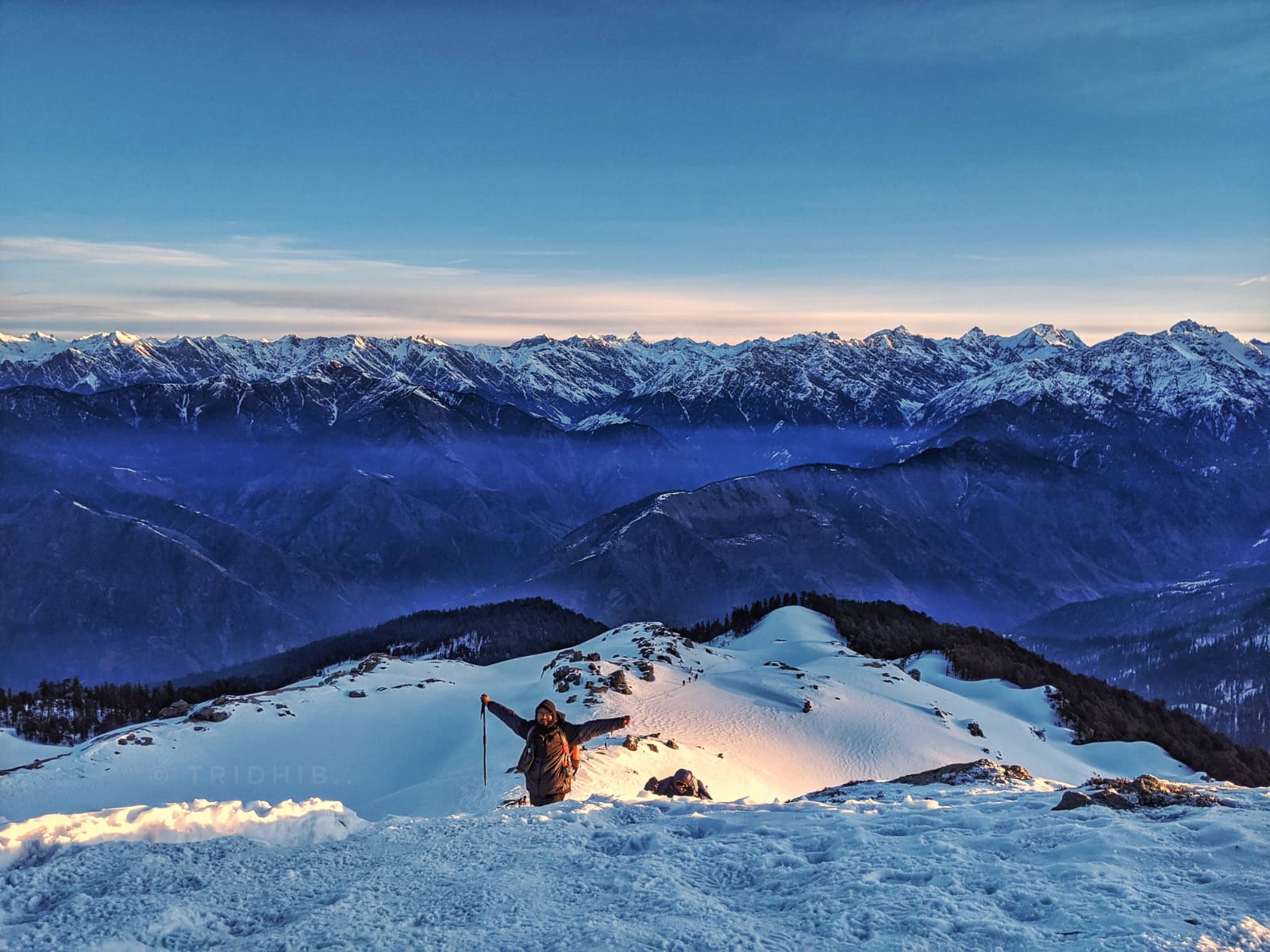
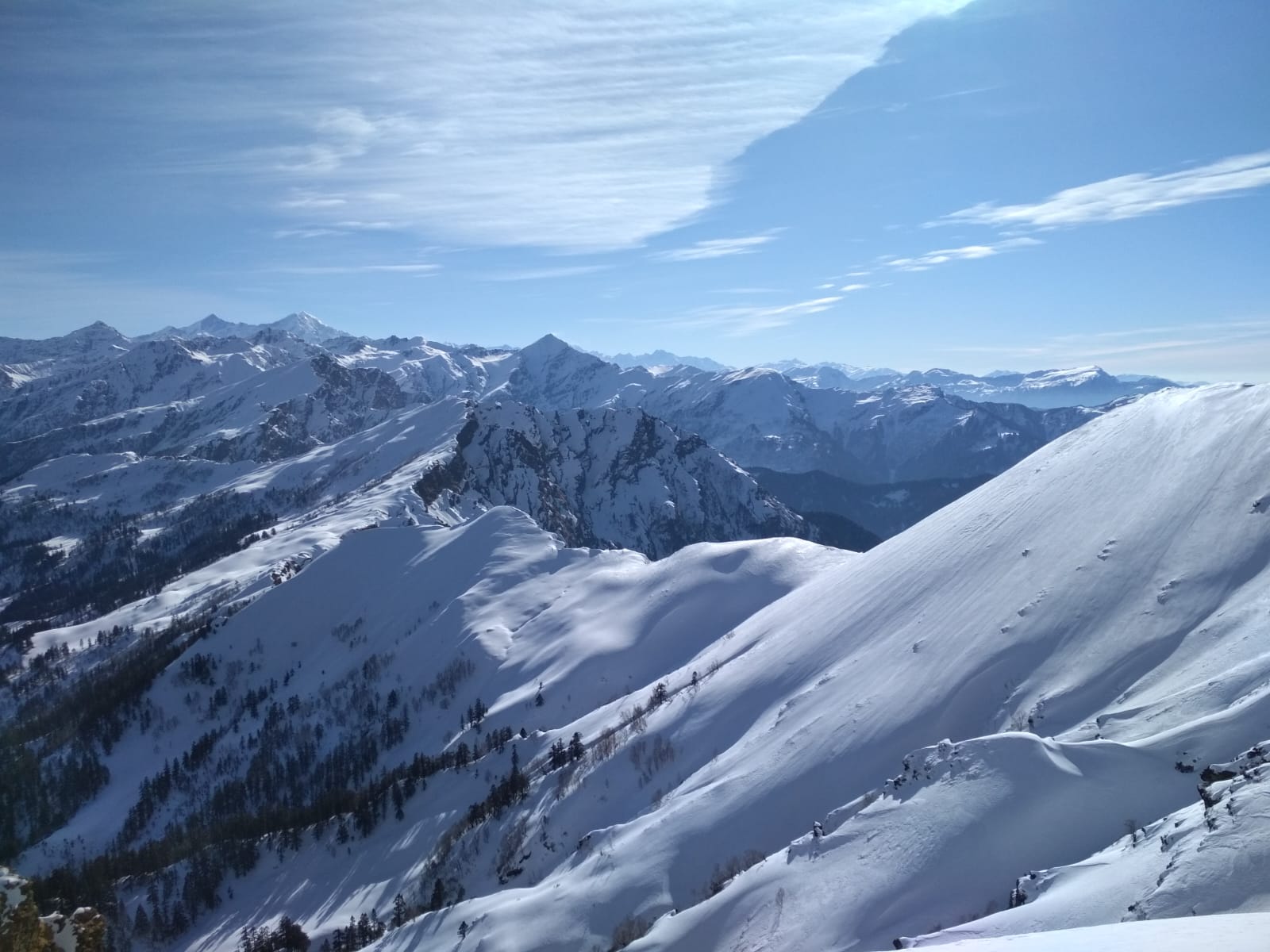
There's a specific moment on this trek when your phone stops mattering. Not because you decide to put it away — because the signal simply ends, somewhere past Sankri, and doesn't come back until you return. Most people spend the first few hours reaching for it out of habit anyway. By the second day, the habit is gone, and what's left is just snow, breath, and the sound of your own footsteps on a trail that thirteen Himalayan peaks are quietly watching.
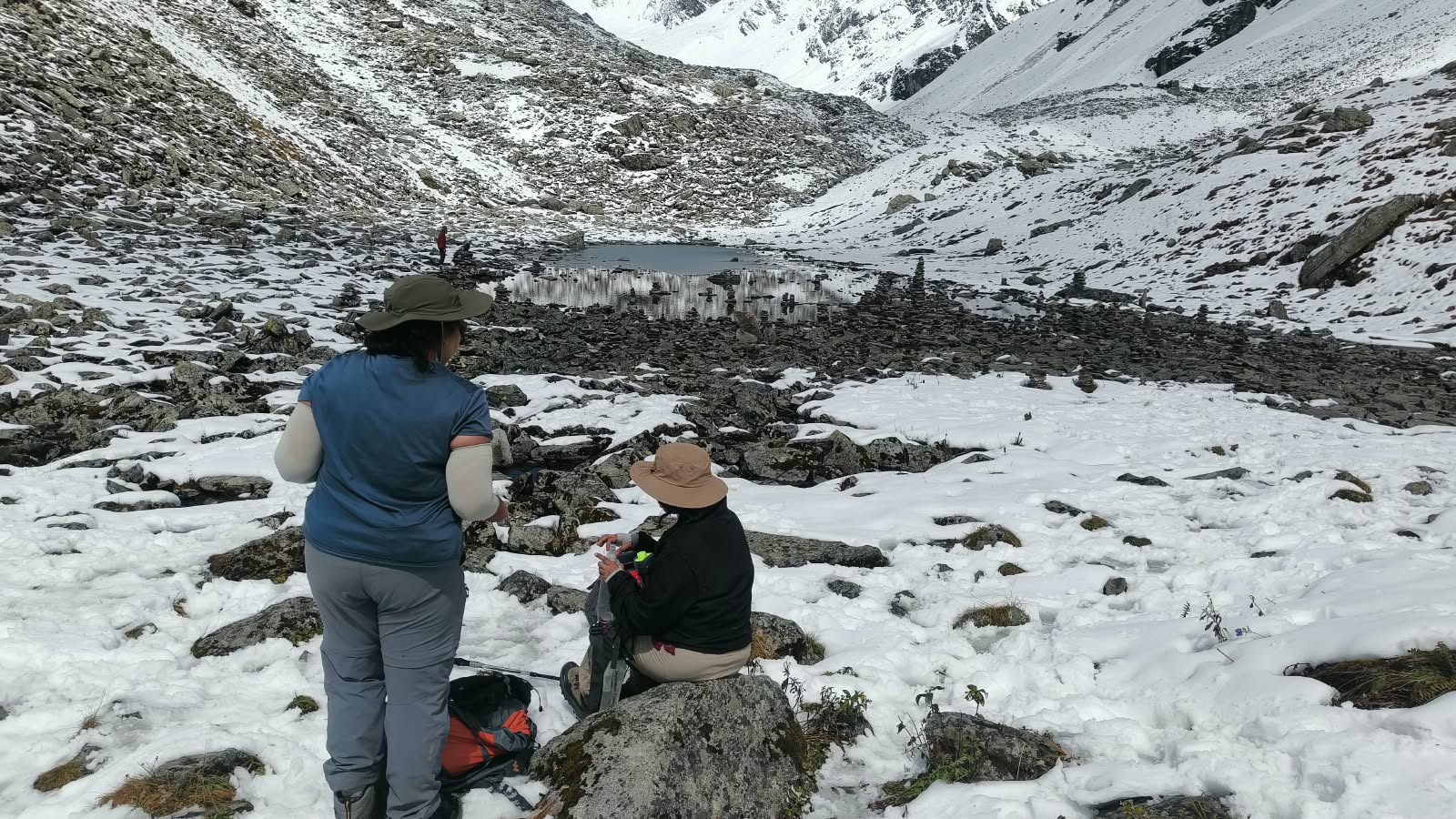
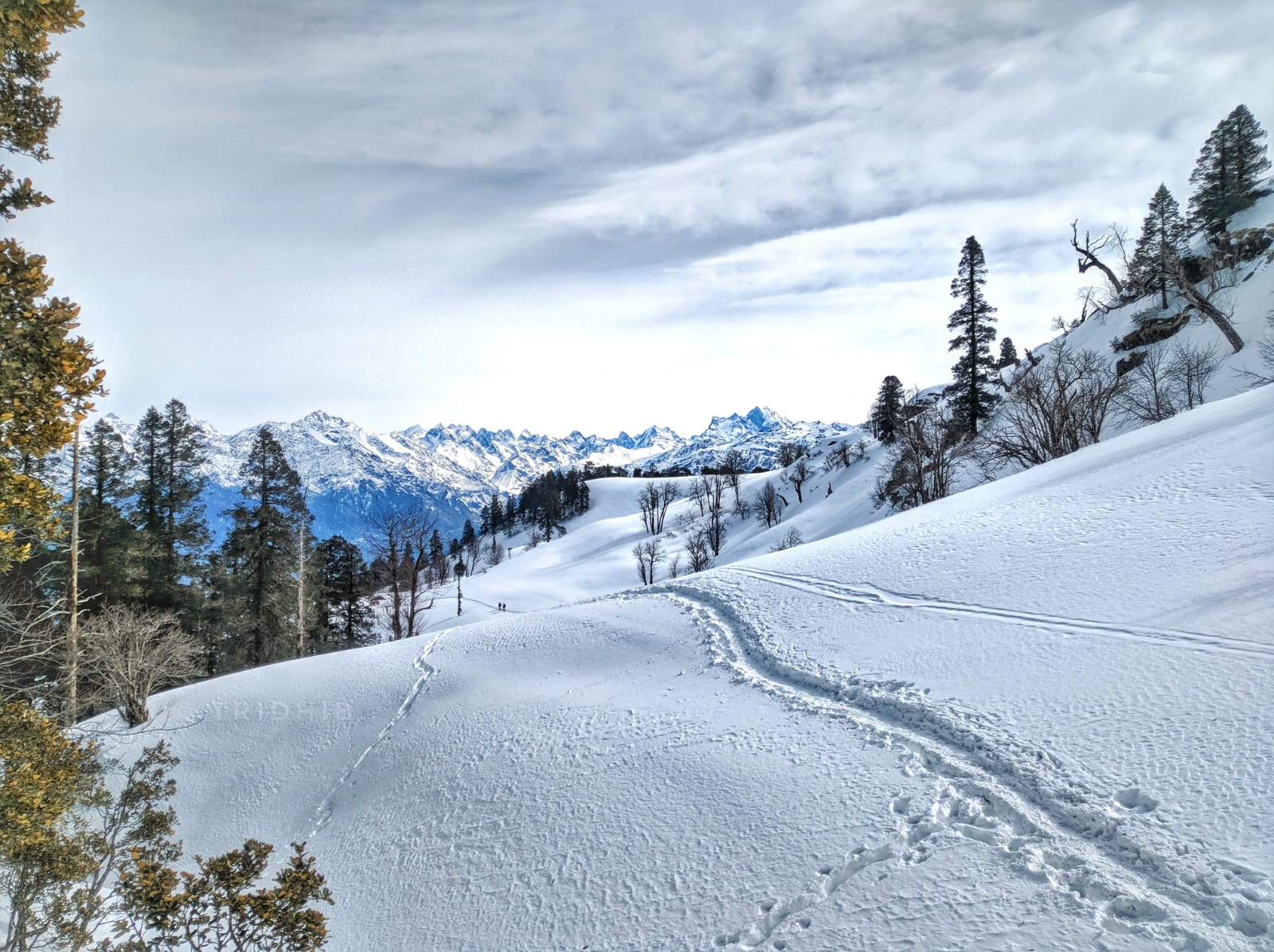
I went alone, in winter, which is the version of this trek that gives you the least room to hide. Kedarkantha trek in December–February is genuinely called the “Queen of Winter Treks” — not a marketing phrase, an accurate description of what deep snow does to a trail that's otherwise easy. Every step costs more than it would in summer. The summit push starts at 3 AM in the dark, in temperatures that can drop below −10°C, and you climb roughly 2,000 feet in the last stretch before the sky does you the favor of turning pink. Stoicism has a clean way of putting this: you don't get to control the cold, the dark, or how heavy the snow is this particular year. You control your pace, and whether you let the discomfort of hour two decide how you feel in hour five.
That's the actual difficulty rating here, and it's worth being precise about it rather than romantic: Kedarkantha is rated Easy–Moderate, genuinely approachable for a first Himalayan trek. But “easy–moderate” and “easy” are not the same claim, and the gap between them is exactly where a solo winter trekker finds out what they're made of.
A summer trek forgives you. The trail is dry, the nights are mild, and a bad hour rarely compounds into a bad day. Winter Kedarkantha doesn't offer that cushion — deep snow (sometimes knee to waist height in a heavy year) slows every step, and walking on fresh snow costs meaningfully more energy than walking on a packed trail. Doing that alone, rather than swept along by group momentum, means the pacing decisions are entirely yours, hour by hour, with no one else's rhythm to borrow.
This isn't a case against solo trekking — it's the argument for it. Group size on this trek is capped at 6–12 with a certified trek leader, so “solo” never means unsupported; it means you're the only person responsible for your own morale, which is a different kind of company than you're used to keeping.
|
Duration |
5 days (Dehradun to Dehradun) |
|
Trek distance |
~20 km walked over the trek days |
|
Base camp |
Sankri, Uttarkashi district, Uttarakhand |
|
Max altitude |
12,500 ft (~3,800 m) |
|
Difficulty |
Easy–Moderate (Level 2) |
|
Group size |
6–12 |
|
Signature season |
December–February (winter/snow); trek also runs March–November with different character |
|
Pickup point |
Prince Chowk, Dehradun, 7:30 AM |
|
Trek fee |
₹7,000 + 5% GST (single-sharing: +₹5,000/person; optional ₹250 insurance, ₹400/day backpack offloading) |
|
Network connectivity |
Patchy in Sankri, none beyond it |
Pickup is from Prince Chowk, Dehradun, at 7:30 AM — arriving early matters more than it sounds, since the drive passes through Mussoorie, Nowgaon, Purola, and Mori before reaching Sankri, roughly 185 km and 9–10 hours in total. At Mori, the road runs alongside the Tons River, a stretch well known locally for river rafting if you ever have a spare day on either end of the trip. Past Mori, dense pine forest closes in around the road, and the smell of it is usually the first sign you've actually left the plains behind.
Sankri is also the shared base camp for Har Ki Dun trek and Phulara Ridge trek — worth knowing if your dates are flexible, since local infrastructure and guesthouses overlap across all three.
Kedarkantha runs through the Govind Wildlife Sanctuary, so forest permits are mandatory. Trek leaders handle the application at the Sankri forest department on your behalf, but you need to arrive with the raw materials: a valid government photo ID (Aadhaar, driving license, or passport — carry the physical copy, not just a photo of it), and a medical fitness certificate from a registered doctor, ideally submitted as a soft copy to your trek agency before the trek begins.
Fitness prep: start conditioning at least 2 weeks out, with a focus on leg strength, stamina, and cardio. This matters more in winter than the “easy–moderate” label suggests — summit day alone involves 5 hours of steady climbing and 2–3 hours of fast descent, and a genuinely important fact here: high physical fitness does not eliminate your risk of altitude sickness, since AMS results from your body's response to lower atmospheric pressure, not from how fit you are. Fitness helps you handle the climb; it doesn't immunize you against altitude.
“Easy–moderate” is doing a lot of work in that phrase, so here's what it actually breaks down to:
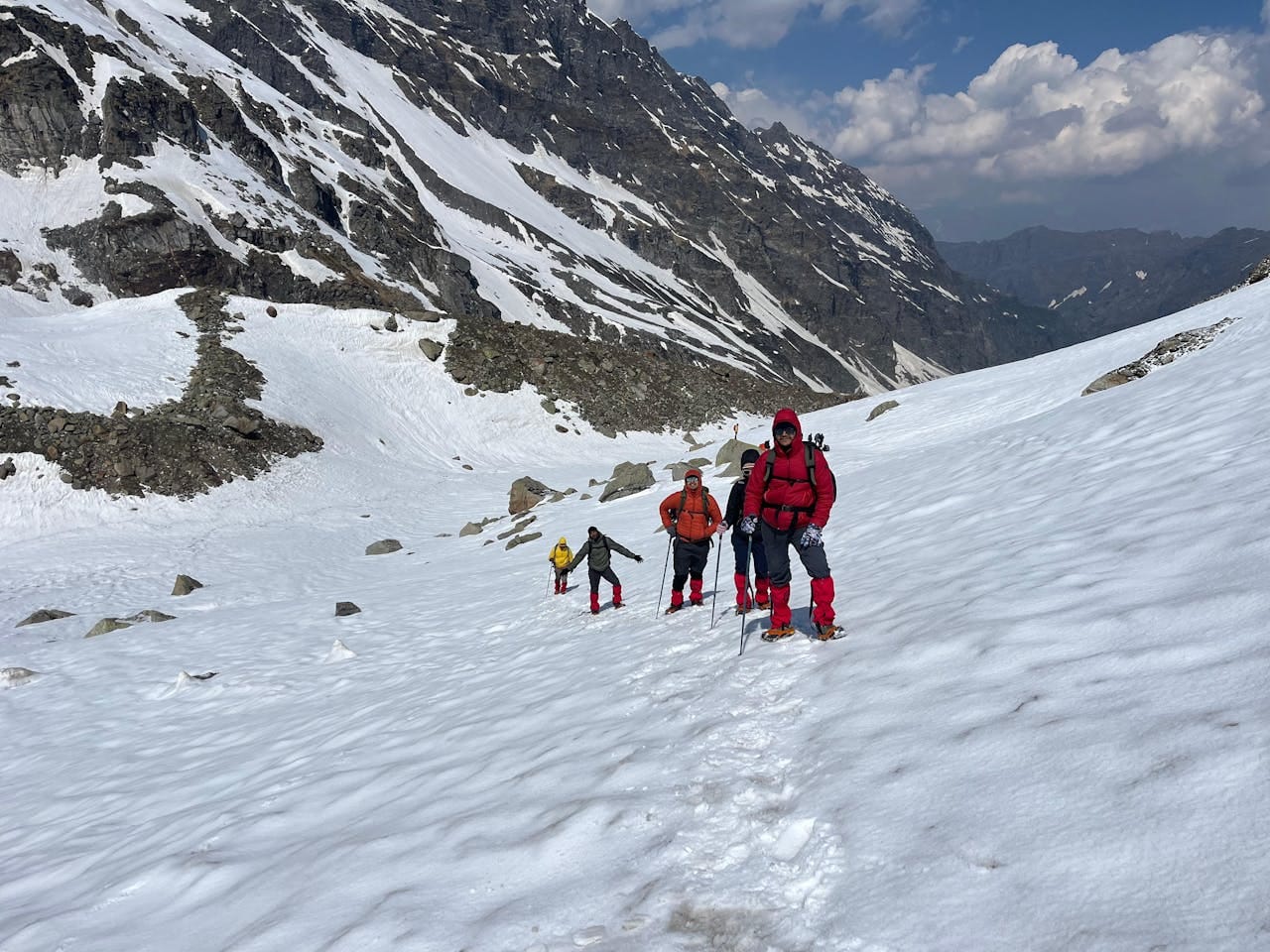
• Summit day is the real test: an early start (typically 3 AM), a climb of nearly 2,000 feet, and sections with a 40–60° incline on snow — 6–7 hours round trip.
• Winter nights at higher camps can drop to around −10°C or lower; deep snow can reach knee or waist height in a heavy year, and fresh snow is significantly more tiring to walk through than a packed trail.
• Microspikes or crampons become genuinely necessary, not optional, on the final summit approach when the trail turns icy.
• Descending strains the knees more than the climb strains the lungs — the way down is where fatigue-related missteps are most common.
Season-wise, the trek's real difficulty shifts a lot: winter (Dec–Feb) sits around 6 out of 10 due to snow depth and cold; spring is noticeably easier with melting snow and mild days; summer is the gentlest window; monsoon (July–August) isn't recommended at all due to slippery, unstable trail conditions.
Pickup at Prince Chowk, 7:30 AM. The drive runs through Mussoorie, Nowgaon, Purola, and Mori, tracing the Tons River for a stretch before climbing into pine forest. Rest at the Sankri guesthouse on arrival; all meals included from here.
A stop at the Sankri forest department for permits comes first. The trail passes the small village of Saud, where daily life is visibly unhurried — women starting chores, kids walking to school — before the climb steepens through pine forest to a ridge, then eases into Juda Ka Talab, a high-altitude lake whose name translates roughly to “twin pond,” after the local legend of two joined water bodies. Camp here for the night, dinner under a genuinely dark sky.
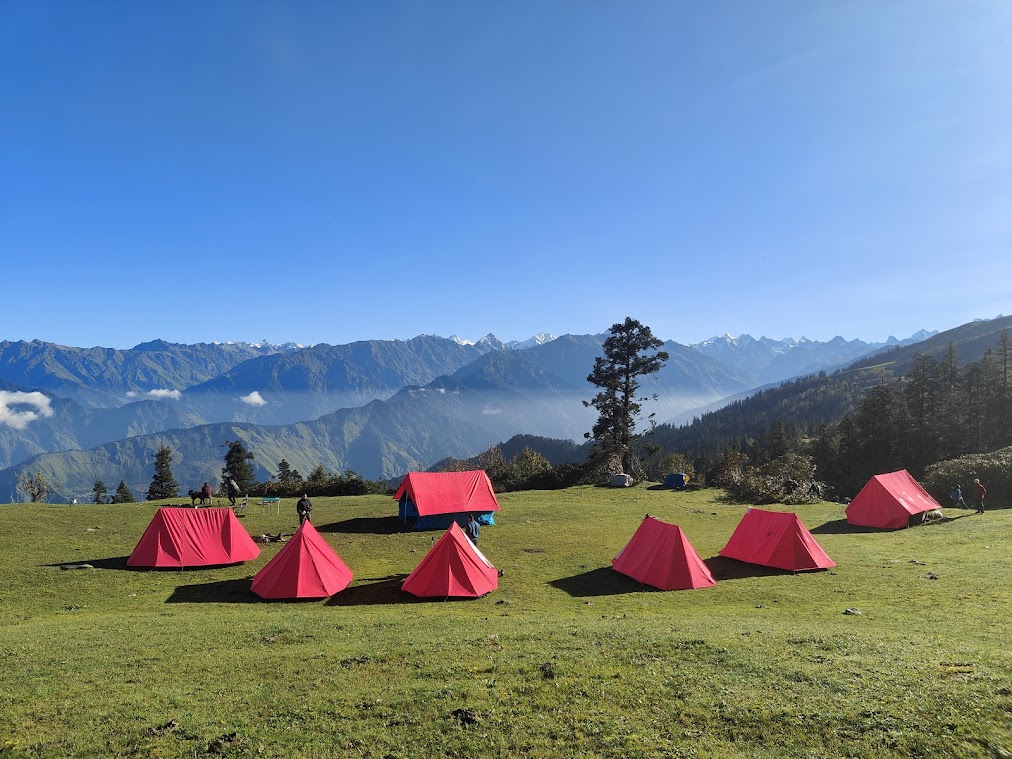
A shorter day, deliberately — this is acclimatization terrain. Dense pine forest opens into a meadow with visible shepherd huts, then a further 1,000 ft climb to base camp. The cold becomes noticeably sharper here as tree cover thins; base camp itself sits with a genuinely panoramic view of the surrounding peaks, which is as much of a reward as the actual summit for some trekkers.
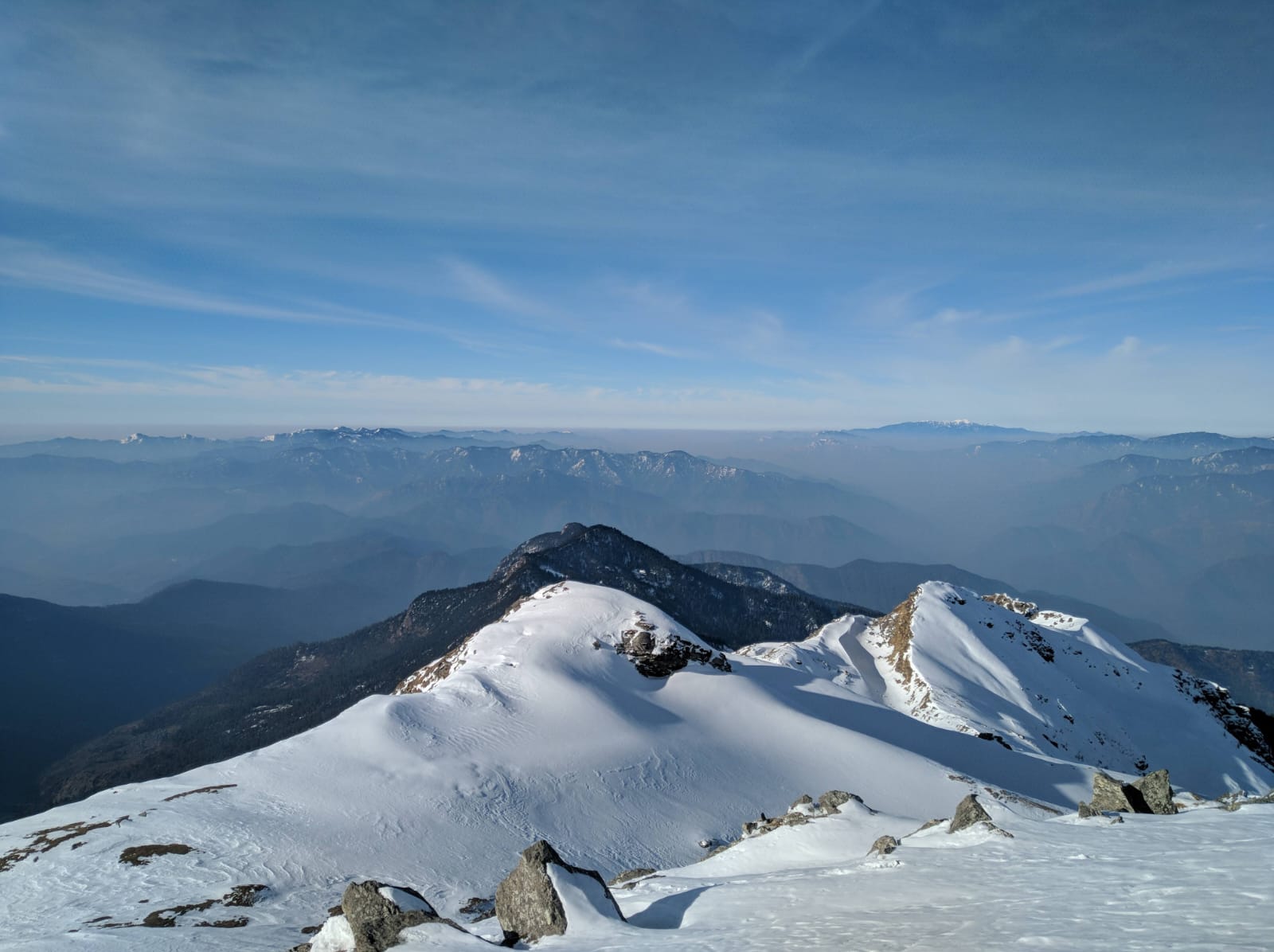
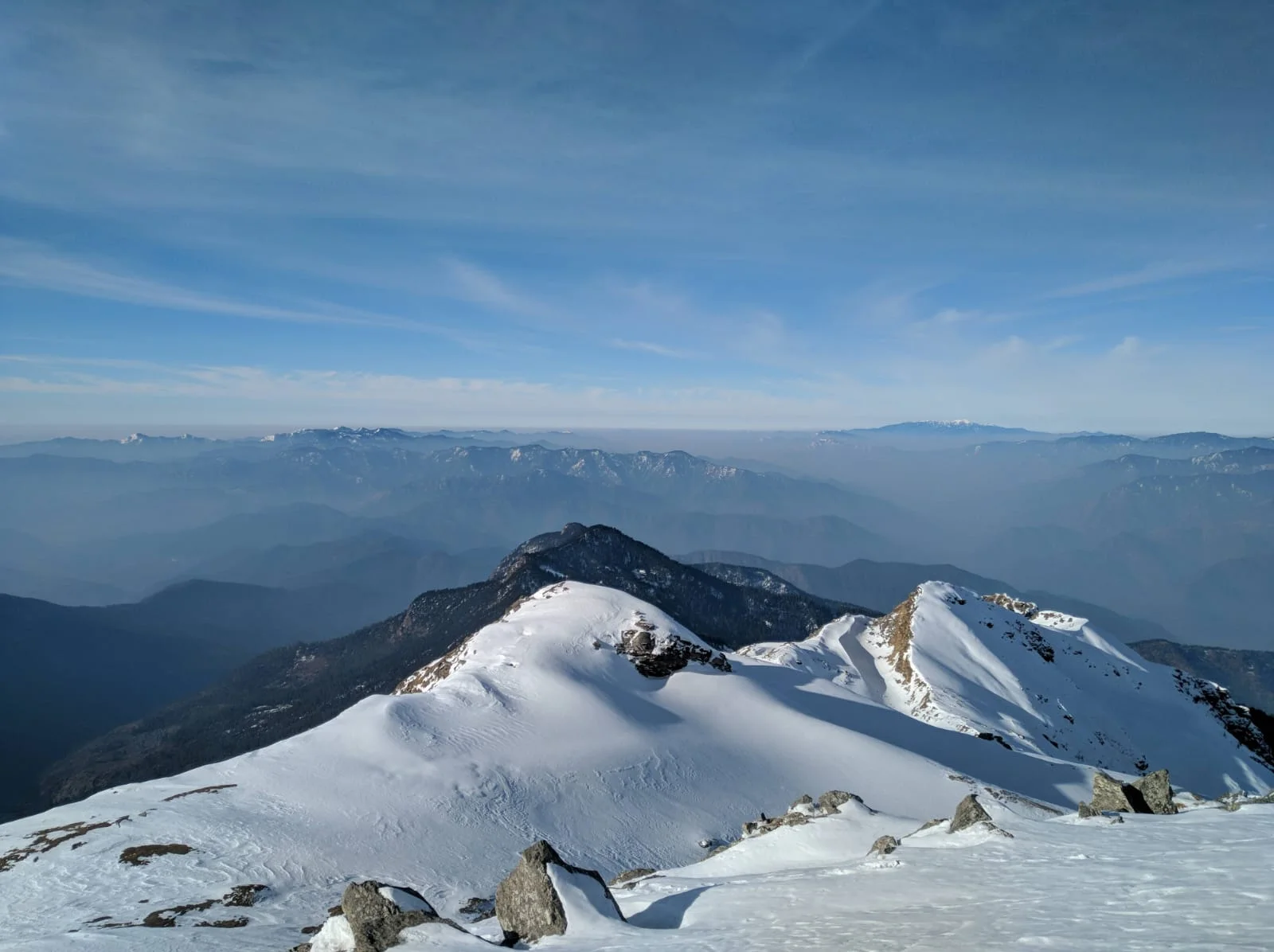
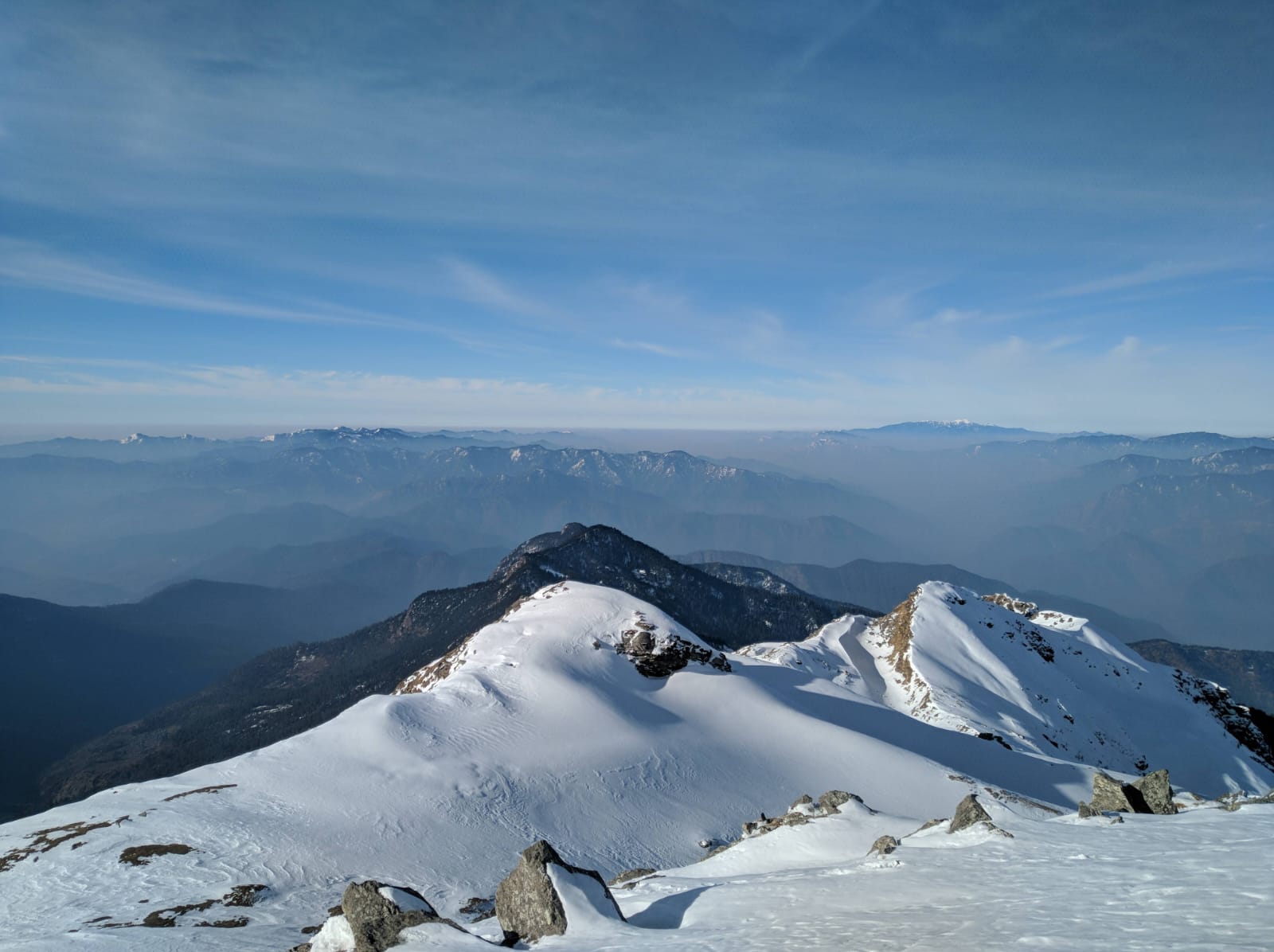
The 3 AM start is real, not a marketing flourish — timing the summit for sunrise is the entire point. The final approach is short in distance but steep, often icy, and this is where microspikes matter. At the top, the 360-degree view takes in Swargarohini, Bandarpoonch, Black Peak, the Chainsheel Pass, and on a clear day, the Kailash range and even a glimpse of the Har Ki Dun valley below. A stone Trishul is arranged near the summit; local legend holds that Adi Shankaracharya originally intended to establish the Kedarnath temple here before relocating it — and a separate telling says Lord Shiva himself moved on after villagers disturbed his meditation. After time at the top, the descent runs all the way back past base camp to Juda Ka Talab for a final night under the stars — far and away the longest day of the trek.
A shorter, quieter descent back to Sankri, then the long drive back to Dehradun. Build in buffer if you have same-day onward travel.
Trek fee: ₹8,000 + 5% GST.
Single-sharing accommodation: +₹5,000 per person for the full trek. Optional add-ons: ₹250 trek insurance, ₹400/bag/day backpack offloading (up to 12 kg).
Included:
• Shared transport from Prince Chowk to base camp and back (non-AC vehicles, for mountain-road safety)
• 1 night base-camp guesthouse/homestay stay, plus twin-sharing sub-zero-rated tents on trek nights
• Sleeping bags, foam mattresses, and safety gear — microspikes, gaiters, helmets, and ice axes where required
• Extensive medical kit, high-altitude first-aid trained crew, and oxygen cylinders checked before every trek
• Forest permits and camping fees (Indian nationals; additional charges apply for foreign nationals)
• Nutritious vegetarian meals with eggs — breakfast, packed lunch on trek days, evening snacks, dinner; Jain and vegan on request; dedicated kitchen and dining tent
• Certified trek leader (AMC/BMC/NIM-trained), local guides, cook, helpers, porters and mules for common equipment
• Free cloakroom facility at base camp for extra luggage
Not included:
• Travel from your hometown to the Dehradun pickup point
• Personal gear rental, personal expenses (tips, medicines, phone calls)
• Trek insurance (mandatory, arranged separately) and backpack offloading if used
• Buffer day costs, paid directly to the trek leader if a buffer day is used
Winter (December–February) — the signature season: peaks fully snow-covered, tents glowing under a genuinely dark, star-dense sky. This is also when the trek is busiest, so book ahead. Season difficulty: ~6/10.
Spring (end of March–early May): daytime 10–15°C, nights 0°C to −5°C. Rhododendrons bloom against clearing snow — widely considered the most pleasant season to actually look at.
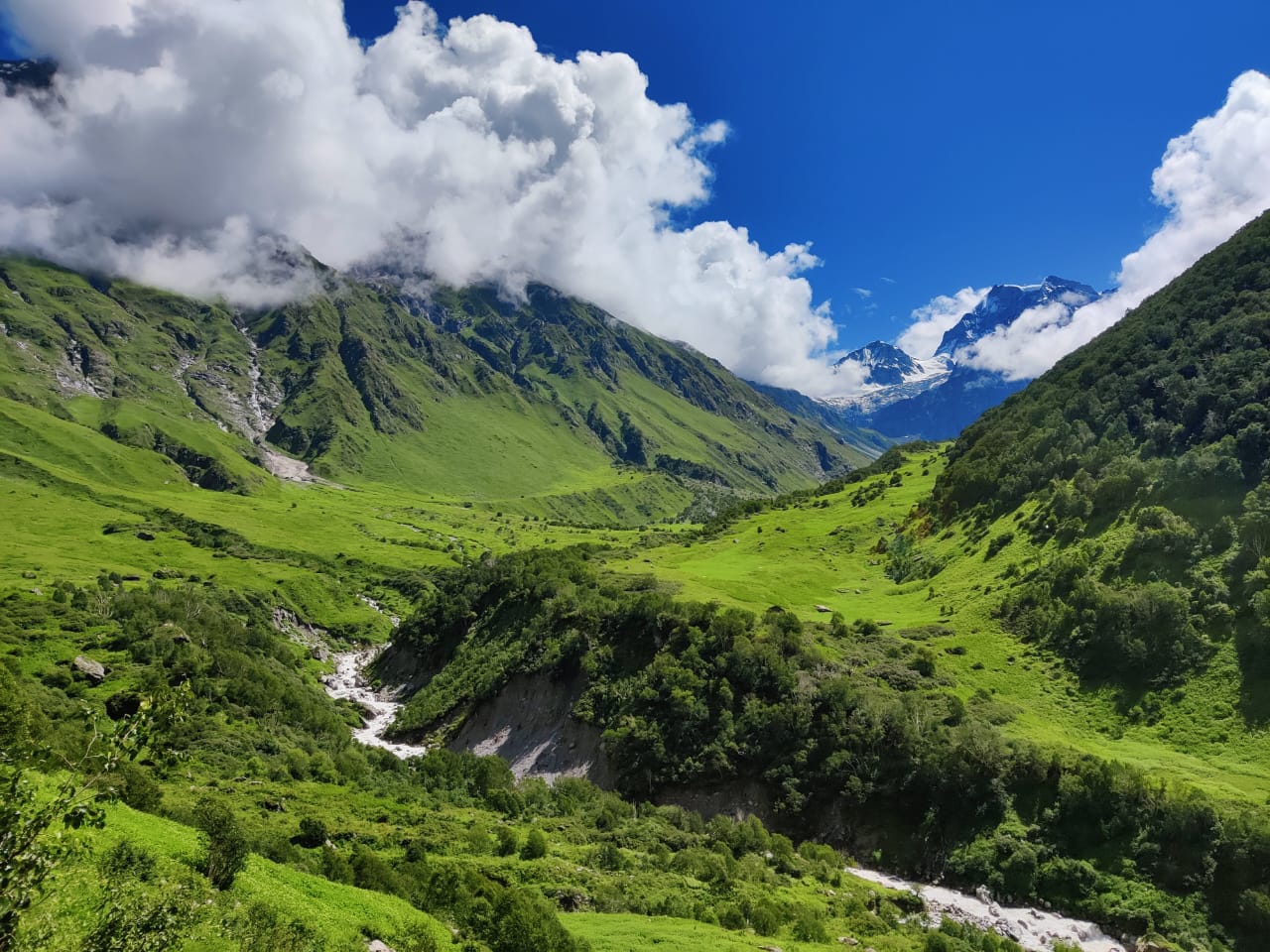
Summer (May–June): the gentlest conditions of the year, clear views, less crowded than winter, some rain by June bringing lush green cover.
Autumn (September–November): dry, crisp air in September shifting to cold breezes by November; no snow on the trail, clear skies, the best window for photography.
Monsoon (July–August) is not recommended — slippery, unstable trail conditions.
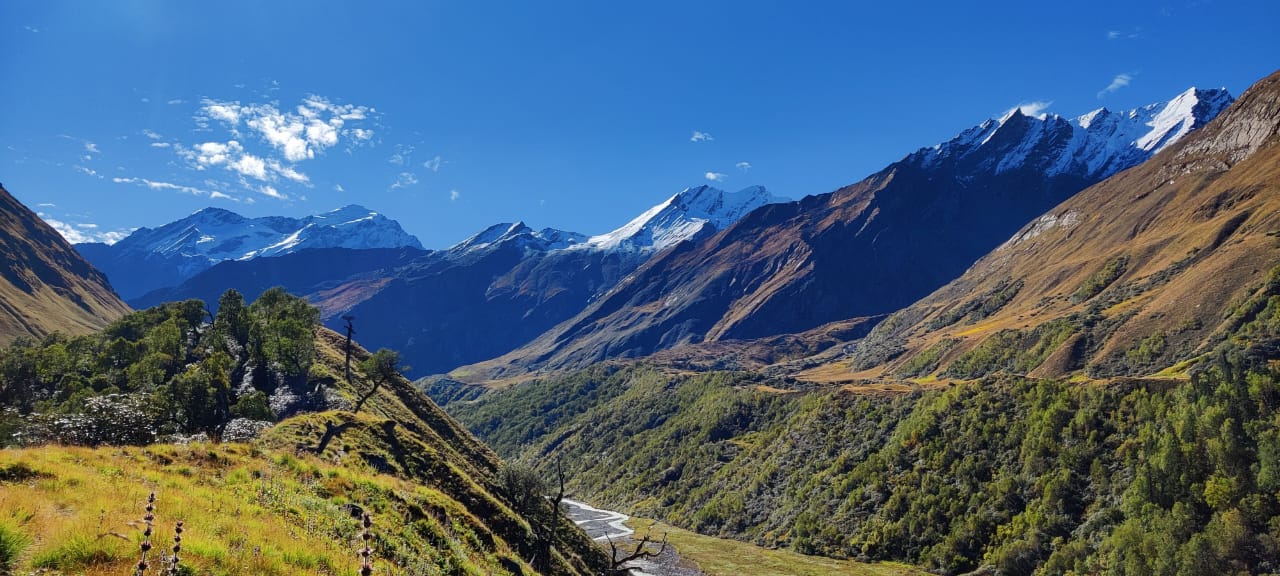
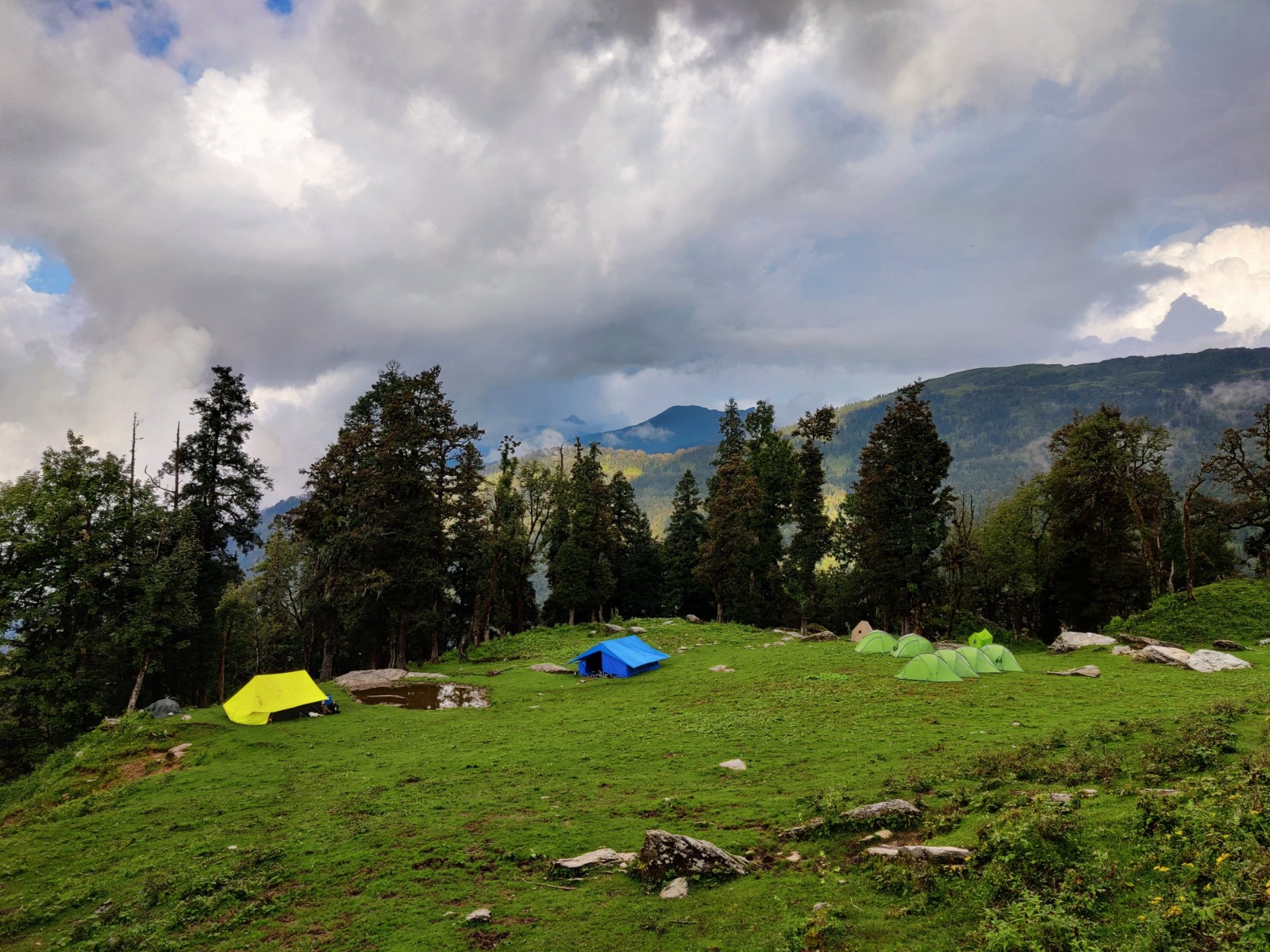
The trail runs through the Govind Wildlife Sanctuary, a genuine biodiversity hotspot — dense deodar, pine, and oak forest lower down, giving way to alpine meadow near the treeline. Wildlife sightings are opportunistic: Himalayan monal, musk deer, and occasionally leopard or Himalayan black bear have all been recorded along this route, though none are guaranteed on any given trek.
Clothing: trekking pants, full-sleeve tees, insulating jacket, waterproof windcheater, thermal innerwear, fleece or down jacket, trekking + woollen socks, woollen and waterproof gloves, woollen cap, sun cap, buff or neck gaiter.
Footwear: high-ankle waterproof trekking boots, plus sandals or slippers for camp.
Personal essentials: sunscreen, SPF lip balm, sunglasses, toilet paper, wet wipes, hand sanitizer — toilets on trek are dry-toilet tents, so carry your own supplies.
Trekking gear: backpack + daypack, rain covers, headlamp with spare batteries, water bottles, trekking poles, power bank, energy bars.
Documents: government photo ID (original), medical fitness certificate, passport-size photos.
A few operating principles that shape what a batch actually feels like on the ground: groups keep noise low by design — no loudspeakers or shouted games — specifically so birdsong, streams, and wind stay audible instead of being drowned out. Waste is carried out, not left behind, with eco-bags and waste segregation built into the daily routine. Trekkers are expected to carry their own load where possible rather than default to offloading, which is as much about the group's pace and self-sufficiency as it is about cost. None of this is unique marketing language — it's the operational default, and it's part of why solo trekkers, including women trekking alone, consistently describe feeling genuinely looked after rather than just logistically handled.
All three share the Sankri base camp, so it's worth being precise about what actually separates them:
• Kedarkantha: the classic summit trek — a single defined peak push, the strongest winter-snow experience of the three, and the most crowded in-season.
• Phulara Ridge trek: built around hours of sustained ridge walking rather than a single peak — less crowded, longer sustained high-altitude exposure, no equivalent summit-day adrenaline spike.
• Har Ki Dun trek: a valley trek with gentler gradients throughout, strongest for trekkers prioritizing village culture (Osla) and river scenery over a high-altitude push.
If a defined summit and snow are the draw, Kedarkantha is the right choice of the three. If duration of view matters more than a single peak moment, Phulara Ridge suits better.
How difficult is the Kedarkantha Trek?
Easy–Moderate (Level 2). Beginner-friendly overall, with summit day — a 2,000 ft climb on 40–60° snow-covered sections — as the genuinely demanding stretch.
What is the trek distance?
Roughly 20 km of walking across the trek days, based on the day-by-day breakdown.
Does high fitness prevent altitude sickness?
No — fitness helps you handle the physical climb, but AMS results from your body's response to reduced atmospheric pressure, not fitness level. Report headache, nausea, or dizziness to your trek leader immediately.
Is there mobile network on the trek?
Very limited even in Sankri, and effectively none beyond it — plan for a full digital detox from Day 2 onward.
Are toilets available?
Dry toilet tents are provided at camps — carry your own toilet paper and hand sanitizer.
Is it suitable for solo trekkers, including women trekking alone?
Yes — group sizes of 6–12 with a certified trek leader mean solo trekkers join an existing group with full support rather than trekking unsupported.
What's the best time to do this trek?
December–February for the classic snow experience; spring and autumn for milder, clearer conditions if snow isn't the priority.
Is single-sharing accommodation available?
Yes, for an additional ₹5,000 per person across the full trek.
By the time the signal comes back somewhere on the drive out of Sankri, the 3 AM summit start already feels like it happened to someone slightly more capable than you thought you were. Kedarkantha doesn't test you with technical climbing — it tests you with cold, dark, and the plain math of 2,000 feet before sunrise, alone with your own pacing decisions the whole way up.
That's the part that doesn't show up in a difficulty rating. The mountain gives you a clean, specific fact about yourself — how you behave when it's cold, dark, and there's no one else's rhythm to borrow — and then hands you back your phone signal like nothing happened.