MOUNTAIN MANNERS DO'S AND DON'TS
MOUNTAIN MANNERS DO'S AND DON'TS
30
Apr
Just like, we are expected to follow polite social customs in our day to day lives, we must follow the same principles while we are in the mountains. Whether it is an expedition or just a small walk in the woods, it is essential for us to be well mannered and to behave in a way so as not to offend others or disturb the delicate balance of nature.
2. General Mountain Manners.
(a) The weight of your pack should not exceed one third of your body weight.
(b) Make sure that the trek expedition is not beyond your training and experience and that you are physically fit enough
(c) Always find out the weather forecast before starting our.
(d) Make sure your squipment is adequate and in good condition
(c) Learn all about first uid.
(1) Always wish people you encounter
(g) Greet them with a smile and be polite.
(h) Ask them about the local customs and culture
(1) Respect their culture,
(6) Do not talk loudly or shout
(k) Do not play loud music
(1) Do not litter. Have a leave
(m) Always protect the environmen
3. Do's and Don'ts While Walking
(a) Maintain gap between individuels.
(b) Walk with a rhytium.
(c) Don't make sudden or jerky movements.
(d) Let a faster person overtake you at an appropriate spol.
(e) Always take permission belore overtaking someone.
(1) Walk on the side of the mountain face.
(g) Avoid stepping on loose rock for your safety and of those below you.
(h) Avoid loud noises while walking
(1) Ascend in a zig zag manner, except in an avalanche prone area.
(0) Take rest at regular intervals.
(k) Keep yourself hydrated at all times.
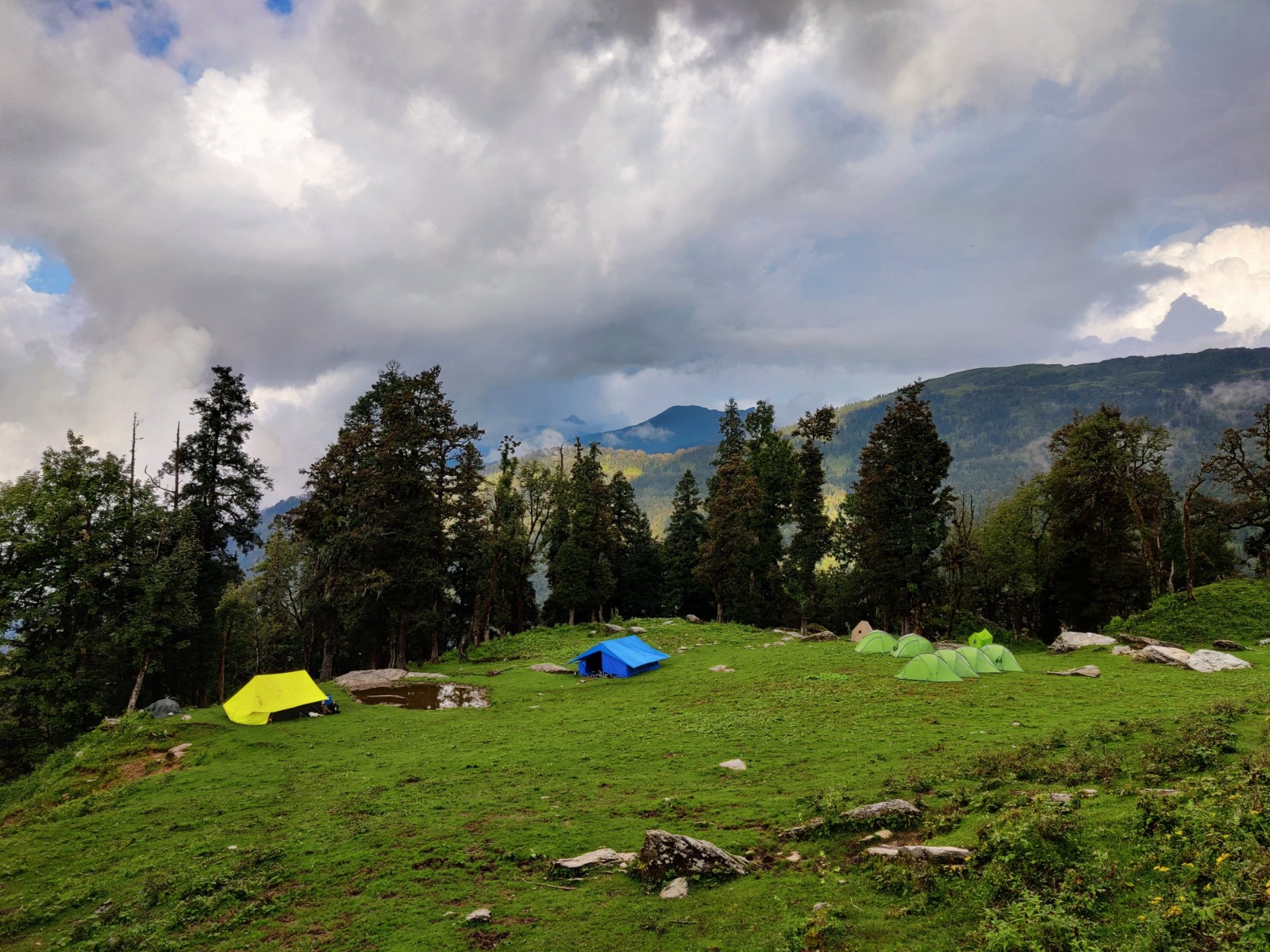
4. Camping Do's and Don'ts.
(a) Always avoid benightment (unplanned emergency camping), unless unavoidable.
(৮) Select a site close to a water source.
(c) Site should be away from an avalanche prone area.
(d) Cunpeite should have good exposure to sunlight and be away from direct wind.
(2) Do not camp in dry nallahs as rain higher up in the mountains can cinise flash floods without any warning
(1) The site Should be well ventilated.
(g) Toilet area should not be too close to the camp site.
(h) Toilet area should be downwind of the camp site.
(1) Camp hygiene should be followed. A hole should be dug for toilet purposes which should be covered up immediately after use.
(1) Toilet area should not contaminate any water body.
(k) Camp fires should be avoided.
(1) There should be dustbins for garbage and all waste should be brought back down
(m) Pollution of water source should be avoided.
(n) Snake trench should be dug in areas where there is danger of snakes.
(0) Scraps of food should be cleaned up, otherwise it will attract wild animals.
5 Self Care.
(a) Learn first aid and carry a well equipped first aid kit.
(b) Stick to acclimatization schedule.
(e) Consume fluids (if possible, warm) regularly to avoid dehydration.
(d) Use sunglasses to avoid snow blindness.
(c) Apply sunscreen to protect yourself from sunburn.
(0) Keep yourself warm by wearing multiple layers.
(8) Keep your head covered with a warm cap or balaclava.
(h) Change socks regularly to avoid blisters.
(i) Do not smoke or consume alcohol.
(1) Do not touch metal with naked skin.
(k) Do not sleep in wet clothes.
(1) Any illness, however small, should be reported to the medical officer immediately.
(m) Follow the Golden Rule to treat illness in the hills - DESCEND, DESCEND, DESCEND.
6. Rescue Do's and Don'ts.
(a) Always tell someone about your plan and schedule.
(b) Never rely on mobile phones, try and keep a satellite phone.
(c) Keep the contact numbers of all rescue agencies handy.
(d) Always have a "Plan B' ready.
(c) Check rescue and survival equipment daily.
(1) Practice rescue drill regularly.
(g) If possible, try and arrange chopper rescue.
(h) Never ever panic, remind yourself that you are well trained to get yourself out of any situation.
7. Proof of Ascent.
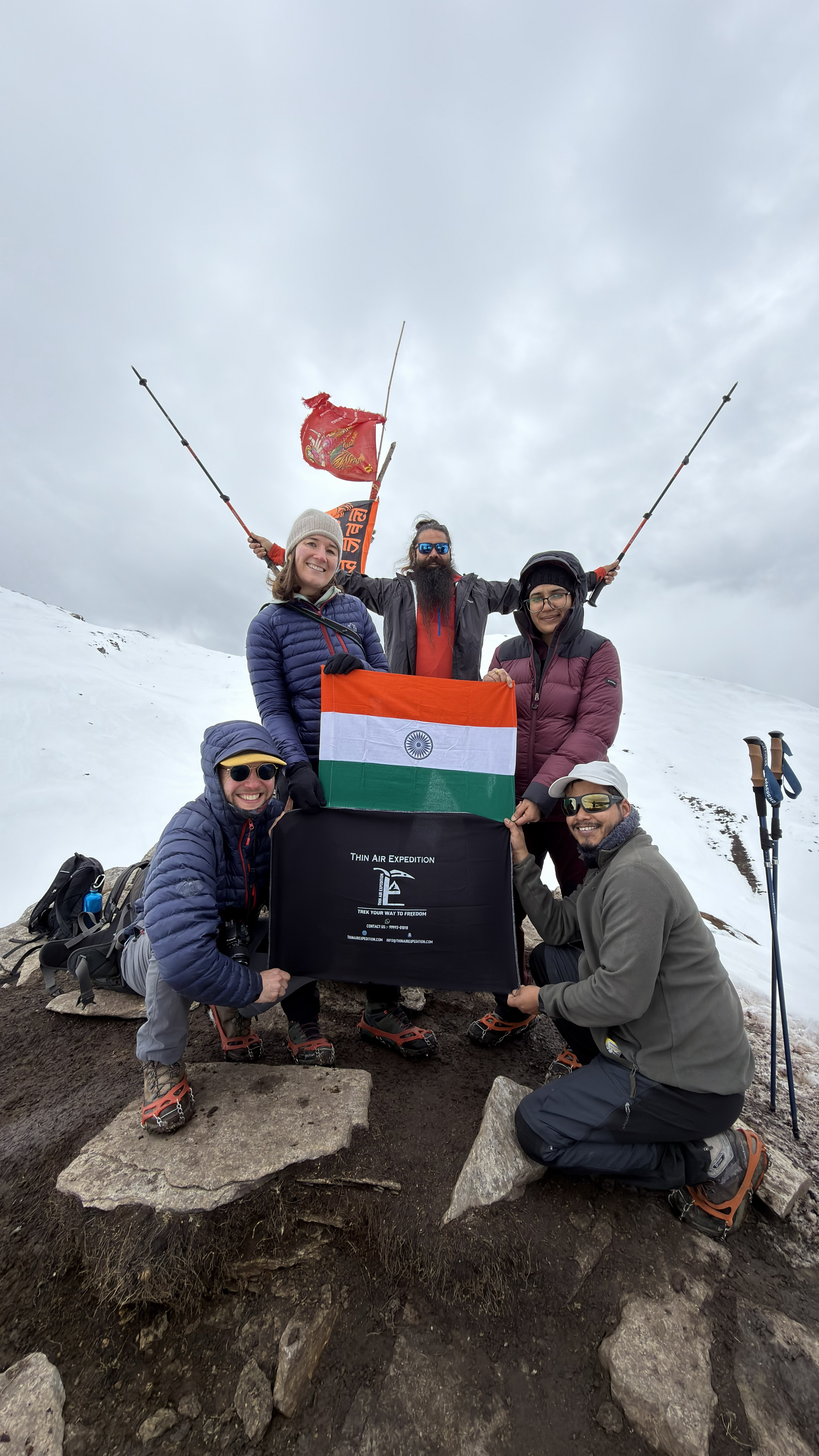
(a) Take photograplis and videos at the summit
(b) Note coordinates from GPS, and try to take a screen shot.
(c) Maintain detailed report of the expedition.