Why Black Peak is Every Mountaineer Dream Expedition
Why Black Peak is Every Mountaineer Dream Expedition
07
Jul

For most trekkers, reaching a Himalayan pass or completing a challenging trail is the culmination of months of preparation. But for mountaineers, the journey doesn't end where the trekking trail disappears—it begins where snowfields, glaciers, and towering peaks take over. Among India's most respected climbing objectives, Black Peak Expedition, popularly known as Kala Nag Expedition, stands as a symbol of determination, resilience, and the true spirit of Himalayan mountaineering.
Standing proudly at 6,387 metres (20,955 feet), Black Peak is the highest summit in the Bandarpunch Range of the Garhwal Himalayas in Uttarakhand. Unlike commercial trekking peaks that have become increasingly crowded over the years, Black Peak has retained its raw wilderness and mountaineering character. Every step towards its summit reminds climbers that the Himalayas reward preparation, patience, and humility rather than speed or ambition.
The mountain derives its name from its distinctive summit, where dark rock emerges through snow and ice, resembling the raised hood of a black cobra. Locals have long referred to it as Kala Nag, meaning Black Serpent. As sunlight changes throughout the day, the peak transforms from brilliant white to deep charcoal, creating a dramatic silhouette that has fascinated climbers and photographers for decades.
While many Himalayan expeditions promise breathtaking scenery, Black Peak offers something deeper—a complete immersion into the world of high-altitude mountaineering. It is not simply about standing on a summit. It is about learning to move safely across glaciers, understanding the rhythm of acclimatization, adapting to rapidly changing mountain weather, and developing the mental strength required to make sound decisions in an unforgiving environment.
The Bandarpunch Range is one of the most spectacular mountain ranges in the Western Himalayas, yet it often receives less attention than famous regions such as Everest or Annapurna. For experienced climbers, however, this relative obscurity is precisely what makes it so appealing. The valleys remain peaceful, the campsites are less crowded, and the journey feels authentic rather than commercialized.
Black Peak expedition dominates this landscape with remarkable authority. Its snow-covered ridges rise above ancient glaciers, alpine meadows, and rugged valleys that have been carved over thousands of years. The mountain forms part of the watershed that feeds several important Himalayan rivers, making it significant not only from a mountaineering perspective but also from an ecological one.
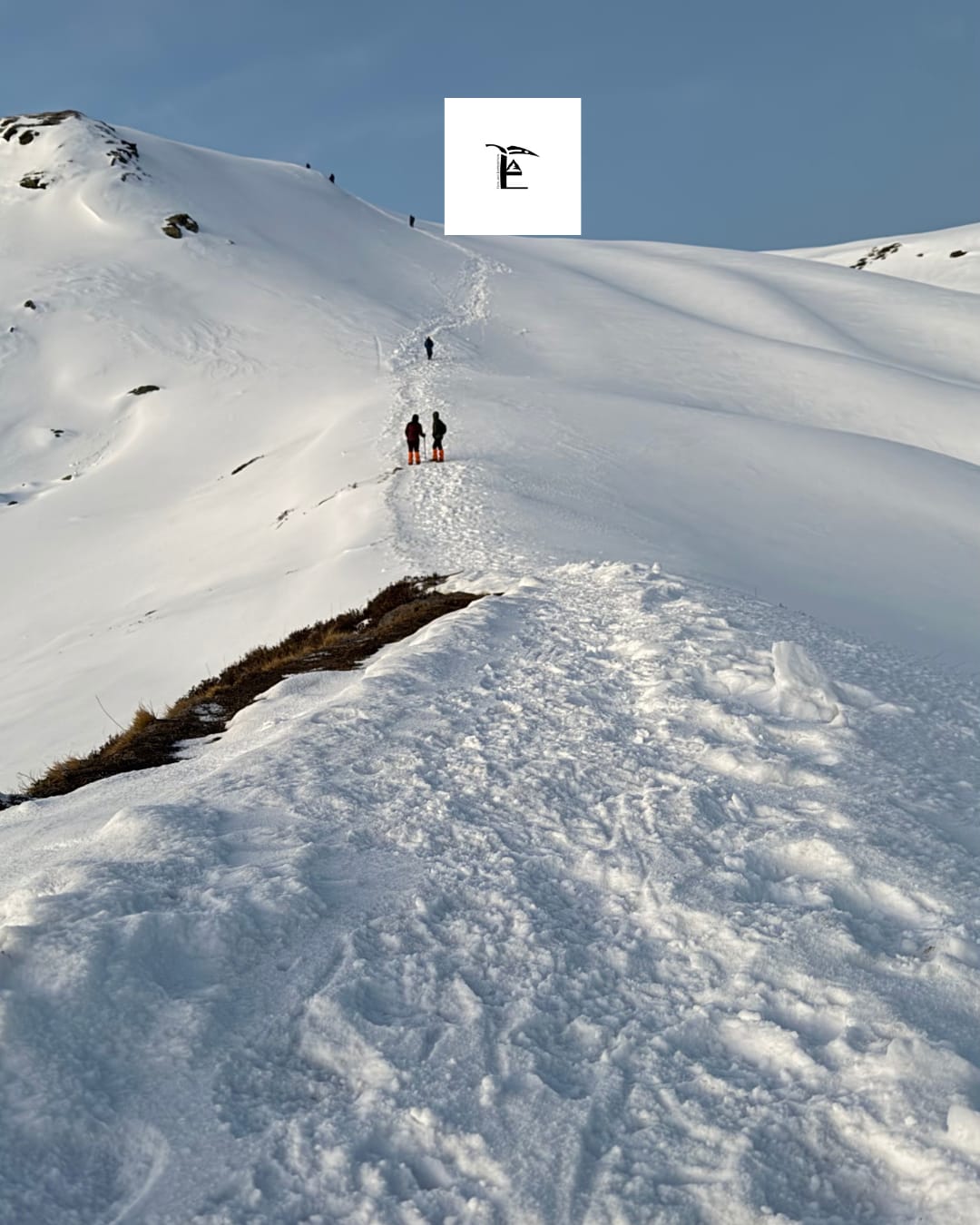
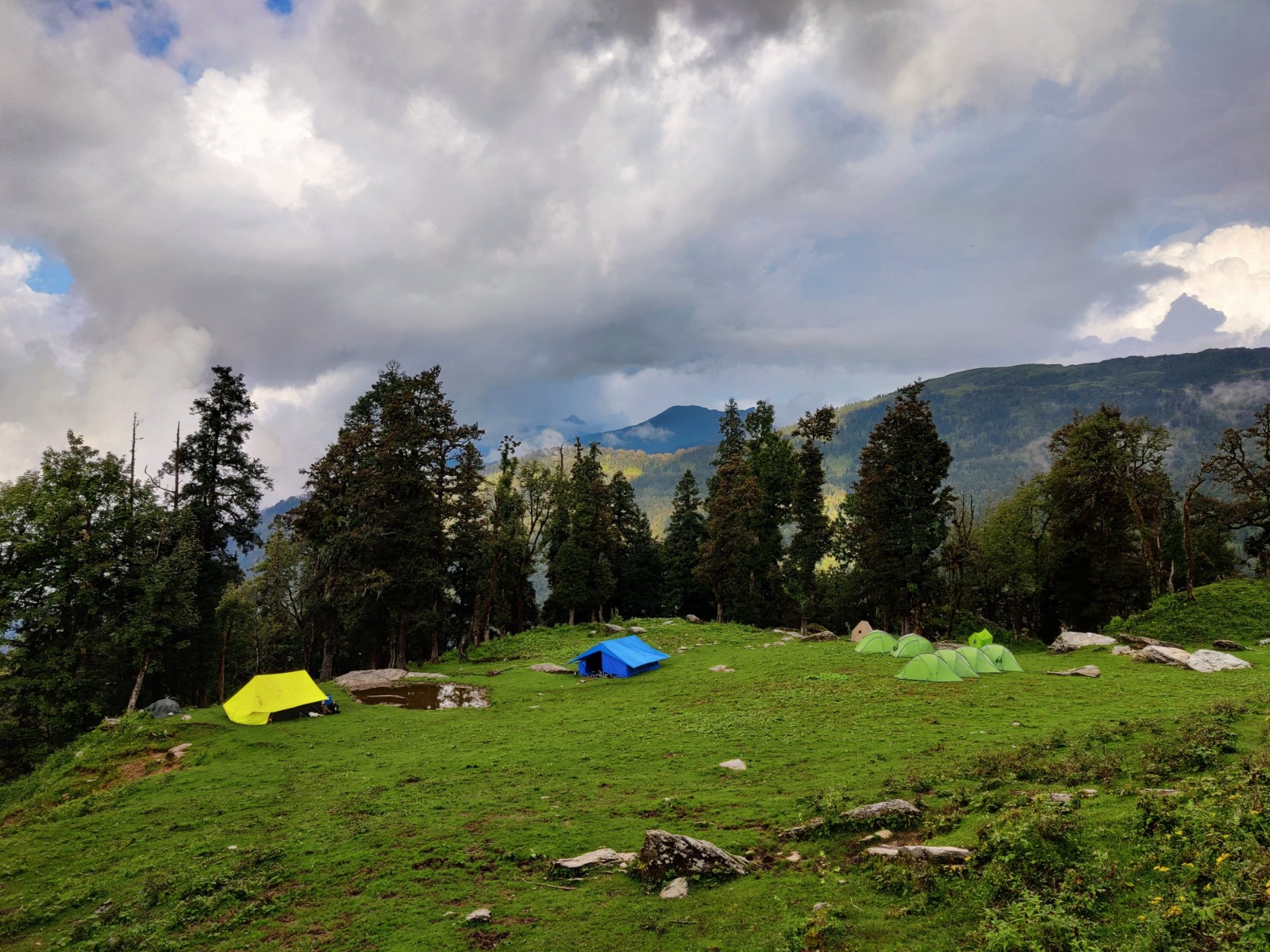
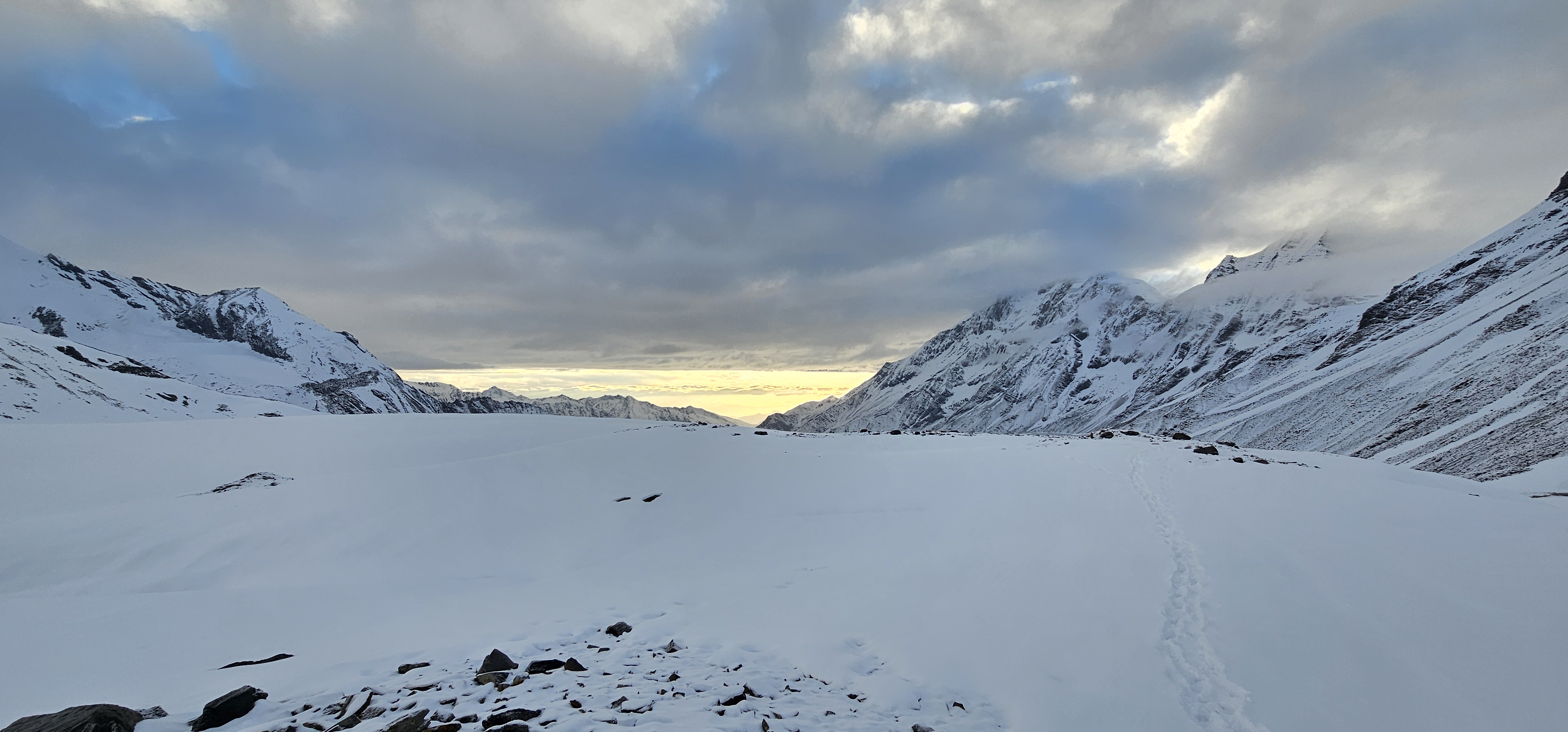
The expedition passes through diverse landscapes that constantly evolve with altitude. Dense pine and deodar forests gradually give way to open alpine meadows bursting with seasonal wildflowers. Higher up, vegetation disappears entirely, replaced by rocky moraines, massive glaciers, and endless expanses of snow. This gradual transition allows climbers to witness nearly every ecological zone of the Garhwal Himalayas in a single expedition.
Unlike many peaks that reveal their beauty only from the summit, Black Peak impresses throughout the journey. Every campsite presents a new perspective of the surrounding mountains, while each day's climb unveils dramatic changes in terrain that remind climbers just how dynamic the Himalayas truly are.
Long before adventure tourism became popular in India, Black Peak Mountain had already earned immense respect within the mountaineering community. Its height, glacier systems, and technical summit ridge made it an ideal training ground for climbers preparing for larger Himalayan expeditions.
Over the decades, numerous Indian and international mountaineering teams have chosen the Black Peak Expedition to develop essential high-altitude skills. The mountain offers a balanced combination of endurance trekking, glacier navigation, snow climbing, and rope work without reaching the extreme technical difficulty of some of the world's highest peaks.
This unique combination has made Black Peak an important milestone for aspiring mountaineers. Successfully summiting Kala Nag is often regarded as proof that a climber is ready to progress towards more demanding expeditions in the Greater Himalayas.
Perhaps the greatest legacy of Black Peak lies not in records or summit statistics, but in the lessons it teaches. Every expedition reinforces the importance of teamwork, discipline, patience, and respect for nature—qualities that define successful mountaineers far more than any summit photograph ever could.
Every mountain has its own personality. Some attract climbers with their towering height, while others are admired for their technical difficulty or historical significance. Black Peak Expedition is different because it offers a complete Himalayan mountaineering experience. It is neither a simple high-altitude trek nor an extremely technical alpine climb. Instead, it strikes the perfect balance between endurance, technical skills, and raw wilderness, making it one of the most respected mountaineering expeditions in India.
For many climbers, summiting Black Peak (Kala Nag) is not merely another achievement on a checklist. It represents a transition—from being an experienced trekker to becoming a confident mountaineer. The expedition introduces participants to glacier travel, snow climbing, rope techniques, and high-altitude decision-making while challenging them to adapt to one of nature's most demanding environments.
Unlike many commercial Himalayan climbs where the focus often shifts to simply reaching the summit, the Black Peak Expedition teaches climbers to appreciate every stage of the journey. The changing landscapes, the camaraderie within the team, and the gradual adaptation to altitude become just as memorable as the summit itself.
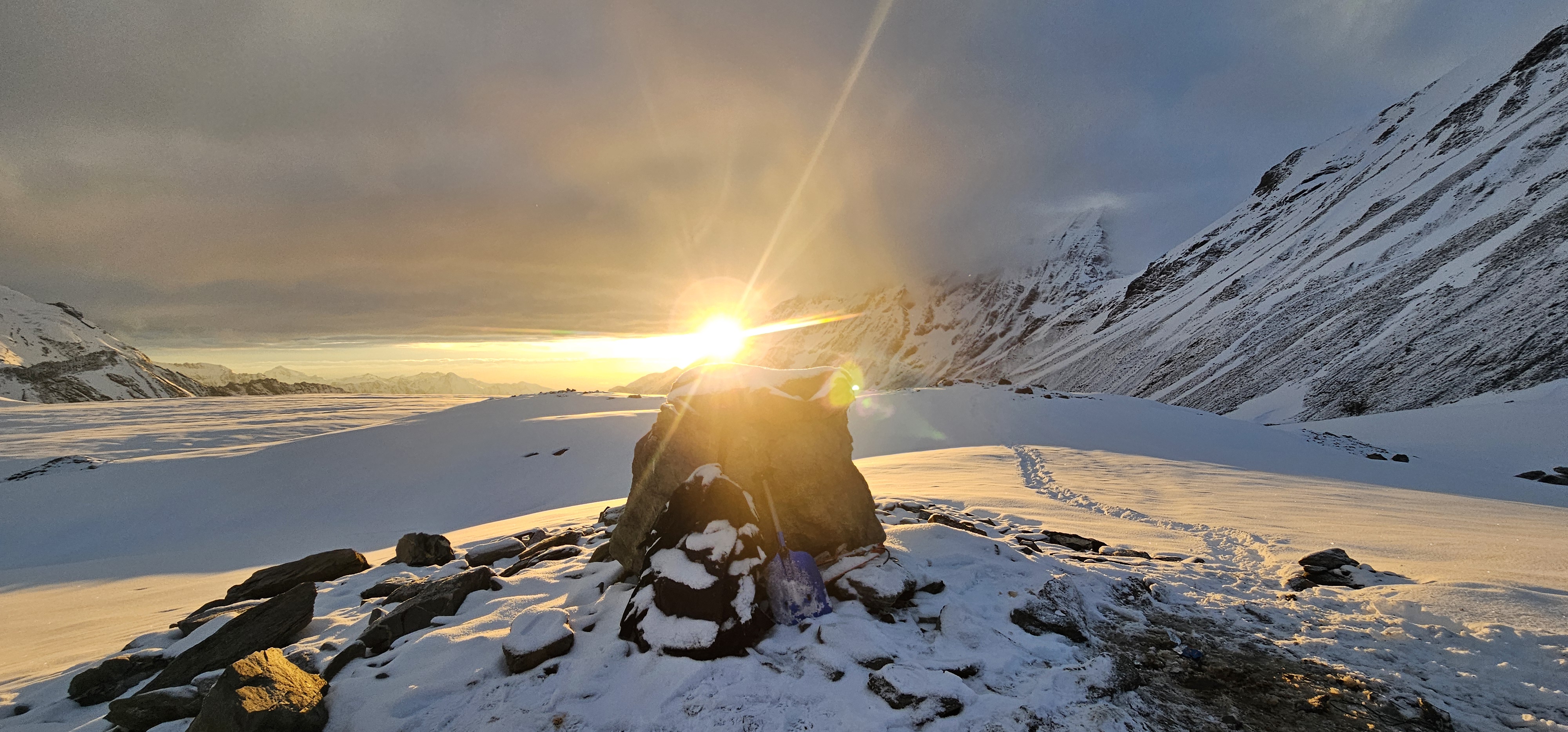
One of the reasons the Kala Nag Expedition is highly regarded among climbers is the diversity of terrain it offers. Every day presents a new challenge, ensuring that the expedition remains engaging from start to finish.
The journey begins through dense forests and lush alpine meadows before gradually entering the rugged high-altitude landscape of the Garhwal Himalayas. As the tree line disappears, rocky moraines replace green valleys, and towering glaciers begin to dominate the surroundings. This gradual transformation not only enhances the visual appeal of the expedition but also helps climbers acclimatize naturally as they gain elevation.
Higher on the mountain, the expedition becomes increasingly technical. Walking across glaciers, climbing snow-covered slopes, negotiating crevasses under expert supervision, and using equipment such as crampons and ice axes introduce participants to the fundamentals of Himalayan peak climbing. These experiences make Black Peak one of the finest training grounds for climbers aspiring to attempt higher and more demanding mountains in the future.
Unlike a traditional trek where the trail is often well-defined, Black Peak Climb requires continuous assessment of snow conditions, weather patterns, and glacier movement. This dynamic environment teaches climbers to remain alert, disciplined, and adaptable—qualities that are essential for every successful mountaineer.
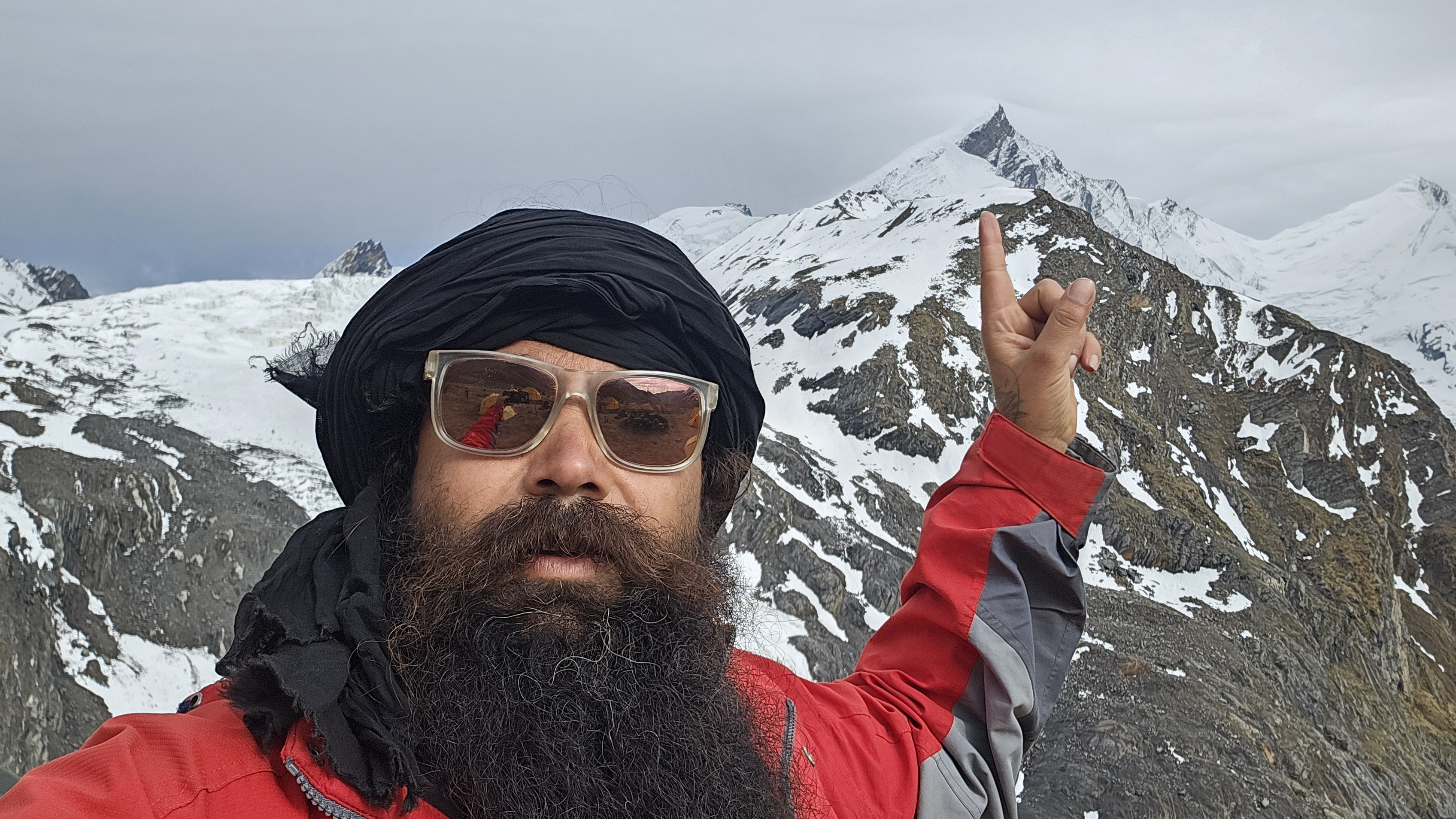
Every mountain leaves behind a memory, but only a handful leave behind a transformation. The Black Peak Expedition is one such journey. It is not defined by luxury camps, crowded trails, or social media fame. Instead, it is defined by the lessons it teaches, the confidence it builds, and the respect it instills for the mountains.
For aspiring mountaineers, Black Peak (Kala Nag) represents an important milestone in their climbing journey. Standing at 6,387 metres, it is high enough to expose climbers to the realities of high-altitude mountaineering while remaining an achievable objective with proper preparation and guidance. It bridges the gap between advanced trekking and technical alpine climbing, making it one of the most rewarding peak climbing expeditions in India.
Unlike many Himalayan objectives that are either purely trekking routes or highly technical ascents, Black Peak offers the perfect combination of endurance, glacier travel, snow climbing, and altitude management. Every stage of the expedition demands focus, patience, and teamwork, helping climbers develop skills that remain valuable long after the expedition ends.
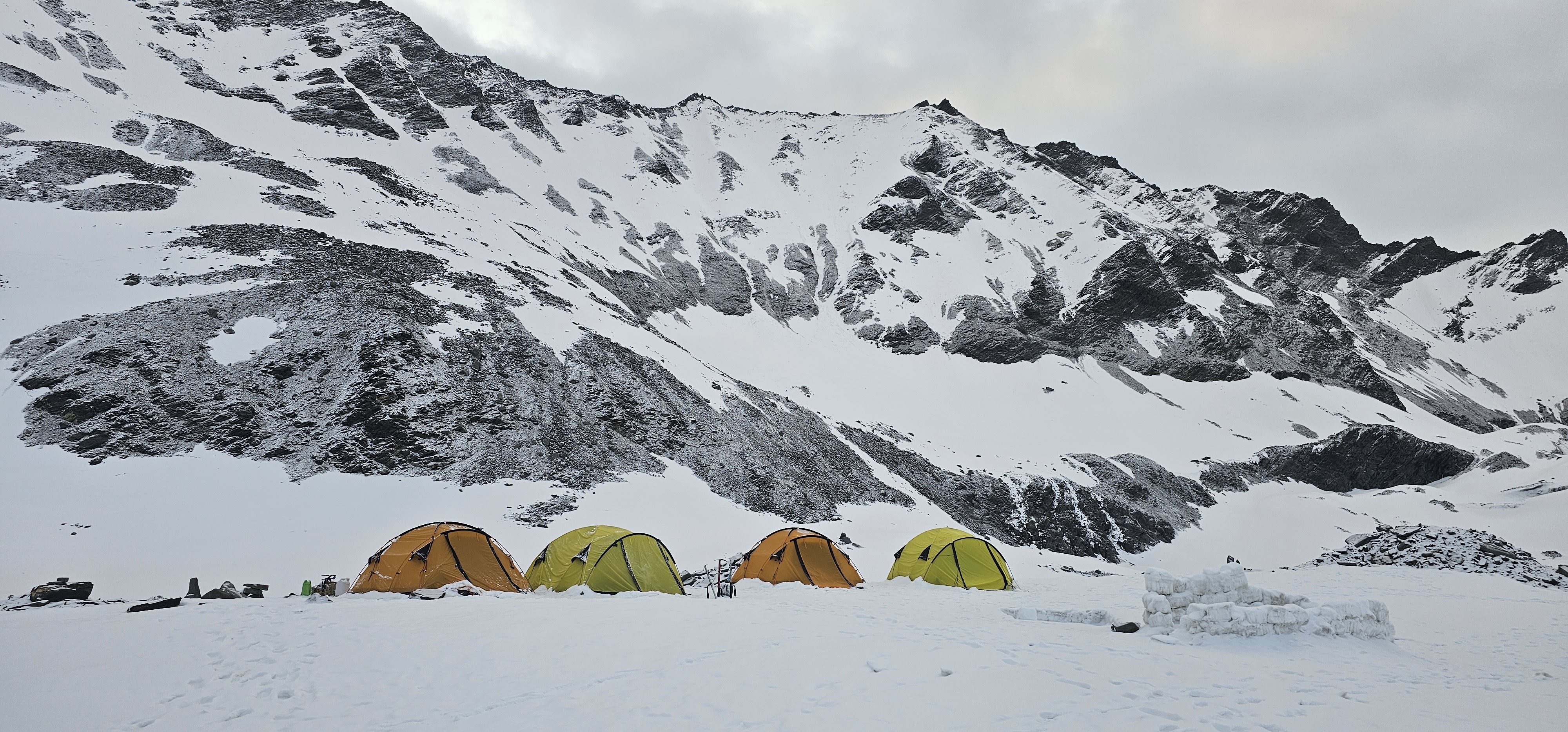
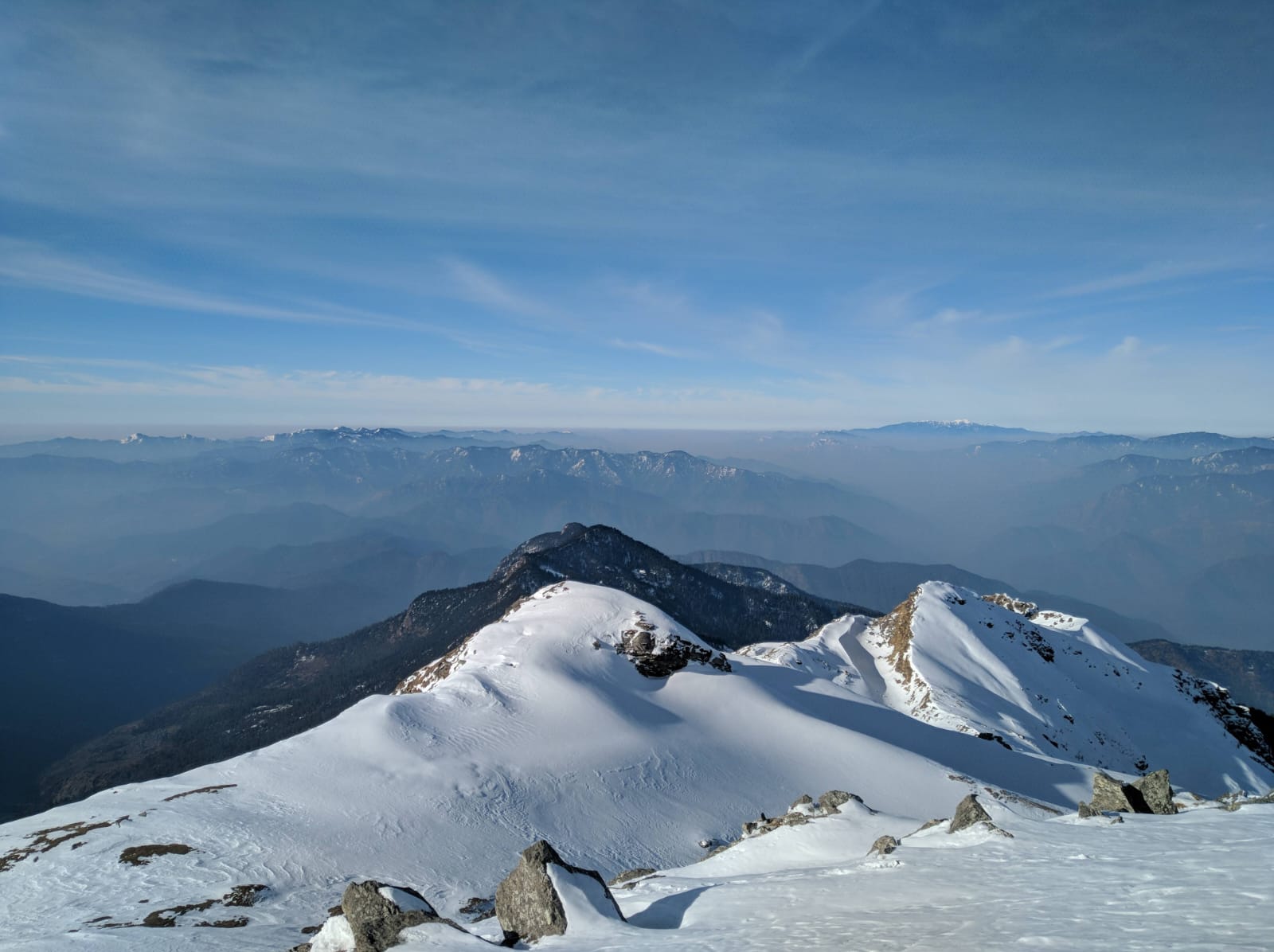
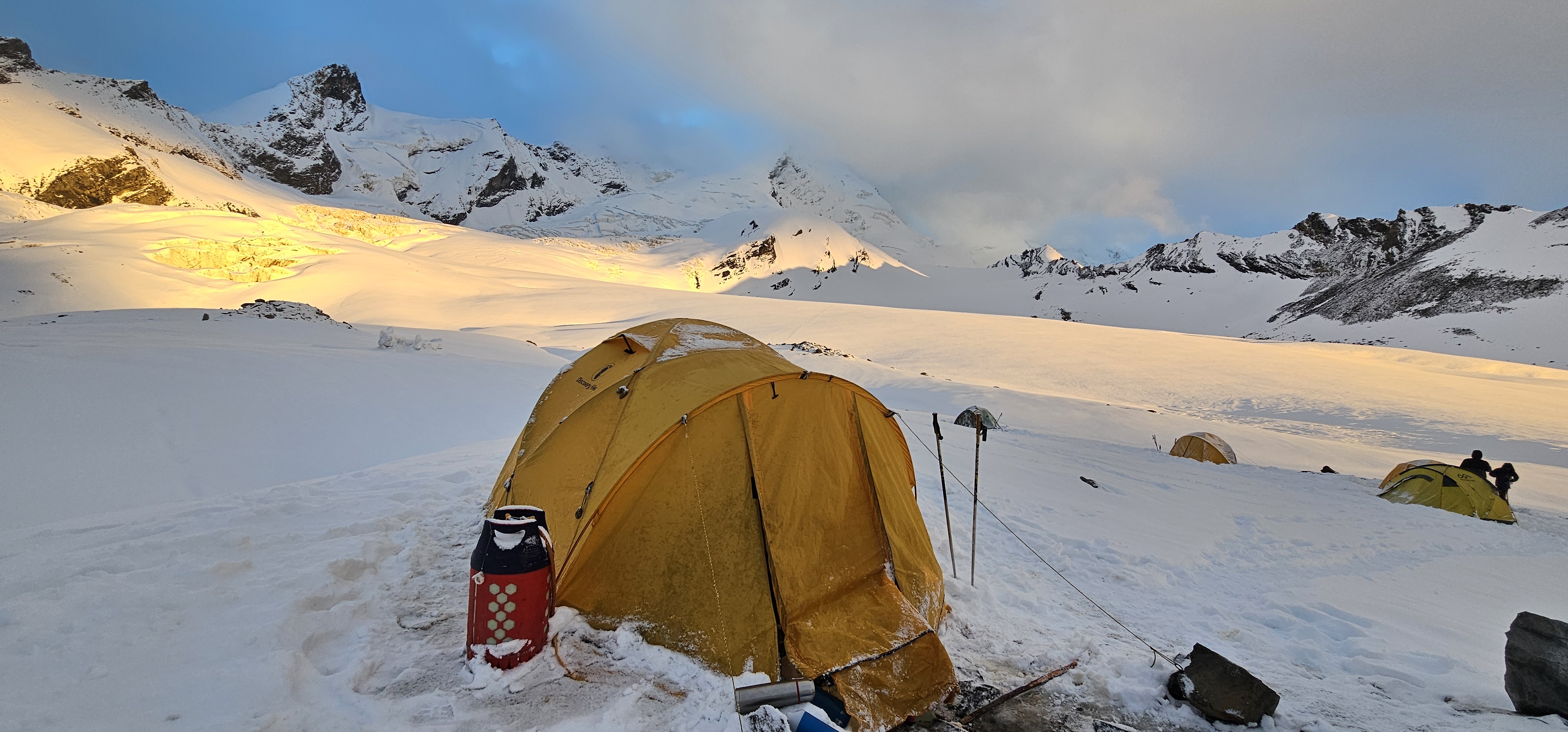
The mountain also rewards patience with unforgettable scenery. From sprawling alpine meadows and glacial valleys to panoramic views of the Bandarpunch Range, Swargarohini, and other snow-clad giants of the Garhwal Himalayas, every campsite offers a reminder of why the Himalayas continue to inspire adventurers from around the world.
Experienced mountaineers often say that the greatest lessons are learned away from the summit. The Black Peak Expedition proves this with every passing day.
Living at high altitude teaches climbers to appreciate simplicity. A warm meal after hours of climbing, the comfort of a sleeping bag on a freezing night, or the first rays of sunlight reaching camp become moments of genuine gratitude. The mountain strips away distractions and reminds climbers that success comes from consistency rather than speed.
The expedition also strengthens qualities that extend far beyond mountaineering. Teamwork becomes essential when crossing glaciers or establishing camps. Discipline is developed through early morning starts and careful acclimatization. Decision-making is constantly tested as weather conditions evolve. Above all, Black Peak teaches humility. The mountain doesn't reward ego—it rewards preparation, patience, and respect.
These experiences explain why so many climbers describe Kala Nag as a life-changing expedition rather than simply another Himalayan summit.
Although the Black Peak Expedition is highly respected within India's mountaineering community, it remains relatively unknown among casual trekkers. This sense of exclusivity is one of its greatest strengths.
One fascinating aspect of Black Peak is its dramatic appearance. From a distance, its dark summit pyramid contrasts sharply against the surrounding snowfields, creating the image of a black cobra raising its hood—a feature that inspired the name Kala Nag, meaning Black Serpent.
The mountain is also part of the ecologically rich landscape surrounding Govind Pashu Vihar National Park, home to diverse Himalayan flora and fauna. During the lower stages of the expedition, climbers may encounter colourful alpine flowers, ancient deodar forests, and, with a bit of luck, wildlife such as Himalayan monals, blue sheep, or musk deer.
Unlike some of the more commercial Himalayan peaks, Black Peak still retains a sense of solitude. Teams often spend days in remote valleys where the only sounds are flowing glaciers, mountain streams, and the wind sweeping across the ridges. This untouched wilderness is becoming increasingly rare in modern adventure tourism, making the expedition even more special.
A successful Black Peak Expedition depends on far more than physical fitness. It requires experienced leadership, meticulous planning, quality equipment, and a team that prioritizes safety above everything else. Choosing the right expedition partner can make the difference between an enjoyable, well-organized climb and an unnecessarily difficult experience.
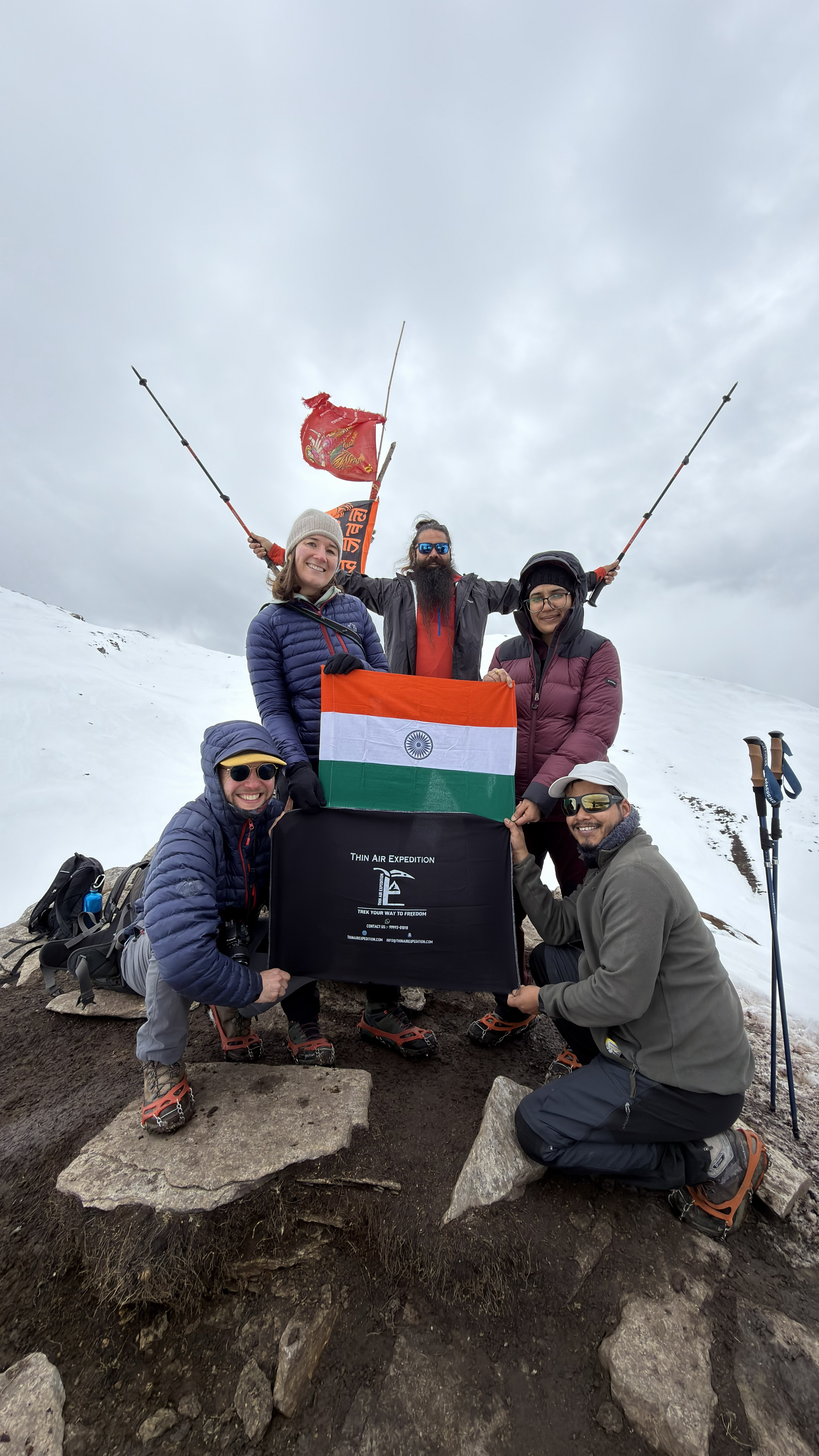
At ThinAirExpedition, every expedition is designed with a strong focus on safety, learning, and responsible mountaineering. From the moment you begin your journey, our experienced trek leaders and mountaineering guides ensure that every stage of the expedition—from acclimatization and technical training to summit planning—is conducted with professionalism and care.
Our teams emphasize small group sizes, allowing every participant to receive personal attention throughout the expedition. Before the summit push, climbers are introduced to essential mountaineering techniques, including the proper use of crampons, ice axes, harnesses, and rope systems. This practical training helps participants climb with greater confidence while understanding the importance of safe mountain practices.
Beyond technical expertise, we believe that every expedition should create lasting memories. Our experienced local staff, carefully planned logistics, nutritious meals, and commitment to environmental responsibility allow climbers to focus entirely on the experience rather than operational concerns.
For us, success is not measured only by reaching the summit. It is measured by helping every participant return safely with unforgettable memories, new skills, and a deeper connection to the Himalayas.
Final Thoughts
The Black Peak Expedition is far more than an adventure—it is an experience that shapes the way climbers think, prepare, and approach the mountains. Every glacier crossed, every challenging ascent, and every sunrise witnessed above the clouds becomes a reminder that the Himalayas reward those who respect them.
Whether your goal is to transition from trekking to Himalayan mountaineering, prepare for future peak climbing expeditions in India, or simply experience one of the most spectacular mountains in the Garhwal Himalayas, Black Peak (Kala Nag) offers an unforgettable journey. It challenges your body, strengthens your mind, and leaves you with lessons that extend far beyond the summit.
If you're ready to take the next step in your mountaineering journey, let Thin Air Expedition be your trusted partner. With experienced leadership, a commitment to safety, and a passion for creating meaningful Himalayan experiences, we're here to help you conquer not just a mountain, but your own limits.