CB13 and CB14 Expedition Conquering the Chandrabhaga Giants
CB13 and CB14 Expedition Conquering the Chandrabhaga Giants
04
Feb

In the remote Lahaul region of Himachal Pradesh lies one of India’s most challenging and rewarding mountaineering experiences: the CB13 and CB14 dual summit expedition. These magnificent peaks, standing at 6,264 meters and 6,078 meters respectively, represent the ultimate test for experienced climbers seeking to push their limits in the high Himalayas.
The Chandrabhaga range derives its name from the two major rivers that flow through Lahaul: the Chandra and Bhaga. This cold desert region of Himachal Pradesh presents a stark, dramatic landscape that’s quintessentially different from the lush Himalayan valleys most trekkers encounter.
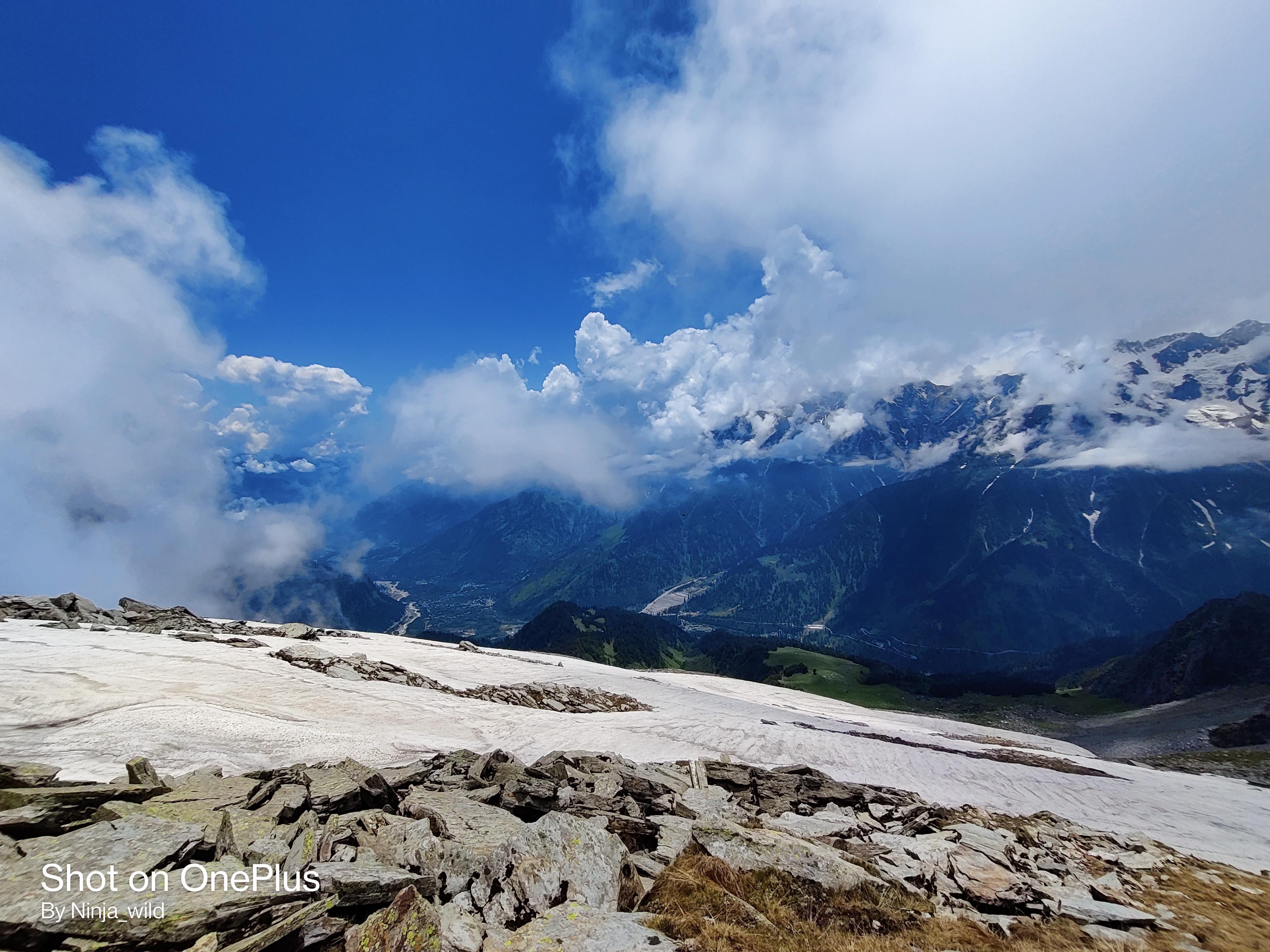
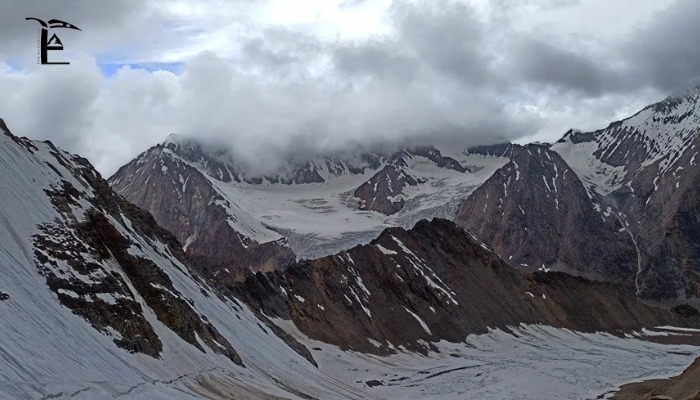
Located on the South Dhaka Glacier, these peaks overlook the serene Chandratal Lake and provide spectacular views of the Kunzum Range. The terrain is characterized by its harsh, uneven landscape—naked mountain faces studded with exposed rock, massive boulders, and steep snow slopes that challenge even seasoned mountaineers.
What makes CB13 particularly intriguing is its relative obscurity compared to other Himalayan giants. The region remained largely unexplored until the inauguration of the Atal Tunnel made access significantly easier. Despite this improved accessibility, these peaks remain demanding, technical climbs that see far fewer attempts than more famous neighbors.
The CB13 and CB14 expedition represents something special in the mountaineering world: a legitimate dual summit challenge that tests every skill in a climber’s arsenal. While many expeditions focus on a single peak, attempting both summits requires careful energy management, strategic planning, and exceptional physical conditioning.
At 6,264 meters, CB13 holds star status in the Chandrabhaga range as its highest peak. The mountain has earned a fearsome reputation among those who’ve attempted it. From Advanced Base Camp, first-time viewers often question whether the route is even possible—the slopes appear impossibly steep, the terrain chaotic and unwelcoming.
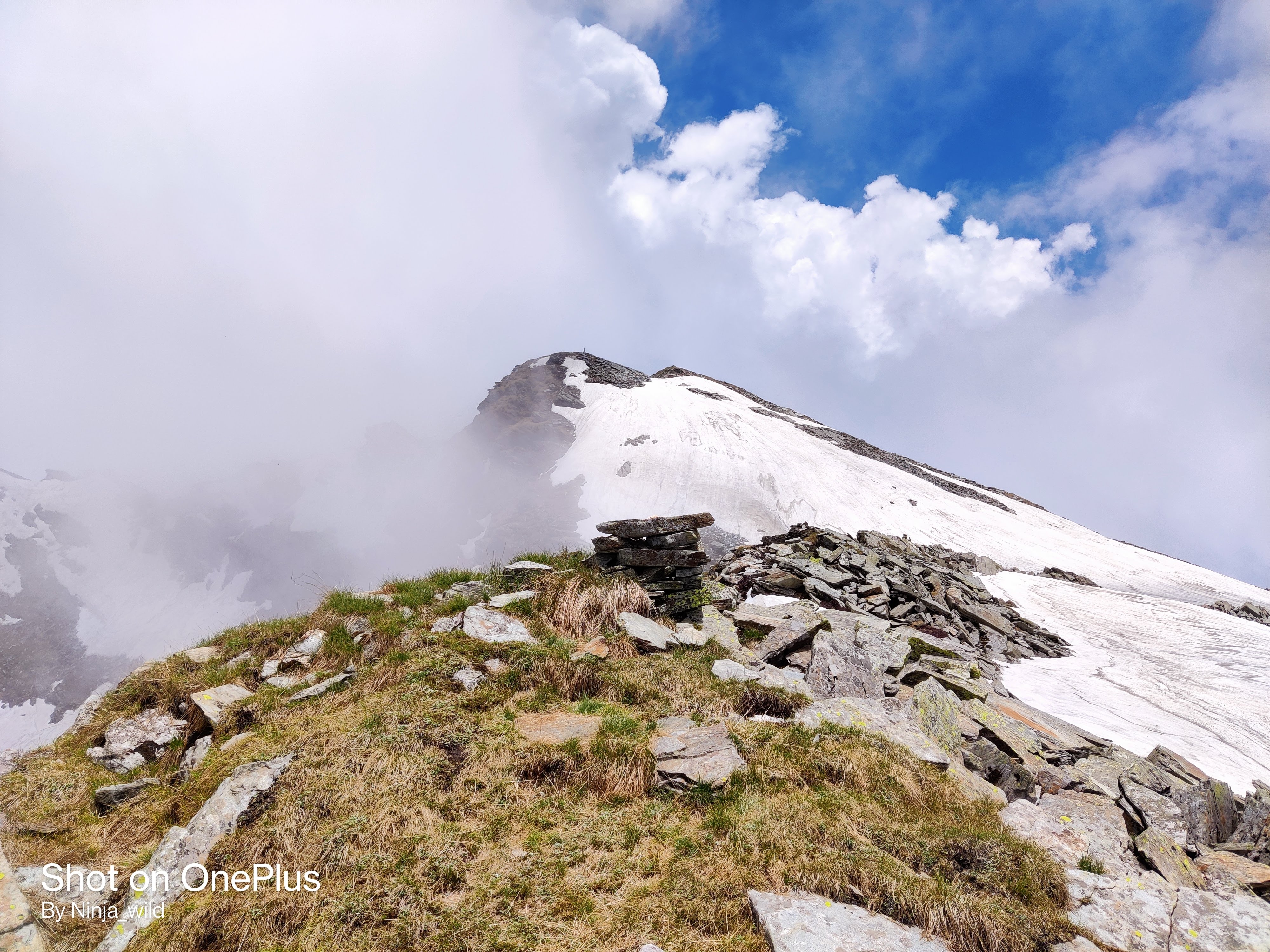
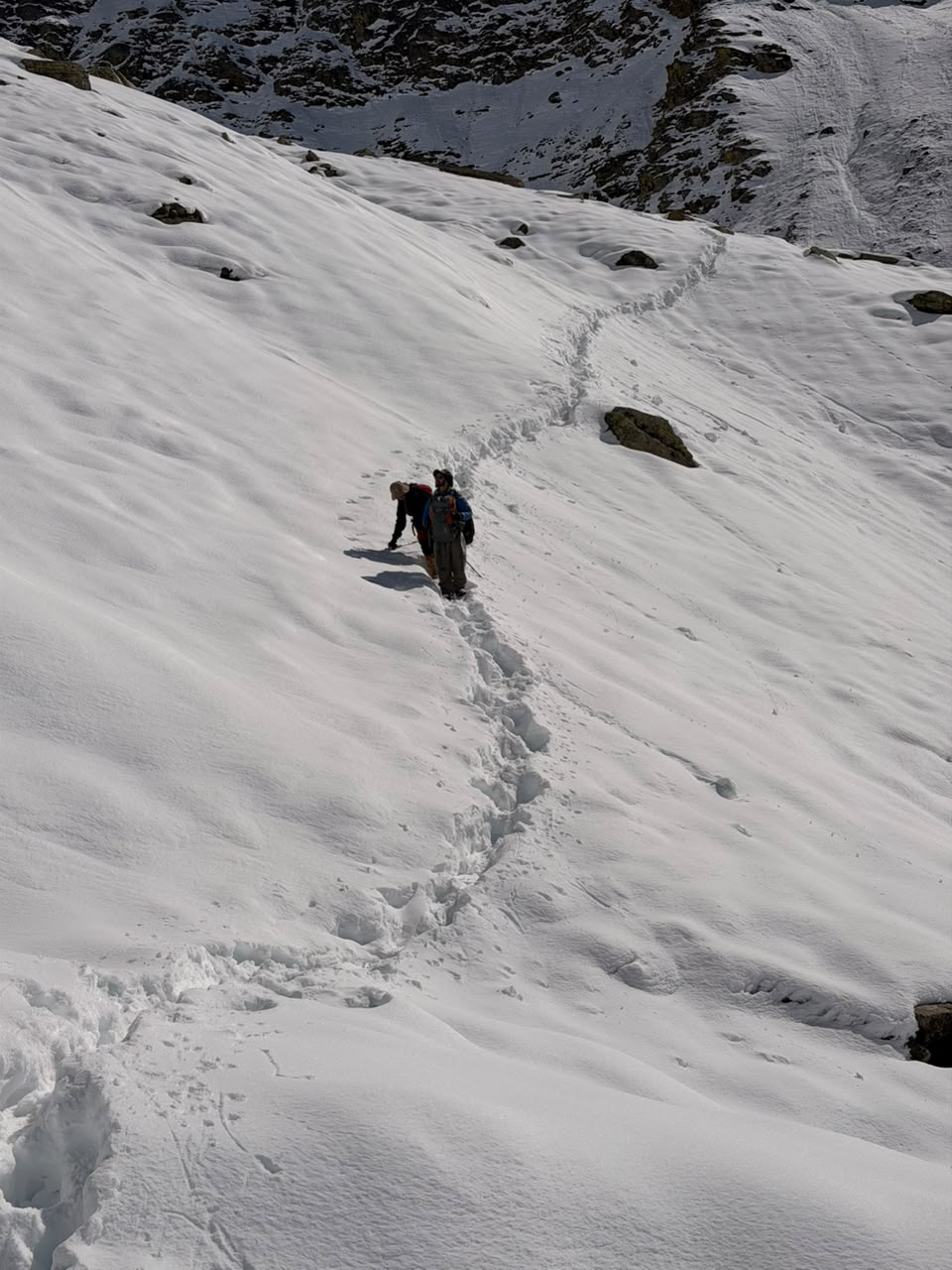
The summit push covers just 614 meters of elevation gain but in less than a kilometer, meaning the gradient never drops below 70 degrees. This extreme steepness is compounded by the mixed terrain: alternating patches of snow and near-vertical rock faces that demand constant technical adaptation. Walking on rock with crampons is incredibly challenging, and the exposure is mentally exhausting.
At 6,078 meters, CB14 is the second most sought-after peak in the central Lahaul massif and may be equally or more challenging than its taller companion. The mountain is characterized by vertical gullies filled with loose, rolling rocks. The terrain’s instability makes every step a calculated risk, requiring climbers to be constantly vigilant about rockfall and route-finding.
Interestingly, many expedition organizers recommend attempting CB14 first, as it serves as excellent acclimatization and technical warm-up for CB13’s extreme demands.
A typical CB13 and CB14 expedition spans 16-19 days, with careful planning for acclimatization, weather contingencies, and the physical demands of attempting two technical 6,000-meter peaks.
The journey begins in Manali, the adventure hub of Himachal Pradesh. These initial days are spent securing permits, conducting equipment checks, and getting expedition briefings from the team leader. Manali sits at approximately 2,050 meters, providing a comfortable base for final preparations.
The journey from Manali to Batal is an adventure in itself. The route now travels through the Atal Tunnel, dramatically reducing travel time and making the Lahaul region accessible year-round. The landscape transforms remarkably as you emerge on the other side—from green valleys to the stark, arid beauty of the cold desert.
Batal serves as the roadhead and initial acclimatization point. The stark change in altitude—from 2,050 to 4,290 meters in a single day—requires careful monitoring and rest.
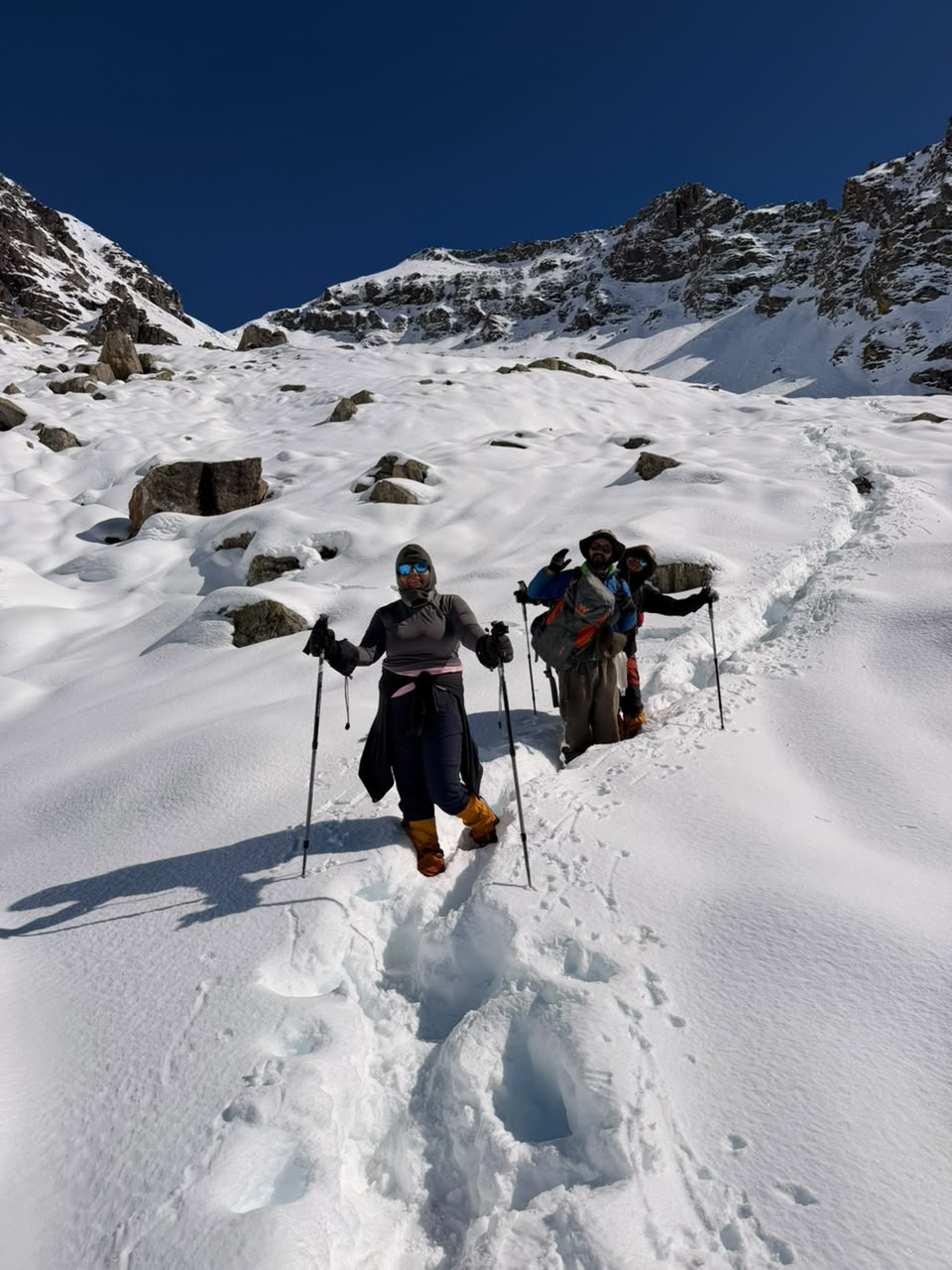
The trek to Base Camp involves crossing glacial streams and navigating boulder-strewn paths. These notorious water crossings can be hazardous, especially in afternoon when glacial melt increases flow. Some expeditions even use makeshift trolleys to safely cross particularly dangerous sections.
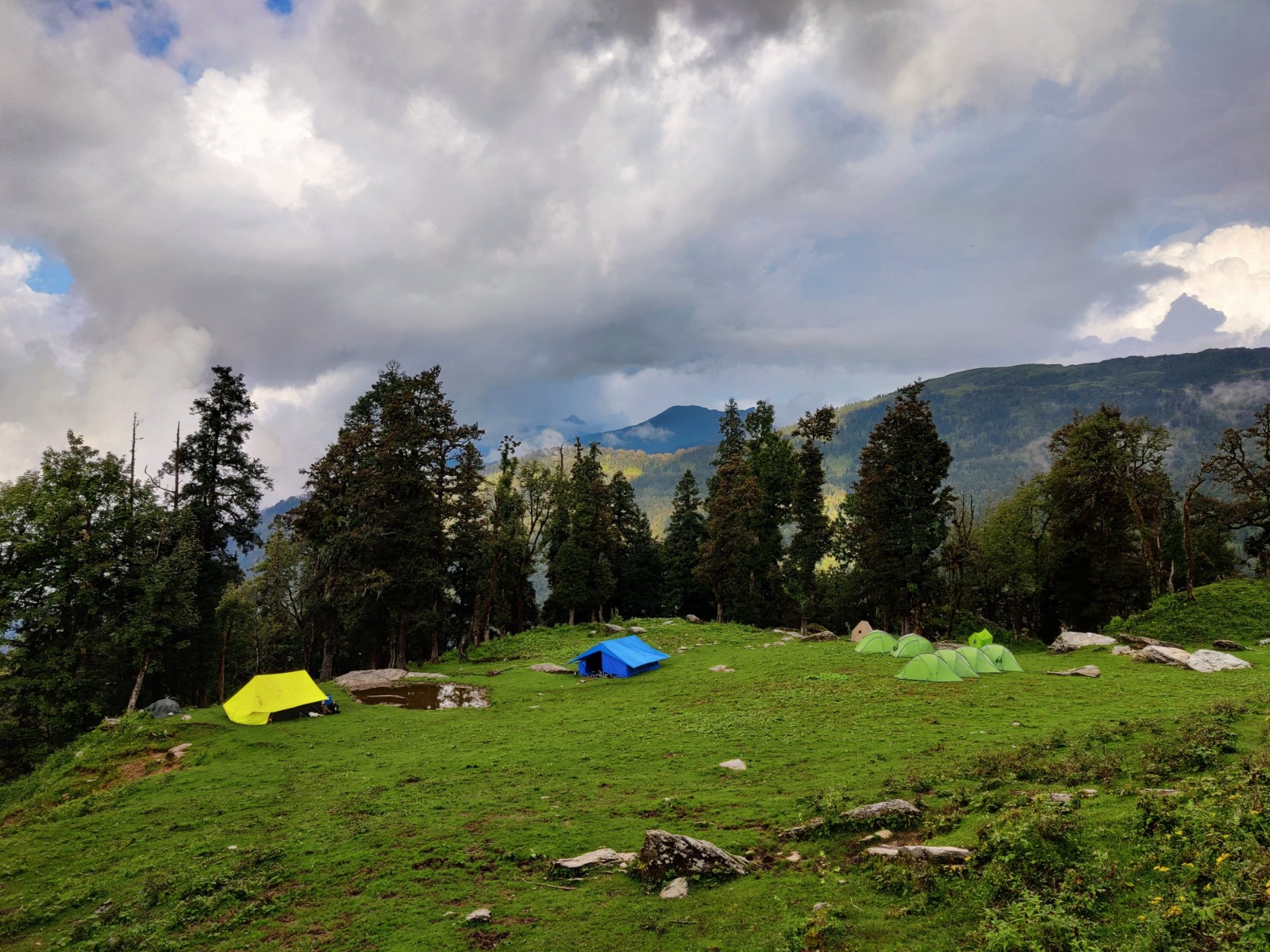
Base Camp serves as your home for several days. Here, teams establish their operational hub, conduct equipment training, and begin the critical acclimatization process. Unlike more frequented peaks, CB13 and CB14 base camps are relatively pristine, marked only by small stone structures adorned with prayer flags.
Moving to ABC marks the transition into serious high-altitude terrain. The route involves glacier travel, and climbers get their first glimpse of the actual peaks—a moment that often elicits both excitement and trepidation.
You don’t catch a single glimpse of the mountains until reaching Advanced Base Camp on approximately Day 6 of the expedition. This delayed reveal adds to the psychological buildup and often leaves climbers questioning their readiness when they finally see the imposing faces of CB13 and CB14.
These days involve load ferrying to higher camps, technical training on ice and rock, and acclimatization rotations. Rest days at ABC are crucial—allowing bodies to adapt while expedition leaders monitor weather windows for summit attempts.
The push to Summit Camp is grueling, ascending nearly 750 meters through challenging mixed terrain. Summit Camp sits at 5,650 meters, positioning climbers for the early morning summit bid.
The CB13 summit attempt typically takes 12-14 hours from Summit Camp and back. Starting around midnight or in the early morning hours, climbers face the mountain’s most demanding section: steep snow slopes interspersed with vertical rock faces, all at extreme altitude where every step requires concentrated effort.
The summit rewards successful climbers with 360-degree views encompassing the entire Lahaul region, Chandratal Lake, and countless Himalayan peaks stretching to the horizon. However, the descent—often undertaken in deteriorating snow conditions and with exhausted bodies—presents its own serious challenges.
After a rest day at ABC, teams make their attempt on CB14. While slightly shorter in elevation, CB14’s loose rock and vertical gullies make it technically demanding in different ways. The climb typically takes 11-12 hours, and weather conditions play an even more critical role given the rockfall hazards.
The expedition includes 2-3 buffer days to account for weather delays or additional acclimatization needs. These contingency days are crucial—Himalayan weather is notoriously unpredictable, and having flexibility built into the schedule significantly increases summit success rates.
The descent retraces the approach route, with teams progressively moving from ABC to Base Camp to Batal, before the final drive back to Manali.
CB13 and CB14 are not beginner expeditions. The physical demands are extreme, requiring:
This expedition demands solid technical mountaineering skills:
Most expedition operators provide training during the early days, but climbers should arrive with foundational skills already established.
The steepness of CB13 cannot be overstated. Near-vertical sections require constant front-pointing, and the alternating rock and ice sections mean climbers must continuously adapt their technique. This constant adaptation is physically exhausting and mentally demanding at extreme altitude.
The mixed terrain alternating between ice patches and rock on near-vertical slopes represents both a climber’s nightmare and joy. Finding the optimal route requires experience and excellent judgment. Wrong choices can lead to dangerous rockfall zones or impassable terrain.
While CB13 and CB14 aren’t 8,000-meter peaks, the rapid altitude gain from Manali (2,050m) to Summit Camp (5,650m) in just over a week requires careful acclimatization. The summit days push above 6,000 meters where the air contains roughly 50% of the oxygen available at sea level.
The Lahaul region experiences rapidly changing weather. Clear mornings can deteriorate into whiteout conditions by afternoon. Temperature swings are extreme—pleasant sunshine at base camp contrasts sharply with the bitter cold and fierce winds at altitude.
As glaciers recede, they expose more crumbling rock beneath, making the mountains progressively harder to climb each year. Routes that worked in previous seasons may be impassable or more dangerous, requiring expedition leaders to constantly reassess and adapt their strategies.
Between Advanced Base Camp and Summit Camp lies wreckage from an Army aircraft that went missing in 1968 while flying to Leh. This sobering reminder of the region’s dangers and remoteness adds historical weight to the expedition. Multiple recovery expeditions have been mounted over the years, with attempts as recent as 2019.
It’s crucial to approach this expedition with realistic expectations. The success rate for CB13 and CB14 is notably lower than many other Himalayan peaks. Many teams successfully summit one peak but must forgo the second due to exhaustion, weather, or safety concerns.
According to recent expedition reports, achieving both summits remains relatively rare. Teams often find that the demands of CB13 leave them too depleted for CB14, or vice versa. This isn’t a reflection of poor preparation but rather the genuine difficulty these mountains present.
The climbing season for CB13 and CB14 runs from June through October, with specific advantages to different periods:
Early Season (June-July): More snow coverage can make rock sections somewhat easier, though avalanche risk is higher. Weather can be less stable with lingering winter patterns.
Mid-Season (August-September): Generally offers the most stable weather conditions with the best balance of temperature and visibility. This is the most popular period for attempts.
Late Season (September-October): Excellent visibility and stable weather patterns, though significantly colder temperatures. Snow conditions become icier, requiring more technical climbing skill.
A CB13 and CB14 expedition typically costs between ₹60,000 to ₹1,20,000 ($750-$1,500) depending on group size, services provided, and the expedition organizer. This generally includes:
Additional expenses typically include:
All climbers should undergo thorough medical checkups before the expedition. Particular attention should be paid to cardiovascular health, as the altitude places extreme demands on the heart and lungs.
Carry a comprehensive personal first aid kit including:
Comprehensive travel and medical insurance is mandatory. Ensure your policy covers:
Most expedition teams carry satellite phones for emergency communication. Weather forecasts are monitored closely, and experienced expedition leaders make conservative decisions about summit attempts and retreats.
Understanding and accepting that summit success is never guaranteed—and that turning back is often the right decision—is crucial mental preparation.
CB13 and CB14 are ideal for:
This expedition is NOT suitable for:
The pristine Lahaul region deserves our utmost respect and care:
The receding glaciers and changing mountain faces serve as visible reminders of climate change’s impact on these fragile ecosystems.
6 Months Out:
3-4 Months Out:
1-2 Months Out:
Final Month:
The psychological challenges of this expedition rival the physical ones. Long days at altitude, discomfort, exposure to danger, and the possibility of not summiting all test mental resilience. Visualization techniques, understanding your personal motivations, and accepting uncertainty help prepare mentally for what lies ahead.
Despite—or perhaps because of—these challenges, CB13 and CB14 offer something increasingly rare in modern mountaineering: a genuine adventure in relatively unexplored territory. The low traffic means pristine conditions, true wilderness experience, and the satisfaction of accomplishing something few have achieved.
The skills developed on these peaks translate directly to higher objectives. Many climbers use CB13 and CB14 as preparation for 7,000 and 8,000-meter peaks, finding that the technical demands and altitude provide excellent training.
Beyond the technical aspects, there’s the stark, otherworldly beauty of the Lahaul landscape. The cold desert terrain, dramatic mountain faces, the turquoise jewel of Chandratal Lake, and the vast Himalayan horizons create memories that transcend the difficulty of getting there.
The CB13 and CB14 expedition represents high-altitude mountaineering at its most demanding and rewarding. These peaks don’t offer easy summits or guaranteed success. They require serious preparation, technical skill, physical fitness, and mental fortitude. The terrain is unforgiving, the weather unpredictable, and the challenges numerous.
But for those who stand atop these summits—having earned every meter through skill, determination, and respect for the mountains—the experience is transformative. You’ll have tested yourself against one of the Himalayas’ toughest challenges and emerged with stories, skills, and confidence that will serve you throughout your mountaineering journey.
Whether you attempt one peak or both, whether you summit or make the wise decision to turn back, the CB13 and CB14 expedition will push your boundaries and show you what you’re truly capable of achieving.
Are you ready to answer the call of the Chandrabhaga giants?