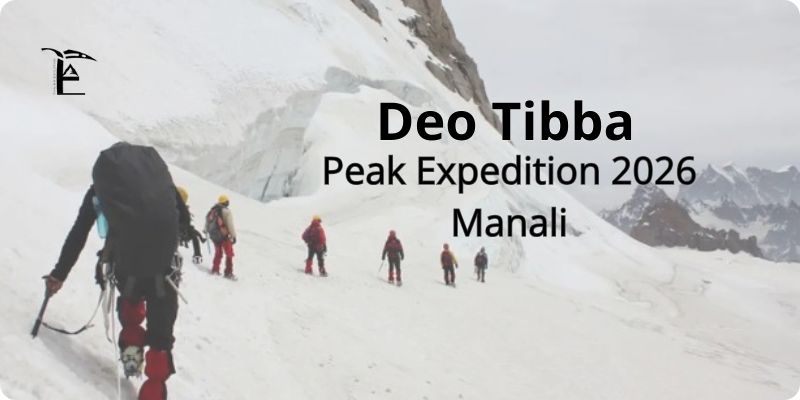
Deo Tibba Peak Expedition 2026 Manali
Deo Tibba Peak Expedition 2026 Manali
04
Feb

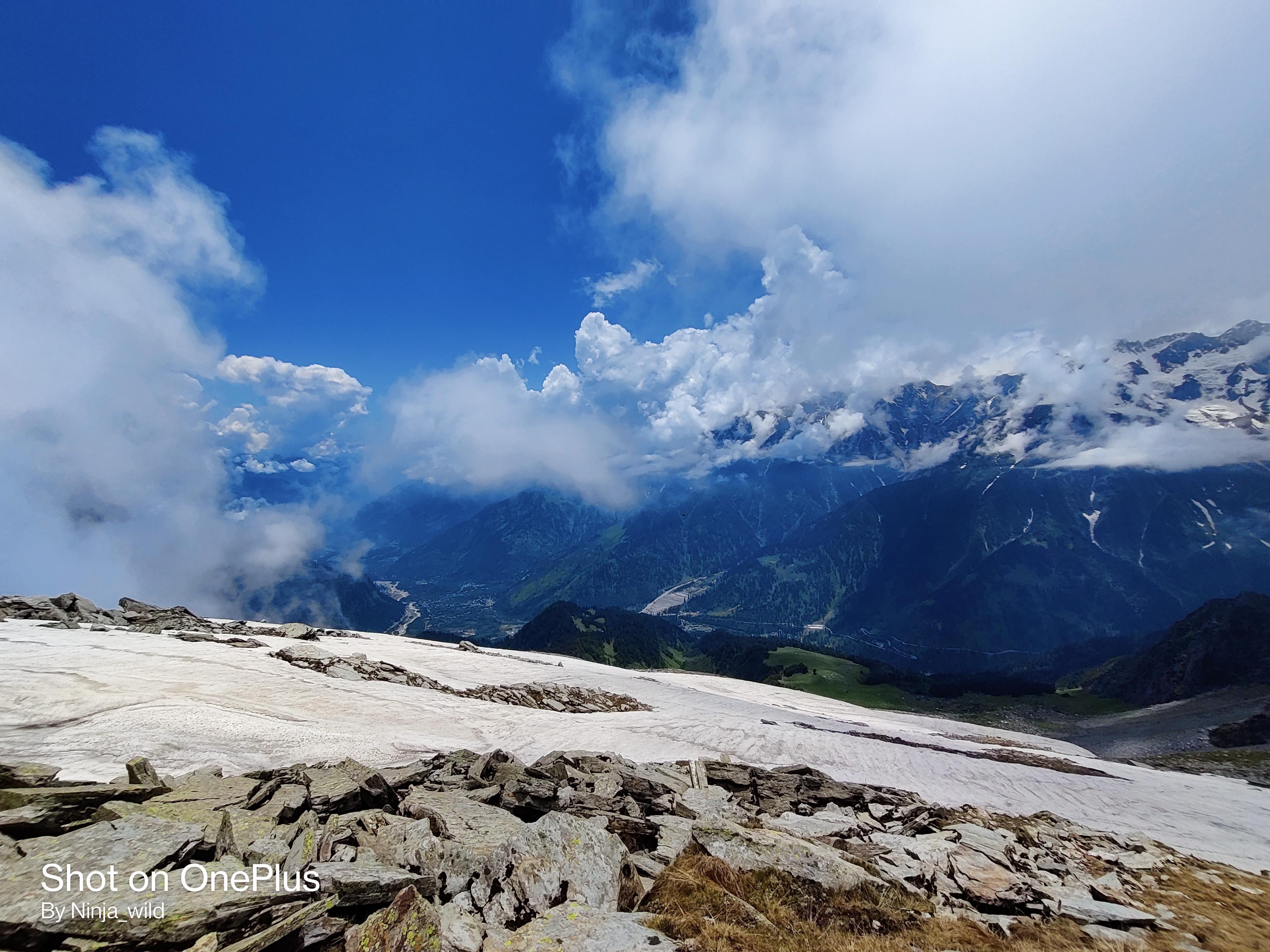
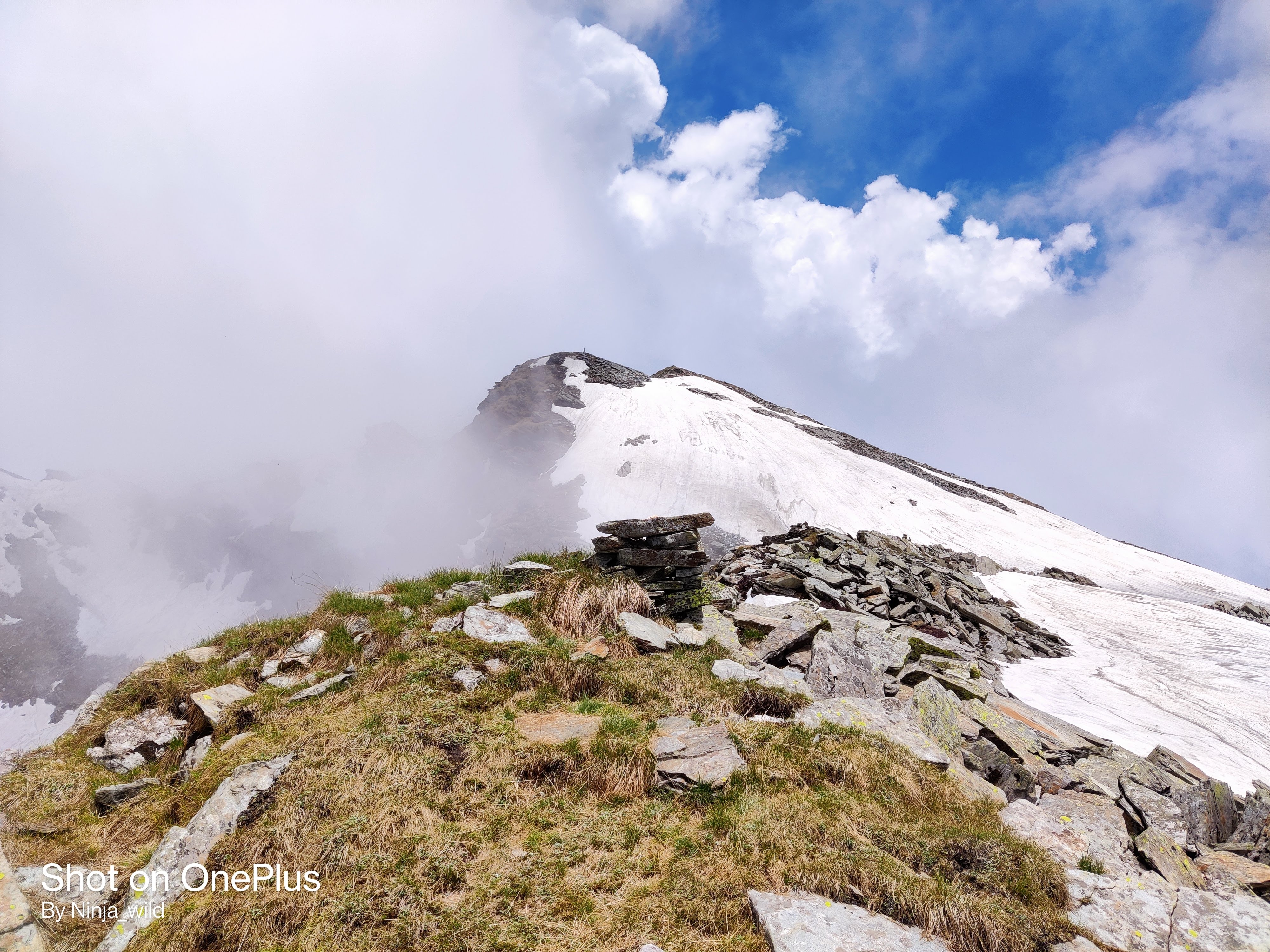
Standing tall at 6,001 meters (19,688 feet) in the Pir Panjal range of Himachal Pradesh, Deo Tibba is a majestic peak that beckons adventure seekers and mountaineers from around the world. This stunning pyramid-shaped mountain offers an exhilarating expedition that combines technical climbing challenges with breathtaking Himalayan beauty.
The Sacred Mountain
The name “Deo Tibba” translates to “Mountain of the Gods,” and one glance at this snow-clad giant explains why. Located in the Kullu district, the peak dominates the skyline with its distinctive pyramidal shape, visible from various vantage points in the Manali region. The mountain holds spiritual significance for locals and presents a formidable challenge for climbers.
Best Time to Climb
The ideal climbing season for Deo Tibba runs from May to June and September to October. During these months, the weather is relatively stable, and the snow conditions are most favorable for climbing. The monsoon months of July and August should be avoided due to heavy precipitation and increased avalanche risk.
Summer expeditions offer longer daylight hours and warmer temperatures, while autumn provides crystal-clear views and more stable weather patterns, though temperatures are significantly colder.
The expedition typically begins from Manali, traveling to Jagatsukh village. From here, the trek winds through dense forests of pine, oak, and rhododendron, gradually ascending to alpine meadows. The journey passes through:
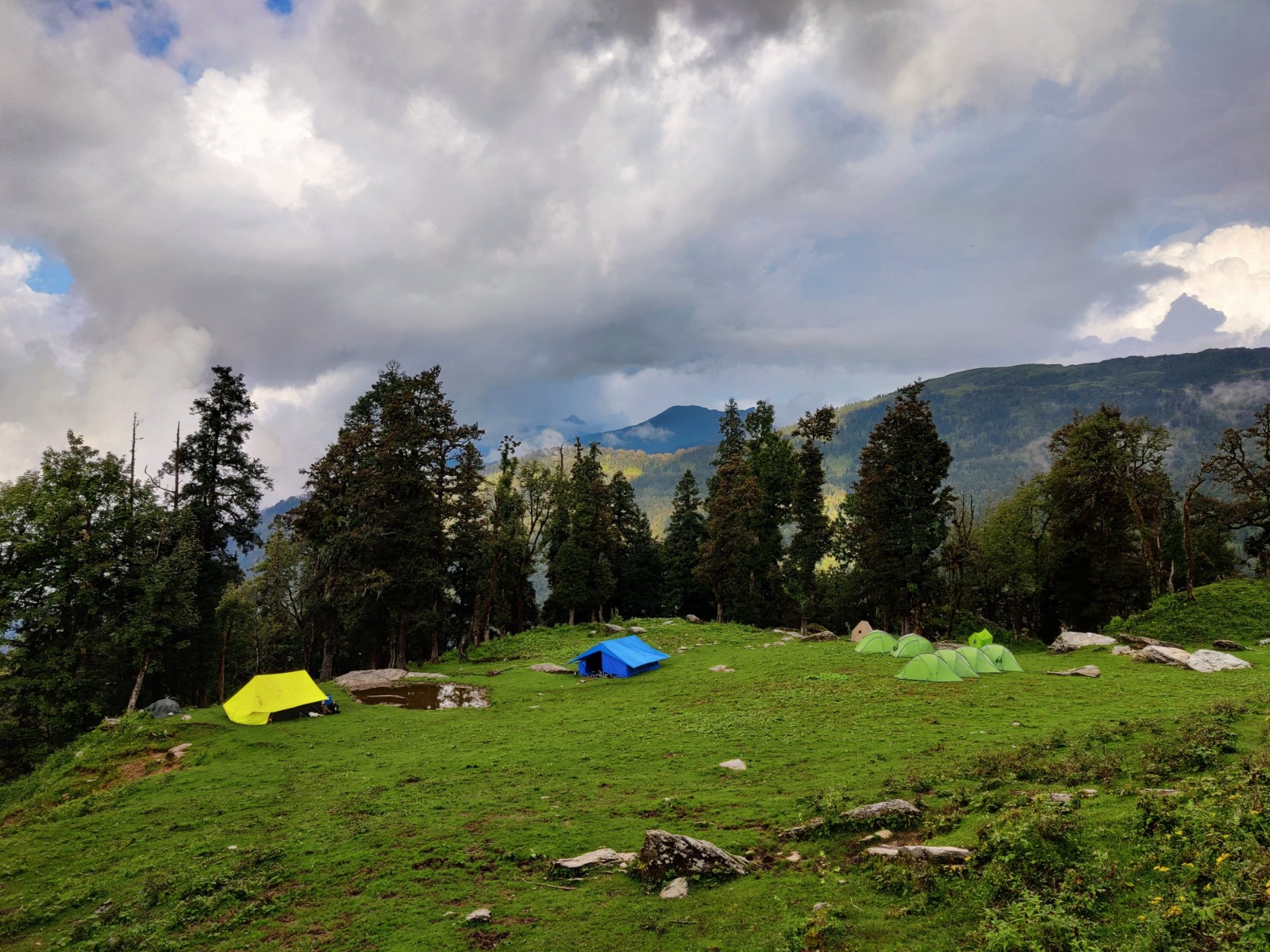
Chikka (3,200m): The first camping spot, surrounded by stunning forest landscapes and mountain streams.
Seri (3,500m): A beautiful meadow offering the first spectacular views of Deo Tibba and Indrasan peaks.
Base Camp (3,700m): Located at Chandertal, this camp provides a dramatic view of the southeast face of Deo Tibba.
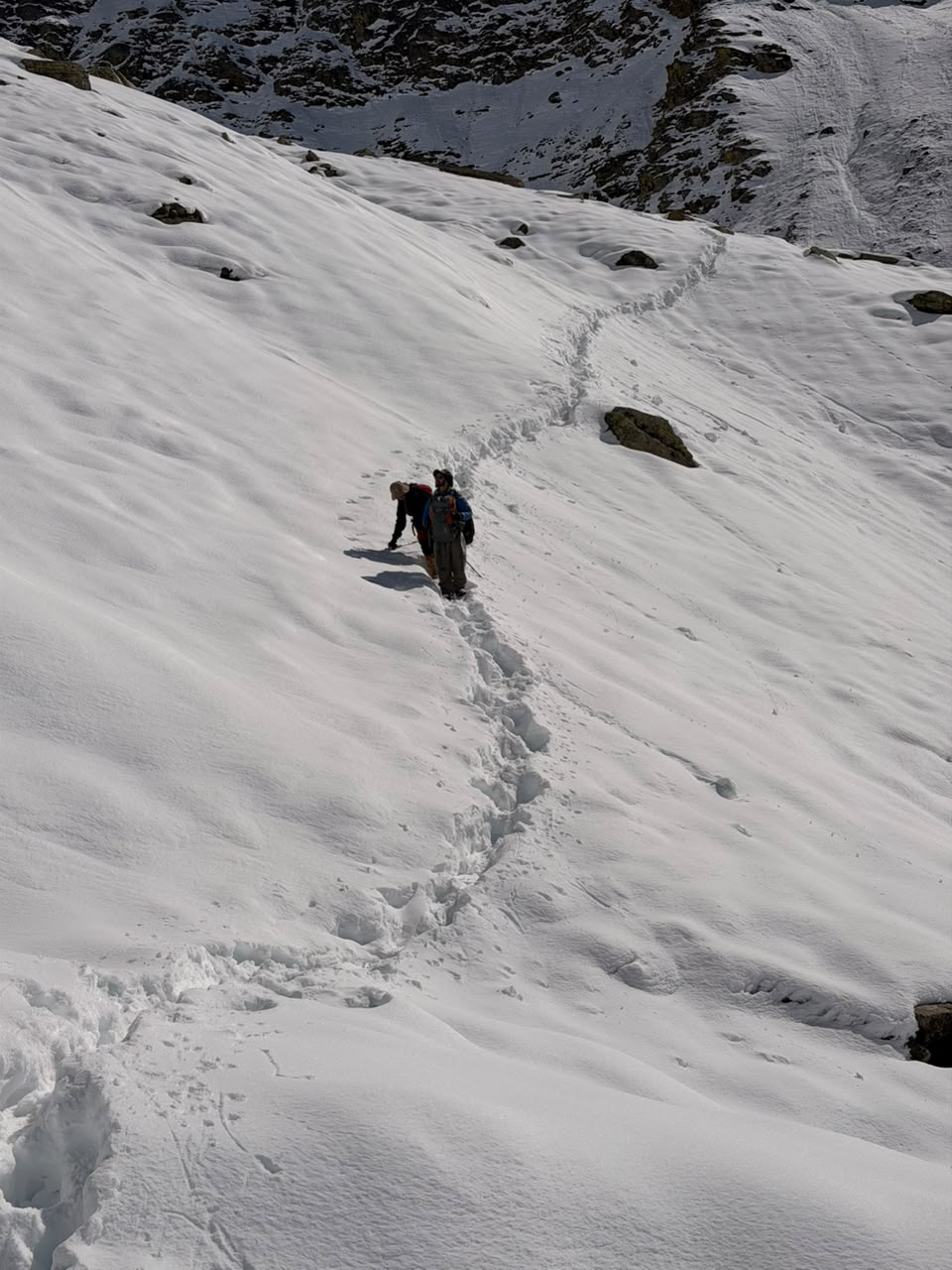
Camp 1 (4,500m): Established on a snow plateau, requiring navigation through crevassed glacial terrain.
Camp 2 (5,200m): The high camp, positioned strategically for the summit push.
The summit attempt typically begins in the early hours, around 2-3 AM. Climbers traverse steep snow slopes with gradients reaching 45-50 degrees, negotiating crevasses and ice walls. The final ridge requires careful navigation and good acclimatization. The round trip from Camp 2 to the summit and back can take 10-14 hours.
Deo Tibba is classified as a moderately difficult peak, making it suitable for climbers with some high-altitude experience but not necessarily extensive technical expertise. The expedition requires:
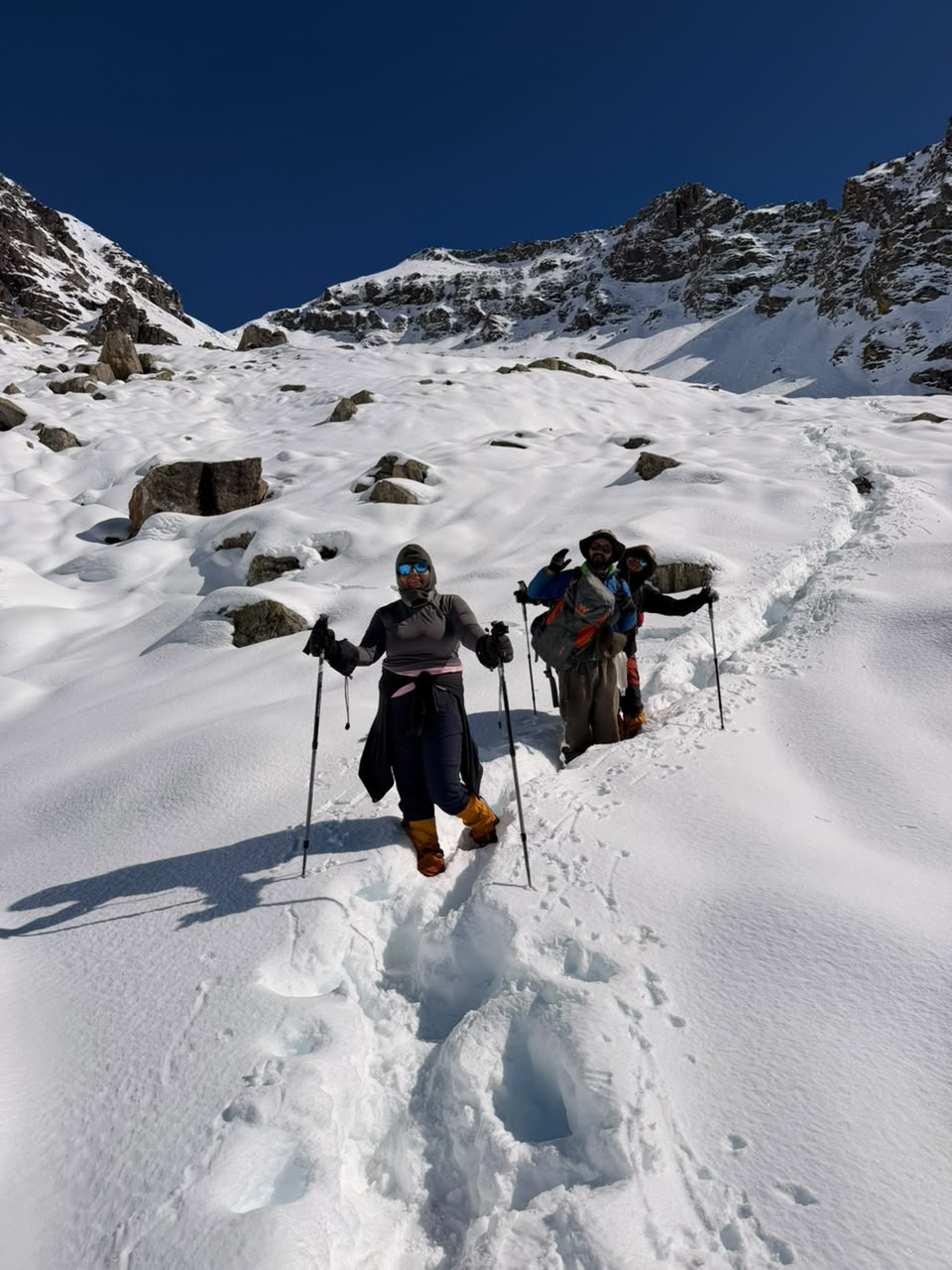
The climb involves steep snow slopes, glacier crossings, and some ice wall sections that demand proper technique and stamina.
Proper equipment is crucial for safety and success:
Technical Gear: Crampons, ice axe, harness, carabiners, prusik cords, helmet, and climbing rope
Clothing: Four-season sleeping bag, insulated jacket, waterproof layers, thermal wear, and high-altitude boots
Accessories: Sunglasses with UV protection, headlamp, trekking poles, and gaiters
Safety Equipment: GPS device, first aid kit, and communication equipment
Successful summit attempts require rigorous preparation. Start training at least 3-4 months before the expedition with:
Climbing Deo Tibba requires obtaining an expedition permit from the Indian Mountaineering Foundation (IMF). The process involves submitting an application with team details, itinerary, and paying the required fees. Most climbers join organized expeditions through licensed operators who handle permit arrangements.
Like any high-altitude expedition, Deo Tibba presents several challenges:
Altitude Sickness: Proper acclimatization is essential to prevent acute mountain sickness (AMS).
Weather Volatility: Conditions can change rapidly, with temperatures dropping to -20°C or lower at higher camps.
Avalanche Danger: Certain sections are prone to avalanches, especially after fresh snowfall.
Crevasses: Hidden crevasses on the glacier require careful navigation and roped travel.
Reaching the summit of Deo Tibba is an unforgettable experience. From the top, climbers are rewarded with panoramic views of the surrounding Himalayan giants, including Indrasan, the Seven Sisters peaks, and on clear days, even distant peaks of the Greater Himalayas. The sense of achievement, combined with the pristine beauty of the snow-covered landscape, makes every challenge worthwhile.
As with all Himalayan expeditions, practicing Leave No Trace principles is essential. Carry back all waste, respect local culture and wildlife, and minimize your environmental impact. The fragile alpine ecosystem requires our protection for future generations of climbers.
The Deo Tibba expedition offers a perfect stepping stone for climbers aspiring to tackle higher Himalayan peaks. It provides an ideal balance of technical challenge, high-altitude experience, and stunning natural beauty. Whether you’re an intermediate climber looking to push your limits or an experienced mountaineer seeking a rewarding adventure, Deo Tibba promises an expedition you’ll remember for a lifetime.
The mountain awaits, standing sentinel over the Kullu Valley, its snow-draped slopes beckoning those brave enough to answer the call of the high Himalayas. With proper preparation, experienced guides, and respect for the mountain, your Deo Tibba expedition can be a transformative journey into the heart of the Himalayas.