Hanuman Tibba Expedition 2026
Hanuman Tibba Expedition 2026
04
Feb

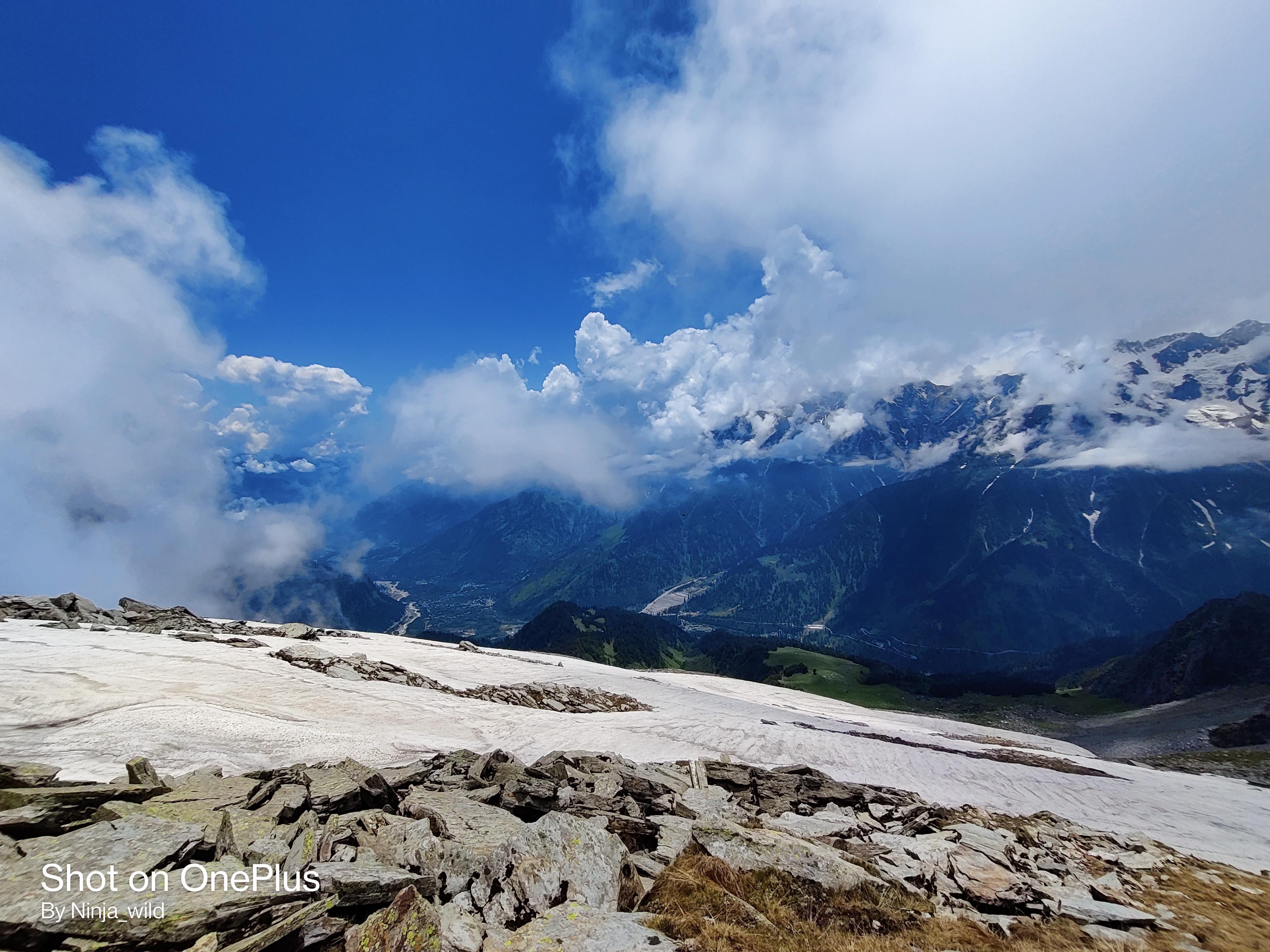
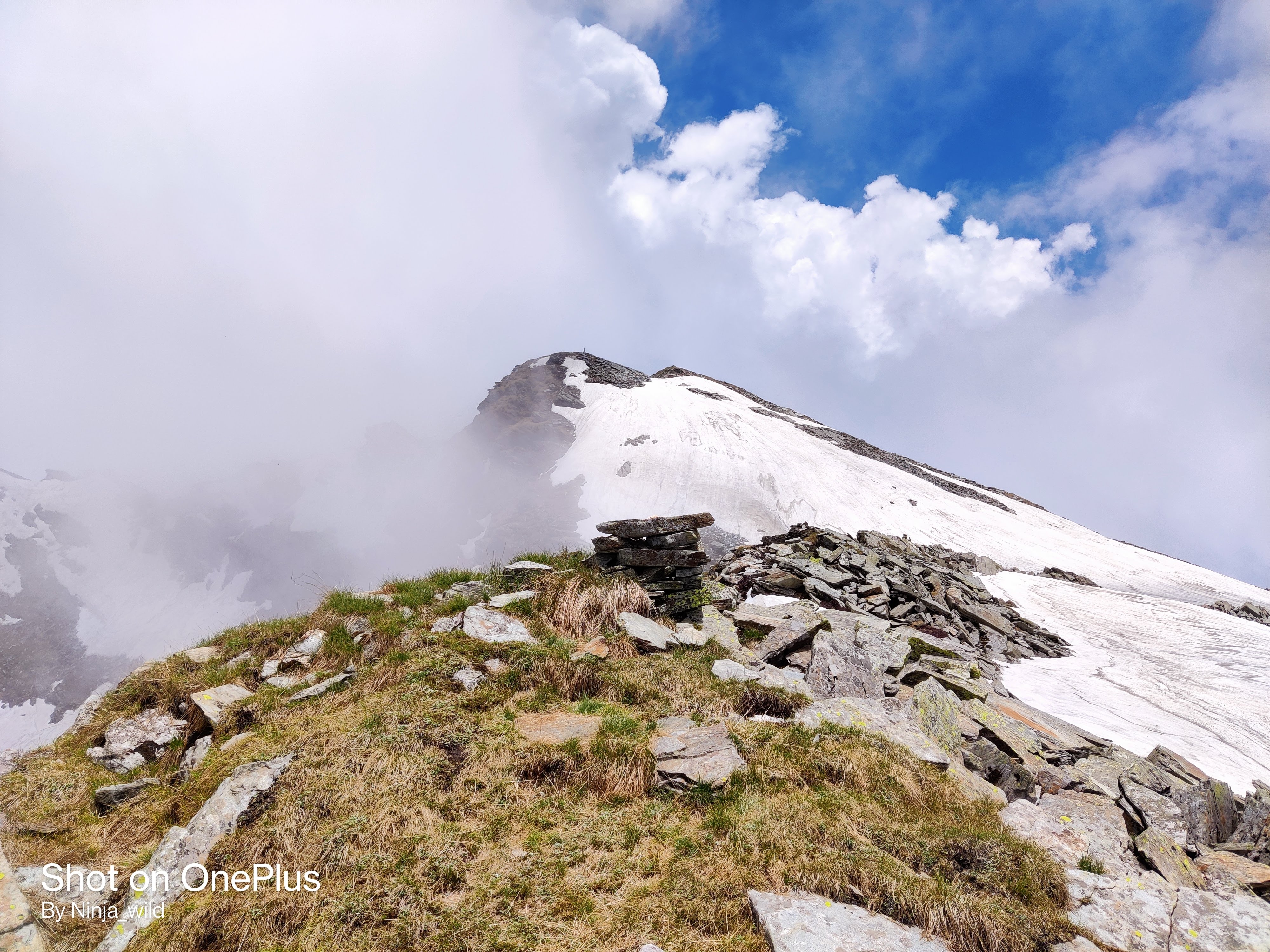
Nestled in the magnificent Pir Panjal Range near Manali, Hanuman Tibba stands as one of the most thrilling and challenging mountaineering expeditions in the Indian Himalayas. Rising to 5,932 meters (19,462 feet), this pyramid-shaped peak offers adventurers an unforgettable journey through diverse landscapes, technical climbing challenges, and breathtaking panoramic views that make every moment of struggle worthwhile.
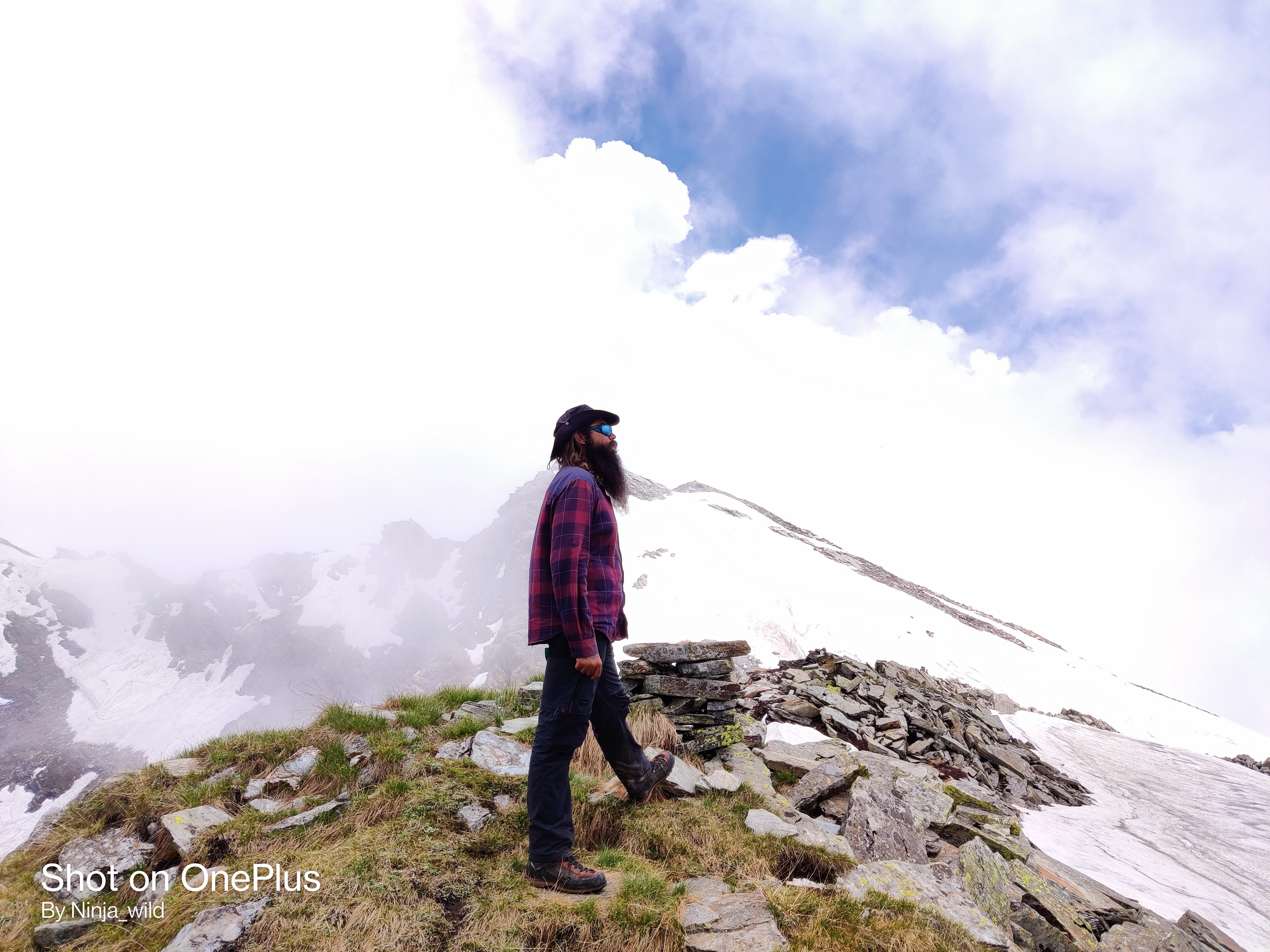
Known as “The White Mountain,” Hanuman Tibba is more than just another Himalayan peak. It’s a proving ground for aspiring mountaineers, featured in the advanced training curriculum of the Western Himalayan Mountaineering Institute in Manali. The expedition combines the thrill of high-altitude climbing with the raw beauty of untouched wilderness, making it a bucket-list adventure for experienced trekkers.
What sets this expedition apart is its accessibility paired with technical demands. While not the highest peak in the Himalayas, where it lacks in height it makes up in beauty. The trek takes you through a spectacular progression of landscapes—from lush alpine meadows and dense deodar forests to imposing glaciers and snow-covered ridges.
Your expedition begins with an hour-long drive from Manali through Palchan and Solang Nallah to Dhundi, situated at 2,850 meters. This scenic journey follows the Beas River and sets the stage for the adventure ahead. The transition from the bustling hill station of Manali to the serene wilderness happens remarkably quickly, immersing you in the Himalayan environment.
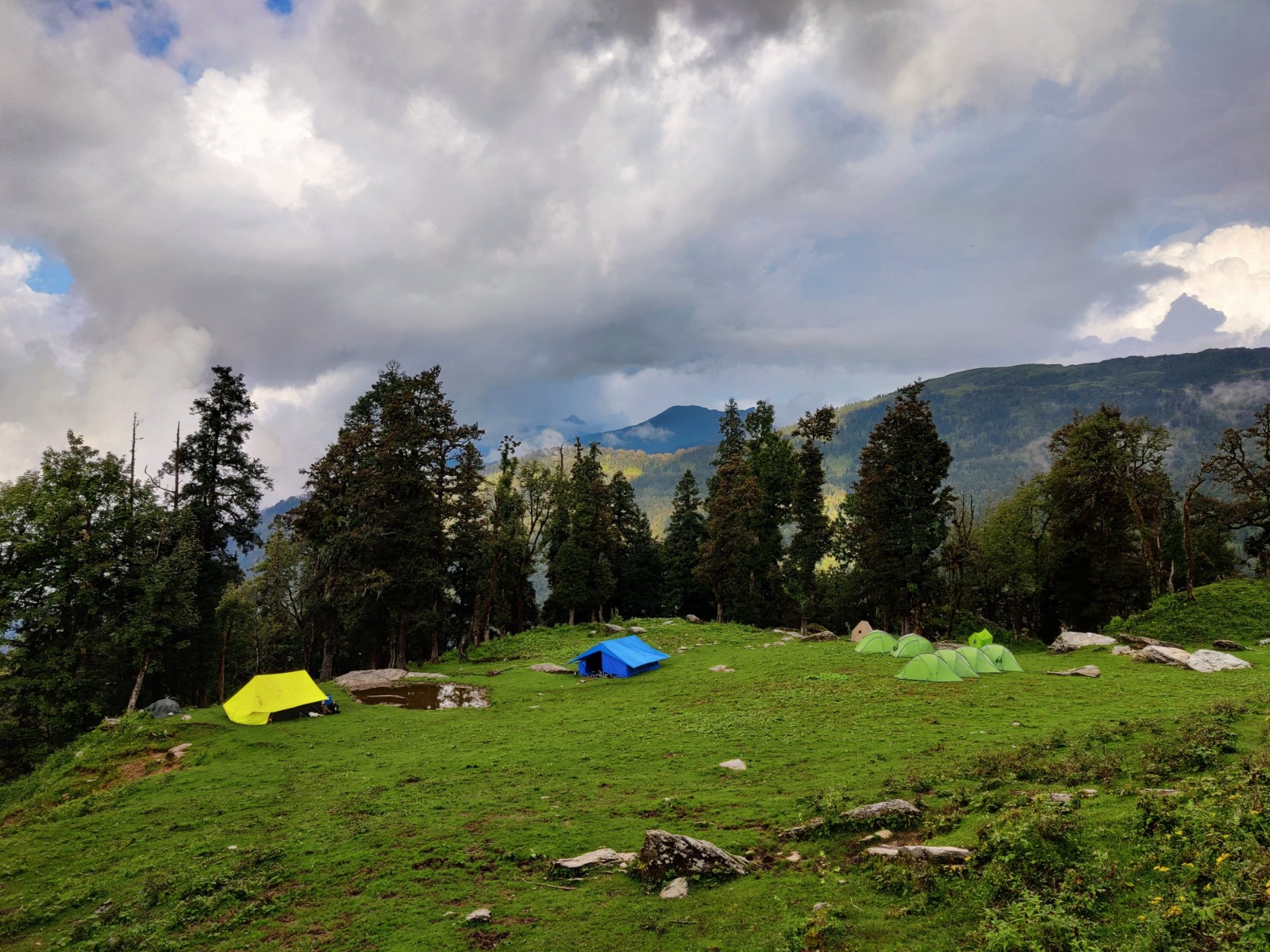
The first major camping spot is near Beas Kund, the glacial lake that serves as the source of the River Beas. This sacred site offers magnificent views of the Dhauladhar and Pir Panjal ranges, surrounded by towering peaks like Hanuman Tibba, Friendship Peak, and Shitidhar. The walk through Bakarthach meadows is a gentle introduction, allowing your body to acclimatize while your eyes feast on the surrounding beauty.
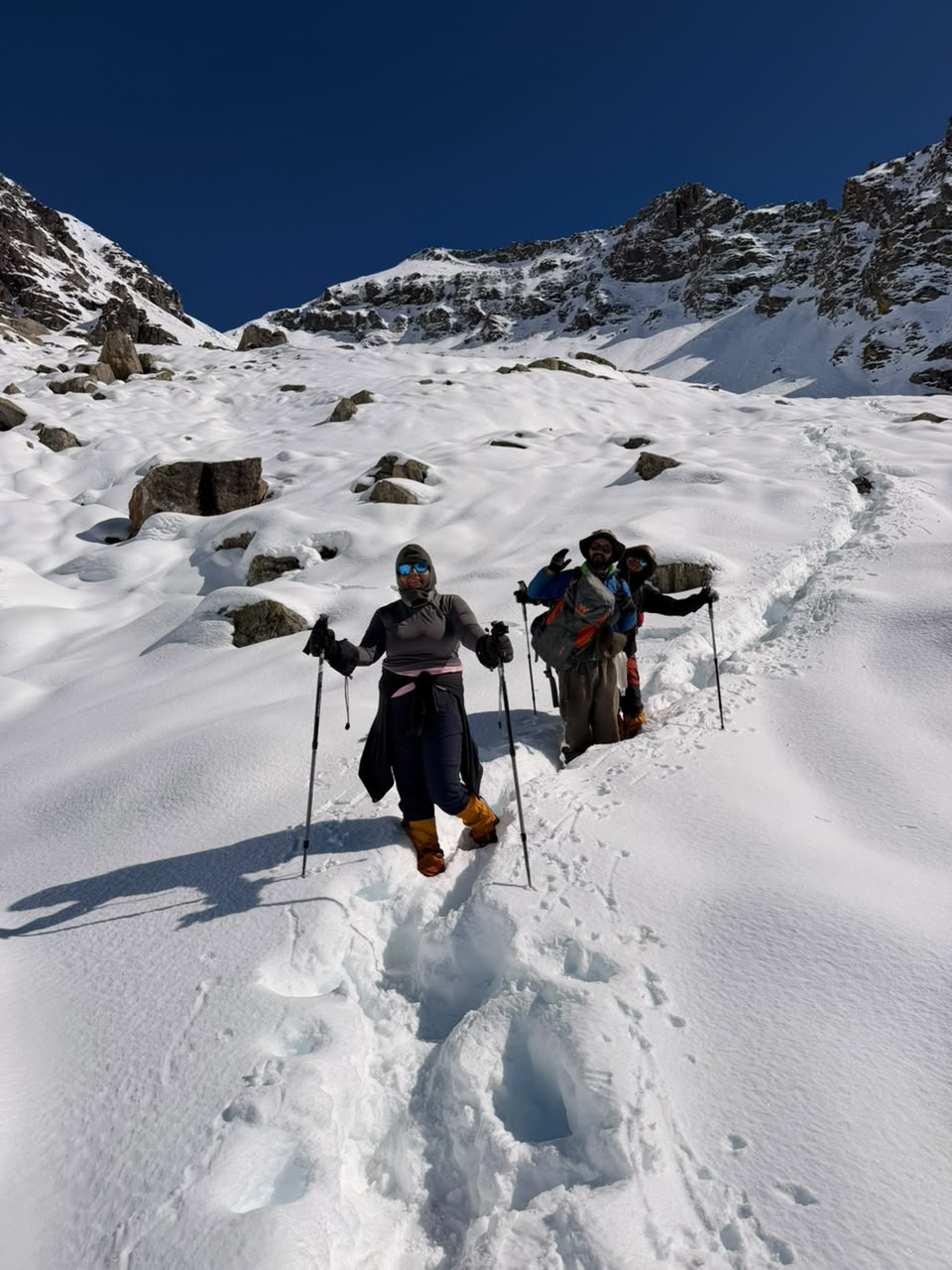
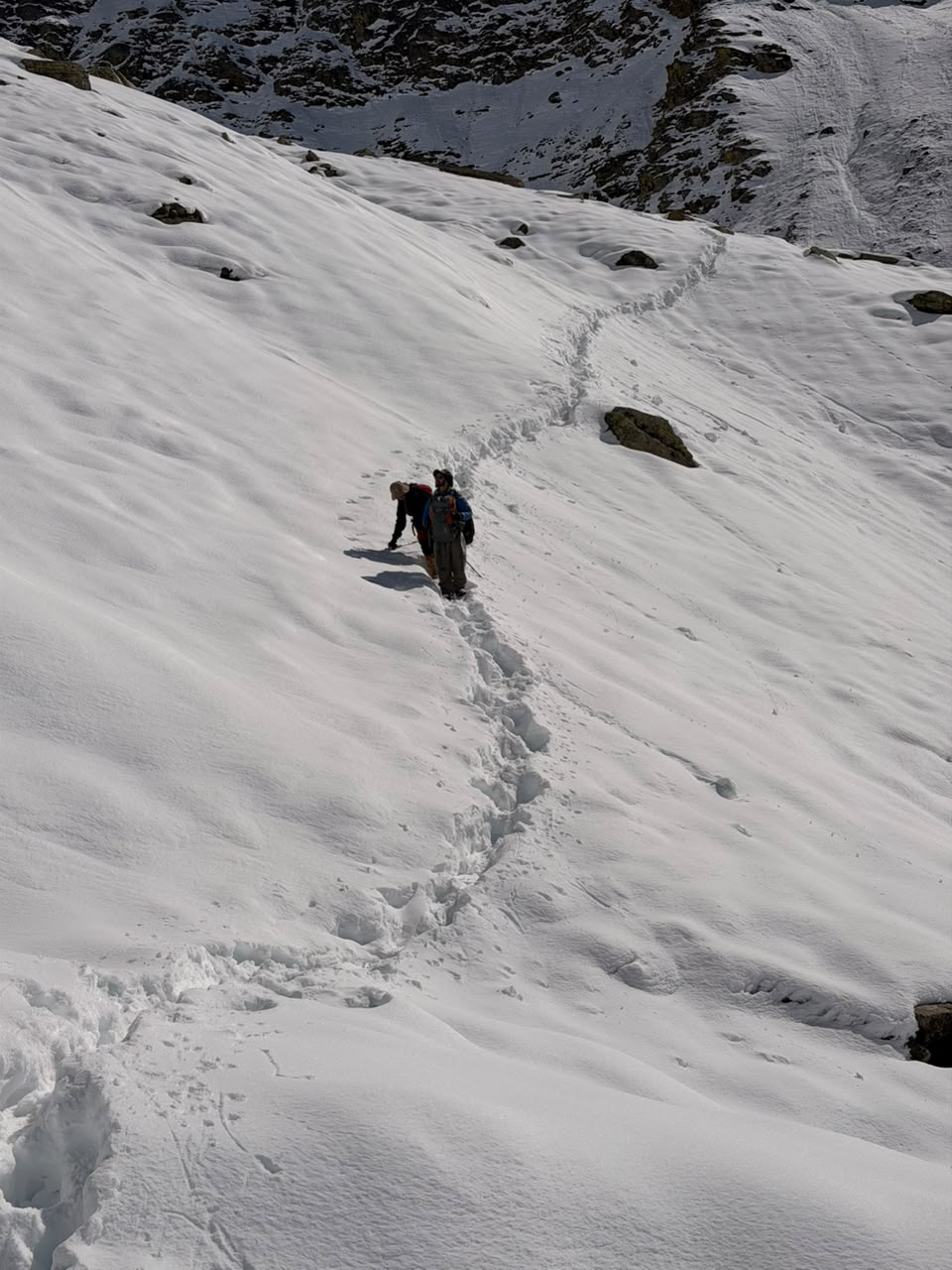
The Tentu Pass represents the ultimate test for climbers. This is where the expedition shifts from trekking to technical mountaineering. The ascent through the Tentu Gully demands proper use of ice axes, crampons, and ropes. The climb is steep, often slippery, and requires concentration and stamina. Crossing this pass takes 4-5 hours and marks a significant achievement in the journey.
Beyond the pass, you’ll establish your Advanced Base Camp beside a small glacial lake, surrounded by towering rocky cliffs. The isolation here is profound—you’re truly in the high mountains now.
The final push to the summit begins in the pre-dawn darkness. Climbers navigate moraines and glaciers, ascending via the South-West face of Hanuman Tibba. The route involves crossing crevasses and managing steep snow slopes, all while the altitude makes every breath count.
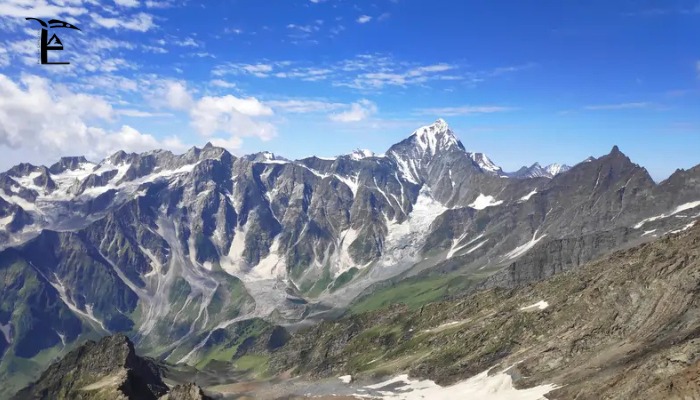
Upon reaching the peak, you’re rewarded with mesmerizing views of the Pir Panjal Range, Dhauladhar Range, and peaks like Deo Tibba and Indrasan. The 360-degree panorama of snow-clad mountains stretching to the horizon is a moment that stays with you forever. After savoring the achievement with photographs and snacks, you begin the careful descent back to camp.
This is not a trek for beginners. Hanuman Tibba demands:
Prior Experience: Climbers should have experience with trekking peaks and prior technical knowledge of using crampons and jumars. Having completed at least one or two peaks above 5,000 meters, or a basic mountaineering course, is highly recommended.
Physical Fitness: If you can jog or run 5 kilometers in 25-30 minutes, you’re ready. The expedition requires excellent cardiovascular endurance, leg strength, and mental resilience. Regular training should include long runs, resistance exercises like squats and lunges, and ideally some practice with mountaineering equipment.
Technical Skills: You must be comfortable with ice axes, crampons, rope techniques, and working as part of a team in challenging conditions. Training sessions are typically provided during acclimatization days, but coming with foundational knowledge is essential.
The ideal months for the Hanuman Tibba expedition are May, June, September, and October. During these periods, weather conditions are most favorable, with clearer skies and manageable temperatures.
Summer months offer daytime temperatures ranging from 10°C to 20°C, dropping below freezing at night at higher camps. Autumn brings crisp, clear days perfect for summit attempts, though nights can plunge to -11°C. The monsoon season should generally be avoided due to unpredictable weather and increased risk of landslides.
Most expeditions span 12-13 days, including:
The itinerary includes built-in rest and acclimatization days, which are crucial for a safe and successful summit attempt. These aren’t wasted days—they allow your body to adapt to altitude while providing opportunities for technical training and equipment familiarization.
Reputable expedition operators typically provide:
While operators provide most technical gear, you’ll need:
This expedition is meant for those aspiring to push their limits but only with prior trekking experience. The combination of high altitude, technical climbing, and changing weather conditions means safety cannot be taken lightly.
Always trek with a reputable operator who provides:
Listen to your body and your guide. Altitude sickness is a real risk, and recognizing symptoms early is crucial. The expedition includes acclimatization days for good reason—use them wisely.
Yes, Hanuman Tibba is demanding. The technical sections push your limits, the altitude tests your endurance, and the early morning summit push challenges your determination. But the rewards are immeasurable.
Standing atop this magnificent peak, surrounded by an ocean of Himalayan giants, you experience a profound connection with the mountains. The journey teaches you about perseverance, teamwork, and your own capabilities. The diverse landscapes—from verdant valleys to stark glaciers—showcase nature’s artistry in all its forms.
For those ready to take their mountaineering to the next level, Hanuman Tibba offers an accessible yet authentic high-altitude experience. It’s a stepping stone toward bigger peaks while being an incredible achievement in its own right.
The Hanuman Tibba expedition is more than just a trek—it’s a transformative journey that combines physical challenge with spiritual rewards. Whether you’re an aspiring mountaineer looking to develop your skills or an experienced trekker seeking your next great adventure, this White Mountain of the Himalayas calls to those with the courage to answer.
Pack your gear, train your body, and prepare your mind. The summit of Hanuman Tibba awaits, promising an experience that will stay etched in your memory forever. In the words of every climber who’s stood atop this majestic peak: the view from the top makes every challenging step worthwhile.
Are you ready to conquer the White Mountain?