Hidden alpine lakes kashmir
Hidden alpine lakes kashmir
27
May

Tarsar Marsar lakes trek is one of the quieter alpine treks in Kashmir — a route shaped less by dramatic difficulty and more by atmosphere, changing weather, and the slow rhythm of moving through open valleys for days at a time.
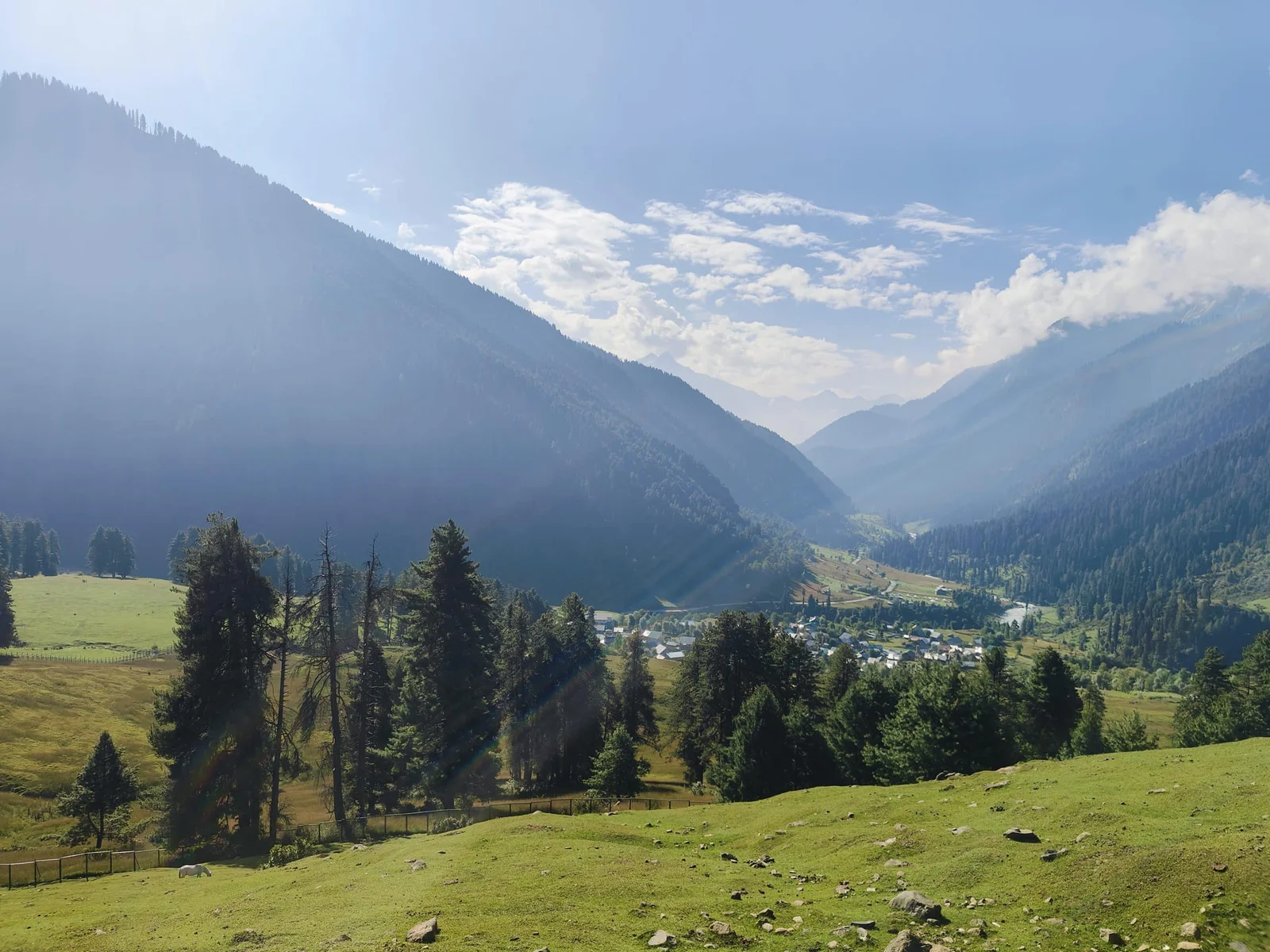
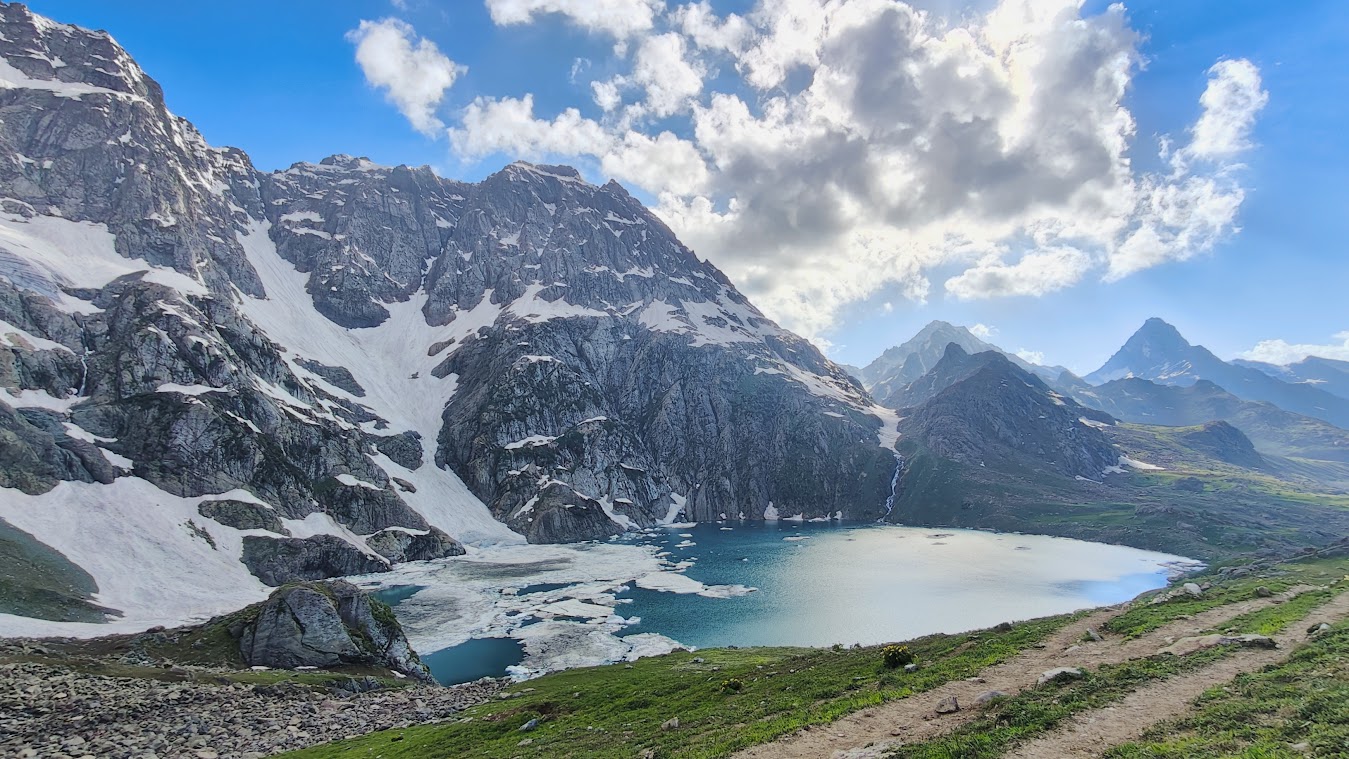
The trail passes through pine forests, riverside clearings, rolling grasslands, shepherd camps, and a chain of alpine lakes hidden deep inside the upper Aru Valley region. Unlike larger Himalayan expeditions where the landscape constantly tries to overwhelm you through scale, Tarsar Marsar feels closer and more personal for most of the journey.
Some mornings begin with perfectly still lakes and soft sunlight spreading slowly across the meadows. Then the clouds move lower into the valley, the wind changes direction, and entire ridgelines begin disappearing behind fog within minutes.
That unpredictability becomes part of the experience here.
The route gradually climbs through Lidderwat, Shekwas, Tarsar, Sundarsar, and the Marsar-facing ridges where weather rarely stays stable for long. The terrain itself is not aggressively steep, but long walking days, wet meadow sections, cold evenings, and repeated exposure to changing weather slowly build fatigue across the trek.
What most trekkers remember later is rarely a single viewpoint.
It is usually smaller moments.
Morning silence near Tarsar before the camps fully wake up. Wet shoes drying outside tents after evening rain. Hot tea feeling unusually comforting once the temperature drops near the lakes. The sound of distant horse bells moving through fog while clouds slowly close around the valley.
Tarsar Marsar does not feel extreme.
It feels immersive.
Tarsar Marsar gains altitude gradually through forests, meadows, alpine valleys, and open lake basins spread across the upper Aru region of Kashmir.
The first few days usually feel comfortable because the trail climbs steadily instead of aggressively. Pine forests, wooden bridges, riverside movement, and softer meadow terrain dominate the lower sections before the landscape slowly begins opening into colder alpine valleys near the lakes.
As the trek progresses, the environment changes quietly.
The forests begin disappearing behind the trail. Wind exposure increases near the camps. Mornings become colder. Valleys feel wider and more isolated once fog starts moving through the ridgelines around Marsar.
The terrain itself keeps shifting throughout the route:
Nothing feels technically dangerous.
But the walking never completely relaxes either.
Several meadow sections remain wet long after rainfall, especially near Shekwas, Tarsar, and Sundarsar. Even gentle terrain begins feeling slower once shoes stay damp and energy starts dropping after consecutive walking days.
Altitude usually becomes noticeable after repeated nights near the lakes, especially during colder mornings when breathing feels slightly heavier near exposed campsites.
The trek remains beginner friendly.
But once the weather turns unstable, the valley starts feeling far more Himalayan than most people initially expect.
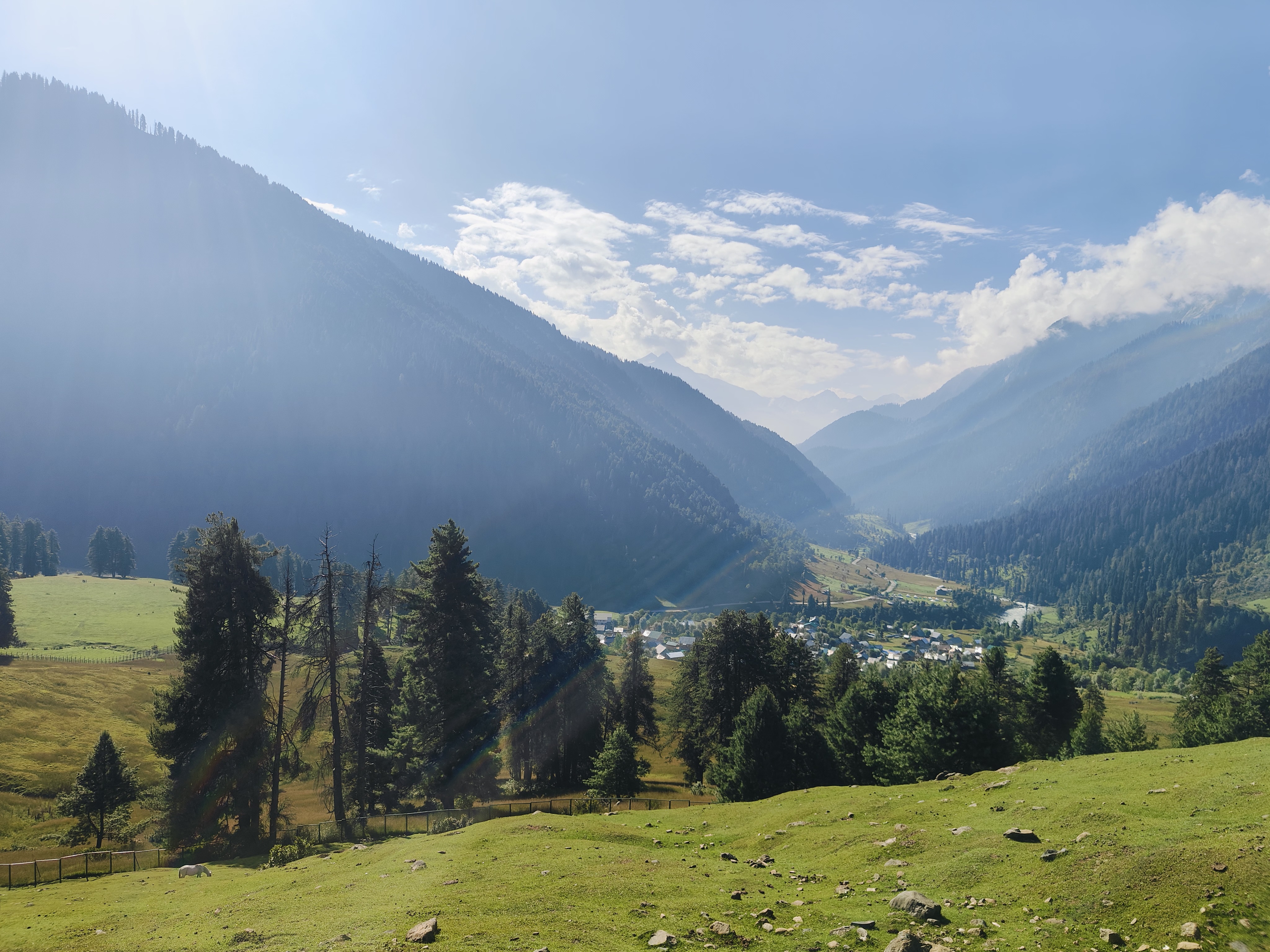
The drive from Srinagar toward Aru gradually leaves behind busier roads and enters quieter mountain terrain shaped by pine forests, rivers, wooden houses, and traditional Kashmiri villages. After Pahalgam, the valley begins feeling noticeably calmer and more remote.
By evening, the atmosphere changes quickly once sunlight starts disappearing behind the surrounding ridges.
Reality Check:
Even the first evening can feel unexpectedly cold once the wind begins moving through the valley after sunset.
Photography Window:
Late afternoon light near Aru usually creates soft golden contrast across the pine forests and surrounding slopes.
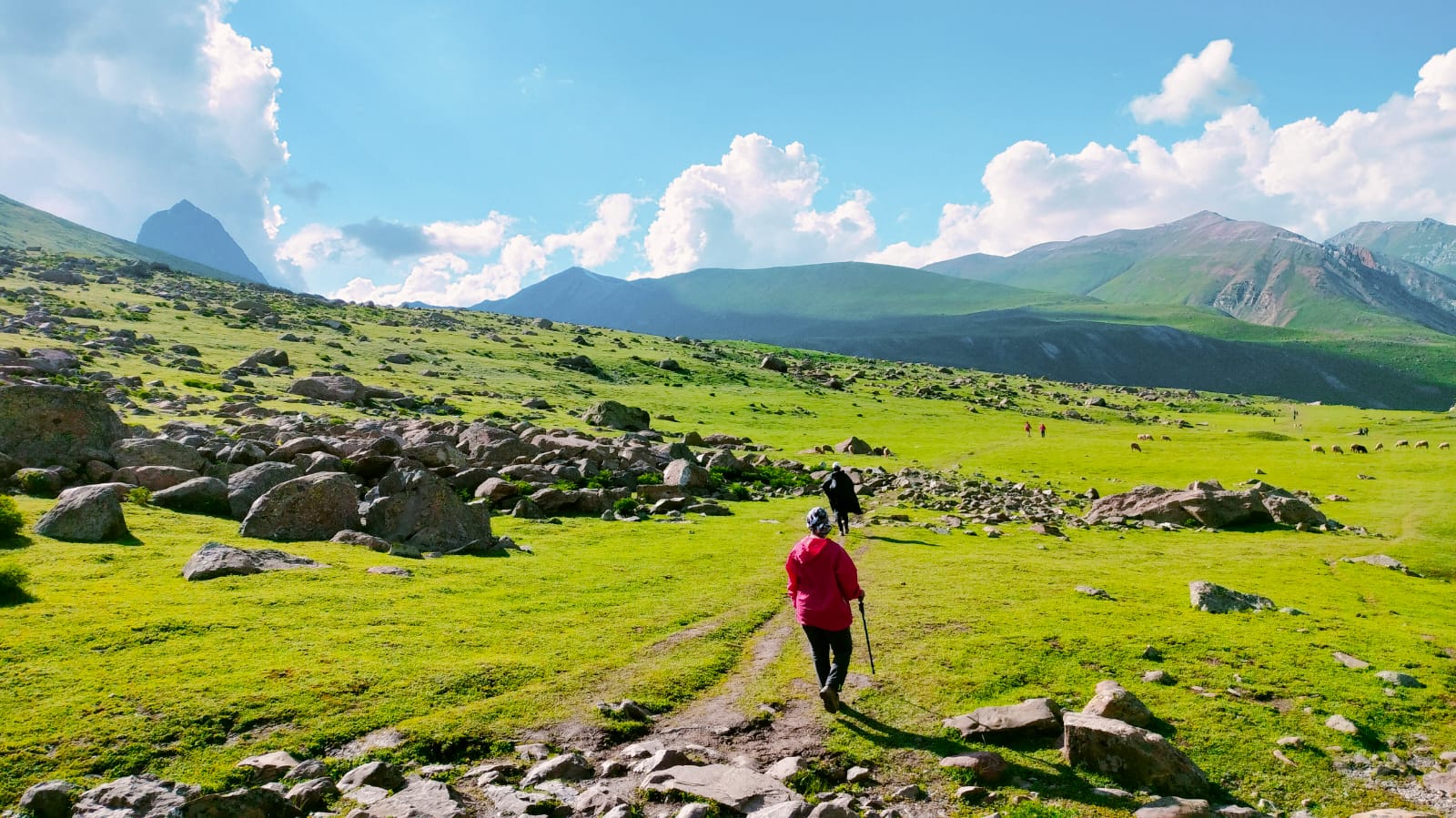
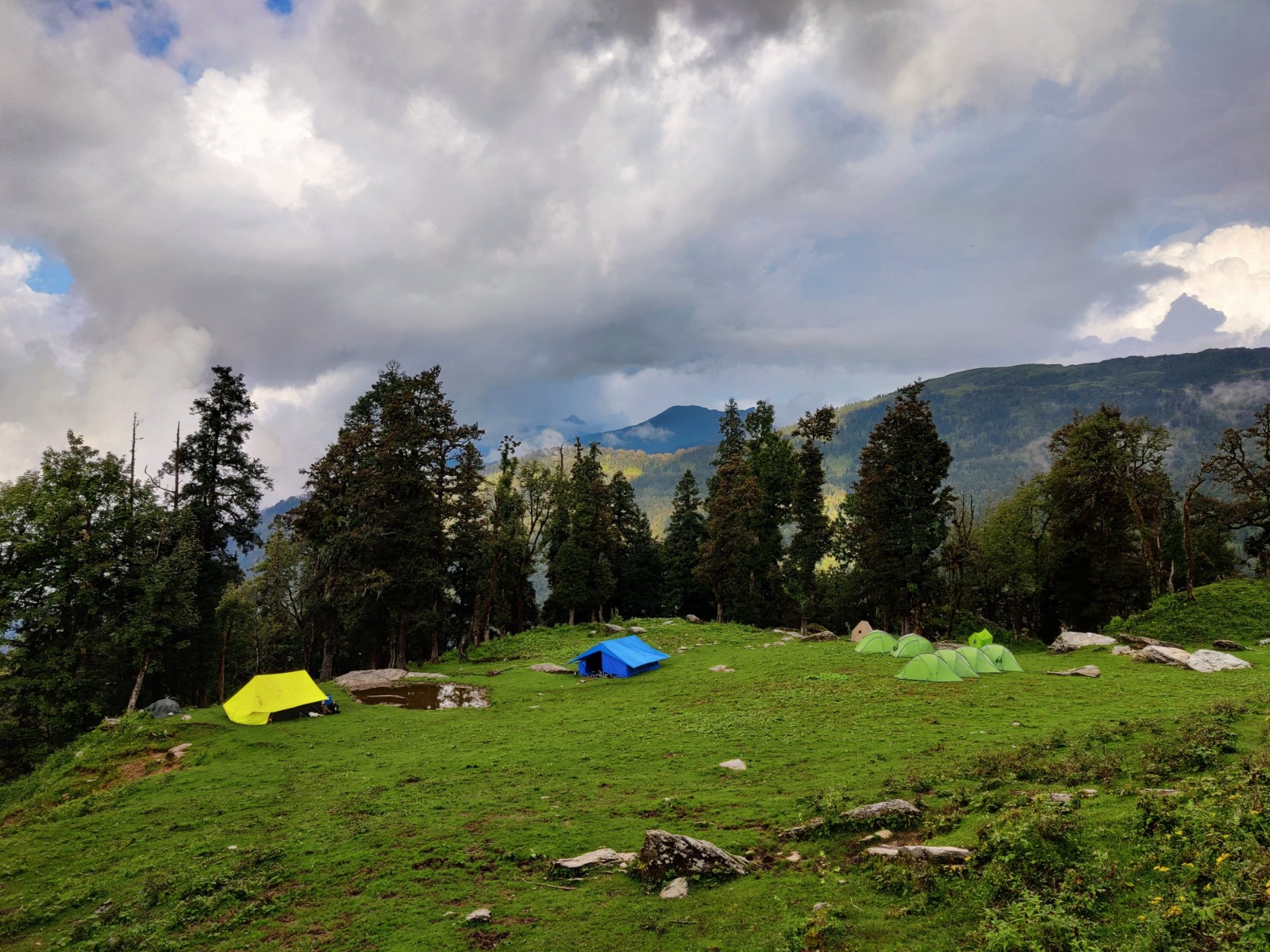
The trail follows the Lidder River through pine forests, wooden bridges, grazing sections, and long meadow stretches where the sound of moving water remains present for most of the day.
This is one of the easier walking days of the trek and helps the body settle into a sustainable pace before the higher alpine sections begin.
Reality Check:
Most trekkers walk faster than necessary on this day because the terrain feels comfortable early on.
Photography Window:
Morning light through the forest sections near Lidderwat creates some of the calmest photography conditions of the trek.
The landscape gradually opens after Lidderwat as forests begin thinning and wider alpine valleys start appearing across the trail. Tarsar usually reveals itself slowly near the final stretch of the day, surrounded by open grasslands and changing cloud movement.
Weather near the lake rarely stays stable for long.
Reality Check:
Clear weather near the lake can shift into fog, wind, and light rain surprisingly fast during the afternoon.
Photography Window:
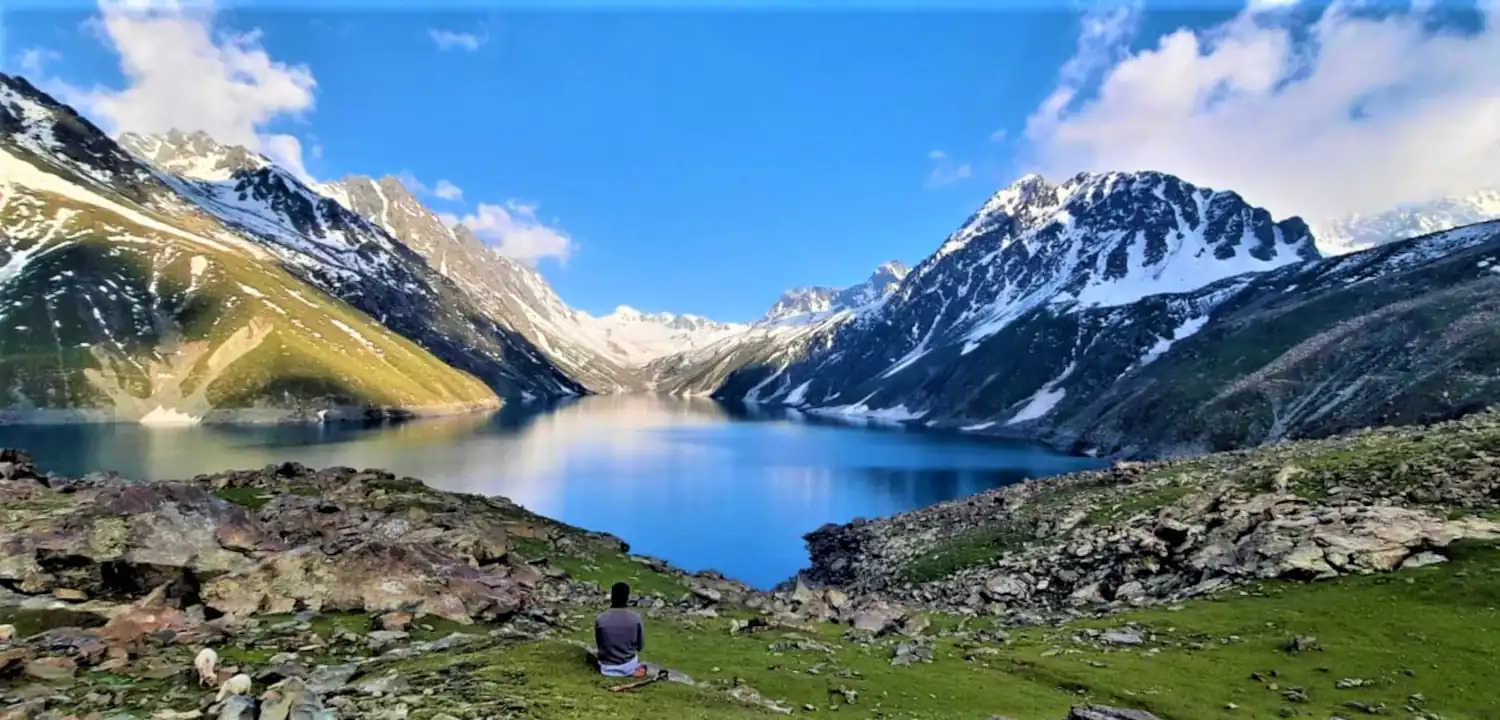
Early mornings near Tarsar usually provide the clearest reflections before wind movement begins disturbing the water surface.
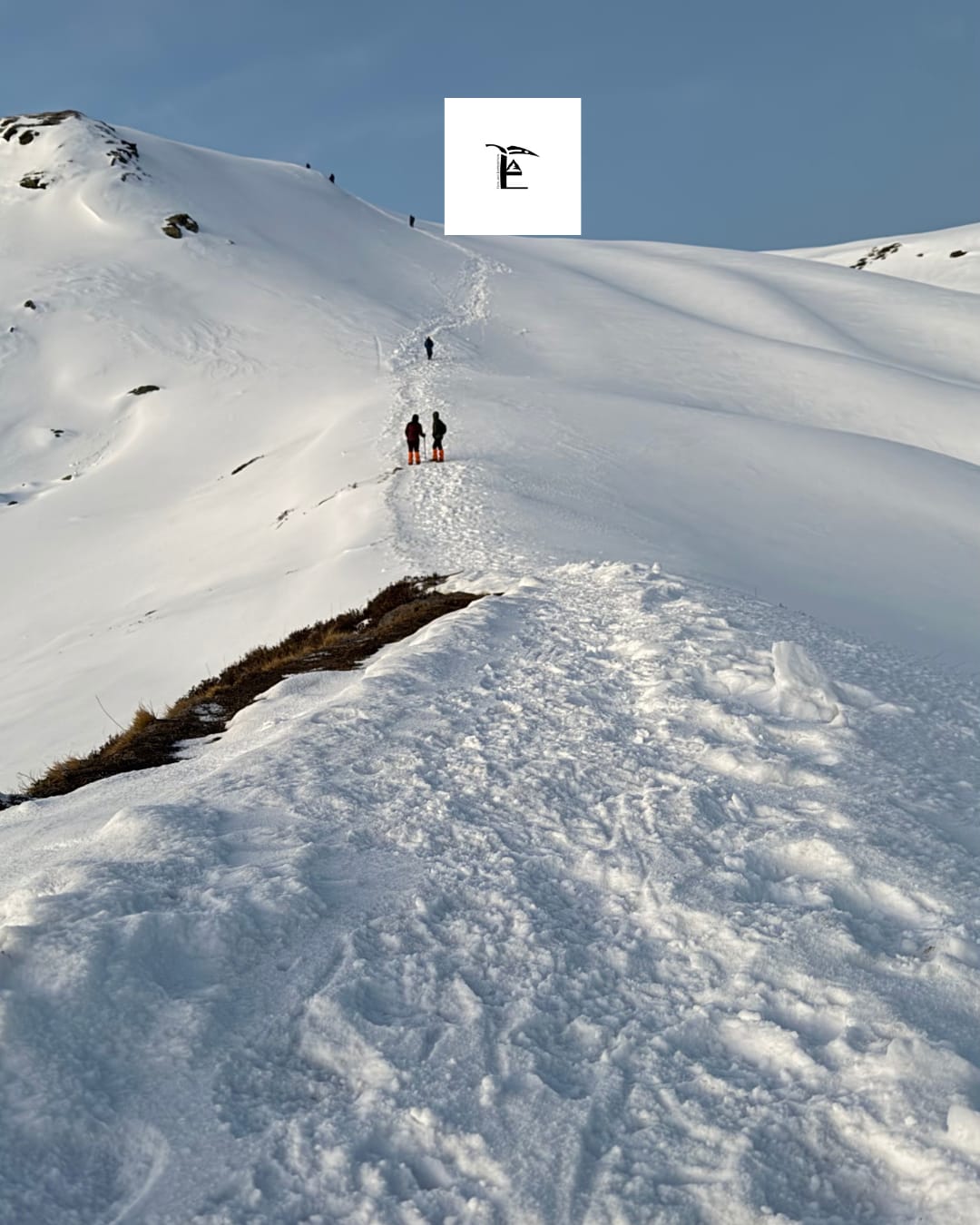
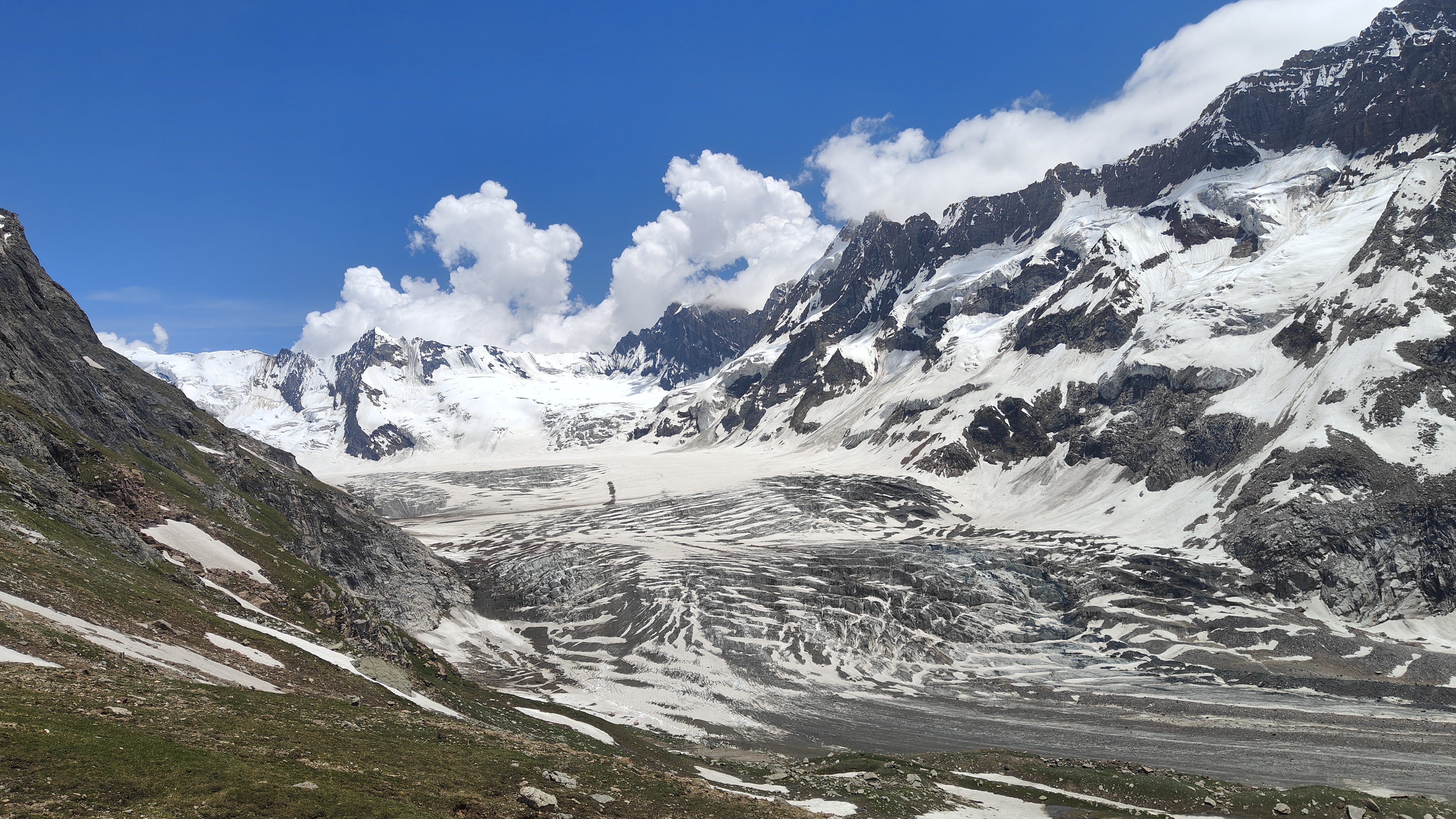
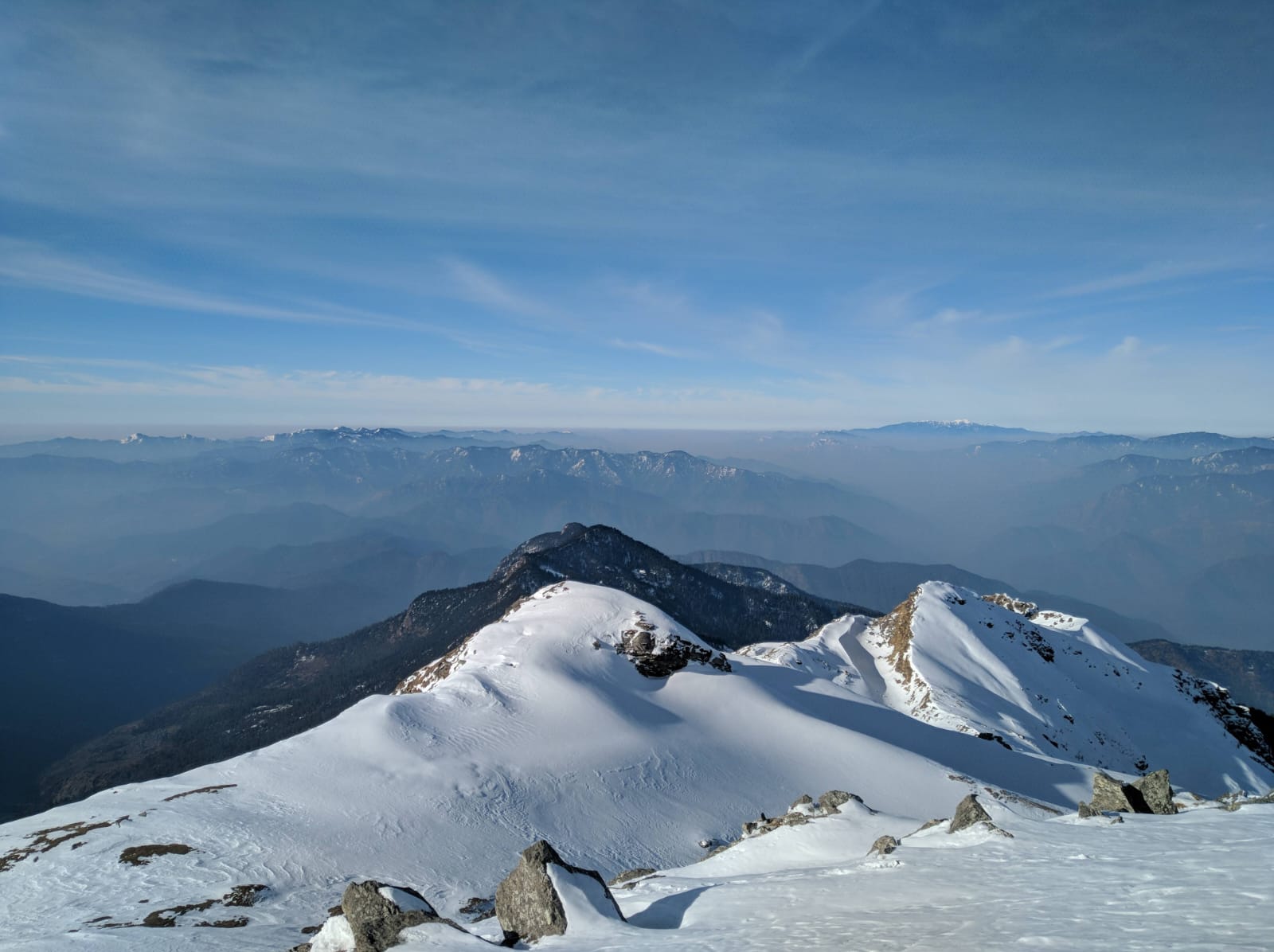
This is one of the most visually dynamic days of the trek. The route moves through exposed ridgelines, colder alpine terrain, and shifting weather zones where the Marsar side often remains partially hidden behind moving fog.
Some trekkers only get brief views of Marsar before the clouds close again.
Reality Check:
The climbs remain manageable, but wet grasslands and uneven footing quietly slow movement more than most people expect.
Photography Window:
Cloud movement near Marsar creates constantly changing light conditions across the ridges and valleys throughout the afternoon.
The route gradually descends toward greener valley systems where streams, softer terrain, and meadow sections begin reappearing across the landscape.
After the colder alpine camps, this section usually feels calmer physically, although the long descents still continue stressing knees and ankles.
Reality Check:
Wet shoes and overloaded backpacks start feeling significantly more tiring by this stage of the trek.
Photography Window:
Post-rain conditions near the lower valleys often create dramatic contrast between darker clouds and bright meadow sections.
The final day retraces the lower valley sections back toward Aru through forests, riverside trails, and gradual descents before driving back toward Srinagar.
By this stage, many trekkers realize how quiet the route actually felt compared to more crowded Himalayan trekking circuits.
Reality Check:
The final descent still puts steady pressure on knees and ankles, especially after multiple consecutive walking days.
Photography Window:
Morning departures from Homwas usually provide the clearest visibility before afternoon cloud build-up begins again across the valleys.
One of the most underestimated parts of Tarsar Marsar is how tiring wet meadow terrain becomes over long walking days.
Unlike steep climbs where exhaustion feels immediate and obvious, damp grasslands slowly drain energy through constant balance adjustment, uneven footing, and reduced walking rhythm. Several sections near Shekwas, Tarsar, and Sundarsar remain wet long after rainfall, especially during July and early August.
Most trekkers do not notice the fatigue while walking.
They notice it later near camp — when removing shoes suddenly feels unusually relieving and legs begin feeling heavier once the body finally stops moving.
The terrain rarely looks intimidating.
That is exactly why people underestimate it.
Cold mornings and warmer afternoons confuse many first-time trekkers here.
People usually begin heavily layered during the early morning cold, then gradually overheat once sunlight reaches the valleys and movement becomes continuous.
The real discomfort starts later.
Once wind exposure increases near the lakes and ridgelines, damp inner layers begin trapping cold surprisingly fast. Trekkers who felt warm and comfortable during the climb suddenly start searching for jackets within minutes after stopping near camp.
The most comfortable trekkers usually:
Small moisture mistakes quietly affect comfort much more than most expensive gear choices.
Temperatures around Tarsar and Sundarsar change quickly once the sun disappears behind the surrounding ridges.
The valleys remain open to moving wind, and once walking stops the body also begins losing heat faster after several hours of continuous movement.
Wet socks make it worse.
Many trekkers spend the afternoon walking comfortably in lighter layers, then suddenly find themselves sitting close to hot tea, wrapped inside jackets, while cold air slowly moves across the camps after sunset.
Evenings near the lakes rarely feel loud or rushed.
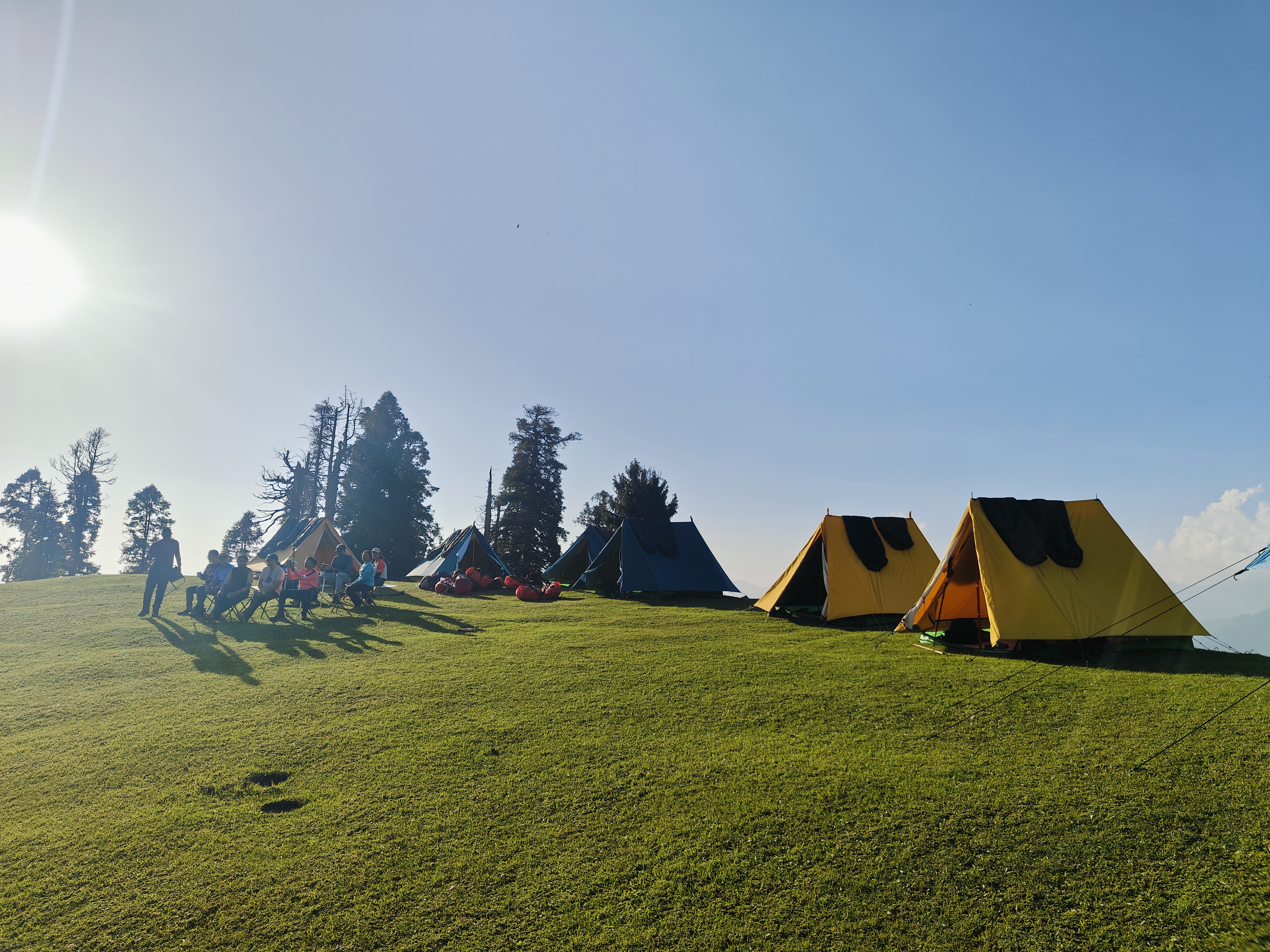
Most camps gradually become quieter as the temperature drops and fog begins settling lower into the valley.
Battery Drain At Altitude
Cold mornings, continuous photography, drone usage, and unstable weather drain batteries surprisingly fast during this trek.
Phones, cameras, and power banks usually perform noticeably worse near the higher camps where temperatures remain lower through the night.
Many trekkers realize this only after waking up with half-drained devices despite barely using them.
Keeping electronics insulated inside jackets or sleeping bags during the night usually helps far more than people initially expect.
Fog changes the entire emotional feel of Tarsar Marsar.
Clear valleys can suddenly disappear beneath moving clouds, especially near the Marsar-facing ridges where weather patterns shift rapidly during the afternoon.
Distance perception changes too.
Nearby ridgelines begin feeling strangely far away once visibility starts collapsing around the valley. Some mornings near the lakes feel completely open and calm. A few minutes later, fog begins crossing the water and even nearby camps partially disappear into the weather.
Marsar itself rarely stays fully visible for long.
That uncertainty becomes part of what makes the trek memorable.
Many trekkers gradually begin eating less after multiple days at altitude without fully realizing it.
Cold weather, long walking hours, reduced hydration, and physical fatigue slowly suppress appetite even while the body continues burning significant energy throughout the trek.
The energy drop usually becomes noticeable around Day 4 or 5.
People often assume it is only physical exhaustion.
In reality, reduced food intake and dehydration quietly compound together over consecutive days.
Simple things usually help the most:
• warm meals,
• consistent hydration,
• electrolyte intake,
• and eating small amounts regularly even when hunger feels low.
Some trekkers notice that even ordinary food begins feeling unusually comforting after long cold walking days inside the valley.
July — Fresh Valleys & Dramatic Weather
July gives the trek its freshest appearance of the season.
Lingering snow patches occasionally remain near higher ridges while lower valleys become intensely green after early moisture buildup. Fog and cloud movement constantly reshape the atmosphere around the lakes, making the landscape feel different almost every few hours.
Raw, misty, and highly atmospheric.
July often feels quieter and moodier than the later season months. Some mornings begin with completely clear reflections before clouds slowly move lower across the valleys by afternoon.
August — Peak Tarsar Marsar Season
The meadows remain fully green, mornings feel calmer, and lake reflections become much clearer during stable weather windows. Wildflowers spread across several sections of the valley while camps and shepherd movement make the route feel more alive.
• Peak greenery
• Stable trekking conditions
• Blooming alpine meadows
• Better sunrise visibility
• Comfortable daytime walking conditions
• Most popular trekking month
Balanced, vibrant, and immersive.
This is usually the month where Tarsar feels visually fullest — greener valleys, calmer lakes, softer light, and more stable movement conditions across the trail.
September slowly changes the emotional atmosphere of the trek.
The green meadows begin turning softer and more golden while mornings and nights become noticeably colder. Once monsoon moisture begins reducing, visibility also becomes much sharper across the ridgelines and surrounding peaks.
Silent, crisp, and calmer.
Several trekkers prefer September because the valleys begin feeling slower and quieter once the peak seasonal rush starts fading.
Best Months - July to September
Ideal Temperature - Day: 10°C–20°C | Night: 0°C–7°C
Best For- Alpine lakes, meadow landscapes, beginner Himalayan trekking, camping photography, quieter valley experiences, and immersive Kashmir scenery.
Tarsar Marsar is considered beginner-friendly, but many first-time trekkers still underestimate how tiring multiple walking days at altitude can become.
The route rarely feels brutally steep.
What slowly builds fatigue here is the combination of:
Preparation should focus more on walking stamina and recovery capacity than aggressive gym training.
Trekkers usually adapt comfortably if they are already capable of-
One of the most common mistakes is treating the trek casually because it looks visually softer online than harsher Himalayan expeditions.
People who rush through the first few days usually feel unnecessary exhaustion later near Sundarsar and the ridge sections once recovery quality begins slowing down.
Steady pacing almost always feels better than speed here.
Can Beginners Do Tarsar Marsar ? -
Yes. Beginners with decent preparation usually adapt well because the altitude gain remains gradual compared to harsher Himalayan expeditions.
That said, beginners still need to handle:
Trekkers with basic cardio preparation and prior hiking exposure usually enjoy the route much more comfortably.
Simple Preparation Benchmark
You are usually in a comfortable range for Tarsar Marsar if you can:
The trek rewards consistency far more than raw speed or aggressive pacing.
Most Gear Problems Begin Small
The discomfort during Tarsar Marsar usually comes from small mistakes that slowly build over multiple days.
Since the route regularly passes through wet meadows, colder camps, and rapidly changing weather, comfort depends far more on moisture management and practical layering than carrying expensive equipment.
Many trekkers carry too many extra clothes while forgetting the things that actually improve comfort during long damp walking days.
People commonly carry:
At the same time, they often underestimate:
Lighter and more practical systems usually perform much better on this trek.
Even light rainfall changes the trail quickly because meadow sections hold moisture for long periods.
Wet shoes slowly reduce:
Most trekkers notice this properly only after reaching camp and finally removing their footwear.
Good waterproofing matters less during the rain itself and much more afterward once temperatures begin dropping near evening.
Sunny afternoons often make trekkers remove layers too early while walking through the valleys.
Later, once weather changes near the lakes or evening wind begins moving through camp, damp inner layers suddenly feel far colder than expected.
The most comfortable trekkers usually:
Dry clothes after sunset can completely change recovery comfort during colder nights.
The route is not technically dangerous, but wet grass, muddy sections, and uneven meadow slopes become surprisingly tiring without reliable grip.
Comfortable waterproof trekking shoes improve:
Several trekkers underestimate how exhausting wet feet become after repeated days inside damp alpine terrain.
Usually the smallest gear choices improve the experience the most:
Wet socks ruin evenings faster than most trekkers expect.
1. Is Tarsar Marsar Trek difficult?
Tarsar Marsar is usually considered an easy to moderate Himalayan trek.
The route is not technically difficult, but long walking days, wet terrain, changing weather, and reduced recovery gradually make it physically tiring over time.
2. Can beginners do the Tarsar Marsar Trek?
Yes.
Beginners with decent preparation and walking endurance usually adapt well because the altitude gain remains gradual compared to harsher Himalayan expeditions.
3. What actually makes the trek tiring?
Usually not steep climbs.
Most trekkers feel tired because of:
4. Which is the hardest day of the trek?
Most trekkers find the Tarsar to Sundarsar section via the Marsar ridge the longest and most tiring because of exposed terrain, weather shifts, and uneven meadow movement.
5. Is Tarsar Marsar easier than Kashmir Great Lakes Trek? Yes.
Tarsar Marsar is generally shorter, less exposed, and physically easier than Kashmir Great Lakes Trek.
KGL usually feels more demanding because of longer distances, repeated pass crossings, and stronger cumulative fatigue buildup.
6. What is the maximum altitude of Tarsar Marsar?
The highest sections are usually around 13,000 ft near the ridges approaching Marsar.
7. Is AMS common during the trek?
Mild altitude symptoms like headaches or slight breathlessness can happen, especially for trekkers arriving without proper acclimatization or hydration.
8. How cold does it get at night?
Night temperatures near the lakes can approach freezing, especially during July and September.
Wind exposure near open camps often makes it feel colder than the actual temperature.
9. Does it rain often during the trek?
Short rain spells, moving fog, and changing weather conditions are fairly common during July and August.
Weather changes quickly across the valleys.
10. Which is the best month for Tarsar Marsar?
August is usually considered the most balanced month because of:
11. Why is Marsar Lake considered mysterious?
Marsar is often partially hidden behind fog and moving cloud systems. Many trekkers only get brief or incomplete views before visibility changes again.
12. Which lake is more photogenic — Tarsar or Marsar?
Tarsar usually offers calmer reflections and wider open compositions.
Marsar feels moodier and more dramatic because of fog movement and constantly shifting visibility.
13. What is the best time for lake reflections?
Usually early mornings.
The water stays calmer before wind movement begins disturbing the surface later in the day.
14. Does weather affect photography conditions?
Completely.
Fog, rainfall, cloud movement, and shifting sunlight constantly change how the lakes and valleys appear through the trek.
15. What kind of terrain does the trek have?
The route includes:
16. Are the trails steep?
Most sections remain gradual compared to harsher Himalayan treks.
The fatigue usually comes more from distance and damp terrain than aggressive climbing.
17. Are trekking poles useful?
Yes.
They help significantly during wet meadow crossings and longer descents where footing becomes less stable.
18. What shoes work best for this trek?
Waterproof trekking shoes with reliable grip usually perform best because several sections remain damp for long periods after rainfall.
19. How fit should I be for Tarsar Marsar?
Trekkers should ideally feel comfortable:
20. What makes Tarsar Marsar memorable?
Usually, the atmosphere more than the difficulty.
The quiet valleys, reflective lakes, moving fog, cold evenings, changing weather, and slower rhythm of life inside the valley stay with most trekkers much longer than the actual climbs.