How to Prepare for the Pin Bhaba Pass Trek
How to Prepare for the Pin Bhaba Pass Trek
22
Jul

The Pin Bhaba Pass Trek is one of the few Himalayan treks where every day feels like you're walking into a completely different world. Beginning in the lush green forests and apple orchards of Kinnaur and ending in the stark landscapes of Spiti Valley, this trek offers an incredible contrast in scenery that very few trails in India can match. But with that beauty comes a unique set of challenges. High altitude, long trekking days, river crossings, changing weather, and rugged mountain terrain make preparation far more important than simply having previous trekking experience.
Many trekkers spend weeks researching the Pin Bhaba Pass Trek itinerary, best time, or difficulty, but often overlook the most important question: How should you prepare? The truth is that your experience on the trail depends less on expensive gear and more on your fitness, acclimatization, packing choices, and mental readiness.
This Pin Bhaba Pass Trek Preparation Guide brings together everything you need to know before stepping onto the trail. From understanding the Pin Bhaba Pass difficulty and improving your trekking fitness to choosing the right gear, preparing for high altitude, and avoiding common mistakes, this guide will help you arrive at the mountains confident, well-prepared, and ready to enjoy one of the most rewarding Himalayan treks in India.
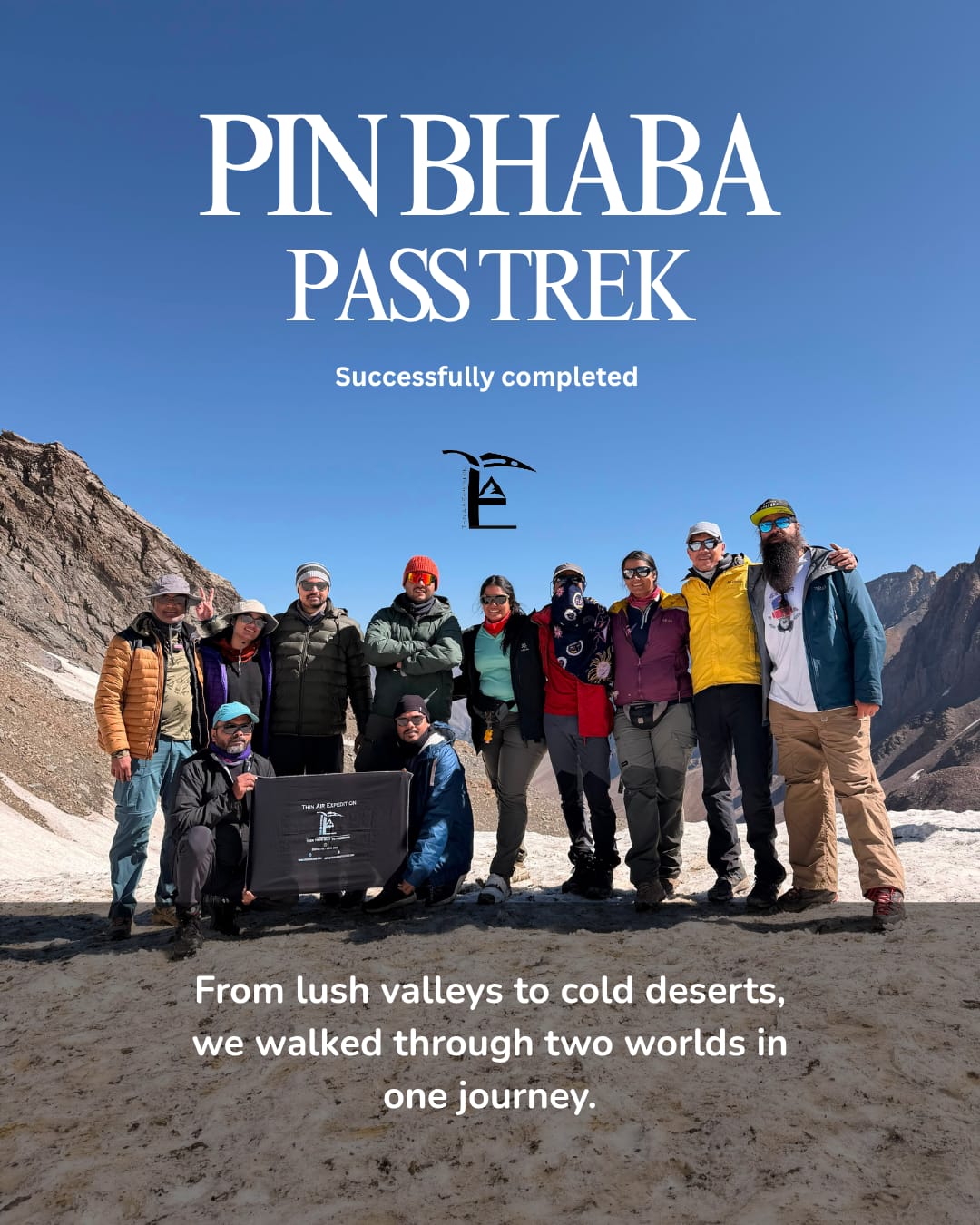
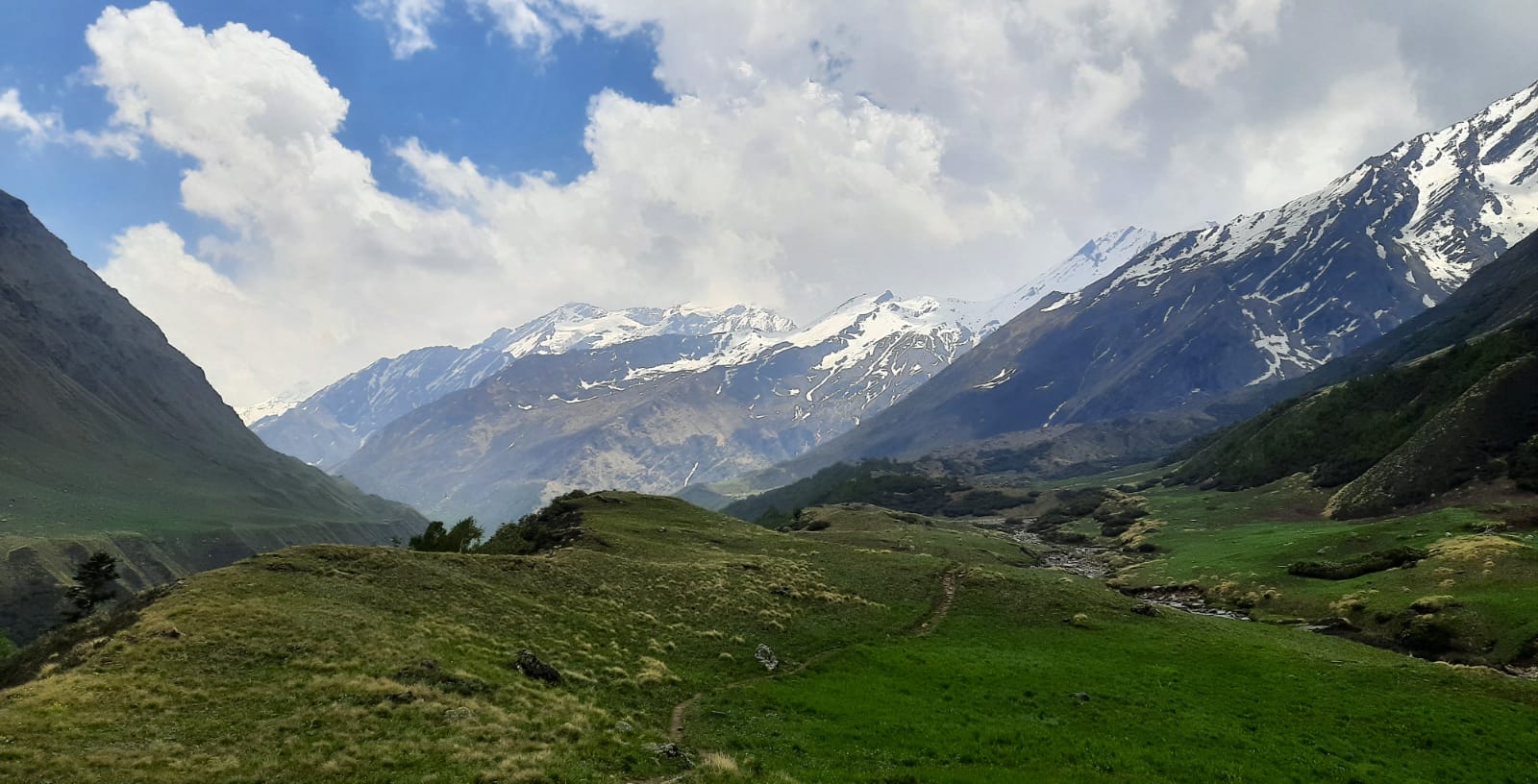
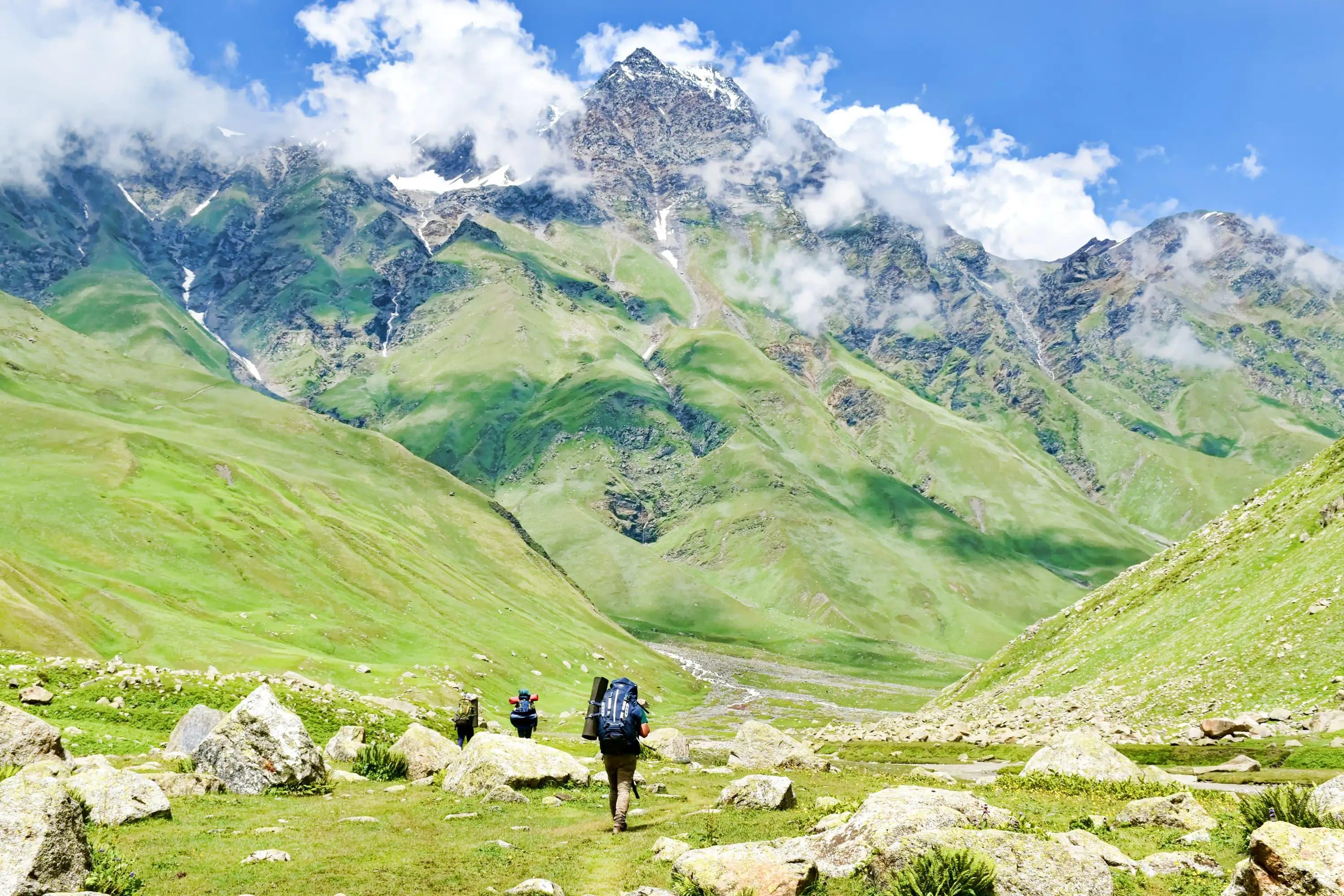
There are many spectacular Himalayan treks, but the Pin Bhaba Pass Trek stands apart because it connects two completely different mountain ecosystems. The journey begins in the fertile valleys of Kinnaur, where dense forests, flowing rivers, alpine meadows, and wooden Himalayan villages define the landscape. As you approach Pin Bhaba Pass at an altitude of approximately 4,915 meters, the scenery changes dramatically. Beyond the pass, the lush greenery disappears, giving way to the barren, wind-carved mountains of Spiti Valley, often referred to as India's cold desert.
This dramatic transition is more than just a visual experience—it changes the way you trek. The route includes rocky moraines, narrow mountain trails, glacier-fed streams, and multiple river crossings, each requiring balance, patience, and careful footing. Unlike treks where the terrain remains relatively consistent, the Pin Bhaba Pass Trek constantly challenges you to adapt to changing conditions.
Another unique feature is the pass crossing itself. Reaching the top is not simply about climbing higher; it is about managing your energy over several days, allowing your body to acclimatize, and respecting the effects of high altitude. Weather can change rapidly, and temperatures often vary significantly between day and night, making proper preparation essential.
This combination of changing landscapes, technical terrain, and altitude is what makes the Pin Bhaba Pass Trek one of the most memorable treks in Himachal Pradesh. It is not just a journey from one valley to another—it is a journey across two entirely different Himalayan worlds.
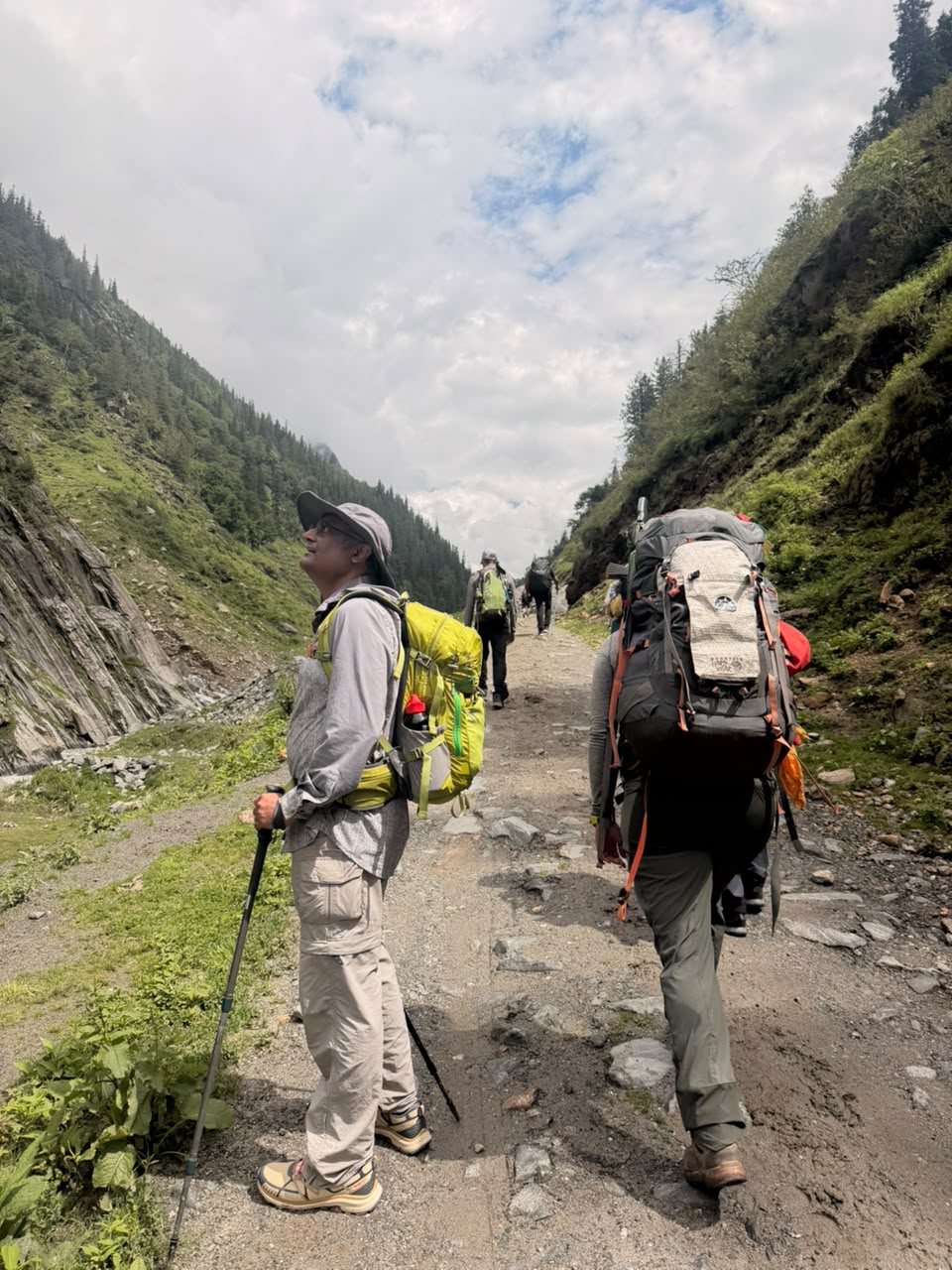
One of the biggest misconceptions about the Pin Bhaba Pass Trek is that gym strength alone is enough. In reality, this trek rewards endurance, consistency, and recovery far more than lifting heavy weights. Since you'll be walking for six to eight hours on most trekking days, often carrying a backpack and gaining altitude, your body must be prepared for sustained physical effort rather than short bursts of power.
A good level of trekking fitness begins with cardiovascular endurance. Activities such as running, brisk walking, cycling, or climbing stairs help improve your heart and lung capacity, allowing your body to use oxygen more efficiently at altitude. Strong legs and a stable core are equally important, especially while navigating rocky trails, descending steep slopes, and crossing uneven terrain.
Equally important is your ability to recover. Consecutive trekking days can be physically demanding, and your body should be able to perform well even after a tiring previous day. Training with a loaded backpack before the trek is highly recommended, as it prepares your shoulders, back, and legs for real trail conditions.
You don't need to be an athlete to complete the Pin Bhaba Pass Trek, but you should be able to comfortably walk long distances, climb continuous inclines without excessive fatigue, and maintain a steady pace throughout the day. Remember, in the Himalayas, consistency always outperforms speed.
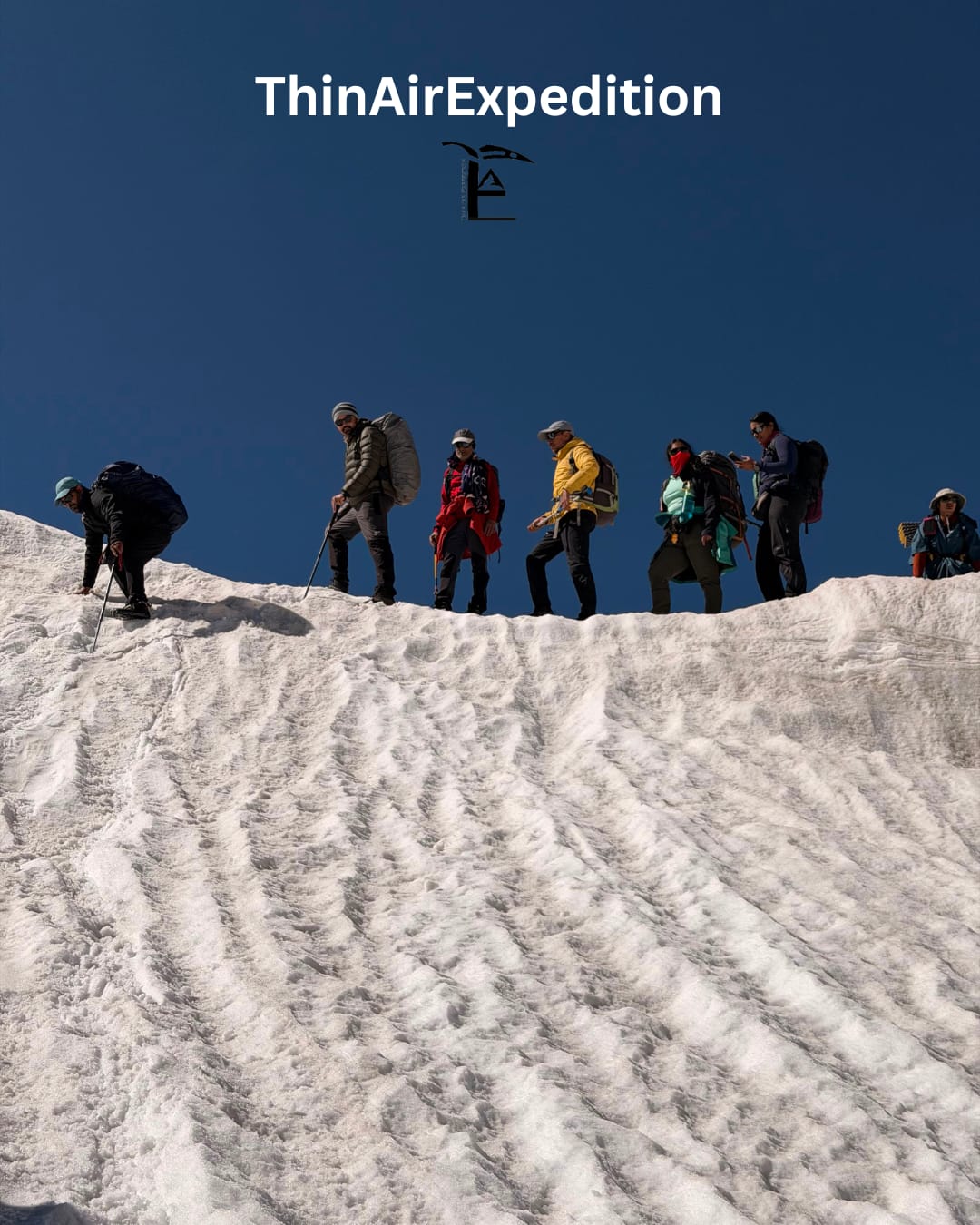
Preparing for the Pin Bhaba Pass Trek should ideally begin eight weeks before your departure. A gradual training plan gives your body enough time to build endurance while reducing the risk of injury.
During the first few weeks, focus on improving your cardiovascular fitness through running, cycling, brisk walking, or stair climbing at least four to five times a week. Alongside cardio, include simple strength exercises such as squats, lunges, step-ups, planks, and core workouts to build stability for uneven mountain trails.
By the fourth or fifth week, increase the duration of your workouts and begin carrying a light backpack during walks or stair sessions. This helps your body adjust to trekking with additional weight. If possible, include weekend hikes on natural trails, as they improve balance and prepare your feet for uneven terrain.
During the final two weeks before the expedition, shift your focus toward longer endurance sessions rather than intense workouts. Prioritize good sleep, hydration, and recovery while avoiding sudden increases in training intensity. Arriving at the trail healthy and well-rested is far more valuable than trying to gain last-minute fitness.
The goal of your Pin Bhaba Pass Trek training is not to become the fastest trekker in your group, but to develop the stamina and confidence needed to enjoy every stage of this unforgettable high-altitude trek.
Packing for the Pin Bhaba Pass Trek is about choosing the right equipment—not carrying everything you own. Every extra kilogram on your back becomes more noticeable as the altitude increases, so each item should have a purpose.
The unpredictable weather of the Himalayas makes layering the most effective clothing strategy. Instead of relying on one thick jacket, wear multiple lightweight layers that can be added or removed as temperatures change. A moisture-wicking base layer, an insulating fleece, and a waterproof outer shell will keep you comfortable in most conditions. A reliable pair of trekking shoes with good ankle support is equally important, as the route includes loose rocks, wet trails, and river crossings.
Small essentials often make the biggest difference. Trekking poles reduce strain on your knees during long descents, sunglasses protect against intense mountain sunlight, and a reusable water bottle or hydration bladder helps maintain hydration at high altitude. Carry only the clothing you genuinely need, keep electronics to a minimum, and organize your gear in waterproof bags to protect it from rain or stream crossings.
The best-packed backpack is not the heaviest one—it is the one that keeps you prepared without slowing you down. Smart packing allows you to move comfortably, conserve energy, and enjoy the incredible journey from the green valleys of Kinnaur to the dramatic landscapes of Spiti Valley.
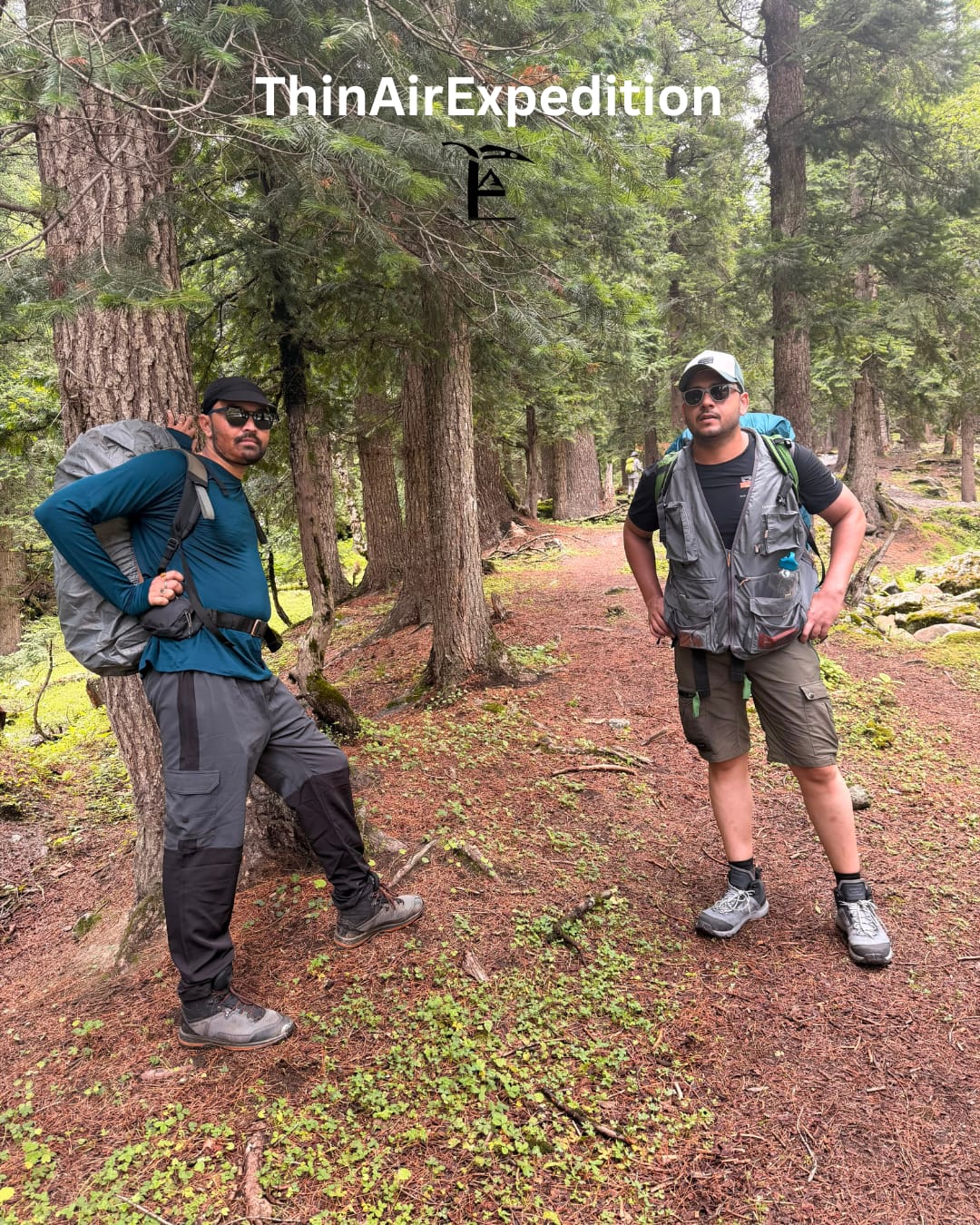
One of the biggest challenges on the Pin Bhaba Pass Trek is not the distance you walk—it is how your body responds to high altitude and rapidly changing mountain weather. The trek reaches an altitude of around 4,915 meters, where oxygen levels are significantly lower than at sea level. Even experienced trekkers can feel breathless, tired, or develop mild symptoms of Acute Mountain Sickness (AMS) if they ascend too quickly or ignore their body's signals.
Proper acclimatization is the key to enjoying the trek safely. Drink plenty of water, eat regular meals even if your appetite decreases, and maintain a slow, steady pace instead of rushing ahead. Remember that altitude affects everyone differently; fitness alone does not guarantee immunity from AMS.
Weather is equally unpredictable. A sunny morning can quickly turn into rain, snowfall, or strong mountain winds, especially near the pass. Dressing in layers allows you to adjust to changing temperatures without overheating or becoming too cold. Waterproof clothing, gloves, and a warm cap should always remain easily accessible in your backpack.
Preparing for the Pin Bhaba Pass altitude isn't about avoiding discomfort—it's about respecting the mountains. When you listen to your body, follow your trek leader's guidance, and adapt to the conditions, the journey becomes both safer and far more enjoyable.
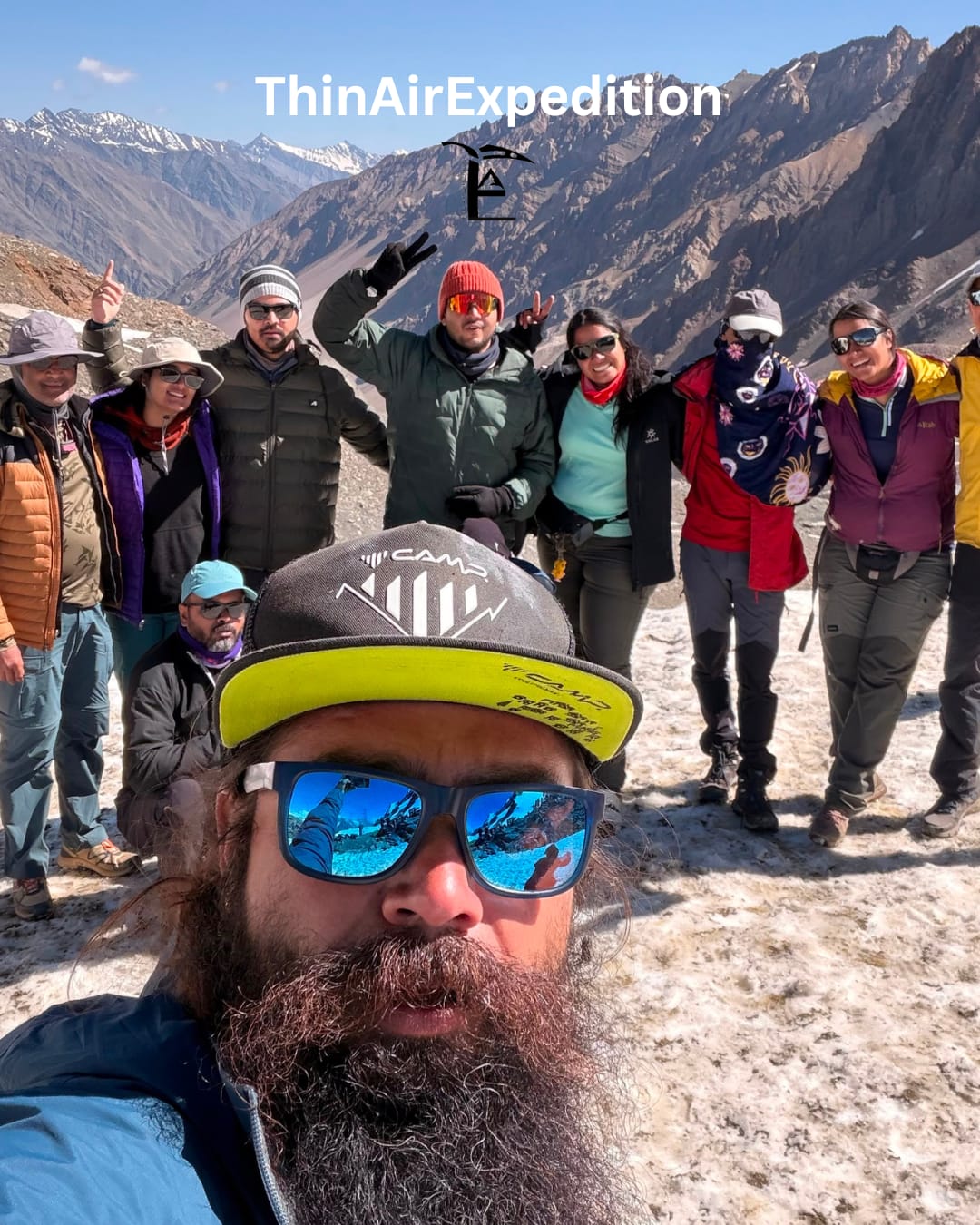
Most trekkers prepare their bodies for the Pin Bhaba Pass Trek, but very few prepare their minds. Yet mental resilience often becomes the deciding factor on challenging Himalayan trails.
There will be moments when the weather changes unexpectedly, a river crossing feels intimidating, or the climb towards Pin Bhaba Pass seems longer than anticipated. You may walk for hours without seeing a village or a road, relying only on your team and the trail ahead. These situations can test your patience more than your physical strength.
Mental preparation begins by accepting that mountain conditions cannot be controlled. Some days will feel easy, while others may be slow and demanding. Instead of focusing only on reaching the pass, enjoy the changing landscapes, conversations around camp, and the small milestones achieved each day.
The Pin Bhaba Pass Trek is not a race. It is an opportunity to experience one of the most spectacular Himalayan treks in India. Trekkers who stay patient, adaptable, and positive often enjoy the journey far more than those who focus only on the destination.
Many challenges on the Pin Bhaba Pass Trek can be avoided with good preparation. One of the most common mistakes is underestimating the trek because of previous trekking experience. Every Himalayan trail is different, and Pin Bhaba Pass demands respect for its altitude, river crossings, and changing terrain.
Another mistake is carrying an overloaded backpack. Extra weight may seem manageable on the first day, but it becomes exhausting during long ascents and pass crossings. Poor hydration, skipping meals, and walking too fast are equally common errors that reduce energy levels and make acclimatization more difficult.
Finally, many trekkers become so focused on reaching the pass that they forget to appreciate the journey itself—from the lush valleys of Kinnaur to the dramatic landscapes of Spiti Valley. The mountains reward patience, not haste. Walking at a comfortable pace and listening to your trek leader will always increase your chances of completing the trek safely.
Is the Pin Bhaba Pass Trek suitable for beginners?
Yes, beginners with good trekking fitness and prior experience on moderate Himalayan treks can attempt the Pin Bhaba Pass Trek, provided they prepare adequately.
How difficult is the Pin Bhaba Pass Trek?
The trek is generally rated as moderate to difficult because of its altitude, long trekking days, river crossings, and varied terrain.
What is the best time for the Pin Bhaba Pass Trek?
The ideal season is July to September, when the pass is usually open and both the green landscapes of Kinnaur and the barren beauty of Spiti Valley can be experienced.
Do I need trekking poles?
Yes. Trekking poles are highly recommended as they improve balance during descents, uneven trails, and stream crossings.
Can I rent trekking equipment?
Most essential trekking gear, including sleeping bags, trekking poles, and jackets, can usually be rented from reputed trekking organizations or adventure hubs before the expedition.
How much fitness is required?
You should comfortably walk 8–10 km, climb stairs without excessive fatigue, and sustain physical activity for several consecutive days.
The Pin Bhaba Pass Trek is more than just a journey across a Himalayan pass—it's an experience that takes you through two completely different worlds. From the lush forests and meadows of Kinnaur to the rugged cold desert of Spiti Valley, every day presents new landscapes, fresh challenges, and unforgettable moments. Success on this trek isn't determined by expensive gear or previous trekking experience alone. It comes from thoughtful preparation, steady fitness, proper acclimatization, and the willingness to adapt to the mountains.
At Thin Air Expedition, we believe preparation begins long before the trek starts. Our experienced trek leaders emphasize safety, responsible trekking, acclimatization, and mountain awareness, ensuring that every participant understands not just the route but also the environment they're exploring. We maintain small groups, encourage a steady trekking pace, and focus on creating an experience where learning is just as important as reaching the pass.
Whether you're planning your first high-altitude trek or adding another Himalayan adventure to your journey, Thin Air Expedition is committed to helping you experience the mountains with confidence, respect, and responsibility. Because the true achievement of the Pin Bhaba Pass Trek isn't simply crossing the pass—it's returning home with memories, skills, and a deeper appreciation for the Himalayas.