Monsoon Trekking Major Essentials tips for the High Altitude Expedition
Monsoon Trekking Major Essentials tips for the High Altitude Expedition
24
Jul

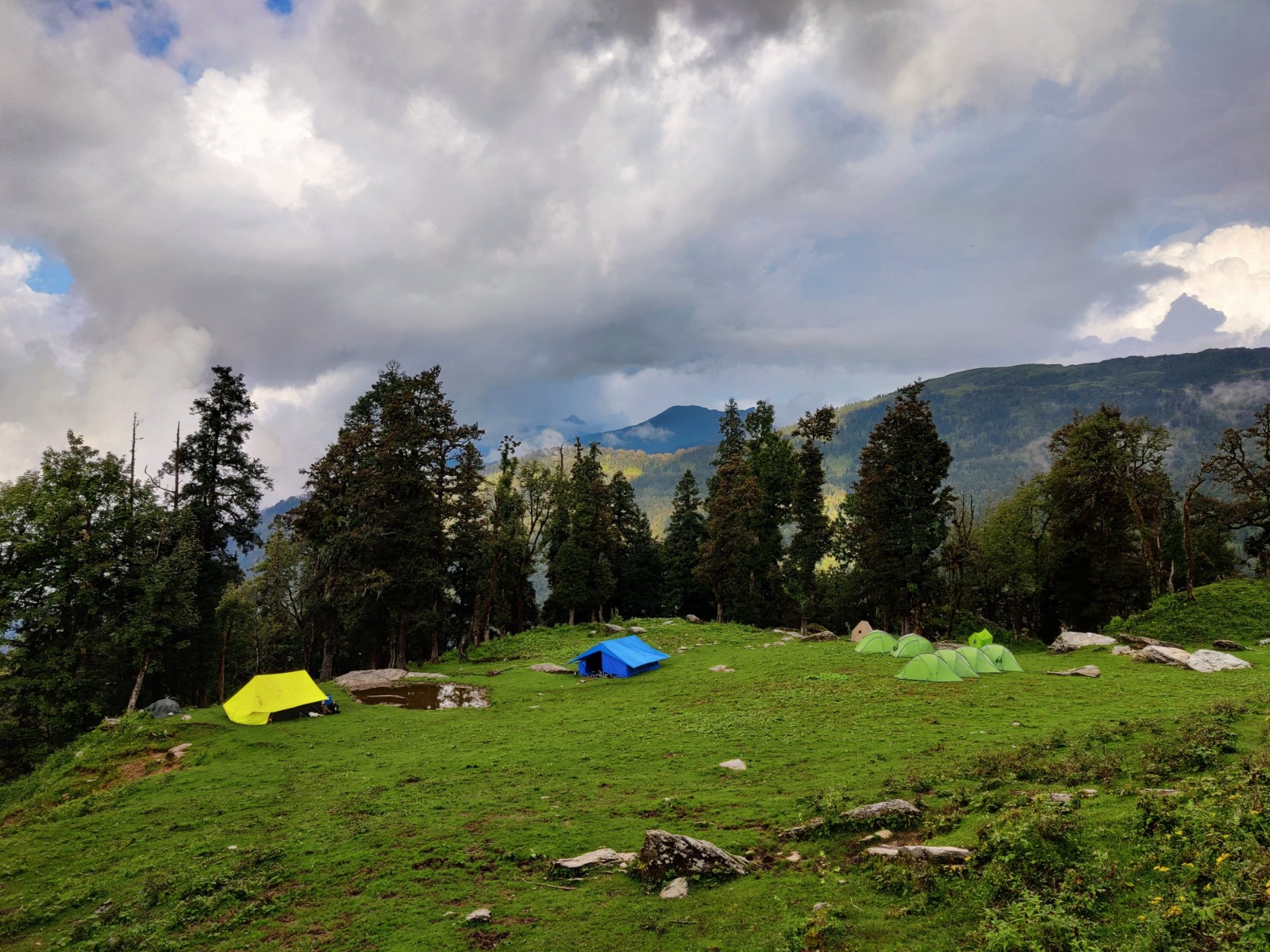
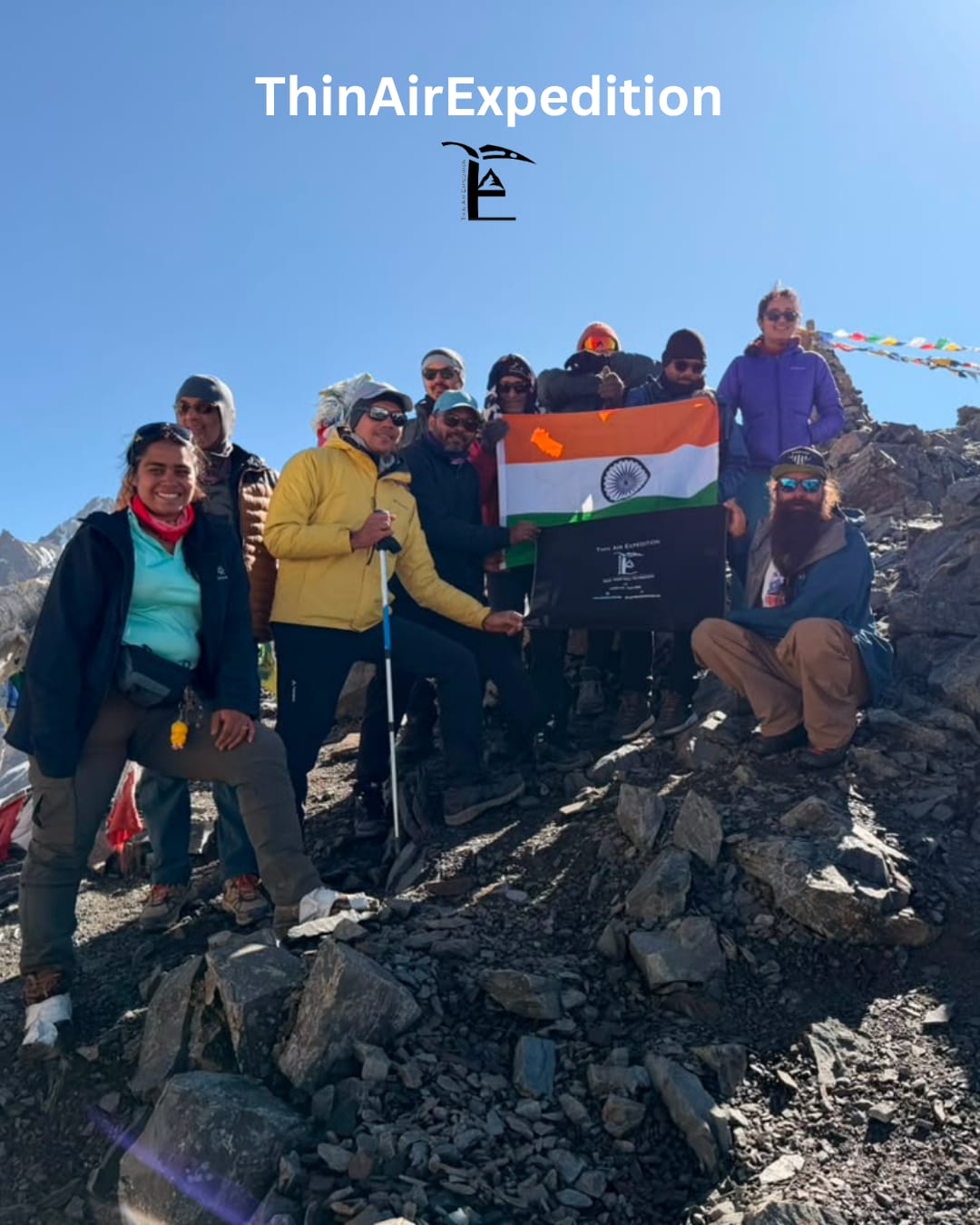
The high altitude trek during the monsoon season becomes the best when you feel that the weather is in favour of yours. As the Monsoon starts everyone is looking forward to planning for the hilly region to explore the hidden gems of Uttarakhand, Himachal or Kashmir and so on. Monsoon comes with joy as well as maintaining safety during the trek. Before going on the trek you have to prepare with the fitness, mental peace, gears selection, footwear and major fluid consumption during the trek. For the higher region you have to be physically and mentally strong. For trekking choose a well recognised firm like ThinAirExpedition for smooth operational process and safe adventure journey from a dream into the reality. To safely feel the straight raw magic of the mountains right now, you have to follow casual trail habits and go for specialized, technical systems. From advanced waterproofing layouts and smart route choices to reading warning marks of volatile alpine rivers, this master guide lays out the essential high-altitude monsoon trekking tips you need to face the storm and come back home safely.
There are a number of treks you can choose for your ultimate adventure and lifetime memories. If you are in India, you have many options like Hampta Pass Trek, Pin Bhaba Pass Trek, Valley of Flowers Trek, Miyar Valley Trek, Markha Valley Trek and so on. Due to the nature crisis & weather uncertainty, opening and closing of the trek remain varied. So whenever you book your trek make sure to evaluate or check the trek availability priorly. As the rainy season brings with joy as well as the safety approach, you have to mentally & physically prepare for the circumstances.
A rainy-season trek is for you to decide before you even step out the door. Getting the right information can mean the difference between a truly great adventure, and a risky situation you did not plan for.
Check real mountain forecasts: Most regular weather apps on your phone only update the big cities, and that honestly doesn’t line up with what’s happening up on the peaks. So try apps like Windy or Meteoblue, so you can catch where it is raining in a more precise way, not just a rough idea. And don’t forget local government alerts. If the trekking region has an Orange or Red Alert for heavy rain, cancel your trip right away, no bargaining.
Pick routes with decent drainage: Trails are not all the same when water starts moving. Stay away from sections known for thick clay soil because it quickly becomes deep and then you spend more strength just moving your feet. Instead look for gravel and rock type paths where runoff drains off faster.
Tell someone about your plans: In heavy rain, cell phone signals can drop fast, especially with all that mountain cloud cover. Before you go, share your exact route with a friend or family member, and include where you plan to camp. Also set a timing so if they haven’t heard from you by then, they should contact your trek coordinator immediately.
Especially when it rains for hours nonstop. If you’ve got a cheap raincoat it usually won’t do much for your things. And if your spare clothes or that sleeping bag gets soaked, you can go from a fine to dangerously cold region fastly.
Try the "Russian Doll" way of packing: Don’t rely on some standard backpack rain cover by itself; those strong winds can just yank it off, plus water will creep in through the seams over time. Better idea, take a large, heavy-duty trash bag and line the inside of your backpack with it, all the way around. After that, put your clothes, sleeping bag, and electronics into smaller separate plastic Ziploc bags, and then those smaller ones go inside the big main trash bag. Wear a poncho instead of a jacket: Because those expensive rain jackets can end up trapping your body heat, and when it’s humid that heat turns into sweat. Then the sweat soaks you anyway like you paid for it. A wide heavy-duty trekking poncho tends to work better because air can drift underneath and keep things from overheating.
Keep your electronics safe for real: High humidity and wet air can mess up your phone and power banks pretty quickly. Toss three or four silica gel packets into your electronics area, the little white packets you get in new shoe boxes. They absorb dampness. And keep your main phone inside a clear waterproof pouch, ideally worn around your neck so it stays accessible but still protected.
Walking on wet, muddy trails needs a totally different sense of balance than the usual dry weather hiking thing. Like, you cannot just show up with the same setup and expect it to work the same.
Pick grip first, not waterproof shoes: A lot of trekkers make this mistake, they grab thick waterproof boots for rain. But once water splashes over the ankle area, a waterproof boot just traps that water in, and then your shoe becomes this heavy puddle, it keeps sliding against your skin too. So instead, go for lightweight trail running shoes, or trekking shoes with deep rubber grip, so you get that better, less slippery traction. Try to find a breathable mesh that helps water drain out when you step. Then match with synthetic or wool socks, never cotton socks because cotton soaks up and stays wet.
Use two trekking poles: In monsoon conditions, using two hiking poles is more or less required. They give you extra control like a spare pair of legs, helping you read mud depth, poke at loose stones, and hold steady when wind pushes you sideways. Before you move again, confirm at least three contact points are solid, for instance both poles and one foot, then go ahead with the next step.
Walk slowly going downhill: If you lean back and drive your heels into a muddy slope you’re asking to slip, and then land kind of hard on your back. Instead keep your knees lightly bent, lower your center of gravity, and tilt your upper body a little forward, over your toes. Let your feet point slightly outward like a duck. Then gently, set your feet flat into the mud with careful, deliberate steps.
Avoid slippery green or black surfaces: Treat every wet rock face like it’s unpredictable. Be extra alert for bright green moss, or a thin, shiny black layer of algae. Those are near as slick as ice. If you can, place your weight in the gaps between rocks, or pick drier rough gray boulders with natural traction still there.
In the warm, damp monsoon setting everything seems to love it— insects, bacteria, the whole mix. So personal cleanliness and quick basic first aid matters a lot more than people think.
Protect Yourself from Leeches: Wet rain forests are pretty much packed with land leeches. They don’t spread dangerous diseases but their bites bleed a lot and then the wound can get infected fast, especially in that thick mud. Wear tightly woven canvas leech socks over your usual socks, and tuck your pant legs in properly secure. Then spray a strong bug spray, or rub a more natural blend of neem oil and coconut oil, onto your shoes and lower legs to keep them off.
Remove Leeches the Right Way: If one is stuck to your skin, don’t yank it off in a rush. Pulling too hard can make its tiny mouth parts stay inside your skin, that can cause trouble later like infections. Instead, sprinkle a small pinch of salt , add a drop of hand sanitizer or even squirt bug spray right onto the leech itself. It will let go by itself in a few seconds. After that, rinse the spot with clean water, wipe it with an antiseptic wipe, and cover it with a snug band age.
Keep Your Feet Healthy: If you keep your feet wet for a full 24 to 48 hours, it can turn into trench foot, which is miserable and painful. The skin starts breaking down and open sores can show up. The moment you reach your camp or shelter for the night, wash your feet, dry them thoroughly with a towel,and add a light dusting of anti fungal powder. Then change into dry, loose wool socks , the kind you only use while you’re sleeping inside the tent.
Never Drink Untreated River Water: Don’t drink straight from a mountain stream in the rainy season, even if it looks clear. Heavy downpours can carry soil , farming chemicals and animal waste from higher fields right into the river. Always push your drinking water through a high-quality filter, or use water purification altogether too.
In the end, the biggest kit item you can carry on a monsoon trek is kinda a simple mindset, not some flashy tool. This wet season asks you to quit clinging to rigid plans, and to treat nature like it is actually in charge. You know, drop the stubborn goals, and let the weather lead a little.
Follow Leave no Trace Principle: When monsoon season hits, delicate footpaths quickly lose their grip, and Leave No Trace becomes really essential. Rinse your dishes about 200 feet away from any streams with a plant based soap, then pack out all the waste and everything using reusable bags. Also, make sure you fill back in any tent drainage pit when you are done, before you leave.
Safety Over Reaching the Top: The monsoon feels unpredictable in the most annoying way. If a trail gets washed out, a crossing looks crooked, or a local guide says the hills are unstable, you just turn around right away with no second thoughts. A good trek is not the one where you force the summit, it’s the one where everyone goes home safe.
Slow Down and Enjoy the View: Trying to rush on slick paths basically invites trouble. You end up with stupid missteps, twisted ankles, or full on slips. Bring your pace down, like seriously half slower, take short steady strides, and leave more time than you think you need. When you move on purpose, you defend your legs and joints, and you also give yourself room to see the green, living world that only shows up in this wonderful rainy time.
Q: Can I wear gym sneakers for a monsoon trek?
A: No, because gym sneakers have smooth soles that can slip on wet mud or moss. Better use trail running shoes instead that have deeper rubber grips and a breathable mesh fabric that handles water pretty naturally, not like the gym ones.
Q: Is it safe to trek during a heavy rain warning ?
A: No. If there is an Orange or Red Alert, cancel your plan immediately. Heavy rain can trigger sudden landslides, flash floods, and the trail can wash out fast.
Q: Is a waterproof jacket better than a poncho ?
A: Not in hot, humid weather. A jacket tends to hold onto body heat and then you basically end up marinating in your own sweat, which feels awful. A wider poncho gives you better airflow and it also covers your whole pack, so you keep drier in a more practical sense.
Q: What should I do if a leech bites me?
A: Do not pull it off. Instead, put salt, hand sanitizer, or even bug spray on it, so it detaches in a safer manner. Then clean the bite with water and apply a tight bandage.
Q: Why shouldn’t I walk around mud puddles to keep clean ?
A: Because stepping off a trail can crush plants and leads to heavy soil erosion. For Leave No Trace, wear quick-dry shoes, accept the mud a bit, and just walk straight through the middle.
Monsoon trekking isn't just about seeing how much rain you can take; more like it is a test of how well you can bend with nature’s own changes. This rainy season gives you a kind of front row view of the mountains in their rawest form. But yes it also brings real, no excuses environmental hazards. So in the end, safety on a wet trail really depends on whether you plan defensively, protect your vital gear from the damp and pick caution over chasing a summit. Pack in a considered way, take in the whole hike, and let the trail do its own little surprises.