jim corbett national park 2026 top wildlife destination
jim corbett national park 2026 top wildlife destination
04
Feb

Nestled in the foothills of the Himalayas in Uttarakhand, Jim Corbett National Park stands as India’s oldest national park and a crown jewel of wildlife conservation. Established in 1936 as Hailey National Park, it was later renamed in honor of Jim Corbett, the legendary hunter-turned-conservationist who played a pivotal role in its creation.
Jim Corbett National Park holds the distinction of being the first area to come under Project Tiger in 1973, India’s ambitious initiative to protect the Bengal tiger. Spanning over 520 square kilometers of diverse terrain, the park encompasses sal forests, grasslands, riverine belts, and marshy depressions, creating a rich tapestry of ecosystems that support an incredible variety of wildlife.
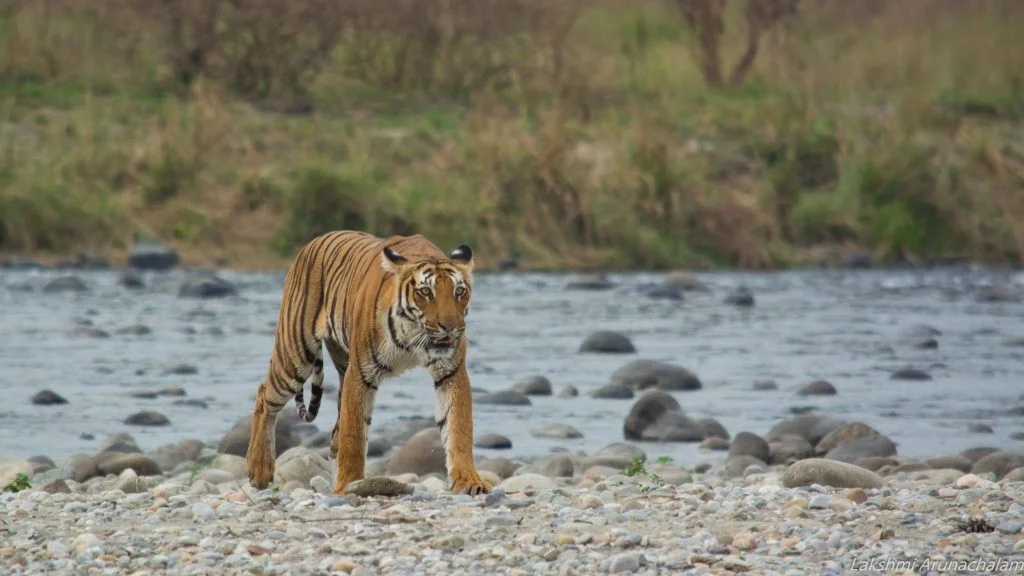
The park is most famous for its healthy population of Bengal tigers. With over 200 tigers roaming its forests, Corbett offers one of the best opportunities in India to spot these magnificent predators in their natural habitat. While tiger sightings can never be guaranteed in the wild, the park’s Dhikala zone is particularly renowned for successful tiger encounters, especially during the early morning and late afternoon safaris.
While tigers steal the spotlight, Jim Corbett is home to over 650 species of flora and fauna. The park shelters:
Mammals: Asian elephants, leopards, sloth bears, wild boars, sambars, chitals (spotted deer), barking deer, and the endangered Himalayan goral.
Birdlife: With over 600 bird species recorded, Corbett is a paradise for birdwatchers. The crested serpent eagle, paradise flycatcher, and the great hornbill are among the many avian treasures found here.
Reptiles: Gharials, mugger crocodiles, king cobras, and various species of turtles inhabit the park’s water bodies.
Jim Corbett is divided into several zones, each offering unique landscapes and wildlife viewing opportunities:
Dhikala Zone: The most popular and largest zone, known for its grasslands and the highest probability of tiger sightings. Overnight stays are available at the forest rest house.
Bijrani Zone: Easily accessible from Ramnagar, this zone features diverse terrain and excellent wildlife spotting opportunities.
Jhirna Zone: Open year-round (unlike most zones), Jhirna is excellent for viewing sloth bears and elephants.
Dhela Zone: The newest zone, offering a less crowded safari experience with good tiger sighting potential.
Corbett Landscape Zone: Located outside the core tourism area, this buffer zone provides a different perspective on the park’s ecosystem.
The park is open from mid-November to mid-June, with different seasons offering distinct experiences:
November to February: Cool and pleasant weather, ideal for wildlife viewing as animals come out to bask in the sun. Perfect for photography.
March to June: Hot summer months when animals frequent water sources, increasing sighting opportunities near rivers and waterholes.
The park remains closed during the monsoon season (July to October) to allow the ecosystem to rejuvenate.
Jim Corbett faces modern conservation challenges including human-wildlife conflict, habitat fragmentation, and tourism pressure. However, the park’s management has implemented several successful initiatives including:
The park’s tiger population has shown steady growth, testament to effective conservation efforts.
How to Reach: The nearest town is Ramnagar, approximately 260 kilometers from Delhi. The closest airport is Pantnagar (80 kilometers away), while Ramnagar has its own railway station.
Accommodation: Options range from forest rest houses inside the park to luxury resorts in surrounding areas like Dhikuli and Marchula.
Safari Bookings: Safaris must be booked in advance through the official Corbett Tiger Reserve website, as daily entry is limited to protect the park’s ecology.
What to Pack: Neutral-colored clothing, binoculars, camera with telephoto lens, sunscreen, insect repellent, and a hat.
Visitors to Jim Corbett should practice responsible wildlife tourism by maintaining silence during safaris, not littering, following park rules strictly, and respecting the animals’ space. Remember, you’re a guest in their home.
A visit to Jim Corbett National Park is more than just a safari; it’s an immersion into one of India’s most pristine wilderness areas. Whether you’re watching a tigress cross the road with her cubs, observing elephants bathing in the Ramganga River, or listening to the haunting call of a peacock at dusk, every moment in Corbett connects you to the wild heart of India.
Jim Corbett National Park represents hope for wildlife conservation in India. As you leave its gates, you carry not just photographs and memories, but a deeper understanding of why protecting these wild spaces matters for our planet’s future.
Have you visited Jim Corbett National Park? What was your most memorable wildlife encounter? Share your experiences and help inspire others to explore this incredible sanctuary.