sham valley trek 2026
sham valley trek 2026
04
Feb

Nestled in the rain shadow of the mighty Himalayas, the Sham Valley Trek offers one of the most accessible and culturally rich trekking experiences in Ladakh. Often called the “Baby Trek” due to its relatively easy difficulty level, this trek is perfect for beginners, families, and those looking to acclimatize to Ladakh’s high altitude before attempting more challenging routes.
The Sham Valley region, located west of Leh, combines stunning landscapes with ancient Buddhist monasteries, traditional Ladakhi villages, and warm hospitality. Unlike the more strenuous treks in Ladakh, the Sham Valley Trek operates at moderate altitudes (between 3,000 to 3,750 meters), making it ideal for first-time trekkers in the Himalayas.
Cultural Immersion: Walk through centuries-old villages where life continues much as it has for generations. You’ll encounter prayer flags fluttering in the wind, ancient gompas (monasteries) perched on hillsides, and friendly locals going about their daily routines.
Manageable Altitude: With maximum elevations around 3,750 meters, the trek poses less risk of altitude sickness compared to other Ladakhi treks, making it suitable for trekkers of varying fitness levels.
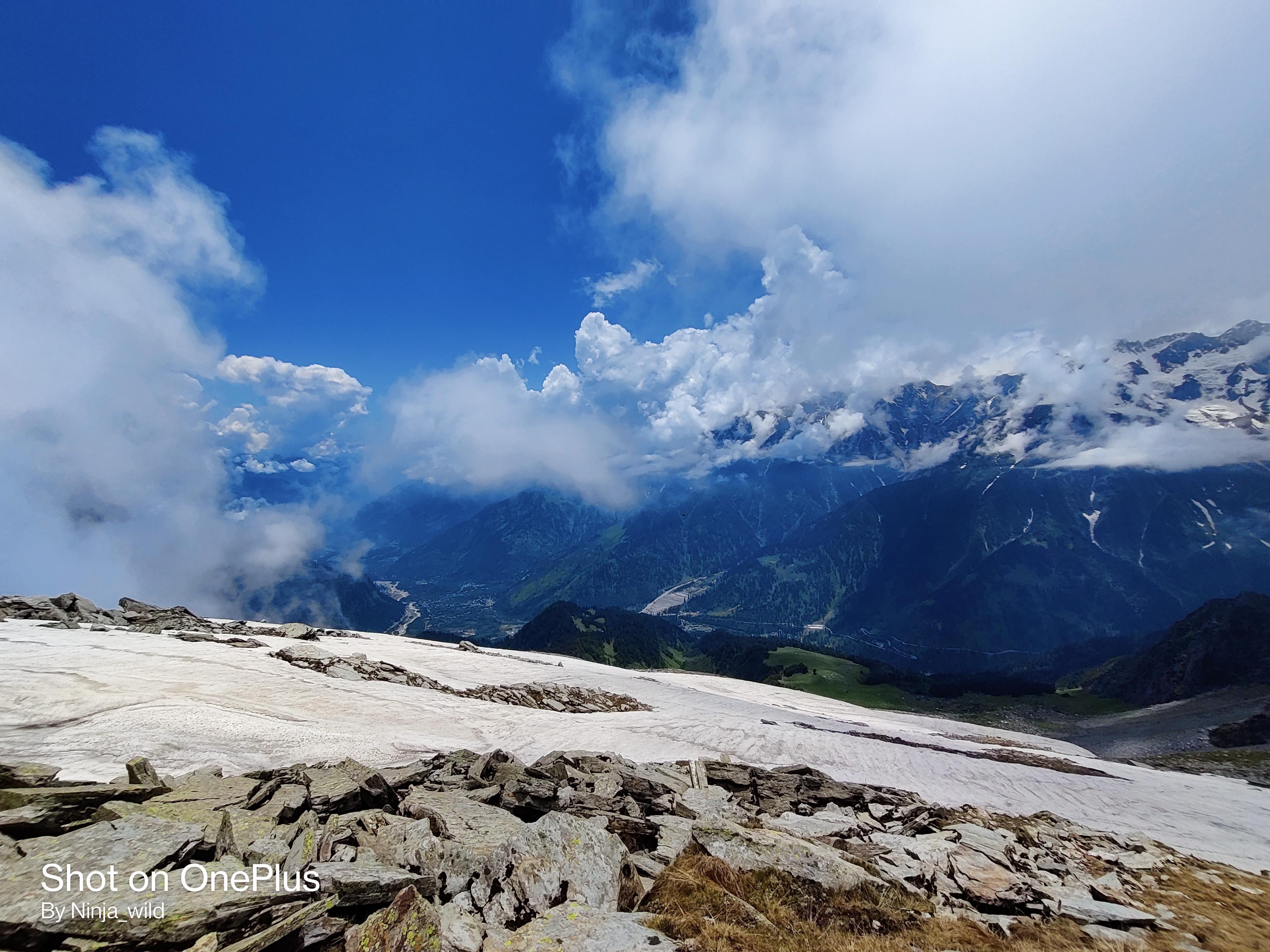
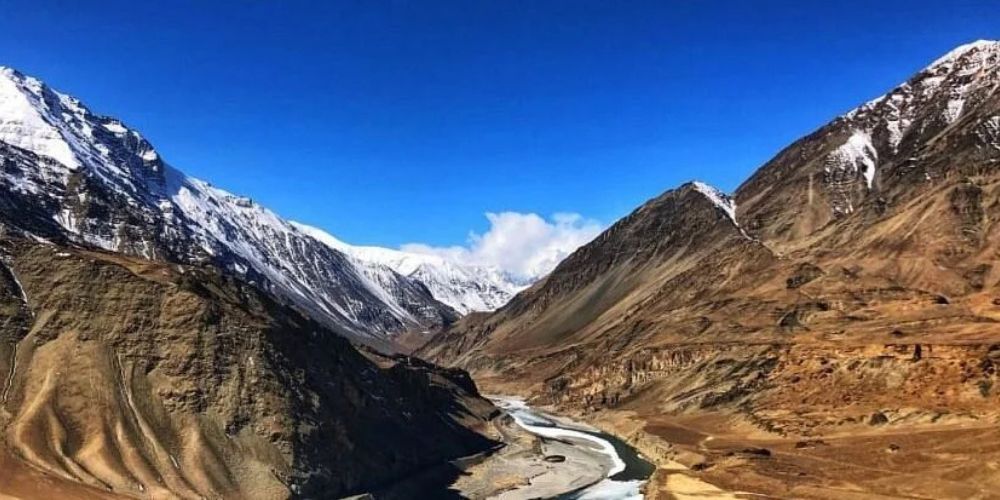
Stunning Landscapes: Despite being gentler, the trek doesn’t compromise on views. You’ll walk along the Indus River, traverse apricot orchards, cross high mountain passes, and witness the stark beauty of the Ladakhi desert landscape.
Monastery Circuit: The trek passes by several significant Buddhist monasteries including Likir, Yangthang, and Hemis Shukpachan, offering insights into Tibetan Buddhism and monastic life.
The ideal trekking season for Sham Valley is from May to October:
Winter treks are possible but require proper preparation for sub-zero temperatures.
Starting Point: Leh (3,500m)
Ending Point: Likir Village (3,200m)
Distance by Road: 60 km drive to Likir
Begin your journey with a scenic drive from Leh to Likir village, passing through the confluence of the Indus and Zanskar rivers. Upon arrival at Likir, visit the famous Likir Monastery, home to a massive golden statue of Maitreya Buddha. The monastery, dating back to the 11th century, belongs to the Gelugpa order and offers panoramic views of the valley.
After exploring the monastery and having lunch, begin your trek through barley fields and apricot orchards. The trail gradually ascends through scenic countryside with traditional whitewashed houses adorned with colorful prayer flags. You’ll camp near Likir village or proceed to Yangthang, a small hamlet with stunning views.
Highlights: Likir Monastery, Maitreya Buddha statue, traditional Ladakhi architecture
Starting Point: Yangthang (3,400m)
Ending Point: Hemis Shukpachan (3,600m)
Highest Point: Tsermangchen La (3,750m)
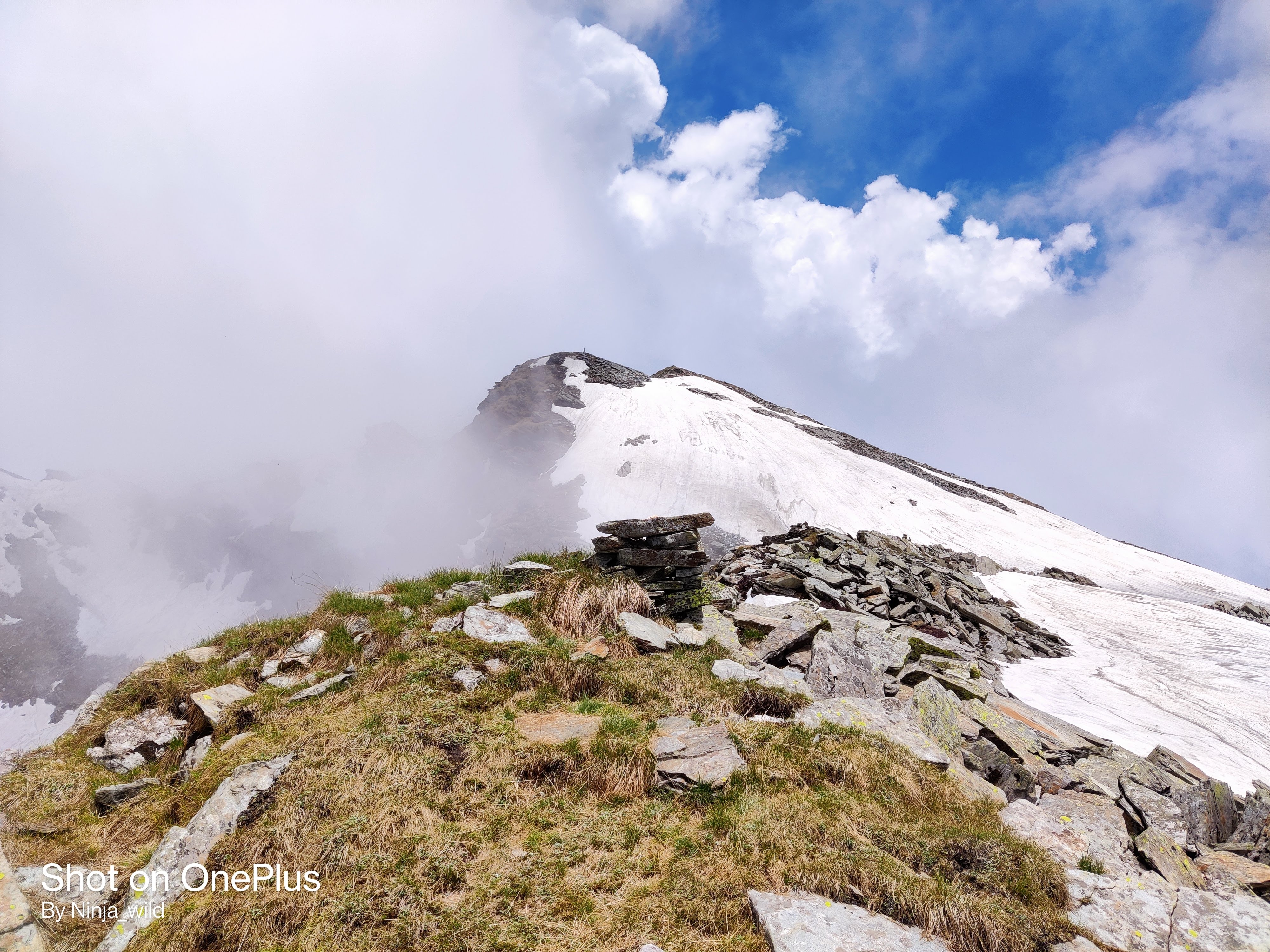
This day involves the most challenging section of the trek. After breakfast, begin your ascent toward Tsermangchen La pass. The climb is gradual, winding through rocky terrain with spectacular views of snow-capped peaks in the distance. At the pass, you’ll find prayer flags marking the summit—a perfect spot for photographs and a rest.
The descent takes you through a beautiful valley with changing landscapes. You’ll pass through Hemis Shukpachan village, known for its juniper trees—a rarity in Ladakh. The village is one of the most picturesque on the trek, with traditional houses featuring intricately carved wooden balconies and doorways. If time permits, visit the village monastery and interact with locals.
Highlights: Tsermangchen La pass, juniper forests, traditional Ladakhi homes
Starting Point: Hemis Shukpachan (3,600m)
Ending Point: Tingmosgang (3,300m)
Today’s trek is relatively easy, following ancient trade routes once used by caravans. The path descends through fields and villages, offering glimpses of rural Ladakhi life. You’ll cross small streams and walk alongside irrigation channels that bring water to the otherwise arid landscape.
Tingmosgang was once the capital of lower Ladakh and features a ruined fort and palace complex perched dramatically on a hilltop. Explore the ruins, which offer insights into Ladakh’s royal history and provide excellent views of the surrounding valleys. The village itself is charming, with traditional homes and friendly inhabitants who may invite you for butter tea.
Highlights: Ancient trade route, Tingmosgang Palace ruins, panoramic valley views
Starting Point: Tingmosgang (3,300m)
Ending Point: Temisgam (3,100m)
Return to Leh: 90 km drive
The final day’s trek is a gentle descent to Temisgam village along the Indus River. The trail is easy and pleasant, passing through farmlands where locals grow barley, wheat, and vegetables. You’ll have opportunities to interact with farmers and perhaps witness traditional farming methods.
Temisgam village is home to a monastery and the ruins of a 15th-century palace. After exploring the village and having lunch, drive back to Leh. The journey takes you along the Indus River with stunning mountain views, passing through several villages and possibly stopping at roadside stalls for tea.
Highlights: Indus River views, Temisgam Monastery, completion of the trek circuit
Easy to Moderate – Suitable for beginners with basic fitness. Daily walking time is 4-6 hours with manageable elevation gains.
Clothing:
Gear:
Accessories:
Foreign nationals require an Inner Line Permit for certain areas. Your trekking operator typically arranges this, but carry passport copies and photographs.
Most treks include camping in tents, though some operators offer homestay options in villages, providing a more authentic cultural experience.
Expect simple but nutritious meals including rice, dal, vegetables, chapati, and occasional Ladakhi specialties. Bring energy bars and snacks for the trail.
Even though Sham Valley is at moderate altitude, proper acclimatization is crucial:
Trek costs vary depending on group size and services, but expect:
This typically includes permits, guide, porters, camping equipment, meals during trek, and transport from Leh.
By Air: Kushok Bakula Rimpochee Airport in Leh has regular flights from Delhi, Mumbai, Srinagar, and other cities. Book well in advance during peak season.
By Road:
The Sham Valley Trek is more than just a trek—it’s a journey through time, culture, and breathtaking landscapes. Its accessibility makes it perfect for introducing yourself to Himalayan trekking while experiencing authentic Ladakhi culture. The combination of ancient monasteries, traditional villages, friendly locals, and stunning scenery creates memories that last a lifetime.
Whether you’re a first-time trekker testing your limits, a photography enthusiast seeking unique shots, or a cultural explorer wanting to understand Ladakhi Buddhism, the Sham Valley Trek offers something special. The gentle pace allows you to truly absorb your surroundings rather than just passing through them.
As you return to Leh after completing this trek, you’ll carry not just photographs but a deeper appreciation for the resilience of mountain communities and the serene beauty of one of the world’s highest inhabited regions.
Ready to embark on your Sham Valley adventure? The “Baby Trek” awaits with open arms and endless wonders!