Black Peak Expedition With ThinAirExpedition
Black Peak Expedition With ThinAirExpedition
18
Apr

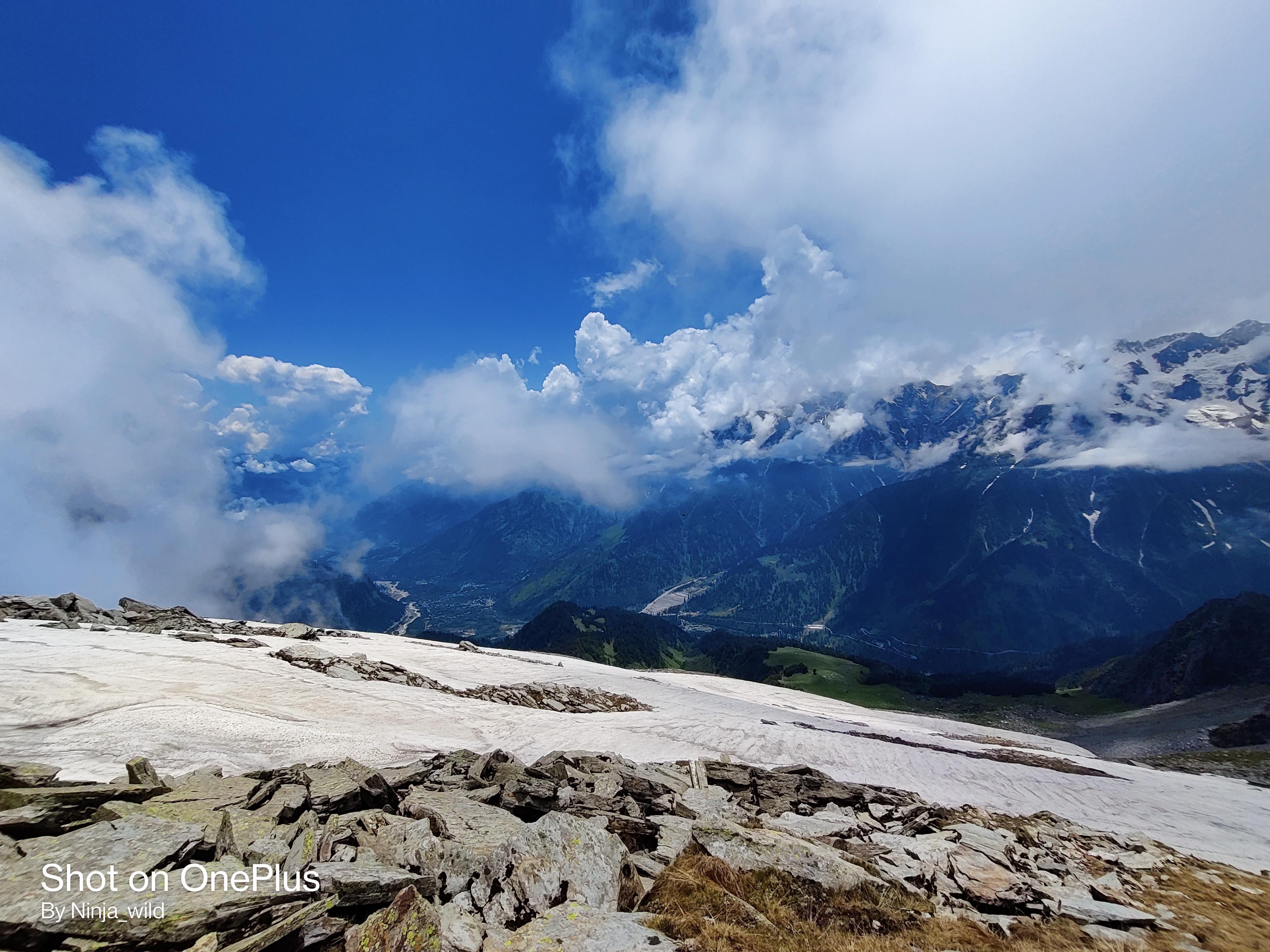
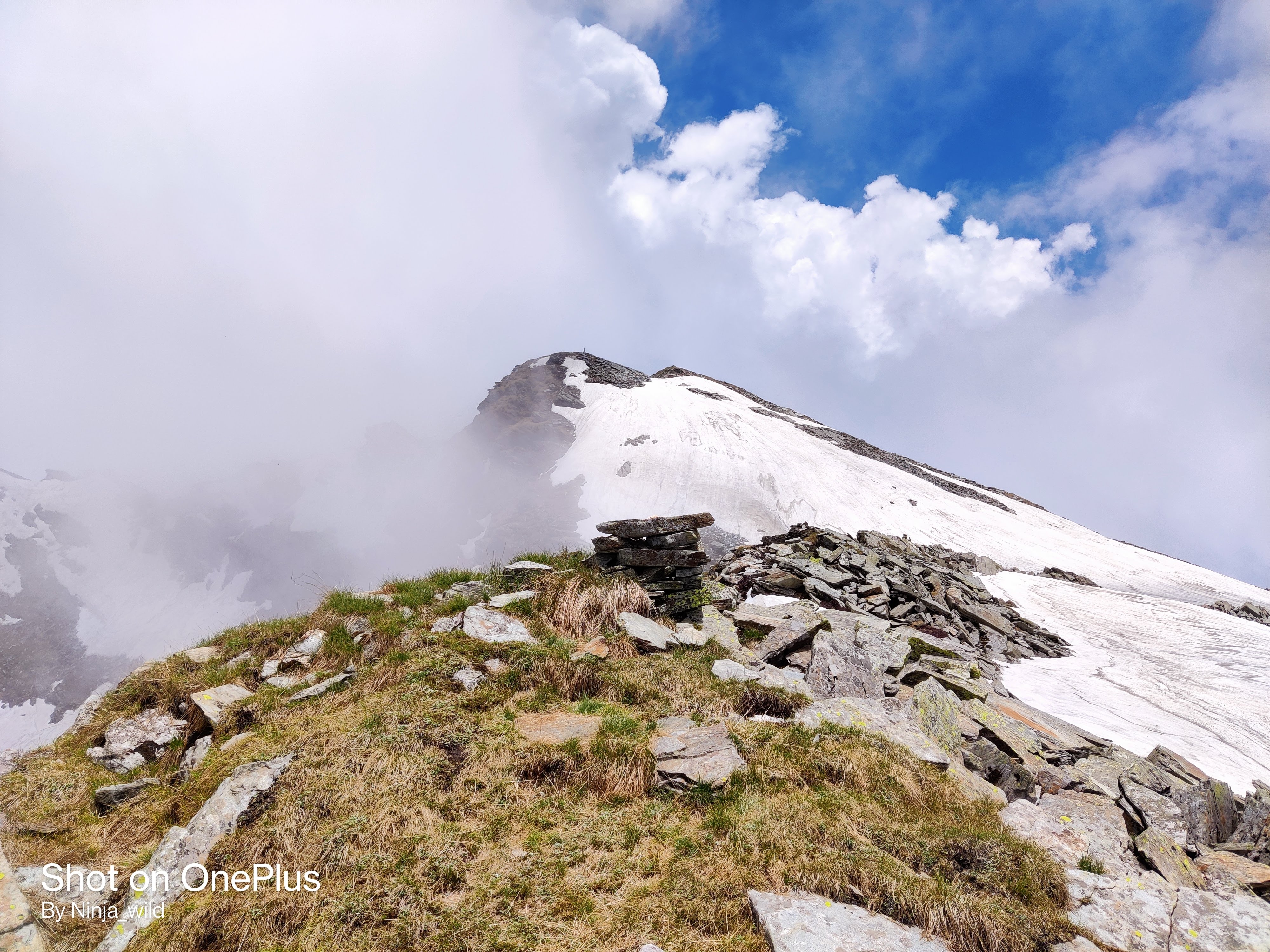
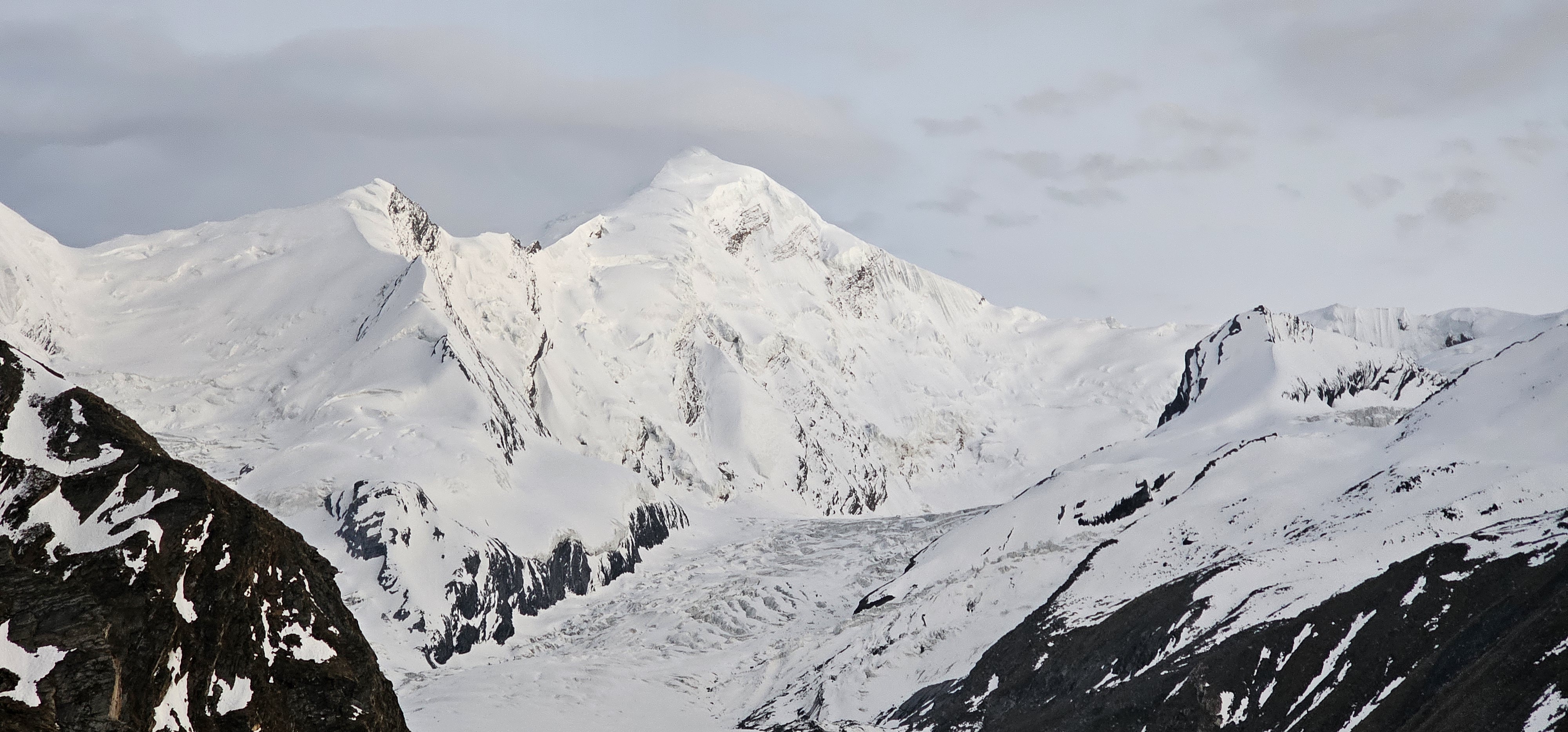
Climbing Black Peak - called Kalanag by locals - is among the toughest yet fulfilling adventures in India's high mountains. At roughly 6,387 meters tall, it stands firm in Uttarakhand’s Garhwal area, where thin air and steep slopes demand sharp technique. Endurance matters here, certainly, though clear thinking under pressure counts even more. Its local name, Kalanag, translates to Black Cobra, shaped by how its summit mimics a snake coiled upward. Few peaks look quite like this when seen from a distance at dawn light hitting the ridge
High up on the list for those chasing steep trails and icy slopes, Black Peak pulls adventurers in with raw views and real tests. Yet reaching the top often comes easier when walking beside veterans - groups such as Thin Air Expedition tend to make tough journeys feel lighter.
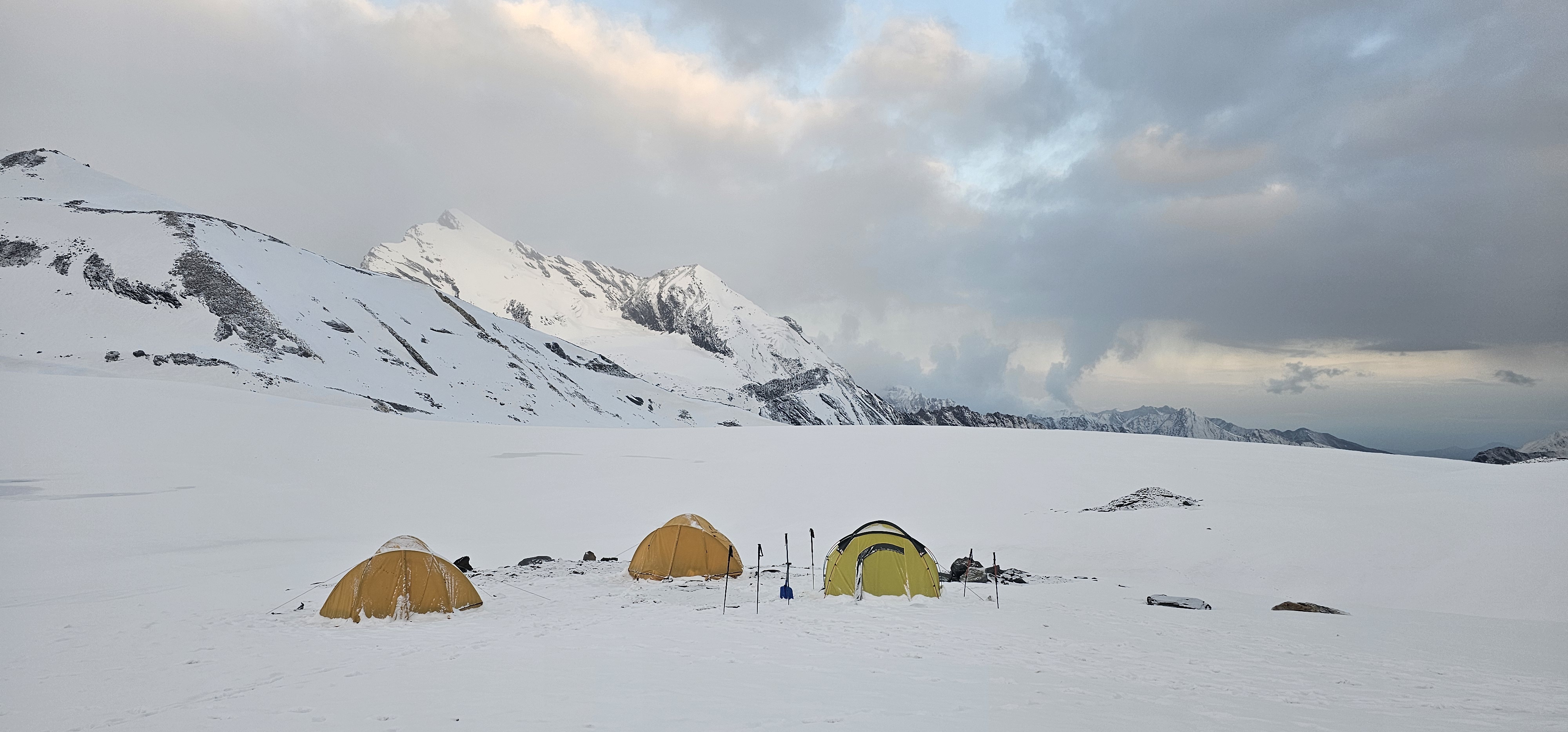
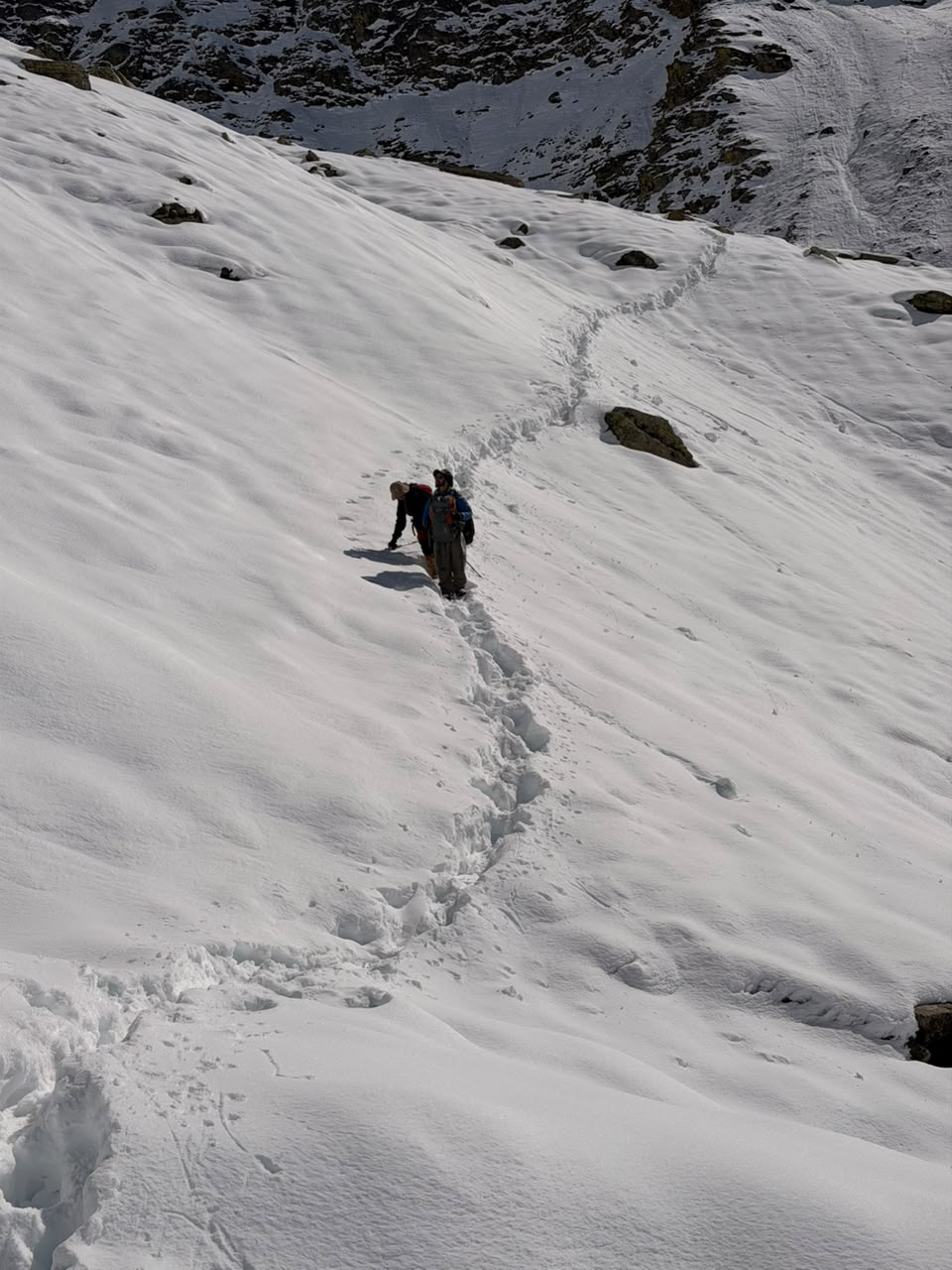
Most treks stay on trails. This one climbs higher, demanding ropes and ice axes. Starting at Sankri, footsteps lead past quiet meadows near Seema. Glaciers appear after days of walking beneath treeless ridges. Water shines below in Ruinsara Tal, cold and still. Up ahead, snowfields tilt sharply toward rocky ramps. Camp goes up where ground flattens - Kyarkoti, under shadowed cliffs. Climbers move slow here, breathing deep. Steepness returns before summit push. Rock meets ice just below the top ridge
Walking through these trails means stepping into thick woods, then wide mountain fields appear. Higher up, rocky debris left by glaciers shapes the path forward. Air grows thinner with every step upward. Cold winds blast without warning near the peaks. Tough conditions push bodies and minds alike. Breathing feels heavier as elevation climbs.
Most trips take roughly 12 to 18 days, shaped by route choices and how the weather unfolds. Since high elevations pose risks, adjusting slowly matters - rest stops and steady climbing help bodies adapt along the way.
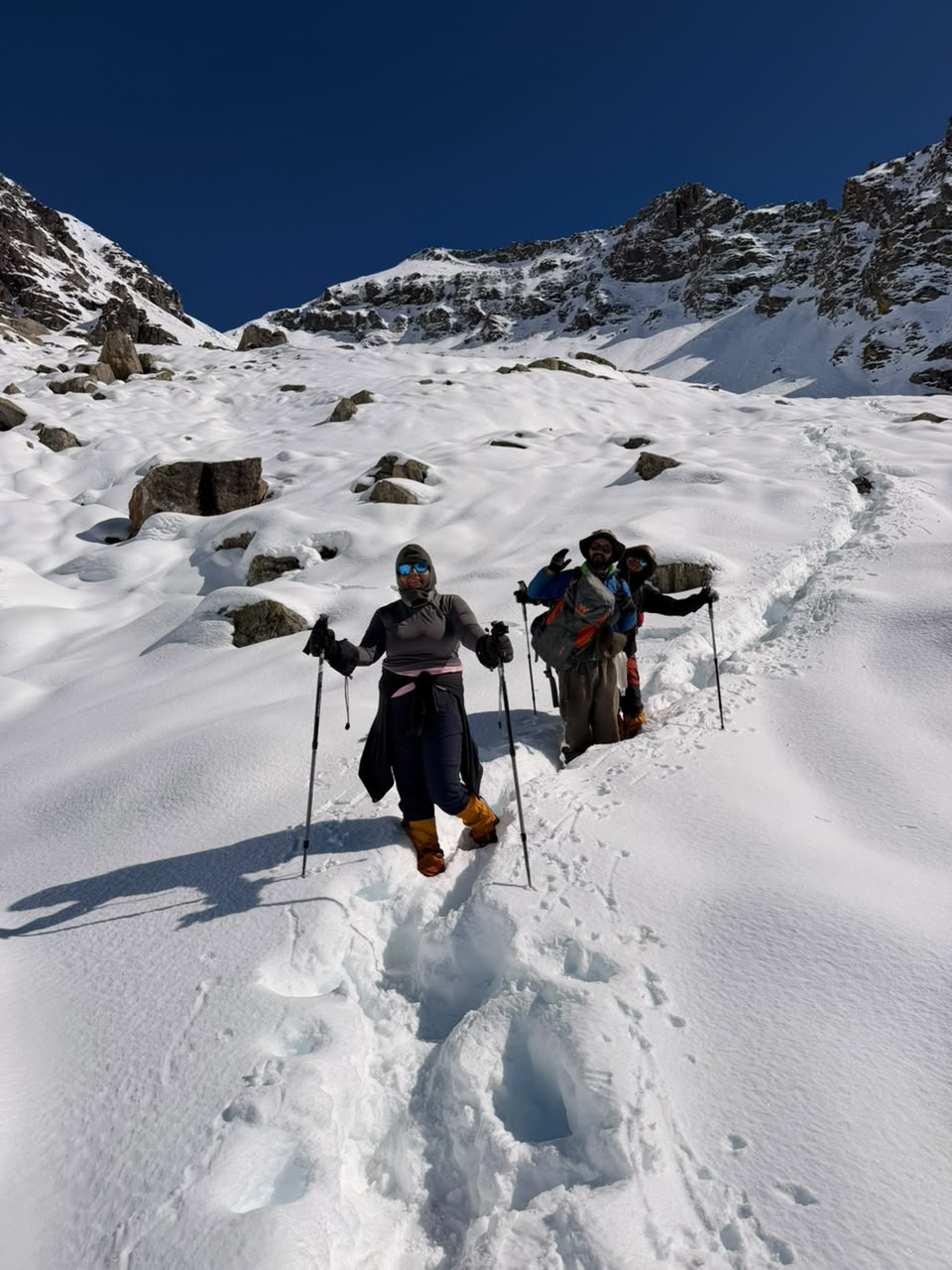
Starting up Black Peak isn’t easy - most folks who try it have climbed before or know a bit about moving on snow. Near the top, paths get sharp, icy ridges show up, sometimes deep cracks hide under thin layers of frost. Handling ropes well matters there, also knowing how to place an ice axe correctly, feet need grip from spiked boots when stepping across slick slopes
Some key challenges include:
Beyond six thousand meters up, air grows thin. Oxygen slips away the higher you go. At such heights, every breath feels like half a breath. The body struggles without enough of what it needs. Less gas in each lungful changes everything slowly
Unpredictable weather conditions including snowstorms and freezing temperatures
Technical climbing sections that demand prior experience
Long summit day requiring endurance and mental strength
Even with the tough conditions, reaching the top brings something rare. Standing there, eyes catch distant ridges - Bandarpoonch, Swargarohini - spread wide under open sky. Each hard step suddenly makes sense when that sight unfolds
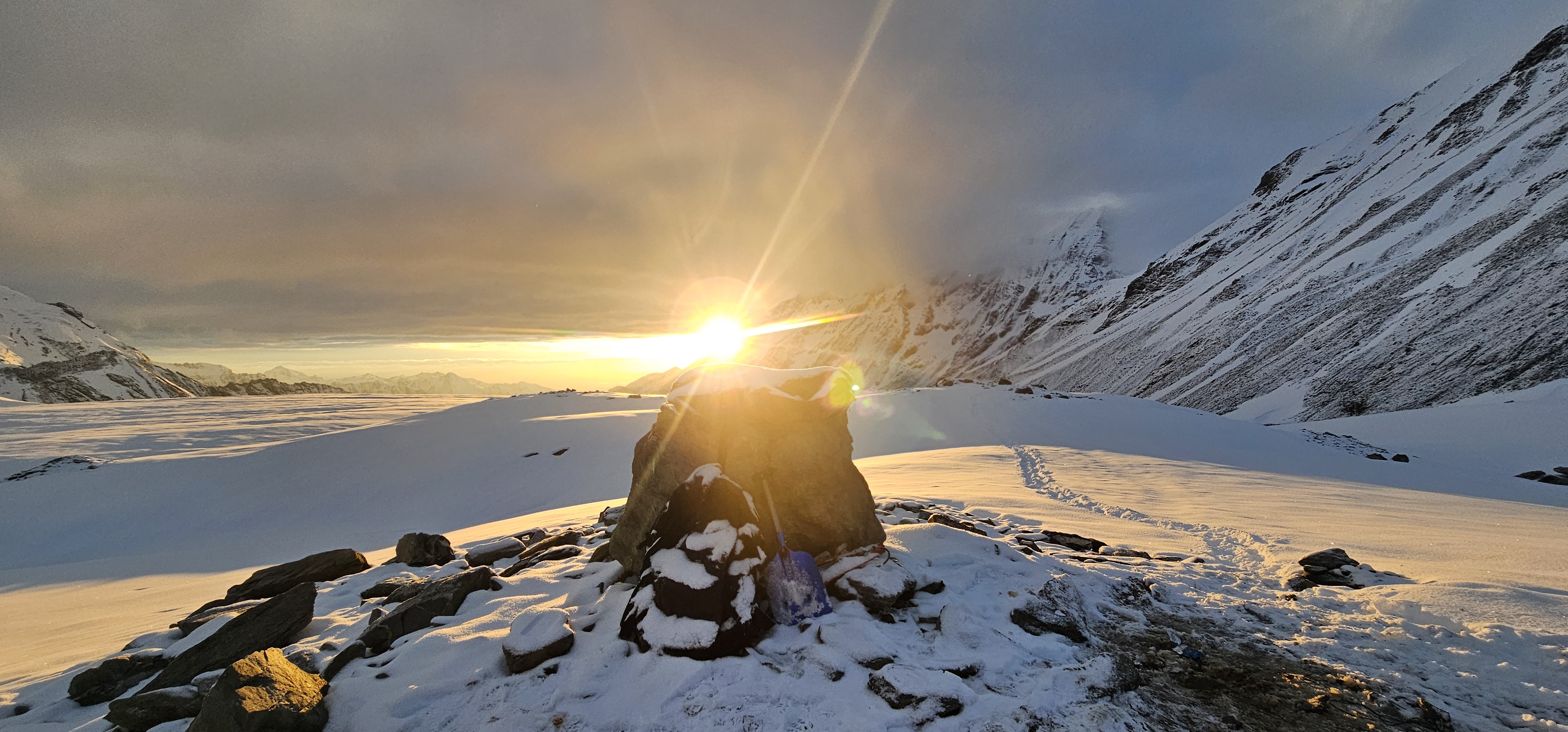
Starting up a tough mountain such as Black Peak isn’t only about being strong. That’s when Thin Air Expedition becomes essential. With skillful guidance, careful organization, yet steady help during the trek, they make the journey safer, also smoother. Because of them, climbers face fewer risks while moving through harsh terrain.
Out on the ridge, someone with years under their boots leads the way - knowledge tucked into every step. Weather shifts fast up high, yet those guiding have seen it all before, reading clouds like pages. When paths split or winds rise, judgment comes from real time spent where air thins. Summit day leans heavily on quiet expertise built through seasons on rock and ice. Choices made then are never guesses - they’re shaped by what the mountain has taught them.
Out there on Black Peak, knowing the land matters more when skies shift fast - slip once, things spiral. Guides who’ve seen it all make the difference when weather turns without warning.
High up, the body needs time to adjust - that matters more than almost anything else. Through quiet pauses in the journey, elevation climbs slowly on this trip, built step by step. Rest fits into the path like a necessary pause, letting breath catch pace with height.
From time to time, base camp hosts short courses where mountaineers pick up key skills like:
Using crampons
Handling ropes
Ice axe arrest techniques
With practice comes a steadier hand on tricky parts of the climb, making it easier even for those still learning. A solid warm-up sets the rhythm early, helping newcomers move with greater control when the path gets tough.
When climbing, staying safe matters most. Thin Air Expedition makes certain gear works well when needed. Support arrives without delay if things go wrong. Each tool gets checked before anyone steps onto the ice. Help stays nearby throughout the journey. Systems respond quickly under tough conditions
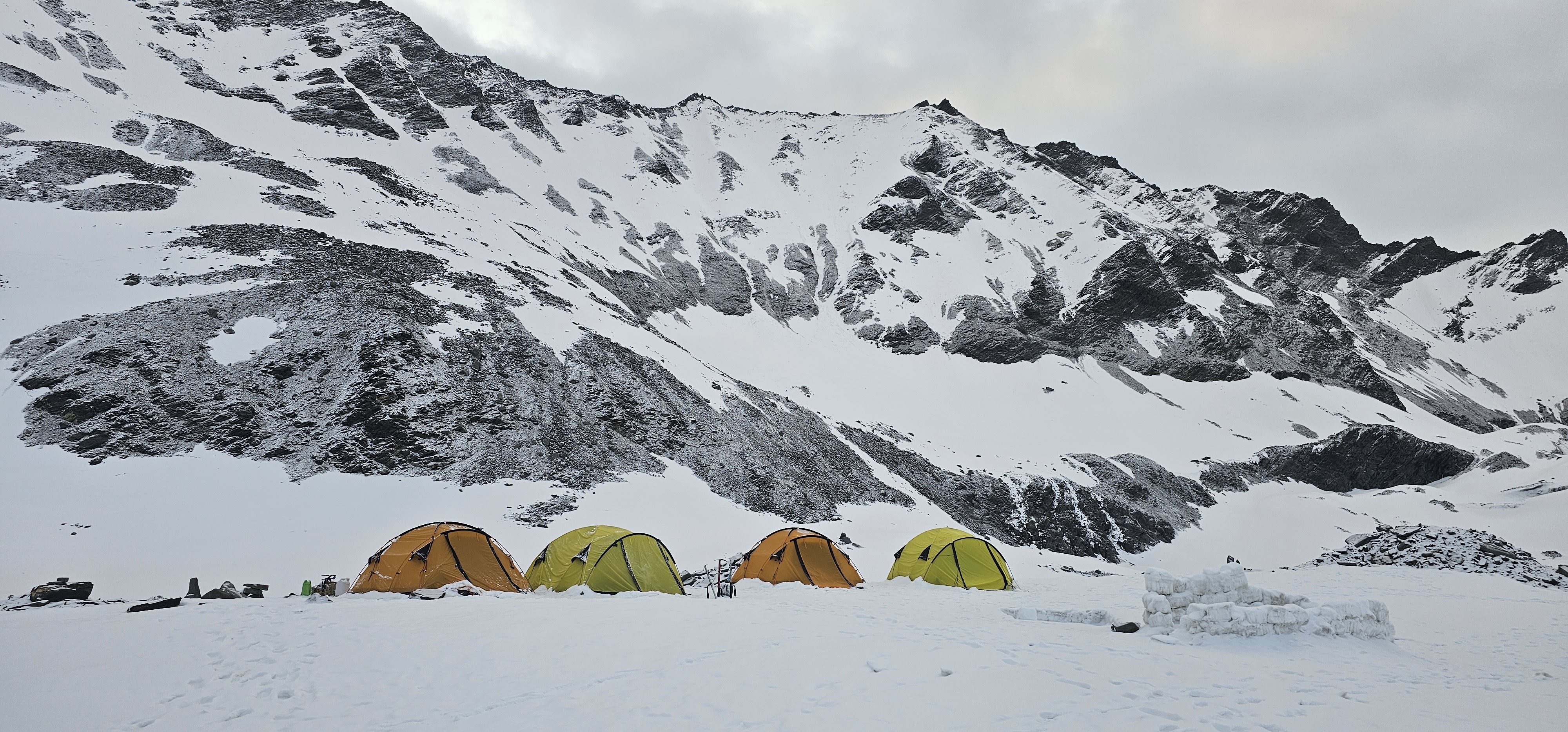
High-altitude tents and camping gear
Climbing gear includes items such as ropes, along with harnesses, plus tools like ice axes
Whatever happens, a small box might save someone. Oxygen tanks sit nearby just in case breathing gets tough
Frost bites hard at high altitudes, so gear matters most when scaling Black Peak. Tough slopes plus freezing air test every climber’s readiness.
High up in the Himalayas, moving supplies gets tough fast. Because conditions are harsh, planning every detail matters - Thin Air Expedition handles travel, meals, lodging without a hitch. Climbers stay sharp on their goal instead of distractions.
Out there, where weather bites hard, someone always has a warm meal ready. Porters arrive with supplies while cooks keep stoves burning through wind and cold. Comfort does not vanish just because the landscape turns rough. When tents go up, they stand firm against storms, built by hands that know these mountains well. Energy stays steady when food is reliable - simple but strong. Morale climbs easier if rest feels safe. Each detail, carried step by step uphill, adds up without announcement. The work behind it runs quiet, yet never misses its mark.
High up, Black Peak demands serious respect. Because of this, Thin Air Expedition puts safety first through careful planning, constant weather checks, skilled guides leading each group, using reliable gear tested in extreme cold, regular team check ins during climbs, and emergency plans ready at every stage
Monitoring weather conditions closely
Maintaining communication between camps
Having backup plans in case of emergencies
Ensuring proper health checks for participants
Because they move carefully, risk shrinks while the odds of reaching the top safely grow.
What keeps people going isn’t just gear or training - it’s the quiet push of shared effort. A mountain that tall tests more than muscle; it leans hard on mindset. Moments stretch thin up there, where breath slows and thoughts sharpen. Support shows up quietly - in a glance, a steady pace nearby. The real climb lives inside the mind as much as out.
When things get tough on the climb, someone always speaks up - just when doubt creeps in. Pushing further feels possible because safety never gets left behind. Words at the right moment do what gear cannot: they keep feet moving upward.
Up high on Black Peak, change happens without warning. Each step brings lessons - sometimes slow, often tough. Through cold mornings comes patience. Resilience grows where comfort ends. People move together, relying on shared strength instead of words. Nature shows its face here, demanding attention. Respect forms quietly, built by wind, rock, and silence.
High above sea level, past 6000 meters, tucked between massive Himalayan summits, reaching the top brings a feeling words can’t quite capture. Hardship during the climb adds weight to the moment it's finally done.
Besides help from Thin Air Expedition, this trip gains better shape, safety, and ease. Because they know what they’re doing, climbers stay tuned into the moment instead of stressing over details or dangers.
The best season for the Black Peak climb
May to June (summer season)
September to October (post-monsoon season)
These months bring steadier conditions, so reaching the top becomes more likely.
Before attempting the Black Peak expedition, climbers should focus on:
Building physical fitness (cardio and strength training)
Gaining prior trekking or mountaineering experience
Learning basic climbing techniques
Carrying appropriate gear for extreme weather
Starting right means working with experts such as Thin Air Expedition - this kind of support changes outcomes. Success often follows when planning meets experience.
High up in India, Black Peak draws those who seek steep climbs and quiet mornings above the clouds. Reaching its top means moving through sharp ridges, cold winds, often alone with only breath and rock for company. Views stretch far into white ranges where few footsteps ever go. Each step forward tests strength, yet stillness waits just beyond effort.
Starting tough trips means getting ready well, having someone show you how, plus help along the way. That’s when Thin Air Expedition steps in. With strong leaders who watch safety, manage gear needs, keep spirits up, they take care of everything needed out there. Their team makes sure each part moves smoothly.
Should you ever picture yourself on top of a 6000-meter mountain, stepping onto Black Peak might be what sticks in your memory forever - given solid help along the way, it shifts from distant thought to something that reshapes how you see yourself.