Dayara Bugyal Trek The Complete Guide
Dayara Bugyal Trek The Complete Guide
09
Aug

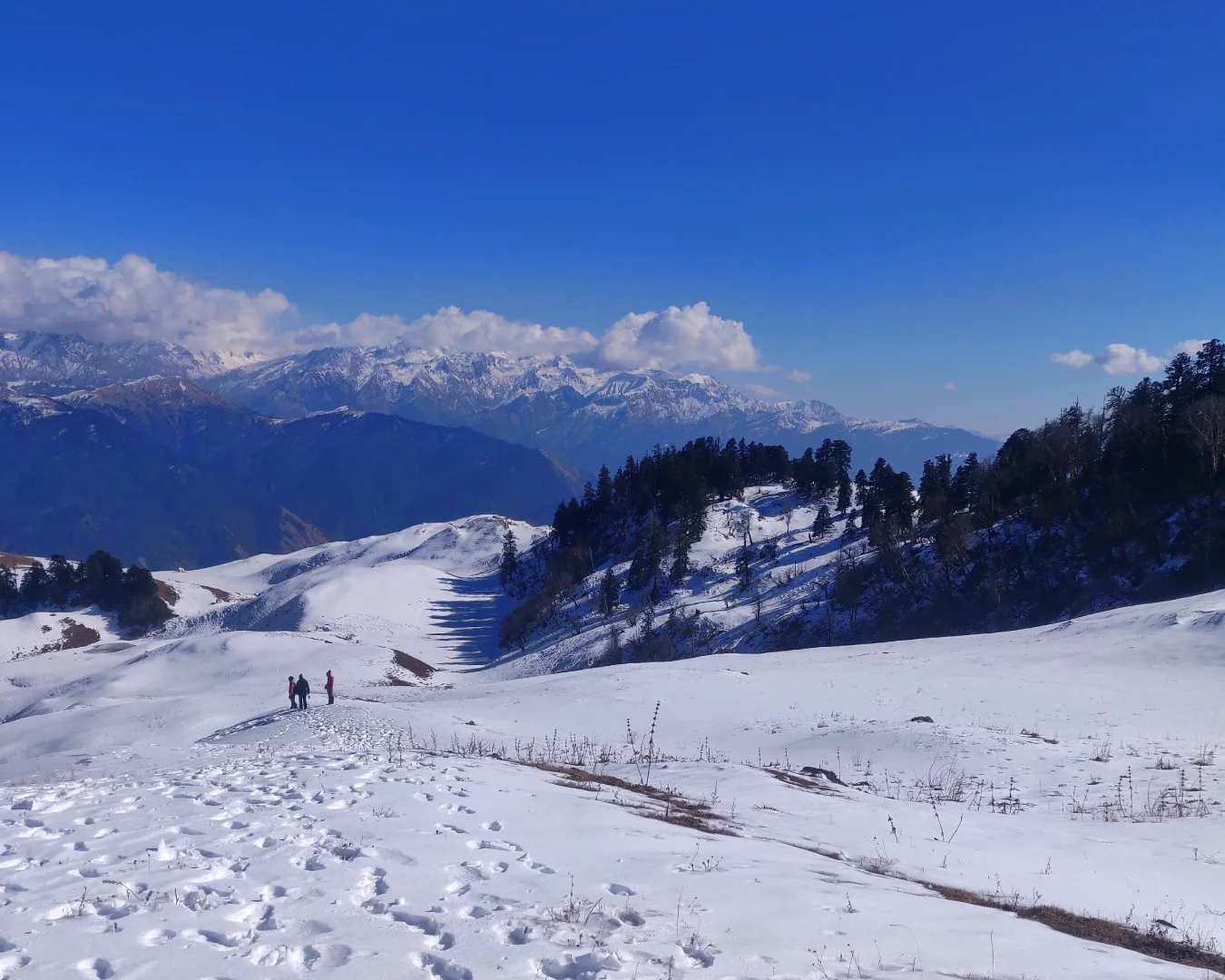
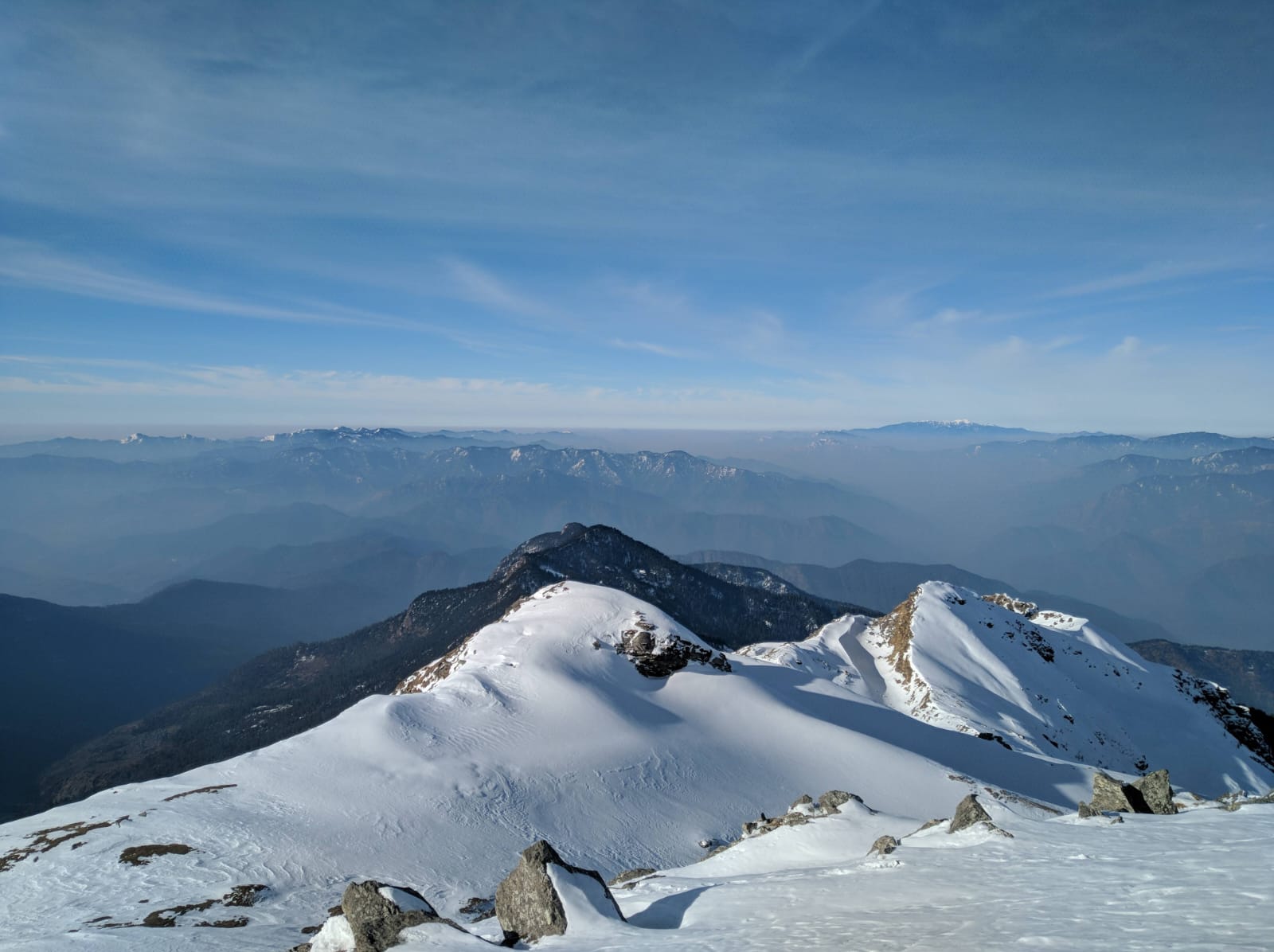
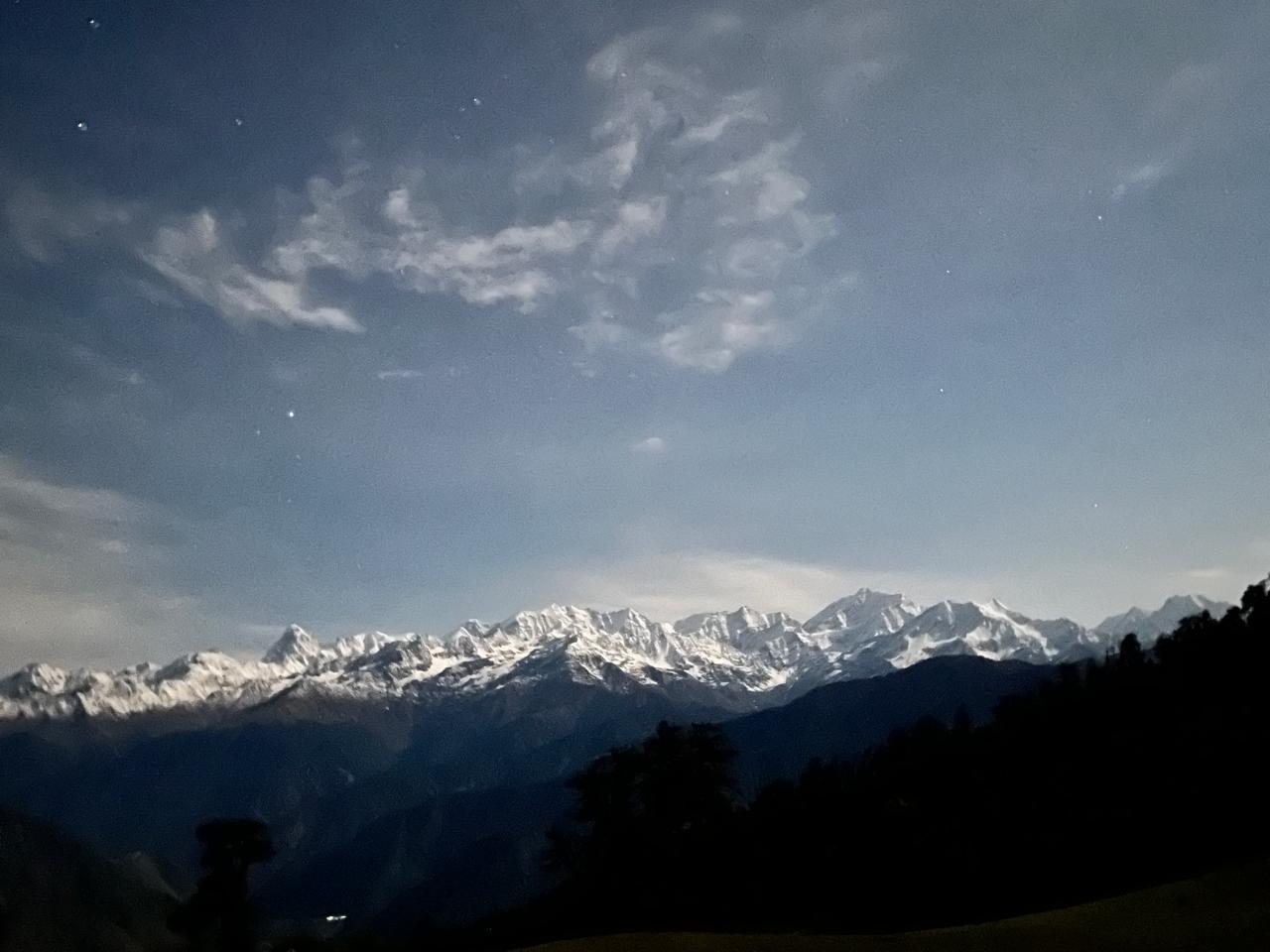
Tucked away in the Garhwal Himalayas of Uttarkashi district, Uttarakhand, the Dayara Bugyal Trek is one of India's most loved alpine meadow treks. It's often the first Himalayan trek for beginners, families, and weekend adventurers — a short, easy-to-moderate trail that delivers an outsized dose of mountain magic: rolling green (or snow-white) meadows, dense oak and maple forests, and jaw-dropping views of peaks like Bandarpoonch, Gangotri I, II & III, Jaonli, Draupadi ka Danda, and Black Peak.
This guide covers everything you need to plan the trek — history, distance, height, temperature, the best time to go, what winter looks like on the trail, sample itineraries, package costs, and a detailed FAQ section.
"Bugyal" is a local Garhwali term for high-altitude alpine meadows found above the tree line in the Himalayas, and Dayara Bugyal is among the largest and most famous of these meadows, spread over roughly 28 square kilometers. For generations, these meadows have served a practical purpose long before trekkers discovered them: local shepherds and villagers from Raithal, Barsu, and Natin have used Dayara as summer grazing ground for their cattle, sheep, and goats, moving herds up to the meadows once the snow melts and bringing them back down before winter sets in.
The trek gained popularity among recreational trekkers gradually through the 1990s and 2000s, championed by mountaineering and trekking institutes as an ideal training ground — the gentle gradient, manageable altitude, and short duration make it perfect for testing high-altitude trekking gear and stamina before attempting harder treks like Kedarkantha, Har Ki Dun, or Roopkund. Today, Dayara Bugyal is recognized as one of the best beginner and family-friendly treks in the country, and in winter it doubles as a popular ski and snow-trekking destination, drawing skiing enthusiasts to its snow-covered slopes.
The total trek distance varies slightly depending on the operator and exact route (Raithal, Barsu, or Natin as the starting village), but here's a general breakdown:
This makes it a comfortably short trek compared to most Himalayan treks, which is a big reason it's recommended for first-timers, children, and older trekkers.
Because the altitude gain is gradual and the maximum elevation stays under 12,500 ft, the risk of acute mountain sickness (AMS) is relatively low compared to treks that cross 14,000–15,000 ft, though basic acclimatization precautions are still recommended.
Dayara Bugyal is one of the rare Himalayan treks that's accessible almost year-round, with each season offering a completely different experience:
If you want green meadows and wildflowers, aim for May–June. If you want the clearest mountain panoramas, go in September–October. If you want snow, go for the winter trek between December and February.
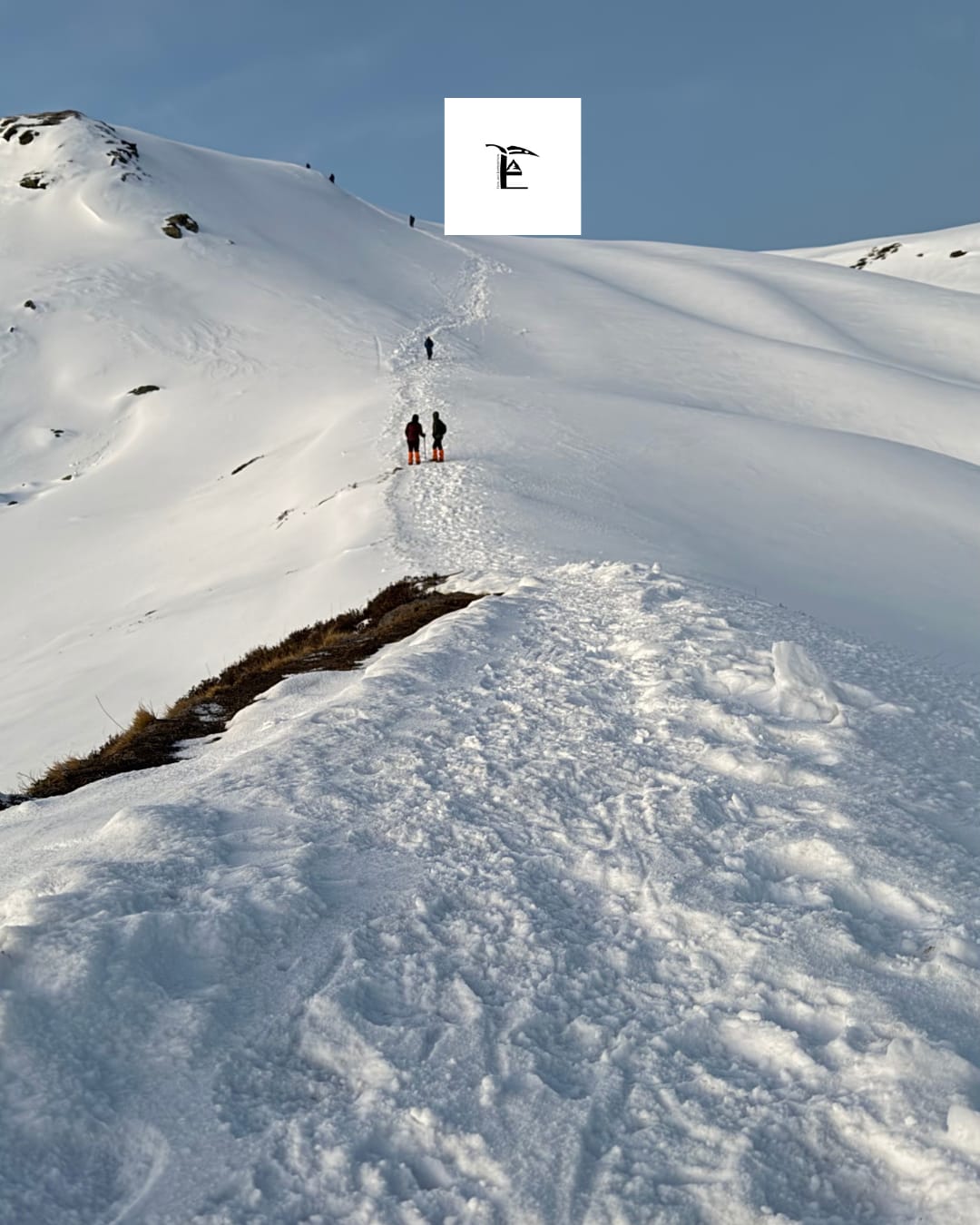
Winter (roughly December to early March) is when Dayara Bugyal transforms most dramatically. Heavy snowfall covers the meadows in a thick white blanket, and the trek becomes a favorite for snow trekking and even basic skiing/snowboarding, especially in January and February when snow depth is at its peak.
What to expect on the winter trek:
Winter is physically a bit more demanding due to the cold and snow-walking, but the difficulty level remains "easy to moderate" since the distances and altitude gain stay the same — it's the conditions, not the terrain, that change.
Temperatures vary significantly by season:
| Season | Daytime Temperature | Night Temperature |
|---|---|---|
| Summer (Apr–Jun) | 15°C to 25°C | 5°C to 10°C |
| Autumn (Sep–Nov) | 10°C to 20°C | 0°C to 5°C |
| Winter (Dec–Mar) | -4°C to 10°C | -10°C to -4°C (can drop lower during snowfall) |
Nights at Gui campsite and near the summit can feel considerably colder than these averages due to wind chill, so packing proper thermal layers is essential regardless of season.
Itineraries vary by operator, but a standard 4 Days / 3 Nights itinerary (Dehradun to Dehradun) looks like this:
Day 1: Dehradun to Raithal/Barsu Drive from Dehradun (approx. 165–185 km, 7–8 hours) via Mussoorie bypass, past the Tehri Dam lake, to the base village of Raithal or Barsu (7,400–7,550 ft). Overnight in a homestay.
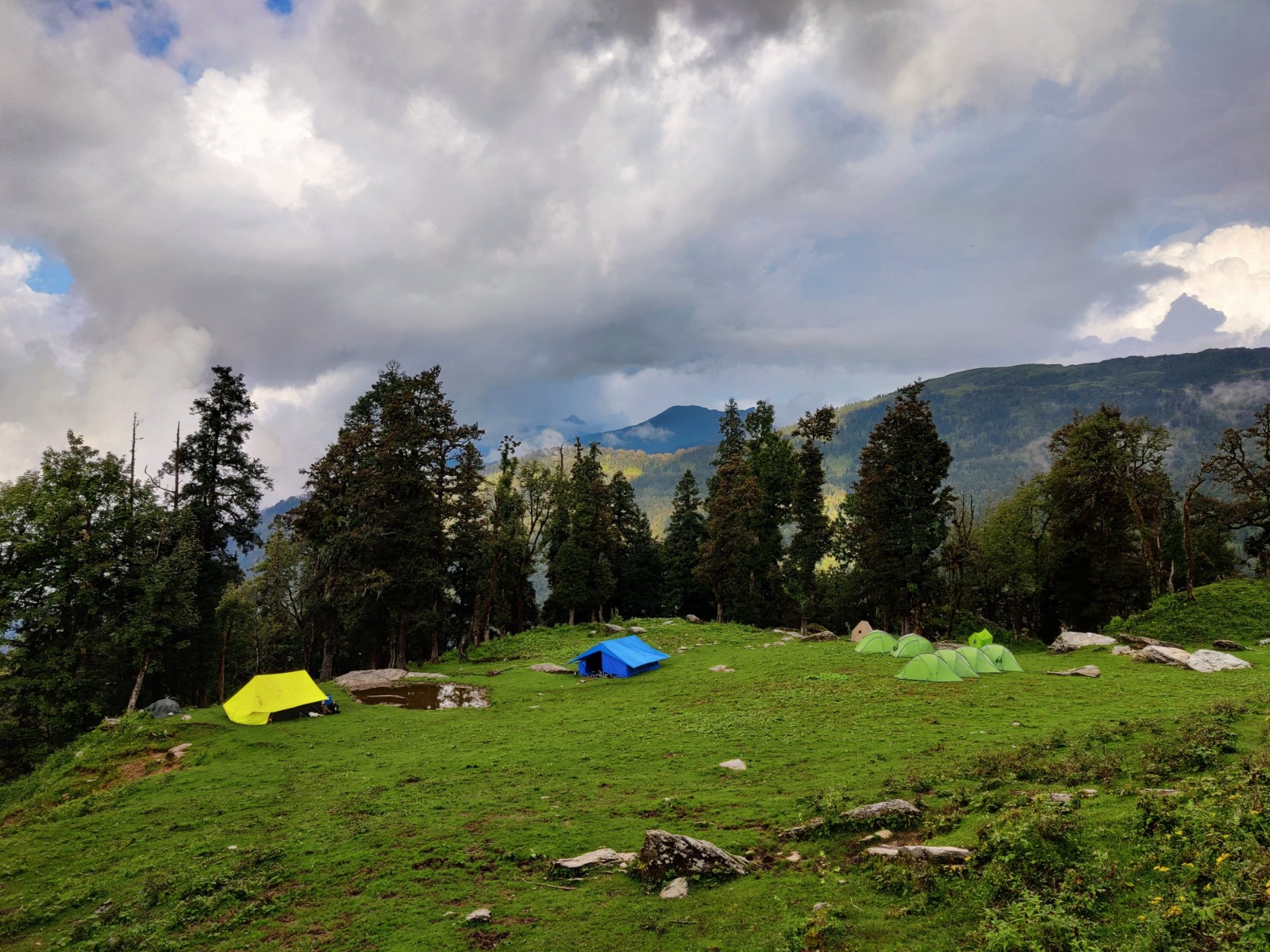
Day 2: Raithal/Barsu to Gui Campsite A moderate 4–5 km trek through dense oak forest to Gui campsite (approx. 9,600–9,900 ft). Hot lunch, an evening acclimatization walk, and overnight camping.
Day 3: Gui Campsite to Dayara Bugyal (Summit Day) and back to Gui The main event — a 6–7 km round trip ascent from Gui to the Dayara Bugyal meadow (11,181–12,000 ft), with optional extension to Bakaria Top (12,400+ ft) for panoramic Himalayan views. Return to Gui campsite for the night.
Day 4: Gui to Raithal/Barsu, then drive back to Dehradun Descend approximately 4–5 km back to the base village, then drive back to Dehradun, arriving by evening.
Shorter and longer variants:
Package pricing depends on group size, inclusions, and the operator, but typical 2025–26 market rates are:
What's usually included:
What's usually extra (check with your operator):
Always confirm inclusions in writing before booking, and prefer Uttarakhand Tourism-registered operators with certified trek leaders.
1. Is the Dayara Bugyal Trek suitable for beginners?
Yes. It's widely considered one of the best beginner and family-friendly Himalayan treks because of its short distance, gradual altitude gain, and easy-to-moderate difficulty level.
2. What is the maximum altitude of the Dayara Bugyal Trek?
The main meadow sits at around 11,181 ft, with the highest point, Bakaria Top, reaching roughly 12,400–12,447 ft.
3. How many days does the Dayara Bugyal Trek take?
Most itineraries run 4 days/3 nights from Dehradun to Dehradun, though shorter 3-day and longer 5-day versions are also available.
4. What is the total trekking distance?
Roughly 18–22 km round trip, spread over 2–3 actual trekking days, with each day covering 4–8 km.
5. Can the Dayara Bugyal Trek be done in winter?
Yes, and it's actually one of the most popular winter treks in Uttarakhand. Snow blankets the meadows from December to March, and the region is also popular for basic skiing during January and February.
6. What is the best time to do the Dayara Bugyal Trek?
The trek is open almost year-round. May–June is best for green meadows and wildflowers, September–November for the clearest mountain views, and December–February for snow trekking.
7. What is the base camp for the Dayara Bugyal Trek?
Raithal or Barsu village, both located near Uttarkashi and reachable by road from Dehradun in about 7–8 hours.
8. How difficult is the Dayara Bugyal Trek?
It's rated easy to moderate. There are no technical climbing sections, exposed cliffs, or extreme altitude gains, making it suitable for people with basic fitness, including children and older trekkers.
9. What is the temperature like on the trek?
Daytime temperatures range from about 10°C to 25°C depending on season, while nights can drop from 5°C down to -10°C or lower in peak winter.
10. How much does a Dayara Bugyal Trek package cost?
Packages typically range from ₹9,500 to ₹12,500 per person depending on inclusions, group size, and season.
11. Do I need any permits for the Dayara Bugyal Trek?
Yes, a forest entry permit is required, usually arranged by your trek operator and included in the package cost (approximately ₹150/day for Indian nationals and higher for foreign nationals).
12. Is prior trekking experience required?
No. Basic fitness — the ability to walk 5–8 km comfortably — is enough. It's often recommended as a first Himalayan trek before attempting harder routes.
13. What should I pack for the Dayara Bugyal Trek?
Layered clothing (thermal wear, fleece, waterproof outer shell), sturdy trekking shoes, gloves, a warm cap, sunglasses, sunscreen, a headlamp, a reusable water bottle, and a basic personal first-aid kit. Winter trekkers should add gaiters, extra thermal layers, and waterproof gloves.
14. Is there mobile network connectivity on the trek?
Network coverage is patchy to non-existent beyond the base villages. BSNL sometimes has limited signal in parts of the route, but most of the trail, including Gui and Dayara meadow, has no reliable network.
15. Can children and senior citizens do this trek?
Yes, given its easy-to-moderate rating and short distances, it's one of the more accessible Himalayan treks for children (usually above 8–10 years) and reasonably fit senior citizens, subject to individual health conditions.
16. What peaks can be seen from the Dayara Bugyal meadow?
On a clear day, you can see Bandarpoonch, Gangotri I, II & III, Jaonli, Draupadi ka Danda, Srikantha, and Black Peak among others.
17. Is skiing possible at Dayara Bugyal?
Yes, during peak winter (January–February), the snow-covered meadows attract skiing and snowboarding enthusiasts, and some operators offer basic skiing experiences as part of winter packages.