05
Jul

In the high Himalayan ranges, there comes a place where there is no sign of commercialized tourism. One will not see the hustle and bustle of shops that sell souvenirs or bright neon lights or lines of cars honking away from sharp turns of the route. Instead, one would be looking at granite rocks standing tall to thousands of feet above the earth in the form of mountain peaks.This is called Miyar Valley trek.
It is located in the isolated district of Lahaul in Himachal Pradesh state, and has often been termed as the "Yosemite of India" for international rock climbers and hardcore trekkers.This is a place which can offer the kind of natural beauty that cannot be found anywhere else in the whole nation. If you wish to get away from the humdrum life and enjoy some real trekking experience, this is the place for you.
Location: Lahaul Valley, Western Himalayas
Starting Village: Khanjar Village
Duration: 7 days / 6 nights (except travel to and from Manali)
Distance to Cover on Trek: Approx. 60–65 km round trip
Highest Point: Approx. 4000m (13,120 ft.) at Kesar Yon Choo
Difficulty Level: Moderate
Best Time: July to early September
Mobile Network: There is some mobile network up to Khanjar Village. Thereafter, there is a very limited mobile network on the trek route.
ATM Availability: There are ATMs available in Manali. It is recommended that trekkers have enough cash before starting the trek since banking facilities become very difficult on the trek.
Railway Station: Chandigarh Railway Station which is approx. 310 km from Manali.
Nearest Airport: Bhuntar Airport (Kullu) which is approx. 50 km from Manali is the nearest airport to the trek.
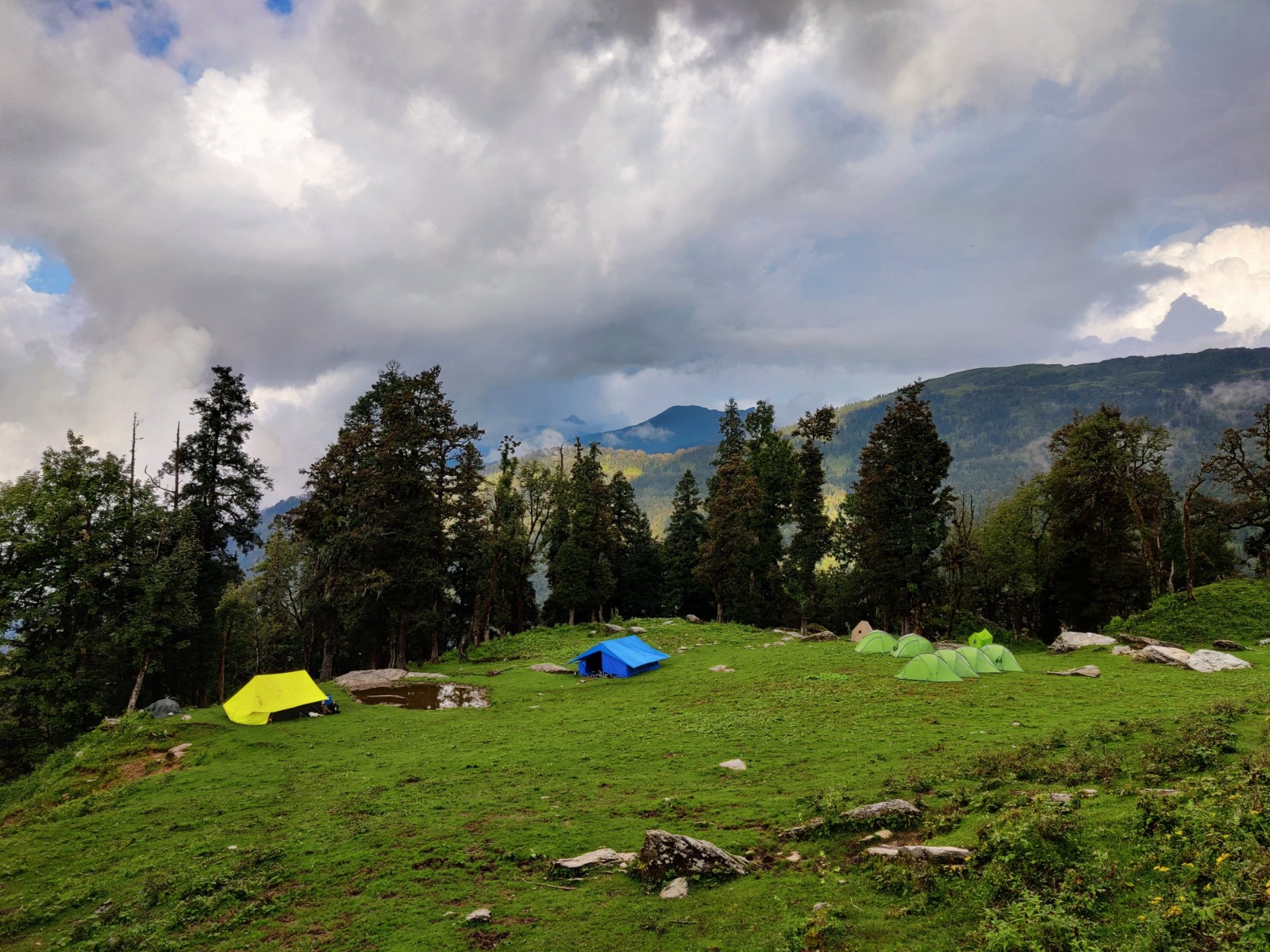
Type of Trek: This is a supported camping trek with comfortable tented stay all through the trek. The trek starts with an amazing drive from Manali to Khanjar Village followed by a trekking adventure.
Point of Return: This trek ends at Khanjar Village after which trekkers drive back to Manali.
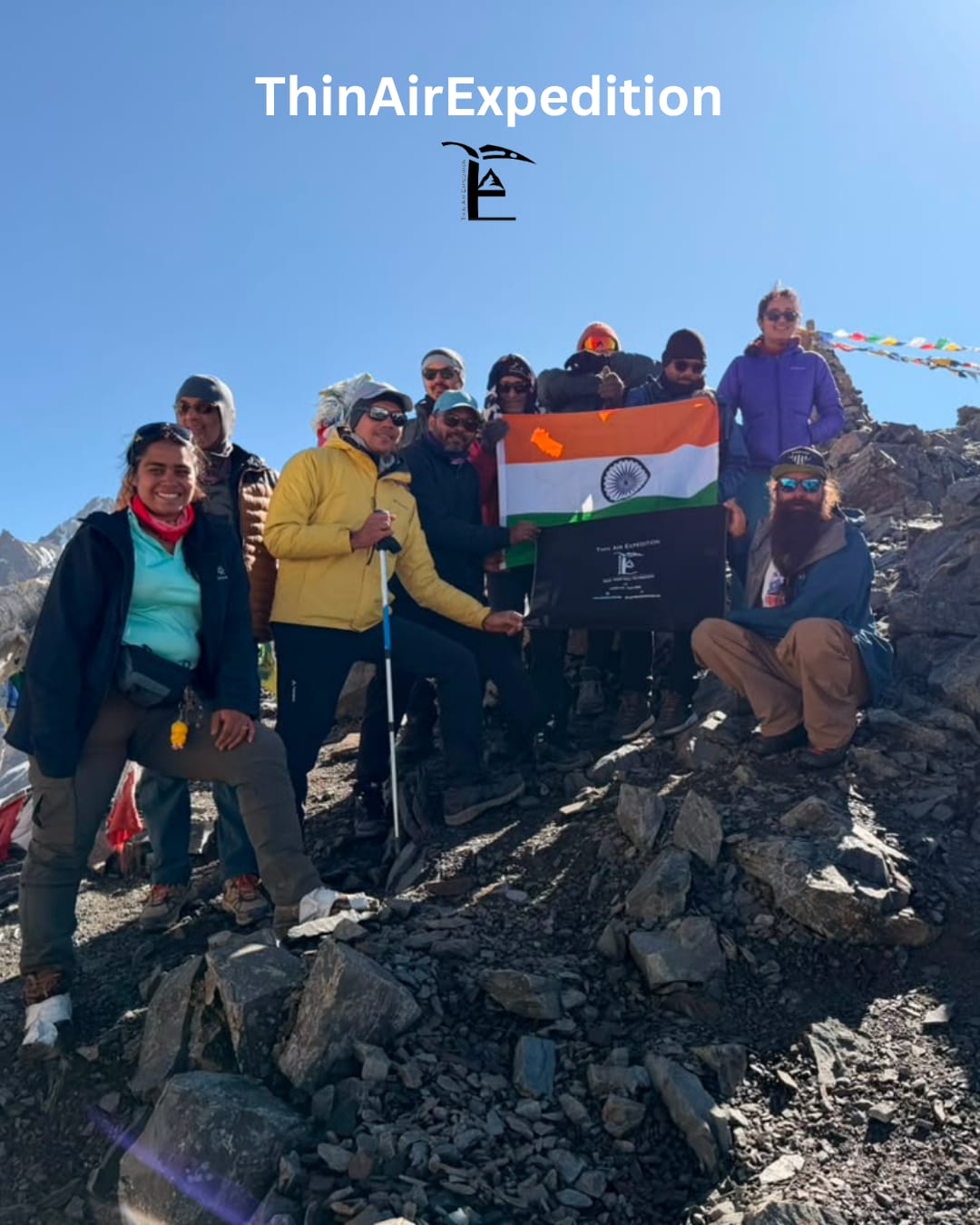
We Thin Air Expedition created a 7 day itinerary for the Miyar Valley to provide you better experience & capture lifetime memories to cherish.
Day 1: Travel to Manali – Drive to Khanjar Village
Day 2: Rest Day at Khanjar Village
Day 3: From Khanjar Village to Yolling
Day 4: From Yolling to Zardong
Day 5: Zardong to Palpu – Visit Kesar Yon Choo – Back to Palpu
Day 6: From Palpu to Yolling
Day 7: Yolling to Khanjar Village – Drive to Manali
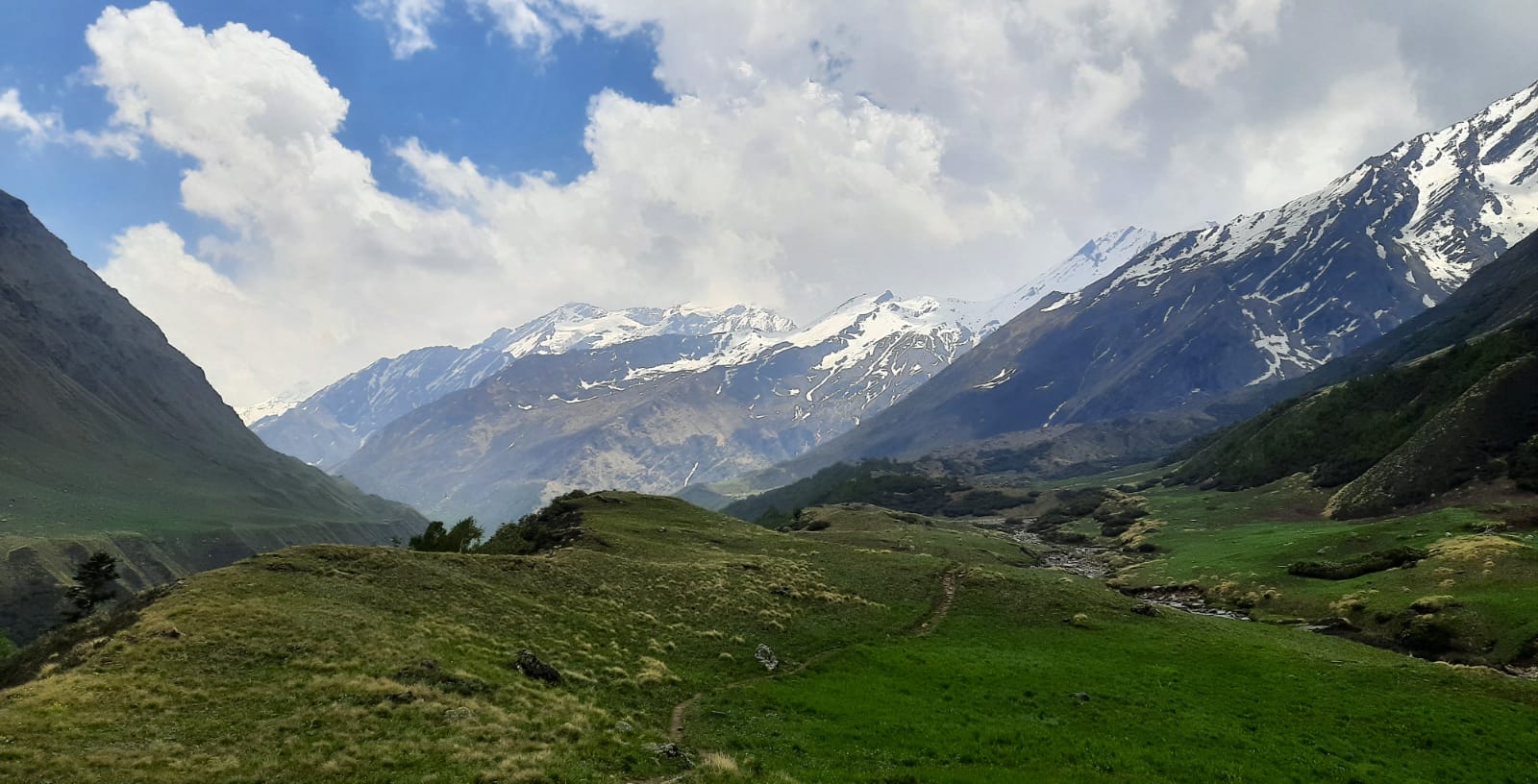
Landscapes Yosemite of India: The most impressive thing about Miyar Valley is the gigantic and sheer granite rock faces. While in most mountain valleys there will be loose ground and vegetation, this area consists of solid and vertical rock faces that rise for thousands of feet vertically above the surface. Because they are the exact replica of the famous wall of El Capitan located at the Yosemite National Park in the USA, many climbers visit this place to climb these mountains.
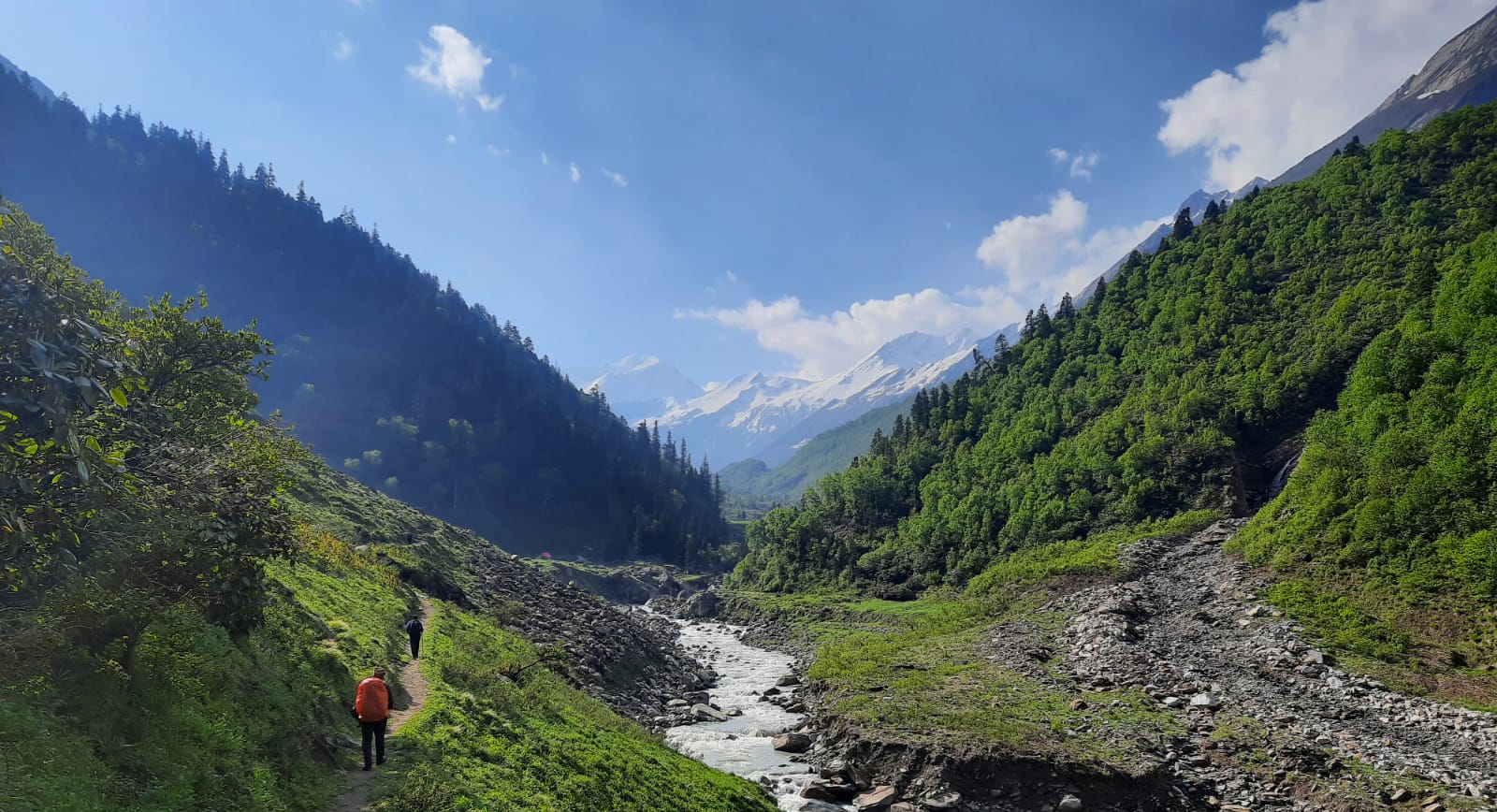
Broad and Flat Valley Floor: All the other mountain valleys in the Himalayan Range have narrow and steep "V" shape valley floor that gives the feeling of being enclosed within the valley. However, Miyar Valley has a "U" shaped valley floor. This means that the valley floor in Miyar Valley is very wide and flat in comparison to other mountain valleys.
High Altitude Wildflower Fields: In the month of July and August, there occurs a magical transformation in Miyar Valley. The meadows are covered with millions of wildflowers that are absolutely beautiful. Some of the wildflowers in this valley are blue poppies, edelweiss, and wild lilies. In contrast to the Valley of Flowers in Uttarakhand, which is very famous and attracts thousands of visitors with an entrance fee, thus becoming crowded, Miyar Valley does not have this problem.
Protected from Monsoon Rains: Whereas other parts of India have monsoon rains and landslides in July and August, Miyar Valley enjoys a fairly dry weather. This is possible due to the fact that it is located in a rain shadow. It means that the high altitude ridges surrounding this valley prevent the heavy clouds of rain from falling on it.
Unspoiled by Tourist Traffic: In case you detest all those bustling tourist spots, loud streets and commercialized areas filled with various trinket stores, then Miyar is the place you are searching for. There are no luxury accommodations, bustling markets, and cell phone network towers anywhere to be found. Here life stops completely, giving you an opportunity to explore the Himalayas in the same state they have been in for decades.
A Culture That Hasn’t Changed in Centuries: The people inhabiting those tiny villages surrounding the valley are mostly Buddhist. Being surrounded by mountains which remain inaccessible for a great part of the year because of the heavy snowfalls, they managed to preserve a marvelous self-sufficient lifestyle. By simply walking around the villages, you will be able to learn about the distinctive dry stone structures and the monasteries that have been preserved intact through centuries.
Magnificent Sky at Night: This area is located at an extreme distance from all inhabited areas, which implies that even a trace of light pollution is absent here, and hence the sky will be visible with stars shining in it. The sight of the Milky Way galaxy at night will leave you spellbound by its brightness.
Miyar Valley is an alpine wilderness, which implies that climate rules everything here. The opportunity to visit the valley is July to early September when compared to other regions of India. Below, you can find a simple yet thorough description of seasons to make your planning easier:
July-August (Bloom of Summer and Wildflowers): It is considered to be the best time to visit for people who love to trek in nature. Though there are heavy monsoons and landslides in India, the Miyar Valley does not get rain due to the tall mountain ranges (which cause a rain shadow effect). You can get some light rain there but the weather will be good in general. This is the very period when the whole valley becomes an unlimited carpet of yellow, blue, and purple wildflowers.
September to October (The Golden Autumn & Clear Skies): For those who have interest in drama photography and want to see mountains in their crystal form, fall is the best season to visit. Nature gets the gold-brown look replacing the green one, and the weather starts to become cool and dry. Since the atmosphere at this period of time is absolutely clear and bright, the visitors get the most beautiful view of the giant rocks and glaciers of mountains. The temperature during the nights drops dramatically (reaching subzero level), but the day is bright and clear.
November to May (The Frozen Hibernation): With the onset of the late autumn and winter, valleys become completely covered with snow. The temperature goes down into negative values (-15C up to -25C), water pipes freeze, and mountain passes become completely inaccessible. The villagers spend these months in quiet hibernation in their houses. This period is not recommended for ordinary tourists – only winter expeditions can operate here.
June (The Shoulder Month): It’s during this month that the first rapid melting of snow after winter occurs. The valley becomes accessible by road, and life in the area starts coming to the surface. Though it makes for a good period to visit to witness melting patches of snow and sprouts of greenery, the beauty of the wildflowers will appear only in July.
1. Thanpattan Meadow TrekThe Path: Easy, highly satisfying 12 km covered in 4 - 5 hour trek from Khanjar Village. Since it's a flat-bottomed glacial valley, the ascent is very moderate (+310 m). The path leads to a vast 1.5 km wide green meadow surrounded by pristine streams. It is bounded by vertical granite cliffs that stretch for thousands of feet upwards—the ideal place for backcountry camping.
2. Buddhism Inhabiting the PlaceThe Way of Life: It is a village belonging to the Lahauli-Bhotia ethnic group. Due to its remote location, it still preserves its unique, traditional way of life based on one-crop agriculture (peas, potatoes, and buckwheat). Local houses are built from dry stones called Kath-Kuni, there are mani walls hand-made by Buddhists and ancient hill-top monasteries called “gompas” emitting the smell of juniper incense and yak-butter lights.
3. Stargazing at Zero Light PollutionThe Rating: Rated as a Class 1 place on Bortle Dark Sky Scale (this is the darkest sky on Earth). High elevation (3,400 m) and lack of rainfall give a complete absence of clouds and light pollution. The central stripe of the Milky Way can be seen with all its sharpness. On nights without the moon, the stars are so shiny that they cast shadows on your tent.
4. Trek To The Mouth Of The Miyar GlacierThe Scale: Trekkers who venture beyond Thanpattan will reach the mouth of the huge Miyar Glacier which spans a distance of 28 Km. It is amongst the longest valley glaciers in the whole of Himalayas excluding the poles. While the walk begins on a gentle trail of meadows, it proceeds on an unspoiled terrain of lateral moraines, glacial lakes, and crevasses. One reaches the huge ice wall from where the river originates.
5.Visit To The Mrikula Devi Temple In Udaipur: The wooden temple that was constructed during the 11th century in Udaipur and is located at the entrance of the valley, is one of the wonders of architecture which remains hidden behind its seemingly plain structure. As soon as you enter inside, you can see an amazing display of elaborate wood carvings taken from the tales of Ramayana and Mahabharata. The architectural style is a mixture of Kashmiri art and Himalayan wooden architecture.
6. Enjoying the Authentic Cuisine of Lahauli Home Cooking
The use of the local homestay involves dining around a traditional wooden stove called “bukheri” made of iron. All meals served here are nutritious, fresh, and meant to survive the harsh cold conditions at high altitudes. Try the following hyper-local dishes such as Chha Gosht (meat slow-cooked in yogurt gravy), Siddu (a steamed stuffed wheat bread along with local ghee), and other food items made using buckwheat. Each dish comes along with herbal tea or Chhang.
Travel Route: The journey starts from Manali, passes via Atal tunnel and ends up in Tandi. The path will then change its course for Udaipur, the cultural pocket, where the path would be 35 km of rough road to get to Shukto or Khanjar, the final destinations of the road villages.
Acclimatization: As the starting villages are located on an altitude above 3,400m (11,150 ft), it is necessary to spend at least one night in Udaipur or Keylong before embarking on the trek to prevent yourself from the risk of Acute Mountain Sickness (AMS).
The Best Time for Trek: Choose the best months for your hike to be either late June and September. If you are looking forward to witnessing the stunning flora blooming in nature, choose July and August, but if you want to enjoy the cold nights and blue sky with stars and photograph the scenery, go for September.
Complete Digital Blackout: There is no availability of cellular networks or electricity grid beyond the point of Udaipur. Let your family members know beforehand that you will be in a complete digital blackout and bring power banks to recharge your photographic equipment.
Cash and Fuel Supply: Always make sure that you have enough physical cash available in either Manali or Keylong as no digital payment method is feasible in this valley. In case of your travel by vehicle, Tandi is the final place where you can refuel your car; therefore, make sure that you fill up before embarking upon Udaipur.
Trekking Accessories Required: You must carry four seasons tents, sleeping bags at least for -5 degree Celsius temperature, trekking boots with ankle support, and water shoes.
Miyar Valley acts as a filter for a certain type of tourist. If what you look for in a high altitude adventure is a luxury hotel, pre-made checklist of sights to see, or quick communication using your mobile phone, Miyar will be extremely tough and challenging for you. The valley will demand you to be very patient and ready to walk through long, dusty roads without any modern amenities you have been accustomed to in the city.
But if you are a purist who loves raw nature, both inside and outside of himself, and seeks high altitude experience which is not yet tainted by civilization, Miyar Valley will give you everything you need. Miyar Valley is one of those remote places on Earth where nature does not cater to tourists' needs and convenience. It is not a comfort zone, it is just there, and it is as great as it can be. People who want to experience adventure in their lives have the opportunity to do so in Miyar Valley by going on treks and big wall climbs in the Himalayas.