Gaumukh Tapovan Trek A Mythological Significance to the source of Ganges
Gaumukh Tapovan Trek A Mythological Significance to the source of Ganges
05
Jul

If you’ve ever wished to leave the modern world behind and enter somewhere wild and untouched, the Gaumukh Tapovan trek is the place you're meant to be. Hidden away in Uttarakhand's Gangotri National Park, this trek is not just about getting on a 3-day hike, but also a journey back to the original form of nature. This trek leads right to Gaumukh, the large icy source of the Ganga River from the Gangotri glacier. From Gaumukh you will continue to climb higher to reach Tapovan - a stunningly lush and peaceful open area underneath the colossal peak of Mount Shivling (one of the most magnificent peaks on the planet).
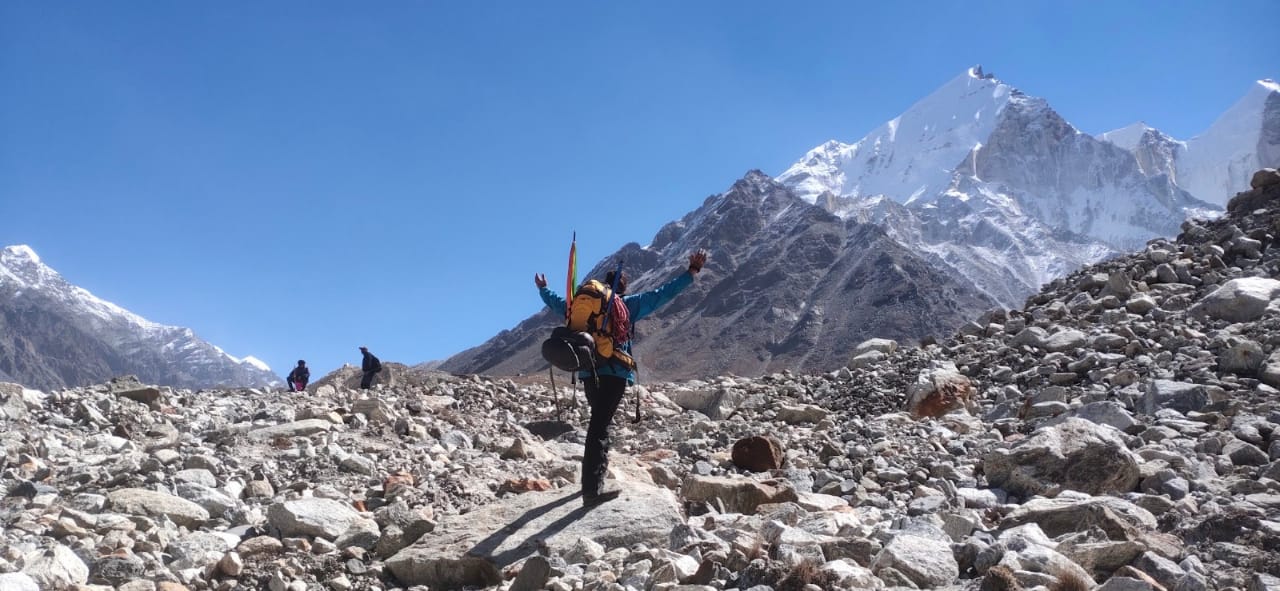
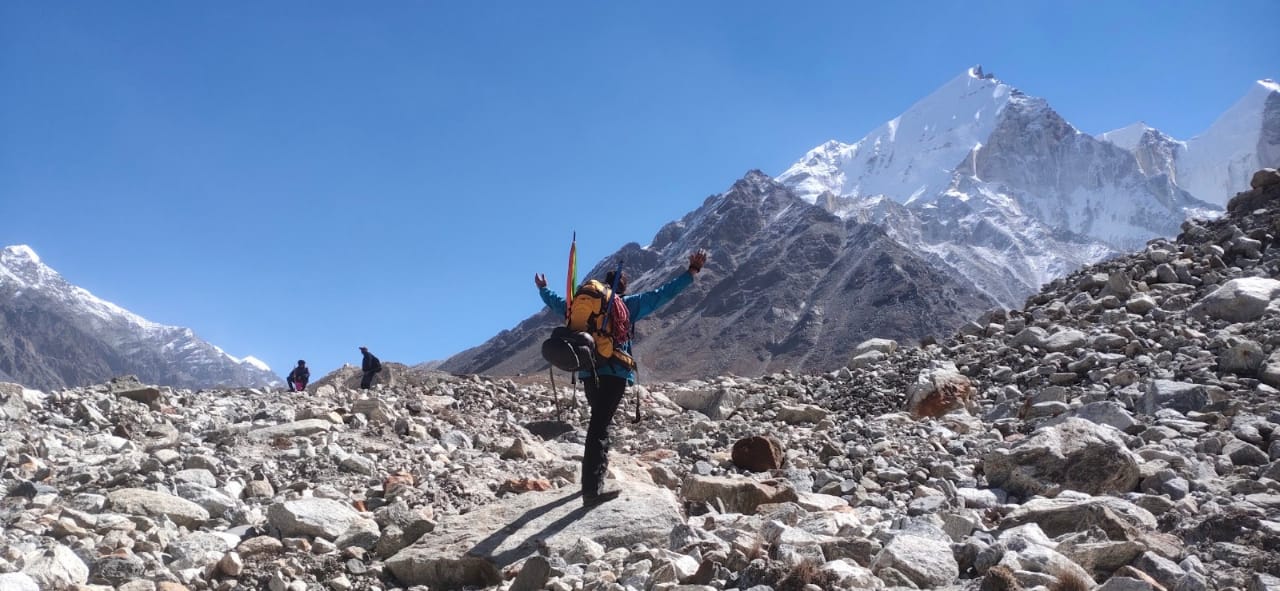
The reason this trek feels so extraordinary is due to how wonderful and full of life the terrain in this region feels. One minute you’ll be walking in a quiet earthy pine forest, the next you’ll be surrounded by towering cactus-shaped mountains; and by the end of the trek you will cross the vast expanse of ice and rock that leads to a hidden Alpine Eden. This trek is a place that completely alters how you see everything around you.
Due to the elevation above 14,000 feet, you must prepare in advance for a trip on this trail. Ensure you have suitable footwear, as well as planning your time to get there, and developing an understanding of mountain conditions. This simple guide has all the details you will require to have a safe and enjoyable experience, regardless of whether you are looking for a vigorous workout, beautiful photos or just time in solitude.
The Gaumukh Tapovan trek is not only one of many thousands of trails crowded throughout the Himalayas; this particular trek is arguably a holy grail to trekkers who seek more than trail experience and to spiritual seekers alike. Most trekking routes provide scenery that surely is breathtaking but comparatively few provide the grandeur, the history and the rapid changes in landscape as one experiences on this route. Here are some key reasons that the Gaumukh Tapovan trek is considered to be one of the most unique and unparalleled treks in the world.
The birth of the river from Gaumukh which is the end point of Gangotri glacier is believed to be one of the most sacred places for Hindus. This place is of immense importance in Hindu mythology since it was at this place where Shiva freed Ganges and she fell to earth.
A bath in Ganga is considered to be holy and people believe their sins are forgiven by the water of Ganga and having that bath from where the river originates is indeed an unparalleled experience.
The term Tapovan means Forest of Meditation since tapas means meditation, while van means forest. The Gaumukh Tapovan is a significant place from the perspective of Hindu mythology and is also known for its unique attraction. Located in the shadow of Mt. Shivling, the open and barren lands of Tapovan have remained sacred for meditation, penance, and spiritual enlightenment of many saints and Yogis up to the present day.
Walking in Tapovan, one feels the aura of another kind of peace. This is a place of eternal beauty where spirituality comes along with the wind. There are mountains like Shivling, Bhagirathi Massif, and Mt. Meru protects this wonderful land.
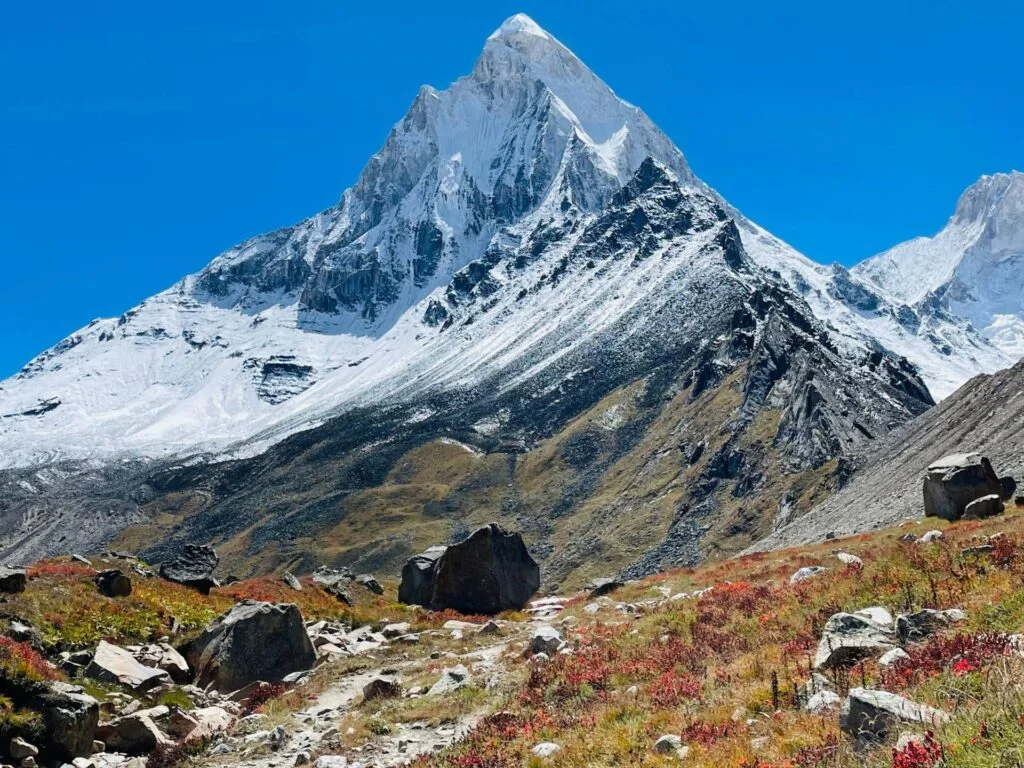
The Great Himalayas are truly a gift to this planet and Mt. Shivling is a perfect example showing the true magnificence of the Himalayas. Being one of the most attractive peaks of India, the strength of Mt. Shivling can be witnessed at its full glory at Gaumukh Tapovan trek.
During the trek, you will not just see the summit but will see the peak growing from toe to head right in front of your eyes and it looks simply enchanting. Looking above with eyes shining with the scenery in front of you, you may feel like a speck of dust in this universe but you will have so many emotions in your heart at that moment.
One can’t really compare the magnificence of any two peaks as they have their unique beauty and meaning. Three large peaks coming together to form a massif that rises right in front of you and shining under the snow cover like a diamond, you will definitely get stunned with each step towards the massive peak.
It traverses the Gangotri National Park which lies between the Wildlife Sanctuary spread across an area of 2,390 sq. km in Uttarkashi, Uttarakhand. While traveling within the national park, it becomes quite evident to one that for every step you take, the chirping of the birds along with the sounds of the insects flying and water flowing can be heard. The landscape of the journey includes various types of conifers, deodar, pine and oak trees along with the snow-capped mountains of Himalayas in the background. There is a variety of exotic species of wildlife found here like the Snow Leopard, Bharal, Black Bear, Musk Deer and around 150 different species of birds. It is only because of the journey within the National Park that you can enjoy the abundance of flora and fauna.
The landscape surrounding Gaumukh-Tapovan area is deeply rooted in the Hindu cosmology of the ancient times. Such are described in the classic literature like the Valmiki Ramayana, Mahabharata, and Shiva Purana. The Gaumukh-Tapovan area is well known not only because of the terrain, but also due to the fact that it is considered to be the landscape in which the celestial Ganges River descends.
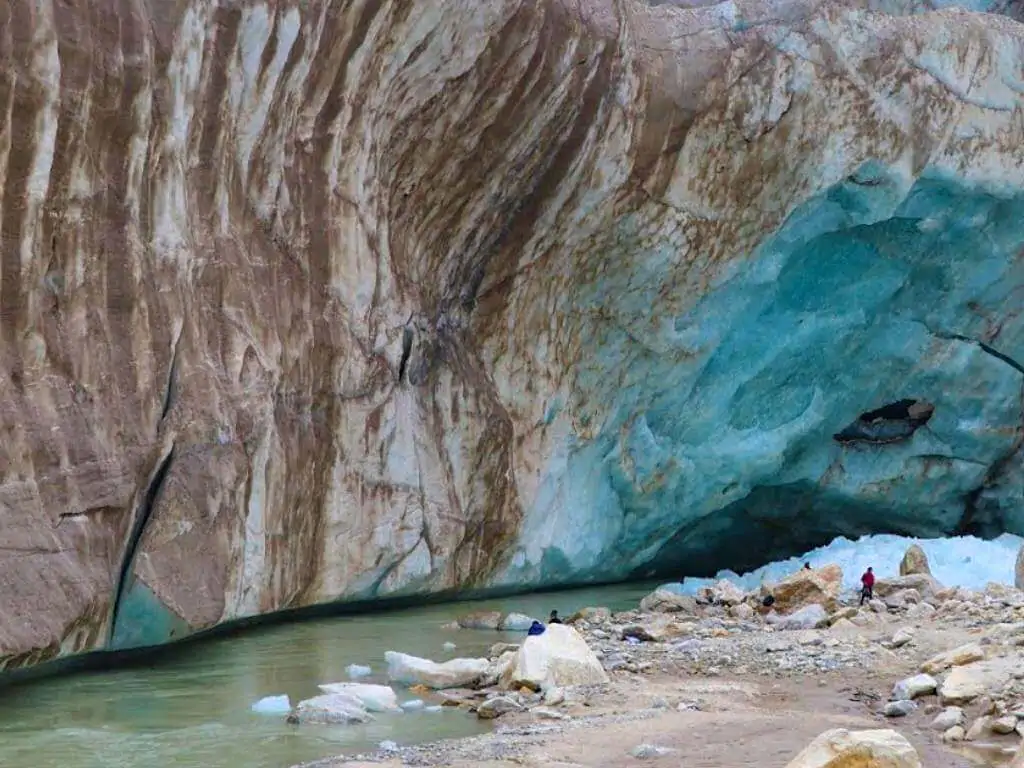
Gaumukh literally translates into The Mouth of the Cow. In the Vedas, the cow is referred to as Kamadhenu, the cosmic being that gave the world all the necessities of life. The end of Gangotri Glacier traditionally resembles the mouth of the cow and hence, the glacier is the source of the life-giving water that keeps the entire sub-continent alive.
Myths of Gaumukh revolve around King Bhagiratha and his redemption from the curse of his ancestors:
The Curse of Sage Kapila: King Sagara of Ayodhya had 60,000 sons who were burned to ashes because they falsely blamed Sage Kapila for stealing their father’s ritual horse. The souls of these 60,000 sons were stuck in the netherworld and would remain there unless the purifying power of the holy water of the river Ganga was used on them.
Penance of King Bhagiratha: After many years, the great King Bhagiratha went through a period of penance in the ice covered mountains and pleaded with Mother Ganga to descend on Earth and wash the ashes of his ancestors.
Shiva’s Matted Hair (Jata): The plea of Bhagiratha was accepted by mother Ganga and she came down to earth but because of her enormous power, she could have ruined the whole planet. For this reason, Shiva himself arrived and received her in his matted hair (Jata), then released her in smaller streams.
The very point where the river comes out of the matted hair of Shiva is Gaumukh and that’s why Gaumukh is the source of the river Ganga. Because of the undying dedication of Bhagiratha, the river at the point of origin is named after him as the Bhagirathi River till it merges with Alaknanda River at Devprayag and becomes Ganges.
The name Tapovan has been derived from the Sanskrit words Tapas meaning penance and Vana meaning forest or meadow and lies at the height of 14,640 feet above sea level. According to the Shiva Purana, it is the place on earth where the division between the realm of worldliness (Prakriti) and the divine awareness (Purusha) becomes extremely fine.
The Final Ground for Ultimate Tapasya
Tapovan has the reputation of being the ground where King Bhagirath undertook his final and most difficult tapasyas to earn the blessings of Lord Shiva. The severe weather conditions and cold winds of Tapovan symbolize the most difficult physical challenges through which a seeker has to go through to master himself and achieve the state of enlightenment.
Shivling Mountain: Rises out of the earth of the field in the form of a perfect rock pyramid. This mountain has the reputation of being a cosmic Jyotirlinga i.e., the infinite pillar of fire.
The Bhagirathi Massif: Three peaks (Bhagirathi I, II and III), visible from the opposite side of the valley, symbolize the everlasting peaks of ice that serve as immortal protectors of the genealogical line of King Bhagiratha, who are always devoted to the might of human will and endurance.
Tapovan is the place where certain ascetics, the Sadhus, stay all through the year in their natural stone shelters and meditate in the winters.
Here are the safety tips separated in five concise paragraph pointers for your blog.
Keep Yourself Well Hydrated Always: Due to the dry atmosphere at high altitudes, the body loses fluids rapidly during the process of breathing. It is necessary for you to drink 4 liters of water per day so as to keep your blood thin enough for oxygen transportation.
Maintain Pacing While Talking: The pace at which you hike should be such that you should be able to talk freely without breathing heavily. If you find yourself unable to speak without panting even after a few words, then this shows that you are hiking faster than your lungs can cope up with the thin air.
Do Not Overlook Early Symptoms: Headaches, nausea, lack of appetite, and dizziness are some of the earliest symptoms of altitude sickness. Do not consider them to be nothing more than exhaustion and hope that you could sleep away those symptoms.
Observe the Descent Policy: In case you still suffer from symptoms after resting, or if anyone in your group has lost balance physically, then you should immediately start descending. Descending about 300 to 500 meters on the trail is the best way to get rid of altitude illness.
Stick to the Rest Days: Missing out on the acclimatization breaks at Gangotri and Chirbasa is the main cause of trekkers not reaching Tapovan. An additional day for the lungs to get used to the base altitude will save your entire trek in the end.
Obtain your Daily Entry Permit Prior: Since this trekking trail goes through the highly restricted Gangotri National Park area, the forest department's permission is carefully checked. In order to protect the fragile high altitude ecosystem, the government has set an upper limit of 150 permits on a daily basis; therefore, you will have to obtain them well in advance.
Collect the Required Documents for Clearance: The permits can be obtained through online single window service of the Forest Department of Uttarakhand or physically from the forest office in Uttarkashi. You will have to be in possession of a valid identity proof, a certificate of medical fitness issued by a registered medical practitioner and an indemnity bond.
Avoid During Rainy Season: You are strongly advised not to opt for trekking in July and August as it is the monsoon season when there will be heavy rainfall in Garhwal region. The hilly regions along with the valleys will be very vulnerable to landslides, floods and cloudbursts in this season.
Travel during Spring for Comfortable Climate and Snow: Travelling in May and June months is ideal to enjoy comfortable temperature during trekking ranging from 10°C to 15°C. However, the climate will still favor trekking, although you can witness heavy snowfall as a result of the previous winter season in the Tapovan Plateau region.
Travel during Autumn for Clear Visibility: Travelling in September to October is ideal as there is clean air in the atmosphere as all the dust particles have been washed away due to rains during monsoon period. Although there are crystal clear skies during the day time offering a spectacular view of Mount Shivling, the nights can be freezing cold with temperatures falling below 0°C (-5°C to -10°C).
The Gaumukh Tapovan trek is far from being merely a series of high altitude signs, vertical walls, and miles covered on foot. The Gaumukh Tapovan trek is a special connecting element between the severity of nature and centuries-old traditions of humanity. As you stand in the golden pastures of Tapovan looking up at the magnificent pyramid of Mount Shivling under the cold winds of the glacier, you know that the physical journey served only to prepare you for this moment.
This is the real Gaumukh Tapovan trek experience; this is a lesson in humility, an exercise in getting rid of all the noise of the modern world, and a purposeful attempt to fight the immense power of the Garhwal Himalayas. You will not leave the source of the Ganges the same person that went into the wilderness from Gangotri.
An Invitation to the Modern Day Explorer
Take the Silence With You, Leaving Nothing Behind: As you undertake your travels towards this place of holiness, remember that you will be entering a very delicate living environment. The Gangotri glacier is a limited resource, ever at risk from the elements. Go into the trek with an open mind, prepare yourself well, and give much respect to nature. Tread softly on the earth, do not litter, and allow the strong force of Gaumukh and Tapovan to change your perception of life for all time to come.