How to Plan a Trek on a Shoestring Budget
How to Plan a Trek on a Shoestring Budget
18
Aug

Many people assume that trekking is an expensive hobby. The moment they think about a Himalayan trek, they imagine expensive trekking packages, specialised equipment, hotel stays and costly transportation. But budget trekking doesn't necessarily mean giving up the experience. With sensible planning, it is possible to enjoy trekking on a budget without making the journey uncomfortable or unsafe.
The secret is understanding where your money actually goes. Your trekking budget is not simply the amount charged by a trekking company. Your total trek cost can include transportation, accommodation, food, equipment, permits, local travel and unexpected expenses. Once you understand these components, you can identify where to save and where spending a little more is actually worthwhile.
This is the basic philosophy behind cheap trekking: don't try to spend as little as possible; try to spend intelligently. Saving money on unnecessary luxury is sensible. Saving money on proper footwear, essential clothing, nutrition or safety arrangements is not.
If you are wondering how to plan a trek on a shoestring budget, the process begins before you book your trek.
The first step in trek planning is choosing a destination that matches both your interests and your wallet. Not every trek has the same cost, even when two routes have similar durations.
A trek close to your home can be considerably more affordable than a popular Himalayan trek that requires a flight, several road transfers and additional accommodation. Similarly, a short weekend trek may require far less money than a week-long high-altitude expedition.
When comparing affordable Himalayan treks, look beyond the advertised package price. Consider how far you need to travel, how many days you will spend away from home, whether permits are required, what equipment you need and whether transportation is included. A seemingly cheap trekking package can become expensive once all the additional expenses are added.
This is why choosing an affordable trek should be based on the total journey rather than the cheapest advertised price. If you're planning budget trekking in India, start by making a shortlist of destinations that are accessible by train or bus and then compare their complete travel requirements.
One of the most common mistakes in budget travel is calculating only the main booking cost. A better approach is to calculate your total trekking expenses from the moment you leave home until you return.
Start with your transportation to the trek's reporting point and your return journey. Add the trekking package, accommodation before and after the trek, food that isn't included, local transportation, equipment purchases or rentals and permits wherever applicable. Finally, keep some money aside for unexpected situations.
This gives you a realistic trekking budget rather than an attractive but incomplete number.
For example, a trek package might appear affordable, but if you need to spend a significant amount reaching the base location, stay overnight before the trek and rent winter equipment, your actual trek cost can be much higher.
Learning how to calculate total trekking expenses before booking also helps you compare different trekking companies fairly. Instead of asking only, “Which package is cheaper?”, you can ask, “Which option gives me the best overall value?”
For many trekkers, trekking transportation becomes one of the largest expenses. The good news is that it is also an area where careful planning can make a substantial difference.
If practical, trains and public buses are usually more economical than flights or private taxis for reaching popular trekking regions. Travelling overnight can also reduce the need for an additional hotel night, provided the journey is comfortable and safe.
If you are travelling with friends, sharing a taxi for the final stretch can reduce the per-person cost considerably. Public transportation combined with a shared local transfer can sometimes be an excellent compromise between price and convenience.
However, the cheapest transportation isn't automatically the smartest choice. Saving a small amount by choosing unreliable transport that causes you to miss your trek departure can ultimately cost much more.
If you're looking for the cheapest way to go trekking in India, compare the complete transportation chain rather than looking at the price of a single ticket. Ask yourself how you will reach the destination, how you will return, how many transfers are involved and whether delays could affect your itinerary.
Travelling with a small group is one of the simplest ways to reduce the cost of adventure travel on a budget. When several people travel together, certain expenses can be divided instead of being paid individually.
Transportation is the obvious example. A shared taxi that seems expensive for one person can become quite reasonable when the cost is divided among four or five trekkers. Accommodation can also become more economical when rooms or other suitable stays are shared.
Group trekking can also make certain equipment purchases or rentals more practical, although personal safety equipment should always be selected according to individual requirements.
However, don't confuse travelling with friends with eliminating professional support. Some Himalayan routes have specific permit, guide or local support requirements, while remote or high-altitude routes may not be appropriate for independent trekking.
The goal of group trekking is to share legitimate expenses—not to remove essential safety measures.
The season you choose can influence almost every part of your trekking budget. Accommodation availability, transportation demand, weather conditions and equipment requirements can all change throughout the year.
Peak trekking seasons may bring higher demand and sometimes higher prices. A shoulder season can occasionally provide better value, but only when the weather and trail conditions are suitable for the route.
This is particularly important for Himalayan trekking. A winter trek may look affordable at first, but if snow conditions require specialised equipment, additional layers and better footwear, your overall expenses can increase.
Therefore, the cheapest season isn't necessarily the best season for low budget trekking.
Instead, choose a season in which you can safely complete the trek with equipment and preparation appropriate for the conditions. Good trekking preparation can actually save money because you're less likely to make expensive last-minute purchases or changes to your plans.
The smartest budget-friendly trek is one where your destination, season, transportation and preparation all work together.
If you're new to trekking, don't assume that you need to purchase an entire collection of trekking equipment before your first adventure. Buying everything at once can turn an otherwise affordable trek into an expensive one.
Think about how frequently you will use each item. Basic items that you will repeatedly use, such as suitable trekking shoes, a comfortable backpack and weather-appropriate clothing, may be worth investing in. Specialised equipment that you may use only occasionally can often be rented, depending on the destination and trekking operator.
This approach is particularly useful for winter and high-altitude trekking, where specialised gear can be expensive.
Knowing how to save money on trekking gear is therefore an important part of planning a trek on a shoestring budget. The objective isn't to use inferior equipment. It is to avoid buying equipment you don't actually need.
A good rule is simple: buy what you will use repeatedly, rent what you will rarely use, and never compromise on equipment that protects you from genuine mountain risks.
One of the easiest ways to increase your trekking expenses is to start shopping for a trek without checking what you already own. Beginners often assume that trekking requires an entirely new wardrobe, but that isn't always true. A practical approach to trekking preparation is to first understand the requirements of your particular route and then compare them with the clothing and accessories already available at home.
For example, basic moisture-managing layers, comfortable warm clothing, sunglasses, water bottles and certain personal accessories may already be suitable for a moderate trek. You don't need to buy a branded version of every item simply because it has been marketed as trekking equipment.
However, this doesn't mean using unsuitable equipment to save money. Proper trekking shoes, rain protection, insulation and other essential items should be selected according to the terrain and weather. The objective of budget trekking is to eliminate unnecessary purchases, not essential protection.
This simple habit can make a significant difference when you're learning how to save money on trekking gear.
Accommodation is another expense that can quietly increase the overall cost of a trekking trip. If you are planning trekking on a budget, think about where you actually need comfort and where a simple stay is perfectly adequate.
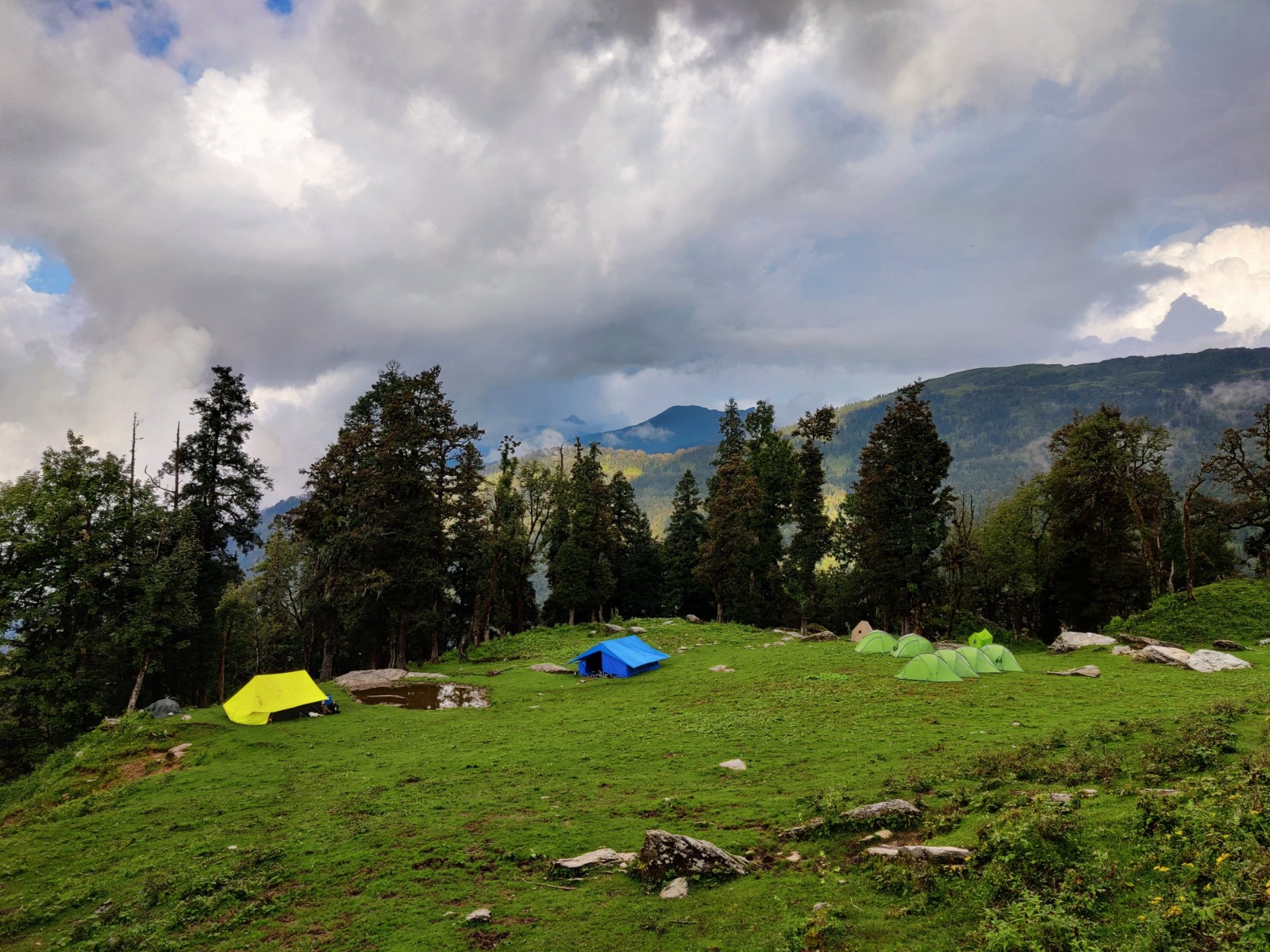
Depending on the destination, trekkers may find hostels, homestays, guesthouses, dormitories or basic mountain stays that cost considerably less than premium hotels. During the actual trek, camping may already be included in your trekking package.
You should also consider how many nights you genuinely need accommodation. Arriving at the base destination a day before your trek can sometimes be sensible, particularly when transportation is unpredictable. But adding several unnecessary nights before and after the trek can significantly increase your trekking budget.
When comparing budget trekking accommodation, don't look only at the room price. Consider its location, transportation access and whether breakfast or other basic facilities are included. A slightly more expensive stay that is close to your reporting point may actually save money on local transportation.
For affordable trekking, the objective is to find accommodation that meets your practical requirements rather than paying for facilities you won't use.
Food is an important part of any budget trek, but it is also an area where you shouldn't become overly focused on saving money. Trekking requires physical effort, and your body needs sufficient calories, carbohydrates, protein, fluids and electrolytes to maintain energy.
Before leaving, understand exactly what food is included in your trekking package. Some organised treks include meals throughout the route, while others may include only selected meals. Knowing this in advance allows you to estimate your actual trekking food cost.
Local food can often be a practical and affordable choice before and after the trek. Carrying a few sensible snacks from home can also reduce impulse purchases at transport stops and tourist destinations. Reusable water bottles can help you avoid repeatedly buying packaged water where safe refill options are available.
However, don't turn budget trekking food into a starvation strategy. Skipping meals or carrying inadequate food simply to reduce your expenses can negatively affect your trekking performance and safety.
A well-planned trekking food budget should reduce unnecessary spending while ensuring that your body has enough fuel for the trail.
If you're booking an organised trek, don't select a company simply because it advertises the lowest trekking package price. Two packages can have noticeably different prices because they include different services.
Before booking, understand exactly what you're paying for. Check whether transportation, accommodation, meals, permits, trek leaders, support staff and essential equipment are included. Also understand what isn't included, because exclusions can become additional trekking expenses later.
This is particularly important when planning a cheap Himalayan trek. A package that appears inexpensive may require you to arrange several important services independently, while a slightly more expensive package may already include them.
The right question isn't, “Which trekking company is cheapest?”
It is, “Which trekking package gives me the most appropriate combination of price, inclusions, organisation and safety?”
This approach is especially useful for beginners looking for budget trekking tips for beginners, because understanding the inclusions helps prevent unpleasant financial surprises.
A trekking trip rarely becomes expensive because of one enormous purchase. More often, the trek cost grows through dozens of small decisions.
An expensive coffee at the airport, an unnecessary taxi, snacks purchased repeatedly at tourist stops, souvenirs, last-minute clothing and impulse equipment purchases may each seem insignificant. Together, however, they can consume a surprisingly large portion of your budget travel money.
The solution isn't to stop enjoying yourself. Instead, decide in advance where you are happy to spend and where you aren't.
Carry the things you genuinely need, plan your meals and keep some cash aside for unavoidable local expenses. A little awareness can go a long way when you're trying to reduce trekking costs.
Many people calculate the price of their trek but forget the days surrounding it. If you arrive early and stay several additional nights after returning, your accommodation, food and local transportation can substantially increase the final trekking budget.
Planning your arrival and departure carefully can therefore help you save money on a trekking trip. If an overnight stay before the trek is necessary, look for a practical budget option close to your reporting point rather than automatically booking an expensive hotel.
At the same time, don't create an unnecessarily tight schedule. Mountain transportation can be affected by weather, traffic and road conditions, so leaving a sensible margin is better than risking a missed connection just to save the cost of one night.
Good trek planning balances economy with flexibility.
DIY trekking can sometimes reduce costs, particularly on established and well-marked routes where independent trekking is permitted and the trekker has the necessary experience.
However, DIY trekking isn't automatically cheaper, and it certainly isn't suitable for every route.
Remote Himalayan trails can involve difficult navigation, changing weather, limited communication, altitude-related risks and complicated logistics. Some routes also require permits, local guides or other forms of organised support.
For experienced trekkers, independent trekking can be rewarding. For beginners, however, paying for appropriate support may actually be the smarter form of Himalayan trekking on a budget.
Never eliminate essential safety arrangements merely because you want to create a cheap trekking experience.
A shoestring budget should never mean having exactly enough money to cover the planned itinerary and nothing more.
Unexpected expenses can occur because of weather delays, transportation problems, additional accommodation, medical requirements, route changes or damaged equipment. Keeping an emergency reserve gives you flexibility when plans don't go exactly as expected.
This is one of the most overlooked trekking tips for beginners. Your emergency money should ideally remain untouched unless genuinely required.
Think of it as part of your trekking preparation, rather than money you have failed to spend.
The most important lesson in budget trekking in India is that saving money doesn't mean avoiding every expense. It means understanding which expenses add genuine value to your journey.
You can save by using public transportation, sharing costs, renting specialised gear, choosing simple accommodation and avoiding unnecessary purchases. But proper footwear, weather protection, adequate food, permits, essential trekking equipment and responsible mountain support deserve your attention and, when necessary, your money.
A good low budget trekking plan therefore asks a different question. Instead of asking, “How can I make this trek as cheap as possible?” ask, “Where should my money go to make this trek safe, comfortable and worthwhile?”
That distinction can completely change the way you approach adventure travel on a budget.
You don't need a huge bank balance to experience the mountains. You need realistic planning, careful choices and a clear understanding of your priorities.
When you know how to plan a trek on a shoestring budget, the process becomes much easier. Choose an affordable trek, calculate your complete expenses, use economical transportation, share costs where practical, rent specialised equipment, choose sensible accommodation and control unnecessary spending. At the same time, leave enough room in your budget for nutrition, safety and unexpected situations.
Most importantly, don't confuse cheap trekking with cutting corners. A trekking trip becomes genuinely affordable when you remove wasteful expenses—not when you remove the things that keep you safe.
The mountains don't require luxury. They require preparation.
Plan wisely, spend consciously, carry what you need, and let more of your budget go towards the experience rather than unnecessary expenses.
You don't need an unlimited budget to experience the Himalayas. With the right trail, thoughtful planning and a reliable trekking team, your next adventure can be both memorable and financially sensible.
Thin Air Expedition — Trek Your Way to Freedom.