Pangarchulla Peak Trek Packages
Pangarchulla Peak Trek Packages
12
Sep

There are Himalayan treks that take you through beautiful forests and meadows, and then there are treks that ask you to stand on a summit and earn the view.
Pangarchulla Peak Trek belongs to the second category.
Rising to around 15,000 feet in Uttarakhand's Garhwal Himalayas, Pangarchulla is a challenging summit trek known for its dramatic mountain scenery, changing terrain and demanding summit push. The approach takes trekkers through forest trails, open meadows and high-altitude landscapes before the route becomes steeper and more rugged near the summit.
For trekkers searching for Pangarchulla Peak Trek Packages, this is more than a conventional weekend adventure. It is an expedition-style Himalayan experience that requires preparation, physical endurance and respect for changing mountain conditions.
If your idea of a trek is to go beyond walking trails and experience the feeling of standing on a Himalayan summit, a Pangarchulla Peak Expedition deserves a place on your list.
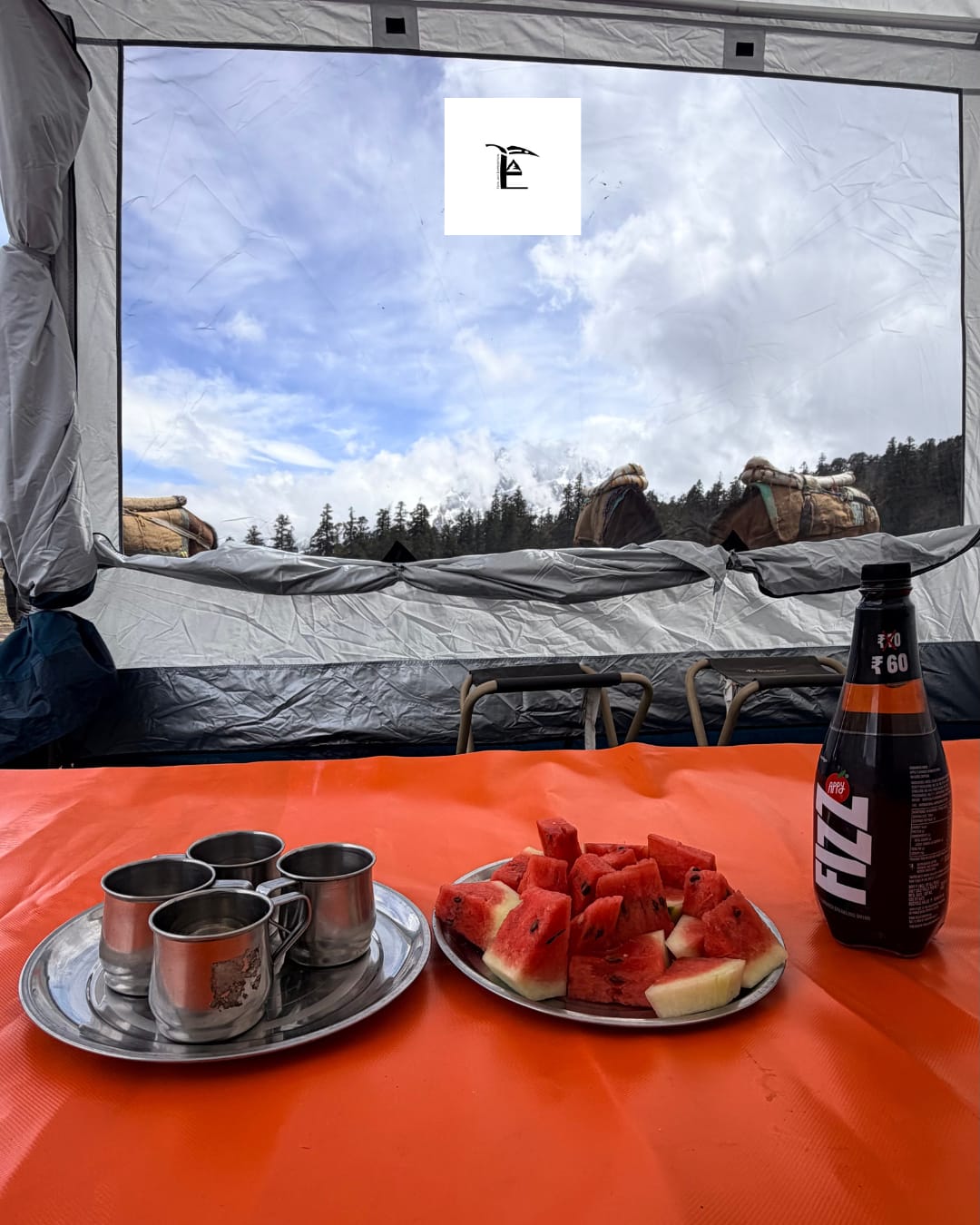
What Makes the Pangarchulla Peak Trek Special?
Pangarchulla shares part of its approach with the well-known Kuari Pass trail before turning towards the summit. This means the journey begins relatively gently, passing through forests and high-altitude meadows, but gradually develops into a much more demanding mountain experience.
The landscape changes as you climb.
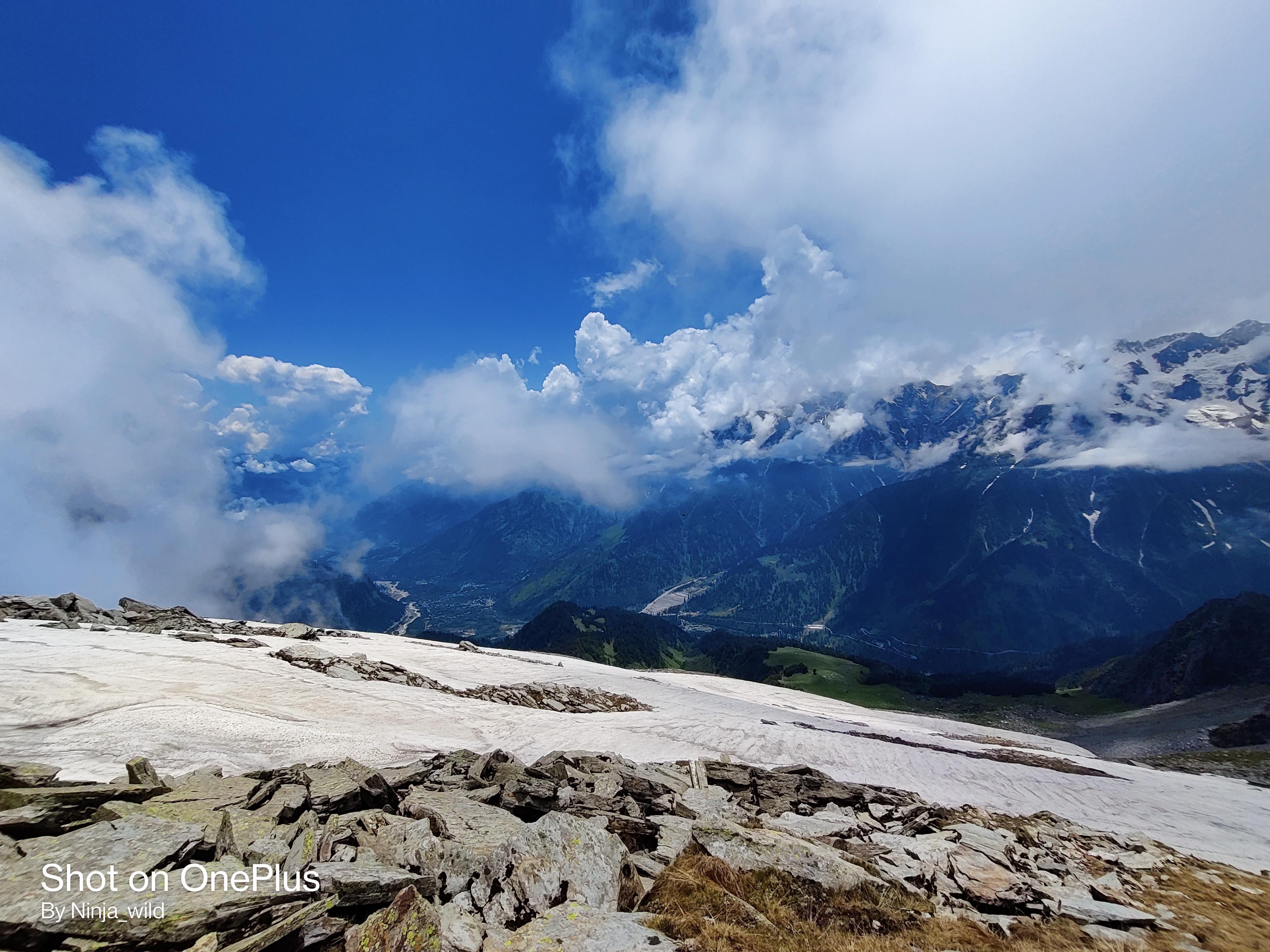
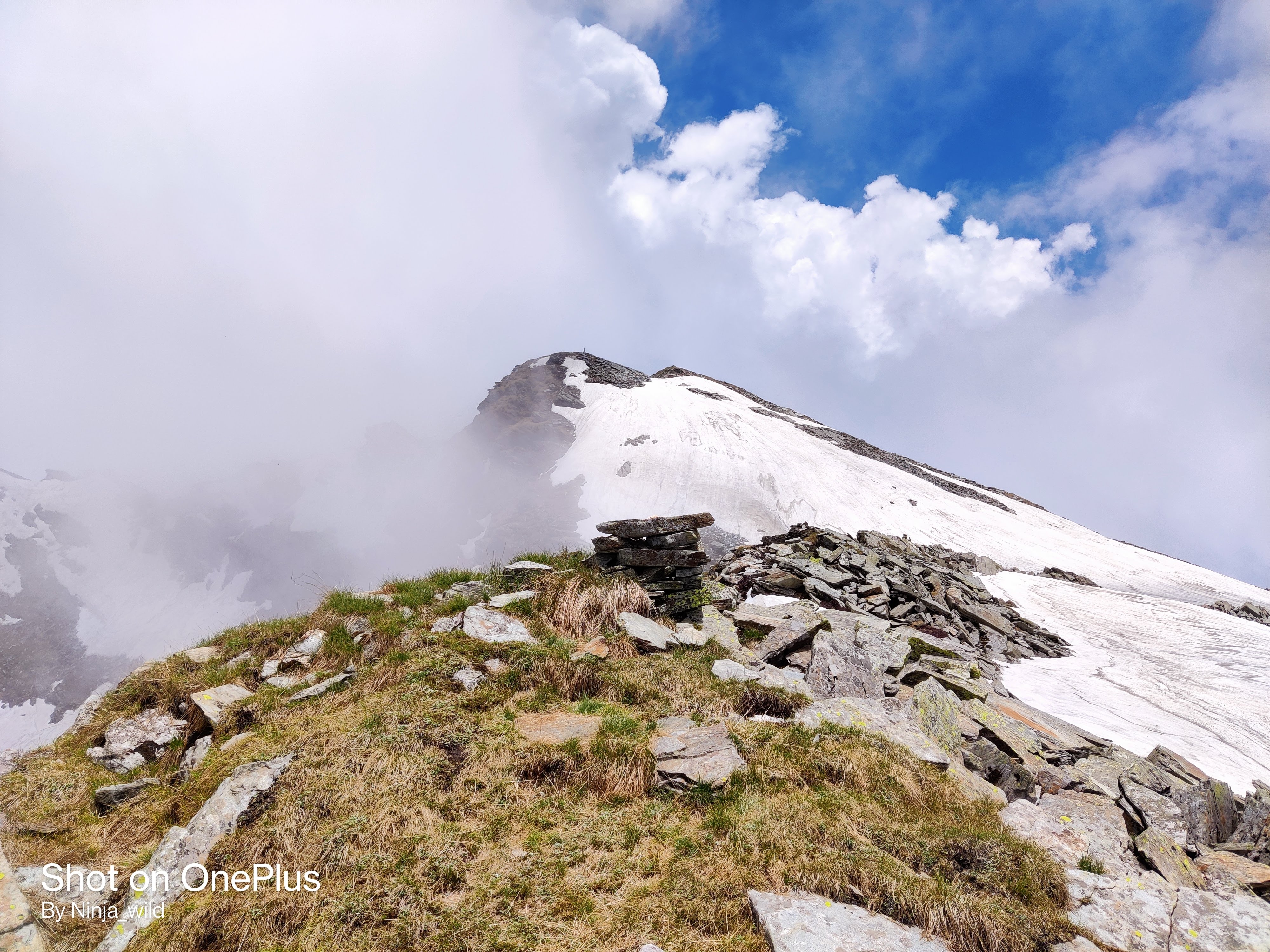
Lower sections can take you through oak and rhododendron forests. Higher up, the trees gradually give way to open mountain terrain, while the summit section can involve snow, boulders and steep slopes depending on the season.
And then there is the view.
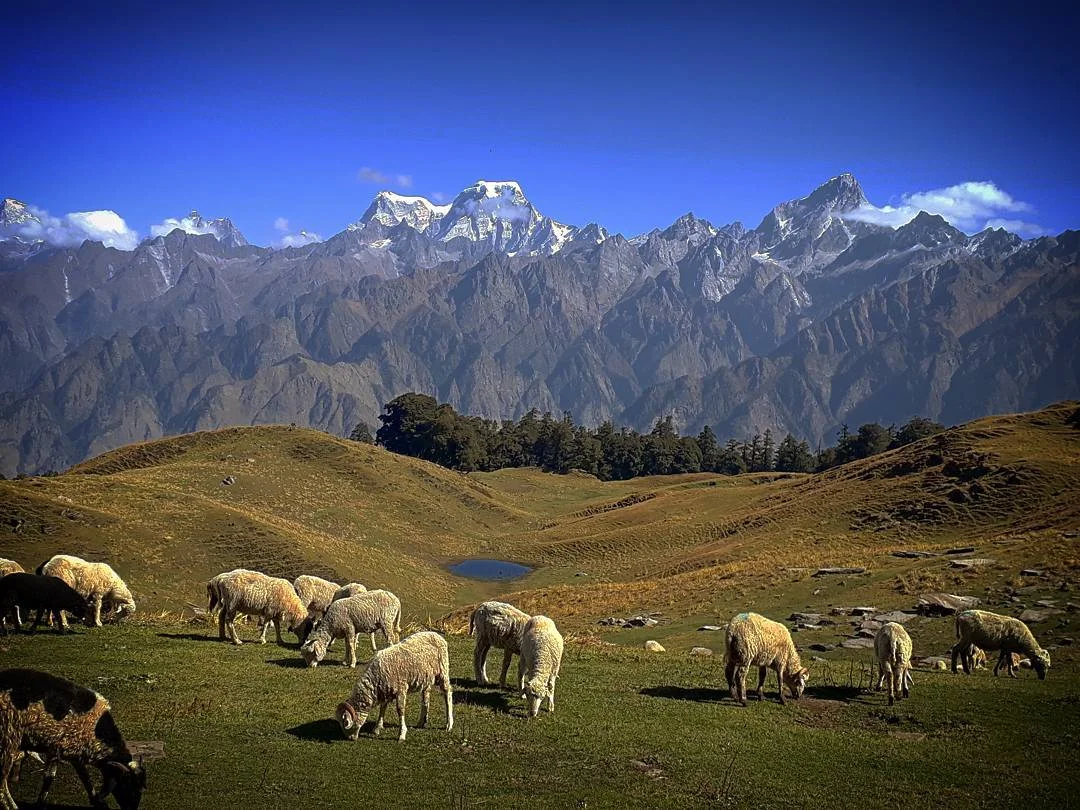
From the upper reaches of the route, trekkers can experience magnificent Himalayan panoramas featuring some of the major peaks of the Garhwal region, including Nanda Devi, Dronagiri, Kamet and Chaukhamba.
That combination of forest, meadows, snow, rugged terrain and a high Himalayan summit is what makes Pangarchulla different from an ordinary trekking route.
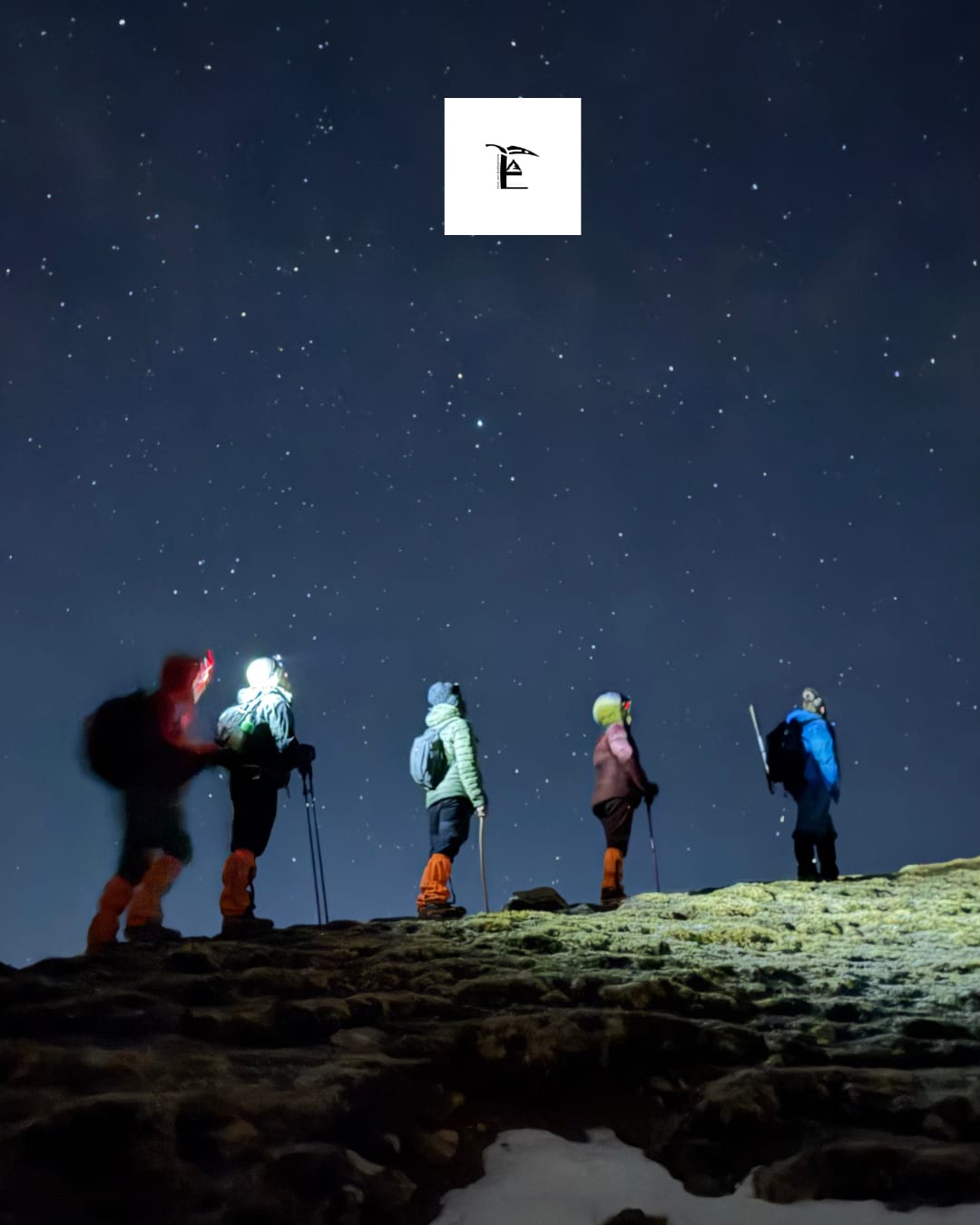
Pangarchulla Peak Trek Packages: What to Look For
A good Pangarchulla Peak Trek Package should not be selected simply on the basis of price.
This is a demanding high-altitude trek, and the quality of planning matters.
Before choosing your package, check what is included in the itinerary and support system. Depending on the operator, packages may include accommodation, meals during the trek, trekking staff, camping equipment, transportation on specified sections and safety support.
More importantly, understand the actual itinerary.
A well-planned Pangarchulla Peak Expedition should allow sufficient time for gradual altitude gain, acclimatisation and preparation before the summit attempt.
Look for:
- Experienced trek leaders and local support staff
- A properly planned acclimatisation schedule
- Quality camping and trekking equipment
- Meals suitable for a high-altitude trek
- Emergency and evacuation planning
- Clear inclusions and exclusions
- Transport details
- A realistic summit-day schedule
- Pre-trek preparation guidance
The mountain should never be treated like a race. A responsible expedition is one where reaching the summit is important, but returning safely is more important.
Pangarchulla Peak Trek Route
The commonly followed approach begins from the Joshimath region and moves towards the trailhead near Dhak/Tugasi before entering the trekking route. The trail then progresses towards Gulling and Khullara, with the summit approach becoming the defining section of the expedition.
A typical route can look like:
Rishikesh/Dehradun → Joshimath → Dhak/Tugasi → Gulling → Khullara → Pangarchulla Summit → Return
The exact camping points and daily distances may change according to the chosen itinerary, weather, snow conditions and local trail conditions.
The initial days are about getting into the rhythm of the mountains. As altitude increases, the landscape becomes increasingly open and the Himalayan skyline starts dominating the journey.
Khullara is an important stage of the trek because the expedition transitions from the approach to preparation for the summit push.
Pangarchulla Peak Trek Itinerary
A typical Pangarchulla Trek itinerary may take around six to seven days, although the exact duration varies between operators and route conditions.
Day 1: Rishikesh to Joshimath
The expedition begins with a scenic drive towards Joshimath through the mountain valleys of Uttarakhand.
This is primarily a travel and preparation day. Spending the night around Joshimath also allows trekkers to get ready for the altitude gain ahead.
Day 2: Joshimath to Trailhead and Gulling
After reaching the trailhead, the actual trek begins.
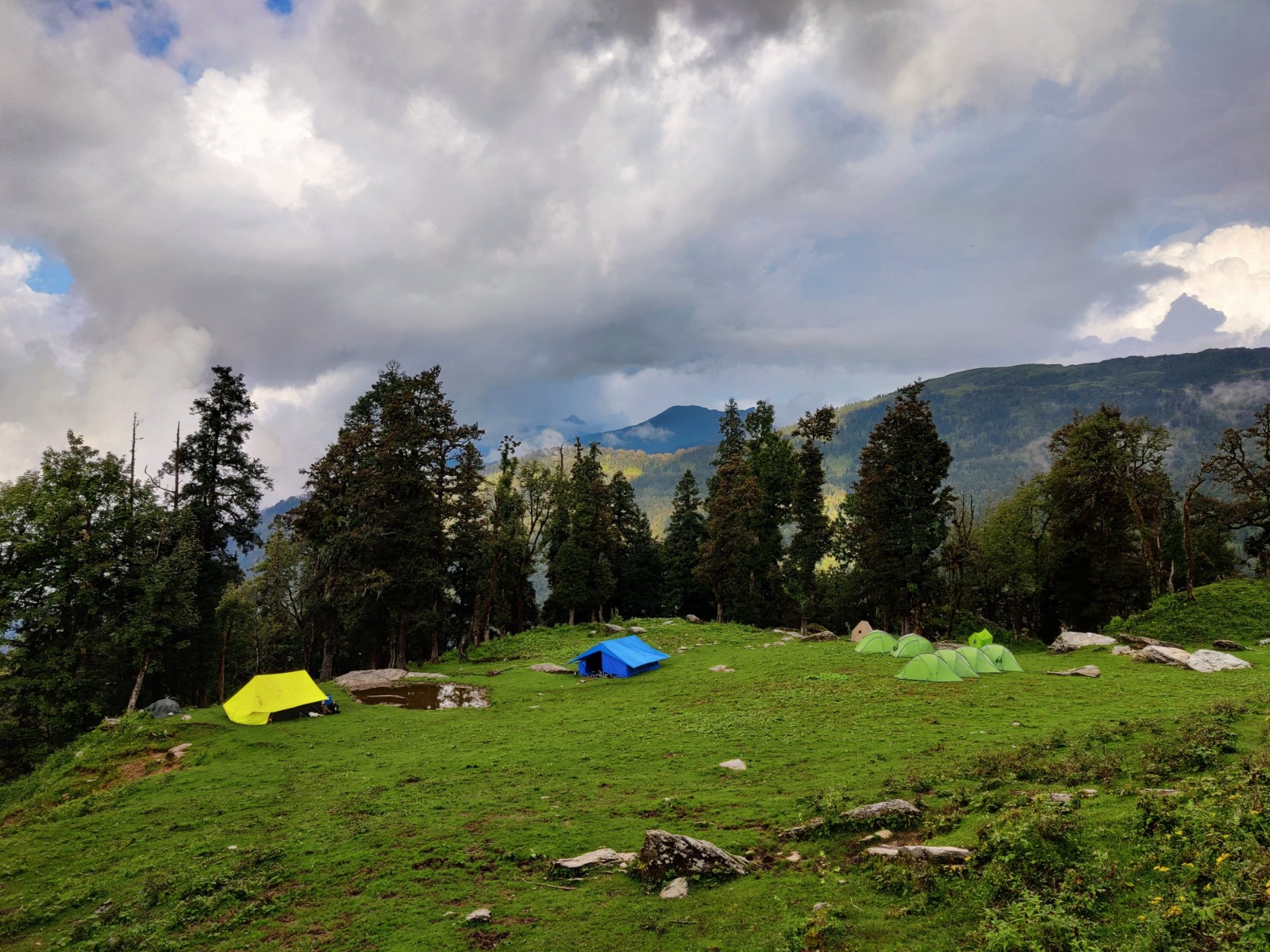
The route climbs gradually through village landscapes and forest sections before reaching the first campsite around Gulling.
This is where the experience starts changing from a road journey into a Himalayan expedition.
Day 3: Gulling to Khullara
The trail continues upwards through forests and open terrain.
As you gain altitude, the views become wider and the surrounding Himalayan peaks begin to appear more prominently.
Khullara becomes the staging point for the higher sections of the trek.
Day 4: Acclimatisation and Summit Preparation
A well-designed itinerary may include an acclimatisation or exploration day around the higher ridges.
This is not a day to waste.
It gives the body time to adjust to altitude while allowing the team to assess weather, snow and route conditions before the summit attempt.
Day 5: Pangarchulla Summit Push
This is the defining day of the Pangarchulla Peak Expedition.
The summit attempt usually begins very early, often before sunrise, because the team needs sufficient daylight and a weather window for the climb.
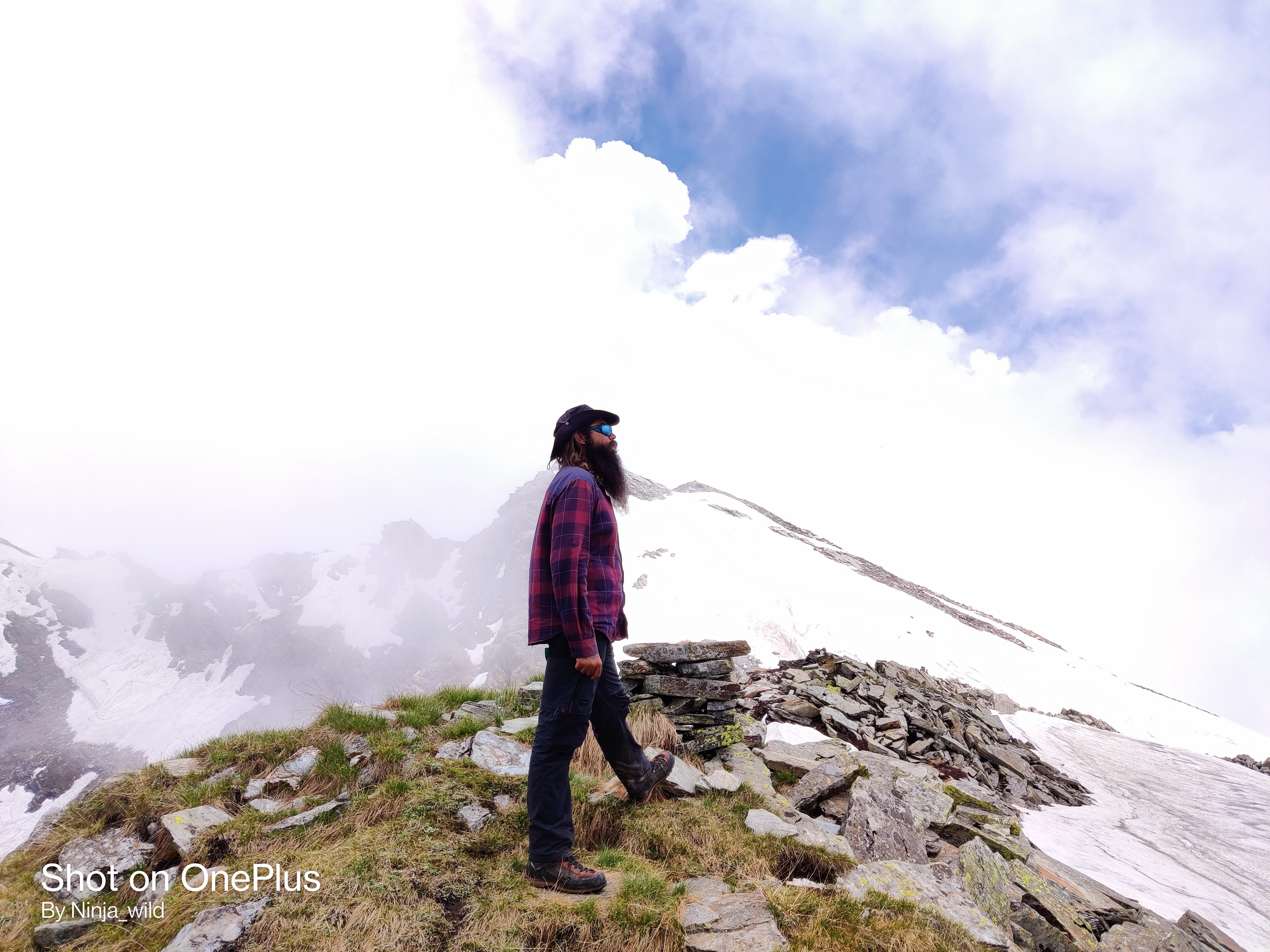
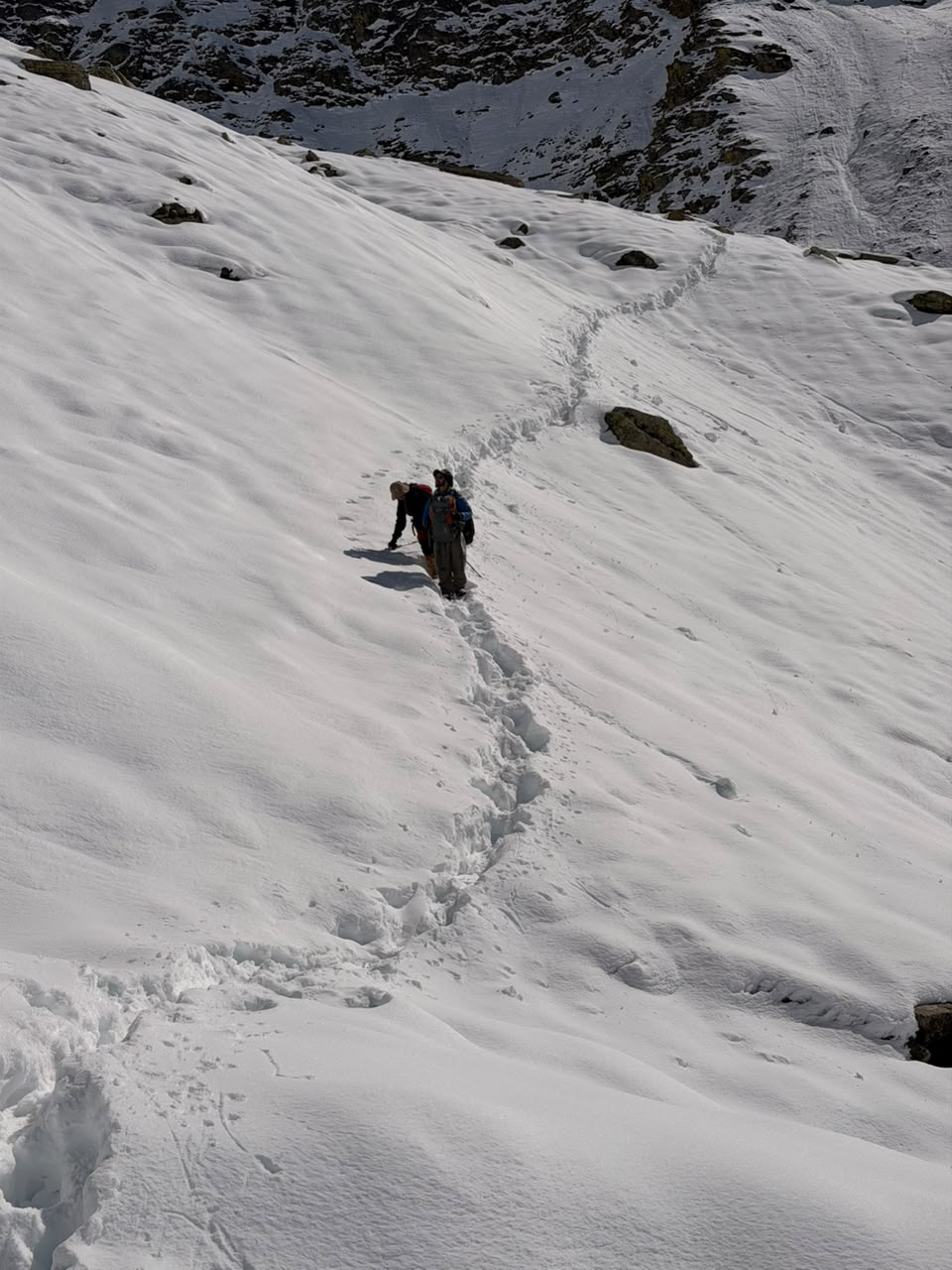
The terrain becomes considerably more demanding, with steep sections, snow and/or exposed boulder terrain depending on the season. Summit-day distances and timings vary, but published itineraries commonly describe a long, strenuous day requiring many hours on the trail.
The final climb is not about speed.
It is about maintaining your pace, following the trek leader's instructions and conserving energy for the descent.
Reaching the summit brings the reward: an enormous Himalayan panorama stretching across the surrounding Garhwal peaks.
Day 6: Descent
After the summit experience, the team begins its descent.
The descent may feel easier because altitude decreases, but tired legs can make downhill terrain challenging.
A controlled descent is therefore just as important as the climb.
Day 7: Return Journey
The final day generally involves descending to the roadhead and travelling back towards Joshimath and onward to the designated departure point.
You leave the mountains with tired legs, countless photographs and, hopefully, a slightly different understanding of what you are capable of.
Pangarchulla Peak Trek Difficulty
The Pangarchulla Peak Trek difficulty is generally considered challenging because of the combination of altitude, steep sections, changing terrain and the demanding summit day.
The approach itself may not feel equally difficult throughout the journey. The real test comes when the trail climbs towards the summit.
Depending on the season, trekkers may encounter:
- Steep ascents
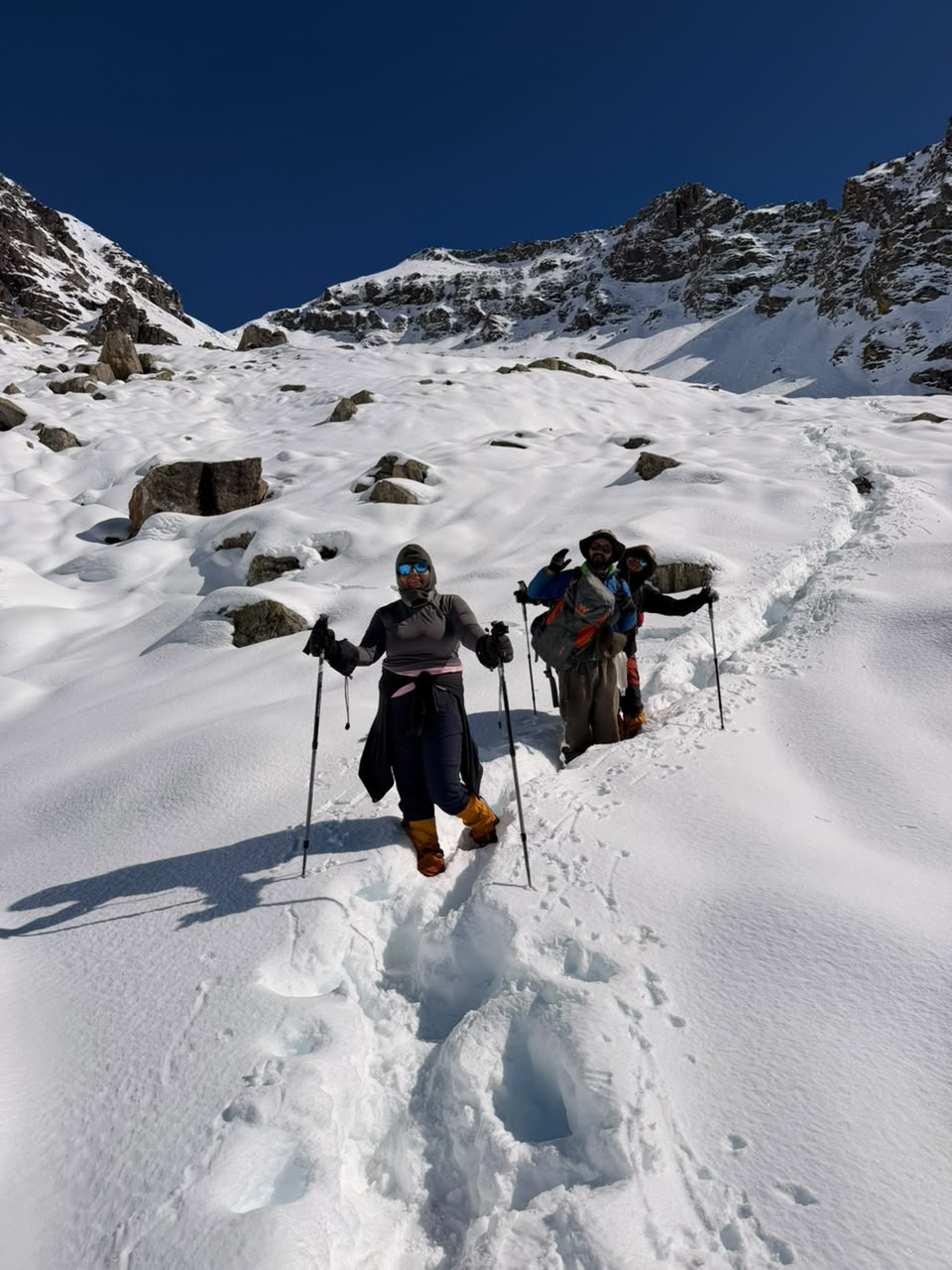
- Snow-covered slopes
- Large boulder sections
- Thin air at higher altitudes
- Long summit-day hours
- Cold and rapidly changing weather
This is why Pangarchulla is better suited to trekkers who already have some Himalayan trekking experience and have prepared specifically for the demands of a high-altitude summit.
Fitness alone is not enough. You also need to understand how your body responds to altitude.
Best Time for Pangarchulla Peak Trek
The Pangarchulla Peak Trek best time depends greatly on the type of experience you want and, most importantly, the conditions on the upper mountain.
Spring is particularly popular because snow remains on the higher sections while the lower landscape begins to come alive with seasonal vegetation and rhododendron blooms. April is frequently highlighted as a favourable period for the summit because the snow conditions can make the upper boulder sections more manageable than later in the season.
Post-monsoon months can bring clearer skies and excellent mountain visibility, although the character of the summit route changes as snow recedes and rocky terrain becomes more exposed.
Monsoon conditions should be approached with caution because heavy rain can affect mountain trails, while winter conditions can bring significant snow accumulation at higher elevations.
The important point is simple:
Do not choose your Pangarchulla date only because it looks good on a calendar. Choose it according to current trail and weather conditions.
Who Should Choose a Pangarchulla Peak Expedition?
Pangarchulla is ideal for trekkers who want to move beyond conventional moderate Himalayan trails.
It can be a good choice if you:
- Have previous Himalayan trekking experience
- Enjoy challenging summit days
- Are comfortable with long hours of trekking
- Have trained for sustained uphill and downhill movement
- Want to experience snow and high-altitude terrain
- Are prepared to follow mountain safety protocols
- Understand that summit success depends on conditions
If you are completely new to Himalayan trekking, it may be wiser to build experience on a moderate trek before attempting a demanding summit expedition.
How to Prepare for Pangarchulla
Preparation should begin several weeks before the trek.
Focus on cardiovascular endurance, leg strength and sustained walking.
Running, brisk walking, stair climbing, cycling and strength exercises can all contribute to your preparation. Include uphill walking whenever possible because Pangarchulla is not simply about walking a certain number of kilometres—it is about climbing and descending repeatedly at altitude.
Your preparation should also include learning to walk with a backpack, using trekking poles if required and becoming comfortable with appropriate trekking footwear.
Most importantly, listen to your trek leader at altitude.
If your body is showing signs of altitude-related illness, do not hide the symptoms because you are afraid of missing the summit.
A summit is optional.
Your safety is not.
Why Choose a Well-Planned Pangarchulla Trek Package?
The best Pangarchulla Peak Trek Packages are not necessarily the cheapest ones.
A good expedition should give you confidence that the difficult parts of the journey have been planned properly—from transportation and camps to food, route management, acclimatisation and emergency procedures.
The mountain will always remain unpredictable.
Your preparation and expedition planning should not.
At Thin Air Expedition, the focus is on creating mountain experiences that go beyond simply ticking a summit off a list. The journey matters—from the road that takes you towards the Himalayas to the forests, campsites, high-altitude trails and the final summit push.
Pangarchulla Peak Expedition: More Than a Summit
There is something different about a summit trek.
You start with a destination in mind, but the mountain keeps changing the meaning of that destination.
The forest teaches you patience.
The altitude teaches you to slow down.
The steep sections teach you to trust your preparation.
And the summit reminds you that some views have to be earned.
A Pangarchulla Peak Expedition is not meant to be rushed. It is a journey into the higher reaches of the Garhwal Himalayas where every section of the trail asks for something different from you.
If you are looking for Pangarchulla Peak Trek Packages that combine adventure, preparation, responsible trekking and a genuine Himalayan experience, start by understanding the mountain—not just the itinerary.
Because the goal is not simply to reach Pangarchulla Peak.
The goal is to experience the journey that takes you there.
Ready to take on a high-altitude Himalayan summit?
Plan Your Pangarchulla Peak Trek with ThinAirExpedition
Explore the available Pangarchulla Peak Trek Packages with Thin Air Expedition and choose an expedition that matches your experience, fitness and preferred travel dates.
Trek Your Way To Freedom.