Panwali Kantha Trek Route Itinerary Best Time Cost
Panwali Kantha Trek Route Itinerary Best Time Cost
13
Oct

The Panwali Kantha Trek is a scenic Himalayan journey through expansive alpine meadows, rhododendron forests, traditional shepherd settlements and mountain ridges in Uttarakhand. Located in the Garhwal Himalayas, Panwali Kantha offers a rewarding experience for trekkers who want to explore a quieter Himalayan landscape away from heavily visited trekking routes.
Organised by Thin Air Expedition, this five-day trekking experience combines mountain scenery, village culture, camping and long walks across open meadows. The route begins at Ghuttu and continues through Pobhagi and Dyuili Top towards Panwali Kantha, eventually descending towards Maggu Chatti and Triyuginarayan.
Whether you are planning your first multi-day Himalayan trek or looking for a peaceful alpine meadow experience, understanding the route, itinerary, seasonal conditions, fitness requirements and cost will help you prepare for the journey.
The Panwali Kantha Trek is a moderate Himalayan trekking route that passes through forest trails, mountain villages and expansive grasslands. Thin Air Expedition lists the trek as a five-day programme covering approximately 40 kilometres, including the walking stages and the route between the starting and ending areas.
| Trek detail | Information |
|---|---|
| Location | Tehri Garhwal, Uttarakhand |
| Duration | 5 days |
| Trek distance | Approximately 40 km, as listed by Thin Air Expedition |
| Starting base | Ghuttu |
| Route | Ghuttu – Pobhagi – Panwali Kantha – Maggu Chatti – Triyuginarayan |
| Difficulty | Moderate; snow can increase difficulty |
| Highest point | Verify the exact route high point with the trek operator; published figures vary |
| Listed package price | ₹15,000 per person |
| GST | 5% additional, as listed |
| Best seasons | Spring, early summer and suitable autumn departures |
The walking route combines gradual forest ascents, open meadow crossings and longer descents. Although the trek does not generally require technical climbing equipment in normal snow-free conditions, it still demands good fitness and preparation for remote mountain terrain.
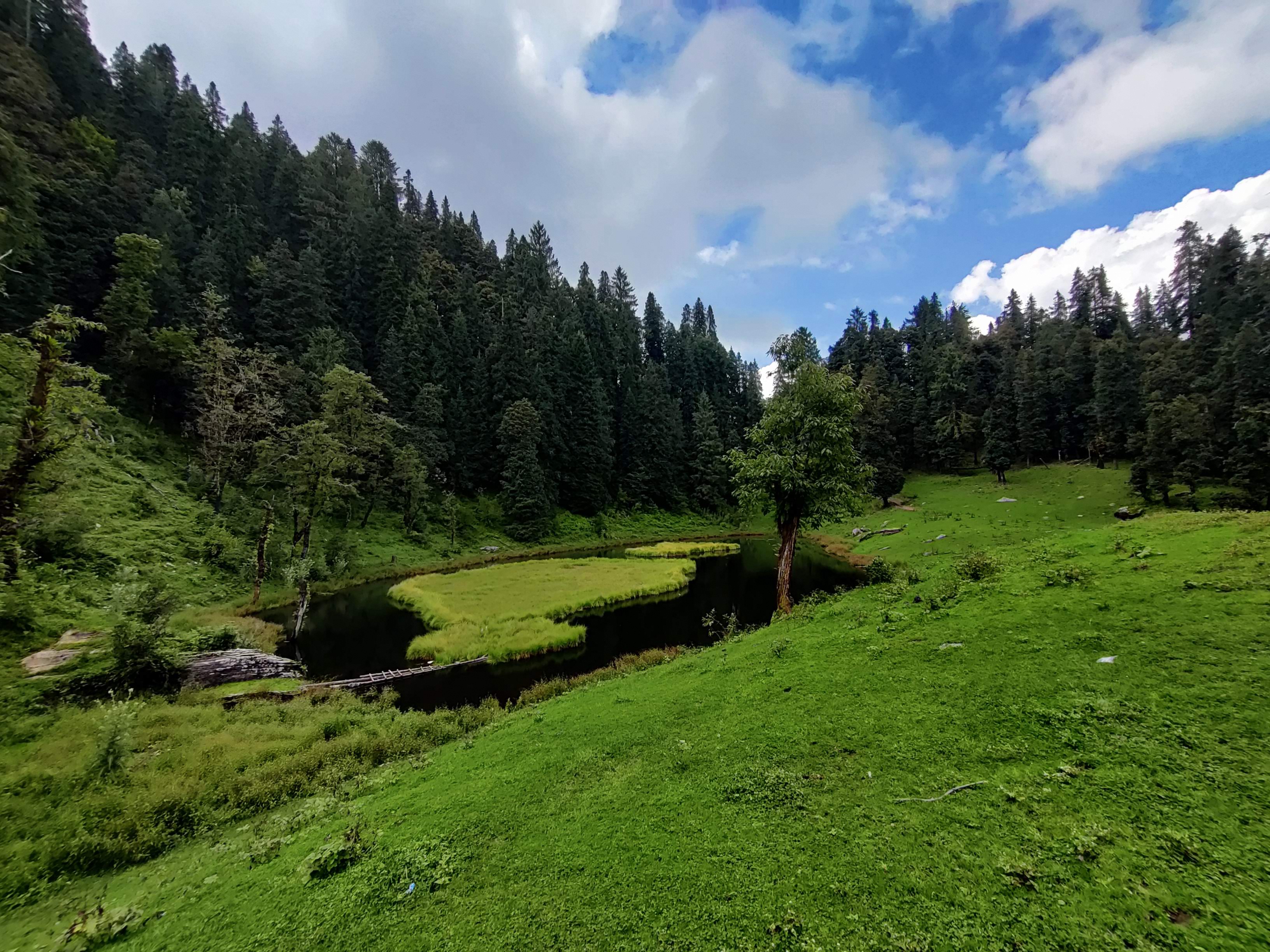
Panwali Kantha is particularly appealing to travellers who enjoy natural landscapes, peaceful campsites, wildflowers and wide Himalayan views.
Panwali Kantha lies in the Garhwal region of Uttarakhand, within Tehri Garhwal district. Its alpine meadows form part of a traditional mountain corridor connecting areas near Ghuttu with the Triyuginarayan side of the Garhwal Himalayas.
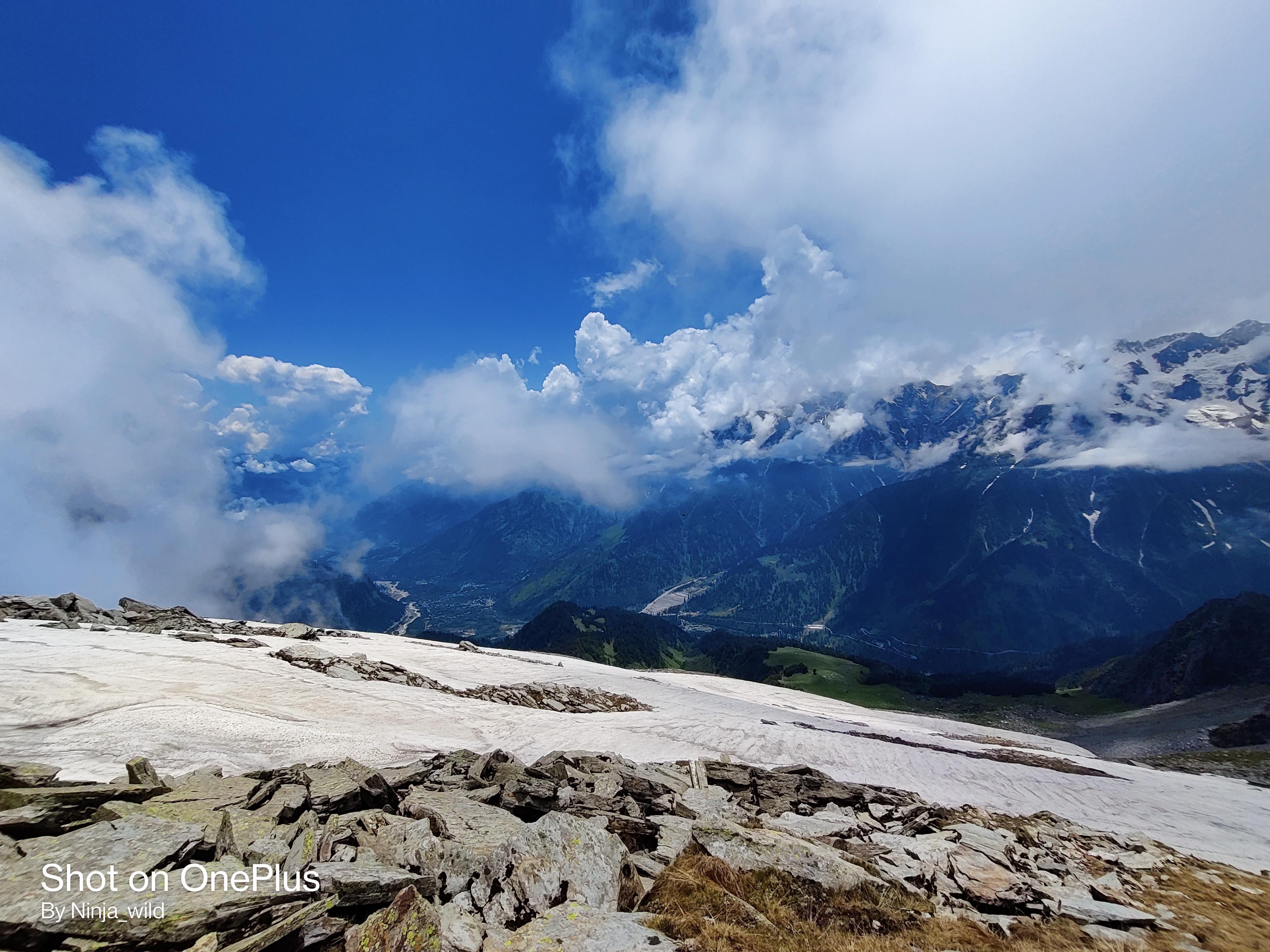
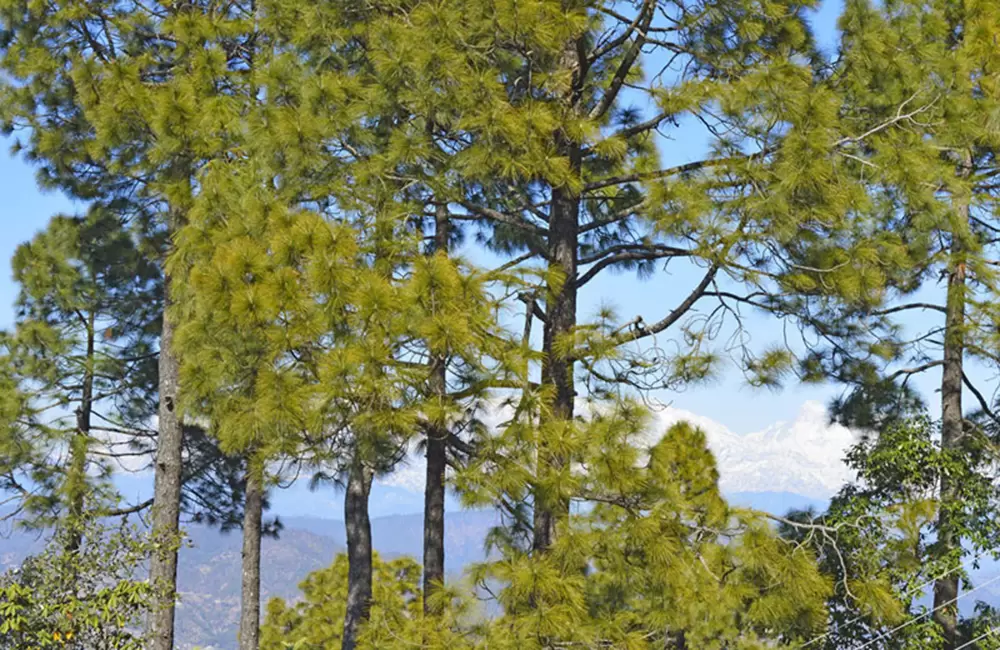
The surrounding landscape includes forested slopes, high grasslands, seasonal shepherd settlements and distant Himalayan peaks. During suitable weather, trekkers may enjoy views of prominent Garhwal mountain ranges, including the Chaukhamba and Kedarnath groups.
Ghuttu serves as the starting base for Thin Air Expedition's listed itinerary. Travellers generally approach the village by road from the Rishikesh or Dehradun region, passing through mountain towns and valleys along the way.
The road journey can take several hours, depending on the pickup location, traffic and road conditions. It is advisable to keep the first day flexible rather than schedule an important onward connection immediately after arrival.
The Panwali Kantha Trek follows a route through forests, traditional mountain settlements and high-altitude meadows before descending towards the Triyuginarayan area. The exact trail conditions, camping locations and daily distances should be confirmed before departure because local conditions and operating itineraries can change.
The journey starts at Ghuttu, where trekkers meet their team, complete the briefing and prepare for the walking stages. The trail then climbs towards Pobhagi, passing through forested terrain and seasonal grazing areas.
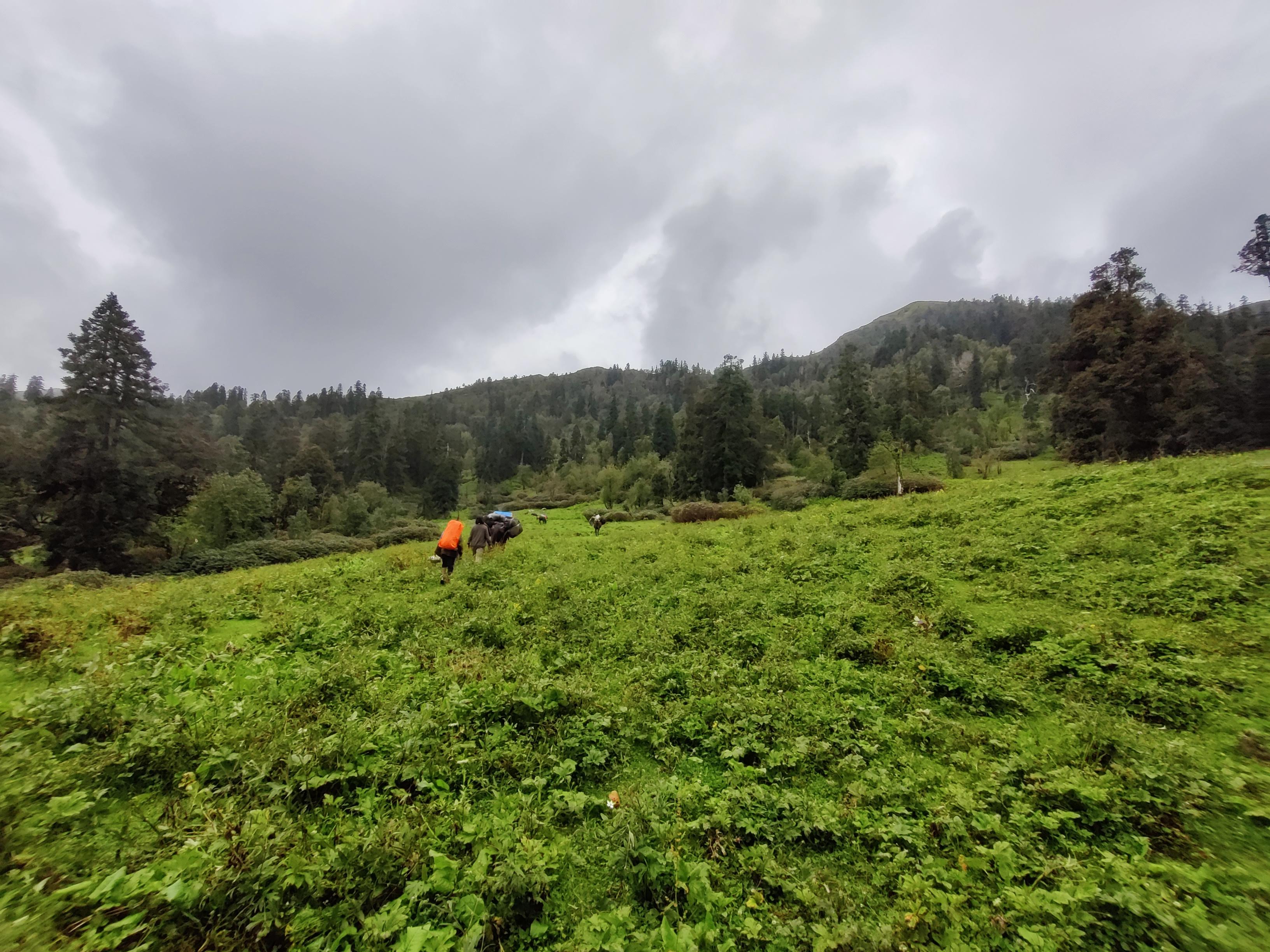
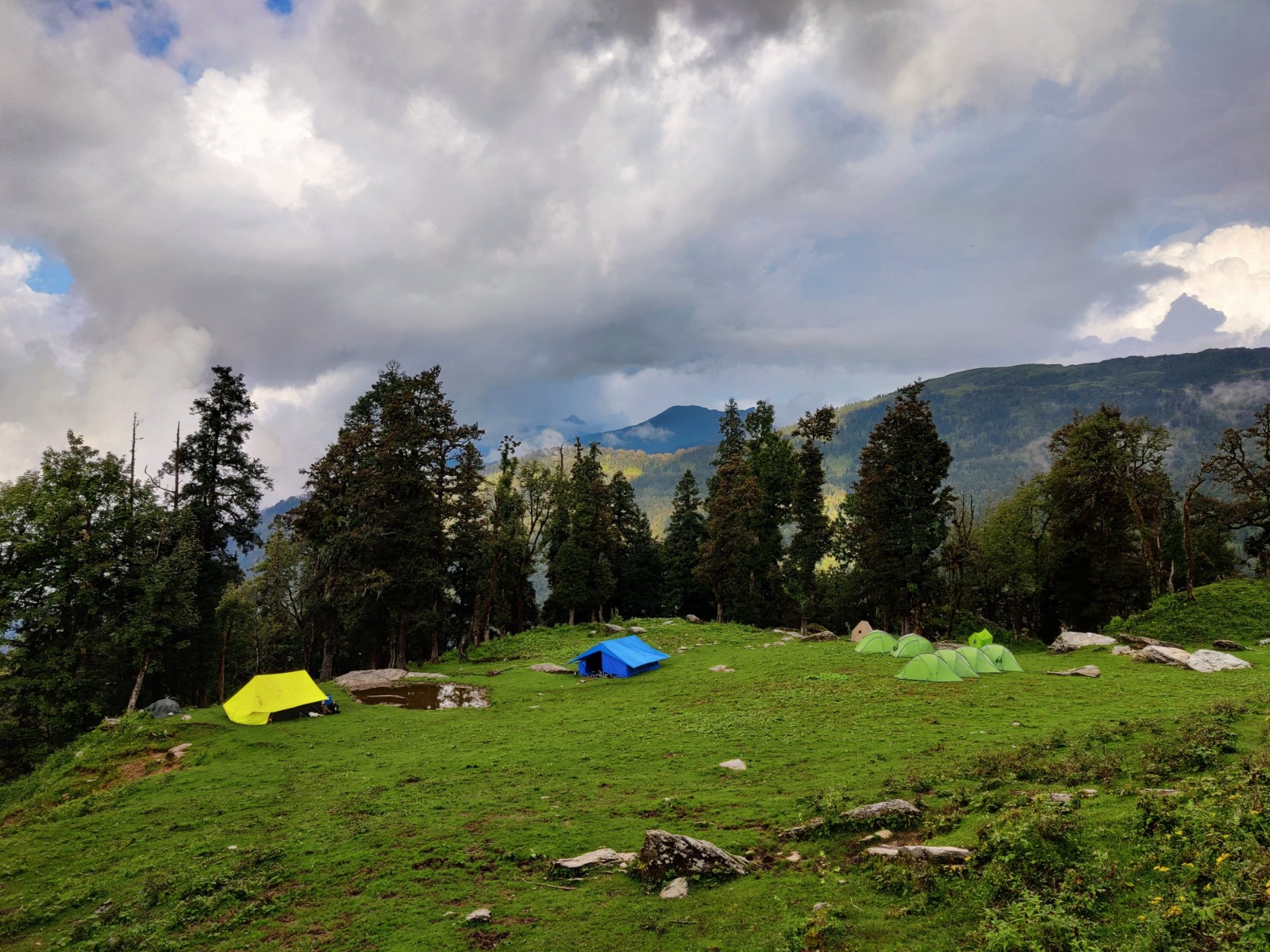
From Pobhagi, the route continues towards Dyuili Top and Panwali Kantha. As the trail gains elevation, the forest gradually gives way to more open landscapes, revealing sweeping views across the surrounding mountains.
After exploring the meadow region, trekkers descend towards Maggu Chatti. The final walking stage continues towards Triyuginarayan, where the journey concludes before the return drive.
A route map should clearly identify Ghuttu, Pobhagi, Dyuili Top, Panwali Kantha, Maggu Chatti and Triyuginarayan. Trekkers should follow their qualified guide rather than relying exclusively on an online map, particularly where trails are covered by snow or visibility is poor.
The following itinerary follows Thin Air Expedition's published five-day programme. Walking times and distances are approximate planning information; actual progress depends on weather, group fitness, trail conditions and the final operating route.
Day 1: Rishikesh to Ghuttu
The journey begins with a road transfer from Rishikesh towards Ghuttu. The drive passes through the Garhwal hills, with opportunities to enjoy mountain scenery and views of the Tehri region.
After arriving at the base village, trekkers settle into their accommodation, meet the expedition team and attend a briefing about the route, equipment and safety procedures. Use the evening to organise your backpack and rest before the trekking begins.
Accommodation is generally arranged in a local guesthouse or homestay, subject to the confirmed package.
Day 2: Ghuttu to Pobhagi
After breakfast, the trekking team begins the ascent from Ghuttu towards Pobhagi. The route passes through forested slopes and mountain settlements before reaching the camping area.
The day involves sustained walking, so maintaining a comfortable pace is important. In spring, rhododendron forests may display red and pink flowers, while the surrounding landscape becomes increasingly green as the season progresses.
After reaching camp, trekkers can rest, enjoy a warm meal and prepare for the higher section of the route.
Day 3: Pobhagi to Panwali Kantha via Dyuili Top
This is one of the most scenic stages of the trek. The trail continues through open terrain towards Dyuili Top and Panwali Kantha, with broad views across the surrounding ridges and meadows.
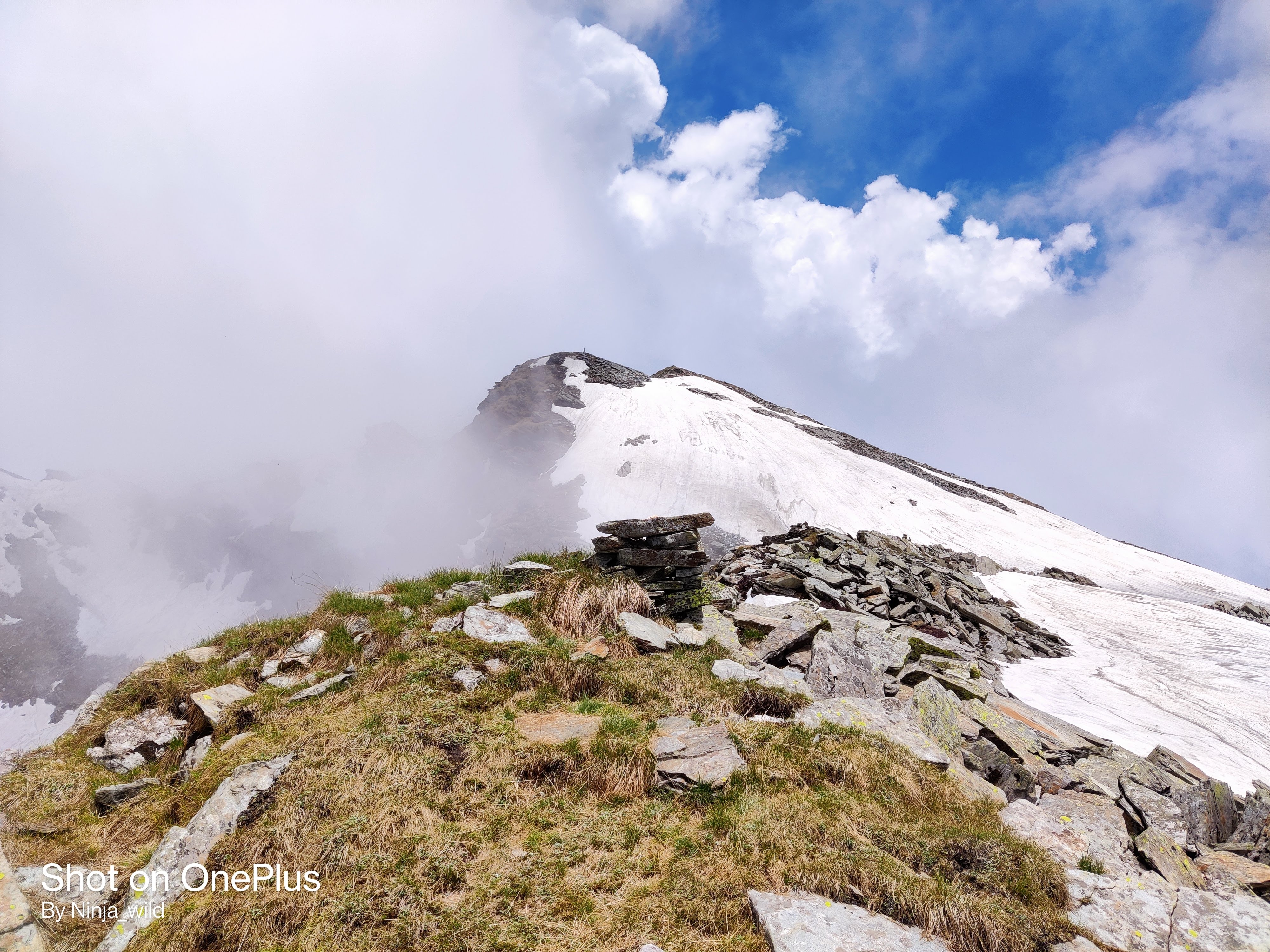
The landscape changes with the season. Summer brings green grasslands and flowering vegetation, while colder months can bring snow and more demanding walking conditions.
Trekkers should take regular breaks, drink water and follow the guide's instructions throughout the ascent. After reaching the planned campsite, enjoy the mountain surroundings and settle in for the night.
Day 4: Panwali Kantha to Maggu Chatti
The fourth day involves descending from the meadow region towards Maggu Chatti. The trail crosses open slopes and forested sections, with changing views of the surrounding valleys.
Although much of the route is downhill, descents can place considerable strain on the knees and ankles. Trekking poles and well-fitting footwear can make the walk more comfortable.
The group reaches the designated campsite or overnight stop after completing the day's walking stage.
Day 5: Maggu Chatti to Triyuginarayan and drive to Rishikesh
The final walking stage continues towards Triyuginarayan through forest trails and village surroundings. The village is known for the historic Triyuginarayan Temple, an important religious destination associated with the traditional story of Lord Shiva and Goddess Parvati's wedding.
After completing the trek, the group transfers by road towards Rishikesh according to the confirmed transport arrangement.
Road journeys in the mountains can be affected by traffic, weather and local restrictions. Avoid booking a non-refundable late-night connection without allowing sufficient buffer time.
The best time for the Panwali Kantha Trek depends on the experience you want and the conditions on the route. Thin Air Expedition lists May–June and September–October as its preferred operating periods. Actual departures should be confirmed with the team before booking.
Spring and early summer: April and May can bring rhododendron blooms in the surrounding forests. By May and June, many meadow areas become greener as snow recedes and seasonal vegetation develops. Conditions at higher elevations can still be cold.
Autumn: September and October can offer clear mountain views and pleasant walking conditions between weather systems. Early autumn may retain some effects of the monsoon, so check current forecasts and road conditions.
Monsoon: Heavy rainfall can make trails slippery and increase the risk of landslides on mountain roads. Trekkers should not assume that the route is safe simply because a departure is advertised.
Winter: Snow can transform the meadows but also make the route substantially more difficult. Snow-covered trails may require specialised equipment, experienced guides and suitable weather windows. Book a winter departure only after the operator confirms that it is running safely.
The Panwali Kantha Trek is generally rated moderate by Thin Air Expedition. However, difficulty varies with the season, snow conditions, daily walking distance and the amount of elevation gained or lost.
Trekkers should be comfortable walking for several hours on uneven ground and managing consecutive days of physical activity. Basic endurance, leg strength and balance are useful, particularly on steep descents and narrow forest trails.
Begin preparing four to six weeks before departure if possible. Regular brisk walking, stair climbing, cycling and leg-strength exercises can help build stamina. Gradually increase the duration of your training walks rather than attempting long distances immediately.
First-time trekkers with good fitness may find a snow-free departure manageable with appropriate guidance. Winter conditions require greater caution and may not be suitable for inexperienced walkers.
Anyone with a medical concern should consult a qualified healthcare professional before undertaking a high-altitude trek.
Thin Air Expedition lists the Panwali Kantha Trek at ₹15,000 per person, plus 5% GST. Based on that listed price, the total is ₹15,750 per person before optional extras.
The final amount should be confirmed directly with the operator, including the departure date, group size, transport arrangements and any seasonal changes.
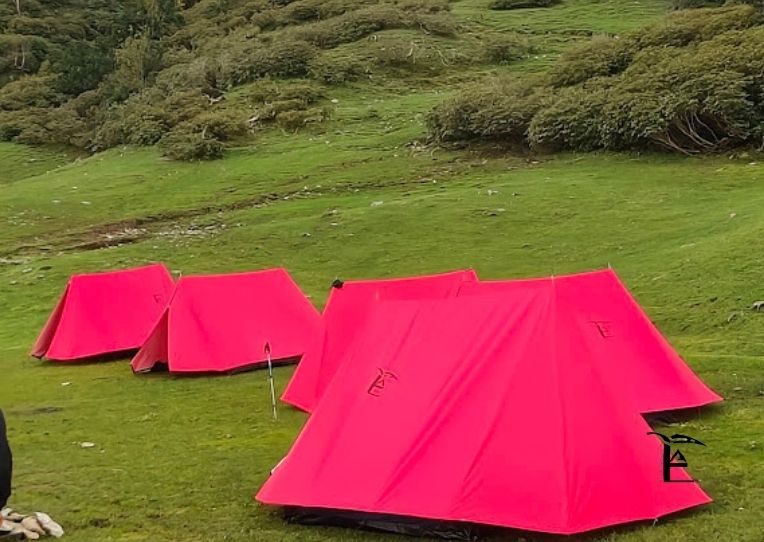
The published package includes arrangements such as shared transport from the designated pickup point, accommodation, camping equipment, meals during the trek, a trek leader, local guides, support crew and applicable forest or camping permissions for Indian nationals.
The package also lists safety equipment and medical support. Confirm which items are supplied for your departure and which personal items you must bring yourself.
Personal expenses, travel to the pickup point, personal trekking gear, optional backpack offloading and applicable insurance costs may be additional. The listed backpack offloading rate is ₹500 per bag per day for a bag weighing up to 12 kg. Verify current terms before booking.
Ask for a written itinerary, cancellation policy, payment schedule and complete inclusion list. Transparent pricing helps you compare packages accurately and avoid unexpected expenses.
Rishikesh and Dehradun are common access points for travel into the Garhwal Himalayas. Travellers arriving by train can consider rail connections to Haridwar or Rishikesh, depending on availability. Those arriving by air generally consider Dehradun's Jolly Grant Airport.
From the designated pickup point, the journey continues by road towards Ghuttu. The route involves mountain roads, so travel time can vary with traffic, roadworks and weather.
Before booking tickets, confirm the exact pickup location, reporting time, transport type and estimated return time with Thin Air Expedition. If you are travelling from another city, plan to arrive at least the previous day whenever possible.
The trek is a point-to-point route, so the start and finish locations may differ. Confirm that the package includes the transfer needed at the end of the trek.
Pack for cold mornings, changing weather and long walking days. Good ankle-supporting trekking boots with reliable grip are essential. Carry layered clothing, thermal base layers, a fleece or insulated jacket, waterproof outerwear, warm gloves and a cap.
Other essentials include a comfortable backpack, rain cover, water bottles, sunglasses, sunscreen, personal medicines, a headlamp, toiletries and a small personal first-aid supply. Keep identification documents and emergency contact information accessible.
Ask the operator which sleeping equipment, technical gear and group medical supplies are provided. Avoid carrying unnecessary items, but do not leave out essential clothing or rain protection to reduce weight.
Follow your guide's instructions, maintain a steady pace and report symptoms such as unusual breathlessness, dizziness or persistent headaches promptly. Weather can deteriorate quickly, and the group may need to alter its itinerary for safety.
Respect the alpine meadows by carrying out all non-biodegradable waste, avoiding damage to vegetation and keeping a respectful distance from livestock and wildlife. Do not assume that mountain water is safe to drink without appropriate treatment.
The Panwali Kantha Trek is generally considered a moderate trek. It involves several days of walking through forest trails, mountain meadows, uneven terrain and gradual or steep ascents. Trekkers should have reasonable fitness and be comfortable walking for multiple hours each day.
The standard itinerary offered on the ThinAirExpedition website is 5 days, including the road journey from Rishikesh, trekking days and the return journey. The exact schedule may vary depending on weather, trail conditions and the operator’s arrangements.
The trek package is listed at approximately 40 km. Actual walking distance can vary depending on the selected route, campsite locations and local trail conditions. Confirm the final itinerary and daily distances with your trek operator before booking.
The published ThinAirExpedition itinerary begins with a drive from Rishikesh to Ghuttu in Tehri Garhwal, Uttarakhand. Ghuttu serves as the base area for the trek. Confirm the exact reporting point and pickup arrangements before departure.
Spring and early summer are popular for blooming rhododendrons and green alpine meadows, while autumn can offer clear mountain views. Conditions vary with snowfall and rainfall, so check current trail accessibility and weather forecasts before choosing your dates.
Beginners with good physical fitness may be able to complete the trek, preferably with prior preparation and a qualified trekking team. First-time trekkers should build stamina through regular walking, stair climbing and cardio exercise before the trip.
Published descriptions give different altitude figures for Panwali Kantha and its trekking route. Confirm the highest campsite, trail high point and elevation gain with your operator before booking. Avoid relying on a single altitude figure until the itinerary and route have been verified.
ThinAirExpedition’s published package price is ₹15,000 per person plus 5% GST, subject to confirmation. At that listed rate, the total is ₹15,750 per person before any additional charges. Check the latest price, inclusions, exclusions and applicable taxes when booking.
Package inclusions can cover trek leaders or guides, meals during the trekking programme, camping arrangements and specified support equipment or transport. Inclusions differ by package, so confirm whether road transfers, personal equipment, insurance, accommodation before or after the trek and emergency evacuation are included.
Rishikesh is the usual road-journey starting point in the published itinerary. From there, trekkers travel by road to Ghuttu in Tehri Garhwal. Travel time depends on traffic, road conditions and weather. Confirm the pickup location, reporting time and transport arrangements with ThinAirExpedition.
Carry sturdy trekking shoes, moisture-wicking layers, a warm insulated jacket, waterproof outerwear, gloves, a hat, sunglasses, sunscreen, a reusable water bottle, personal medicines and a headlamp. Your final packing list should reflect the season and the equipment supplied by your trek operator.
Winter conditions can bring snow, ice, low temperatures and reduced visibility, making the route more challenging. Do not assume that the trek is available throughout winter. Travel only when the route has been assessed as safe by experienced local professionals and the operator has confirmed suitable equipment, guides and emergency plans.
Camping may be part of the trekking package, depending on the itinerary and campsite permissions. Confirm the overnight arrangements, sleeping equipment, meals and facilities included in your chosen departure before making a reservation.
Before booking, verify the departure date, total cost including GST, route and daily distances, highest altitude, fitness requirements, accommodation, meals, transport, equipment, cancellation policy and safety arrangements. Also confirm that the itinerary’s starting and ending points are consistent.
When comparing trek operators, look for a clearly documented itinerary, experienced trek leaders, transparent pricing, appropriate group sizes, reliable equipment and a practical emergency plan. Contact ThinAirExpedition to confirm the current Panwali Kantha Trek departure details and package inclusions before booking.
The Panwali Kantha Trek offers an appealing combination of alpine meadows, forest trails, Himalayan scenery and traditional Garhwali mountain culture. Its five-day format makes it an attractive option for travellers seeking a multi-day trekking experience in Uttarakhand.
With Thin Air Expedition, you can explore a route from Ghuttu through Pobhagi and Panwali Kantha towards Triyuginarayan, subject to the confirmed itinerary and seasonal conditions.
Before booking, verify the highest point, walking distances, departure dates, transport arrangements and package inclusions. Prepare with regular fitness training, suitable clothing and realistic expectations about mountain weather.
For the latest Panwali Kantha Trek dates, availability and package details, contact Thin Air Expedition and confirm the itinerary before making travel arrangements.