Why Pangarchulla Trek Is One of Uttarakhand Most Underrated Summit Treks
Why Pangarchulla Trek Is One of Uttarakhand Most Underrated Summit Treks
07
Sep

There are mountains you visit for the scenery. There are mountains you climb for the achievement. And then there are mountains that make you understand why you started walking in the first place.
Pangarchulla is one of those mountains.
Hidden in the Garhwal Himalayas of Uttarakhand, Pangarchulla Peak rises to approximately 15,069 feet (4,590 metres). It is not the highest peak in the region, nor is it the most talked-about Himalayan trek. Yet that is exactly what makes the Pangarchulla Trek interesting.
It sits somewhere between trekking and mountaineering—a place where a beautiful Himalayan trail gradually turns into a serious summit attempt.
For trekkers who have already experienced popular Himalayan routes and are looking for their next challenge, Pangarchulla offers something different: forests, open mountain landscapes, changing terrain, high-altitude ridges and, finally, the satisfaction of standing on a Himalayan summit.
The mountain doesn't give you the summit easily. And perhaps that is why reaching it feels different.
Pangarchulla Trek Highlights
Location: Garhwal Himalayas, Uttarakhand
Peak altitude: Approximately 15,069 ft / 4,590 m
Trek type: High-altitude summit trek
Difficulty: Challenging
Region: Near Joshimath and the Kuari Pass landscape
Terrain: Himalayan forests, meadows, ridges, rocky sections and seasonal snow
Major attraction: Pangarchulla summit and panoramic Himalayan views
Recommended for: Fit trekkers and people with previous Himalayan trekking experience
The exact duration, route and distance can vary depending on the itinerary and prevailing mountain conditions. For a summit trek, flexibility is important because the mountain—not the brochure—ultimately decides what is possible.
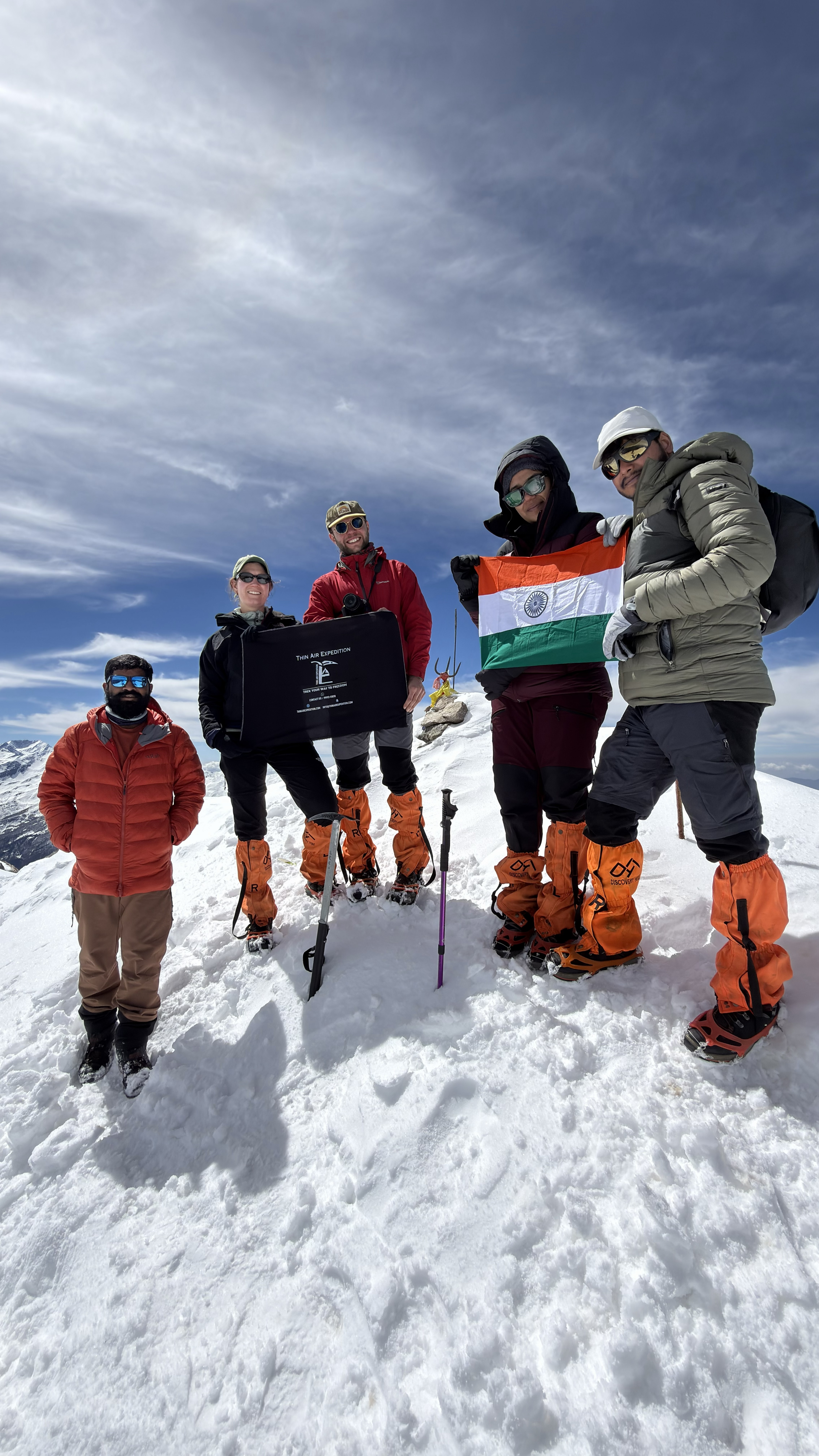
Pangarchulla Is More Than a Beautiful Trek
The first thing you notice about many Himalayan treks is the scenery.
With Pangarchulla, the scenery is only the beginning.
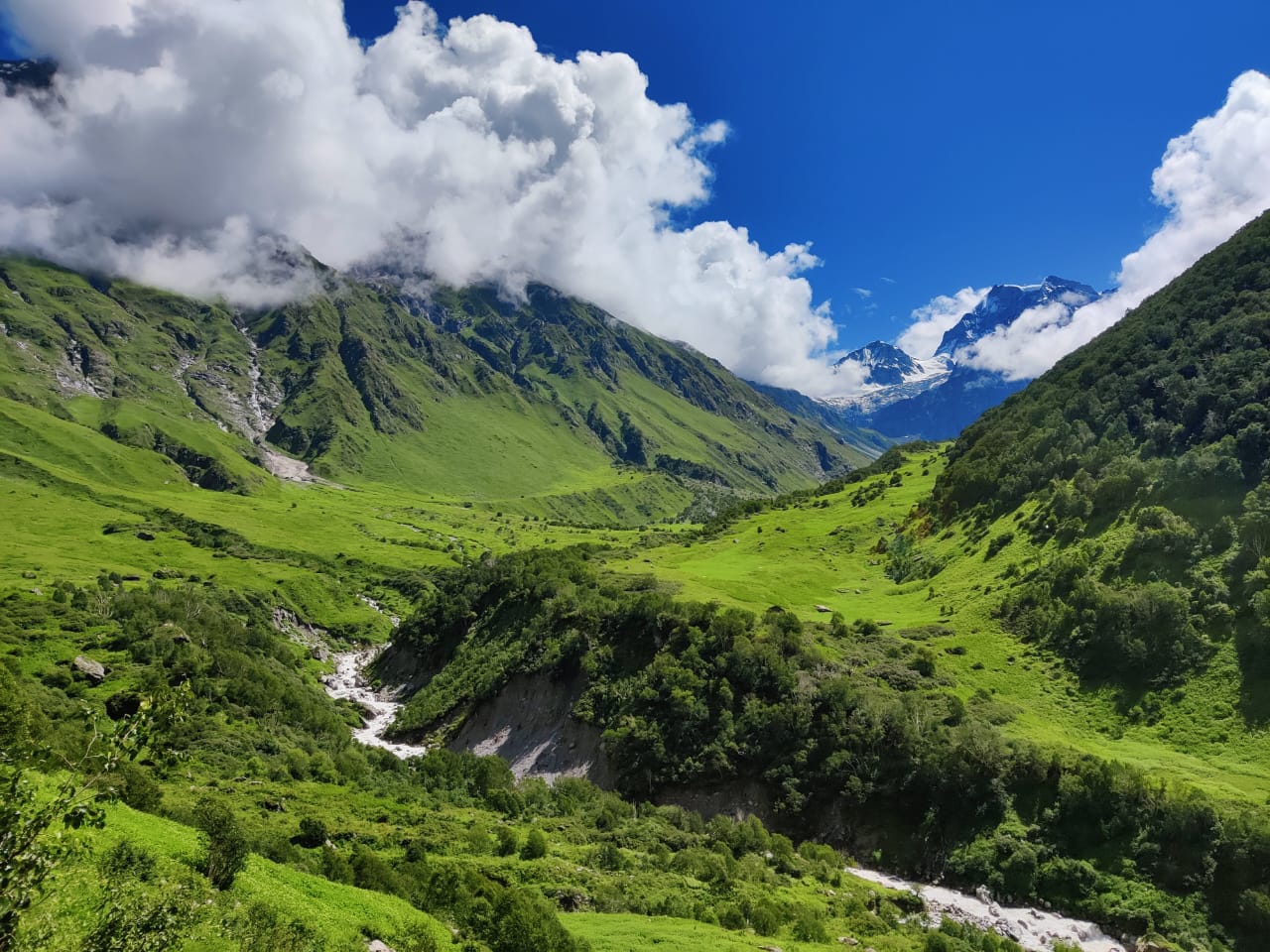
The lower sections take you through the kind of Himalayan landscape people dream about before they ever visit the mountains. Forest paths, clearings, distant peaks and open stretches gradually introduce you to the terrain.
But as you gain altitude, the experience changes.
The comfortable rhythm of walking starts giving way to concentration. The trail becomes less predictable. The slope becomes steeper. The air becomes thinner. And somewhere along the way, you stop thinking about how many photographs you are going to take and start thinking about the next hundred metres.
That transition is what makes Pangarchulla Peak Trek so memorable.
It doesn't announce its difficulty at the beginning.
It reveals it gradually.
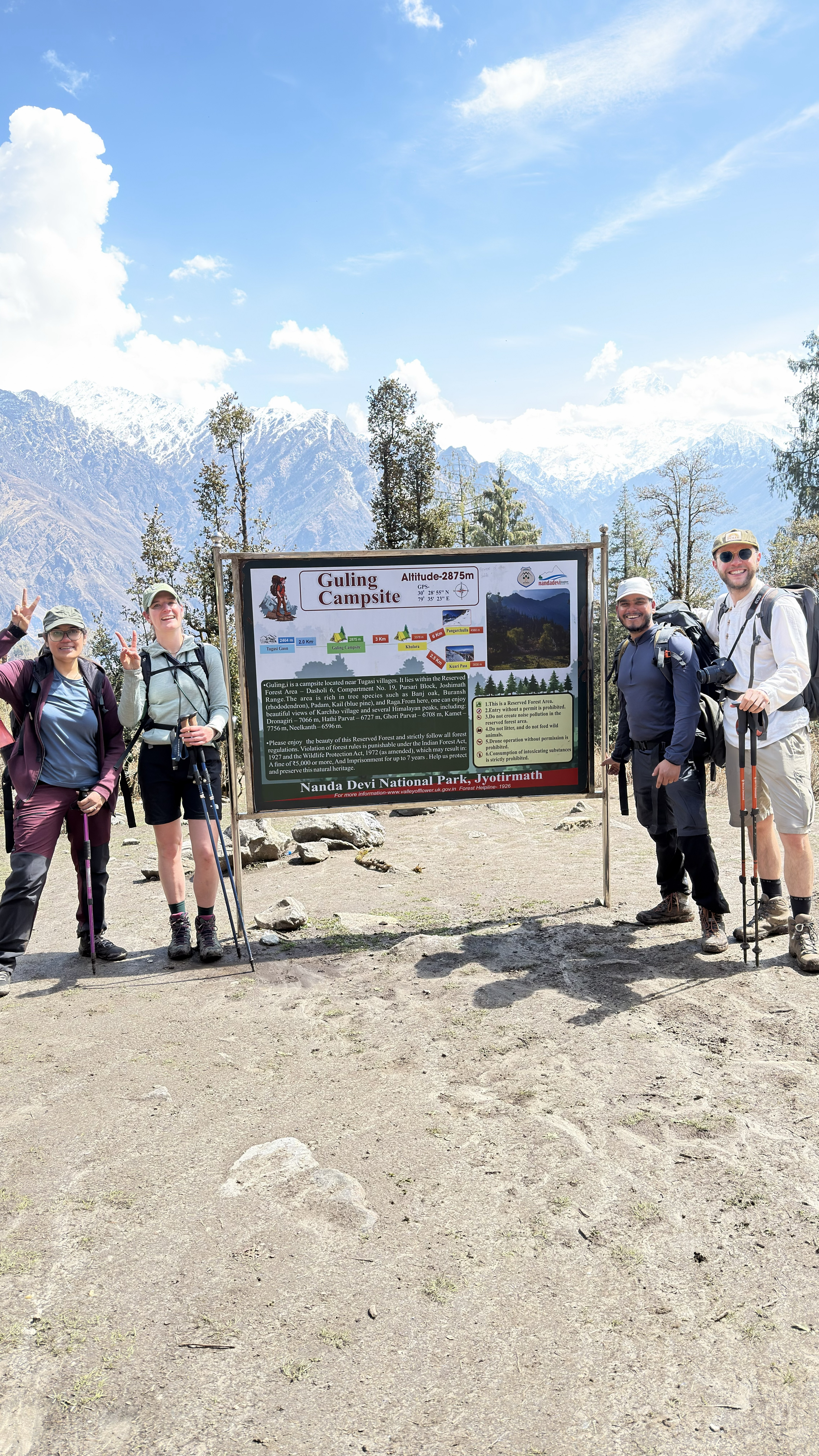
Where Is Pangarchulla Peak?
Pangarchulla lies in the Garhwal Himalayas of Uttarakhand, in the region around Joshimath.
The trek is closely associated with the Kuari Pass landscape, and portions of the approach overlap with the broader trail network used to reach Kuari Pass.
This location gives the trek an unusual advantage.
You aren't climbing through one repetitive landscape.
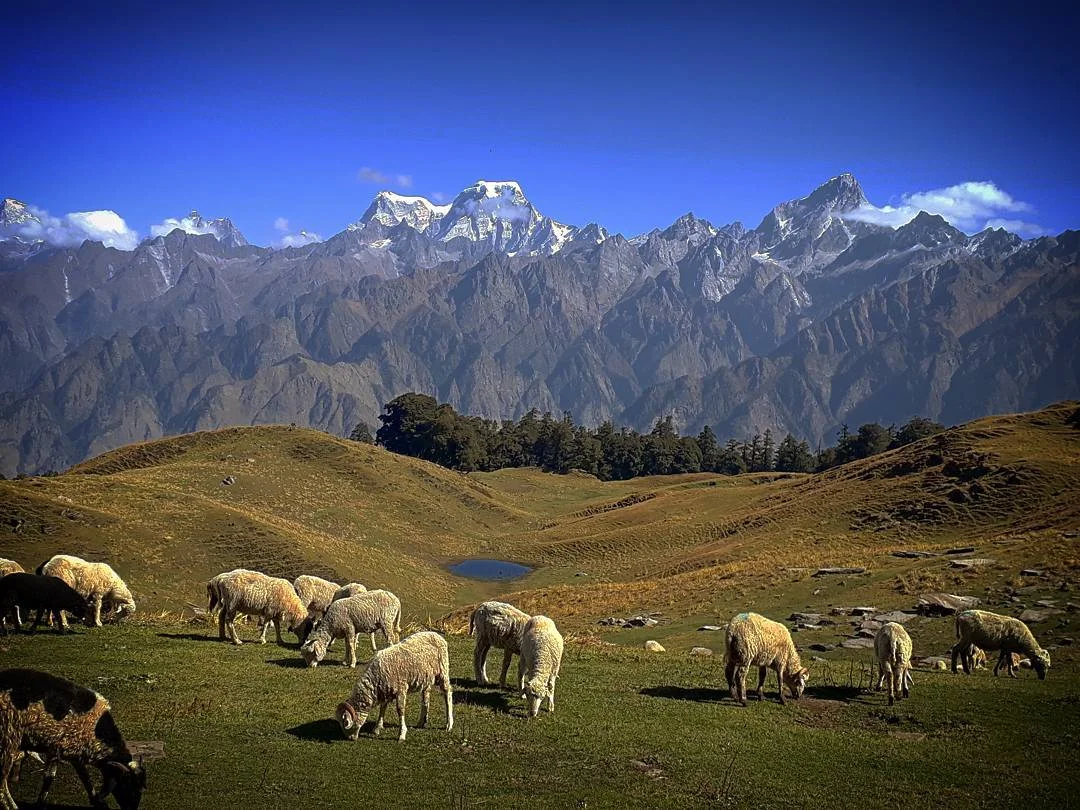
The journey takes you through multiple Himalayan environments as you gain elevation. Forests eventually give way to open terrain, and the mountain views become increasingly dominant.
By the time you approach the summit, the landscape feels completely different from where the journey began.
That gradual change in environment is one of the quiet strengths of the Pangarchulla Trek.
---
The Journey Is Part of the Summit
It is tempting to think of a summit trek as a simple equation:
Start point → climb → summit → return.
Pangarchulla doesn't feel that simple.
The mountain makes you earn the summit long before summit day arrives.
Every earlier day has a purpose.
You are gaining altitude.
You are getting accustomed to walking for longer periods.
You are learning how your body responds to the mountain.
You are building confidence on unfamiliar terrain.
And, perhaps most importantly, you are beginning to understand the rhythm of Himalayan trekking.
This is why rushing through the approach just to reach the summit faster can defeat the purpose of the trek.
A good summit attempt begins several days before you actually see the top.
---
What Makes the Pangarchulla Summit Different?
The summit is the heart of the trek.
Unlike a trek where the highest point is simply reached at the end of a gradual trail, Pangarchulla demands a concentrated effort.
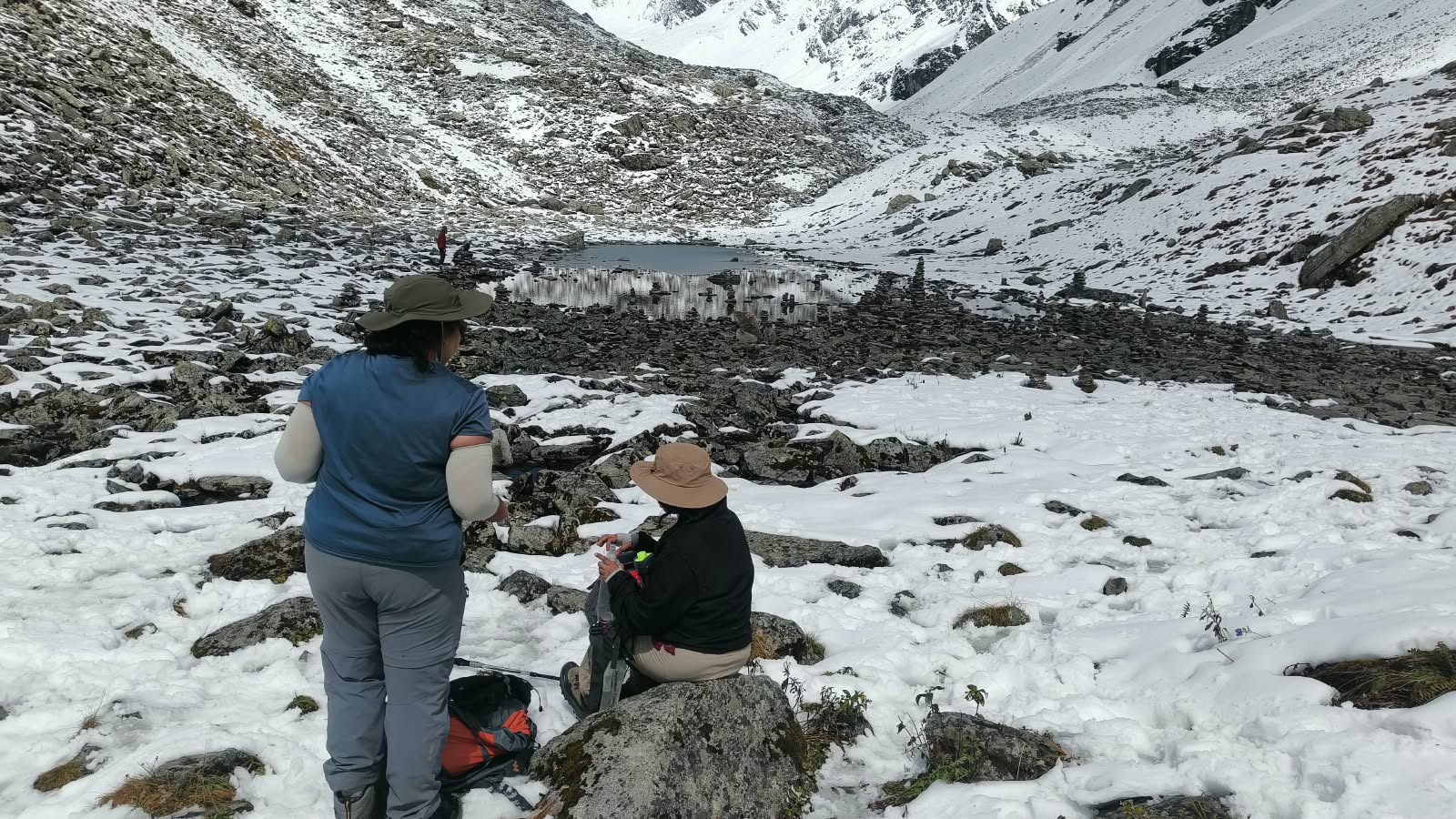
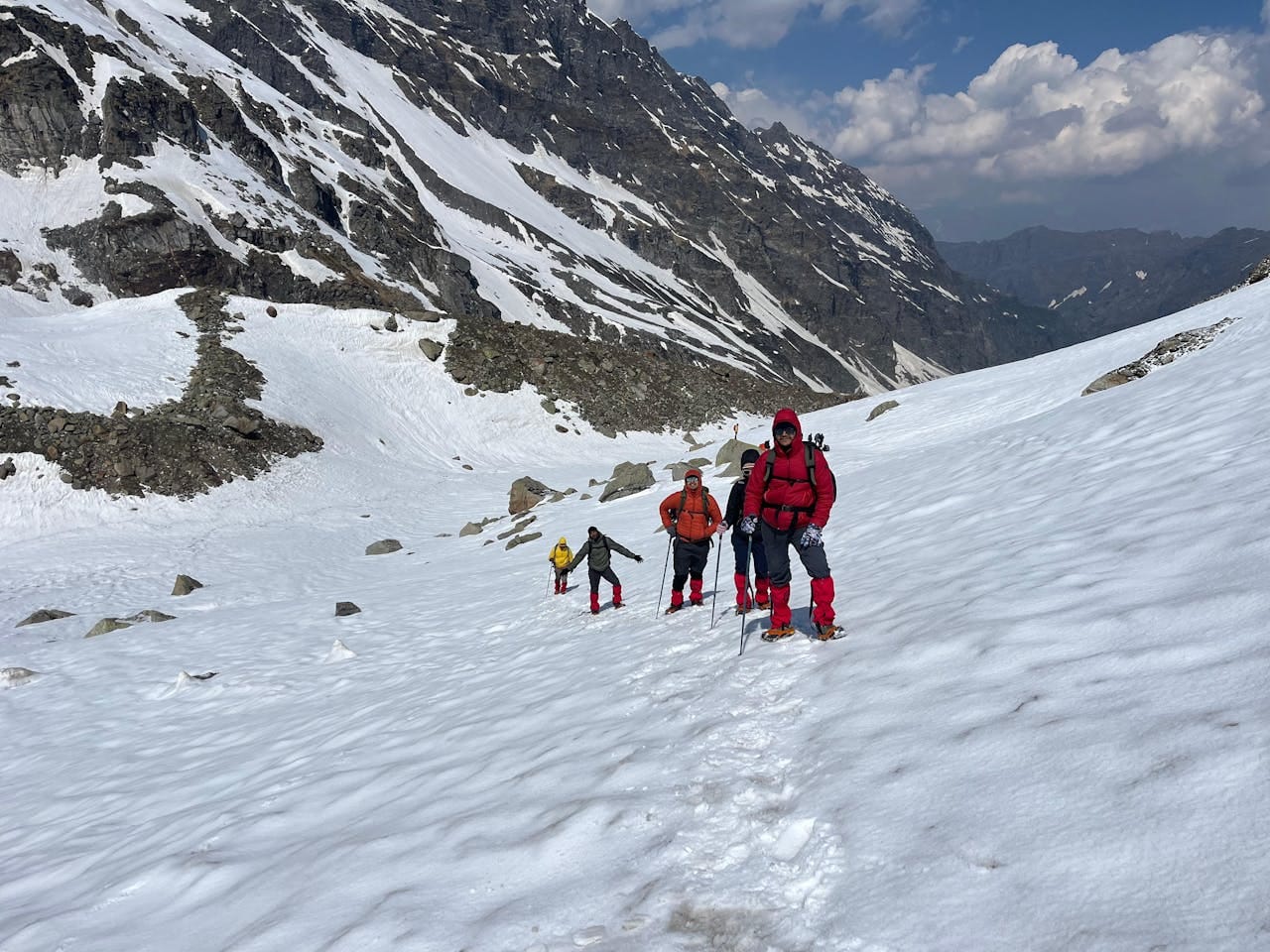
The final ascent can involve steep gradients and uneven terrain, with snow significantly changing the character of the upper mountain during the appropriate season.
You may find yourself taking several steps and stopping to breathe.
Then several more.
The summit may appear deceptively close, yet the final section can consume far more energy than expected.
This is where preparation matters.
Not just physical fitness.
Pacing matters.
Patience matters.
Footwork matters.
And so does the ability to remain calm when the mountain stops behaving like a normal walking trail.
That is why we consider Pangarchulla Trek difficulty seriously. It should not be promoted as an easy trek simply because it fits within a relatively short holiday.
The altitude and summit profile make it a genuine challenge.
---
Pangarchulla Trek Altitude: Why 15,000 Feet Matters
At approximately 15,069 feet, Pangarchulla takes you into a high-altitude environment where your body has to work differently.
You may discover that your usual walking speed is no longer comfortable.
A staircase that would normally be insignificant can suddenly feel like work.
Your breathing becomes more deliberate.
Recovery takes longer.
This is normal at altitude, but it is also why preparation and acclimatisation should never be treated casually.
A responsible Pangarchulla Trek itinerary allows the body time to adapt as the altitude increases.
The objective isn't simply to reach a higher campsite every day.
The objective is to arrive at summit day with enough energy, acclimatisation and confidence to make sensible decisions.
That is an important difference between going on a trek and preparing for a summit.
---
The Landscape: From Forest Silence to Open Mountain
One of the most beautiful aspects of Pangarchulla is how the landscape changes without you noticing the exact moment it happens.
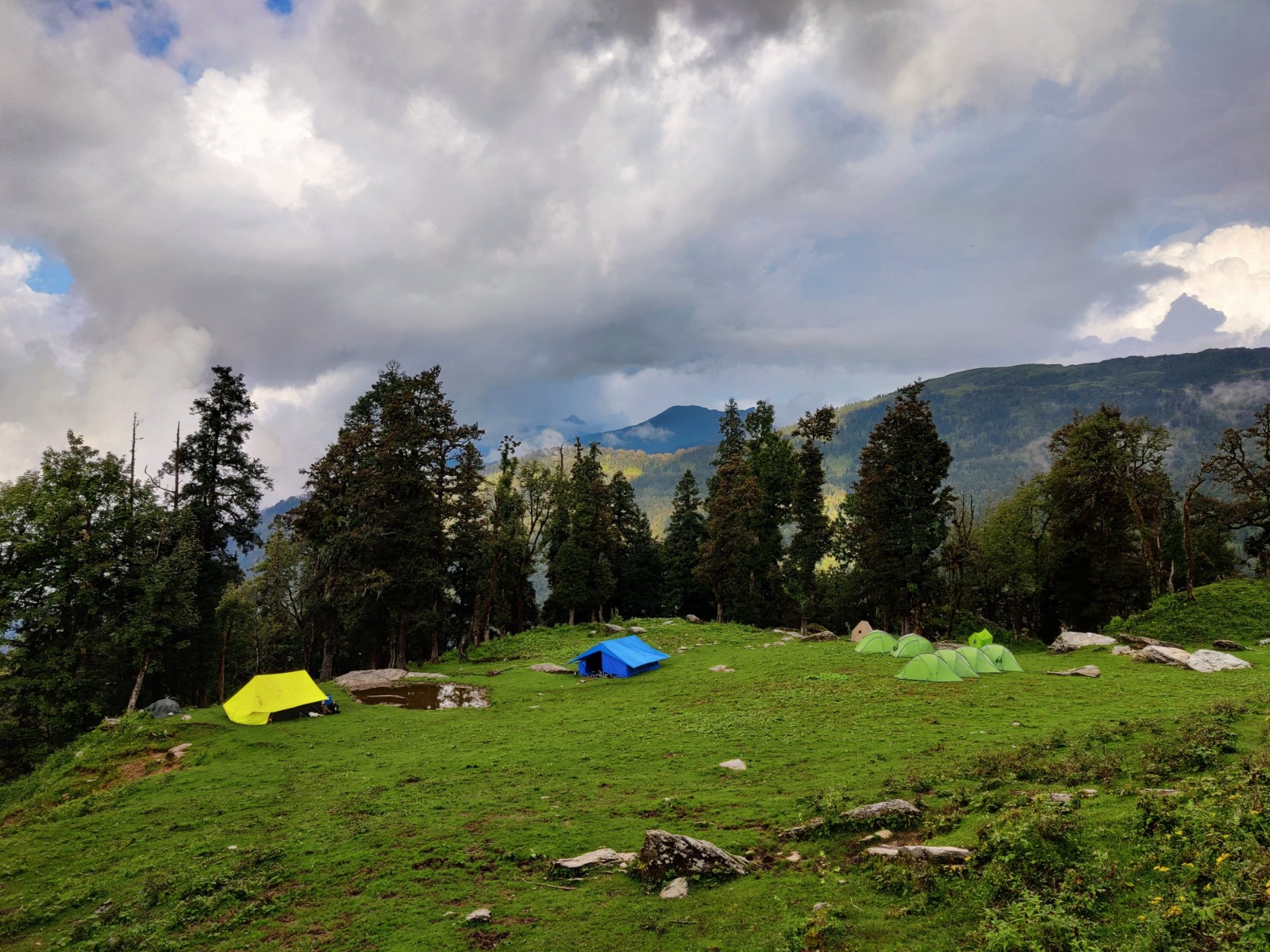
At lower elevations, trees create a sense of enclosure.
The forest filters the sunlight.
The trail feels intimate.
Then the trees gradually become less dominant.
The views begin to stretch.
The mountains that were previously glimpsed through branches now occupy the horizon.
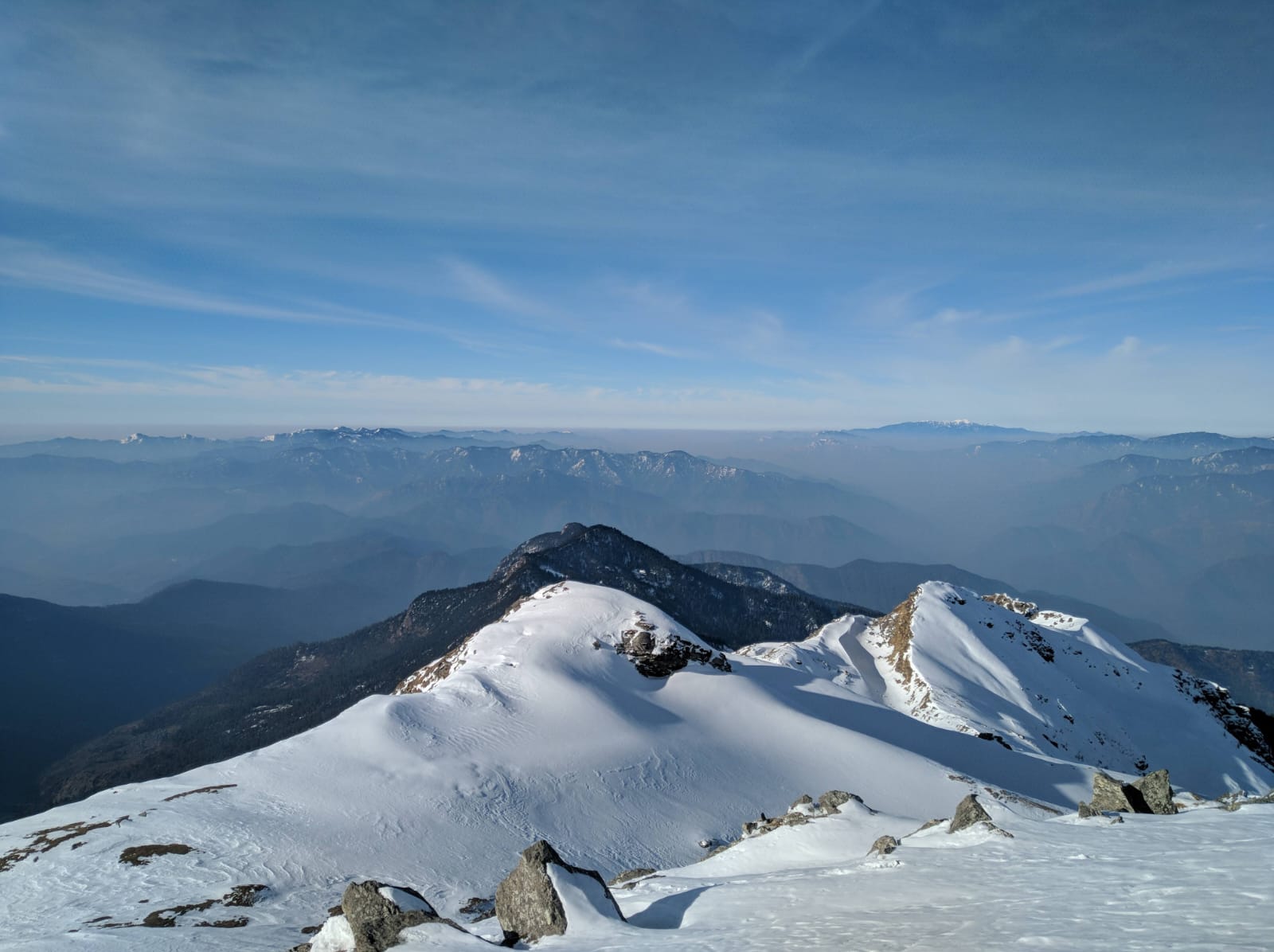
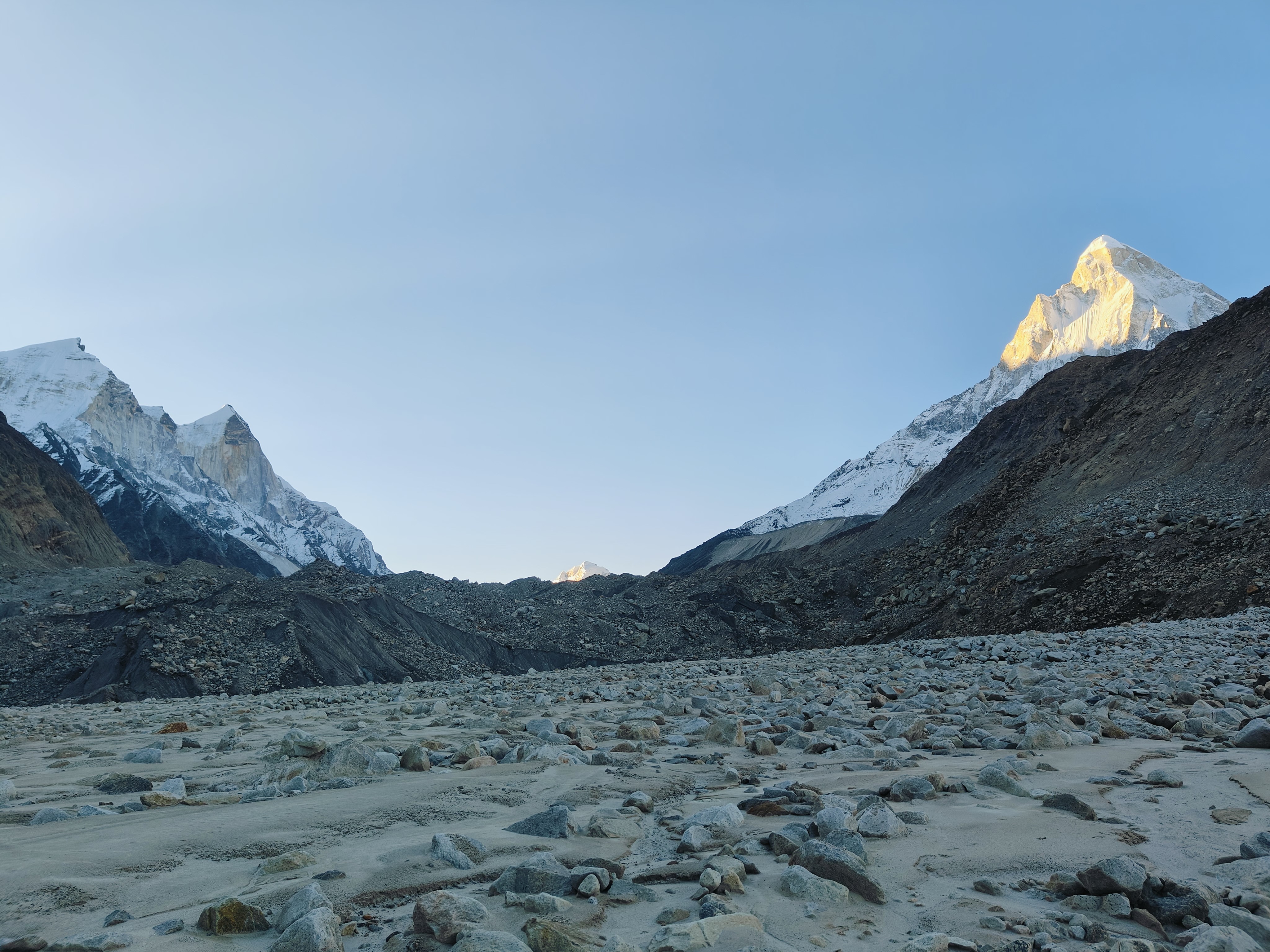
Eventually, you are walking in much more open terrain, with the sky feeling larger and the surrounding peaks much closer.
During the right season, snow adds another layer to the experience.
The same mountain can look completely different when its rocks, ridges and slopes are covered in white.
This is one reason the best time for Pangarchulla Trek cannot be decided simply by asking which month has the nicest weather.
Season determines the character of the trek.
---
When Is the Best Time for Pangarchulla Trek?
For trekkers specifically looking for the classic snow-covered summit experience, the spring period is particularly important.
Snow can remain on the upper sections while the lower landscape begins showing signs of the approaching spring.
This creates a fascinating contrast: winter-like conditions near the summit and a more colourful Himalayan landscape lower down.
As the season progresses, snow conditions change, and sections that were previously covered can become rocky and more difficult to negotiate.
This is why the Pangarchulla Trek best time should be considered in relation to actual snow and weather conditions rather than treated as a fixed calendar rule.
Mountains don't follow internet calendars.
Conditions can change from one season to another.
For that reason, a good trekking operator should assess the route before attempting the summit rather than blindly following a predetermined plan.
---
Is Pangarchulla Trek Suitable for Beginners?
This is where honesty is more useful than marketing.
If this is your first Himalayan trek, Pangarchulla may not be the most comfortable place to begin.
The challenge isn't simply the distance.
It is the combination of altitude, terrain, ascent and the demands of summit day.
Someone who has already completed Himalayan treks will generally have a better understanding of how their body responds to altitude, how to manage energy and how to walk efficiently on uneven terrain.
That experience becomes valuable when the trail becomes difficult.
However, your ability should ultimately be judged individually.
Someone with excellent fitness and appropriate preparation may be capable of taking on a challenging trek, while someone with several previous treks may still struggle if they arrive underprepared.
The mountain doesn't care about your trekking résumé.
It responds to your preparation.
---
How Should You Prepare for Pangarchulla?
Don't wait until you reach Uttarakhand to start training.
Your preparation should ideally begin several weeks in advance.
Focus on building endurance first.
Long walks, brisk uphill walking, stair climbing and cardiovascular training can help your body become comfortable with sustained effort.
Strength matters too.
Your legs and core will work continuously on steep and uneven terrain, while your descent will put a different kind of demand on your muscles.
But there is another aspect of preparation that is often ignored:
learning to conserve energy.
You don't have to prove your fitness by racing uphill.
On a high-altitude trek, a steady pace is often more useful than speed.
The person who walks slowly and consistently may reach the summit with energy left, while the person who starts aggressively may struggle later.
Pangarchulla rewards patience.
---
What Will You Remember Most About Pangarchulla?
It may not actually be the summit.
Years later, you might remember something much smaller.
A quiet morning when everyone was still asleep.
The first light appearing behind a ridge.
The sound of boots on frozen ground.
A conversation with a fellow trekker halfway up.
A moment when you thought you couldn't continue—and then took another step.
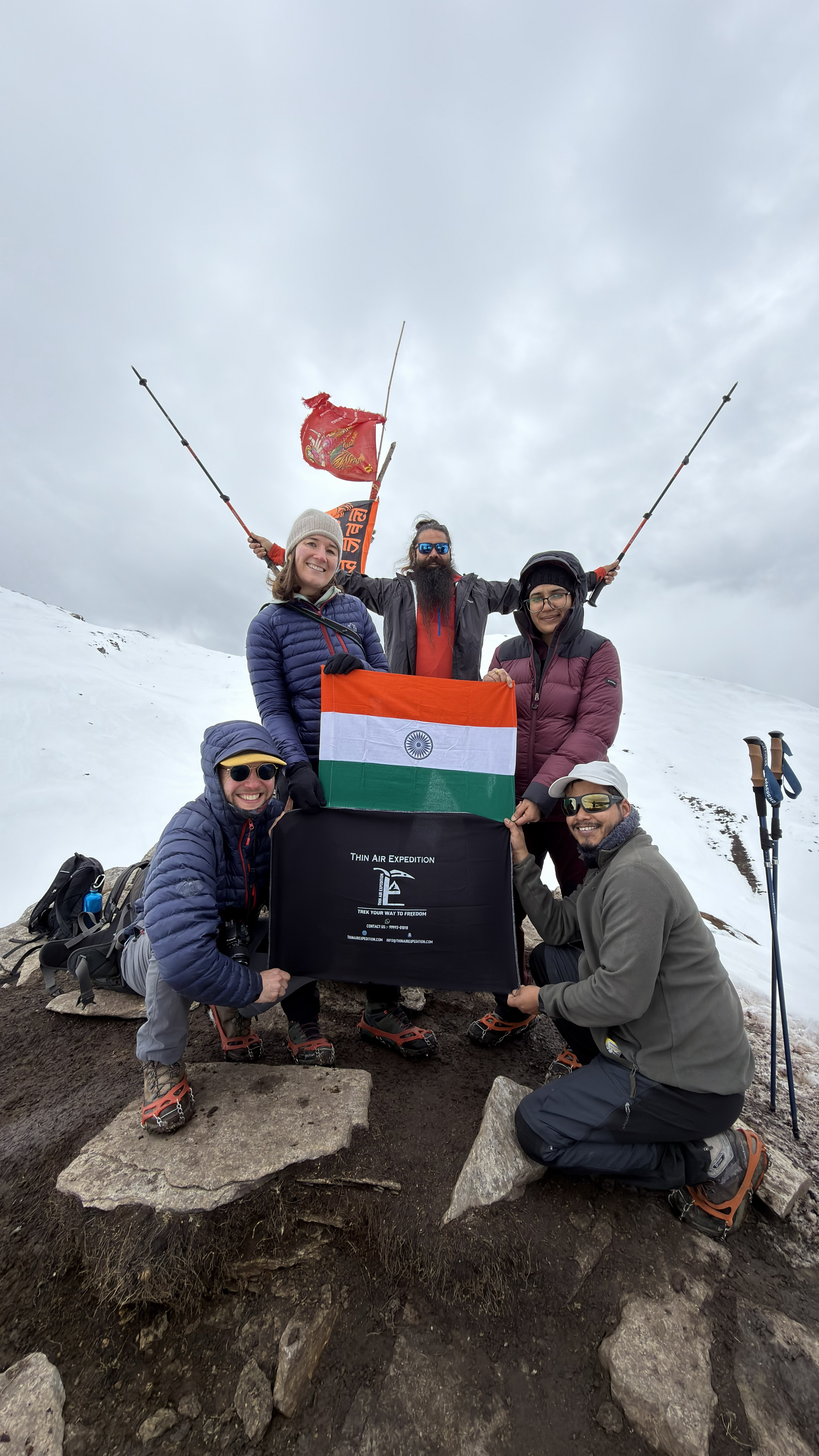
Or the instant when the summit finally stopped being a distant shape and became the ground beneath your feet.
That is the beauty of a difficult mountain journey.
The photograph captures the summit.
It doesn't capture everything it took to reach it.
---
Pangarchulla vs Kuari Pass
Because Pangarchulla and Kuari Pass share the same broader Himalayan landscape, trekkers often compare the two.
The easiest way to understand the difference is to consider the objective.
Kuari Pass is about crossing a high mountain pass.
Pangarchulla is about climbing towards a summit.
Both offer beautiful Himalayan landscapes, but the experience is different.
If you want a scenic high-altitude journey where the trail itself is the primary attraction, Kuari Pass is an excellent option.
If you want to push yourself towards a Himalayan summit and experience a more demanding final ascent, Pangarchulla becomes the more natural choice.
It is not about which trek is better.
It is about which mountain experience you are ready for.
---
Why Is Pangarchulla Still Underrated?
Perhaps because it sits in an unusual category.
It isn't an easy beginner trek.
It isn't a technical expedition requiring the kind of preparation associated with major mountaineering objectives.
It occupies the middle ground.
And that middle ground is precisely what makes it valuable.
For a trekker who has outgrown easy summit walks but isn't ready to move directly into a major technical peak, Pangarchulla Peak can provide an important stepping stone.
It teaches you that a summit isn't only about reaching a particular elevation.
It is about preparation, judgement, endurance and knowing when to push—and when not to.
That lesson is much bigger than Pangarchulla itself.
---
Why You Should Trust Thin Air Expedition for Your Pangarchulla Trek
At Thin Air Expedition, we believe that choosing a trekking company is not simply about comparing prices or looking at photographs.
When you are going above 15,000 feet, the people leading you matter.
The itinerary matters.
The equipment matters.
The decisions made on the mountain matter.
And honesty matters most of all.
We don't want to sell Pangarchulla as an easy adventure. It isn't.
We want trekkers to know what they are signing up for, prepare properly and arrive with realistic expectations.
Our approach is centred around responsible Himalayan trekking, experienced leadership and respect for changing mountain conditions.
Because there may be days when the correct decision is to continue.
There may be days when the correct decision is to wait.
And there may even be days when the correct decision is to turn around.
A trekking company earns your trust not when everything goes according to plan, but when conditions change and the team still puts safety before the summit.
That is the kind of relationship we want with every trekker who travels with us.
Pangarchulla is not simply a peak to tick off your list.
It is a mountain that asks you to prepare, slow down, listen and climb with intention.
And perhaps that is why, despite everything Uttarakhand has to offer, Pangarchulla continues to feel like a discovery.
Thin Air Expedition — Trek Your Way To Freedom.