yunam peak expedition 6111 meters 2026
yunam peak expedition 6111 meters 2026
03
Feb

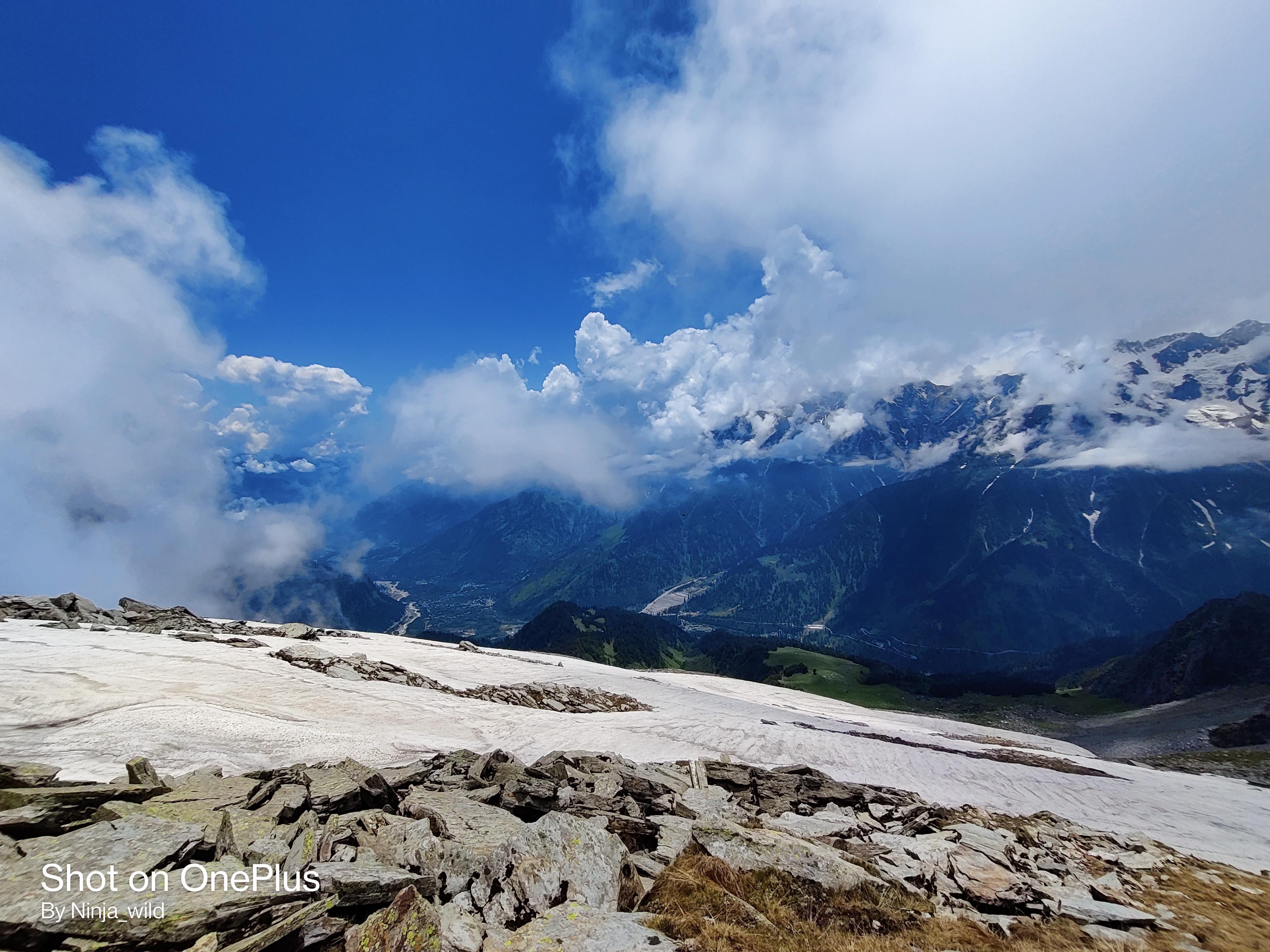
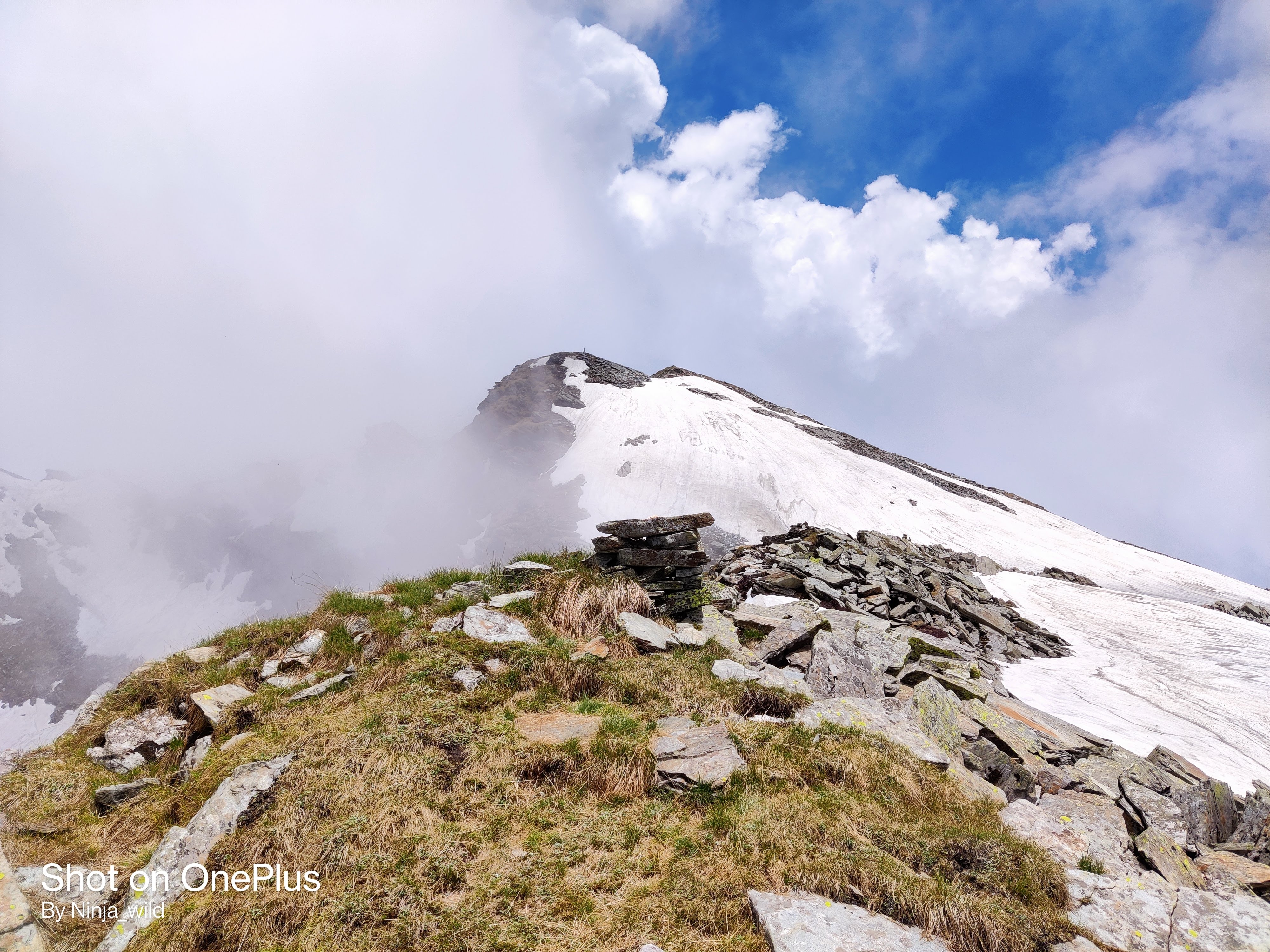
Nestled in the Lahaul region of Himachal Pradesh, Yunam Peak stands as one of the most accessible high-altitude climbing expeditions in the Indian Himalayas. At 6,111 meters (20,049 feet), this magnificent peak offers adventure enthusiasts an excellent introduction to technical mountaineering while rewarding them with breathtaking views of the Himalayan ranges.
Yunam Peak has gained popularity among mountaineers for several compelling reasons. It serves as an ideal training ground for those aspiring to climb higher peaks like Mt. Everest or other 8,000-meter giants. The mountain offers a perfect balance of challenge and accessibility, making it suitable for both intermediate climbers and beginners with good physical fitness.
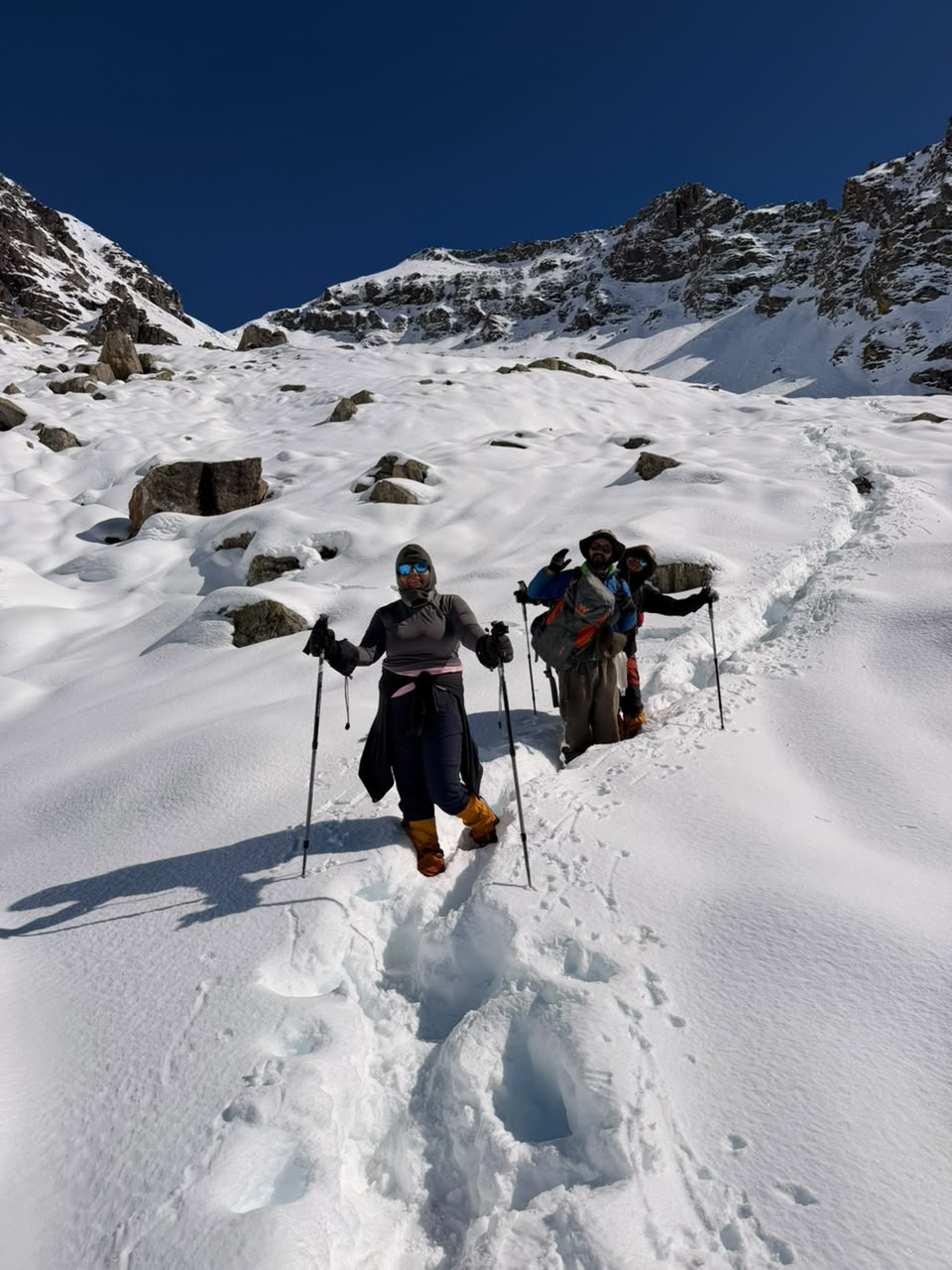
The expedition provides genuine high-altitude mountaineering experience, including glacier travel, crevasse navigation, and the use of technical equipment like crampons, ice axes, and ropes. Despite these challenges, the climb doesn’t require extreme technical expertise, making it an achievable goal with proper preparation and guidance.
The climbing season for Yunam Peak typically runs from May to October, with two distinct windows offering different experiences:
Summer Season (June to September): This period offers relatively stable weather conditions with clearer skies. The snow conditions are generally favorable, and temperatures, while still cold, are more manageable. However, monsoon weather patterns can occasionally affect the region.
Post-Monsoon (September to October): Many experienced climbers prefer this period for its crystal-clear visibility and stable weather. The crisp mountain air provides spectacular views, though temperatures drop significantly, especially at higher camps.
A typical Yunam Peak expedition spans 10-14 days, carefully designed for proper acclimatization and summit success.
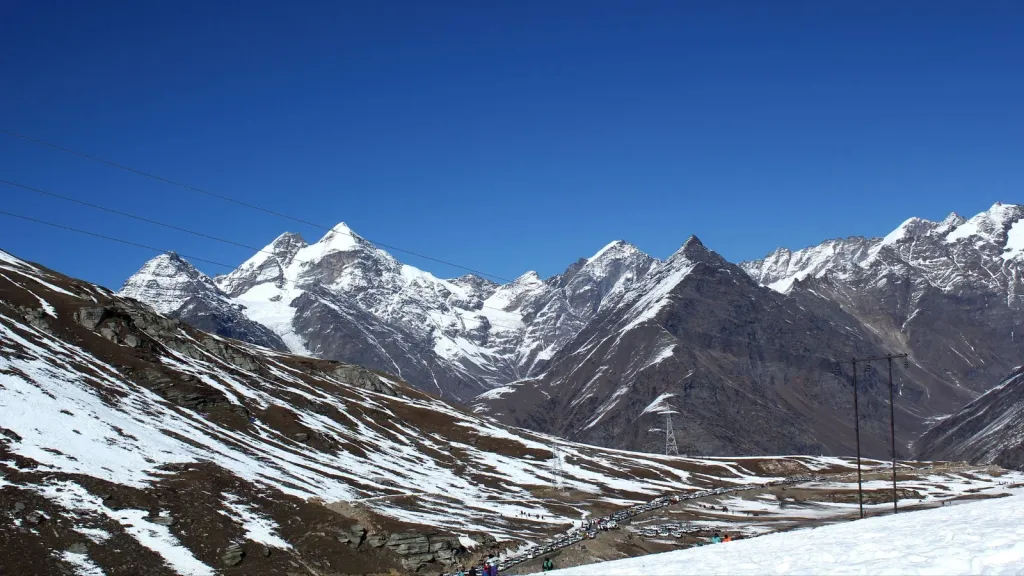
The journey begins in Manali, the gateway to the Lahaul valley. After meeting your expedition team and equipment check, you’ll drive through the spectacular Rohtang Pass (or Atal Tunnel) to reach the base camp area near Baralacha La. This drive itself is an adventure, offering stunning views of mountain landscapes.
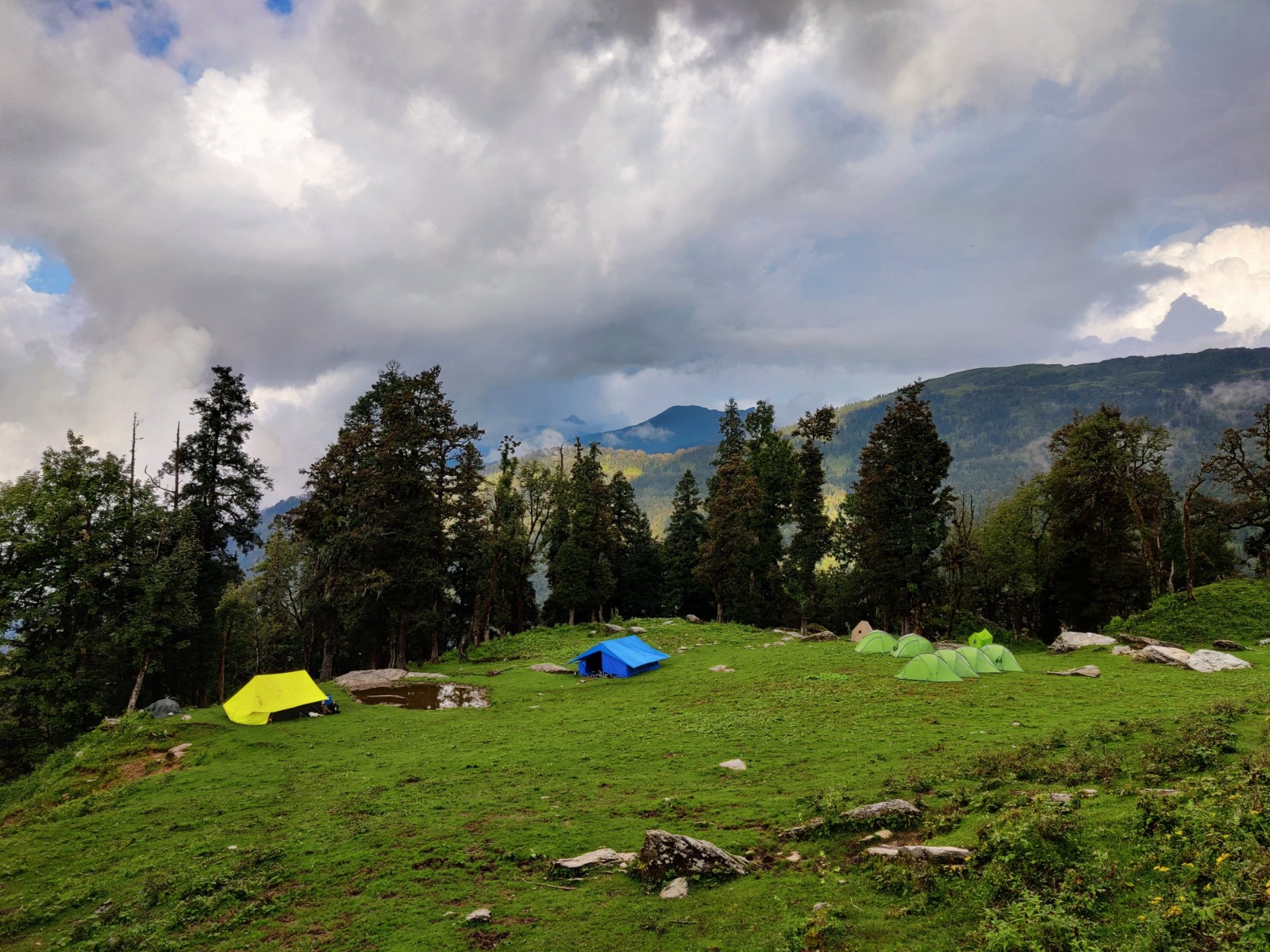
Setting up at the base camp around 4,800 meters, these days are crucial for acclimatization. You’ll engage in load ferrying, practice rope techniques, and take acclimatization walks to higher altitudes. This is when your body begins adapting to the thin air, and instructors conduct training sessions on using mountaineering equipment.
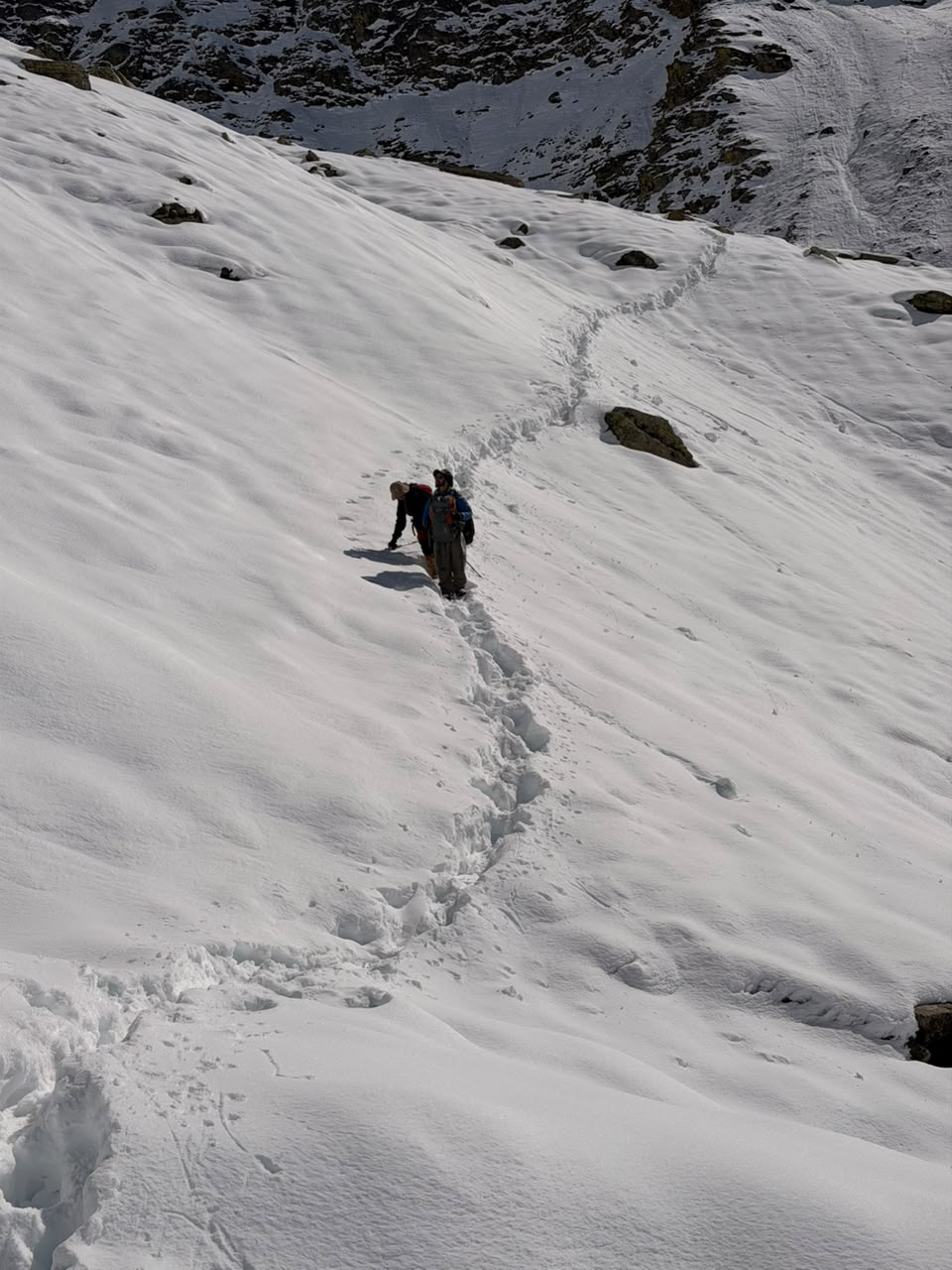
Moving higher to establish the advanced base camp, typically around 5,400 meters, you’ll experience more challenging terrain. These days involve glacier walking and navigating crevassed sections. Evening briefings prepare climbers mentally and technically for the summit push.
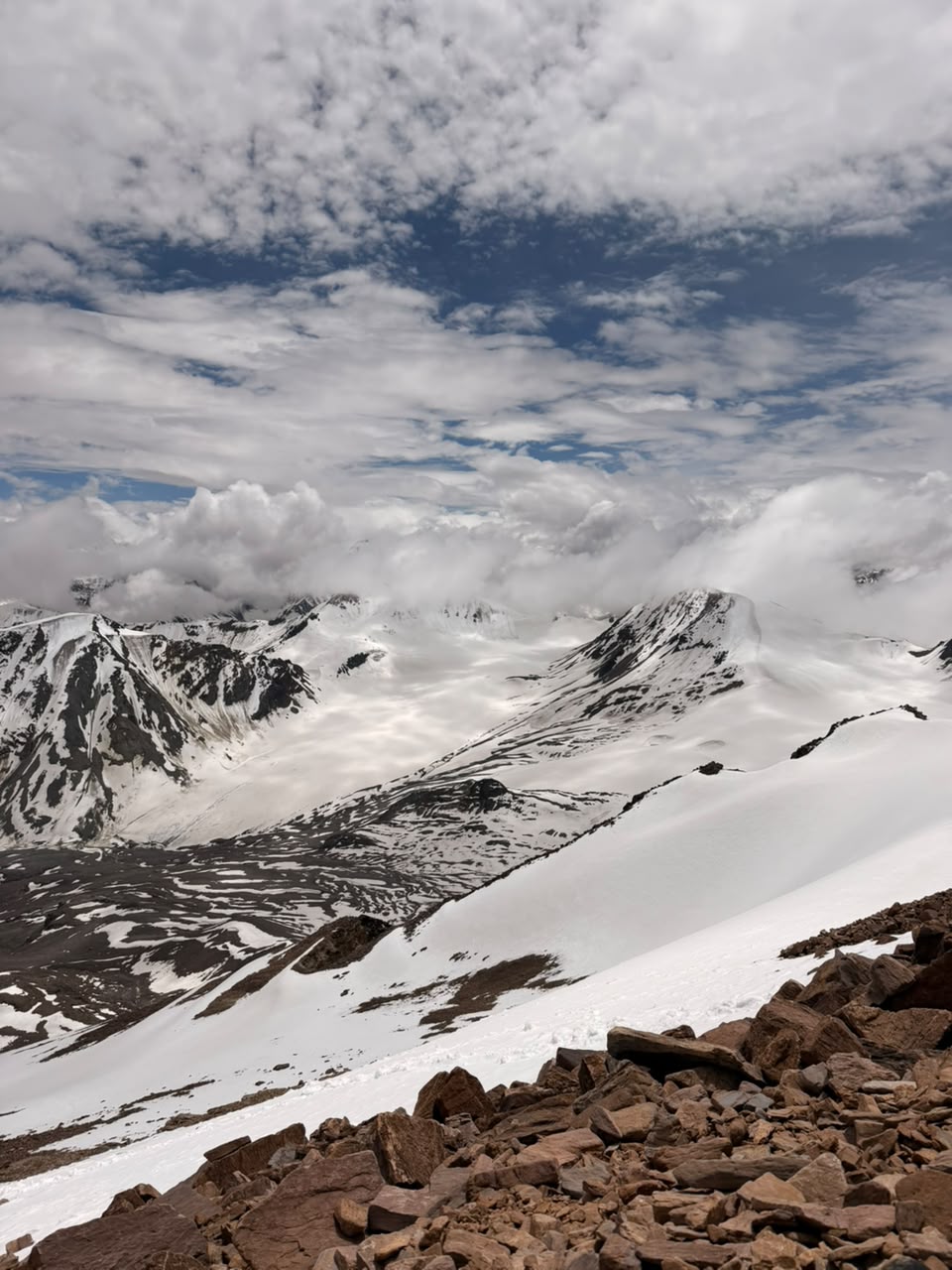
Summit day usually begins around midnight or early morning. The climb involves steep snow slopes and requires sustained effort at extreme altitude. Reaching the summit as the sun rises over the Himalayan peaks is an unforgettable experience. The 360-degree views include numerous peaks of the Lahaul-Spiti region and beyond.
After spending time at the summit, the team descends back to base camp, which can be equally challenging due to fatigue and changing snow conditions.
The final days involve dismantling camps, descending to the road head, and returning to Manali. Reserve days are built into the itinerary to account for weather delays or acclimatization needs.
Preparing for Yunam Peak requires serious commitment to physical training. Ideal preparation includes:
While not extremely technical, climbers should be familiar with:
Most expedition organizers provide pre-climb training sessions, but prior trekking or climbing experience significantly increases summit success rates.
Personal climbing gear includes specialized high-altitude equipment. Essential items are:
Clothing: Down jacket, insulated pants, multiple thermal layers, waterproof shell jacket and pants, warm gloves (multiple pairs), balaclava, and glacier goggles.
Technical Equipment: Crampon-compatible mountaineering boots, personal harness, climbing helmet, headlamp with extra batteries, trekking poles, and sleeping bag rated for -20°C.
Accessories: High-altitude sunscreen, lip balm, water bottles or hydration system, personal first aid kit, and high-energy snacks.
Most expedition companies provide group equipment like tents, ropes, cooking gear, and safety equipment, but always confirm the gear list with your organizer.
High-altitude mountaineering comes with inherent risks that every climber must understand and respect.
Acute Mountain Sickness (AMS) is the primary concern. Symptoms include headaches, nausea, dizziness, and fatigue. Proper acclimatization, hydration, and recognizing warning signs are crucial. More severe conditions like HACE (High Altitude Cerebral Edema) or HAPE (High Altitude Pulmonary Edema) are rare but potentially life-threatening.
Mountain weather can change rapidly. Whiteouts, high winds, and extreme cold can force expeditions to abandon summit attempts. Flexibility and safety-first decision-making are paramount.
The combination of extreme altitude, cold temperatures, and physical exertion tests even fit climbers. Mental resilience is as important as physical preparation.
Yunam Peak expeditions typically cost between ₹40,000 to ₹80,000 ($500-$1,000), varying based on group size, services included, and expedition organizer. This usually covers permits, guide services, base camp facilities, group equipment, and meals during the climb. Personal equipment, travel to Manali, insurance, and porter services for personal bags are often additional expenses.
The pristine Himalayan environment requires our protection. Follow Leave No Trace principles, carry back all waste, minimize your environmental footprint, and respect local communities and their customs. The mountains have given us much; it’s our responsibility to preserve them for future generations.
Yunam Peak offers an extraordinary adventure that tests your limits while rewarding you with experiences that last a lifetime. The journey from Manali’s bustling streets to standing atop a 6,000-meter Himalayan peak is transformative. It teaches patience, resilience, teamwork, and respect for nature’s power.
Whether you’re using this expedition as a stepping stone to higher peaks or as a standalone adventure, proper preparation, the right mindset, and experienced guidance make all the difference. The mountains will always be there, waiting for those bold enough to answer their call.
Are you ready to write your own Himalayan story on the slopes of Yunam Peak?