6000 Meter Peaks in India
6000 Meter Peaks in India
27
Jun

6000 Meter Peaks in India: Everything You Need to Know Before Your First Himalayan Expedition
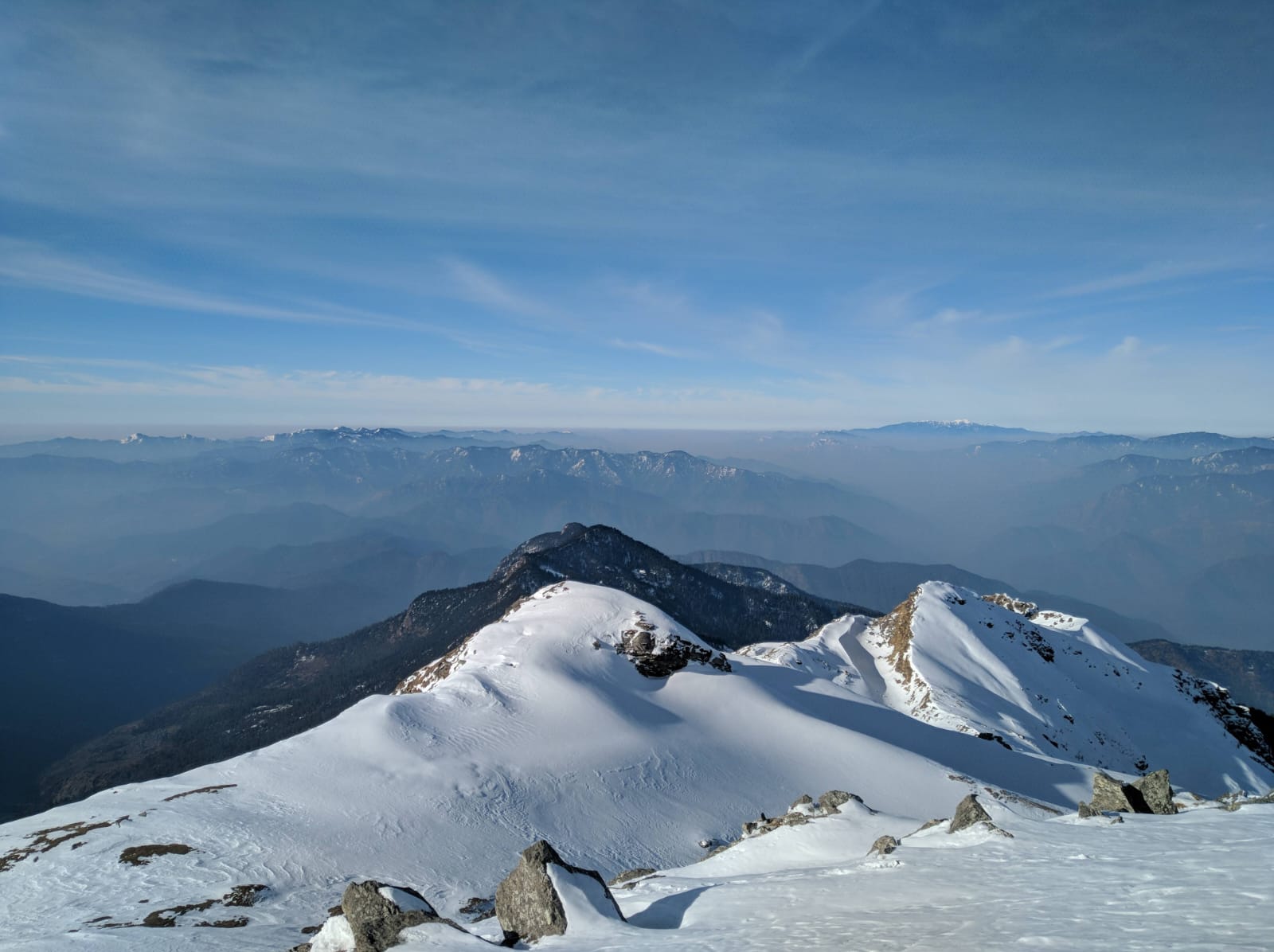
Climbing a 6000 meter peak in India is more than just reaching a summit—it's stepping into the world of high-altitude mountaineering. While trekking takes you through beautiful Himalayan landscapes, a peak expedition challenges your endurance, mental strength, and ability to adapt to thin air.
India is home to hundreds of magnificent Himalayan peaks, but only a handful are suitable for climbers looking to begin their mountaineering journey. Among them, **Friendship Peak (5,289 m), Yunam Peak (6,111 m), and Black Peak (6,387 m)** are some of the most sought-after expeditions. Each offers a unique experience, from beginner-friendly snow climbs to technically demanding alpine ascents.
Whether you're an experienced trekker planning your first summit or an aspiring mountaineer preparing for bigger Himalayan expeditions, this guide covers everything you need to know.
What is a 6000 Meter Peak Expedition?
Unlike trekking, a peak expedition involves climbing to a mountain summit, often crossing glaciers, steep snow slopes, rocky ridges, and high-altitude camps. At elevations above 5,500 meters, oxygen levels drop significantly, making every step physically demanding.
Most Himalayan expeditions require proper acclimatization, specialized equipment, trained guides, and careful planning. Success isn't measured only by reaching the summit but by returning safely.
India offers some of the world's best introductory mountaineering peaks.
Key Highlights
· Excellent training ground before attempting 7000m or 8000m expeditions
· Affordable compared to Nepal and many international climbs
· Diverse Himalayan landscapes across Himachal Pradesh and Uttarakhand
· Experienced expedition leaders and certified mountaineering guides
· Well-established trekking and climbing infrastructure
· Opportunities to learn glacier travel and high-altitude camping
|
Peak |
Height |
Difficulty |
Best Months |
Suitable For |
|
Friendship Peak |
5,289 m |
Moderate |
May–June & Sept–Oct |
First-time climbers |
|
Yunam Peak |
6,111 m |
Moderate to Challenging |
July–September |
High-altitude experience |
|
Black Peak |
6,387 m |
Challenging |
May–June & Sept–Oct |
Experienced mountaineers |
Although Friendship Peak is slightly below 6,000 meters, it remains one of India's best introductory expedition peaks because it teaches essential mountaineering skills in a relatively controlled environment.
Located in the Pir Panjal Range of Himachal Pradesh, Friendship Peak is often considered the perfect bridge between trekking and mountaineering.
· Ideal for first-time climbers
· Beautiful glacier terrain
· Snow climbing experience
· Rope-assisted summit section
· Stunning views of Hanuman Tibba, Deo Tibba, and surrounding Himalayan ranges
Most expeditions begin from Solang Valley near Manali and include several acclimatization camps before the summit push.
Moderate: While technical climbing is minimal, climbers must be comfortable walking on snow, carrying backpacks, and spending multiple days at high altitude.
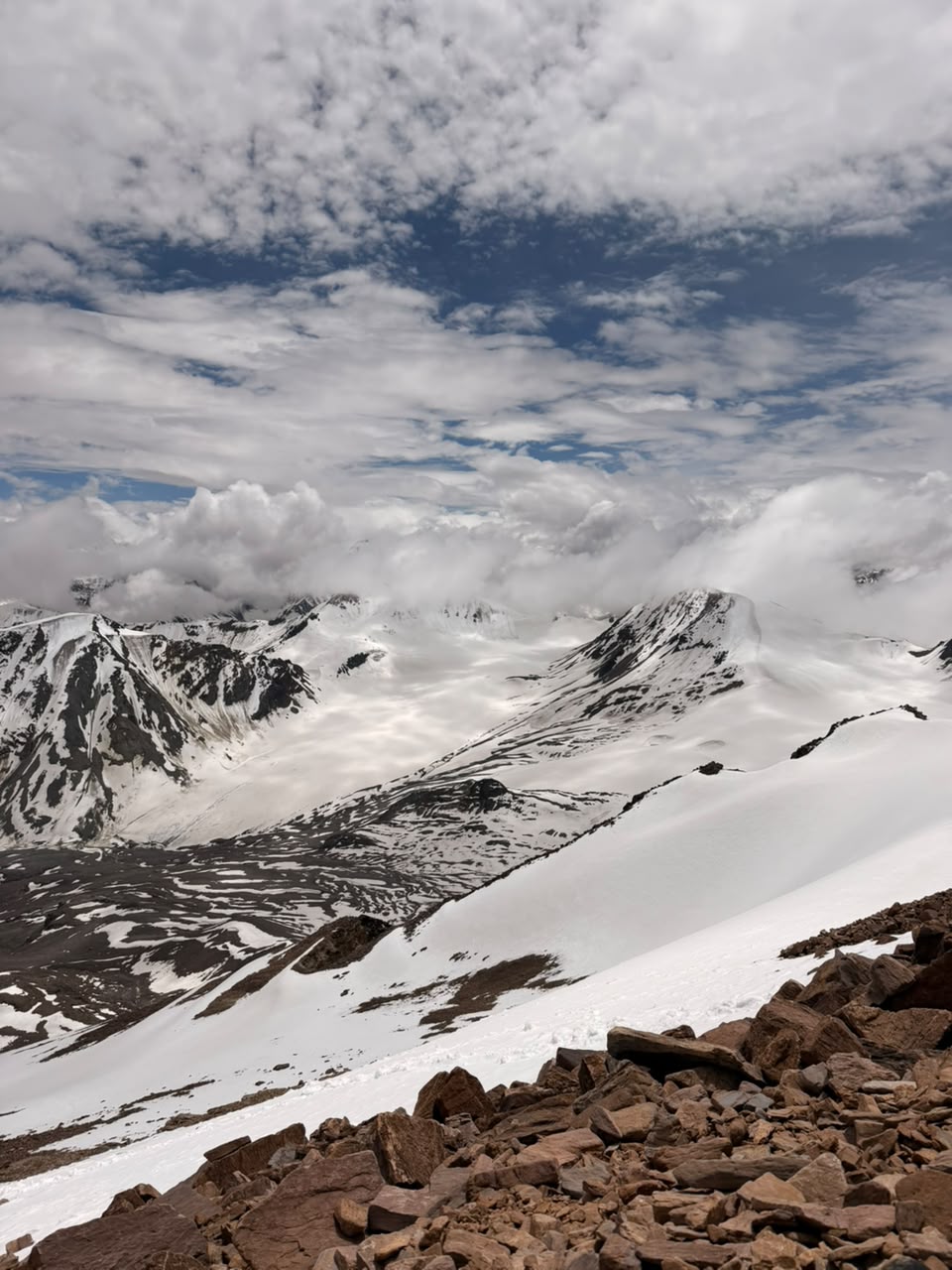
Standing at 6,111 meters, Yunam Peak in the Lahaul region is one of India's most popular non-technical 6000-meter summits.
Unlike glacier-heavy expeditions, Yunam Peak generally involves long, steep ascents over scree, loose rocks, and snow depending on seasonal conditions.
· Cross the famous Baralacha La
· Incredible views of the Zanskar and Ladakh ranges
· Less technical than many Himalayan peaks
· Excellent choice for climbers preparing for higher expeditions
Despite being considered a beginner-friendly expedition, Yunam Peak's altitude should never be underestimated. Oxygen levels at the summit are nearly half those at sea level, making acclimatization essential.
Also known as Kala Nag due to its resemblance to a black cobra's hood, Black Peak is the highest mountain in the Bandarpunch range of Uttarakhand.
At 6,387 meters, it is significantly more demanding than Friendship Peak or Yunam Peak.
Choosing the right Himalayan expedition depends on your previous trekking experience, fitness level, confidence at high altitude, and long-term mountaineering goals. While all three peaks offer an unforgettable experience, each presents a different level of challenge and is suited to climbers at different stages of their journey. Rather than selecting the highest summit, it's always better to choose a peak that matches your current abilities and allows you to build your skills progressively.
If you're attempting your first Himalayan expedition, Friendship Peak is one of the best starting points. Although it stands at 5,289 meters, it introduces climbers to the fundamentals of mountaineering, including walking on snow, using basic climbing equipment, glacier travel, and rope-assisted sections. It serves as an ideal transition from high-altitude trekking to expedition-style climbing and helps you gain confidence in alpine environments without being overwhelmingly technical.
For trekkers who have already completed challenging Himalayan treks such as Kedarkantha trek, Hampta Pass trek, Pin Bhaba Pass trek, Rupin Pass trek, Kashmir Great Lakes trek, or other treks above 4,000 meters, Yunam Peak (6,111 m) is an excellent next step. While it is generally considered a non-technical peak, its real challenge lies in the altitude. Crossing the 6,000-meter mark requires greater endurance, proper acclimatization, and mental resilience, making Yunam Peak a perfect choice for climbers preparing for even higher Himalayan expeditions in the future.
If you already have prior mountaineering experience and are looking for a more demanding alpine challenge, Black Peak (Kala Nag) at 6,387 meters is a rewarding objective. The expedition involves glacier crossings, crevasse zones, steep snow slopes, fixed rope sections, and a longer summit push, demanding not only excellent physical fitness but also sound technical climbing skills and decision-making in a high-altitude environment. Successfully summiting Black Peak is a significant milestone for any mountaineer and serves as strong preparation for more advanced expeditions in the Indian Himalayas and beyond.
Ultimately, there is no single "best" peak—only the one that best matches your experience and aspirations. Progressing gradually through increasingly challenging expeditions not only improves your chances of reaching the summit but also makes you a safer and more confident mountaineer. Remember, the Himalayas reward patience, preparation, and respect far more than speed or ambition.
Climbing a designated Himalayan peak in India involves more than physical preparation—it also requires obtaining the necessary permissions from the Indian Mountaineering Foundation (IMF) and, in many cases, the relevant state forest departments and local authorities. The IMF is the governing body responsible for regulating mountaineering expeditions in India, ensuring climber safety, environmental conservation, and compliance with expedition guidelines. While most professional expedition operators handle the entire permit process on behalf of participants, understanding how the system works can help you prepare for your climb with confidence.
The expedition process generally begins with registering the climbing team and applying for permission to attempt a specific peak. Depending on the mountain and its location, additional approvals may be required from forest departments, wildlife authorities, or local administrations. Organizers are also responsible for submitting team documentation, following environmental regulations, planning emergency response procedures, and adhering to waste management protocols to minimize the impact on the fragile Himalayan ecosystem. Foreign nationals may need to provide additional documents, such as passport details and visa information, and certain regions may have further security or restricted-area requirements.
The Indian Mountaineering Foundation also levies expedition fees, which vary depending on factors such as the chosen peak, team size, nationality of the climbers (Indian or foreign), environmental deposits, and other administrative or logistical charges. Since these fees are revised periodically, the total expedition cost may change from season to season. Reputed operators keep track of the latest IMF guidelines and include the applicable permit-related expenses in their expedition planning. Before confirming your booking, it is always advisable to verify what permits and fees are included in your package to ensure complete transparency and avoid unexpected costs later.
When it comes to climbing a 6000 meter peak in India, your fitness level matters far more than your age. Successful summit attempts are rarely determined by youth or natural athletic ability; instead, they are the result of consistent preparation, endurance, and mental resilience. A well-conditioned climber not only has a better chance of reaching the summit but also recovers faster, adapts more effectively to high altitude, and significantly reduces the risk of injuries and exhaustion during the expedition.
Preparing for a high-altitude expedition requires a balanced training routine that focuses on cardiovascular endurance, muscular strength, and stamina. As a general benchmark, you should be able to comfortably run 5–10 kilometres without excessive fatigue, climb 20–30 floors of stairs at a steady pace, and hike with a 12–15 kg backpack over uneven terrain. Strength training is equally important, with exercises such as squats, lunges, step-ups, planks, and core workouts helping to build the leg and back strength needed for long summit days while carrying a loaded backpack.
Ideally, climbers should begin training 10 to 12 weeks before their expedition. A combination of running, stair climbing, cycling, strength training, flexibility exercises, and weekend hikes gradually prepares the body for the physical demands of the Himalayas. Equally important is developing mental endurance, as summit days often begin before midnight and require hours of continuous effort in freezing temperatures and thin air. Remember, the goal is not to climb the fastest but to climb steadily, conserve energy, and maintain a pace that your body can sustain throughout the expedition.
One of the biggest misconceptions about high-altitude climbing is that physical fitness alone determines whether you'll reach the summit. While endurance and strength are essential, acclimatization is equally important. As you gain altitude, the amount of oxygen available in the air decreases significantly, making it harder for your body to function efficiently. Acclimatization is the natural process through which your body adapts to these lower oxygen levels, and rushing this process can increase the risk of serious altitude-related illnesses.
Even experienced trekkers and athletes are not immune to altitude sickness. The most common condition is Acute Mountain Sickness (AMS), which may begin with symptoms such as headaches, nausea, fatigue, dizziness, loss of appetite, or disturbed sleep. If ignored, AMS can progress into more severe and potentially life-threatening conditions like High Altitude Pulmonary Edema (HAPE), where fluid accumulates in the lungs, or High Altitude Cerebral Edema (HACE), where swelling occurs in the brain. Both conditions require immediate medical attention and rapid descent.
The best way to minimize these risks is by following a well-planned acclimatization schedule. During professionally organized expeditions, additional acclimatization days are built into the itinerary to allow your body to adapt gradually before attempting the summit. Staying well hydrated, eating carbohydrate-rich meals, avoiding alcohol and smoking, getting adequate rest, and maintaining a slow, steady climbing pace all contribute to better acclimatization. Most importantly, never ignore warning signs such as persistent headaches, nausea, dizziness, unusual breathlessness, or confusion. Inform your expedition leader immediately if symptoms worsen, as timely decisions can prevent minor discomfort from developing into a serious medical emergency. In high-altitude mountaineering, patience and listening to your body are often more valuable than speed.
Remember: The mountain will always be there. Your health comes first.
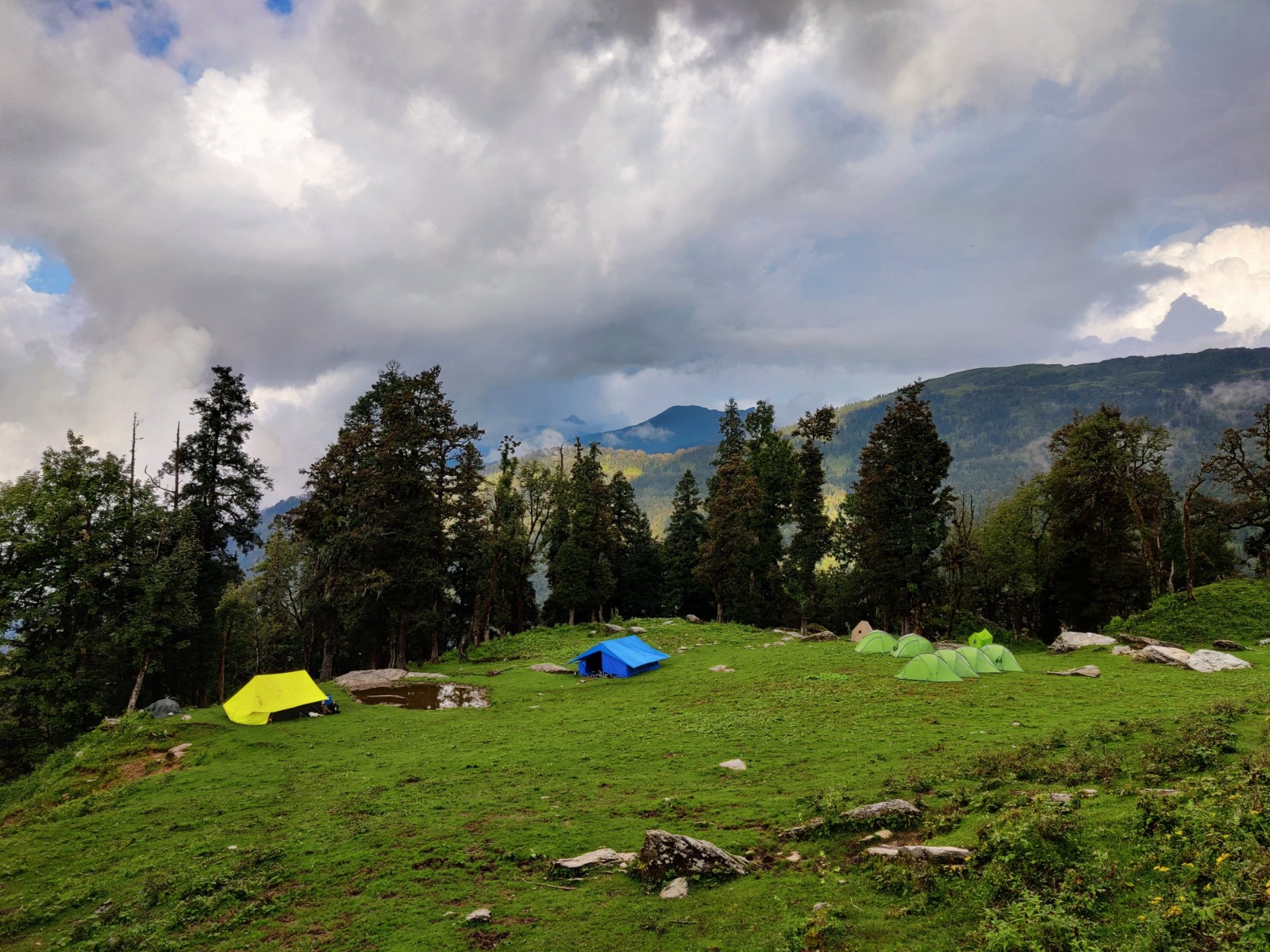
Packing for a 6000 meter peak expedition is very different from preparing for a regular Himalayan trek. At high altitudes, weather conditions can change rapidly, with temperatures dropping well below freezing, strong winds becoming common, and snowfall occurring even during the climbing season. Carrying the right equipment not only makes your journey more comfortable but also plays a vital role in your safety and summit success.
Your clothing should follow the layering principle, allowing you to adjust according to changing weather conditions. A moisture-wicking base layer keeps sweat away from the body, while a fleece jacket and insulated down jacket provide warmth. A waterproof and windproof outer shell protects you from snow, rain, and cold winds. High-quality trekking boots with good ankle support, thermal socks, insulated gloves, a warm cap, neck gaiter, UV-protected sunglasses, and a reliable headlamp are equally essential for high-altitude conditions.
In addition to clothing, every climber should carry a sturdy backpack, trekking poles, reusable water bottles or hydration bladder, personal medications, sunscreen (SPF 50+), lip balm, energy snacks, and basic toiletries. Depending on the expedition, technical climbing equipment such as crampons, an ice axe, a climbing harness, helmet, and carabiners may also be required. These technical items are generally provided or arranged by the expedition operator.
To make your preparation hassle-free, ThinAirExpedition shares a comprehensive gear checklist with every participant well before the expedition begins. This detailed packing guide helps climbers understand exactly what to carry, what can be rented instead of purchased, and how to pack efficiently without adding unnecessary weight. Proper planning before leaving home not only saves time and money but also allows you to focus on the adventure ahead with confidence.
Most technical equipment can be rented through reputable expedition operators.
Many expeditions end before the summit—not because the mountain is impossible, but because of avoidable mistakes.
The most common reasons include:
· Poor physical preparation
· Inadequate acclimatization
· Dehydration
· Rushing the ascent
· Ignoring guide instructions
· Lack of mental resilience
· Unpredictable weather
Turning back is not failure—it is good mountaineering judgment.
· Break in your boots before the expedition.
· Practice hiking with a loaded backpack.
· Carry spare sunglasses in case one pair breaks.
· Keep batteries inside your jacket to prevent them from draining in the cold.
· Eat regularly, even when you don't feel hungry.
· Learn to walk slowly—steady pacing conserves energy at altitude.
· Label all your gear to avoid confusion at camps.
· Never compare your pace with others; climb according to your body's response.
Yes. It is one of India's best introductory mountaineering expeditions with proper guidance and training.
Generally, no. It is considered a non-technical peak, though snow conditions can increase difficulty.
No. Previous high-altitude experience and basic mountaineering skills are strongly recommended.
Most expeditions last between 8 and 12 days, depending on the peak and acclimatization schedule.
Yes. Most professional expedition operators provide rental equipment or include it in expedition packages.
The ideal climbing seasons are May to June and September to October for most Himalayan peaks. Yunam Peak is also commonly climbed during July to September due to regional weather patterns.
Yes. Completing multiple treks above 4,000 meters before attempting a peak expedition is highly recommended.
Climbing a Himalayan summit is a journey of preparation, patience, and perseverance. Whether you choose Friendship Peak, Yunam Peak, or Black Peak, each expedition offers a unique opportunity to experience the grandeur of the Indian Himalayas while developing the skills needed for future mountaineering challenges.
Success in the mountains isn't defined solely by standing on the summit. It lies in respecting nature, climbing responsibly, making sound decisions, and returning home safely with unforgettable memories.
If you're planning your next Himalayan adventure, choose an experienced expedition organizer, prepare diligently, and embrace the journey—because every step toward a summit begins long before you reach the mountain.
A successful Himalayan expedition isn't determined solely by reaching the summit—it's defined by careful planning, professional guidance, safety, and the overall experience throughout the journey. Whether you're attempting Friendship Peak, Yunam Peak, or Black Peak, choosing the right expedition partner can make all the difference. At ThinAirExpedition, we believe that every climber deserves a well-organized, safe, and memorable adventure, regardless of whether it's their first peak or their tenth.
Our expeditions are designed with a strong emphasis on proper acclimatization, safety protocols, and responsible mountaineering. We follow well-planned itineraries that allow participants adequate time to adapt to high altitude, reducing the risks associated with altitude sickness while increasing the chances of a successful summit. Our experienced trek leaders and mountain guides are trained to monitor weather conditions, assess route safety, and support climbers at every stage of the expedition.
Preparation begins long before you arrive in the Himalayas. Every participant receives a comprehensive pre-expedition briefing, along with a detailed gear and packing checklist to help them prepare efficiently. We guide you on what equipment is essential, what can be rented, how to pack your backpack correctly, and how to physically prepare for the expedition. This ensures that even first-time climbers arrive with confidence and without unnecessary stress.
We also believe that great expeditions are built on transparency. From explaining the itinerary and permit process to answering questions about fitness, equipment, accommodation, and logistics, our team is available to support you before, during, and after your journey. Our goal is not simply to take you to a summit but to help you become a more knowledgeable and confident mountaineer.
Above all, we are committed to responsible adventure tourism. We encourage environmentally conscious climbing practices, respect for local communities, and adherence to the Leave No Trace principles that help preserve the fragile Himalayan ecosystem for future generations. When you climb with ThinAirExpedition, you're not just joining an expedition—you're becoming part of a community that values safety, learning, teamwork, and a genuine passion for the mountains.
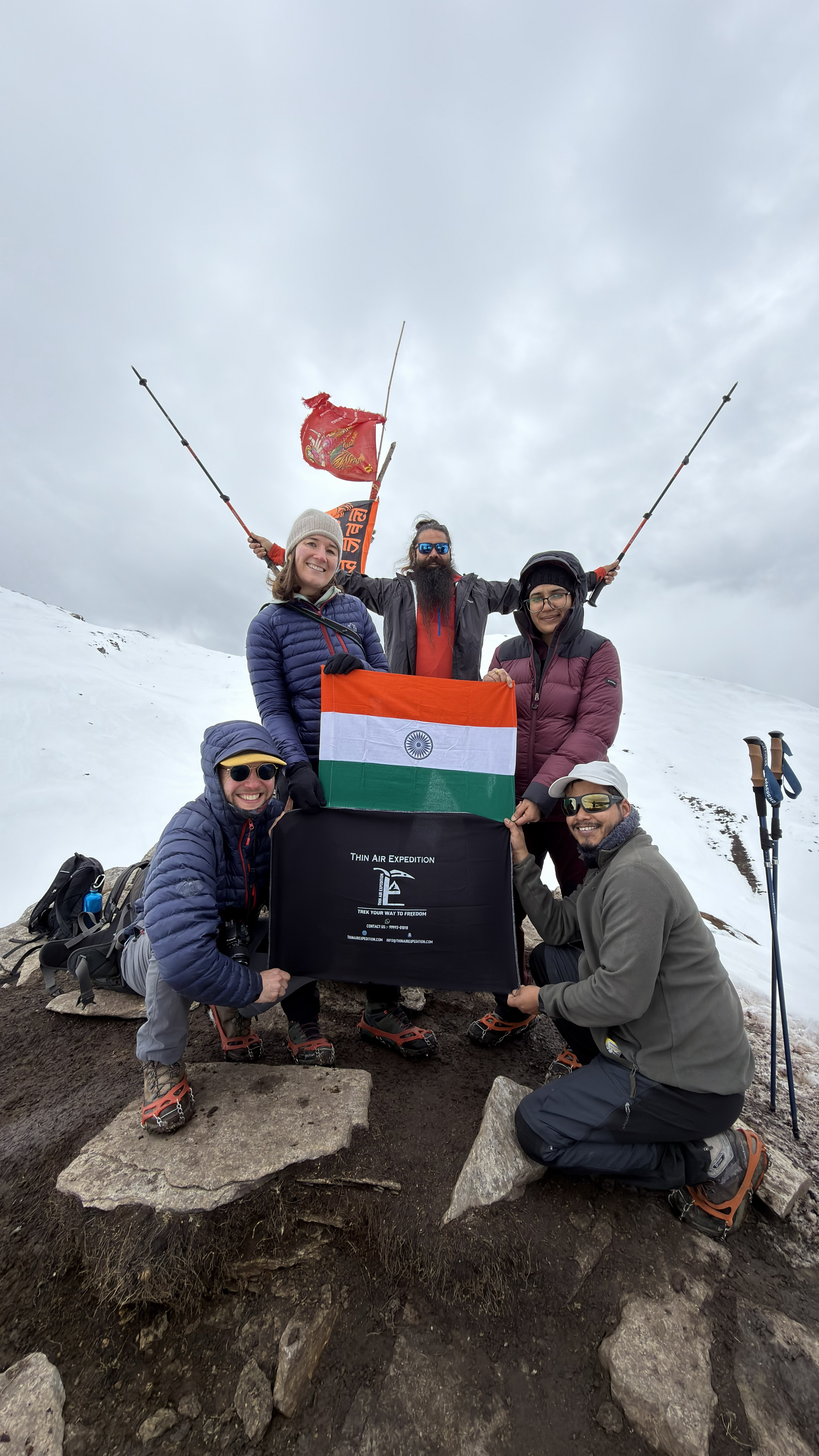
Whether you're taking your first steps into mountaineering on Friendship Peak, aiming to cross the 6,000-meter milestone on Yunam Peak, or preparing to conquer the technical challenge of Black Peak, Thin Air Expedition is dedicated to helping you achieve your goal with professionalism, preparation, and respect for the Himalayas.