6000 Meter Peaks in India and Winter Trekking
6000 Meter Peaks in India and Winter Trekking
26
Sep

India's Himalaya is much more than a collection of scenic trekking trails. From the green valleys of Uttarakhand to the stark high-altitude landscapes of Himachal Pradesh, the Indian Himalaya contains some of the country's most demanding mountaineering objectives, remote glaciers, dramatic ridgelines and snow-covered trekking routes.
Among these, the 6,000-meter peaks in India occupy a special place. At an altitude of more than 6,000 metres, the landscape changes dramatically. Trees disappear, the air becomes thinner, weather can change rapidly, and a mountain journey becomes increasingly dependent on acclimatization, technical ability, route knowledge and careful decision-making.
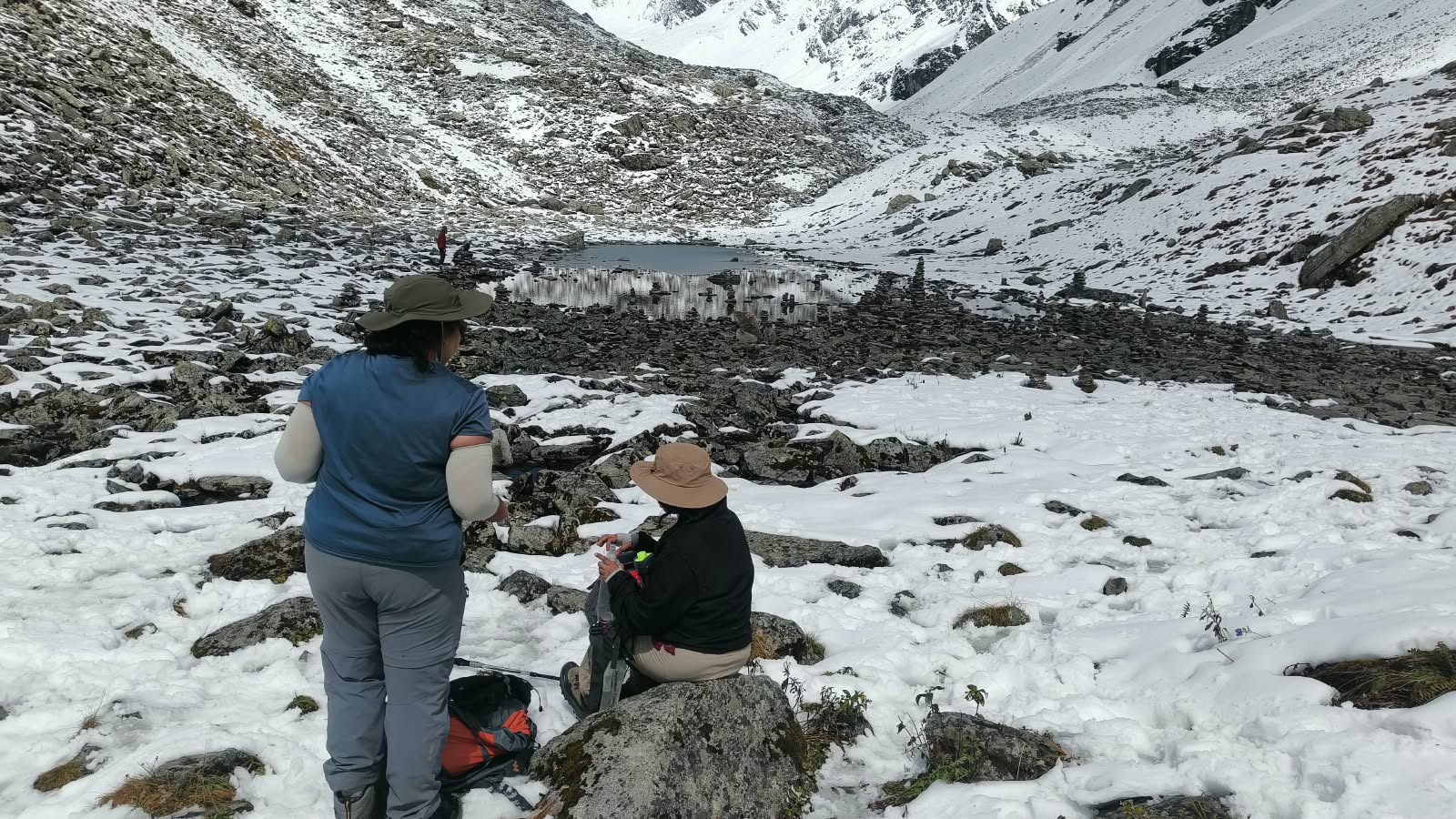
At the same time, winter offers a completely different way to experience the Himalaya. A winter trek in 2026 can take trekkers into snow-covered forests, frozen meadows and quiet mountain valleys without necessarily requiring the technical mountaineering skills needed for a 6,000m summit.
This guide looks at both sides of the Indian Himalayan experience: the world of 6,000-meter peaks in Uttarakhand and Himachal Pradesh, and the more accessible but equally beautiful world of winter trekking in the Himalaya in 2026.
A 6,000-metre mountain is not simply a higher version of an ordinary trek. At this elevation, the human body is exposed to significantly lower atmospheric pressure and reduced oxygen availability. The challenge therefore becomes physiological as well as physical.
A 6,000m expedition usually involves several stages of acclimatization, movement between camps, carrying or managing equipment at high altitude, and dealing with terrain that may include glaciers, snow slopes, rock sections, ice and exposed ridges. Depending on the particular mountain, climbers may also require ropes, crampons, ice axes and other technical equipment.
This is why the term 6,000-meter peak in India covers a wide range of experiences. Some peaks are considered relatively approachable within the world of mountaineering, while others involve serious technical climbing and expedition experience.
The Indian Himalaya has a particularly rich concentration of such mountains. Uttarakhand alone has a large number of peaks above 6,000 metres, including major summits in the Garhwal and Kumaon Himalaya. The Indian Mountaineering Foundation's peak information also records numerous climbing objectives across the region.
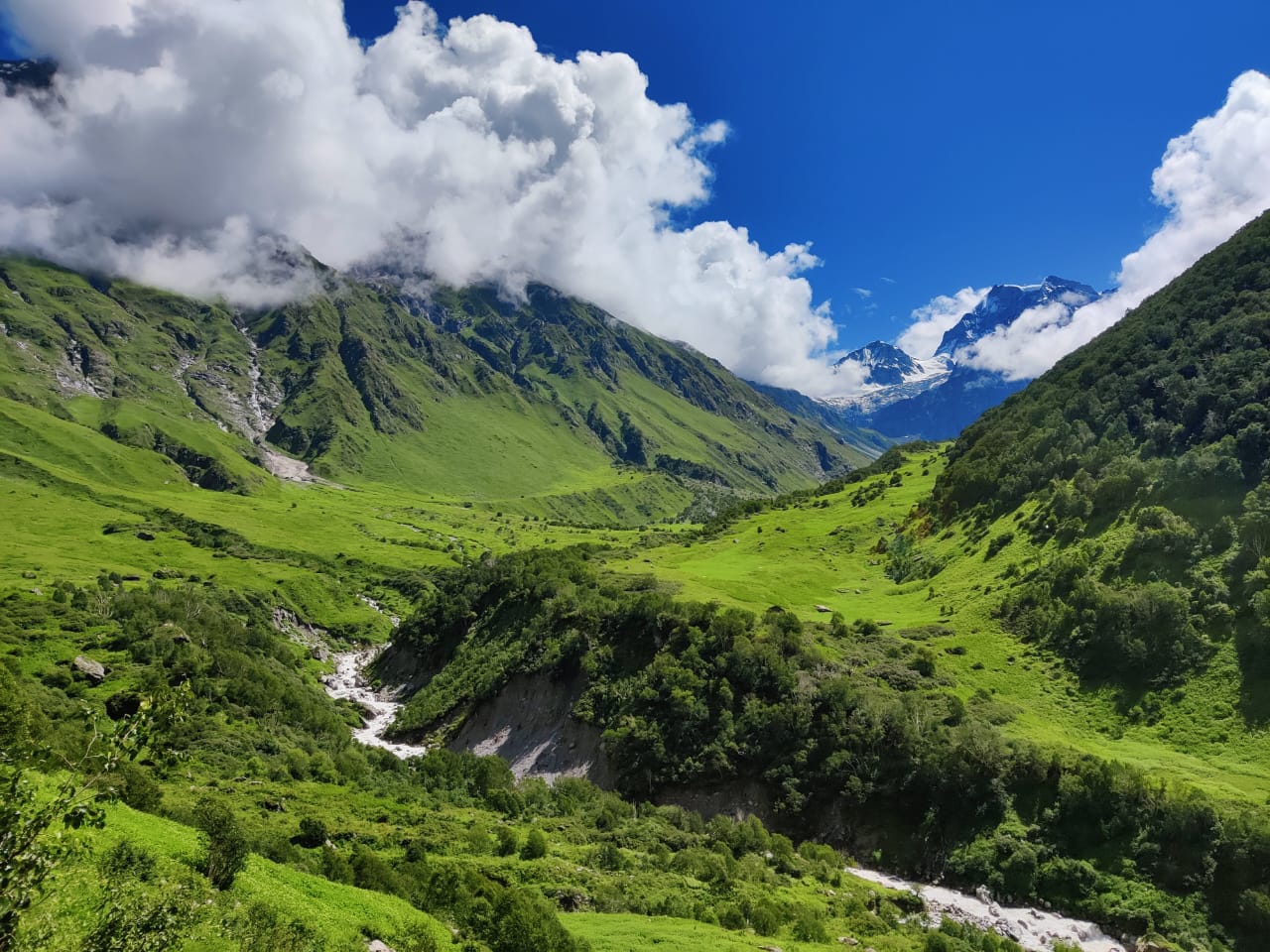
Uttarakhand is one of India's most important Himalayan mountaineering regions. Its Garhwal and Kumaon ranges contain famous mountains as well as lesser-known peaks, many of which rise well above 6,000 metres.
The region includes some of India's most iconic high-altitude mountains. Nanda Devi, Kamet, Abi Gamin, Mana Peak, Mukut Parbat, Hardeol, Chaukhamba and Trishul are among the major high peaks associated with Uttarakhand's Himalayan landscape. Several of these rise considerably above 7,000 metres, placing them in an entirely different category from ordinary trekking peaks.
Below that level, Uttarakhand still has an extensive collection of 6,000m-class mountains. Peaks such as Panwali Dwar, Mrigthuni, Maiktoli, Nanda Kot, Trishul II, Gangotri I, Gangotri II and Gangotri III appear in mountaineering records, demonstrating just how extensive the high-altitude landscape is.
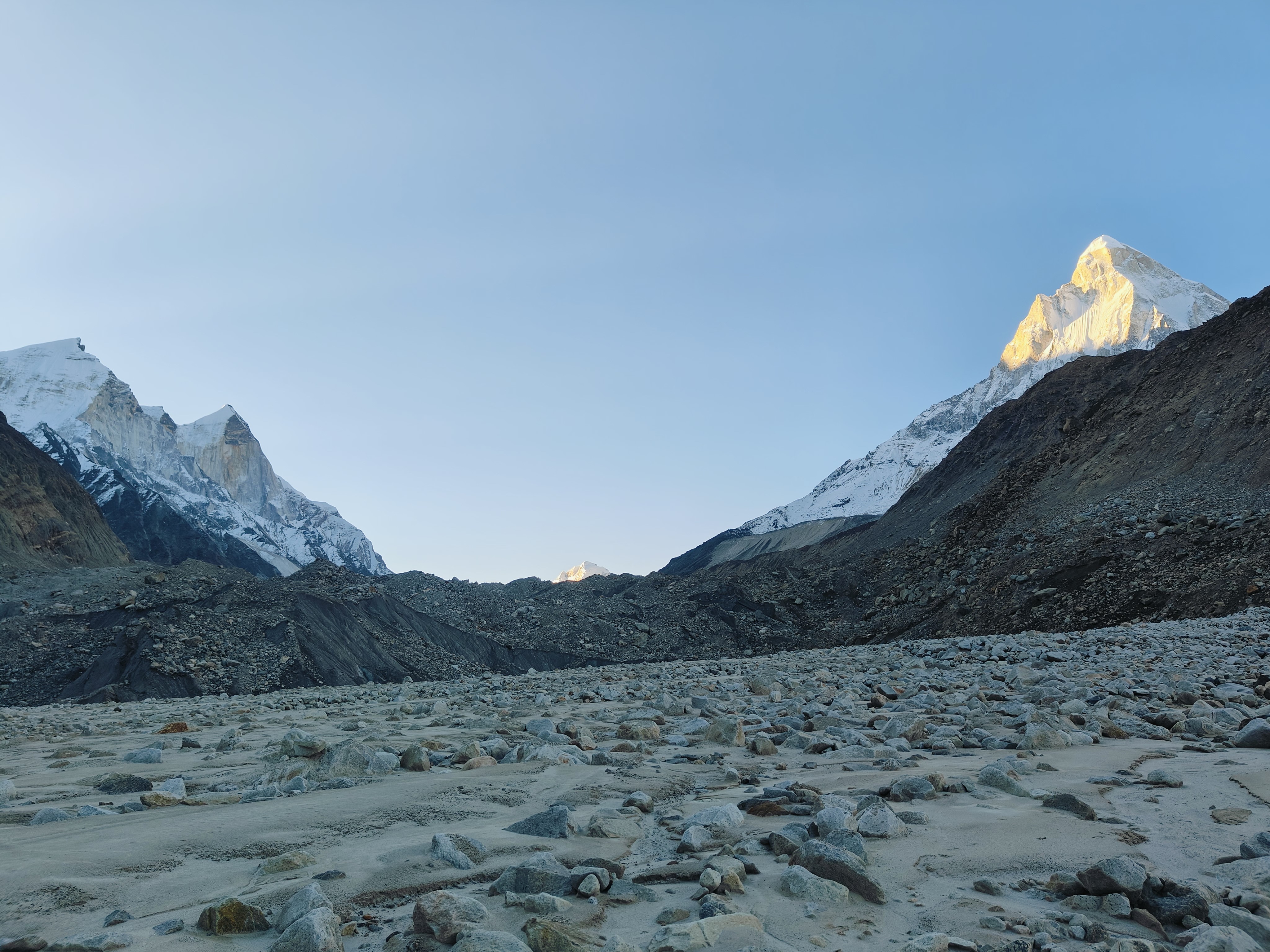
The Gangotri region is particularly significant for experienced mountaineers. The landscape around the Gangotri Glacier and surrounding peaks combines enormous glacial valleys with steep mountain faces and high passes. It is also an area where Himalayan spirituality, pilgrimage and mountaineering exist alongside each other.
For someone looking at the 6,000-meter peaks of Uttarakhand, it is important to understand that seeing these mountains and climbing them are two completely different experiences. A trek may bring you close to a magnificent Himalayan peak, but reaching its summit can require expedition-level preparation.
If Uttarakhand represents one of the great centres of Himalayan mountaineering in India, Himachal Pradesh offers another enormous landscape of high-altitude objectives.
The Lahaul-Spiti region is particularly important. Its geography changes dramatically from the greener valleys of lower Himachal to cold, dry high-altitude terrain. The Government of Himachal Pradesh's official list includes numerous peaks above 6,000 metres, including Menthosa, Shigri Parvat, Kulu Makalu, Kulu Pumori, Mulkila, Gangstang, Dibbokri Pyramid and several peaks in the Spiti Valley.
These mountains demonstrate the diversity of the Himachal Himalaya. Some rise beside enormous glaciers, while others stand in remote valleys where access itself can become part of the expedition.
Menthosa, for example, is listed at 6,443 metres, while Shigri Parvat reaches 6,645 metres. In Spiti, mountains such as Gya, Gyagar, Chau Chau Kang Nilda and Shilla form part of an extraordinary high-altitude landscape.
The higher reaches of Himachal also include famous climbing objectives such as Papsura, Indrasan and Dharamsura, while peaks such as Deo Tibba sit around the 6,000m threshold. Their precise climbing difficulty varies considerably, and altitude alone does not determine how technically difficult a mountain will be.
This is one of the most important things to understand about Himalayan mountaineering: 6,000 metres is an altitude category, not a difficulty rating.
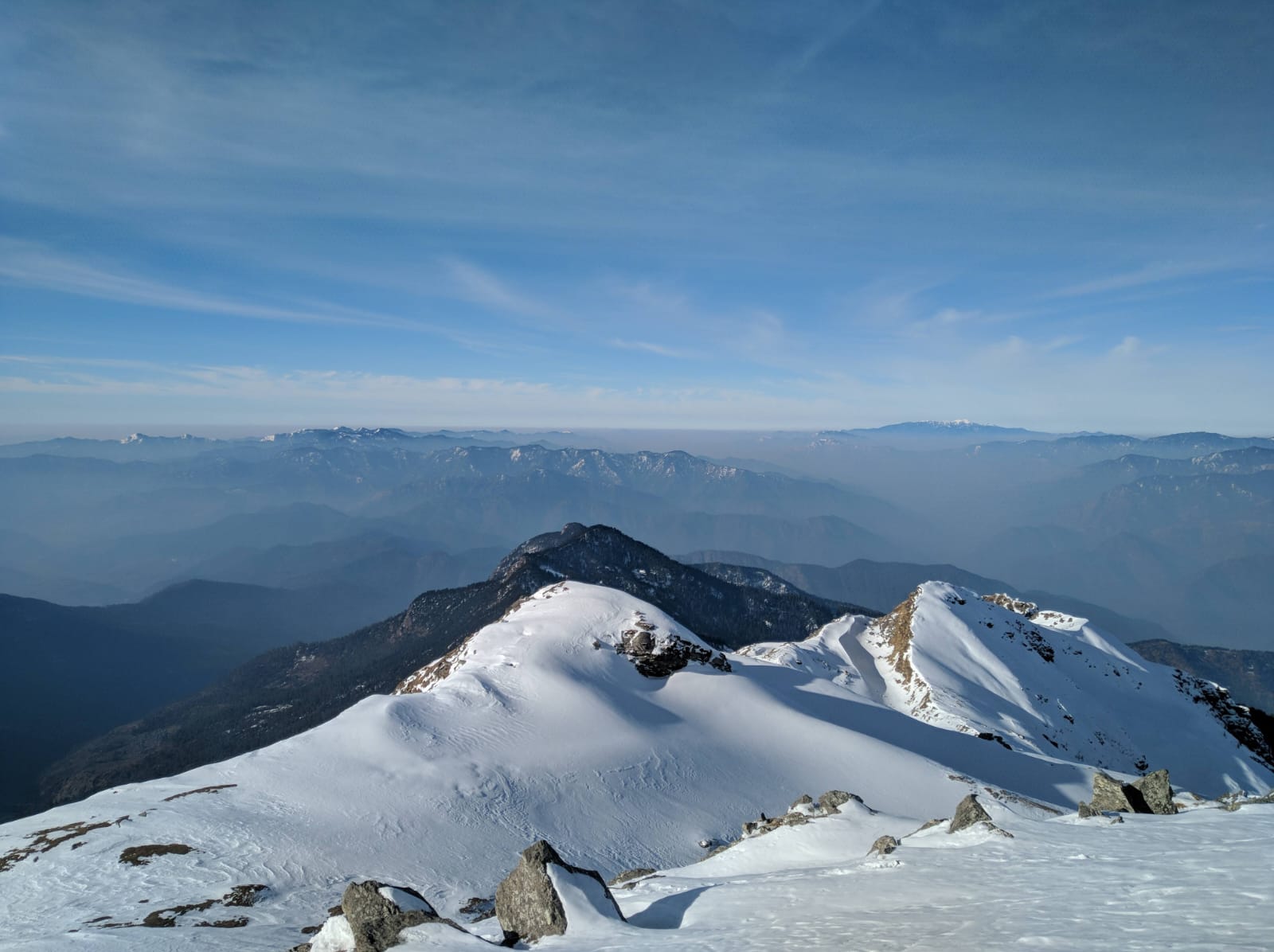
The attraction of a 6,000m mountain is obvious. The landscape is extraordinary, the summit views can stretch across enormous Himalayan ranges, and the journey offers a level of solitude that is difficult to find on popular trekking routes.
But altitude also introduces risks that cannot be solved simply by being physically fit.
Acclimatization is essential. A person who can comfortably complete a long trek at 4,000 or 5,000 metres may still struggle when moving significantly higher. Weather, snow conditions, route changes and individual response to altitude all influence an expedition.
Technical skills may also be required. Depending on the route, climbers can encounter glaciers, crevasses, steep snow, exposed rock and mixed terrain. This is why a 6,000m expedition should be approached as mountaineering rather than as an ordinary high-altitude trek.
The best preparation combines cardiovascular endurance, strength, altitude experience, technical training and the ability to make conservative decisions when conditions become uncertain.
The phrase winter trek 2026 is likely to attract people who want to experience snow without necessarily becoming mountaineers.
This is where the Himalayan trekking experience becomes much more accessible.
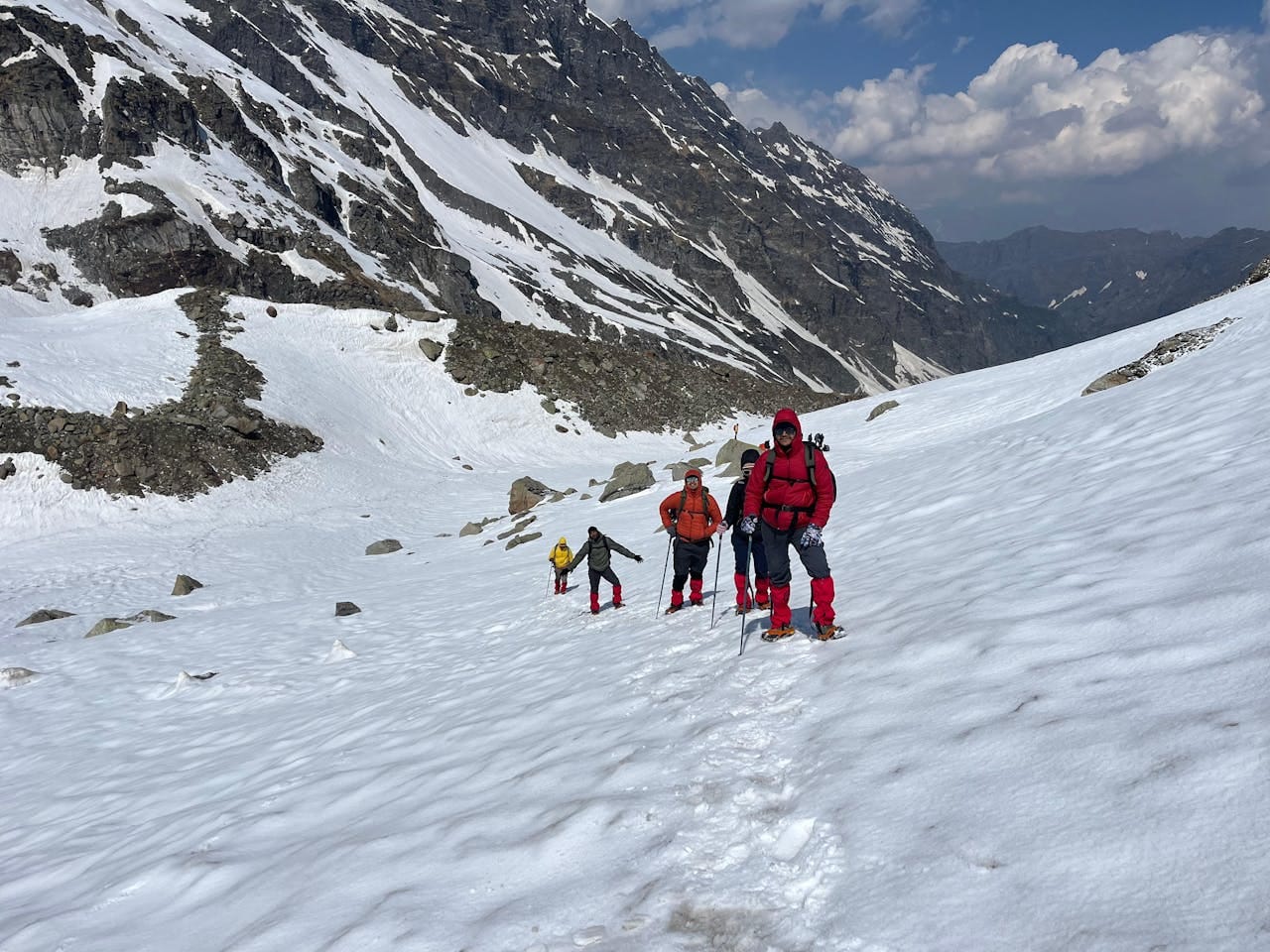
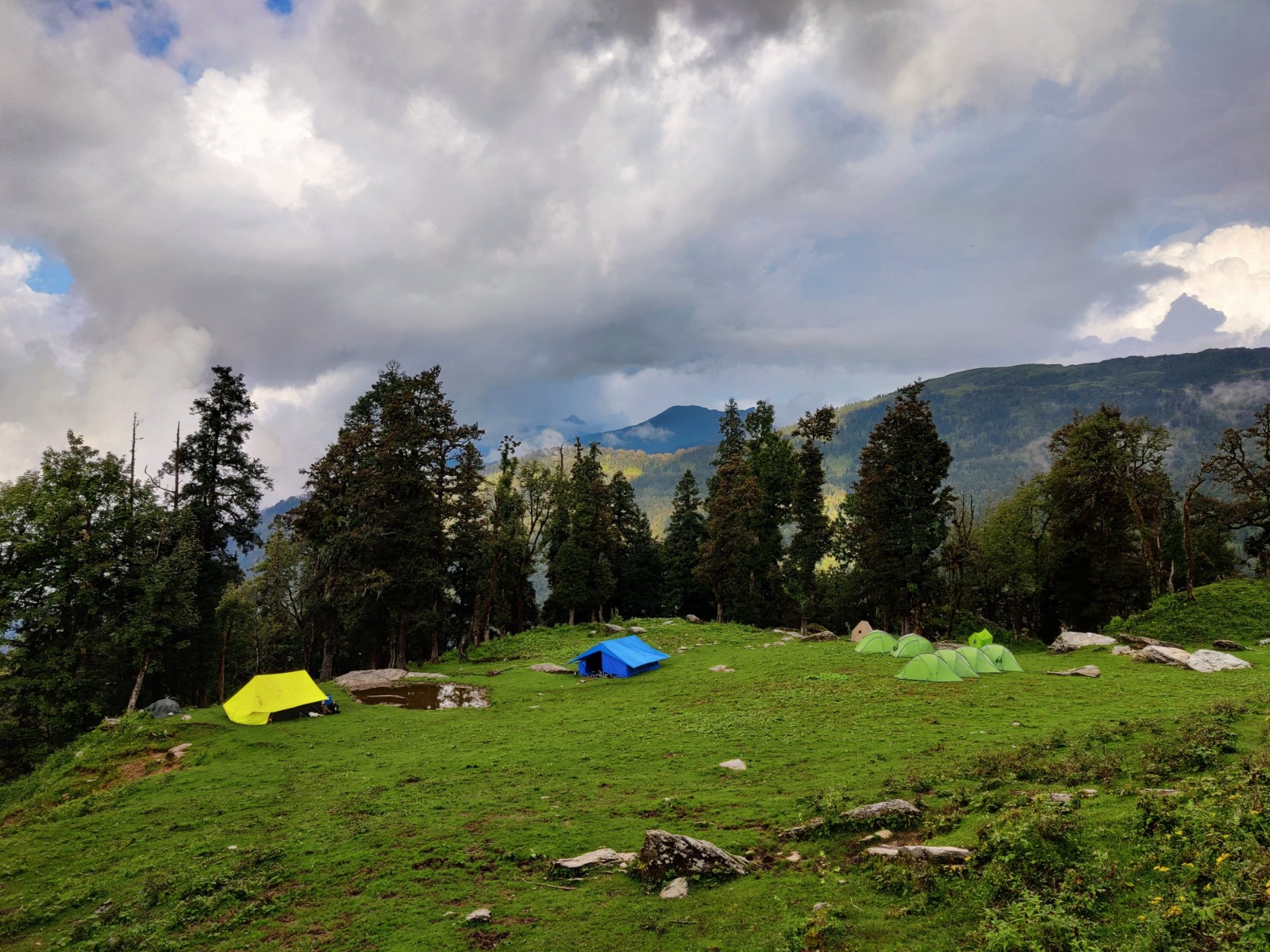
A winter trek generally follows an established trekking route through forests, meadows, valleys and mountain passes. Depending on the route and snowfall, trekkers may walk through deep snow, frozen trails and snow-covered campsites. The altitude can still be significant, and winter conditions should never be underestimated, but the objective is usually very different from climbing a technical 6,000m summit.
For many trekkers, winter is actually the season when familiar Himalayan landscapes become completely transformed.
The forests turn white, open meadows become snowfields, streams freeze in sections, and distant Himalayan peaks become particularly dramatic against clear winter skies.
Uttarakhand is especially well known for this kind of experience, with established winter routes including Kedarkantha trek, Dayara Bugyal trek, Brahmatal trek, Kuari Pass trek and Har Ki Dun trek appearing frequently in winter trekking itineraries.
For winter trekking in Uttarakhand, the Garhwal Himalaya remains one of India's most popular regions.
Kedarkantha is known for its winter snow experience and summit-style trekking. Dayara Bugyal offers expansive alpine meadows that become particularly striking under snow. Brahmatal combines forest trails, snow-covered landscapes and high mountain views, while Kuari Pass offers a classic Himalayan pass-crossing experience.
Har Ki Dun is different again, with its valley landscape, traditional villages and long Himalayan approach.
What makes Uttarakhand attractive for winter trekking is the variety. A beginner who wants to experience snow can look for a comparatively accessible route, while an experienced trekker can choose a longer or more demanding trail.
However, winter conditions can change quickly. Snow depth varies from year to year, and a route that looks straightforward in photographs can become substantially more difficult after fresh snowfall or during periods of extreme cold.
For the winter trek 2026 season, trekkers should therefore focus not only on the destination but also on current weather, route conditions, local regulations, experienced guides and the equipment being provided.
Himachal Pradesh also offers exceptional winter trekking, although the experience can vary dramatically depending on the region.
The lower and middle Himalayan areas can offer snow-covered forest trails and mountain villages, while higher areas of Lahaul, Spiti and the greater Himalayan ranges become much colder and more isolated during winter.
This creates an important distinction between a winter trek in Himachal and a 6,000-meter expedition in Himachal.
A winter trek may be designed around enjoying snow, landscapes and mountain culture. A 6,000m expedition, on the other hand, is a specialized mountaineering undertaking. The latter may require expedition logistics, technical equipment, acclimatization schedules and substantially more experience.
The same mountain region can therefore attract completely different kinds of adventurers at different times of the year.
Anyone planning a winter trek 2026 should prepare for more than beautiful photographs.
Cold temperatures can affect everything from walking speed to hydration. Snow can make familiar paths difficult to recognize. Early sunsets reduce available daylight, while wind can make temperatures feel considerably lower.
Good winter trekking preparation therefore begins before reaching the mountains.
Layering is important because the body may alternate between feeling cold and overheating during an ascent. Proper trekking shoes with adequate grip are essential, and depending on snow conditions, traction equipment such as microspikes or similar gear may be useful.
Hydration also remains important during winter. Many trekkers drink less because they do not feel as thirsty in cold weather, but the body continues to lose fluids through breathing, exertion and cold-weather exposure.
Food, sleep, navigation, emergency communication and basic first-aid preparedness should also be considered before starting the trek.
Most importantly, winter trekking requires flexibility. Mountain conditions cannot always be controlled, and changing a route or turning back is sometimes the correct part of the adventure.
The fascination of the Himalaya comes partly from its scale. The same mountain system can offer a peaceful forest walk, a snowy summit trek, a high-altitude pass and a technical 6,000m expedition.
A winter trek may allow someone to discover the mountains without requiring them to become a mountaineer. It can be an introduction to altitude, snow travel, mountain discipline and Himalayan environments.
A 6,000m peak represents another level of commitment. The objective is no longer simply to walk through the mountains but to climb in an environment where altitude, terrain and weather become major components of the expedition.
Someone interested in eventually attempting a 6,000m mountain can use demanding treks as part of a longer progression, building endurance and gaining experience at altitude before undertaking technical mountaineering training.
Likewise, someone who simply wants to experience a winter trek in the Himalaya in 2026 does not need to turn every snow trek into preparation for a high-altitude summit.
The Himalaya offers space for both.
Whether your goal is a snowy winter trail in Uttarakhand or an ambitious 6,000m expedition in Himachal Pradesh, preparation should begin with choosing the right objective.
Start by understanding the altitude, duration, difficulty and season of the route. Then consider your previous trekking experience, physical preparation and familiarity with cold-weather conditions.
For a winter trek, focus on appropriate clothing, footwear, sleeping equipment, hydration and route safety.
For a 6,000m expedition, the preparation must go considerably further. High-altitude experience, acclimatization, technical mountaineering skills and appropriate expedition support become increasingly important.
The most rewarding Himalayan journeys are not necessarily the ones with the highest summit or the most dramatic photograph. They are the ones where the challenge matches the preparation.
The 6,000-meter peaks in India reveal the enormous scale and technical side of the Himalaya. Uttarakhand's Garhwal and Kumaon ranges contain an extraordinary concentration of high mountains, while Himachal Pradesh's Lahaul-Spiti and surrounding regions offer a vast landscape of glaciers, valleys and 6,000m-class peaks.
At the same time, winter trekking in 2026 offers another way to enter this world. Snow-covered trails in Uttarakhand and Himachal Pradesh can provide an immersive Himalayan experience without turning every journey into a mountaineering expedition.
The important thing is to understand what you are signing up for.
A snowy winter trek can be challenging, beautiful and deeply rewarding. A 6,000m climb is a serious mountaineering objective that demands another level of preparation, experience and respect for the mountain.
From the quiet forests below the snowline to the high summits rising above 6,000 metres, the Himalaya offers countless ways to explore, learn and test yourself.
And perhaps that is what makes the Indian Himalaya so compelling: you do not have to climb the highest mountain to begin your journey into the high mountains.
1. What are 6,000-meter peaks in India?
6,000-meter peaks are Himalayan mountains whose elevations reach or exceed 6,000 metres above sea level. India has several such peaks across regions including Uttarakhand and Himachal Pradesh. These mountains are generally associated with mountaineering and high-altitude expeditions rather than ordinary trekking. Depending on the peak and route, climbers may encounter snow, glaciers, steep terrain and technical sections requiring specialized equipment and experience.
2. Which are some popular 6,000-meter peaks in Uttarakhand?
Uttarakhand has a large number of high-altitude Himalayan peaks, particularly across the Garhwal and Kumaon regions. Mountains and climbing objectives in this region include peaks around and above 6,000 metres, as well as major summits such as Kamet, Nanda Devi, Chaukhamba and Trishul. The difficulty of climbing these mountains varies significantly, so altitude alone should not be used as a measure of technical difficulty.
3. Which 6,000-meter peaks are found in Himachal Pradesh?
Himachal Pradesh, particularly Lahaul-Spiti, has an extensive collection of high-altitude peaks. Examples include Menthosa, Shigri Parvat, Yunam Peak and several peaks in the Spiti and Lahaul regions. Yunam Peak is 6,111 metres high and is one of the high-altitude expedition objectives offered by Thin Air Expedition.
4. Is climbing a 6,000-meter peak the same as going on a high-altitude trek?
No. A high-altitude trek and a 6,000-meter mountaineering expedition can be very different experiences. A trek generally follows an established route and does not necessarily involve technical climbing. A 6,000m expedition may involve glacier travel, snow climbing, ropes, crampons, ice axes and other mountaineering techniques. The exact requirements depend on the mountain and route.
5. Are 6,000-meter peaks suitable for beginners?
Not every 6,000-meter peak is suitable for someone without previous mountain experience. Some peaks can serve as introductory mountaineering objectives when approached with proper training, physical preparation, acclimatization and experienced guidance, while others require considerably more technical expertise. Anyone considering a 6,000m expedition should evaluate the specific peak rather than assuming that all mountains at the same altitude have the same difficulty.
6. What is the best winter trek in India for 2026?
There is no single winter trek that is suitable for everyone. The right choice depends on previous trekking experience, desired altitude, snowfall, fitness, available time and comfort with cold-weather conditions. Uttarakhand has several established winter routes, while Himachal Pradesh also offers snow-covered trekking experiences. Current weather and trail conditions should always be checked before departure.
7. Is winter trekking safe in the Himalaya?
Winter trekking can be undertaken safely with appropriate preparation and experienced support, but snow, freezing temperatures, shorter daylight hours and changing weather can increase the challenges. Trekkers should carry appropriate winter equipment, follow the guidance of their trek leaders, maintain hydration and nutrition, and be prepared for itinerary changes when mountain conditions require them.
8. Can a winter trek help prepare someone for a 6,000-meter expedition?
A demanding high-altitude trek can help build endurance and provide experience of walking at altitude, but it does not automatically qualify someone for a 6,000-meter mountaineering expedition. A high-altitude expedition may require additional acclimatization experience, technical climbing skills, equipment training and knowledge of snow and glacier travel. Preparation should therefore be progressive rather than treating a winter trek as a substitute for mountaineering training.
9. What equipment is required for a 6,000-meter expedition?
The exact equipment depends on the mountain, season and route. Depending on the objective, climbers may need mountaineering boots, crampons, an ice axe, helmet, harness, ropes and other technical equipment in addition to suitable clothing, sleeping equipment and personal essentials. Expedition equipment should be selected according to the actual route and conditions rather than simply the altitude of the peak.
10. How should I choose between a winter trek and a 6,000-meter expedition?
Start by identifying what kind of mountain experience you want. If your goal is to experience Himalayan snow, forests, meadows and mountain landscapes, a winter trek may be the appropriate choice. If your goal is to move into technical mountaineering and eventually attempt a 6,000-meter summit, you should consider your previous altitude experience, physical preparation and technical training before choosing an expedition. The Himalaya offers both experiences, but they require different levels of preparation.
Choosing a trekking or mountaineering company is not only about selecting a destination. In the Himalaya, the experience of the team supporting you can influence everything from preparation and acclimatization to route decisions, summit strategy and your overall experience in the mountains.
Thin Air Expedition brings more than 10 years of experience in Himalayan trekking and adventure expeditions, with experience across challenging trails, high-altitude routes and mountaineering objectives. Over the years, our team has worked with trekkers and climbers across different levels of experience, helping them approach the mountains with preparation, awareness and respect.
Our experience includes major Himalayan adventures such as Friendship Peak, Bali Pass and Yunam Peak. These are not simply names on an itinerary for us; they represent mountains and routes that our team has experienced with clients. Thin Air Expedition currently offers Friendship Peak as an expedition experience and Yunam Peak at 6,111 metres, bringing participants into the world of high-altitude mountaineering.
A successful Himalayan expedition is not defined only by reaching the summit. The journey involves preparation, acclimatization, pacing, teamwork, equipment management and the ability to make sensible decisions when conditions change.
At Thin Air Expedition, we believe that every expedition should also teach you something. Whether you are stepping into high-altitude mountaineering for the first time or preparing yourself for a more demanding Himalayan objective, the focus is on developing confidence and mountain awareness along the way.
Our Friendship Peak expedition, for example, incorporates mountaineering skills such as crampon technique, self-arrest, rope management and altitude awareness before the summit attempt.
From the snow-covered trails of Uttarakhand to the high-altitude landscapes of Himachal Pradesh, Himalayan terrain changes constantly. A route can look very different depending on snowfall, weather, altitude and the season.
Our experience across treks and expeditions helps us approach these journeys with an understanding that the mountain always comes first. The objective is not simply to push people toward a summit; it is to create an experience where participants understand the demands of the route and make informed decisions throughout the journey.
For us, the summit is an important part of the expedition, but returning safely with experience, confidence and respect for the mountains matters just as much.
Not everyone comes to the Himalaya with the same goal. Some people are looking for their first winter trek. Others want to cross a challenging Himalayan pass. Some trekkers eventually want to progress towards a 6,000-meter expedition.
Thin Air Expedition works across this spectrum of Himalayan experiences. Our journeys include winter trekking as well as higher-altitude expedition objectives, allowing adventure seekers to choose a challenge that matches their experience and preparation.
If your dream is to walk through a snow-covered Himalayan forest in winter, cross a high mountain pass, or eventually stand on a 6,000-meter summit, the journey begins with choosing the right mountain and preparing for it properly.
Ready to Take Your Next Step Into the Himalaya?
The mountains are waiting, but every mountain demands preparation.
Whether you are planning a winter trek in 2026, looking for a challenging Himalayan pass, or preparing for a 6,000-meter peak expedition in Uttarakhand or Himachal Pradesh, let Thin Air Expedition help you take the next step.
With more than a decade of experience, experience across challenging Himalayan routes, and a team that has taken clients on adventures including Friendship Peak, Bali Pass and Yunam Peak, we are ready to help you turn your mountain goal into a real expedition.
Trek Your Way to Freedom.
Explore your next Himalayan adventure with Thin Air Expedition and start planning your journey today.