AanchaTopTrek
AanchaTopTrek
04
Feb

Nestled in the heart of Uttarakhand’s Yamunotri region, the Aancha Top trek has emerged as one of the Himalayas’ best-kept secrets. This relatively new trail offers an easy-moderate trekking experience over four days, providing access to spectacular Himalayan vistas without the overwhelming crowds found on more popular routes.
Trek Overview
The Aancha Top sits at approximately 12,500 feet (3,810 meters) ,making it comparable in altitude to renowned winter summits like Kedarkantha. The trek begins in Ranachatti village, located in the Uttarkashi district, and winds through diverse landscapes ranging from dense forests to expansive alpine meadows.
What sets this trek apart is its remarkable accessibility combined with extraordinary rewards. Trekkers cover roughly 24 kilometers over four trekking days, ascending approximately 5,666 feet, yet the experience rivals much longer expeditions in terms of scenic beauty and mountain views.
The Route: Day by Day
Day 1: Dehradun to Ranachatti The journey starts with a seven-hour drive covering 160 kilometers from Dehradun. The route passes through Mussoorie before following the Yamuna River into the sacred Yamunotri Valley. Ranachatti serves as the base camp, where trekkers typically stay in local homestays, offering an authentic glimpse into mountain village life.
Day 2: Ranachatti to Bamsingh This four-kilometer trek takes approximately three hours, climbing from 7,000 feet to 9,200 feet. The trail begins gently through terraced farmlands and villages before entering rockier terrain that transitions into lush forests. Though relatively short, this day’s quick altitude gain makes it physically demanding and marks the beginning of acclimatization.
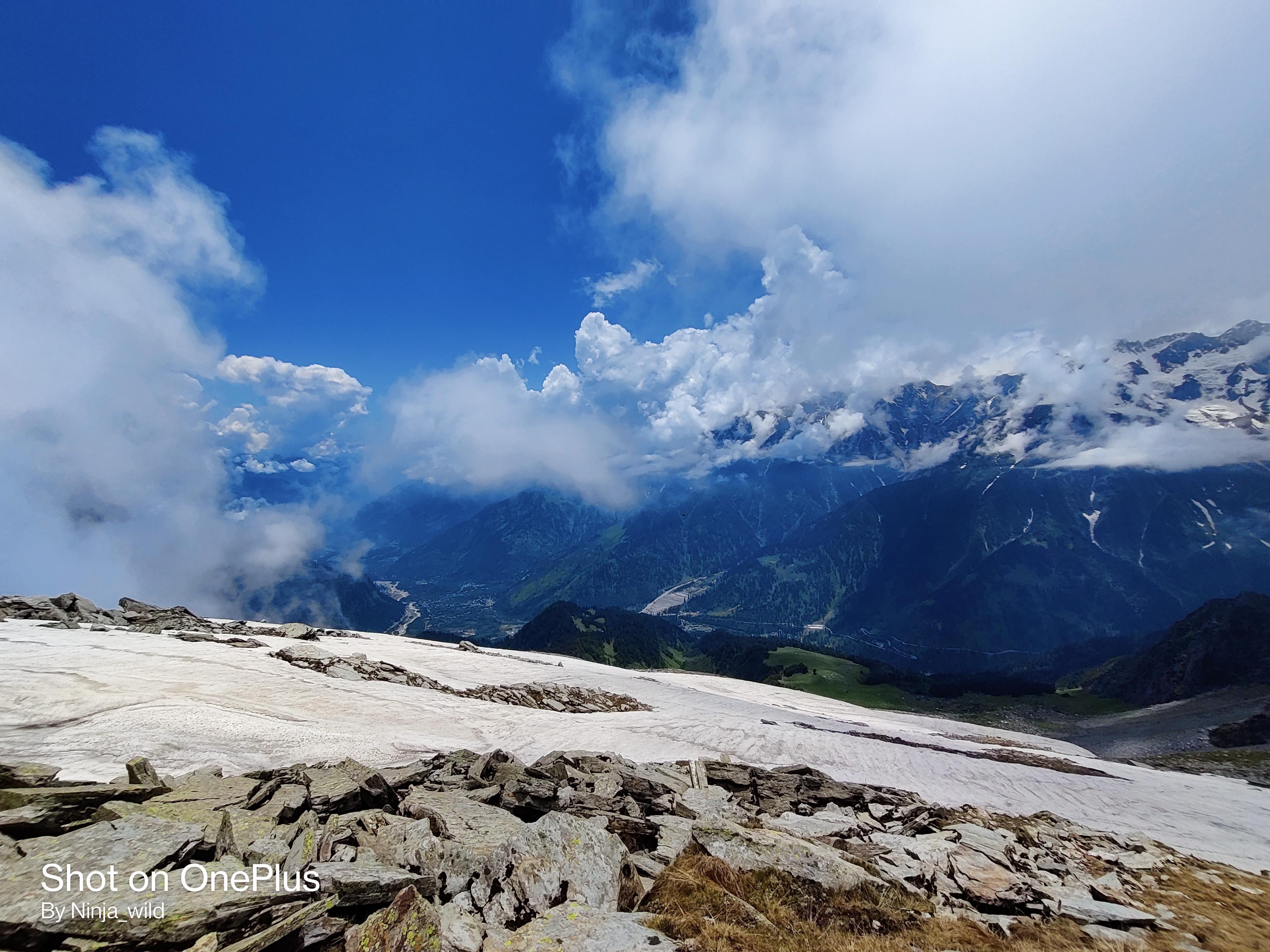
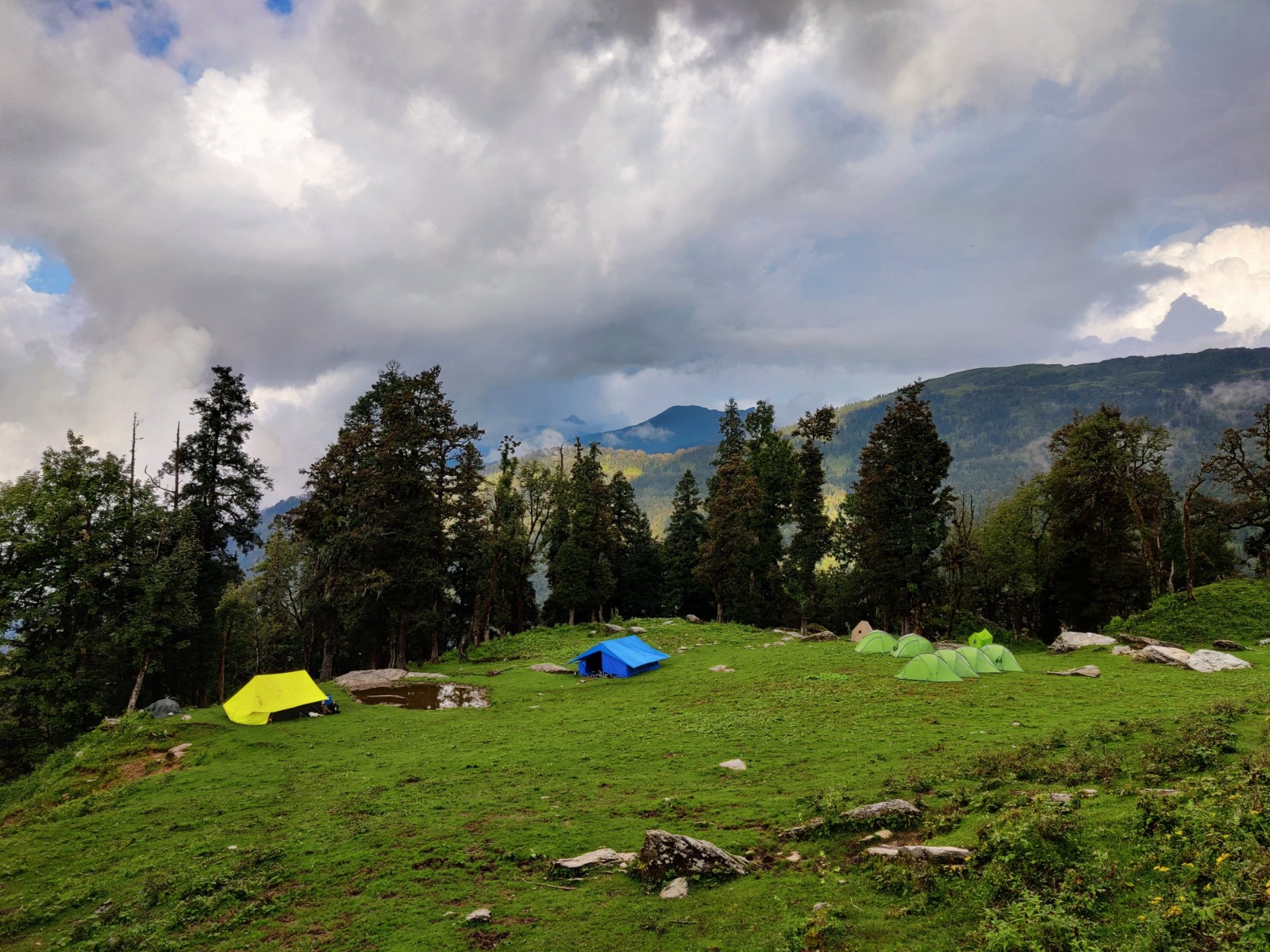
Day 3: Bamsingh to Dinnala Camp A four-hour trek covering four kilometers with altitude loss from 9,200 feet to 10,750 feet characterizes this day. The path first descends slightly before climbing through dense oak and pine forests. Trekkers cross mountain streams and pass through small meadows that offer refreshing breaks. Dinnala Camp is situated on vast high-altitude meadows ,providing stunning views of the Swargarohini peaks rising behind Bandarpoonch.
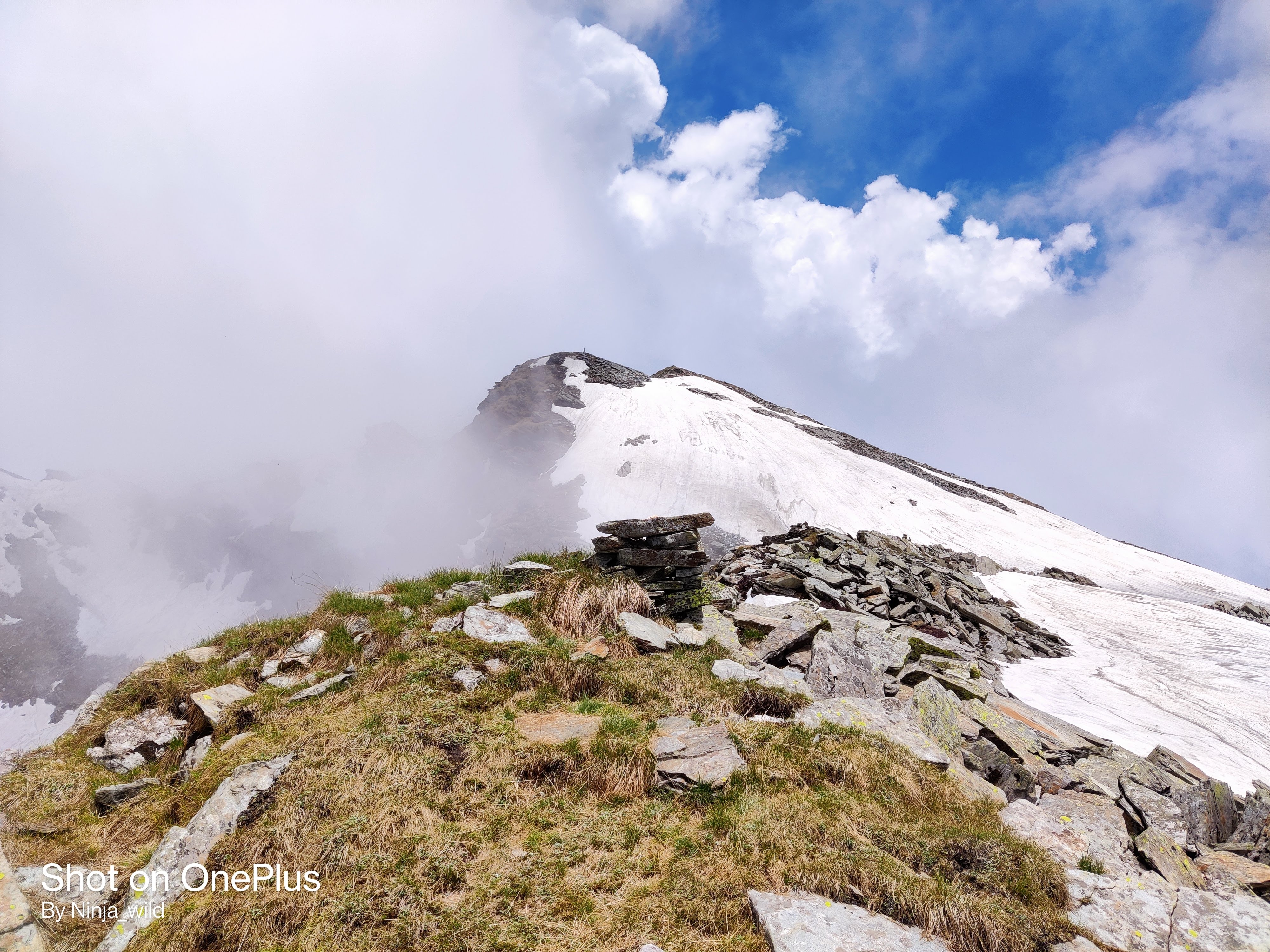
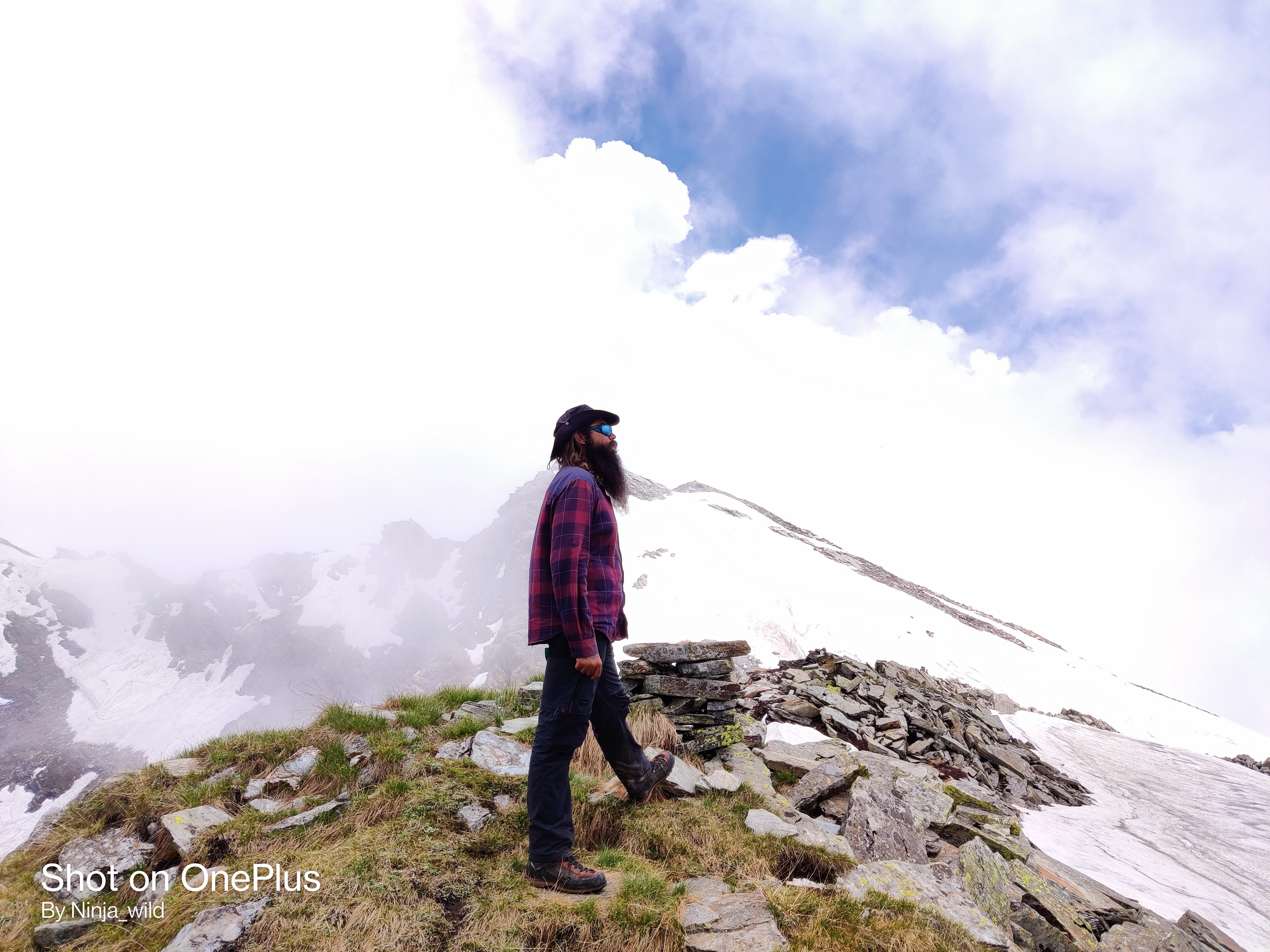
Day 4: Summit Day – Dinnala to Aancha Camp via Aancha Top This is the longest day, covering eight kilometers over seven hours, reaching 12,525 feet before descending to Aancha Camp at 11,400 feet. Summit day is where the magic truly unfolds. Trekkers pass glacial lakes scattered across the meadows and walk along a narrow ridge to reach the summit.
The ridge walk is particularly memorable. Major peaks of the Garhwal Himalayas—including Swargarohini, Bandarpoonch, Gangotri peaks, Srikantha, Jogin, Jaonli, and Kedarnath—accompany trekkers on this extended ridge walk. From the summit’s 12,500-foot vantage point, even the rolling meadows of Dayara and Gidara become visible.
Day 5: Aancha Camp to Ranachatti The descent covers six kilometers through alpine meadows before re-entering the dense forests, bringing trekkers back to Ranachatti for a final night in the homestay.
Day 6: Return to Dehradun A scenic drive back to Dehradun concludes the trek.
Natural Beauty and Landscapes
Forests
The trail passes through lush forests of oak, pine, and rhododendron .During spring (March to May), rhododendrons burst into brilliant shades of red and pink, transforming the forests into a riot of color. These wooded sections provide shade and shelter while gradually preparing trekkers for higher altitudes.
Meadows and Bugyals
The Dinnala Bugyal represents one of the trek’s highlights. These high-altitude meadows turn green in summer and serve as traditional grazing fields for cattle. In winter, they transform into pristine white carpets of snow. The vastness of these meadows, combined with the surrounding peaks, creates an almost surreal landscape.
Glacial Lakes
Three glacial lakes are spread across the Bugyal, adding to the trek’s scenic diversity. These pristine water bodies, set against the backdrop of snow-capped peaks, offer excellent photography opportunities and moments of quiet reflection.
Water Bodies
All the glacial streams crossed on this trek flow directly into the Yamuna, connecting trekkers to one of India’s most sacred rivers. This spiritual dimension adds depth to the trekking experience, especially for those familiar with Hindu pilgrimage traditions.
Mountain Views
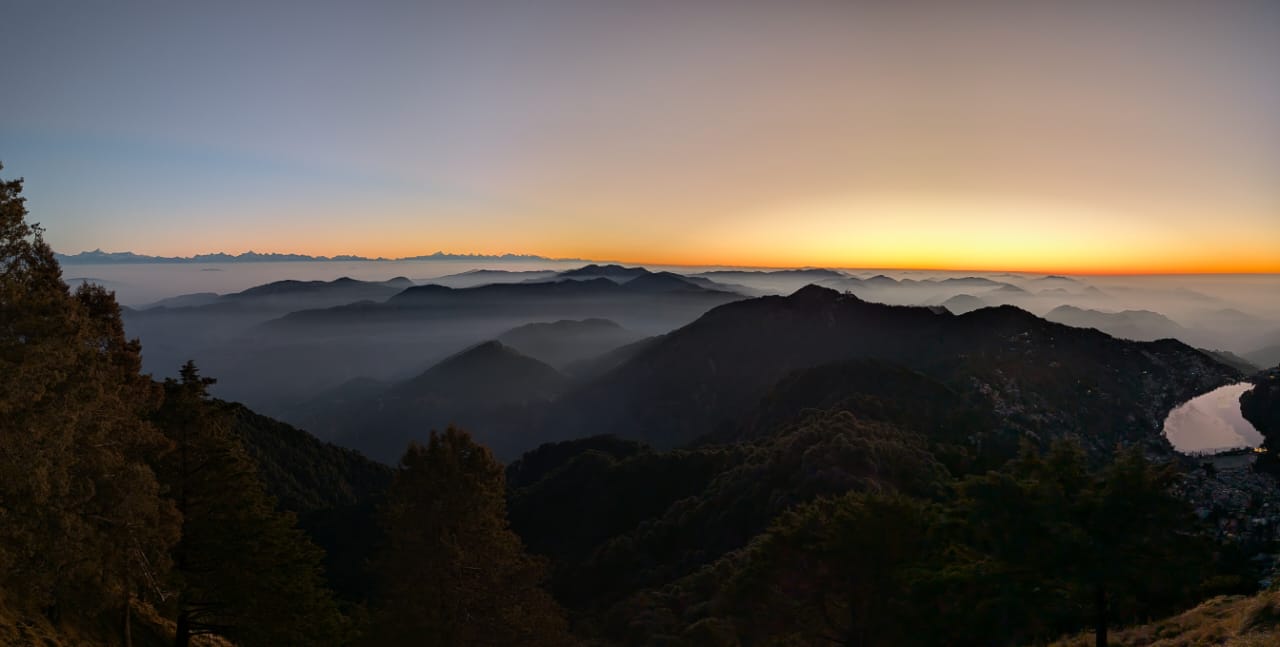
The panoramic views from Aancha Top rival those of any major Himalayan trek. The summit offers 360-degree views encompassing Bandarpoonch, Dronagiri, Nandaghutti, the Swargarohini massif, and views extending to both Gangotri and Yamunotri ranges.
The visibility and clarity of these peaks make summit day unforgettable. Unlike many treks where mountains appear distant, here the giants of Garhwal rise sharply and dramatically, creating an amphitheater of peaks around you.
Aancha Top Trek Difficulty and Fitness Requirements
Difficulty Level
Aancha Top is classified as easy to moderate difficulty, with terrain featuring gentle ascents along with some steeper sections. This makes it accessible to beginners while still providing enough challenge to feel rewarding.
The trek from Dinnala to Aancha Camp via Aancha Top represents the toughest day, with the ridge walk being narrow and exposed in parts with loose rocks underfoot. This section demands concentration and careful foot placement, particularly in adverse weather.
Fitness Requirements
To trek comfortably, participants should be able to cover five kilometers in under 38 minutes. This baseline fitness ensures trekkers can handle daily ascents and descents without excessive strain.
The trek particularly tests leg strength due to continuous climbing on the first day and the extended summit day. At least six weeks of preparation is recommended, focusing on cardiovascular fitness through walking, jogging, or running.
Altitude Considerations
The quick altitude gain from Ranachatti to Bamsingh increases the risk of Acute Mountain Sickness (AMS). However, the gradual altitude increase and moderate maximum height mean chances of severe AMS are relatively low. Proper acclimatization, hydration, and pacing help mitigate altitude-related risks.
Best Time to Do Aancha Top Trek
Autumn (September to November)
Autumn is ideal for Aancha Top, with clear weather providing perfect visibility of mountain ranges ThinAirExpedition. The skies are typically sharp and blue, and the air crisp. This season offers stable weather conditions and excellent photography opportunities as the landscape transitions from green to golden hues.
Spring (March to May)
Spring brings the famous rhododendron blooms, painting the forests in vibrant colors. The forests burst with enchanting beauty during this season ThinAirExpedition. Temperatures are moderate, making trekking comfortable, and wildflowers carpet the meadows.
Winter (December to February)
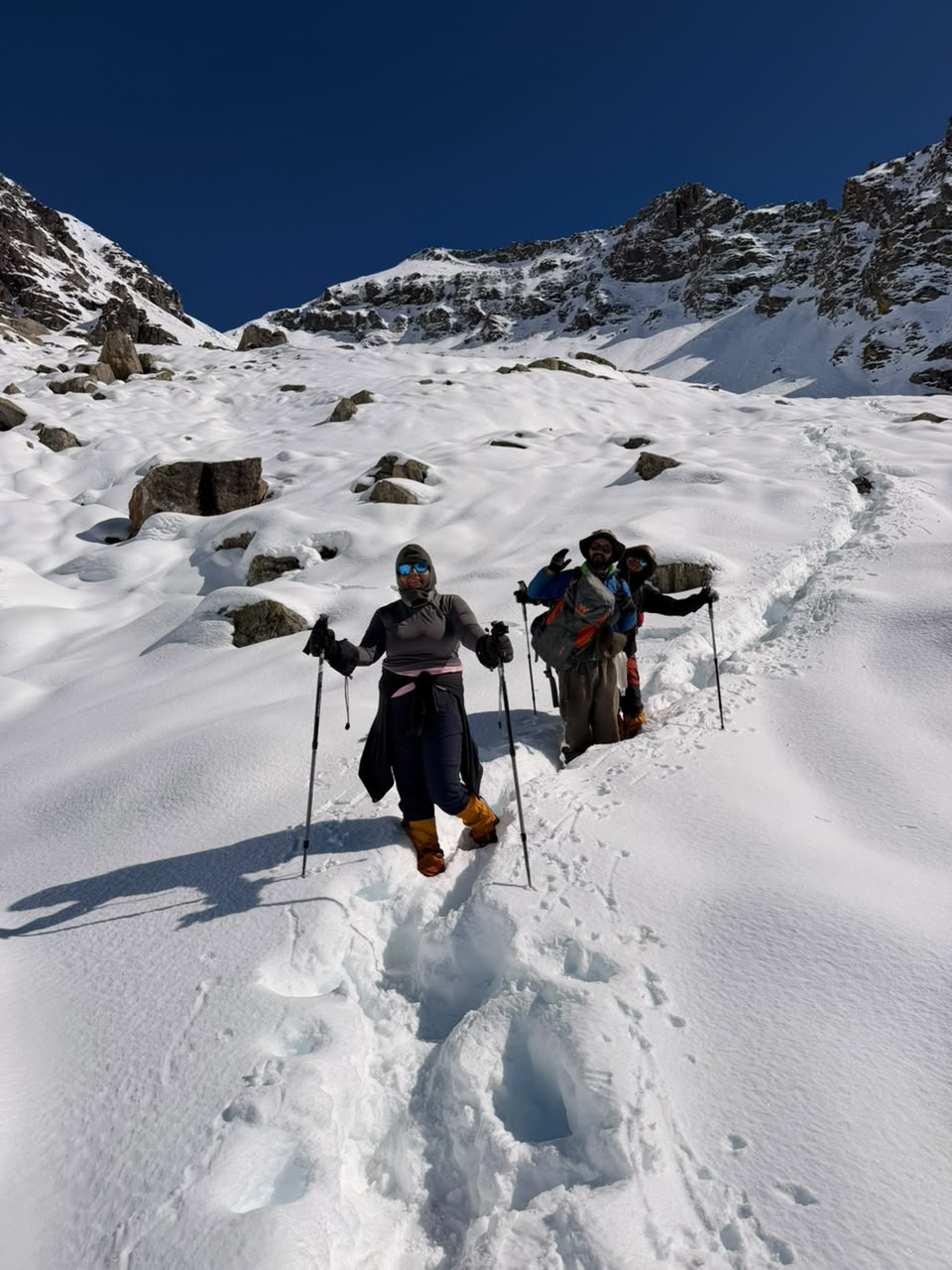
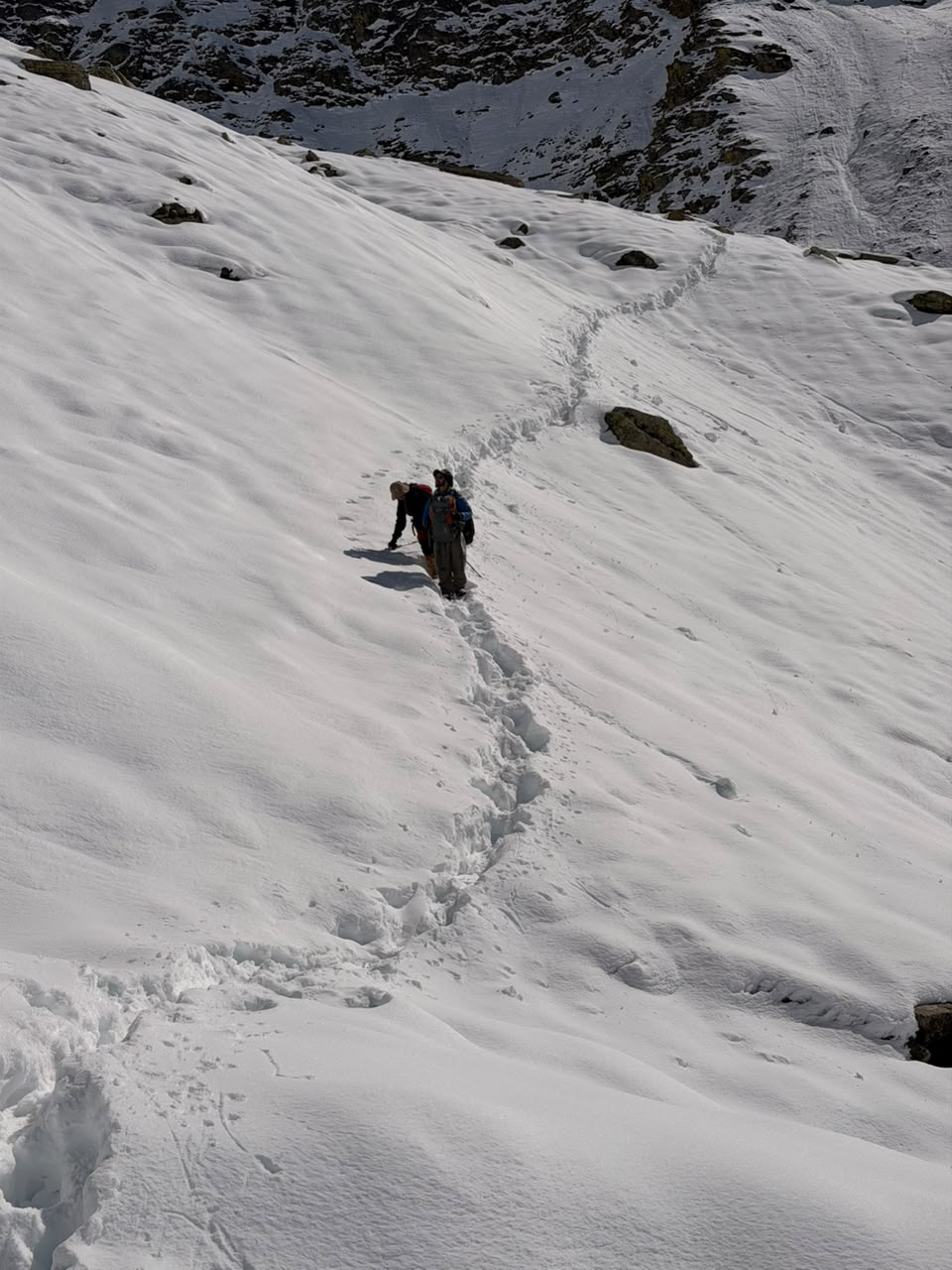
Aancha Top can be trekked even in winter ThinAirExpedition ,making it one of the few Himalayan summits accessible during this season. It’s often compared to Kedarkantha and offers snow-clad panoramas without the crowds ThinAirExpedition. Winter transforms the landscape into a pristine wonderland, though it also brings additional challenges including cold temperatures, potential snowfall, and more demanding trail conditions.
Off-the-Beaten-Path Experience
Aancha Top is located in a lesser-known region where trails remain peaceful with few crowds ThinAirExpedition. The trek was recently explored, so it remains uncrowded ThinAirExpedition. For trekkers seeking solitude and an authentic wilderness experience away from commercialized trails, this is ideal.
Alternative to Kedarkantha
Aancha Top serves as a perfect alternative to Kedarkantha, offering similar Himalayan summit experiences around 12,000 feet with 360-degree views of snow peaks but far more solitude ThinAirExpedition. The difficulty level and rewards are comparable, but without the overwhelming crowds that have made Kedarkantha one of India’s most popular treks.
Beginner-Friendly Yet Rewarding
The trails feature gradual ascents suitable for trek beginners, and even teenagers can participate ThinAirExpedition .With basic physical preparation, anyone can complete this trek ThinAirExpedition .Yet the rewards—stunning summit views, diverse landscapes, and memorable camping experiences—rival those of much more challenging expeditions.
Cultural and Spiritual Connection
The Yamunotri region is known for spirituality, with many devotees and nature lovers combining Aancha Top with their meditation journeys ThinAirExpedition. Yamunotri Temple, one of the Char Dham pilgrimage sites dedicated to Goddess Yamuna, is nearby ThinAirExpedition. This spiritual dimension adds a unique layer to the trekking experience.
All-Season Summit Experience
Few easy-moderate treks offer a summit day as thrilling as Aancha Top, with glacial lakes, meadows, ridge walks, and towering peaks all unfolding on the same day ThinAirExpedition. The combination of varied terrain, water bodies, and mountain vistas condensed into a single summit day is genuinely mind-boggling.
What to Pack
Essential gear for Aancha Top includes:
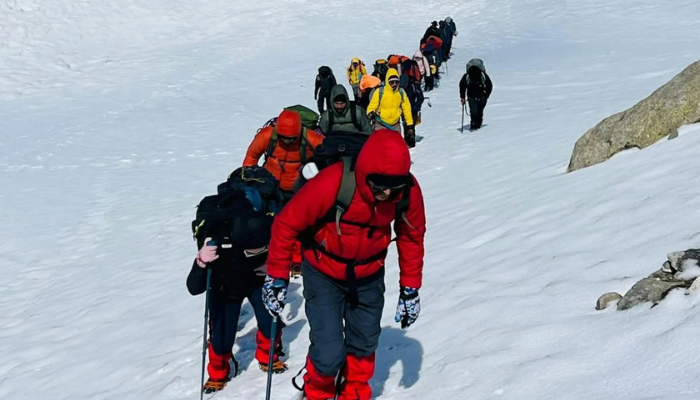
Clothing: A proper layering system is crucial. Winter treks require five layers including thermals, woolen sweaters, fleece, and a padded jacket. Quick-dry trek pants work better than cotton or jeans. Collared t-shirts protect the neck from high-altitude sun exposure.
Footwear: Quality trekking shoes with ankle support are non-negotiable. The terrain includes loose rocks, forest paths, and potentially snow, requiring proper grip and stability.
Protection: High-SPF sunscreen and quality sunglasses are essential at altitude where UV radiation is intense. A headlamp or torch is necessary for navigating after dark.
Hydration and Nutrition: Carry at least two water bottles with purification tablets. High-energy snacks like nuts, dried fruits, and energy bars help maintain energy levels during long trekking days.
Safety: A basic first aid kit with essential medicines, bandages, antiseptic, and pain relievers should always be carried.
Backpack: A 55-60 liter backpack with rain cover and good support distributes weight comfortably across long trekking days.
Practical Information
Starting Point
The trek officially begins from Ranachatti, but most trekkers start their journey from Dehradun, which is well-connected by rail and road to major Indian cities.
Permits and Guides
While the trek doesn’t require special permits beyond standard trekking permissions, hiring experienced guides is highly recommended. The trails, though well-established, can be challenging to navigate independently, especially in adverse weather. Local guides also provide valuable insights into the region’s ecology, culture, and history.
Accommodation
Accommodation at Ranachatti is typically in local homestays, offering authentic experiences of mountain village life. On the trail, trekkers camp in high-quality tents designed for extreme weather conditions.
Group Treks vs. Independent Trekking
Most trekkers join organized groups through established companies like ThinAirExpedition. These organizations provide logistical support, experienced guides, porters for common equipment, safety protocols, and meals throughout the trek.
Safety Considerations
The descent from Aancha Top to Ranachatti involves steep, unmarked shortcut trails that become tricky in wet or snowy conditions ThinAirExpedition. When snowfall is heavy, teams often need to cut fresh trails through snow, which is energy-intensive and time-consuming.
Weather conditions in the mountains can change rapidly. Trek leaders constantly monitor weather conditions and make informed decisions about proceeding or turning back from any campsite to ensure trekker safety ThinAirExpedition.
The trek involves inherent risks including difficult terrain, unpredictable weather, high altitude effects, and remote locations. Proper preparation, appropriate fitness levels, and following guide instructions significantly mitigate these risks.
Comparing Aancha Top to Other Treks
When compared to Gulabi Kantha, another trek in the same region, both treks share similar altitudes and difficulty levels, with total trekking distances of 28 kilometers for Aancha Top and 30 kilometers for Gulabi Kantha ThinAirExpedition. Both offer solitude and similar peak views, though each has unique characteristics in terms of campsites and specific trail features.
Against the backdrop of India’s most popular treks, Aancha Top distinguishes itself through its relative obscurity combined with outstanding rewards. While treks like Kedarkantha trek, Dayara Bugyal trek, and Brahmatal trek have become heavily trafficked, Aancha Top maintains the wilderness feel that many trekkers seek.
The Experience: What Trekkers Say
Aancha Top has the power to redefine trekking in the Yamunotri region ThinAirExpedition. The trek successfully balances accessibility with adventure, making Himalayan summit experiences available to more people while preserving the sense of remoteness and natural beauty.
For decades, trekking in the Yamunotri Valley was largely limited to the challenging Bali Pass trail, but through Aancha Top, the magic of this valley is now accessible to more people than ever before ThinAirExpedition.
Final Thoughts
Aancha Top represents what many trekkers dream of: a genuine wilderness experience with spectacular mountain views, diverse landscapes, and memorable camping, all packaged in a manageable itinerary suitable for beginners. The combination of forests, meadows, lakes, and the stunning ridge walk to a 360-degree summit creates a condensed Himalayan experience that rivals much longer treks.
For those seeking to escape crowded trails while still experiencing the grandeur of the Himalayas, for families wanting to introduce younger members to mountain trekking, or for experienced trekkers looking for a peaceful alternative to popular routes, Aancha Top delivers on all fronts.
The trek’s recent discovery means infrastructure is still developing, which adds to its charm while also requiring more preparation and reliance on experienced guides. As word spreads, Aancha Top may not remain a hidden gem forever—making now an ideal time to experience this exceptional trek before it joins the ranks of Uttarakhand’s most popular trails.
Whether you trek in spring to witness rhododendron blooms, autumn for crystal-clear mountain views, or winter for a snowy summit experience, Aancha Top promises an unforgettable journey into the heart of the Yamunotri Valley’s pristine wilderness.