Har Ki Dun Trek Best Time Month by Month Guide
Har Ki Dun Trek Best Time Month by Month Guide
17
Nov

Planning the Har Ki Dun trek and wondering which month offers the best mountain views, pleasant weather and beautiful valley landscapes? Choosing the right season can make a significant difference to your experience. Located in the Garhwal Himalayas of Uttarakhand, Har Ki Dun is a spectacular valley known for its ancient Himalayan villages, dense forests, alpine meadows, flowing rivers and magnificent views of peaks such as Swargarohini.
Often called the Valley of Gods, Har Ki Dun changes its appearance throughout the year. Spring brings fresh greenery and seasonal flowers, summer reveals vibrant mountain landscapes, autumn offers clear skies and golden meadows, while winter brings freezing temperatures and the possibility of heavy snowfall. Every season has its own character, but not every month is suitable for a regular trekking departure.
At Thin Air Expedition, we help trekkers choose a suitable departure based on seasonal conditions, trail accessibility, weather forecasts and the operating permissions applicable to the route. This month-by-month guide explains what to expect during each part of the year so you can select the right time for your Har Ki Dun trekking experience.
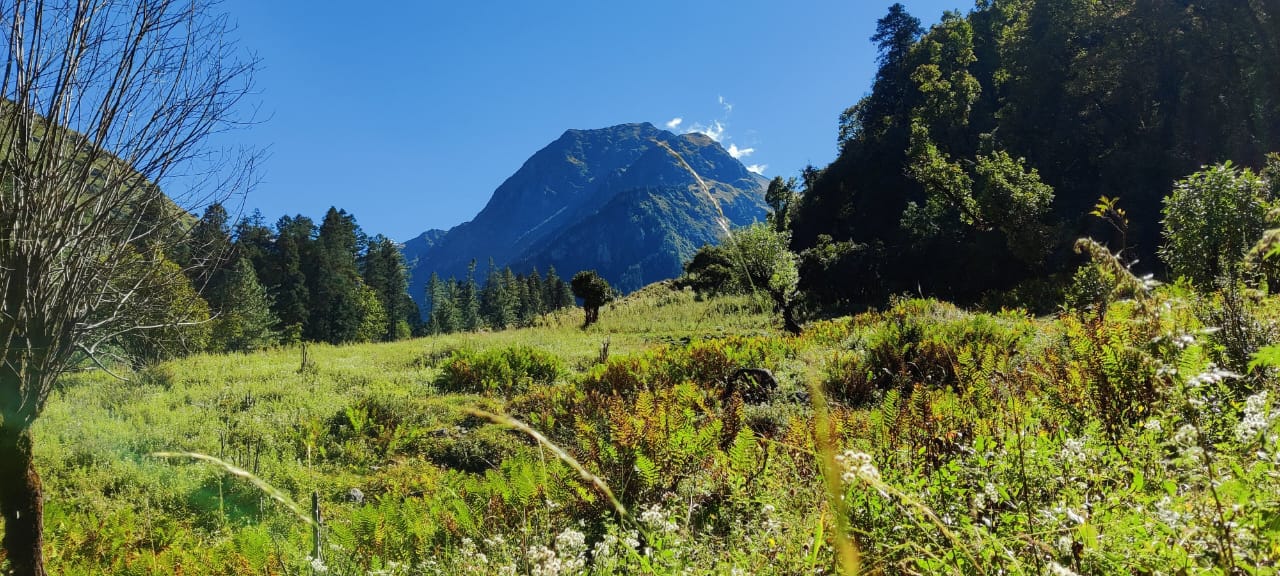
The best time for the Har Ki Dun trek is generally divided into two main trekking windows: spring to early summer, from March or April to June, and post-monsoon autumn, from September to November. The exact opening and closing dates depend on forest regulations, weather, trail conditions and the trekking operator's approved schedule.
March and April are attractive for trekkers who enjoy the transition from winter to spring. May and early June offer greener landscapes and relatively comfortable daytime walking conditions. September brings fresh greenery after the monsoon, while October and November are popular for crisp weather, autumn colours and mountain photography.
Winter requires special attention. Although Har Ki Dun may receive substantial snowfall, the route is not necessarily open for regular trekking throughout December, January, February and early March. Seasonal restrictions within Govind Pashu Vihar National Park and Wildlife Sanctuary, heavy snow and trail accessibility can affect operations. Therefore, a winter visit should never be assumed to be available simply because snow is present.
For most trekkers, April, May, October and early November are particularly attractive months to consider, subject to confirmed departures.
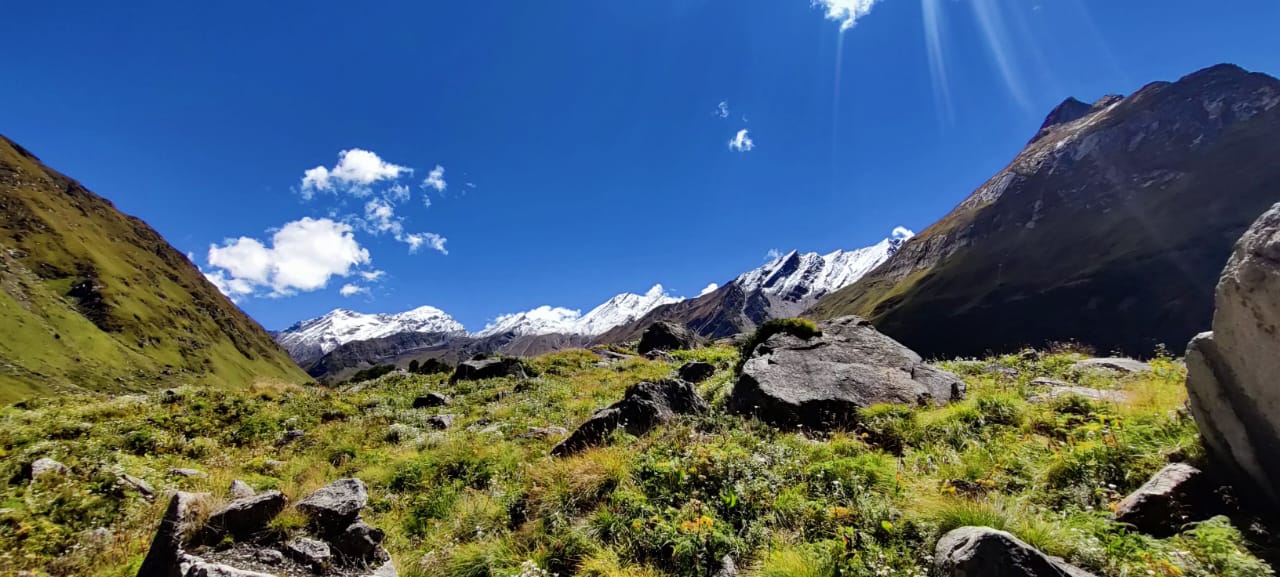
January is one of the coldest months in the Har Ki Dun region. Higher sections can experience heavy snowfall, and temperatures at altitude may remain below freezing, especially at night. The landscape can become completely white, with snow covering forest trails, campsites and open valley sections.
Although the idea of seeing Har Ki Dun under a blanket of snow sounds exciting, January is generally not part of the regular trekking season. Heavy snowfall can block trails and make access difficult. Seasonal wildlife protection restrictions can also prevent trekking operations in the national park region.
At Thin Air Expedition, we do not encourage travellers to assume that a January Har Ki Dun departure is available. Our team checks the applicable forest permissions, route status and local conditions before confirming any seasonal operation. Trekkers looking specifically for a winter adventure can contact us to discuss suitable alternatives and currently operating routes.
February continues the winter conditions in the valley. Snow may remain at higher elevations, and temperatures can be extremely low during the night and early morning. Forest paths and open sections may remain covered in snow or ice.
For mountain photographers, February may sound appealing because of its dramatic winter scenery. However, snow accumulation and seasonal restrictions can make the standard Har Ki Dun route unsuitable for regular trekking departures.
Rather than promising a February snow trek, Thin Air Expedition recommends checking the latest operating status before making travel plans. The availability of a trek depends on more than snowfall; forest department regulations, access roads, campsite conditions and the safety of the entire route must also be considered.
March is a transition month when winter gradually begins to give way to spring. Snow may remain in shaded forest sections and at higher elevations, while lower parts of the trail start becoming more accessible as temperatures rise.
The valley begins showing early signs of seasonal change. Streams continue flowing through the mountain landscape, the forests slowly become greener and daytime conditions may become more comfortable. However, cold nights and unpredictable weather are still common.
March should be treated as an early-season month rather than a guaranteed snow-free trekking period. The opening of the route depends on the applicable national park schedule and local conditions. Thin Air Expedition evaluates the official route status before confirming March departures, especially where lingering snow or seasonal access restrictions may affect the itinerary.
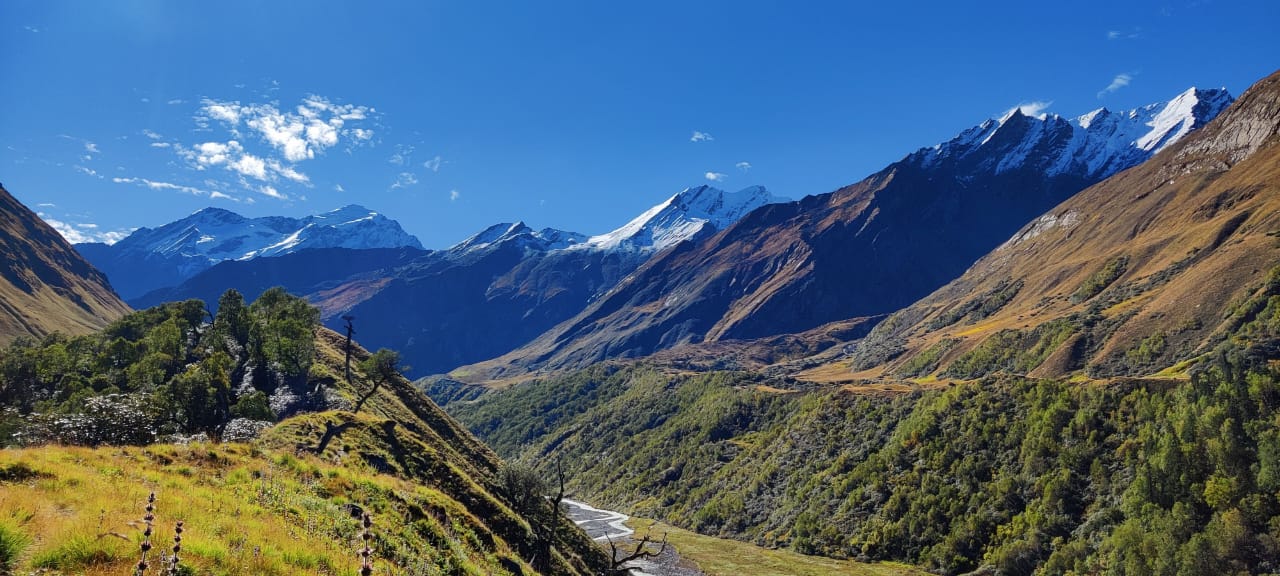
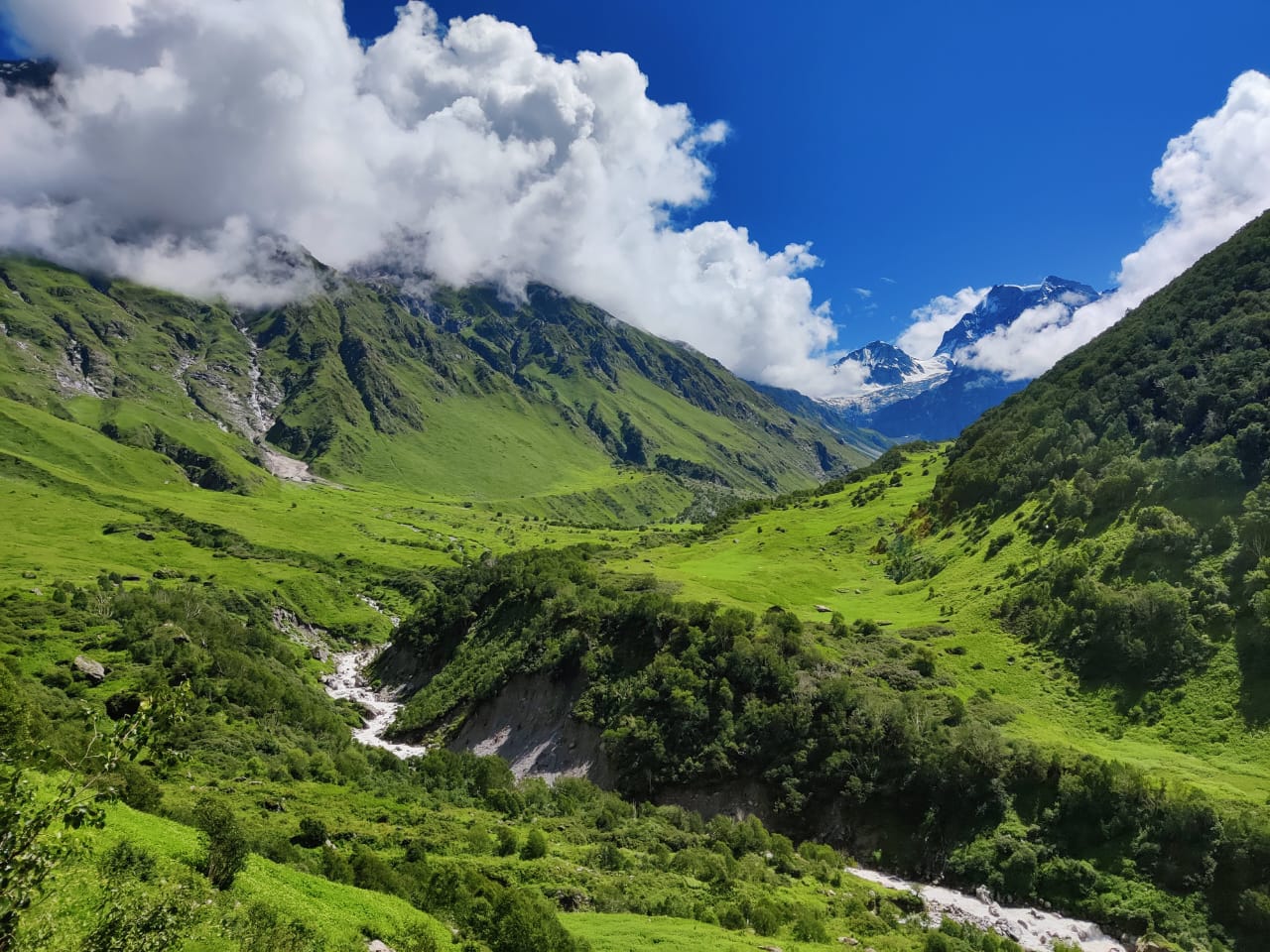
April is one of the most attractive months for the Har Ki Dun trek. Spring becomes more noticeable across the valley, and the landscape gradually changes from winter browns to fresh green shades. Seasonal flowers begin appearing, while the forests and traditional villages create a beautiful setting for trekking.
Snow may still be visible on higher mountain slopes, creating an impressive contrast with the greener lower valley. This combination of spring vegetation and snow-capped peaks makes April a rewarding month for nature lovers and photographers.
Daytime conditions are generally pleasant for walking, although temperatures fall after sunset. The higher camps remain cold, so warm clothing is still essential.
For travellers who want to experience the Har Ki Dun valley during its spring transformation, April is an excellent month to consider. Thin Air Expedition plans departures according to the confirmed trail opening, weather and campsite conditions.
May is among the most popular months for the Har Ki Dun trek. The valley becomes greener, the forests look fresh and the mountain streams add to the beauty of the route. The weather is usually favourable for trekking, with relatively comfortable daytime temperatures and cool nights.
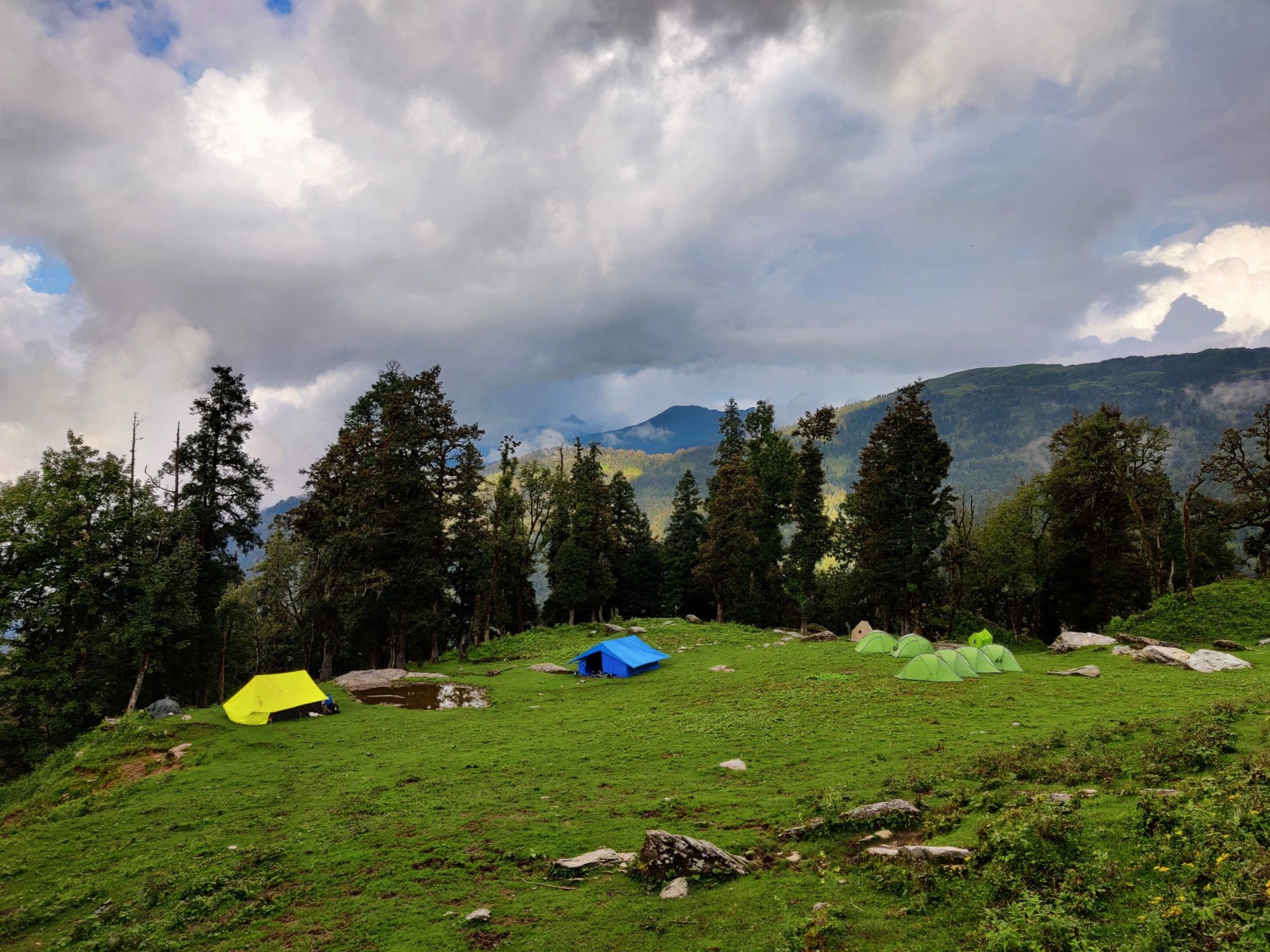
The trail offers a wonderful combination of forest walks, traditional Himalayan settlements, riverside scenery and open mountain landscapes. As the snowline retreats, the surrounding peaks continue to provide a spectacular backdrop.
May is particularly suitable for trekkers who want to enjoy the natural beauty of Har Ki Dun without the severe cold associated with winter. It is also a good month for first-time Himalayan trekkers who have prepared for multi-day walking and altitude.
Because May is a popular trekking period, demand for departures and accommodation can increase. Booking with Thin Air Expedition in advance helps you plan your travel dates and understand the package arrangements before the season becomes busy.
June brings early summer conditions to Har Ki Dun. The valley is generally lush, the meadows become greener and the landscape looks vibrant. Daytime walking can be comfortable, although the sun may feel strong in exposed sections.
As June progresses, pre-monsoon weather activity can increase. Afternoon clouds, occasional showers and changing visibility may become more common. Towards the latter part of the month, rainfall can begin affecting trail conditions and road journeys.
Early June is generally a more suitable choice than late June for trekkers who prefer relatively stable conditions. However, the weather can change quickly in the mountains, and no departure should be considered guaranteed without checking the latest forecast and route report.
Thin Air Expedition monitors seasonal weather and local trail information when planning June departures. If conditions become unfavourable, the itinerary may need to be adjusted in the interest of group safety.
July marks the main monsoon period in Uttarakhand. Har Ki Dun becomes exceptionally green, and the forests, meadows and surrounding slopes receive plenty of rainfall. While the landscape can look beautiful, this is generally not the preferred time for a regular trekking holiday.
Heavy rain can make forest trails muddy and slippery. Water levels in streams may rise, visibility can become limited and road journeys towards Sankri may be affected by landslides or temporary road closures.
The risks are not limited to the trekking trail. Access roads, bridges and campsite arrangements can also be affected by prolonged rainfall.
Thin Air Expedition generally recommends avoiding the peak monsoon period unless a departure has been specifically assessed and confirmed as operational under the prevailing conditions. The decision to operate must depend on current local information, not simply on the fact that the valley appears green.
August continues the monsoon season. The valley may look incredibly lush, with thick vegetation, flowing streams and rain-washed forests. However, frequent rainfall can make the trekking experience less predictable.
Wet rocks, muddy trails, leeches in forest sections, poor visibility and road disruptions are possible during this period. Continuous rain can also make camping less comfortable and affect the overall trekking schedule.
Although some local travel information may report access during parts of the monsoon, this does not mean that every route, campsite or departure is suitable throughout August. Operating status must be confirmed for the actual travel dates.
At Thin Air Expedition, we prioritise the safety of our trekkers over maintaining a fixed departure calendar. We assess weather, road access and trail reports before advising travellers about monsoon-season availability.
September is a transition from monsoon to autumn and can be a beautiful time to visit Har Ki Dun. The valley often retains the lush greenery created by the rains, while the weather gradually begins to improve.
The forests look fresh, rivers continue flowing through the valley and the surrounding mountain slopes appear vibrant. As the month progresses, rainfall generally begins to reduce, and the chances of clearer mountain views improve.
Early September can still experience unsettled weather and damp trail sections. Later in the month, conditions may become more favourable, although occasional rain cannot be ruled out.
September is a good option for travellers who want to see the valley in its green post-monsoon form. Thin Air Expedition considers the latest rainfall pattern, road conditions and trail reports when selecting suitable departure dates.
October is widely considered one of the best months for the Har Ki Dun trek. The monsoon has generally withdrawn, the air becomes clearer and the mountain landscape often offers excellent visibility.
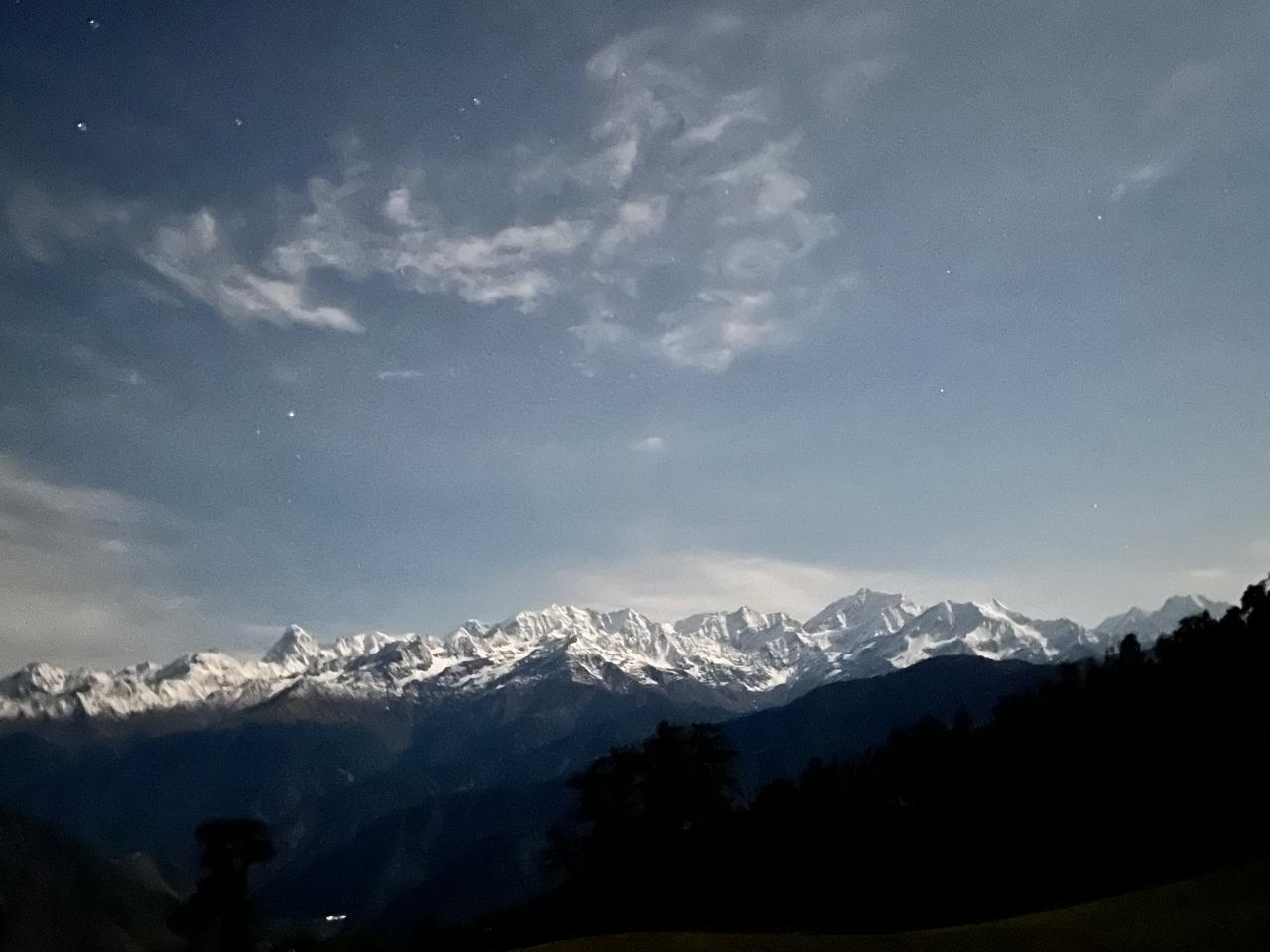
The valley gradually changes from bright green to autumn shades. The traditional villages, open meadows and surrounding forests look particularly beautiful under the clear skies. The views of the Swargarohini range and other Himalayan peaks can be especially rewarding during favourable weather.
Daytime temperatures are usually comfortable for walking, but mornings and nights become noticeably colder. The possibility of early snowfall at higher elevations may increase towards the end of the month, depending on weather patterns.
October is an excellent choice for trekkers who prioritise mountain photography, clear views and pleasant trekking conditions. It is also a popular month, so early booking with Thin Air Expedition is recommended for preferred departure dates.
November brings late-autumn conditions to the valley. The landscape becomes more muted, with golden, brown and dry vegetation replacing much of the summer greenery. Clear days can provide beautiful mountain views, while colder mornings and evenings create a distinct winter atmosphere.
Temperatures drop considerably as the month progresses. The higher sections may receive early snowfall, and frost can appear during colder nights. The number of suitable trekking days may become more weather-dependent towards the end of November.
For trekkers who enjoy cold-weather mountain scenery and quieter trails, early November can be a rewarding time to visit. However, late-season operations depend on the route's official schedule, weather forecasts and the possibility of fresh snowfall.
Thin Air Expedition checks these conditions before confirming departures so that travellers receive realistic information about the trail and expected weather.
December marks the arrival of winter in the Har Ki Dun region. Temperatures fall sharply, snowfall becomes increasingly possible and the upper valley can receive significant snow cover.
The snow-covered landscape may look spectacular, but December is not automatically a suitable month for a standard Har Ki Dun trek. Heavy snowfall can affect the trail, while seasonal wildlife protection restrictions may close access to parts of the national park.
For this reason, travellers should not book a December trip based only on photographs of snowy Har Ki Dun. The actual operating window must be verified with the relevant authorities and the trekking operator.
Thin Air Expedition provides seasonal guidance based on confirmed route access and safety assessments rather than promising snow experiences when conditions do not permit a responsible departure.
|
Season |
Months |
What the valley looks like |
General trekking conditions |
|
Late winter and early spring |
March |
Lingering snow, changing vegetation |
Cold and dependent on route opening |
|
Spring |
April |
Fresh greenery, seasonal flowers, snow on higher peaks |
Generally favourable once the route is open |
|
Early summer |
May–early June |
Green meadows, forests and flowing streams |
One of the most popular trekking periods |
|
Monsoon |
July–August |
Very lush vegetation and high water flow |
Rain, slippery trails and road disruption risks |
|
Post-monsoon |
September |
Fresh green valley and improving visibility |
Conditions improve as rainfall reduces |
|
Autumn |
October |
Clear mountain views and changing meadow colours |
One of the best trekking periods |
|
Late autumn |
November |
Golden landscape, colder weather and possible early snow |
Good early in the month, increasingly weather-dependent |
|
Winter |
December–February |
Snow-covered landscape and freezing conditions |
Standard departures may be restricted or closed |
These are seasonal patterns rather than fixed weather guarantees. Actual conditions can vary between years and even between different weeks of the same month.
The ideal month depends on the kind of Himalayan experience you want.
If you love fresh greenery, spring vegetation and comfortable daytime trekking, April and May are excellent choices. May is particularly attractive for a vibrant valley landscape.
If you prefer clear mountain views and autumn colours, October is one of the strongest options. September is worth considering if you enjoy lush post-monsoon scenery, while early November suits travellers comfortable with colder conditions.
If your main interest is snowfall, remember that the presence of snow does not automatically mean the Har Ki Dun route is open. Winter access is affected by forest restrictions, weather and trail safety. Thin Air Expedition can help you understand the currently available trekking options rather than recommending an unconfirmed winter departure.
Har Ki Dun experiences significant temperature differences between the lower villages and higher campsites. During spring and summer, daytime conditions may feel pleasant, but nights remain cool. In autumn, the air becomes crisp and nighttime temperatures can fall close to or below freezing at higher elevations.
Winter temperatures can drop well below freezing, particularly during January and February. Monsoon months are comparatively mild in temperature but bring moisture, rain and reduced visibility.
These conditions are indicative, not a guaranteed forecast. The temperature experienced by a trekking group depends on altitude, wind, cloud cover, rainfall and the exact campsite location.
Thin Air Expedition provides season-appropriate packing guidance before departure so that trekkers can prepare with suitable layers, rain protection and footwear.
Choosing the right month is only one part of planning a successful Himalayan trek. Understanding the trail, checking local conditions, arranging suitable accommodation and having an experienced team are equally important.
At Thin Air Expedition, we help trekkers select a suitable Har Ki Dun departure based on seasonal conditions and the experience they want from the valley. Our team provides guidance about the itinerary, weather expectations, packing requirements and preparation needed for the trek.
We also understand that mountain conditions can change. Rainfall, snowfall, road access and forest regulations can influence the operating schedule. Our approach is to keep trekkers informed and make responsible decisions based on the conditions on the ground.
Whether you are planning a spring trek through green forests, a summer journey across vibrant meadows or an autumn adventure beneath clear Himalayan skies, Thin Air Expedition can help you plan the experience with the right seasonal expectations.
Contact Thin Air Expedition to check upcoming Har Ki Dun trek dates, current route status and available packages. Let our team help you choose a departure that matches your travel plans and the mountain conditions.
April, May and October are among the best months for the Har Ki Dun trek. April and May offer spring greenery and pleasant trekking conditions, while October is popular for clear skies and mountain views. The final choice depends on the seasonal conditions and confirmed departure dates.
January is generally not part of the regular Har Ki Dun trekking season because of heavy snowfall, extreme cold and possible seasonal restrictions within the protected area. Travellers should confirm official access and operating status before making any plans.
Yes. Har Ki Dun receives snowfall during winter, particularly around December, January and February, depending on the year's weather. Snow can affect trail access and may lead to seasonal closures.
Yes. May is one of the most popular months because the valley becomes greener, daytime temperatures are generally comfortable and the landscape offers beautiful views of forests, streams and surrounding mountains.
September can be a good month, especially later in the month when monsoon rainfall generally begins to reduce. The valley often remains lush and green, although rain and damp trail sections may still occur.
October is generally preferred by trekkers looking for clearer skies, drier trails and crisp mountain views. September offers greener scenery after the monsoon but can have more unpredictable rainfall, especially early in the month.
July and August are generally not recommended for regular trekking because of heavy rain, slippery trails, landslide risks and possible road disruptions. Any departure during this period should be confirmed only after a current local safety assessment.
Temperatures vary considerably by month and altitude. Spring and summer days are usually milder, while nights remain cold. Autumn brings colder nights, and winter temperatures can fall well below freezing. Trekkers should follow the latest forecast and the clothing guidance provided before departure.
Har Ki Dun can be suitable for fit beginners who are prepared for several days of walking at high altitude. Choosing a favourable season, following the trek leader's instructions and preparing physically before the journey are important.
For popular months such as May and October, booking several weeks in advance is advisable, particularly if you have fixed travel dates. Contact Thin Air Expedition to check available departures, group arrangements and current package details.