Kuari Pass Trek in Winter Snow Nanda Devi Views and What to Do
Kuari Pass Trek in Winter Snow Nanda Devi Views and What to Do
17
Nov

Winter in the Himalayas offers an experience that is difficult to describe in words. Mountains covered in fresh snow, frozen forest trails, quiet alpine meadows and spectacular views of towering Himalayan peaks create a landscape that feels completely different from the rest of the year. Among the many winter trekking destinations in Uttarakhand, the Kuari Pass Trek in winter stands out as an excellent choice for adventure lovers who want to experience the magic of the snow-covered Garhwal Himalayas.
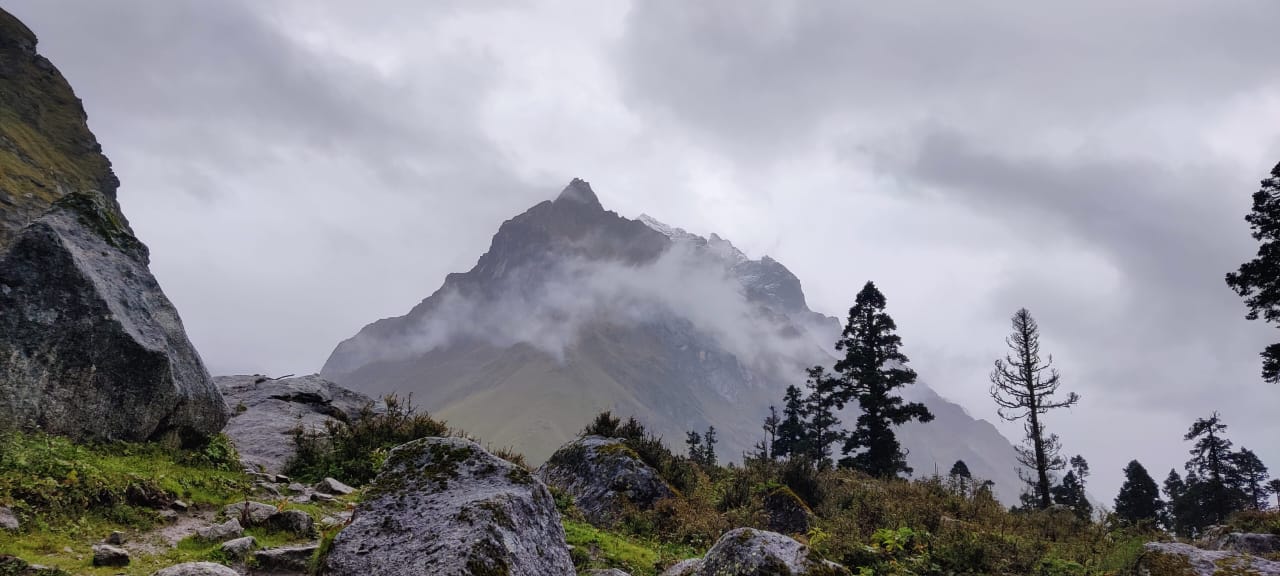
Located in the Chamoli district of Uttarakhand, the Kuari Pass Trek is also known as the Curzon Trail. It takes trekkers through beautiful oak and rhododendron forests, traditional mountain villages, open grasslands and high-altitude ridgelines. During winter, much of this landscape gets covered in snow, transforming the trekking route into a beautiful white wilderness.
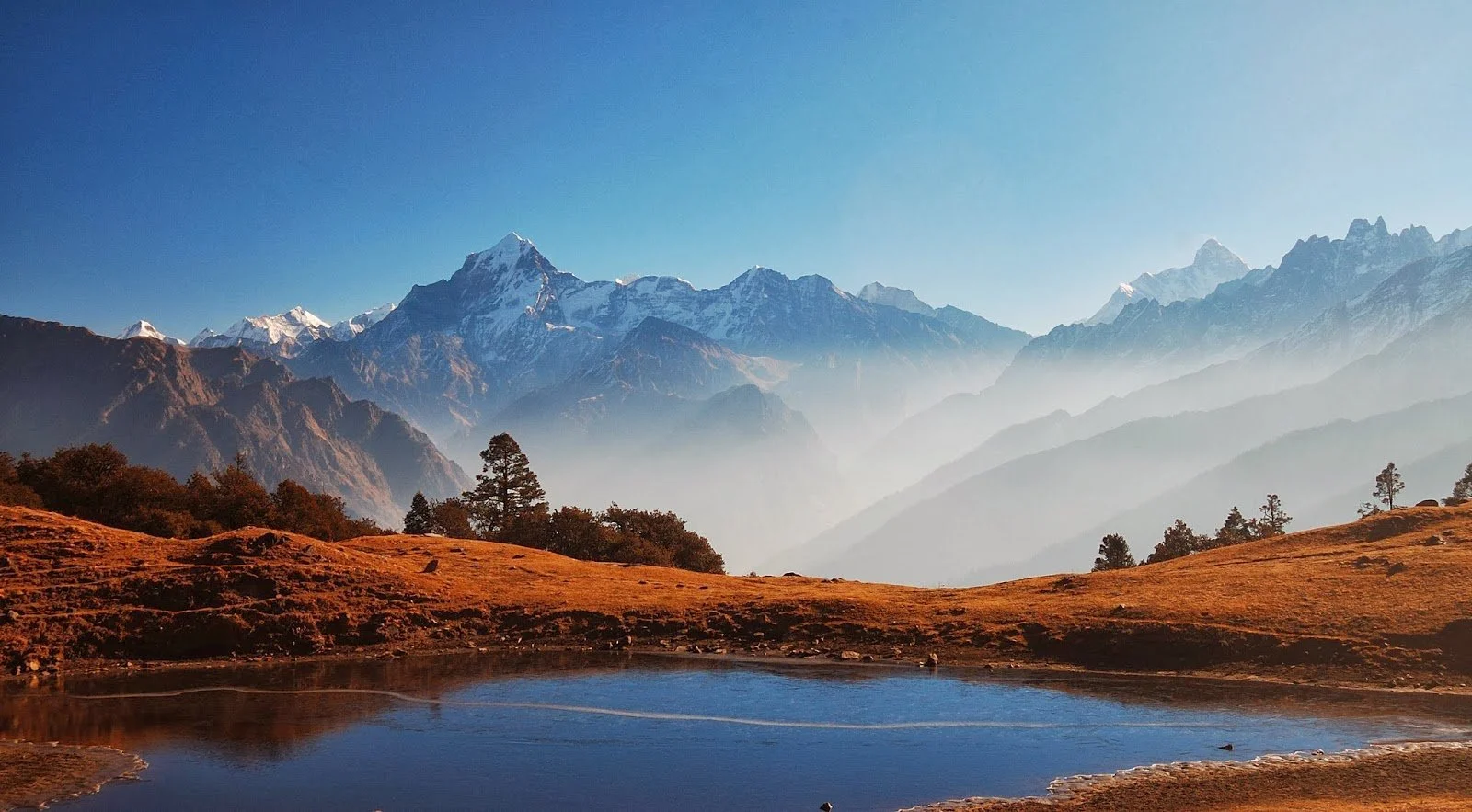
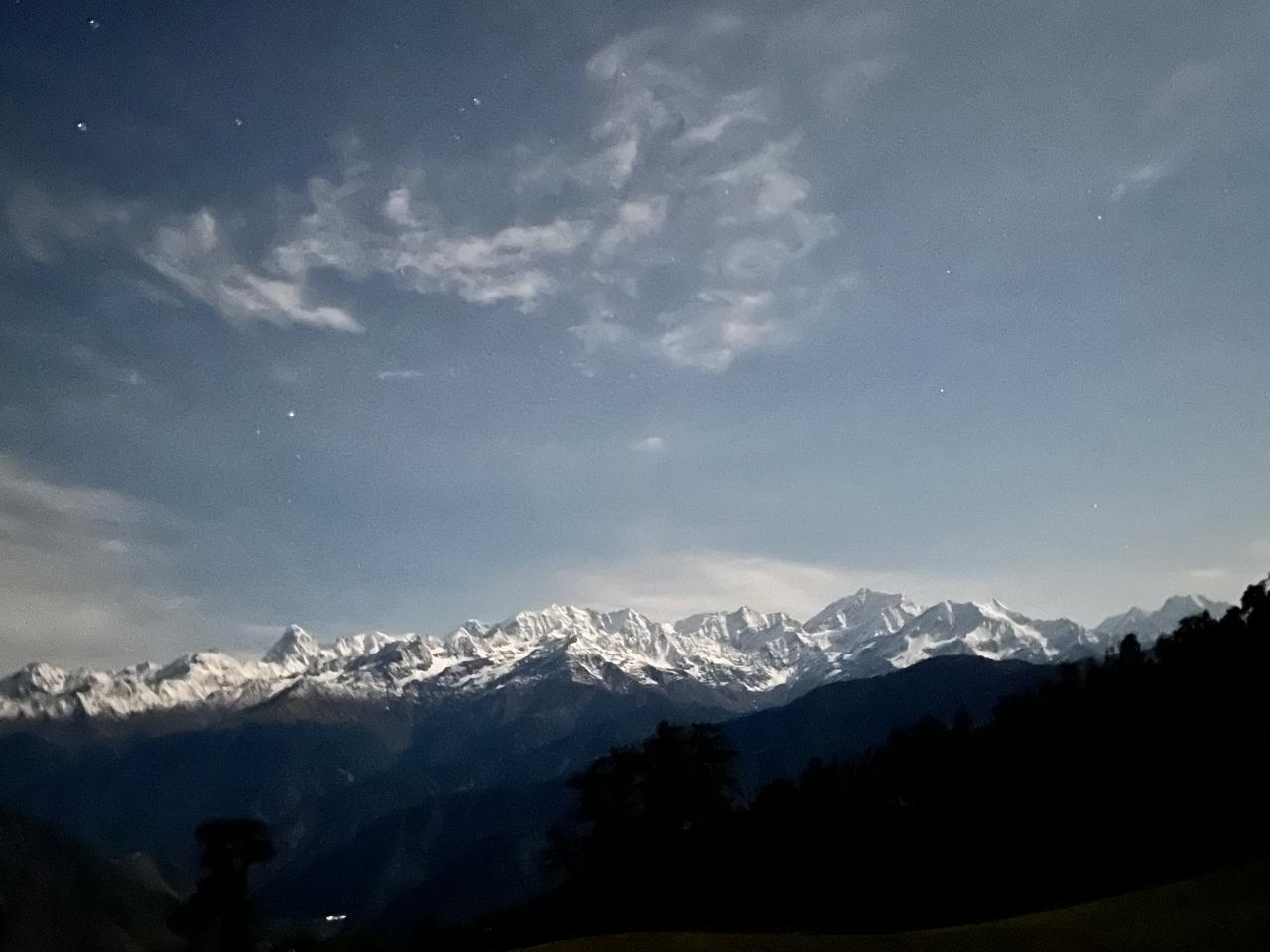
One of the biggest attractions of this winter trek is the magnificent view of Nanda Devi, India's second-highest mountain. Along with Nanda Devi, trekkers can enjoy views of Dronagiri, Kamet, Chaukhamba and several other Himalayan peaks when the weather is clear.
Whether you are planning your first winter Himalayan adventure or looking for a memorable snow trekking experience, Kuari Pass offers an exciting combination of natural beauty, adventure and mountain exploration. This guide explains everything about the Kuari Pass winter trek, including snowfall, Nanda Devi views, trekking activities, route, difficulty, best time and essential travel tips.
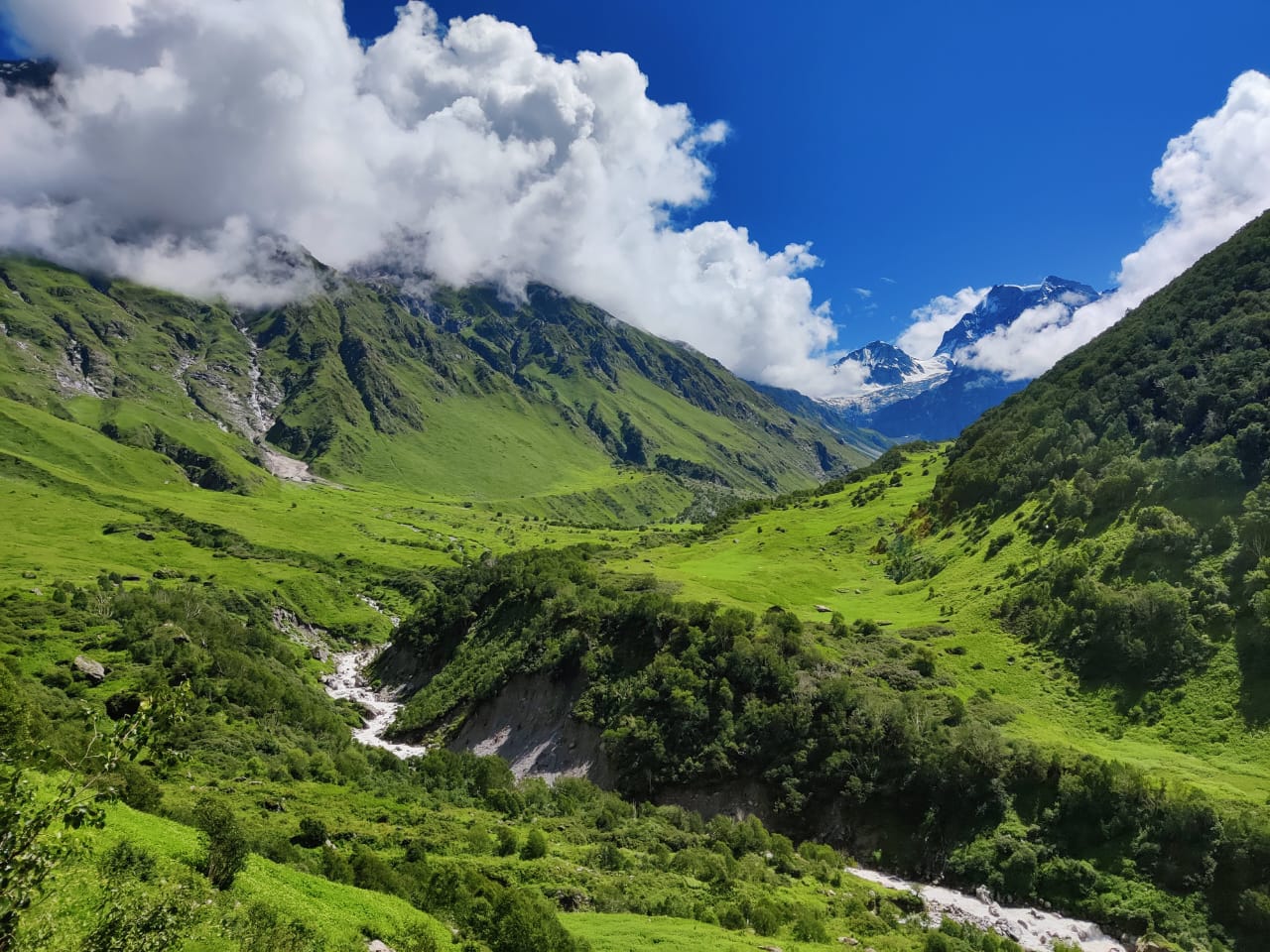
The Kuari Pass Trek becomes particularly attractive during winter because the changing weather transforms its surroundings into a snow-covered Himalayan landscape. The green meadows and forest paths that look beautiful during summer take on a completely different appearance between December and February.
As you begin walking through the lower sections, you encounter traditional villages surrounded by mountain forests. Gradually, the trail climbs towards higher elevations, where snow begins to cover the ground, tree branches and open slopes.
The experience of walking through a snow-covered oak forest is one of the most memorable parts of the trek. The peaceful surroundings, fresh mountain air and distant views of snow-covered peaks make every section of the journey special.
Another reason why Kuari Pass is popular in winter is its relatively accessible altitude. At approximately 12,516 feet, the pass provides an opportunity to experience high-altitude winter trekking without requiring advanced mountaineering skills.
However, winter conditions can make the route more challenging. Snow depth, temperature, visibility and trail conditions vary from day to day, so trekking with an experienced team is important.
Snow is one of the main reasons travellers choose the Kuari Pass Trek in winter. The region generally experiences its winter season from December to February, with snow accumulation varying according to the weather.
December can bring the first significant winter snowfall, although the amount of snow differs each year. January is often considered an attractive month for people looking for a proper snow trekking experience. February may also offer beautiful snow-covered landscapes, particularly at higher elevations.
The higher sections around Khullara, Gorson Bugyal and Kuari Pass can retain snow even when lower villages have relatively less snow.
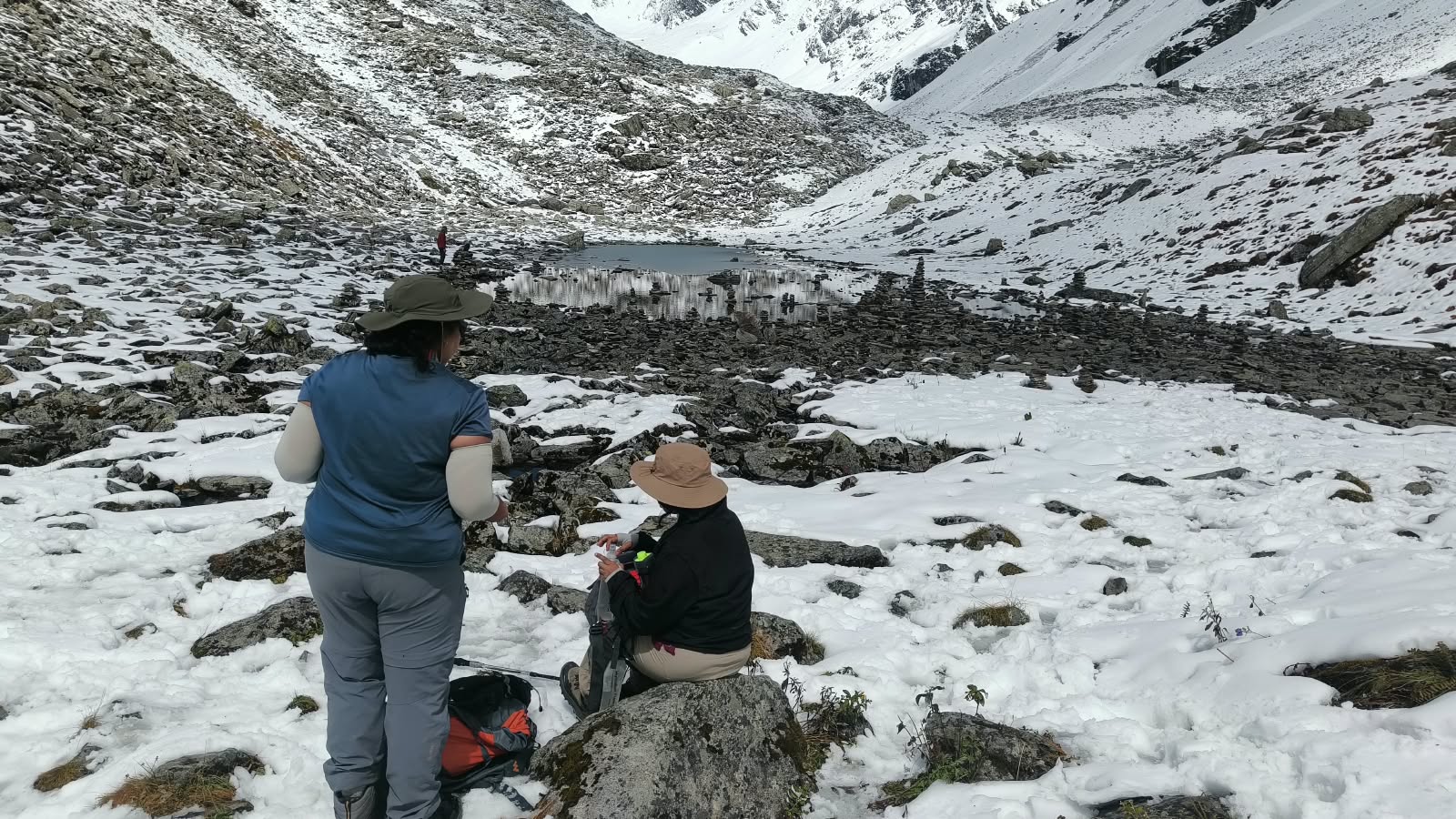
Walking on fresh snow creates an entirely different trekking experience. Every step requires attention because the surface may be slippery or uneven. In some sections, trekkers may need gaiters, trekking poles or additional traction equipment depending on the conditions.
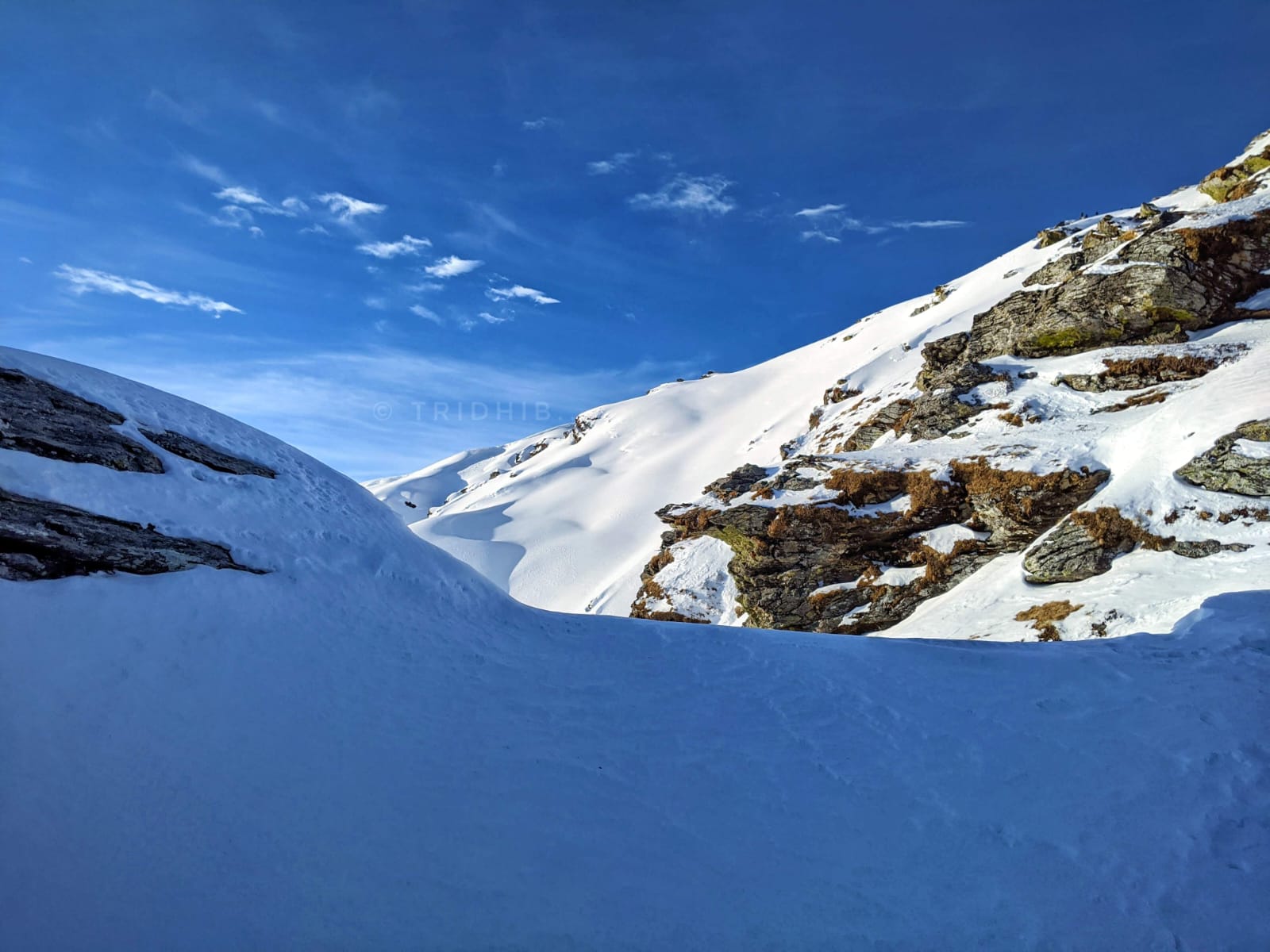
The snow-covered meadows are particularly beautiful in the early morning when sunlight gradually illuminates the surrounding mountain slopes. The contrast between white snow, blue skies and distant Himalayan peaks creates outstanding photography opportunities.
It is important to understand that snowfall cannot be guaranteed on specific trekking dates. Weather conditions change every year, and the trekking operator may modify the route or schedule depending on safety requirements.
For many trekkers, the biggest attraction of the Kuari Pass Trek is the opportunity to witness the magnificent Himalayan panorama.
Nanda Devi rises dramatically above the surrounding mountains and is one of the most recognisable peaks in the Indian Himalayas. It stands at approximately 7,816 metres and is India's second-highest mountain.
The Kuari Pass region offers beautiful views of Nanda Devi from suitable viewpoints along the trail, especially around the higher ridgelines and open mountain sections.
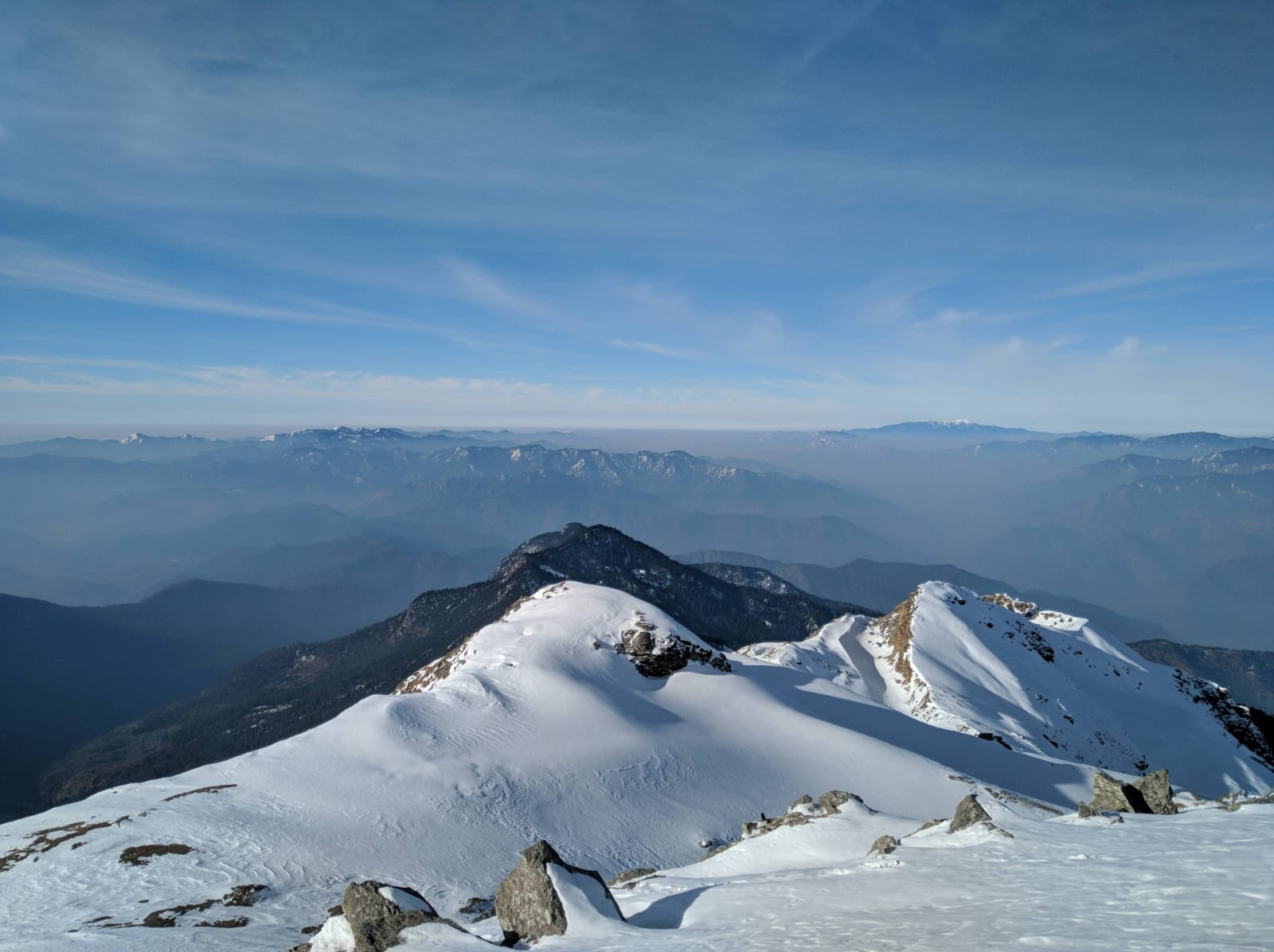
During winter, these views become even more impressive. Snow-covered slopes, clear mountain air and bright sunlight can create excellent visibility, allowing trekkers to appreciate the enormous scale of the surrounding Himalayan range.
Apart from Nanda Devi, the landscape may reveal several other prominent peaks, including Dronagiri, Kamet, Chaukhamba and Hathi Ghoda.
The best opportunity to enjoy these mountain views is generally during clear mornings. Clouds can develop quickly in the mountains, so an early start is often helpful.
For photography enthusiasts, the Nanda Devi viewpoint is an ideal place to capture wide Himalayan landscapes. A camera with a zoom lens can help photograph distant peaks, while a wide-angle lens is useful for capturing the entire mountain panorama.
The best time for the Kuari Pass winter trek is generally December to February, although March can sometimes offer winter-like conditions at higher elevations.
Each month provides a slightly different experience.
December: Beginning of the Winter Season
December marks the transition into winter. Temperatures become colder, and snowfall may begin at higher elevations. The trail can offer a mixture of exposed mountain paths and snow-covered sections.
This month is suitable for trekkers who want to experience the beginning of the Himalayan winter without necessarily seeking the deepest snow conditions.
January: Ideal for a Snow Trekking Experience
January is often considered one of the most attractive months for winter trekking in Kuari Pass. Snow accumulation can be substantial around higher campsites and meadows.
The landscape becomes especially beautiful after fresh snowfall, although extremely cold nights and difficult trail conditions are possible.
February: Snow and Improving Daytime Conditions
February can provide a combination of winter snow and gradually improving daytime temperatures. Higher sections may remain covered in snow, while lower areas can start experiencing seasonal changes.
It is an attractive month for people who want to enjoy snow trekking with slightly longer daylight hours compared with the beginning of winter.
For the best experience, check recent snowfall reports and trail conditions before confirming your booking.
The Kuari Pass winter trek is not just about reaching the pass. The entire journey offers several activities and experiences that make the adventure memorable.
Walking through snow-covered forests and meadows is one of the main activities during this trek. The experience requires patience and careful movement, particularly when the snow is deep or slippery.
For beginners, learning how to maintain balance and use trekking poles on snowy terrain is an important part of the adventure.
Early mornings in the mountains can be extremely beautiful. As sunlight reaches the surrounding peaks, their snow-covered surfaces begin to glow.
Watching the sunrise from a suitable campsite or viewpoint is one of the most rewarding experiences of the Kuari Pass winter trek.
Gorson Bugyal is a beautiful alpine meadow near Auli. During winter, the grassland can become covered in snow, creating a wide white landscape surrounded by Himalayan mountains.
The open terrain provides excellent opportunities for photography and enjoying the peaceful mountain environment.
Mountain photography is another popular activity along the Kuari Pass route. The region provides opportunities to photograph Nanda Devi, Dronagiri, Kamet and other peaks, depending on visibility.
Early morning and late afternoon often provide interesting natural lighting.
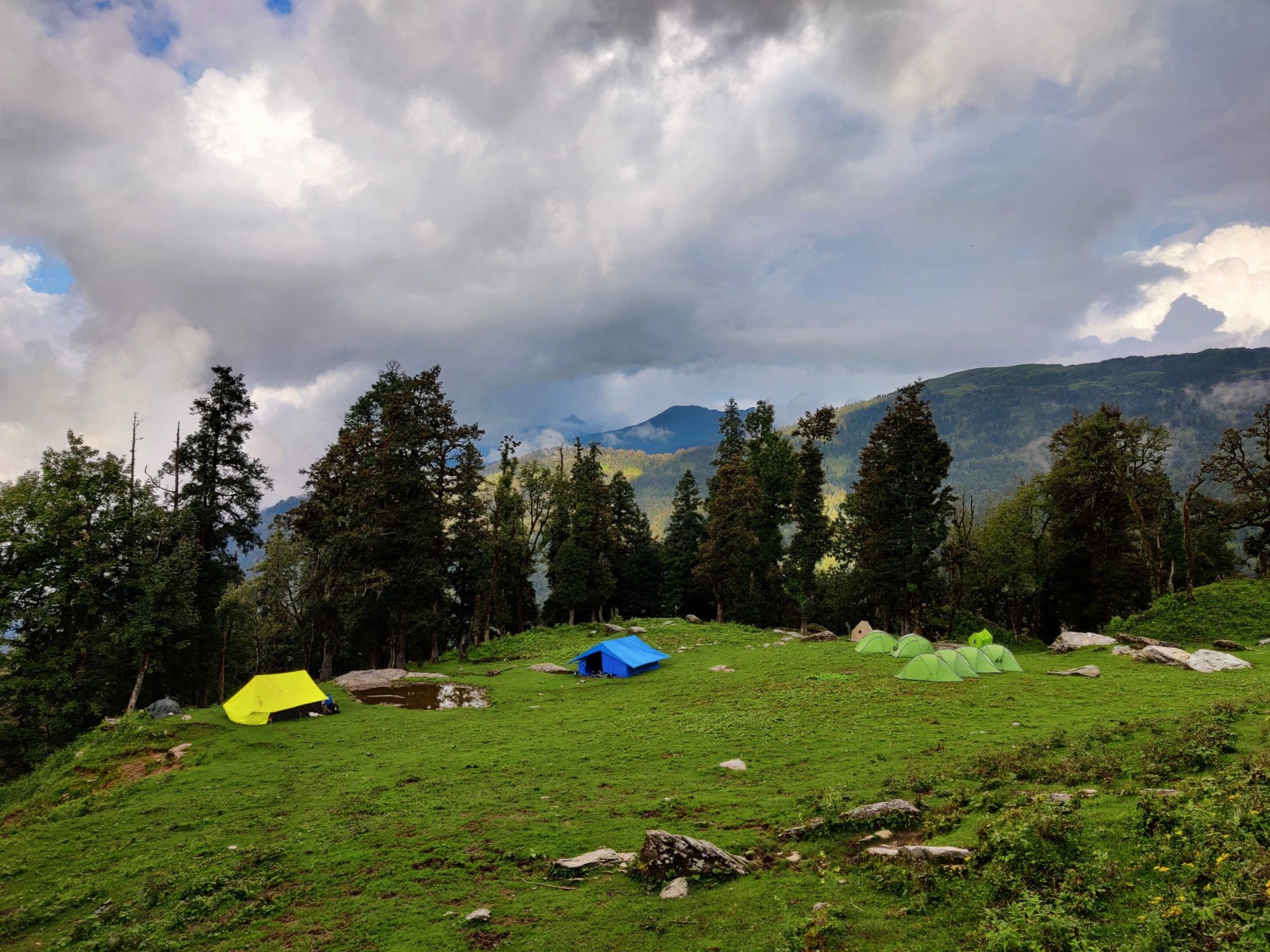
Camping is an essential part of the organised Kuari Pass Trek experience. Spending the night in a designated mountain campsite allows you to experience the peaceful atmosphere of the Himalayan wilderness.
Winter camping requires appropriate insulated sleeping arrangements and suitable equipment. Always follow the instructions of your trek leader and avoid wandering outside designated camping areas.
The lower sections of the route pass through traditional villages in the Garhwal region. These settlements offer an opportunity to understand local architecture, agricultural practices and the lifestyle of mountain communities.
Respect local traditions, avoid disturbing residents and support responsible tourism wherever possible.
The most popular trekking approach begins near Dhak or Karchi village in the Joshimath region.
A typical five-to-six-day itinerary includes road travel from Rishikesh, followed by trekking through forest trails and higher mountain campsites.
The first day generally involves travelling from Rishikesh to Joshimath. On the second day, trekkers begin walking from Dhak towards Gulling or another designated campsite.
The third day involves climbing towards Khullara, which serves as an important high-altitude campsite.
On the fourth day, trekkers attempt the Kuari Pass section, subject to snow and weather conditions, before continuing towards the designated campsite.
The following day generally involves descending through Gorson Bugyal towards Auli, followed by a return to the Joshimath region. The final day is usually reserved for travelling back to Rishikesh.
During winter, the itinerary may change because of heavy snowfall, road closures or unsafe trail conditions. The trek leader always has the final responsibility for deciding whether a particular section can be attempted safely.
The Kuari Pass Trek is generally classified as easy to moderate or moderate, but winter conditions can increase its difficulty.
During summer, many sections consist of ordinary mountain paths and forest trails. In winter, these same sections may become slippery because of snow and ice.
The climb towards Kuari Pass can be physically demanding, especially when snow accumulation makes every step more difficult.
Beginners can undertake this trek if they have reasonable fitness and prepare properly. Regular walking, jogging, stair climbing and leg-strengthening exercises should form part of the preparation routine.
Trekkers should also understand the risks associated with high altitude. At approximately 12,516 feet, some people may experience symptoms of altitude sickness.
Headaches, nausea, dizziness and unusual fatigue should never be ignored. Inform your trek leader immediately if you experience these symptoms.
Winter trekking should always be undertaken with an experienced team that understands snow conditions, route navigation and emergency procedures.
Proper clothing and equipment are particularly important when trekking in the Himalayas during winter.
A thermal base layer, fleece jacket and insulated down jacket will help protect your body from low temperatures. A waterproof and windproof outer layer is useful during snowfall and strong winds.
Carry waterproof trekking shoes with good ankle support and grip. Warm socks, insulated gloves, a woollen cap and a neck warmer are also essential.
Sunglasses and sunscreen are important because sunlight reflected from snow can be intense. A headlamp, personal medicines, first-aid supplies, water bottle and comfortable backpack should also be included.
Depending on snow conditions, gaiters and suitable traction equipment may be necessary. Your trekking operator should advise you about specialised equipment required for the planned departure.
Avoid carrying unnecessary items because additional weight makes winter trekking more tiring.
The cost of the Kuari Pass winter trek depends on the trekking operator, group size, accommodation, transportation and services included.
For the 2026–27 winter season, a general planning budget for an organised trek can be approximately ₹10,000–₹16,000 per person, excluding certain personal expenses and optional services.
A standard package may include camping accommodation, meals during trekking days, trek leaders, support staff, camping equipment and applicable forest permissions.
Transportation from Rishikesh to the base location may be included or charged separately, depending on the package.
Before booking, check the complete cost breakdown. Confirm whether transportation, insurance, equipment rental, permits and GST are included.
Choosing a trekking package based only on the lowest price is not advisable. Safety arrangements, experienced trek leaders and proper winter equipment are particularly important for a snow trek.
Winter trekking requires greater attention to weather and trail conditions.
Always follow the instructions of your trek leader, particularly while walking through snow-covered sections. Avoid taking shortcuts or attempting steep slopes independently.
Drink water regularly, even when you do not feel thirsty. Cold weather can reduce the sensation of thirst, but dehydration remains a concern at high altitude.
Keep your body warm by wearing appropriate layers and changing damp clothing when necessary.
Never ignore signs of altitude sickness or hypothermia. Inform your trekking team immediately if you feel unusually weak, confused, dizzy or excessively cold.
Mountain weather can change unexpectedly. If the trek leader decides that the pass is unsafe, accept the decision rather than taking unnecessary risks to reach the summit.
Responsible trekking means respecting both the mountain environment and your personal safety.
The Kuari Pass Trek in winter is one of the most rewarding snow trekking experiences in the Garhwal Himalayas. Its beautiful snow-covered forests, expansive alpine meadows, peaceful campsites and magnificent views of Nanda Devi make it an unforgettable destination for adventure enthusiasts.
From walking through fresh snow to watching the morning sunlight illuminate the Himalayan peaks, every part of this journey offers something special. The opportunity to explore Gorson Bugyal, experience winter camping and photograph the surrounding mountain ranges makes the trek much more than simply reaching a high-altitude pass.
December to February is generally the preferred period for experiencing the winter landscape, although actual snowfall and trail conditions vary every year.
With suitable physical preparation, proper winter clothing and an experienced trekking team, beginners as well as seasoned trekkers can enjoy this beautiful Himalayan adventure.
If you are planning a winter getaway in Uttarakhand and want to experience snow, adventure and spectacular mountain views, the Kuari Pass Trek deserves serious consideration for your 2026–27 travel plans.
Choosing the right trekking company is an important part of planning a safe and enjoyable Himalayan adventure. Winter trekking requires more than simply following a marked trail. It demands knowledge of mountain weather, snow conditions, altitude management and emergency preparedness.
Thin Air Expedition aims to make your Kuari Pass winter trekking experience comfortable, organised and memorable.
With an emphasis on responsible trekking and a well-planned mountain experience, the focus should be on helping trekkers enjoy the natural beauty of the Garhwal Himalayas while maintaining appropriate safety standards.
From understanding the trekking route to preparing for cold temperatures and high-altitude conditions, proper guidance can make a significant difference, particularly for first-time winter trekkers.
When booking your Kuari Pass Trek with Thin Air Expedition, look for a clearly explained itinerary, transparent package inclusions, experienced trek leaders, appropriate winter camping arrangements and reliable emergency support.
A good trekking experience is not only about reaching Kuari Pass. It is about enjoying the journey, respecting the mountains and returning with unforgettable memories.
Choose Thin Air Expedition for your next Himalayan adventure and get ready to experience the snow-covered beauty of Kuari Pass, the magnificent Nanda Devi views and the magic of winter trekking in Uttarakhand.