Black Peak Expedition What It Really Feels Like to Climb Kalanag
Black Peak Expedition What It Really Feels Like to Climb Kalanag
20
Apr

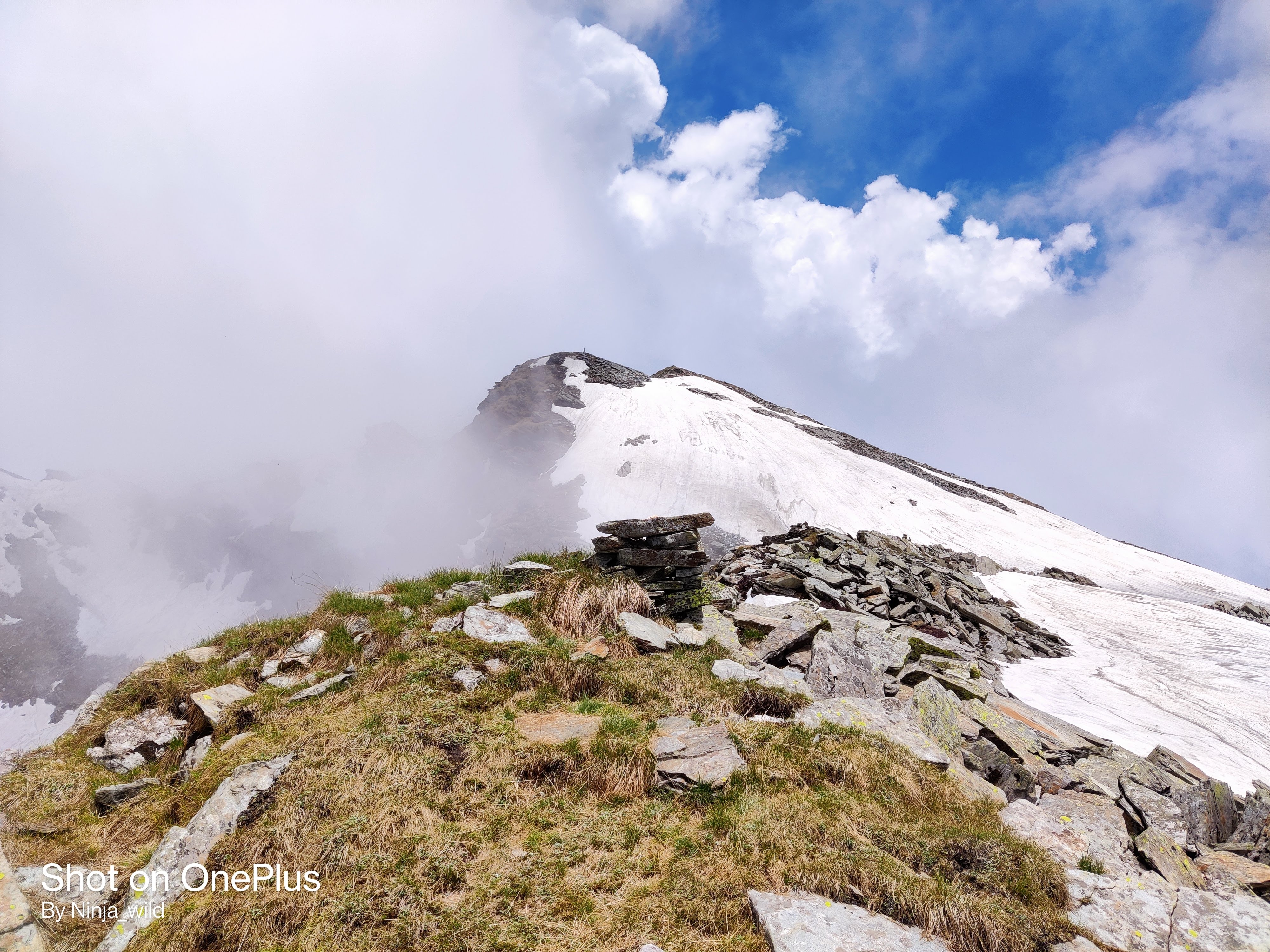
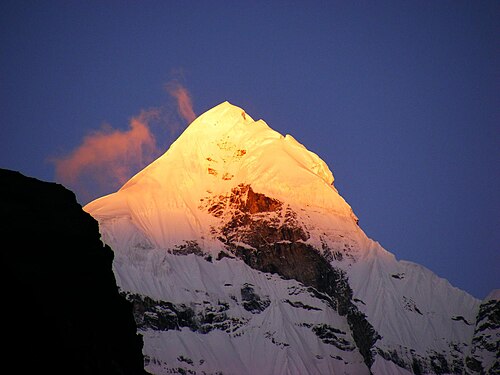
Black Peak, natively known as Kalanag, dominates the skyline of Govind Pashu Vihar National Park. It guards the region at 6,387 meters-is not just a number but an emotional threshold for every avid mountaineer. Its name (Black Cobra) captures the intimidating dark schist rock face perfectly that flashes like a hood against the translucent blue of the Garhwal sky. For those, seeking climbing beyond 5000 meters, Kalanag offers a stunning benchmark of demanding challenge to cross but also emotional afterglow that comes after isolation. It is the ultimate extreme mountaineering test, can be won with grounded, steadfast spirit and a rhythmic cadence, finding your pace with the soul-stirring wild of the Himalayas.
The Silhouette of the "Black Cobra"
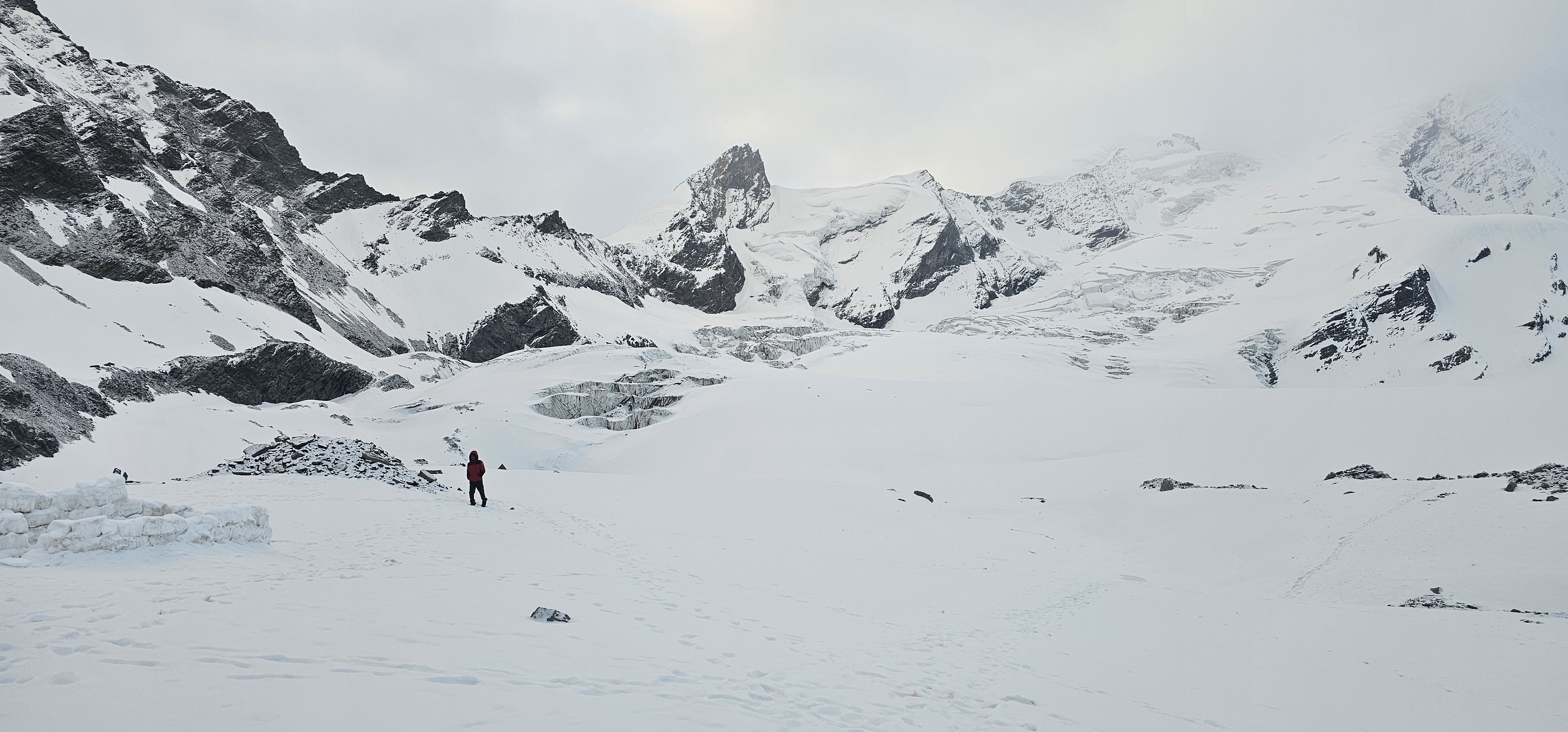
The aura of Ruinsara Valley (base), the horizon is powered by an existence that feels more like a chaperon than a mountain. Locals call it Kalanag, whereas international climbers call it Black Peak. Besides being the highest peak in the Saraswati range, it is a dream of many mountaineers from across the globe.
Those who wonder why kalanag? As you look up at its southern side, the metaphor is proven right. If you have embarked on other peaks of rugged Garhwal Himalayas and wondered what lies beyond those trails, you should take Black Peak journey for the answer.
For those who already have explored technical climbs like Pangarchulla Peak or similar like Mount Shivling expedition, the Black peak expedition offers an ideal transition into extreme high altitude mountain climbing.
The Gateway: Through the Ruins and the River
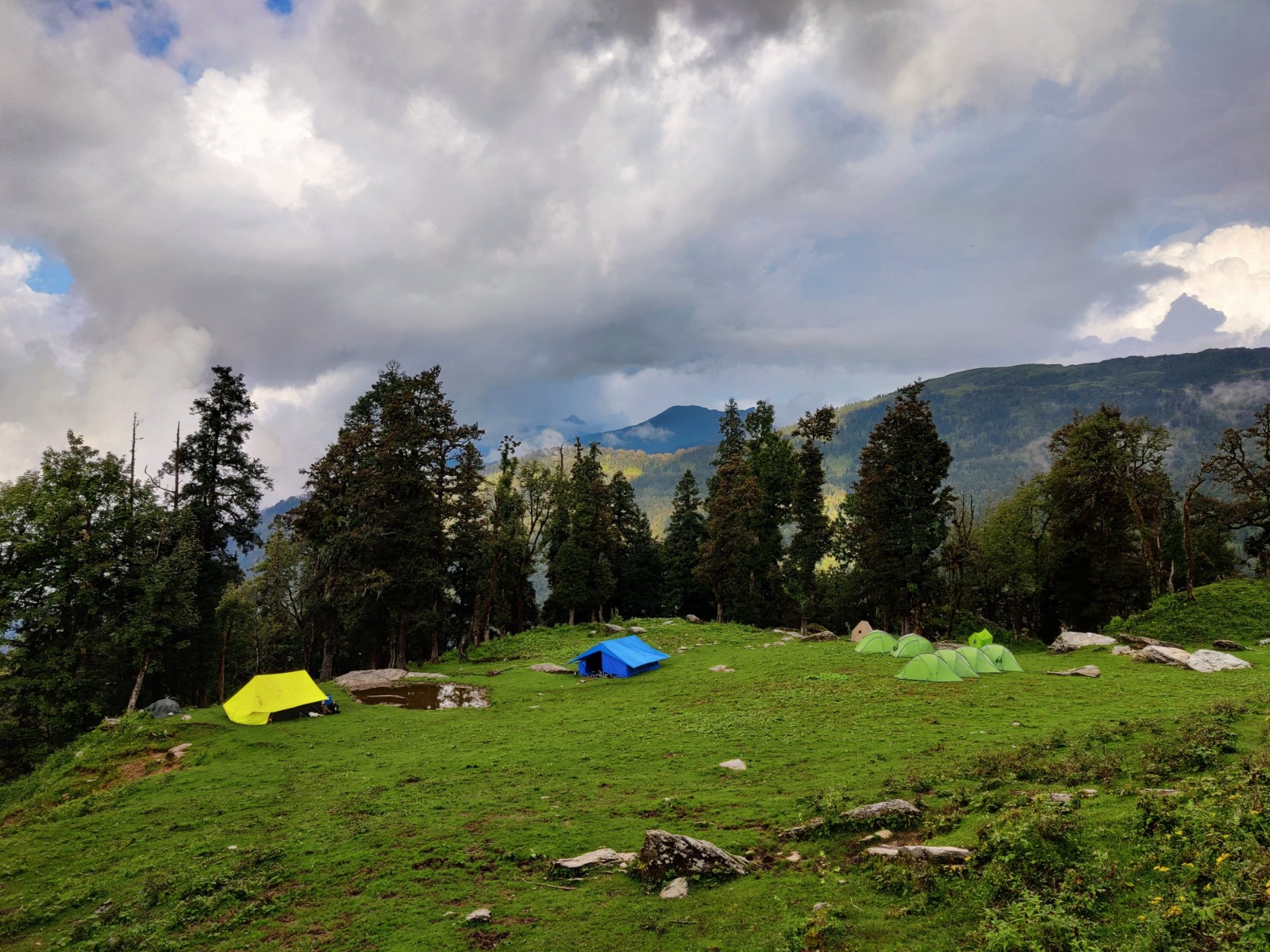
The journey doesn’t immediately start with the ice; Sankri Sun greets you on the first day of your trekking as if blessing you to begin the trek on a positive note. The ancient scent of cedar filled in the air pushes you gently towards the upcoming adventure. The trail to Black Peak is widely famous and known as one of the best trekking routes in India, navigating through the Govind Pashu Vihar National Park.
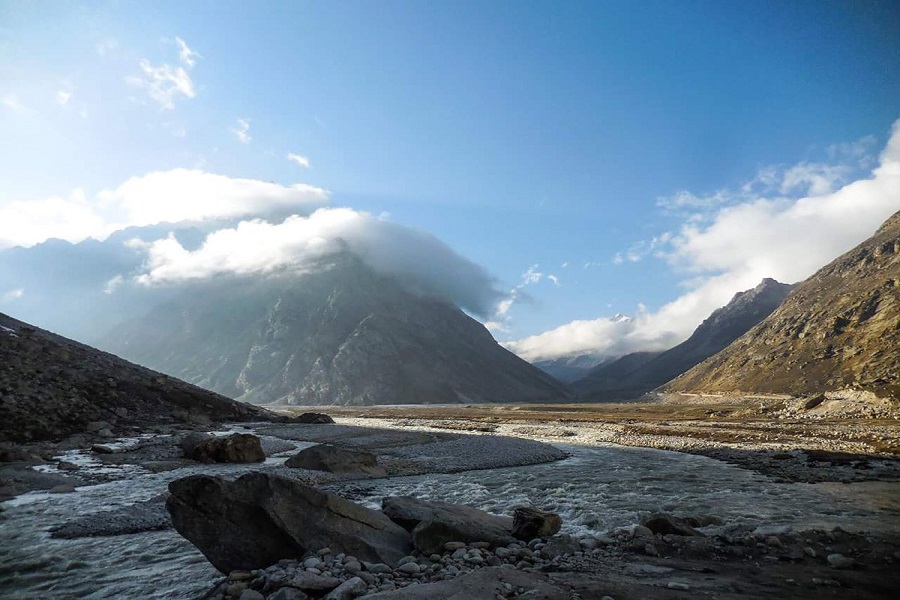
The trekkers are taken to Taluka (small village), traversing through the Ruinsara Valley.
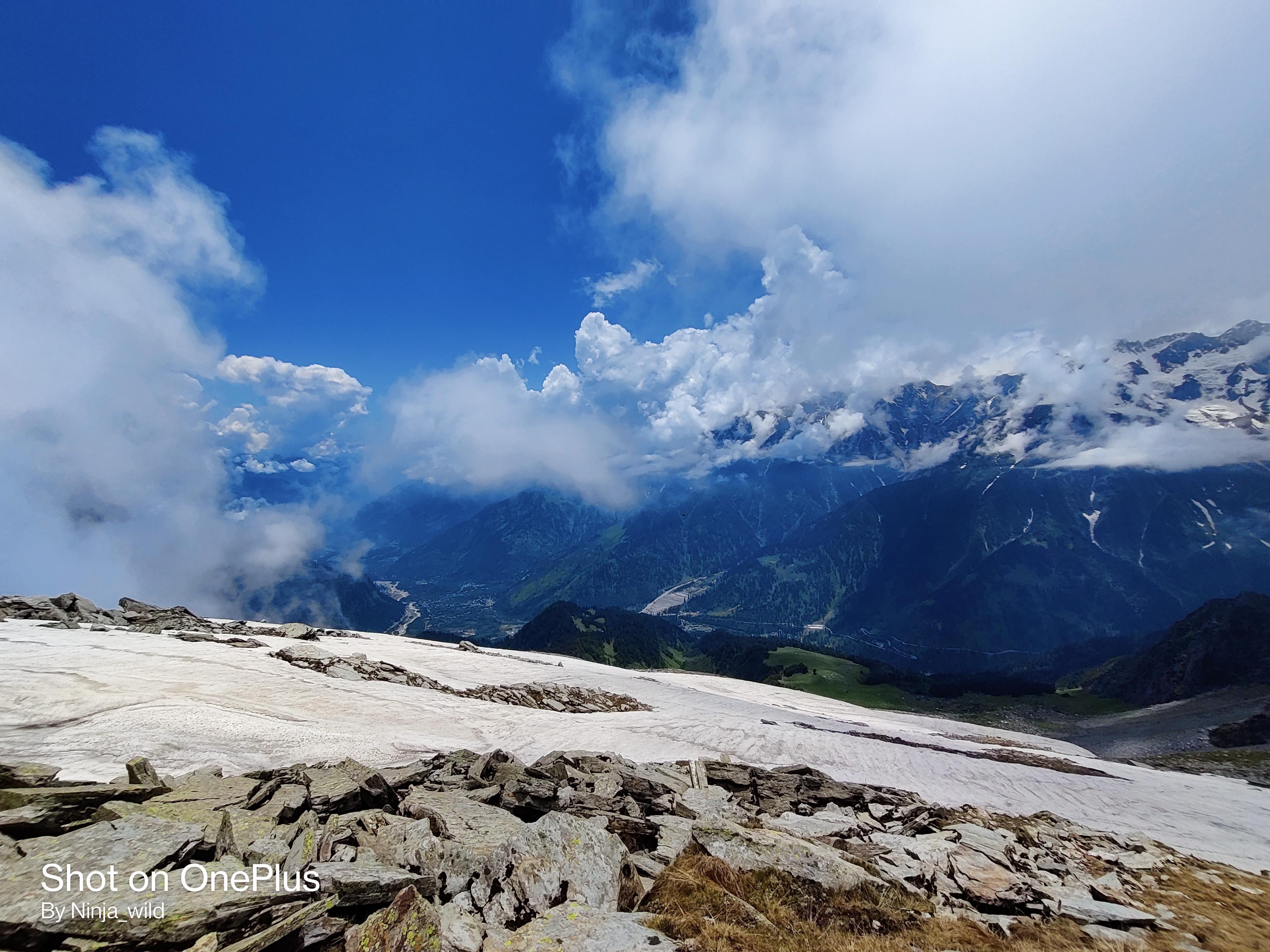
In the first frame, the trail introduces you with a lush green dreamy setup. Later, as you cross remote hamlets like Osla, where 2 centuries old architecture feels like a living museum. As soon as you leave Ruinsara Tal behind, an alpine lake clear-as-mirror appears, and greenery starts to fade away. The silver birches take away, which also disappear once you cross the threshold into the untamed wild. You are in a transition where everything is new, unscripted, and exciting. As the soft forest floor sweeps by your feet, the geometry of glacial moraine takes the charge. Every step you take reminds you of leaving the world of material, comfort, and luxury behind for the world of rock and ice.
Life at 4,000m+: The Grounded Reality of Basecamp
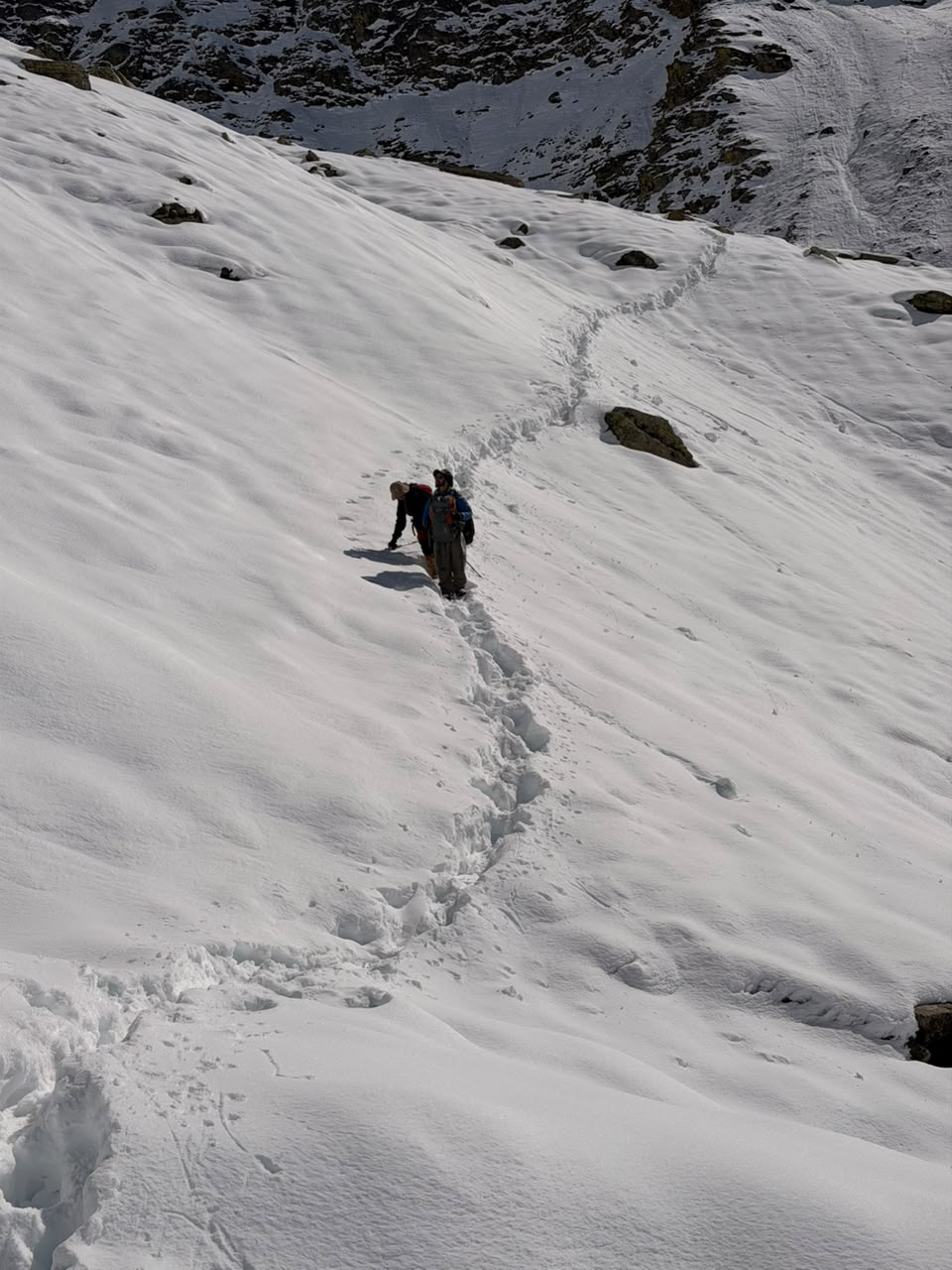
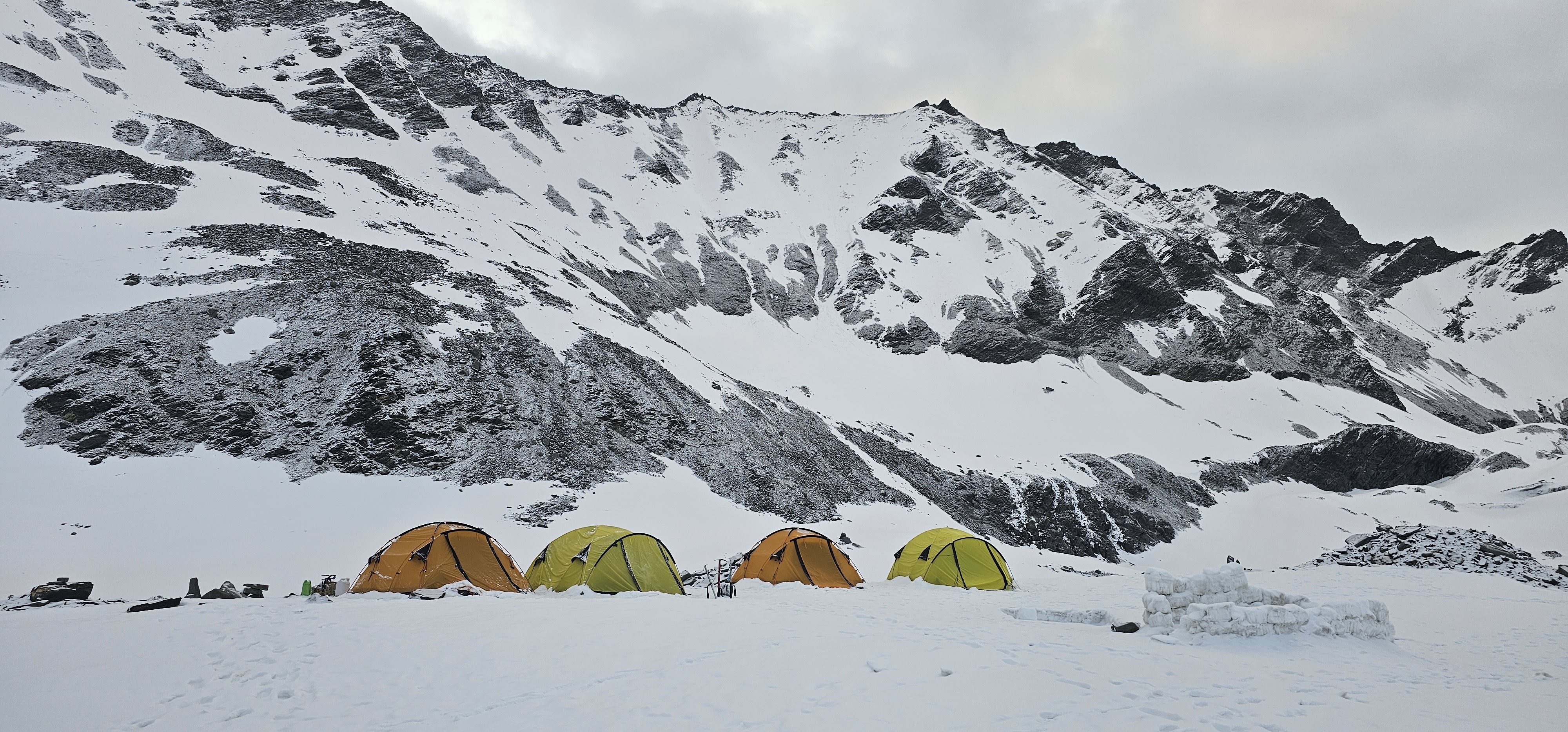
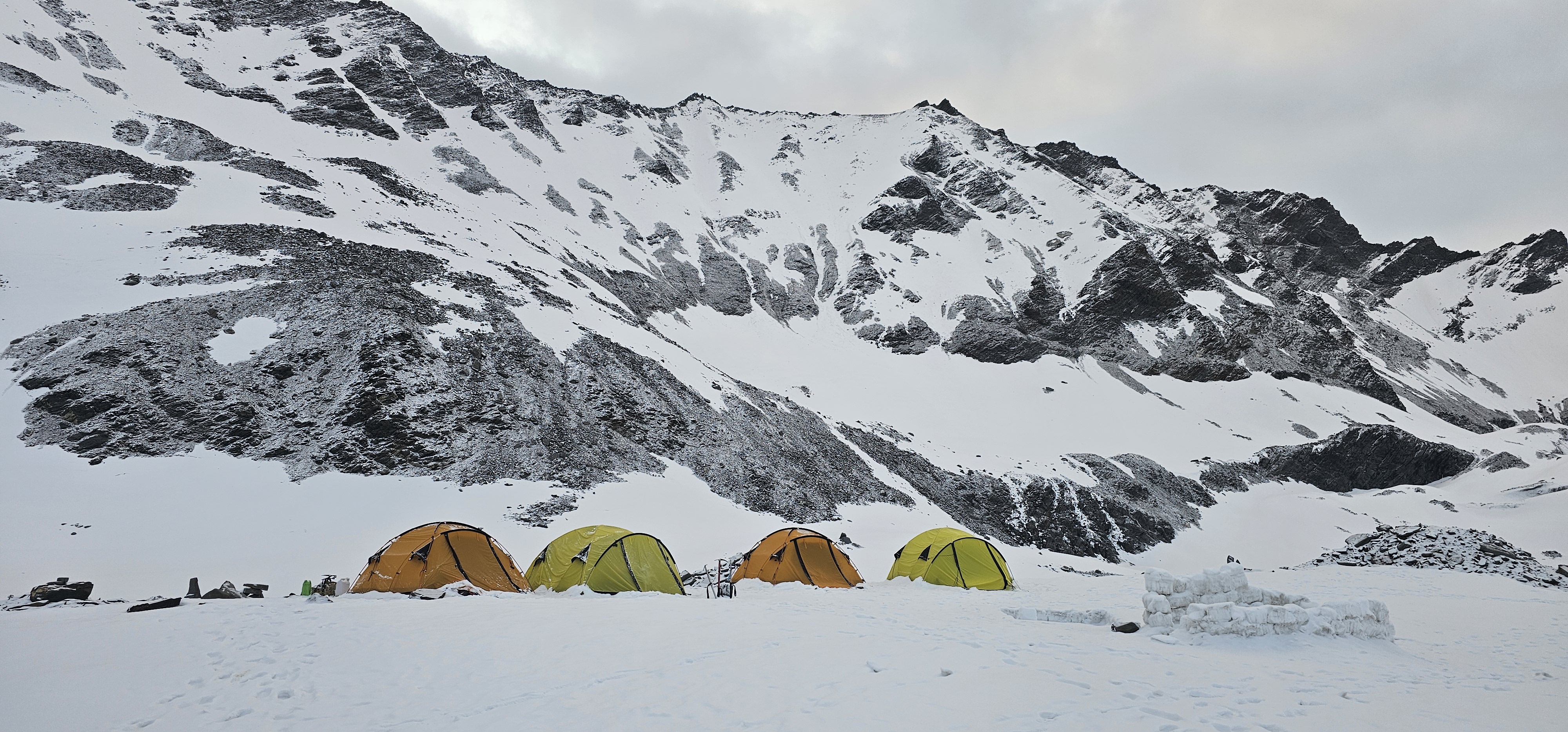
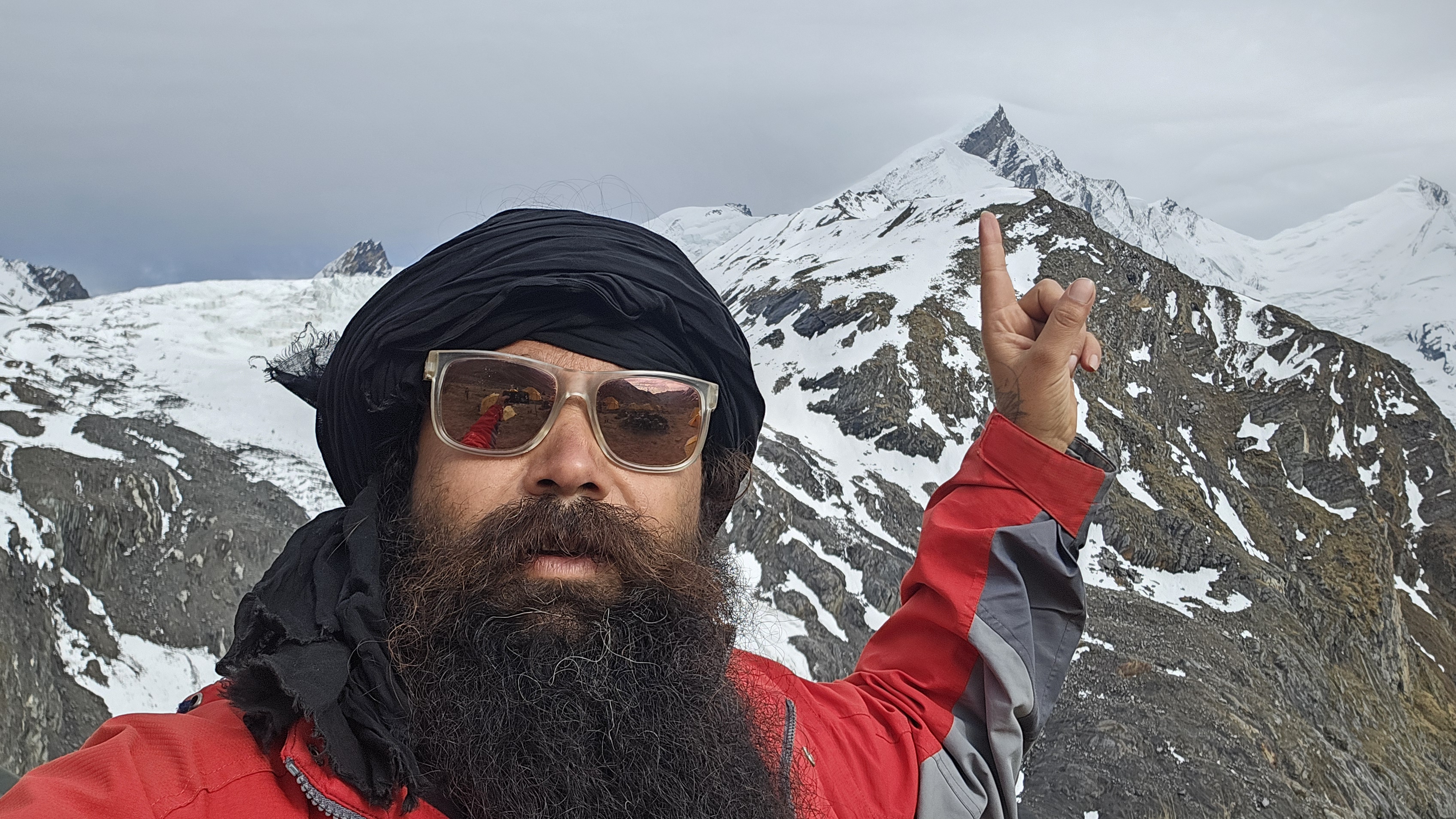
The actual expedition begins at the basecamp situated at the height of 4,400 m; it is where the soul starts to revamp itself. In the term of mountaineering, Sadhana simply means discipline, as mountains don’t forgive those who break the rules. There are certain repetitive steps required to survive the high-altitude. Life at Basecamp is not splendid. It is a cycle of turning snow into melted water for hydration, feeding forcefully to match up the mountain calories, and constant, thorough checking of gear.
The air here is so thin that a trip to a mess tent or toilet tent feels like a sprint. This is the perfect cycle to learn the art of acclimatization. It isn’t just a rest; it is the perfect time to get into the zone. Trek leaders are going to make you climb 500 meters up and come back down before you go back to sleep. It is a trick used by the expert mountaineers to help your body increase more red blood cells. The background whispers coming from the mountain are unforgettable; the deep, heavy quietness of the Garhwal is seldom interrupted by the roaring crack of an avalanche or the sharp whistle of the wind from a distance. It is a place where suddenly your worries seem tiny and ego slowly strips away by the crisp magnitude of the ambiance.
If you have done Pangarchulla Peak and are aiming for giants like Kamet Peak, Black Peak is an ideal stepping stone.
The Technical Grunt: Moving to Camp 1 and Summit Camp
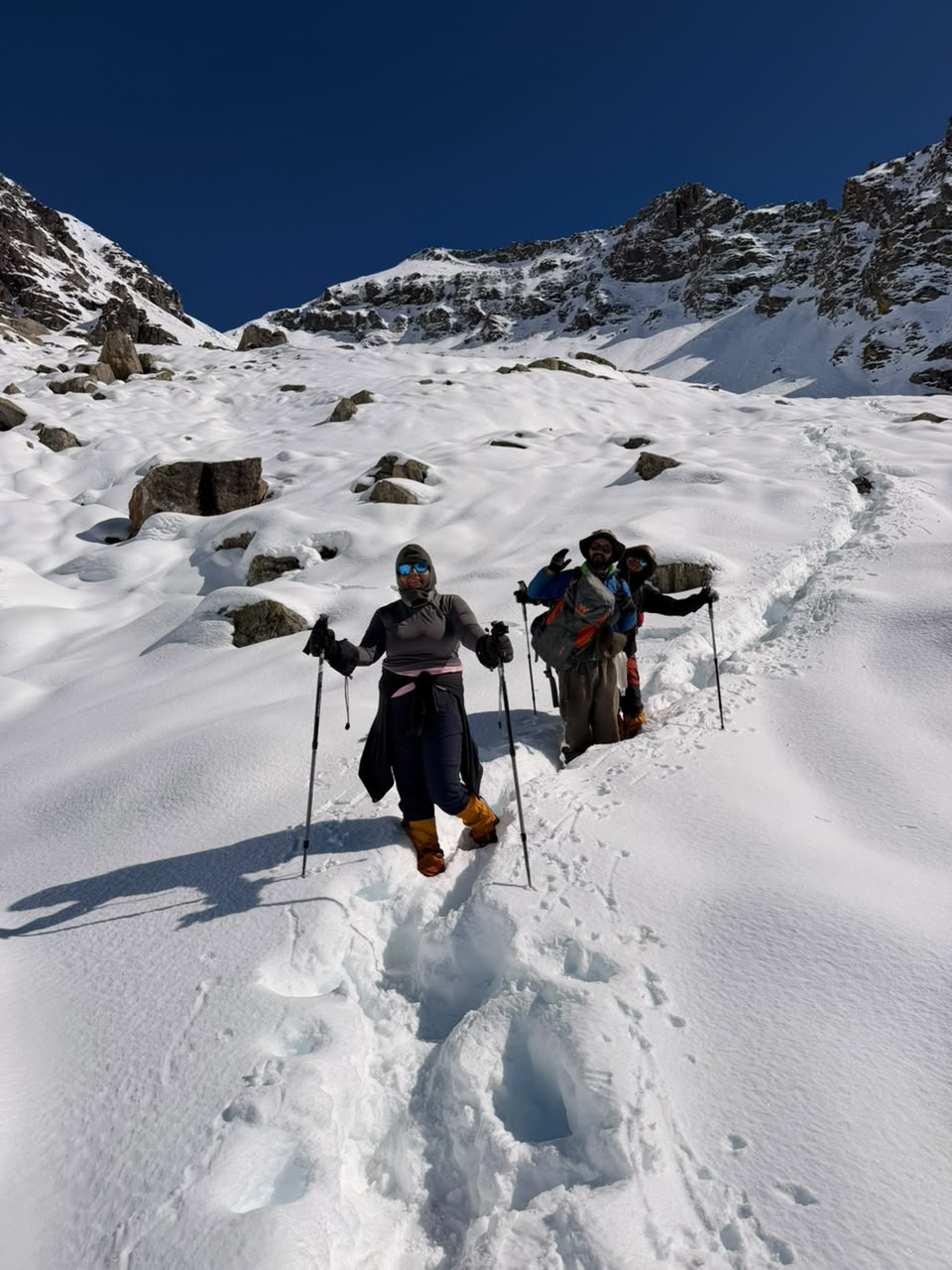
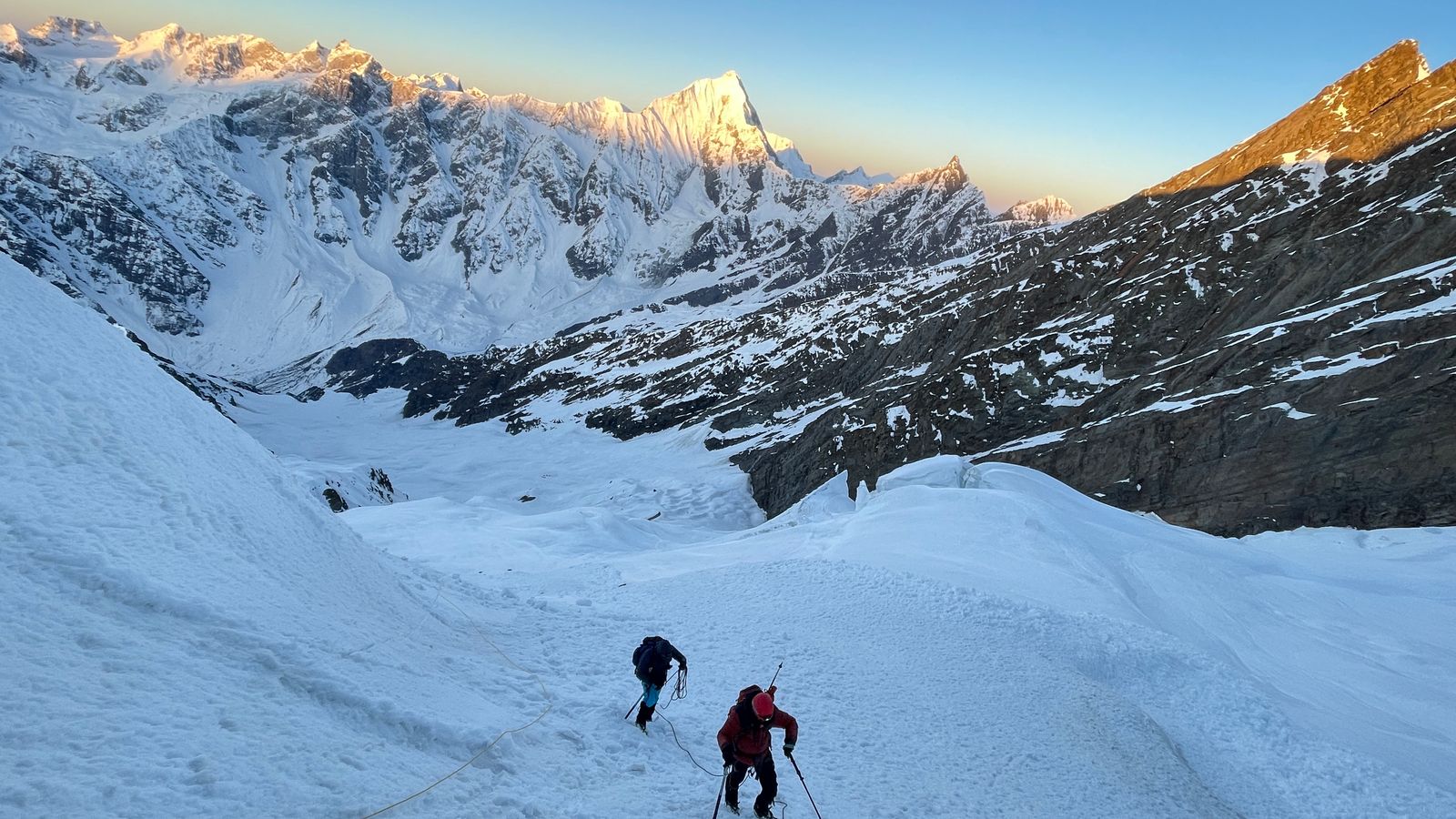
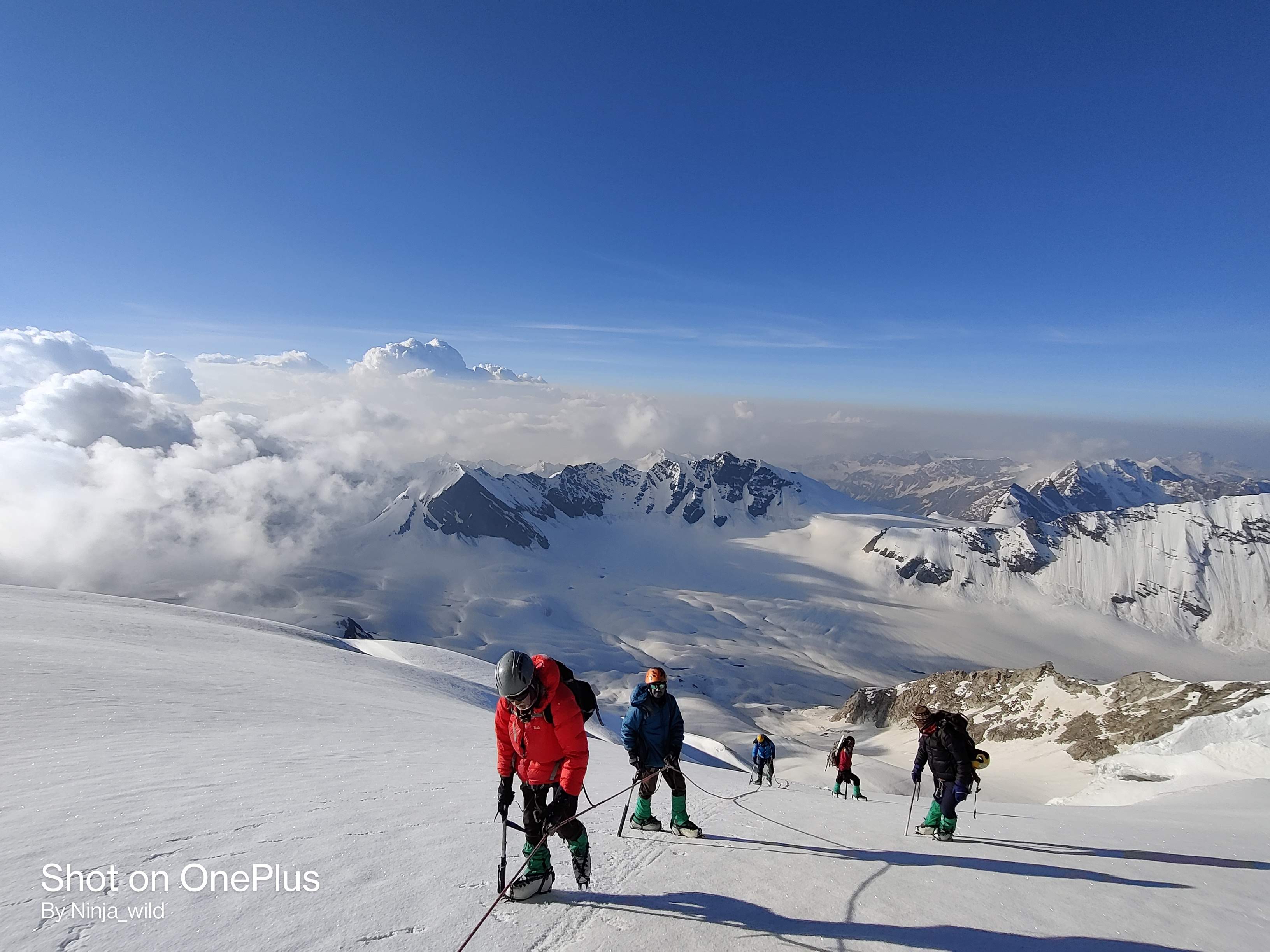
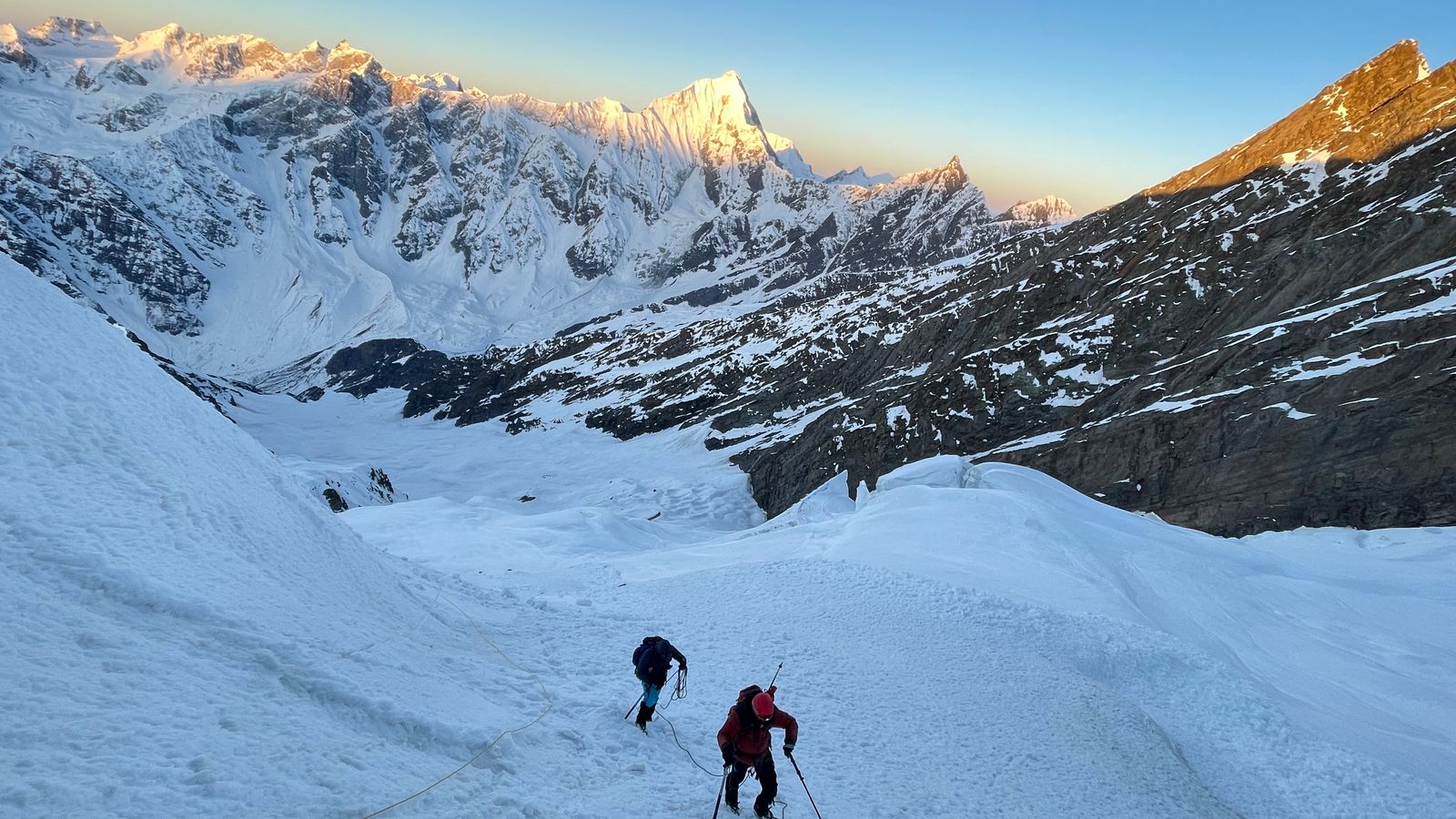
The grunt work happens when trekkers are moved from basecamp to Camp 1 (4,900 m) and later Advanced Base Camp (5,500 m). The terrain dramatically changes from boulders to a spiky ice and blue shadows indicating this is where the carabiner is clipped for the first time into the fixed ropes.
The grueling physical challenge at this stage includes, loading ferries, food, fuel, and carrying your own equipment to the higher camps. This will test your mettle as a climber. You aren’t just surviving the incline but surviving the atmospheric pressure.
The most technical stage of Black Peak expedition comes into the picture when climbers are required to cross the steep section of 70° to 75° ice wall and the massive crevasses. Crevasses are scars on the glacier-nightmare of any trekker. Navigating these requires good quality, specific crampon and how to work and handle it. Plus, the team work with your climber partner is tested here along with how you handle the Jumar technique. At one point, your ice axe and your heartbeat are dancing, matching the rhythm of the moment.
The Summit Push: 2:00 AM in the Death Zone
The climax of the "Summit Push" is an assessment of your months of preparation. The thrill of the trek starts in the dead of night around 1:00 or 2:00 AM. The only weight you are supposed to carry is chilly sub-zero temperatures of the high Himalayas. Your world is what your headlamp shows, anything else is just as mysterious as it could be.
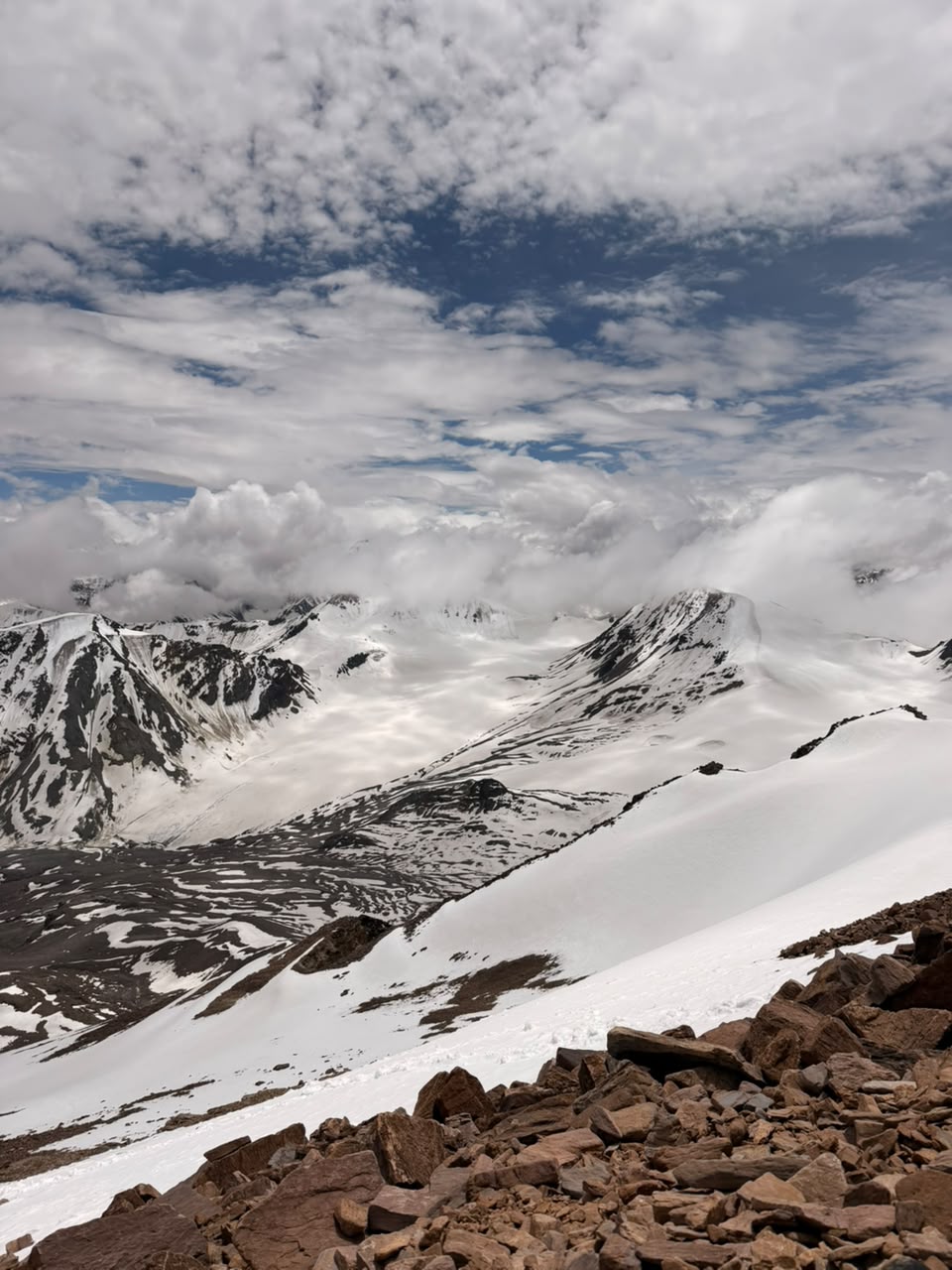
Walking in the utter darkness is meditative, also a painful yet stimulating experience. And why not, this climb shouldn’t be considered understated-it is a fairly "lung-bursting" effort where you are moving towards 6,000 meters. After every three-step take a breath as you are walking on a "knife-edge" ridge, with the frighteningly beautiful north face of Swargarohini on one side and the far-reaching mountain basin of the Yamunotri range on the other. As wind howls across the ridge trying to push you off balance-there is no room for error. Thankfully, you will remain safe by the rope and your only focus on the next step.
The Reward: Standing on the Crown of the Garhwal
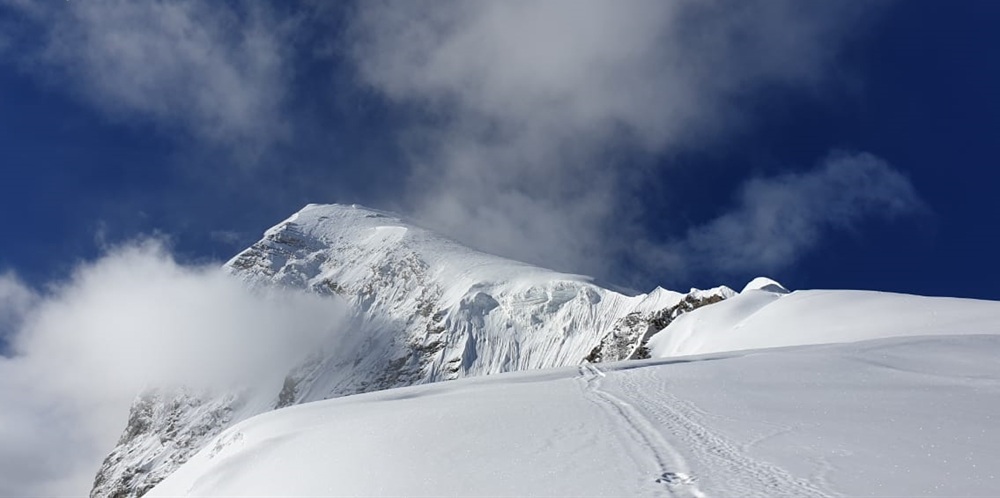
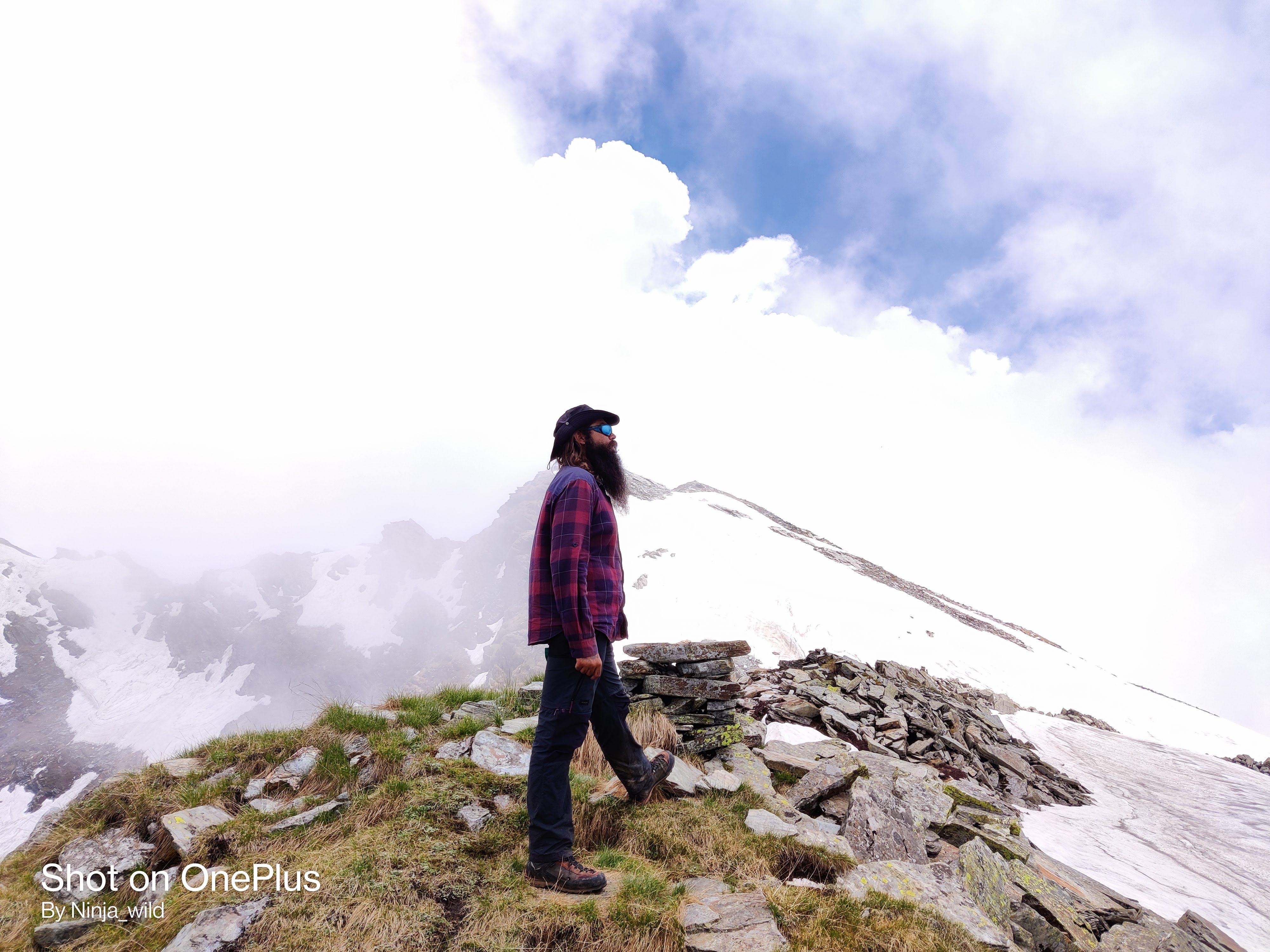
As the first light of dawn hits the horizon, the dark silhouette of Black Peak starts to soften. Standing on a small patch of snow at 6,387 meters scoured by wind feels like the top of the world. You reach the summit—a small, wind-scoured patch of snow that feels like the top of the world. The view here is just humbling.
Standing face-to-face with the massive white wall of Himalayas, Bandarpunch massif, and distant peaks of Tibet is a feeling of exhilarating victorious relief you never expected. Your soul realizes its strength. However, you have only come halfway even when you have conquered the summit because real climbers know that the descent can be equally or more risky than the climb. Don’t let exhaustion win and maintain focus while you rappel down the ice walls eventually moving towards the crevasse zone again and later to the safe lower camps.
Many climbers have embarked on summits like Neelkanth Peak Expedition or more challenging Mount Shivling Expedition after conquering Black Peak.
Why Black Peak? (The Professional Takeaway)
Trekkers being trekkers often ask, “Why do we put our bodies in such extreme conditions?” Well, black peak is a perfect launch for those who seek to reach a certain height where they can learn serious technical skills while acclimatizing. It is an excellent option for those who want to level up after Kedarkantha or Bali Pass.
The expedition just transforms you in 20 days your perspective changes-on comfort, silence, and what is the true meaning to be alive. Before the journey, you think you are here to conquer “Black Cobra” but at the end you eventually learn your resilience by the greatest teacher. From pushing your own limits to going humble is all you get at the end.
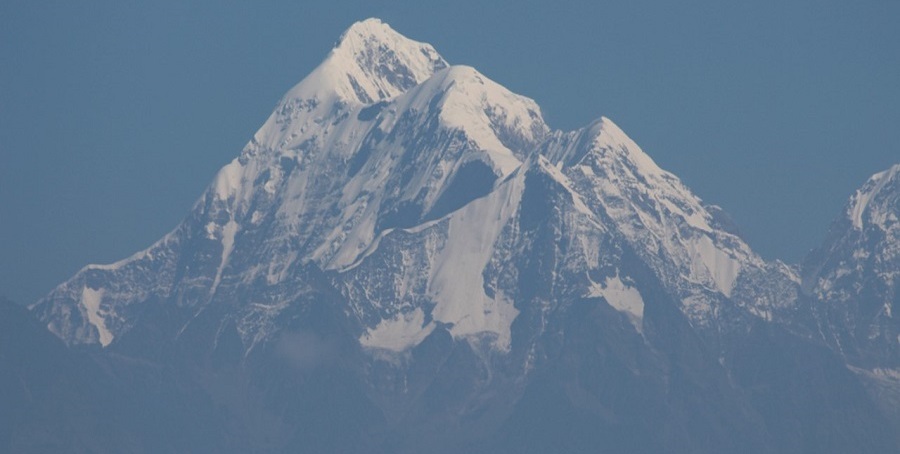
Another reason to climb Black Peak is that, if your future plan includes challenging climbs like Mount Trishul Peak Expedition or Reo Purgil expedition, Black Peak serves as an excellent training zone.
Essential Gear & Prep: Your Expedition Checklist
Kalanag needs staggering preparation for a successful climb.
1. Physical Conditioning
Gym body won’t help you here. A proper planning which includes leg strengthening and cardiovascular endurance and preparing lungs for the 40% reduction in oxygen becomes important part of the training.
2. Technical Proficiency
You don’t just sign up for this level of expedition, so make sure you are comfortable with:
Crampons, to walk on blue ice and hard snow
Jumar, to ascend on steep gradients
Rappel, for safe descent on challenging terrain
3. The Best Time to Climb
The best time to do Black Peak is in the month of May and June where monsoon is yet to arrive. The weather is stable at this point of time but with more open crevasses.
Another window is September to October where views are crisper and ice is harder with shorter days and chilly nights.
4. Essential Gear List
Thin Air Expedition will share the complete gear list with you before the journey starts, and carry essential technical gear for the climbers required during the trek. However, trekkers are expected to buy good quality sturdy ‘Double mountaineering boots (e.g., La Sportiva G2SM)’. Technical Gear like Ice axe, 12-point crampons, climbing helmet, and seat harness will be provided by the team.
Carry a 4-layer system with heavy-duty down suit for the last day’s push.
Compared to easy to moderate treks like Mount Yunam peak expedition, Black Peak challenges your endurance. However, it is much easier than the Kamet Peak and Mount Satopanth Peak expedition.
Reaching 6,387 meters is not Thin Air Expedition’s motive. We aim for a more grounded transition into the world of extreme mountaineering. We don’t just lead, we mentor. Assisting to navigate through the wilderness of deep Himalayas is a job of experts where leaders make sure every step you take is backed by the specialized safety. We have designed our expeditions for those who seek soul level clarity.
If this makes you join our team on Black Peak Expedition and witness what lies beyond Garhwal Himalayas then book your first milestone of 6000 meters with us.