Exploring the high altitude 7000 meter Peaks in India
Exploring the high altitude 7000 meter Peaks in India
07
Jul

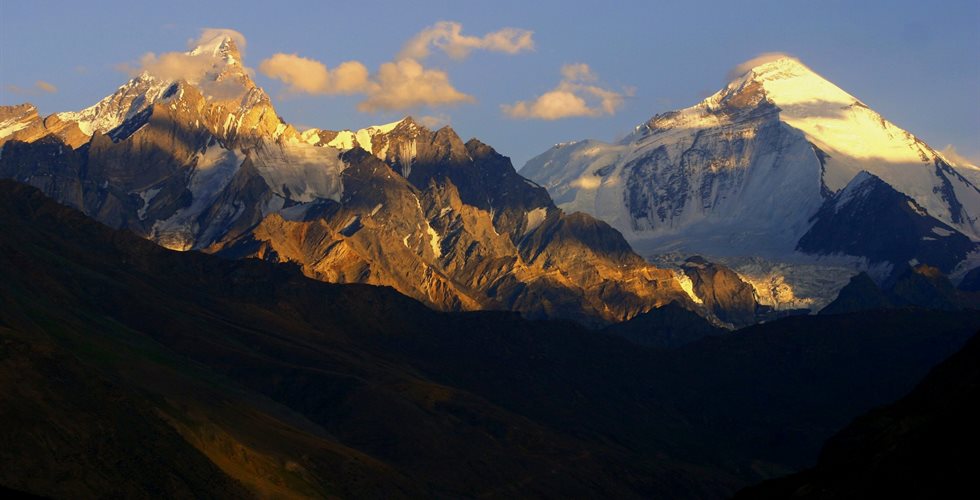
The Himalayan and Karakoram mountain ranges in India have many of the most awe-inspiring, historically important, and challenging peaks to conquer at the height of 7,000 metres in the world. These mountain ranges fall into the category of the most challenging peaks lying in the critical area between 6,000 metres treks and difficult 8,000 metres peaks. Due to such a high altitude position, these mountain ranges require a complete expedition approach, advanced high altitude physiology adaptation, technical skillset, and logistics planning. However, despite being the most challenging mountain ranges to conquer, they offer climbers some of the most rewarding and prestigious summits.The Indian Mountaineering Foundation (IMF) operating from New Delhi, India, acts as the governing body for the classification, monitoring, and regulation of such peaks. Being able to navigate through their permit process, manage state border changes, and be aware of specific geographic features of the regions is the first step in conquering them successfully. This complete guide presents you with the most celebrated, revered, and feared climbs in India which are considered to be of 7,000 meter class:
Mt. Satopanth Expedition (7,075 m)
Kang Yatse II Expedition (6,250 m)
Shivling Expedition (6,543 m)
Kamet Peak Expedition (7,756 m)
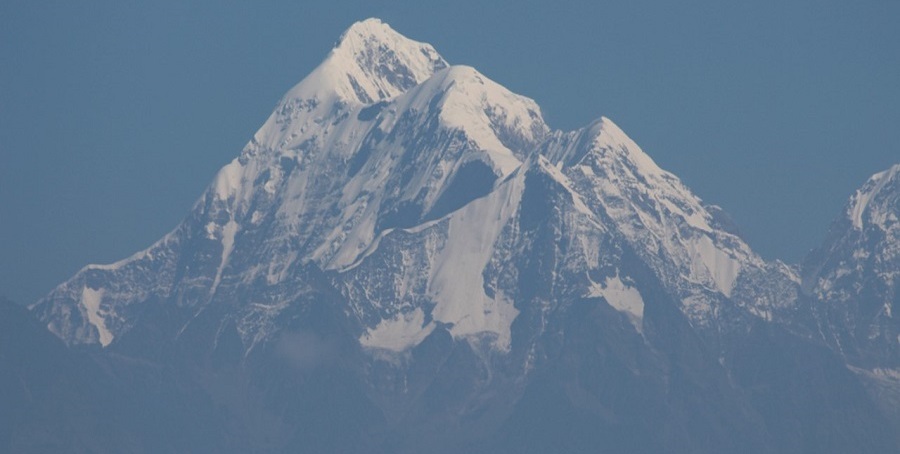
Trishul Peak Expedition (7,120 m)
Neelkanth Peak Expedition (6,979 m)
Nun Peak Expedition (7,135 m)
Kun Peak Expedition (7,077 m)
You would have observed that some of the peaks listed in the above guide (namely Shivling, Neelkanth and Kang Yatse II) fall just under the exact 7,000 meter mark on a map. However, they are considered as full 7,000 meter peaks in India both by the IMF, local mountain guides and the international mountaineering expeditions. The reason being, their immense technical difficulty, intricate logistics involving camps, permits, and summit environment is either similar to or tougher than the higher peaks in India.
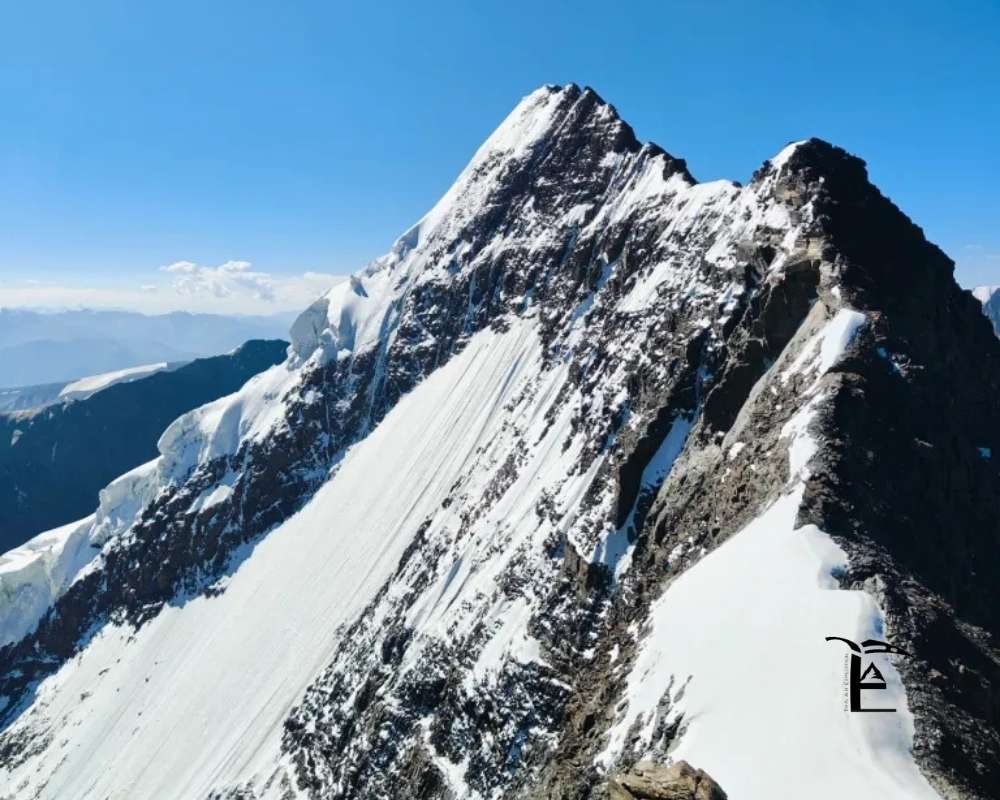
Mt. Satopanth (7,075m) is a giant mountain in the Gangotri area of Uttarakhand, which is reached through a spectacular glacier journey from Badrinath. The climb involves fixing up three camps at high altitude on challenging terrain consisting of moraines and snow slopes. The final challenge of climbing Mt. Satopanth comes in the form of the notorious Knife Edge Ridge, which connects Camp II and Camp III where climbers have to traverse a very thin and steep ridge of ice and rock with a slope of 50° to 65°.
Permit and Fees: IMF in 7001m+ category. No cost state permits through UKMPS (Uttarakhand Mountaineering Permission System) for Indians.
Experience Needed: Advanced. Needs good experience in high altitude glacier travel, heavy load transport, and basic mixed climbing skills. The legendary Knife Ridge before reaching camp 3 needs good balancing skills with rope management and ascending/descending along the fixed line.
Physical Fitness: Extremely High. Needs long days of ferrying loads from Base Camp to Camp 2 and Camp 3 on moving moraines and steep snow slopes. Good cardiovascular fitness and core muscle strength needed for carrying an 8-10kg technical backpack above 6,500m.
The Kang Yatse massif, which towers majestically over the horizon of the Markha valley in Ladakh, is one of the most prominent and distinctive structures of the Zanskar range in the Himalayas of India. It is made up of two separate peaks, namely, Kang Yatse I (6,400m) and Kang Yatse II (6,250m), and it looks like a king’s throne emerging straight from the high altitude alpine plateau called Nimaling. This trek expedition is very popular among trekkers who wish to cross the much-coveted 6,000-meter mark without being good rock climbers.
Permit Class: IMF Below-6500m Class. Local fees applicable in Hemis National Park (Leh Wildlife Office).
KY II (Western Ridge): Grade II. Walk-up climb, non-technical in nature. It needs familiarity with basic 10 point crampons, rope team movement in three-point and ice-axe arrest.
KY I (Main Peak): Grade V. Technical switch. Includes highly corniced snow ridges and vertical ice pitches with considerable crevasses risk in the approach.
Physiological Limitations: Aerobic limit. Climbing of KY II demands constant Zone 2 effort for 10-12 hours on summit night in the dry and hypoxic region of Ladakh.
A massive rock-ice structure rising up sharply from the sacred grasslands of Tapovan, Mount Shivling (6,543 m) is undoubtedly one of the most picturesque and imposing peaks in the entire globe of mountaineering adventure. Situated in the Gangotri range of the Garhwal Himalayas in the state of Uttarakhand, it is known by the name Matterhorn of India on account of its impressive form. Unlike the rolling shield-type peaks suitable for trekking expeditions, Mount Shivling is the purest form of mountaineering adventure. It is acclaimed across the world not because of its height, but because of its notorious technical challenges, its steepness, and the sheer amount of courage needed to stand on its summit.
Permit Basis: IMF below-6500m category. Gangotri National Park access permission confirmed from the Uttarkashi forest checkpoint.
Technical Profile: Grade ED (Extrêmement Difficile / Elite Technical). This is a classic vertical big wall route. Features include multi-pitch mixed vertical granite slabs up to grade 5.10, hard water ice bulges and intricate seracs navigation. High angle front pointing and technical Jumar climbing.
Physiological Requirement: Elite relative body strength and structural power endurance. Requires extremely strong grip strength, lats/core muscle involvement for vertical hauling and balance at 6,000m plus, while suffering intense physical fatigue.
Mt. Kamet (7,756m) ranks second highest in Uttarakhand and third highest in all of India as a formidable and towering giant of the far-off Zanskar Range lying close to the Tibetan border. To undertake an expedition to Mt. Kamet, trekkers have to first endure the exhausting journey over several days by way of the Niti Valley from Joshimath, where an ABC needs to be set up for the expedition on the moraines of the East Kamet Glacier. Not as technically challenging as peaks like Shivling, Kamet’s main technical challenge comes in the form of the huge ice face of the Meads Col, followed by an exposed summit ridge. The real enemy of mountaineers in this expedition would be the combination of extremely high altitude, high-altitude winds, and very low temperature.
Permit Basis: IMF 7001m+ category. Inner line permit (ILP) verification is compulsorily required by the Ministry of Home Affairs and will be verified in Joshimath/Niti valley due to extreme proximity of the international border.
Technical Profile: The key challenge is extreme elevation, extreme windchill (-30°C to -40°C) and the sheer Meads Col wall. Although less technically challenging than Shivling, the intense physical stress of being at the brink of 8,000m elevation makes mistakes lethal.
Physiological Requirement: Ultra Endurance Capacity. Needs to be structurally metabolically conditioned to survive prolonged physical deterioration. Climbers must have a proven track record of clean acclimatization above 6,500m.
The Mt. Trishul (7,120 m) is an awesome peak in Uttarakhand, so named because of its three peaks which bear a striking resemblance to the trident of Lord Shiva. The expedition begins by moving towards the mountain from Joshimath, making their way through the windy meadows of the Outer Sanctuary to reach Base Camp located on the Trishul Glacier. It is a huge mass of ice which acts like a protective cover against any sort of threat—it has very few vertical rock faces and is a tough climb uphill all the way.
IMF permit category: IMF 7001m+. Clearance done through UKMPS; no state charges applicable.
Technical Challenge Level: The climb involves an extremely steep snow/ice slope with dynamic avalanche terrain below the high camps. It requires advanced skill level for determining snow stability and whiteout navigation.
Physiological Requirements: Highly eccentric quads strength and high hip flexors endurance for stepping through the deep, non-compacted snow while carrying survival equipment for hours on end.
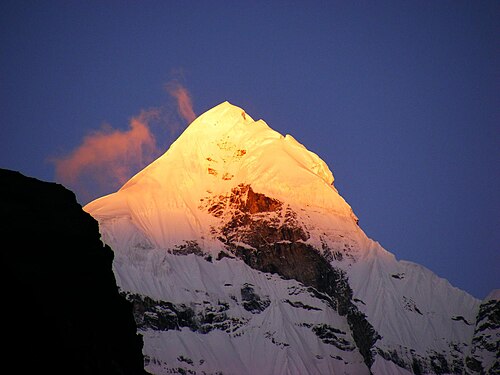
Mt. Neelkanth (6,596m), referred to as the Garhwal Queen, is a spine-chilling and stunning pyramid that rises vertically above the sacred town of Badrinath. Accessible by means of a steep ascent onto the precarious moraine of the Satopanth and Panpatia glaciers, Mt. Neelkanth is completely inhospitable to any normal trekking expeditions. Although it lies below 7,000 meters, it is one of the most dreaded mountains due to its notorious technical difficulties, with near vertical faces, blue glass ice chutes, and huge seracs hanging from the summit.
IMF permit category: IMF 6501 m – 7000 m regulatory classification; state clearance obtained through UKMPS.
Technical Challenge Level: Referred to as the Garhwal Queen with her structure defense consisting of large-scale avalanche hanging glaciers, vertical ice/rock couloirs with high objective dangers due to rock and ice fall. Ascents are rare and are only possible using an alpine style approach.
Physiological Requirements: Elite agility and high hypoxic brain function. Fast physical movements needed to clear technical bottlenecks before afternoon sun warms cause rock and ice fall.
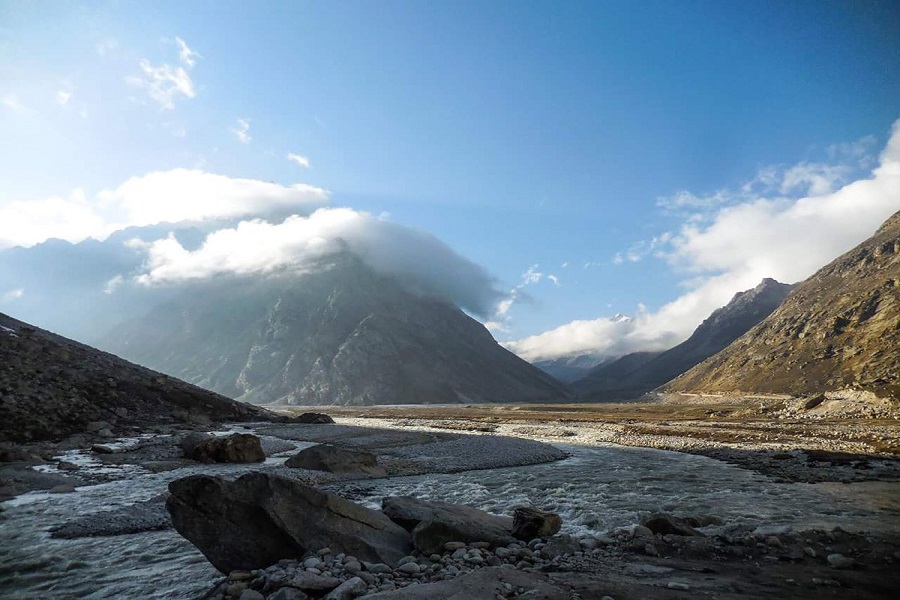
The twins in question are Mt. Nun (7,135 m) and Mt. Kun (7,077 m), which serves as the ideal playground for climbers aspiring to reach 8,000-metre peaks. Located in the Suru valley of Ladakh, both these mountain peaks can be reached through a challenging and rough trek starting at Tangol village. Mt. Nun entails climbing a highly technical and very exposed 700 meters ice wall where fixed line technique and crampons front pointing are crucial. Mt. Kun, on the other hand, challenges a climber with extremely exhausting climbing of an extensive frozen and heavily crevassed high altitude plateau.
Permit Requirement: IMF 7001m+ category. Local registration required, as well as permission from Kargil District Administration checkpoint.
Technical Difficulty: Grade V Advanced.
Nun: Climbs through a steep and sustained 700 meters of fixed line of hard blue ice, sloping at 45° to 55° to the summit plateau. It needs a high degree of mechanical Jumar technique and crampon front-pointing skills on hard blue ice.
Kun: Follows an acute and exposed technical ridge climb, and climbs a very large snow plateau at high altitude, causing disorientation during storms.
Physiological Need: High anaerobic threshold and muscular endurance training. Rucking with weights (20 kg) should be the priority for training.
When moving up into the 7,000-meter range, all the laws of survival are altered. This is because at this level, one is entering the region of thin air, where the pressure of atmospheric oxygen drops to below 45 percent of sea level pressure. Safety precautions need to shift from simple rules to hard-core medical and logistical procedures.
AMS is the first warning sign of the failure of our bodies to adjust to the sudden fall in atmospheric oxygen pressure.
The Reality: Consider any headache experienced at high altitudes to be an indication of AMS. Ascending with AMS is strictly prohibited.
Action Plan: Stop your ascent and stay at your current camp for 24 to 48 hours. Use acetazolamide (Diamox), which may help you breathe faster, but will not suppress serious symptoms. If the situation deteriorates, descend immediately.
HAPE is a grave life-threatening condition in which water collects in our lungs due to constriction and high blood pressure in the pulmonary arteries. This is the most common cause of deaths related to altitude sickness.
The Reality: Severe shortness of breath even when you are at rest and a moist rattle-like cough are typical HAPE symptoms along with exhaustion and blue coloring of the lips or nails.
Action Plan: Immediate descent (at least 500–1,000m). HAPE may prove to be fatal in a few hours. Supplement high flow oxygen therapy and use Nifedipine in order to relieve constriction of the pulmonary arteries.
It is a medical crisis that involves acute oxygen starvation, which results in excessive accumulation of fluid in the brain tissues.
Reality: The hallmark sign of HACE includes ataxia – the lack of motor coordination, resulting in stumbling and walking in zigzag patterns. It also manifests itself as confusion, difficulty speaking or behaving inappropriately.
Plan of Action: Immediate descent. In case of HACE, a climber cannot safely climb down using ropes and needs to be completely evacuated. Oxygen and Dexamethasone (a very strong steroid) should be administered to reduce swelling in the brain.
Real high altitude adaptation takes time, there is no way to accelerate it and a careful physiological approach should be implemented.
Climb High, Sleep Low: Use a consistent rotation system. Climb up to a higher altitude, carrying equipment and stimulating red blood cell formation and descend to a lower altitude to sleep.
Ascent Pacing: If you are climbing higher than 4,000 meters, don’t increase the sleeping elevation more than 300-500 meters within a 24-hour period and have a mandatory rest day after every 1,000 meters of ascent.
Hydration Guidelines: Drink 4-5 liters of water on a daily basis through forced drinking. The very dry and cold air will suck up the moisture from your lungs because of your deep breathing. Dehydration results in thickening of your blood, making you susceptible to frostbite, high altitude sickness, and blood clots.
On high mountains above 7,000m such as Kamet, Nun and Kun requires rigorous logistics and system redundancy. Open circuit systems (for example Poisk/Summit Oxygen) are used by climbers to control the metered flow rate: 0.5-1 L/min while sleeping, 1-2 L/min while resting/ eating, 2-4 L/min while climbing and 4-6 L/min during medical emergencies. The whole set up needs to be checked rigorously at least two days before summiting and having spare regulators is a must. In terms of logistics, 4-6 bottles of oxygen needs to be accounted for per climber and there should be an extra 20% safety margin in overall oxygen inventory. Lastly, it is essential that all support guides/Sherpas get the same oxygen allocation as yours since it is only through their safety that you will evacuate/survive.
For preparing to climb a mountain with an elevation of 7,000 meters, one needs specialized equipment that is highly dependable and can withstand extremely cold temperatures. At such altitudes, the failure of equipment leads to health problems very quickly. Below is the final list of the essential equipment needed for high-altitude expeditions.
1. 7,000 m+ Rated Double Boots: Highly insulated multiple layers of mountaineering footwear complete with integral gaiters (like Scarpa Phantom 6000), designed to prevent frostbite at sub-zero temperatures.
2. 800-Fill Down Suit or Parka: An expedition quality down suit or parka and down pants combination rated to keep you warm during the final ascent to the top.
3. Category 4 UV Glacier Glasses: The highly darkened glacier glasses with side shields; normal glasses would allow peripheral glare, which will cause permanent snow blindness.
4. Double Sleeping Pad System: The combination of closed cell foam sleeping pad below the high-R value insulated inflatable sleeping pad to fully eliminate the freeze from conduction on the ground.
5. -30C Down Sleeping Bag: A high-loft down sleeping bag to survive the night storms.
6. Automatic Steel Crampons: Step-in crampons with anti-ballers featuring 12 points designed to lock into place perfectly onto rigid double boots for sure footing on steep ice and hardpack snow surfaces.
7. Handle Ascender (Jumar): A mechanical rope clamp with a handle, critical for scaling and resting on vertical fixed ropes when climbing steep terrain.
8. Insulated Nalgene Bottles and Thermos: Two 1L wide mouth bottles wrapped in thick neoprene thermal jacketing material, with one additional 1L vacuum steel thermos. Bladder hoses freeze solid immediately.
9. High Lumens Headlamp with Lithium Batteries: Primary lighting of high lumens that exceed 400 lumens along with cold temperature compatible lithium battery cells.
10. High Altitude Medical Kit: Personal weather-resistant first aid kit with essential medicines: Diamox (AMS), Dexamethasone (HACE), Nifedipine (HAPE).
Scaling a peak of 7,000 meters is definitely one’s true measure as an athlete and a thinker. On top of the mountain, one cannot depend solely on physical abilities, as his life will depend on the proper use of equipment and intelligent actions in response to the mountain’s force. Depend on your training, spend enough time acclimating to altitude and keep in mind that success equals survival and return from the summit.