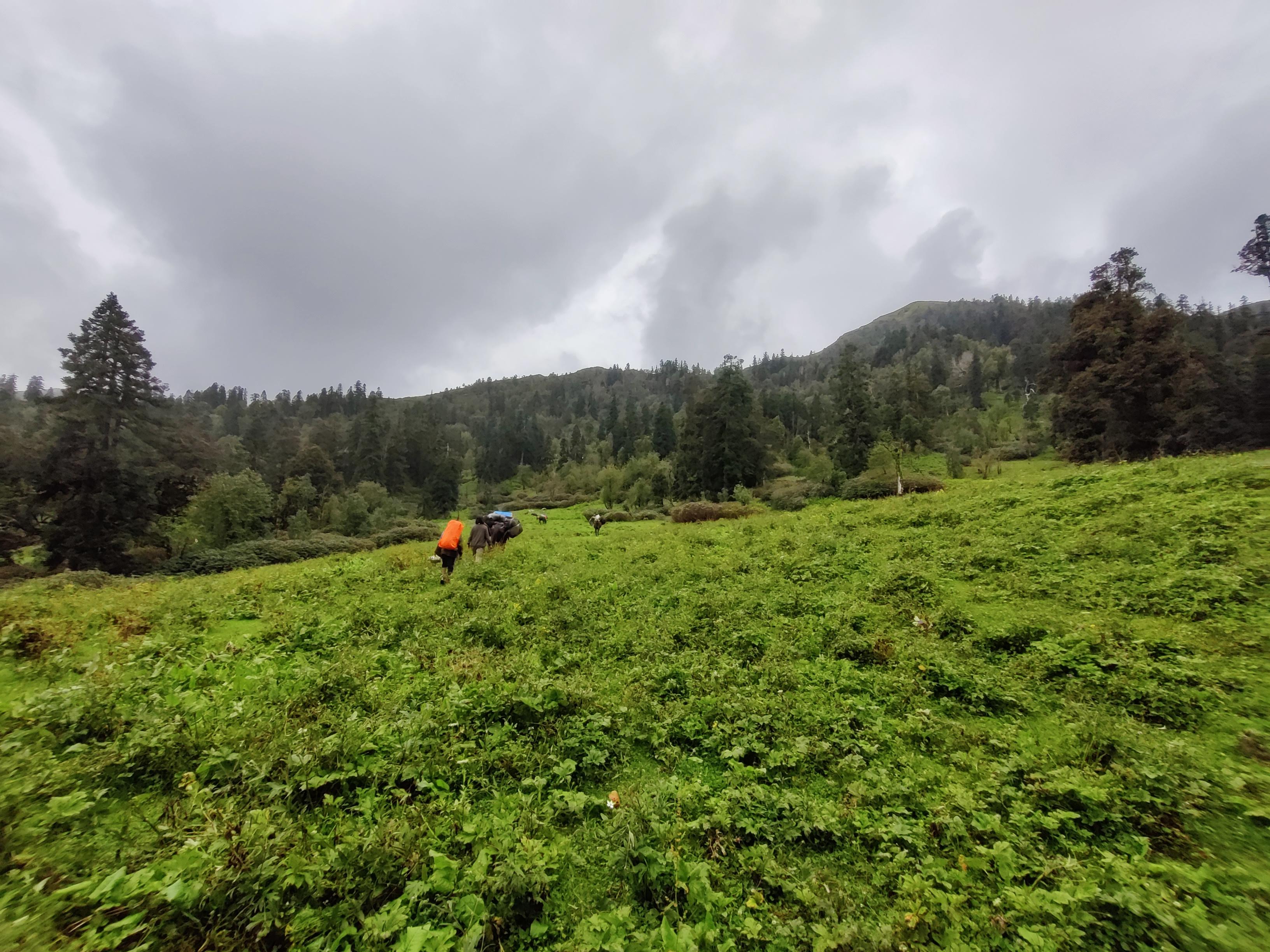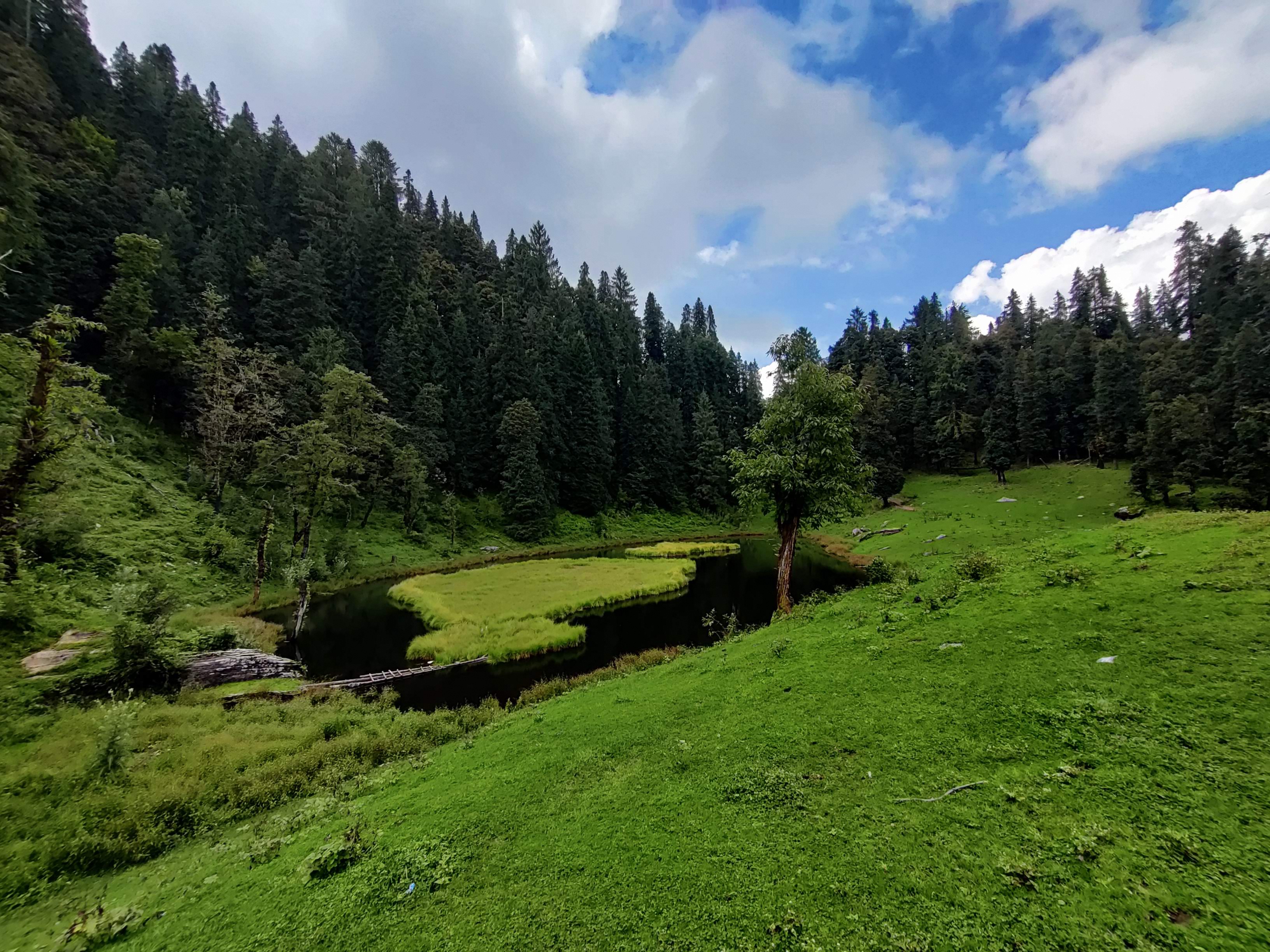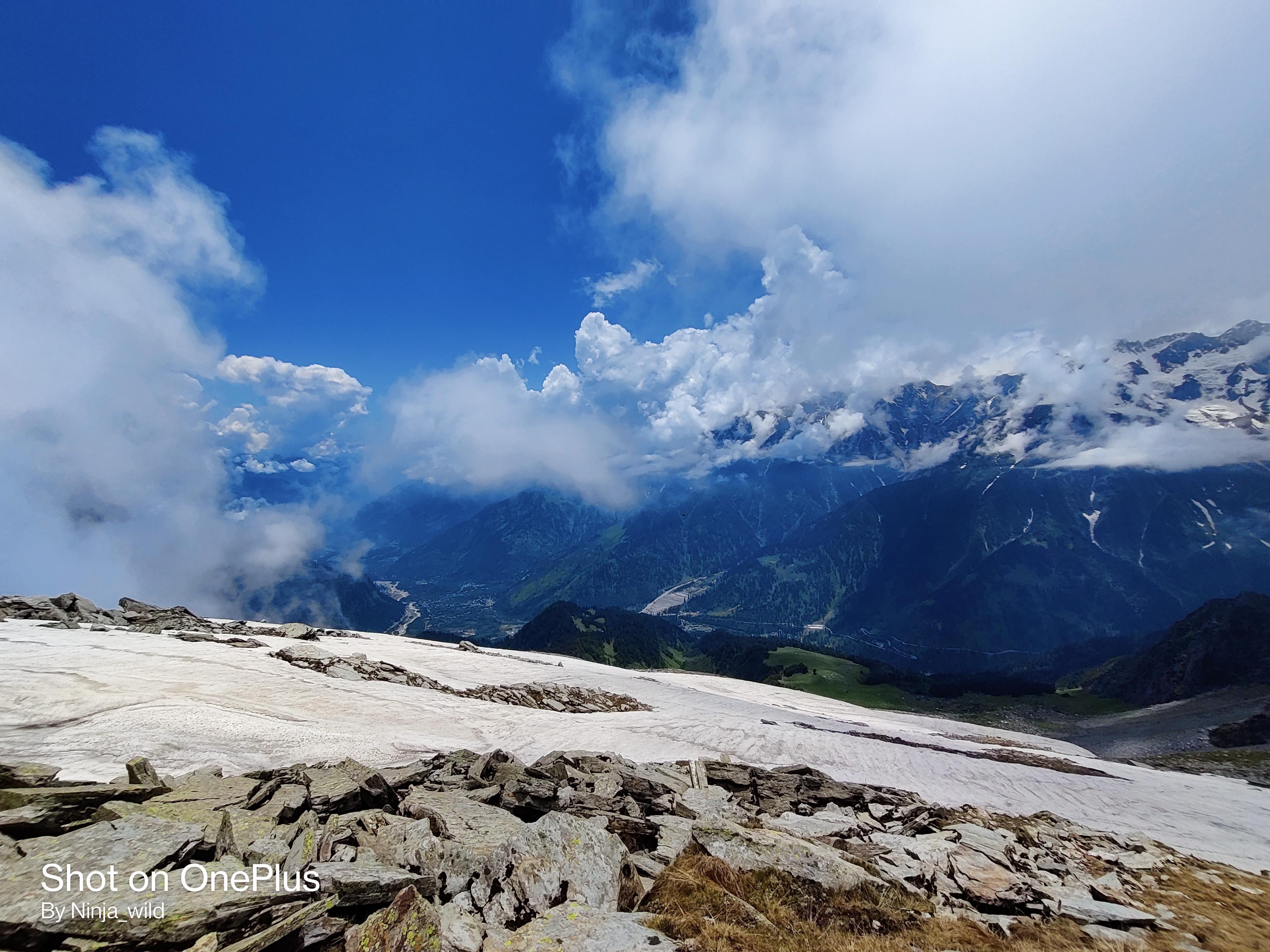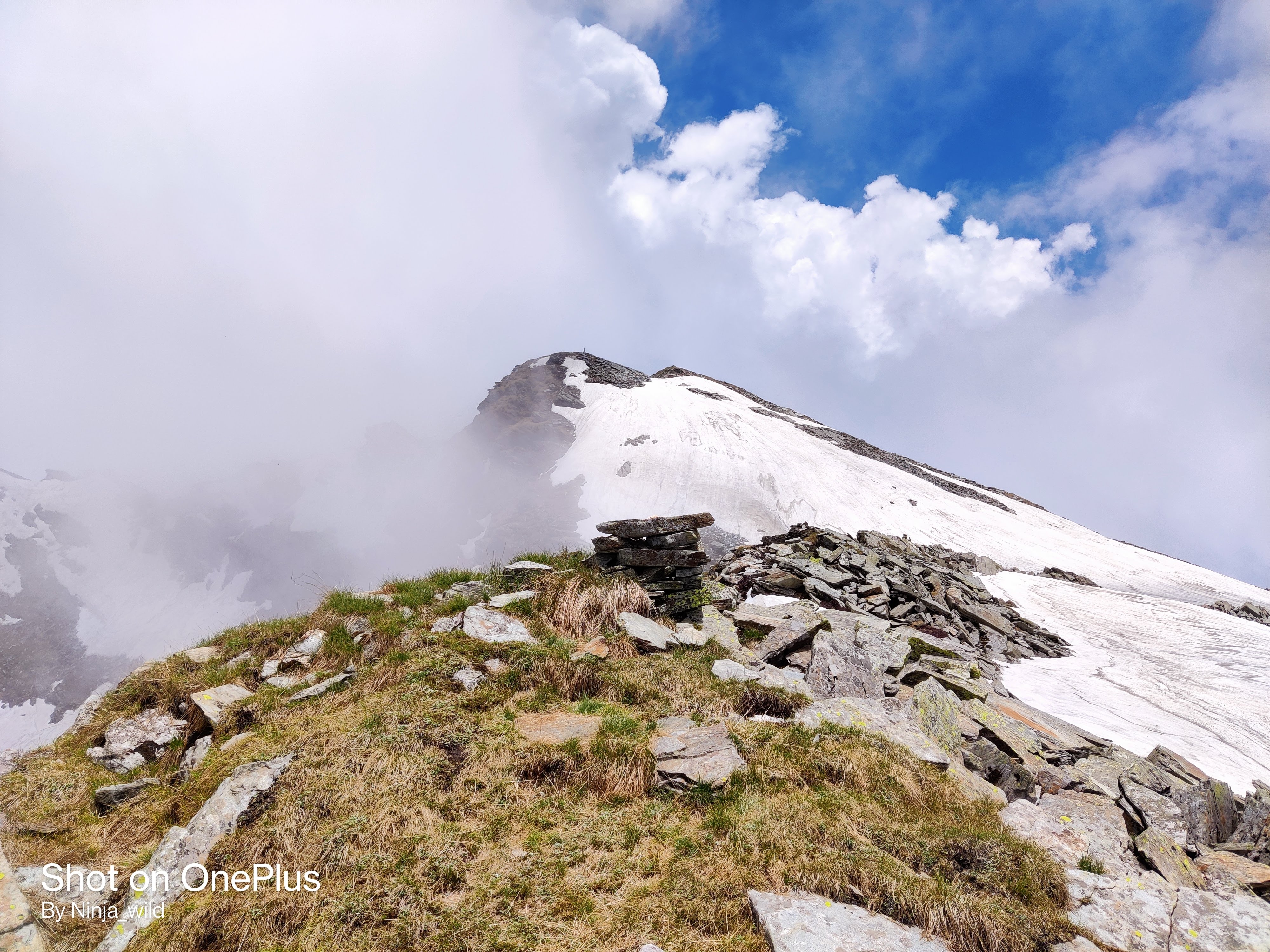
Kunjapuri Temple Trek Route Itinerary Best Time Cost
Kunjapuri Temple Trek Route Itinerary Best Time Cost
14
Oct

1. Kunjapuri Temple Trek Overview
The Kunjapuri Temple Trek is a rewarding short trekking experience in the Garhwal Himalayas of Uttarakhand, combining spiritual significance, forest trails, traditional mountain settlements and expansive Himalayan views. Located near Rishikesh, Kunjapuri Devi Temple attracts pilgrims, nature enthusiasts and adventure seekers looking for a meaningful mountain experience without committing to a multi-day expedition. Its elevated position makes it particularly appealing for travellers who want to witness sunrise over the Himalayan landscape.
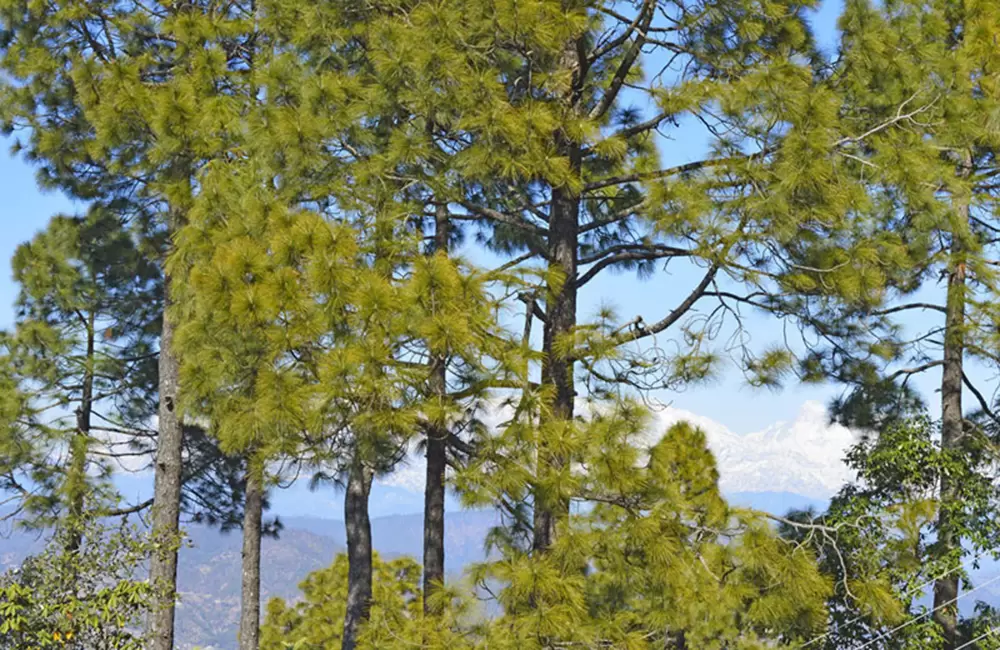
Situated at approximately 1,676 metres above sea level, Kunjapuri Temple is known for its religious importance and panoramic views of the surrounding valleys and Himalayan ranges. On clear mornings, distant snow-covered peaks become visible as the first sunlight gradually illuminates the mountains. The atmosphere is especially memorable during the early hours, when the surrounding hills are quiet and the changing colours of the sky create a striking natural spectacle.
The Kunjapuri Temple Trek can be experienced in different ways depending on your fitness, available time and preferred level of adventure. Some visitors travel by road to the temple and climb the final steps, while others choose a longer hiking route through forested slopes and nearby villages. The longer option offers a more immersive experience of the region's natural surroundings and rural landscape.
For travellers staying in Rishikesh or Dehradun, this trek provides an opportunity to explore the Himalayas within a single day. Its combination of accessible terrain, spiritual heritage and mountain scenery makes it suitable for beginners seeking their first trekking experience, provided they select a route appropriate to their fitness level.
2. Where Is Kunjapuri Temple Located?
Kunjapuri Devi Temple is located in the Tehri Garhwal district of Uttarakhand, close to Narendra Nagar and within convenient driving distance of Rishikesh. The temple stands on an elevated ridge overlooking the surrounding foothills, offering views towards the Himalayan mountains on one side and the lower valleys on the other. Its location makes it an accessible destination for travellers exploring Rishikesh, Haridwar and the Garhwal region.
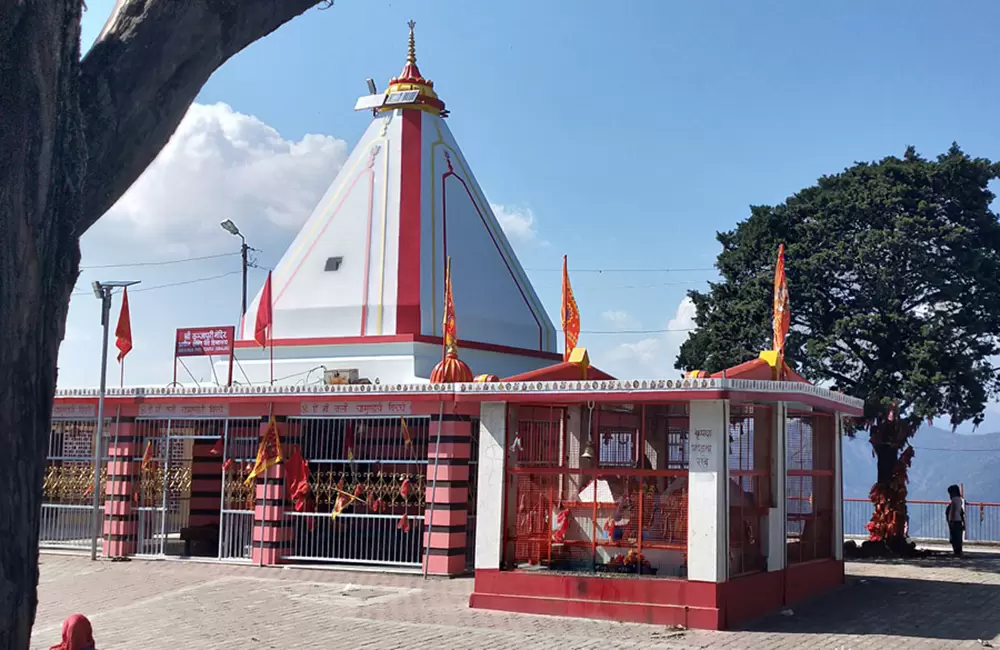
The temple is associated with Goddess Durga in her form as Kunjapuri Devi and holds an important place in local religious traditions. It is widely recognised as one of the Shakti Peethas associated with the mythology of Goddess Sati. For devotees, a visit represents an opportunity to seek blessings and experience a place of worship surrounded by mountain scenery. For trekkers, the same location provides a rewarding combination of cultural discovery and outdoor exploration.
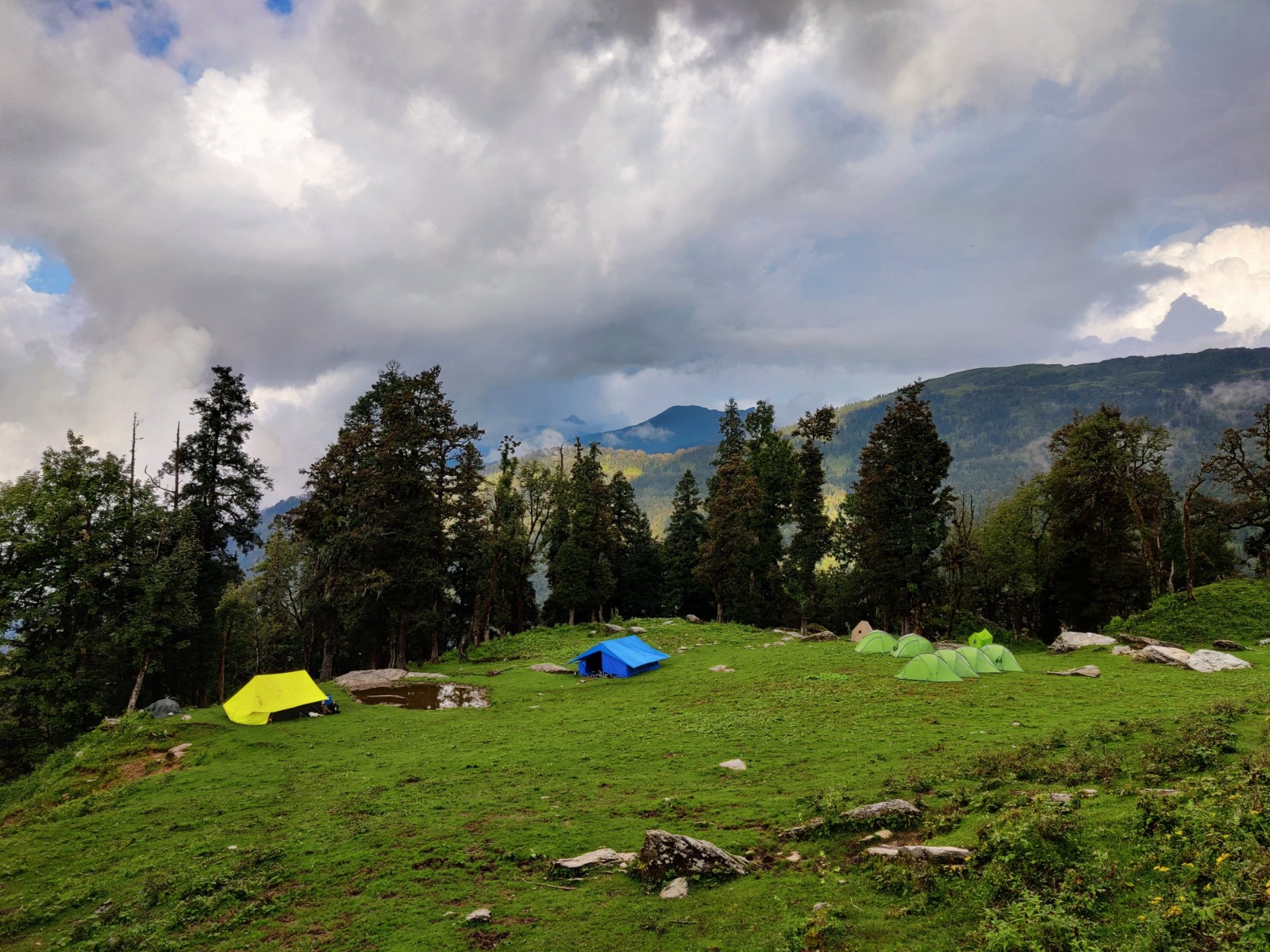
The surrounding landscape includes forested hills, winding mountain roads, scattered villages and viewpoints overlooking the valleys. Depending on the route selected, hikers may pass through rural settlements and natural trails before reaching or descending from the temple. These quieter sections offer a different perspective from the main temple complex, allowing visitors to appreciate the landscape at a slower pace.
Because Kunjapuri Temple is accessible by road, reaching the shrine does not necessarily require a long trek. However, visitors who want a more active experience can choose a walking route that incorporates forest paths and village trails. Understanding this distinction is important when planning the Kunjapuri Temple Trek, as the duration and distance depend on the starting point and route.
3. Kunjapuri Temple Trek Route
The Kunjapuri Temple Trek route varies according to whether you prefer a short ascent, a downhill hike or a longer trekking experience. The temple is connected to the surrounding region by a motorable road, while walking routes approach or descend from the ridge through forested slopes and settlements. Choosing the right route helps you balance sightseeing, physical effort and the time available.
One option is to travel by vehicle towards the temple and complete the final ascent on foot. This is the simplest way to visit Kunjapuri for sunrise, temple darshan and panoramic views. It requires less physical effort than a full hiking route and can suit families or travellers with limited time. However, it offers less opportunity to explore the forest trails and villages around the ridge.
A longer option is to combine a vehicle transfer with a downhill trek towards Rishikesh. Depending on the itinerary, the trail may pass through villages such as Pater and Dharkot and connect with routes towards Neer Garh Waterfall and Tapovan. This option offers a varied landscape, including wooded sections, village paths and views of the surrounding hills. The precise route and distance depend on the chosen trail and the point where the hike begins or ends.
For hikers who want a more physically demanding day, an uphill route from the Rishikesh or Tapovan side can also be planned. This involves sustained climbing and requires more time and stamina than visiting the temple by road. The total walking distance can increase considerably when both the ascent and descent are completed on foot.
For an organised Kunjapuri Temple Trek, it is important to confirm the actual trail, starting point, walking distance and transport arrangements before departure. Small route variations can affect the overall duration, particularly where village paths, forest trails or waterfall detours are included. Travelling with a local guide is advisable on unfamiliar trails, especially for early-morning starts or routes with multiple junctions.
4. Kunjapuri Temple Trek Itinerary
The Kunjapuri Temple Trek itinerary can be arranged as a one-day experience from Rishikesh or as part of a wider Uttarakhand trip beginning in Dehradun. The following itinerary describes a sunrise visit combined with a downhill hike. Actual timings will depend on the season, road conditions, sunrise time, trail selection and the pace of the group.
Day 1: Dehradun or Rishikesh to Kunjapuri Temple and Trek
The journey begins early in the morning, allowing sufficient time to reach the temple before sunrise. Travellers starting from Rishikesh follow the mountain road towards Kunjapuri, while those departing from Dehradun need to allow additional transfer time. The early departure is important because the sky begins to brighten before the sun appears above the distant ridgelines.
After reaching the temple parking area, visitors climb the steps to the shrine and viewpoint. The sunrise offers an opportunity to observe the changing light across the Himalayan landscape, while clear weather may reveal distant snow-covered peaks. Visitors can spend time at the temple, seek blessings and enjoy the views before beginning the hiking portion of the day.
Following the temple visit, the group begins its planned descent through the surrounding mountain landscape. Depending on the selected route, the walk may pass through forest sections and traditional villages before connecting with a lower road or the Tapovan side of Rishikesh. The descent provides time to observe local life and enjoy the quieter surroundings away from the main viewpoint.
A suitable break can be arranged during the hike, with time for refreshments and rest according to the group's pace. If a waterfall visit is included in the confirmed itinerary, the schedule should account for the additional walking time and the condition of the approach trail. Waterfall access should never be assumed to be part of every Kunjapuri route.
The trek concludes at the designated pickup point, from where the group returns to Rishikesh or continues towards Dehradun according to the arrangements made in advance. This combination of sunrise, temple visit and hiking allows travellers to experience several aspects of the region in a single day.
5. Best Time for Kunjapuri Temple Trek
The best time for the Kunjapuri Temple Trek depends on whether your priority is clear Himalayan views, pleasant walking conditions, sunrise photography or a quieter spiritual visit. The destination can generally be visited throughout the year, but seasonal weather influences visibility, trail conditions and the overall experience.
October to March is often attractive for travellers seeking clear mountain views and crisp morning conditions. Post-monsoon skies can offer excellent visibility, while winter mornings may provide particularly atmospheric views of distant snow-covered peaks. Temperatures before sunrise can be cold, so warm clothing is important even when daytime conditions are comfortable.
April to June is another suitable period for the trek. The weather is generally favourable for outdoor activities, and early mornings offer a pleasant window for hiking before temperatures rise. However, haze can occasionally reduce the visibility of distant mountain ranges, particularly as the day progresses. Starting early improves the opportunity to enjoy the views and complete the walk in cooler conditions.
July to September is the monsoon period in Uttarakhand. Rain can make forest paths slippery, reduce visibility and increase the risk of landslides or road disruptions. Although the hills can appear lush during this season, the trekking experience becomes more weather-dependent. Visitors should check local conditions before travelling and avoid exposed or slippery sections during heavy rain.
For sunrise enthusiasts, the departure time should be adjusted according to the date rather than following a fixed schedule throughout the year. Sunrise occurs at different times across the seasons, and reaching the viewpoint before the first light is preferable to arriving after the sun has risen. Checking the local forecast and sunrise time shortly before the trip will help you plan more effectively.
6. How to Reach Kunjapuri Temple from Delhi, Dehradun and Rishikesh
Kunjapuri Temple is most commonly approached through Rishikesh or Narendra Nagar. The final journey involves winding mountain roads, and the time required depends on the starting point, traffic, road conditions and the route selected by the driver.
From Dehradun
Dehradun is a convenient starting point for travellers arriving by air, train or road. Jolly Grant Airport serves the Dehradun and Rishikesh region, while Dehradun railway station connects the city with several major destinations. From Dehradun, travellers can arrange a road transfer towards Rishikesh and continue to Kunjapuri via the appropriate mountain route.
The overall journey time should be confirmed according to the pickup location and current road conditions. For a sunrise departure, an organised transfer is useful because it removes the need to arrange transport at an inconvenient early hour. Travellers booking a trek package should verify whether transportation from Dehradun is included or whether the package begins in Rishikesh.
From Rishikesh
Rishikesh is one of the most convenient bases for the Kunjapuri Temple Trek. Visitors can travel by road towards Narendra Nagar and continue along the approach road to the temple. The journey generally takes around an hour from parts of Rishikesh, although the exact duration varies with the starting point and traffic.
Travellers planning a downhill trek should arrange their pickup and drop-off points before starting. The endpoint may differ from the temple approach road, particularly when the hike follows village trails towards Tapovan. Confirming these details beforehand helps avoid unnecessary waiting or additional transport costs.
From Delhi
Travellers coming from Delhi can first reach Dehradun, Haridwar or Rishikesh by road or rail. Rishikesh is a practical base for the trek because it provides access to local transport, accommodation and other nearby attractions. Travelling overnight or arriving a day before the trek is generally more comfortable than attempting a long journey immediately before a pre-dawn departure.
For a short trip, an organised package from Dehradun or Rishikesh can simplify the logistics. Visitors should confirm the meeting point, transport inclusions, return arrangements and whether the planned experience includes a full hike or only a temple visit.
7. Kunjapuri Temple Trek Cost and Package Inclusions
The cost of the Kunjapuri Temple Trek depends on the starting location, group size, route, transport requirements and services included in the package. A basic temple visit involving a private vehicle may have a different cost structure from a guided hiking experience that includes transport, trail assistance and refreshments.
Travellers arranging the trip independently should account for transportation, meals, drinking water and any additional activities planned along the route. Private transfers can increase the overall expense, particularly for solo travellers or small groups. Shared transport or joining a scheduled group may help distribute some costs, although availability and departure times should be confirmed in advance.
An organised Kunjapuri Temple Trek package can be useful for visitors who want the route and logistics planned in advance. Depending on the operator, inclusions may cover local transportation, a trek leader or guide, coordination at the starting point and basic refreshments. Accommodation, personal expenses, travel to the pickup point and additional activities may be excluded unless specifically mentioned.
Before confirming a booking, travellers should ask for a written breakdown of the total cost and inclusions. It is also important to establish whether the package covers the downhill trail, a round-trip hike or only the temple visit. This distinction affects both the price and the amount of physical activity involved.
Because package rates and operating arrangements can change, request the current Kunjapuri Temple Trek price directly from the organiser rather than relying on an old quotation. A clear understanding of inclusions helps prevent unexpected expenses and ensures that the experience matches your expectations.
8. Kunjapuri Temple Trek Difficulty, Fitness and Packing
The Kunjapuri Temple Trek is generally considered an accessible short trekking experience, but its difficulty depends on the route chosen. A road transfer followed by the temple steps involves limited walking, whereas a longer forest hike requires more stamina and careful footing. The uphill route can be physically demanding, and a downhill walk may place additional strain on the knees.
Beginners can prepare by walking regularly and building up their comfort with uneven surfaces and gentle inclines. For a longer route, basic cardiovascular fitness and the ability to walk for several hours are useful. Travellers should select an itinerary that matches their current fitness rather than assuming that every version of the trek is equally easy.
Proper footwear is important because forest paths, stone steps and village trails can become uneven or slippery. Comfortable trekking shoes with good grip provide better stability than ordinary footwear with smooth soles. A light backpack, drinking water, a few energy-rich snacks and a warm layer are useful for most departures.
For sunrise treks, carry a headlamp or torch because the approach may begin in darkness. A windproof jacket or fleece is particularly helpful during colder months, while rain protection becomes important during unsettled weather. Sun protection, personal medication and a basic first-aid kit are sensible additions for longer hikes.
The route should be approached cautiously during the monsoon or after heavy rainfall. Avoid rushing on steep descents, keep to established trails and follow the guidance of the trek leader. Swimming at a waterfall should only be considered when local conditions permit it; strong currents, slippery rocks and sudden changes in water flow can make such stops dangerous.
Travellers should also respect the temple's religious environment, follow local instructions and carry their waste back rather than leaving plastic or food packaging on the trail. A responsible approach helps protect the natural landscape and preserves the experience for local residents and future visitors.
9. Why Book the Kunjapuri Temple Trek with Thin Air Expedition?
Choosing a well-organised trekking experience can make the Kunjapuri Temple Trek easier to manage, particularly for visitors unfamiliar with the region. Thin Air Expedition offers a Kunjapuri Temple Trek experience listed as a one-day outing, with an easy grade and pickup options from Dehradun or Rishikesh. The route and arrangements should be confirmed with the team before booking to ensure they match your expectations.
An organised experience can help coordinate the early departure, transportation, route planning and timing required for a sunrise visit. For travellers choosing the longer hiking option, local trail guidance can also help with navigation and the selection of a suitable pace. This is especially useful when the route includes village paths or sections that are less obvious than the main temple approach.
The experience is not only about reaching a viewpoint. It provides an opportunity to combine the cultural significance of Kunjapuri Devi Temple with the natural landscape of the Garhwal foothills. Whether you are visiting for spiritual reasons, exploring the region on a short holiday or looking for an introductory Himalayan hike, the itinerary should be planned around your interests and fitness level.
Before booking with Thin Air Expedition, confirm the trek distance, exact starting and ending points, transportation arrangements, guide support, package inclusions and current price. Clear communication before departure helps ensure a comfortable and well-coordinated experience.
For travellers looking for a short Himalayan adventure near Rishikesh, the Kunjapuri Temple Trek offers a memorable way to experience mountain scenery, local culture and a peaceful sunrise without requiring a multi-day expedition.
10. Frequently Asked Questions About Kunjapuri Temple Trek
How difficult is the Kunjapuri Temple Trek?
The Kunjapuri Temple Trek is generally easy when the visit involves a road transfer and the final ascent to the temple. Longer routes through forest trails and villages require greater stamina and may be moderate in difficulty depending on the elevation gain, distance and trail conditions.
What is the altitude of Kunjapuri Temple?
Kunjapuri Temple is located at approximately 1,676 metres above sea level. Its elevated position provides views of the surrounding valleys and, when visibility is favourable, distant Himalayan peaks.
How long does the Kunjapuri Temple Trek take?
A temple visit by road can be completed in a few hours, depending on the transfer and time spent at the shrine. A longer downhill or full hiking itinerary can take several hours and may occupy most of the day. The duration depends on the starting point, route and walking pace.
What is the best time for the Kunjapuri Temple Trek?
October to March is often preferred for crisp mornings and favourable mountain visibility, while April to June can also offer pleasant trekking conditions. The monsoon months require additional caution because rain can affect trail safety and road access.
Can beginners do the Kunjapuri Temple Trek?
Yes, beginners can undertake the easier version of the trek if they are comfortable climbing steps and walking on uneven ground. Those choosing a longer route should consider their fitness and preferably go with an experienced guide.
Is the Kunjapuri Temple Trek suitable for sunrise?
Yes. Sunrise is one of the main reasons visitors travel to Kunjapuri Temple. An early departure allows time to reach the viewpoint before the first light, although actual visibility depends on weather and cloud conditions.
What is the distance of the Kunjapuri Temple Trek?
The walking distance depends on the route. A short temple visit involves much less walking than a forest hike or a descent towards Rishikesh. Some organised hiking itineraries cover approximately 10 km, but the exact distance should be confirmed with the trek organiser.
How much does the Kunjapuri Temple Trek cost?
The cost varies according to the route, group size, transportation and package inclusions. Contact the organiser for the current price and confirm whether the quotation includes transport, guide support, meals or refreshments.
Can I do the Kunjapuri Temple Trek from Dehradun?
Yes. You can plan the trek from Dehradun with a road transfer towards Kunjapuri, generally via the Rishikesh region. An organised package can help coordinate the early departure and return journey.
What should I carry for the Kunjapuri Temple Trek?
Carry comfortable trekking shoes, drinking water, a warm layer, a headlamp for pre-dawn departures, snacks and rain protection when required. For longer routes, a small first-aid kit and personal essentials are also recommended.