Mountain Hazards Guide
Mountain Hazards Guide
01
May
1. Mountain Hazards are situations or conditions occurring in mountains, which can lead to risk to life or health of the climbers. Hazards can be termed as Natural (caused by natural occurrence) and Man-Made (caused by an individual). Mountain hazards are broadly classified into two kinds, these are
(a) Subjective Hazards
(b) Objective Hazards
They are caused by human error negligence.
(a) Falls. Can be caused by lack of expertise/carelessness and over fatigue
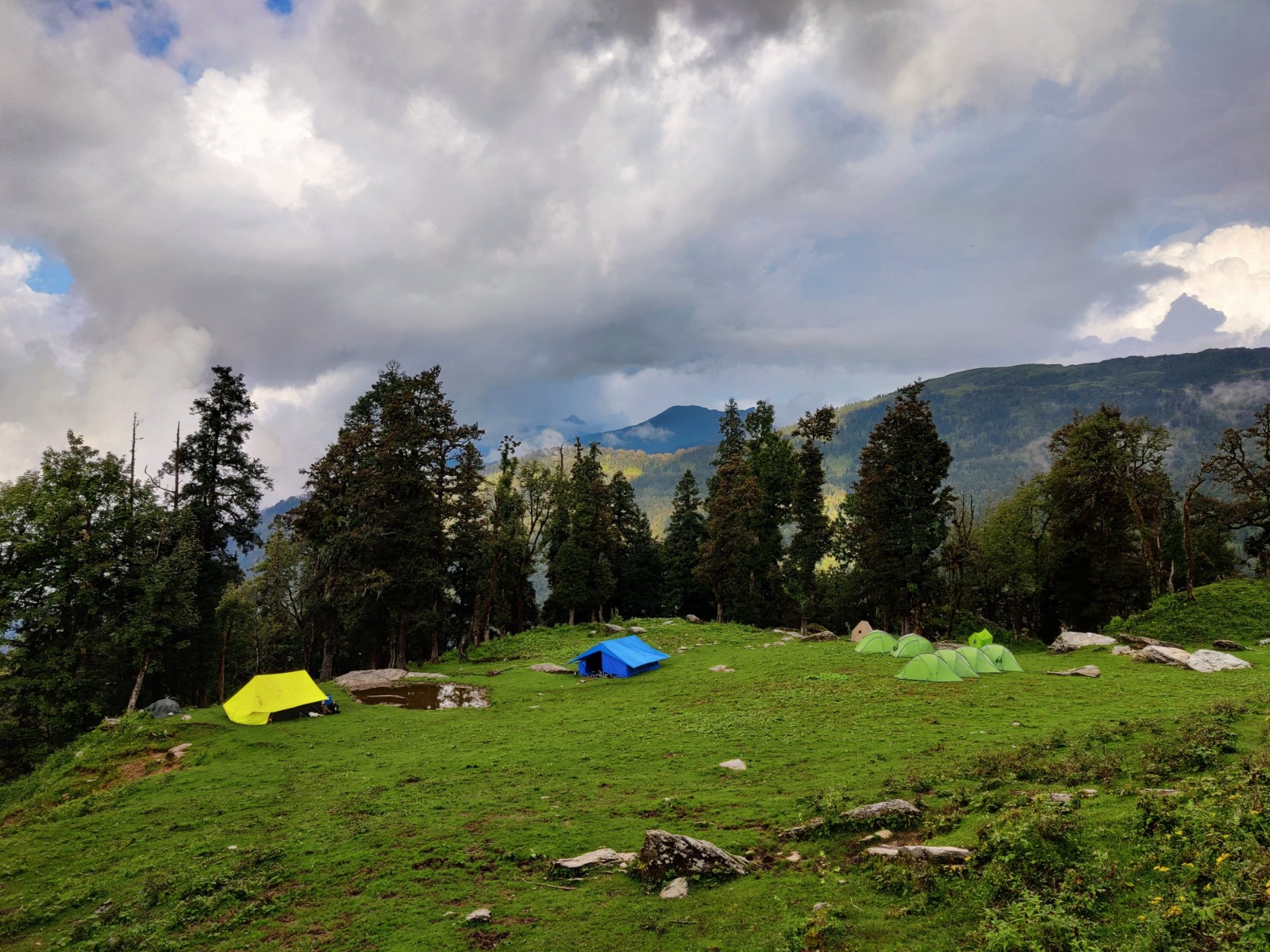
(b) Campsite avalanche, floods, etc Camp must be properly sited to ensure protection from rock fall, wind,
(c) Equipment. You should always pack emergency and bivouac equipment. Equipment should be checked for damage or wear and tear before use
(d) AMS (Acute Mountain Sickness) Caused due to sudden change in altitude and poor acclimatization or dehydrtaion. For e.g., AMS, HAPO, HACO HACE
(e) Metal Bite. Caused due to touching metal objects with naked hands in very cold conditions.
(f) Benightment. Unwanted night halt caused due to poor planning.
(g) Sunburn. Caused due to non application of sunscreen or not covering body parts.
(h) Snow Blindness. Caused due to not wearing sunglasses in snow or ice bound terrain.
(i) Verglas. A thin coating of frozen ice that forms on the rock surface in extremely cold weather. Causes slip and fall, if not careful
(j) Overconfidence. Over estimation of one's abilities, unnecessary risk taking, leading to accidents.
(k) Chillblains Frostbite Hypothermia. Caused by usage of limbs that are wet and exposed to extreme cold conditions.
They are caused by mountain and the weather, and cannot be influenced by person operating in the mountains. Some of them are:-
(a) Landslide. A landslide is defined as the movement of a mass of rock, debris, or earth down a slope.
(b) Rock fall. Rock falls are a detached mass of rock falling from a eliff or down a very steep slope.
(c) Scree. Scree is a collection of broken rock fragments at the base of a mountain cliff, or valley shoulders, that have accumulated through periodic rock fall from adjacent slopes.
(d) Avalanche. It is a massive mass of unstable snow, sliding down a slope due to gravity.
(e) Soft Snow. Excessive snowfall makes movement very difficult.
(f) Glaciers Glaciers can be hazardous for movement due to ice surface & crevasses
(g) Crevasses. Can be very wide and deep, making movement difficult. Hidden crevasses are particularly more dangerous
(h) Snow Bridge. Snow Bridge is a naturally formed bridge of snow across a crevasse, in a glacier or over a glacial stream
(i) Hanging Glaciers and Seracs. Seracs are pinnacles of ice or a tower of ice, sometimes may fall without warning, regardless of the time of the day.
(j) winds. Cornice Overhanging mass of snow over the edge of a ridge or plateau, formed by
(k) Earthquake. Causes breaking of seracs and triggers avalanches.
(l) Lightning. Lightning is a very high electrical discharge during a thunderstorm.
(m) Blizzards. Very high velocity winds causing a snow storm.
(n) Whiteout. Dense fog making visibility drop to near zero levels. Movement during whiteouts should be avoided.
4. The difference between subjective and objective hazards is marginal. Negligence of basic precautions to be followed in mountains may result in Objective Hazards turning into potential Subjective Hazards.