Mountain Terminology Guide
Mountain Terminology Guide
01
May
Knowledge of correct mountain terminology is very important for a mountaineer. Uniformity is required in climbing terms so that climbers from different places can understand each other and maintain a common standard.
Highest point top of the mountain.
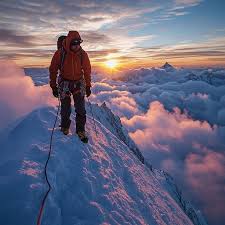
The highest natural linear feature connecting two mountain tops.
A small descending ridge coming out from the main ridge.
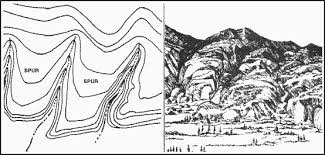
A terrain feature formed by two parallel spurs with low ground in between them. The area of low ground itself is the re-entrant, and it is defined by the spurs surrounding it. Re-entrants are similar to valleys on a smaller scale, however while valleys are by nature parallel to a ridgeline, a reentrant is perpendicular to the main ridge.
Series of mountains joined together.
A compact portion of a mountain range, containing one or more summits.
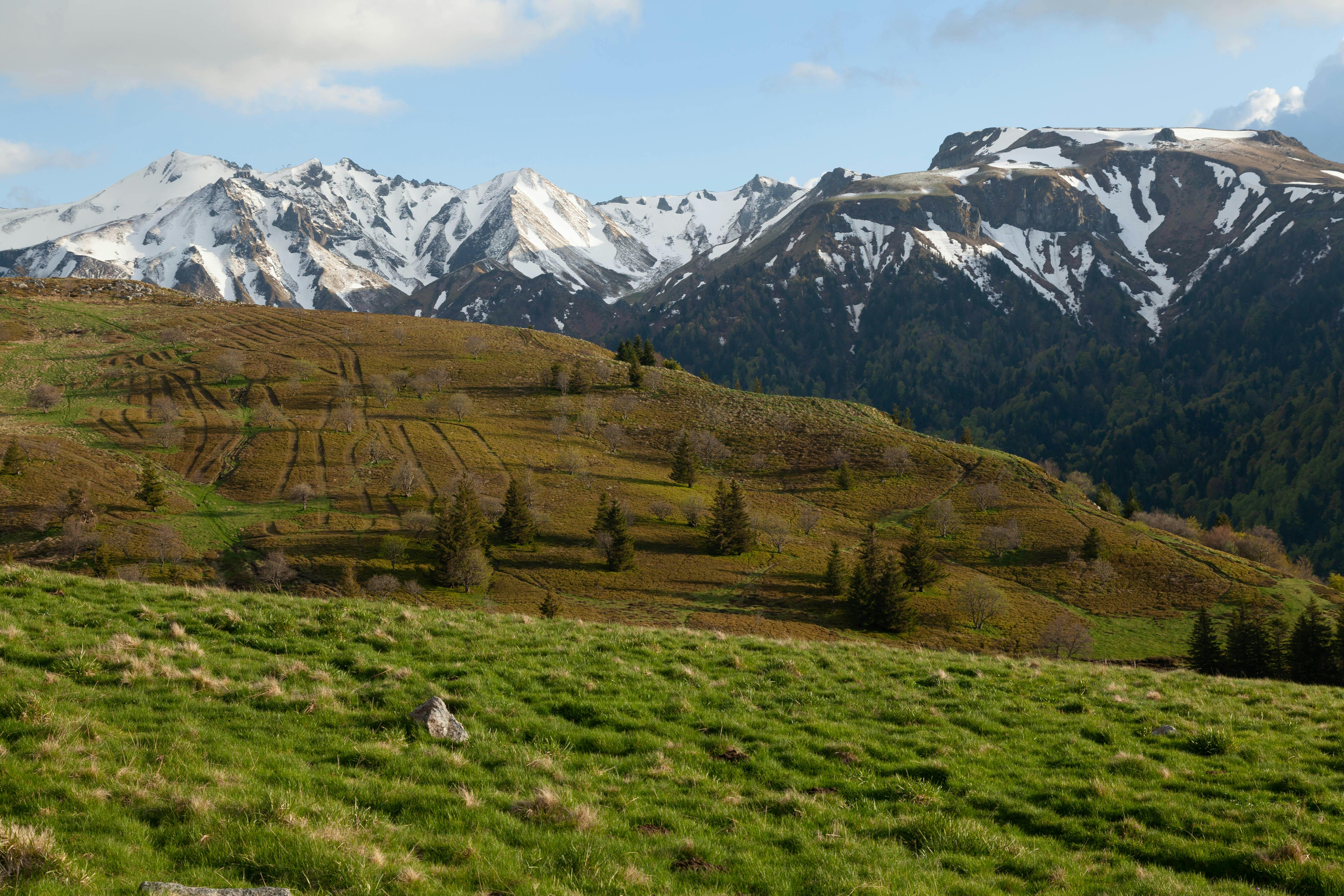
Wide depression between two mountains.
A sharp ridge of rock.
A very wide valley.
Narrow deep alley with steep sides.
Flat plain ground on top of a mountain.
Open, grassy plain ground on slopes of mountain.
Generally, the lowest point connecting two valleys and is usually used to cross from one to the other.
A pass which requires technical equipment or knowledge to cross.
Small, round hill.
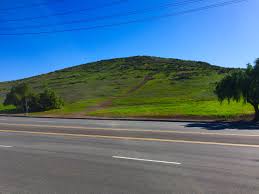
A rock projection that is flat on top.
A rock projection that is tapering at the top.
Grassland below the snow line.
The tree line is the edge of the habitat at which trees are capable of growing
A large, perennial accumulation of ice, snow, rock and sediment originating on land and moving down slope under the influence of its own weight and gravity; a dynamic river of ice.
The addition of ice and snow into a glacier system. This occurs through variety of processes, including precipitation, firnification, and wind transportation of snow into a glacier basin from an adjacent area.
The Climatic Snow Line is the boundary between a snow-covered and snow-froe surface. The actual snow line may adjust seasonally, and be either significantly higher in elevation, or lower. The Permanent Snow Line is the level above which snow will lie all year
Nevé is a young, granular type of snow which has partially melted, refrozen and compacted, yet precedes the formation of ice. Névé that survives a full season of ablation turns into firm, which is both older and slightly denser. Firn eventually becomes glacial ice the longlived, compacted ice that glaciers are composed of
An intermediate stage in the transformation of snow to glacier ice. Snow becomes Firn when it has been compressed so that no pore space remains berween flakes or crystals, a process that takes less than a year.
Top hard layer on snow.
It is a type of crevasse, a gap between the mountain and the start of the glacier
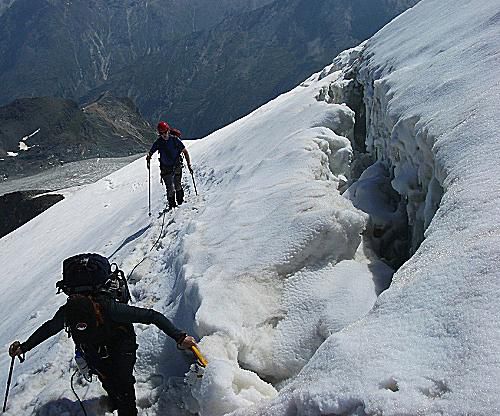
The depression between glacier and adjacent snow/ rock face.
A rounded, glaciated valley, also known as a corrie or cirque
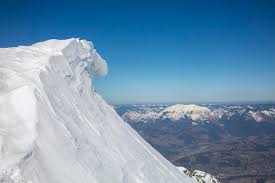
Overhanging slab of snow over a ridge, formed by wind blowing from the windward side to leeward side of a mountain.
A moraine is debris left behind by a moving glacier. This debris is usually soil and rock. Just as rivers carry along all sorts of debris and silt, that eventually builds up to form deltas, glaciers transport all sorts of sand and rocks, that build up to form moraines
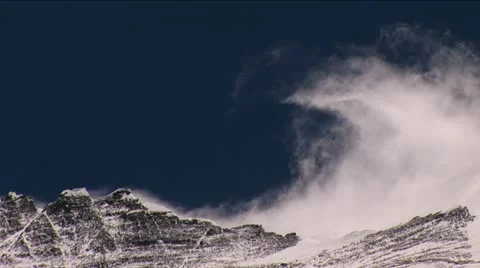
Snow that gets blown by wind from a peak and looks like clouds.
A large flat ground covered with a thick layer of snow.
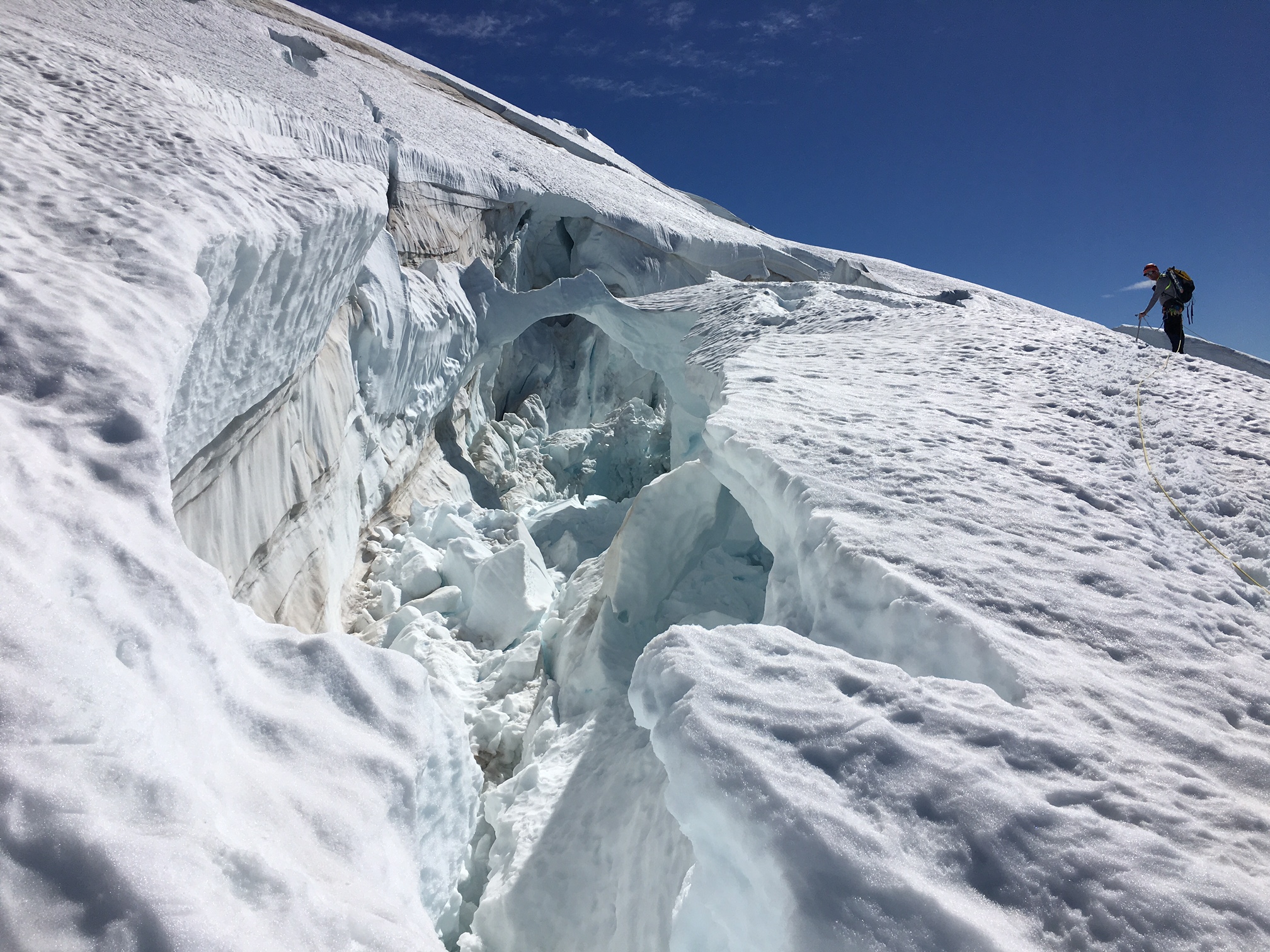
Big cracks on glaciers tapering at the bottom. Maybe horizontal, vertical, or diagonal, and open or closed.
A bridge of snow over which a crevasse can be crossed
A body of ice or neve that breaks off abruptly at the edge of a precipice or steep slope
Vertical blocks or columns of ice.
A very steep, vertical, or overhanging face of ice. Also called the Precipice
Part of a glacier, where the ice flows over a bed with a very steep gradient, typically at a higher rate than both above and below. As a result, the surface is fractured and heavily crevassed. In a river system, tia would be a waterfall
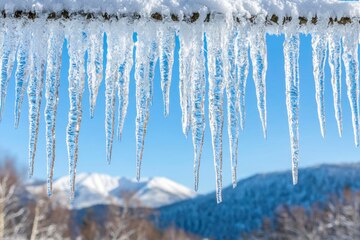
A hanging, apering mass of ice formed by the freezing of dripping water
A narrow, tubular chute or crevasse through which water enters a glacier from the surface. Occasionally, the lower end of a moulin may be exposed in the face of a glacier or at the edge of a stagnant block of ice.
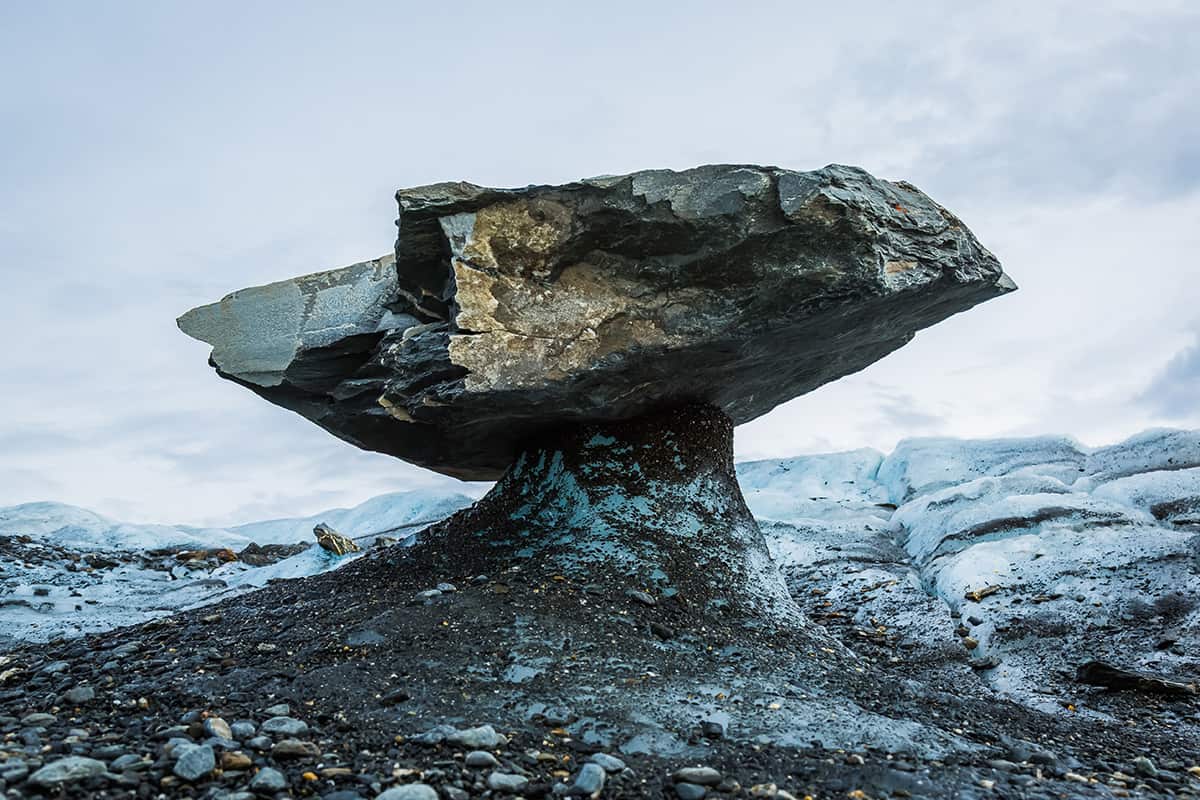
A rock that is balanced on a pedestal of ice, and elevated above the surface of a glacier. The rock protects the pedestal of ice from melting by insulating it from the sun.
A channelized accumulation of liquid water on (supraglacial), in (englacial), or under (subglacial) a glacier, moving under the influence of gravity.
Any pond of water on the top of a glacier formed by melting of snow or ice
High altitude mountain lake.
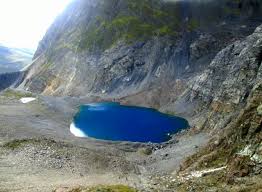
A natural cave or tunnel in ice, especially one formed in a glacier by water streams
The loss of ice and snow from a glacier system. This occurs through a variety of processes including melting and runoff, sublimation, evaporation, calving, and wind transportation of snow out of a glacier basin.
Terminus of a glacier, where the glacier ends and water stream emerges. Ablation point of a glacier.
The process by which pieces of ice break away from the terminus of a glacier, which end in a body of water, or from the edge of a floating ice shelf, which end in the ocean. Once they enter the water, the pieces are called icebergs.
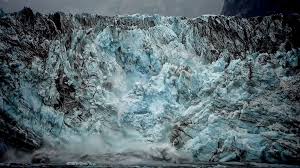
Huge mass of unstable snow, ice or debris, that starts moving down slope gathering momentum from a particular point due to various factors.
A wind caused by an avalanche.
A terrain feature that is curved or rounded like the exterior of a sphere or circle. i.e. goes from less steep to more steep. Convex slopes generally tend to be less safe than concave slopes, but concave slopes can also be prone to avalanches.
Cloud conditions leading to extreme poor visibility, in which the horizon is indistinguishable from the featureless, white sky. In extreme forms, white-outs can disorient a person to a point where he/she cannot figure out any directions, and thus obviously pose an immediate danger to mountaineers.
Storm with snow fall blowing at excessive speeds, with restricted visibility and extreme cold conditions.
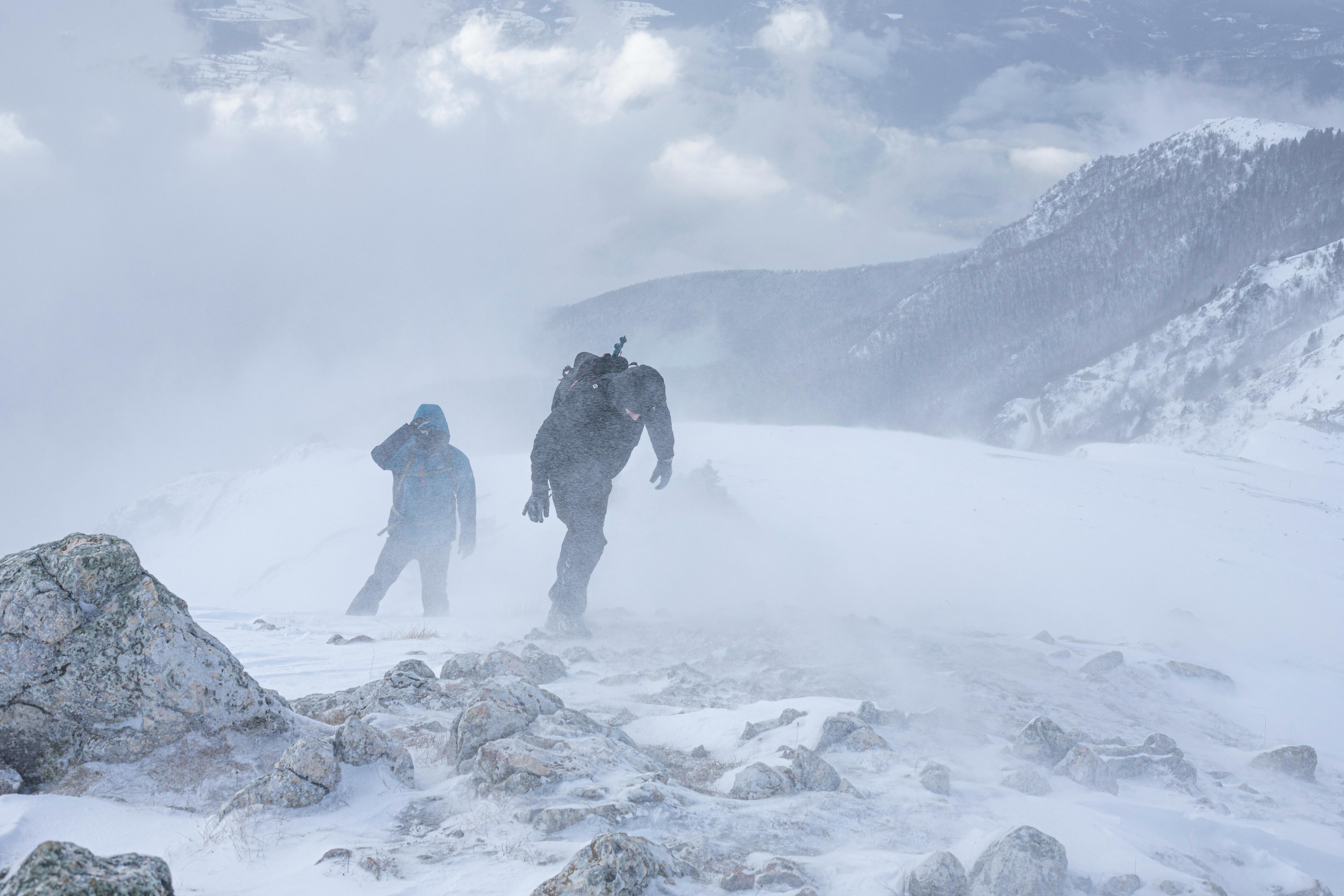
Painful eye condition caused due to over exposure to ultra violet (UV) light. It causes temporary blindness as the affected person is not able to open his/her eyes. Can be prevented by wearing UV protecting sun glasses during day time.
A slippery thin coating of frozen ice on rock.
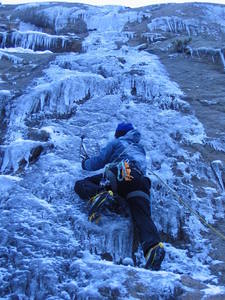
Is the process in which an individual adjusts to a gradual change im environment/altitude.
While ascending on snow using zig zag pattern, a broader step made by climbers
Ball of snow that forms on the base of the crampons while walking on snow. This can be dangerous for the climber and cause a fall.
Using tools like crampons and ice axes on mixed surface with rock and ice/ snow.
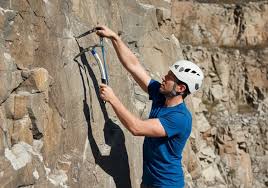
The lowest and the largest fixed camp on a major ascent in mountains. It acts as the logistics base at a suitable height, where climbers can fall back for rest or in case of bad weather.
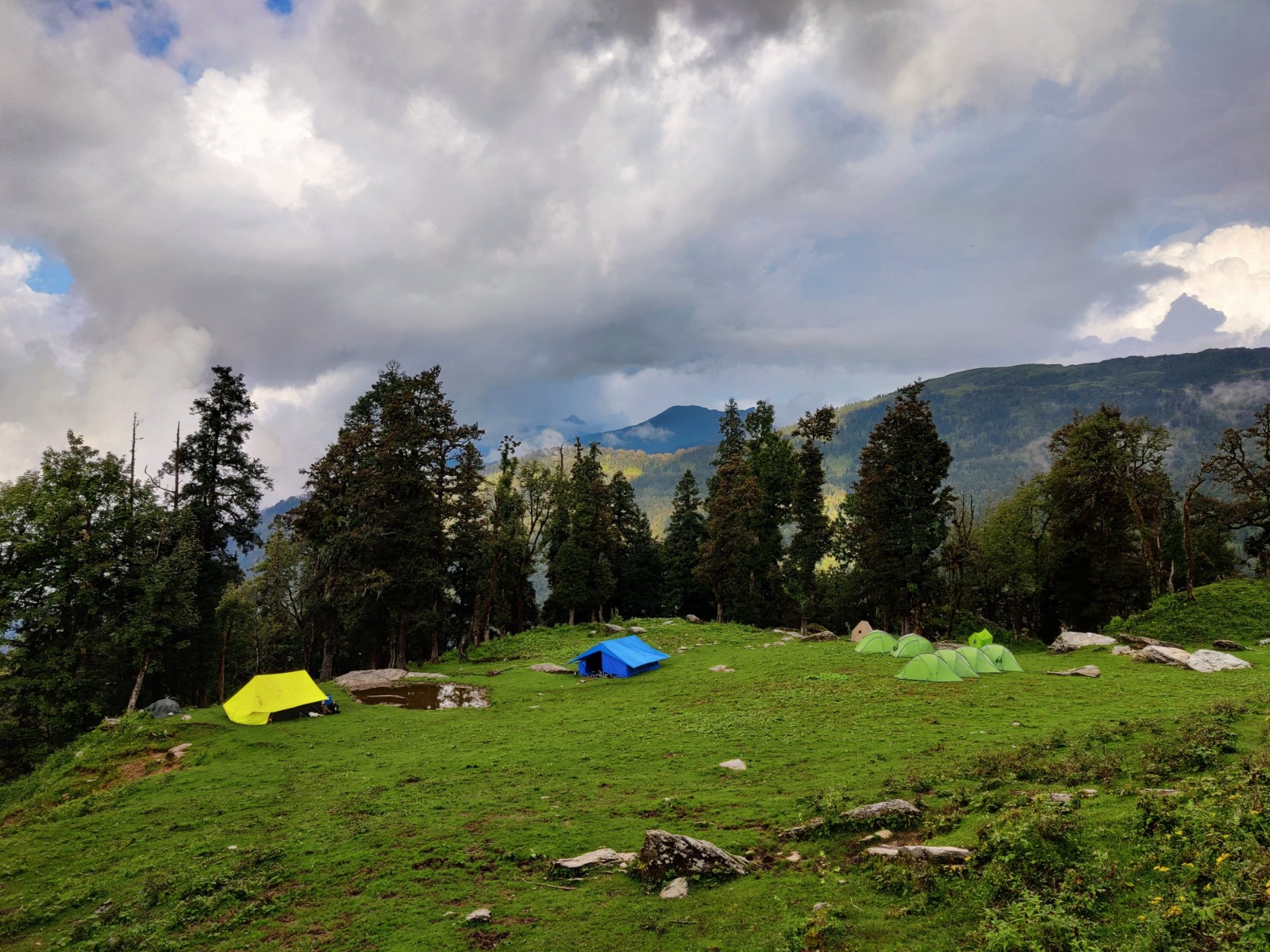
Temporary shelter to stay, a camp or the act of camping.
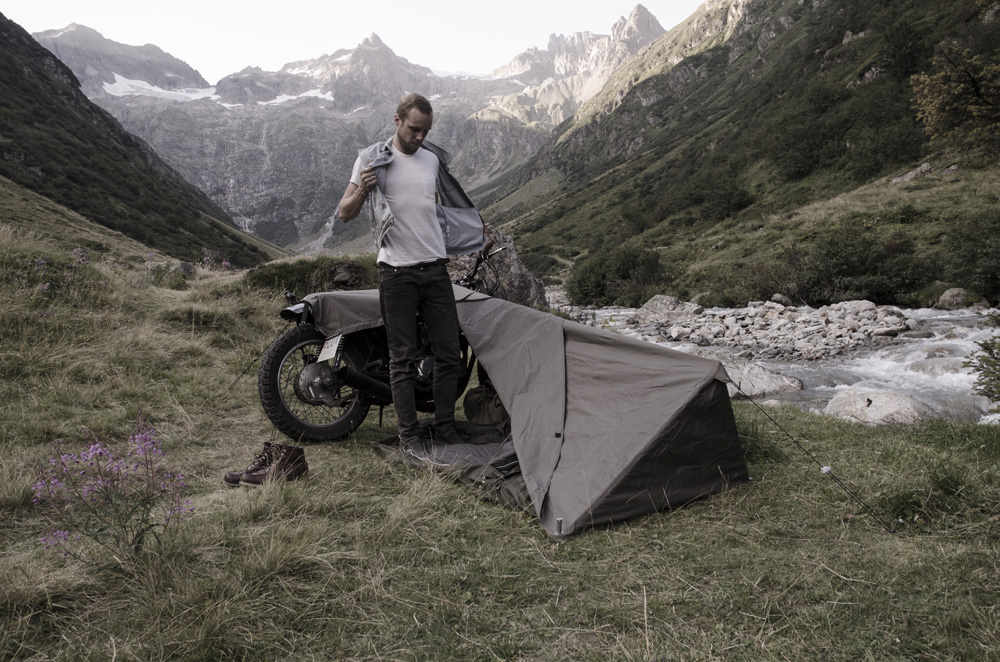
Compelled or emergency night halt, camping without adequate shelter without a pre plan.
A snow cave is a shelter constructed in snow by certain animals in the wild, human mountain climbers, winter recreational enthusiasts, and winter survivalists. It is particularly effective at providing protection from wind as well as low temperatures. A properly made snow cave can be 0 °C or warmer inside, even when outside temperatures are -40 °C.
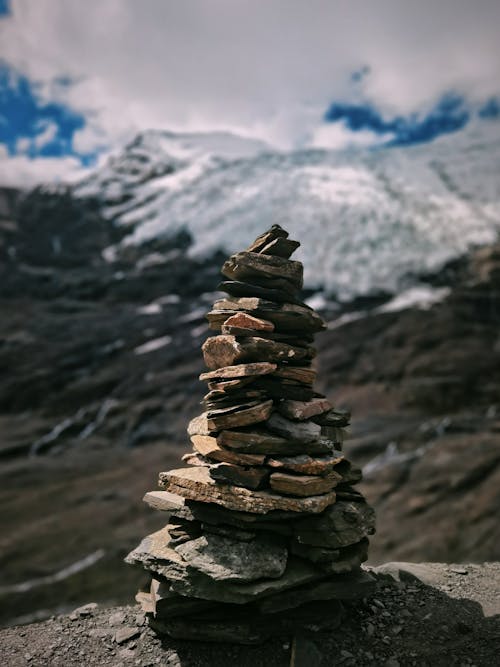
A distinctive pile of stones placed to mark a route, often above the treeline.