nafran valley trek kashmirs hidden alpine paradise
nafran valley trek kashmirs hidden alpine paradise
04
Feb

The Nafran Valley Trek Journey at a Glance
Starting Point: Aru Village (via Mondlan)
Trek Duration: 6-7 Days
Total Distance: 40-45 km
Maximum Altitude: 13,800-14,127 ft (Nafran Valley/Harnag Pass)
Difficulty Level: Moderate to Difficult
Best Season: July to September
While the Kashmir Great Lakes and Tarsar Marsar treks have captured the hearts of thousands of trekkers, there exists a hidden gem in the Pahalgam district that remains relatively unexplored—the Nafran Valley Trek. This trek offers meadows, lakes, forests, wide landscapes and everything you could ask for from a week in the outback of Kashmir. For those seeking an authentic Himalayan experience away from crowded trails, Nafran Valley presents the perfect blend of adventure, natural beauty, and solitude.
Why Nafran Valley Deserves Your Attention
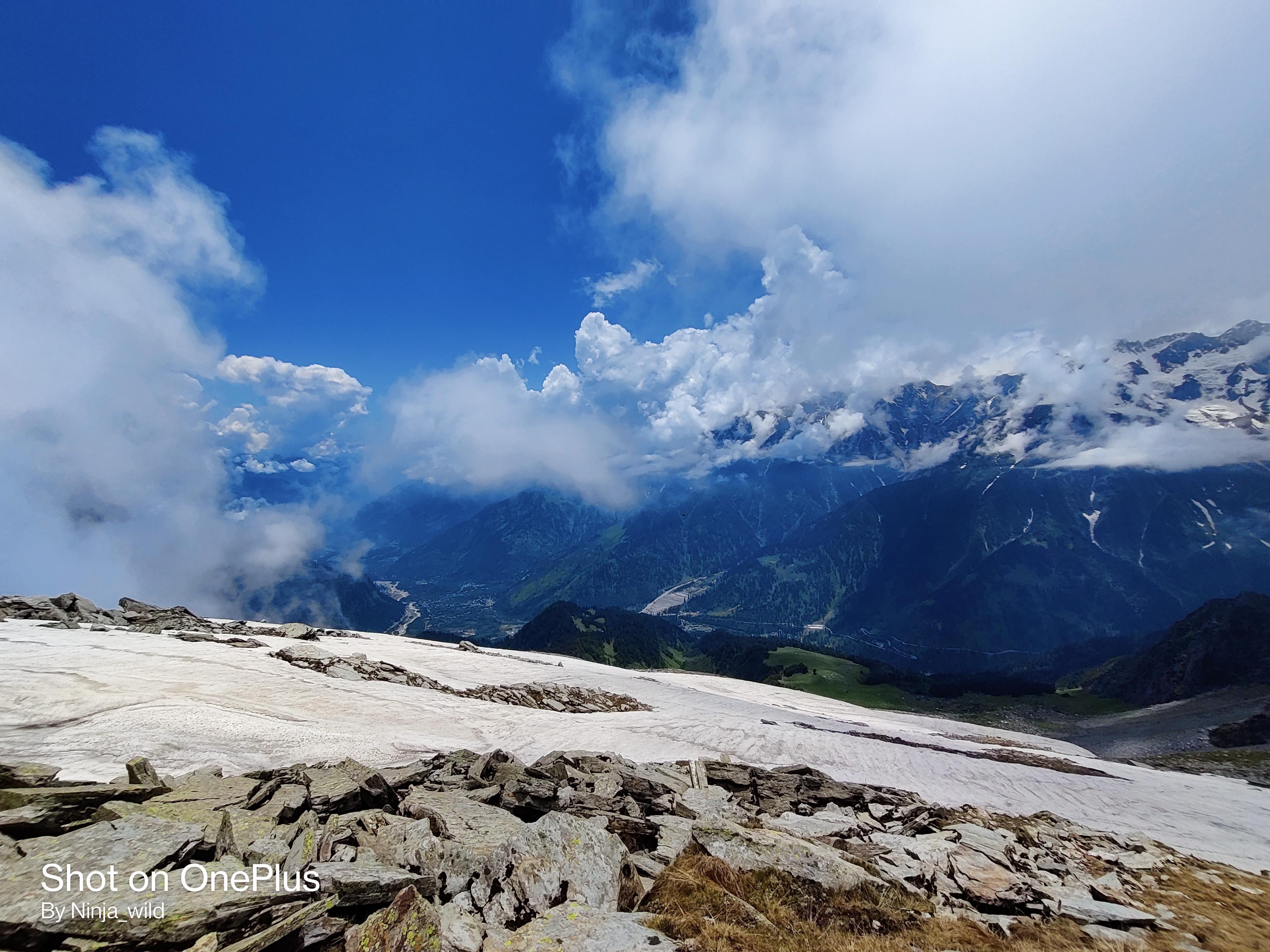
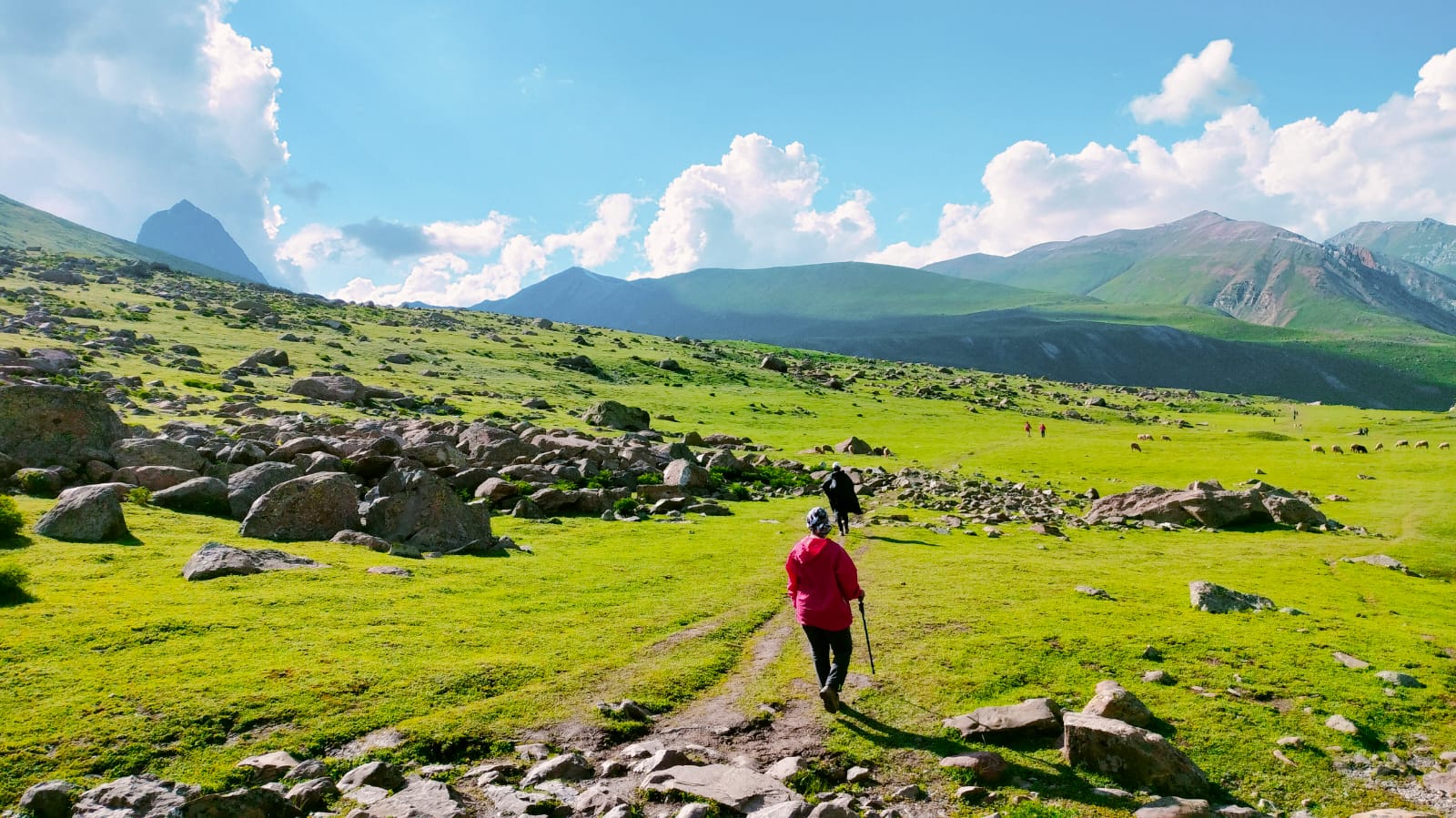
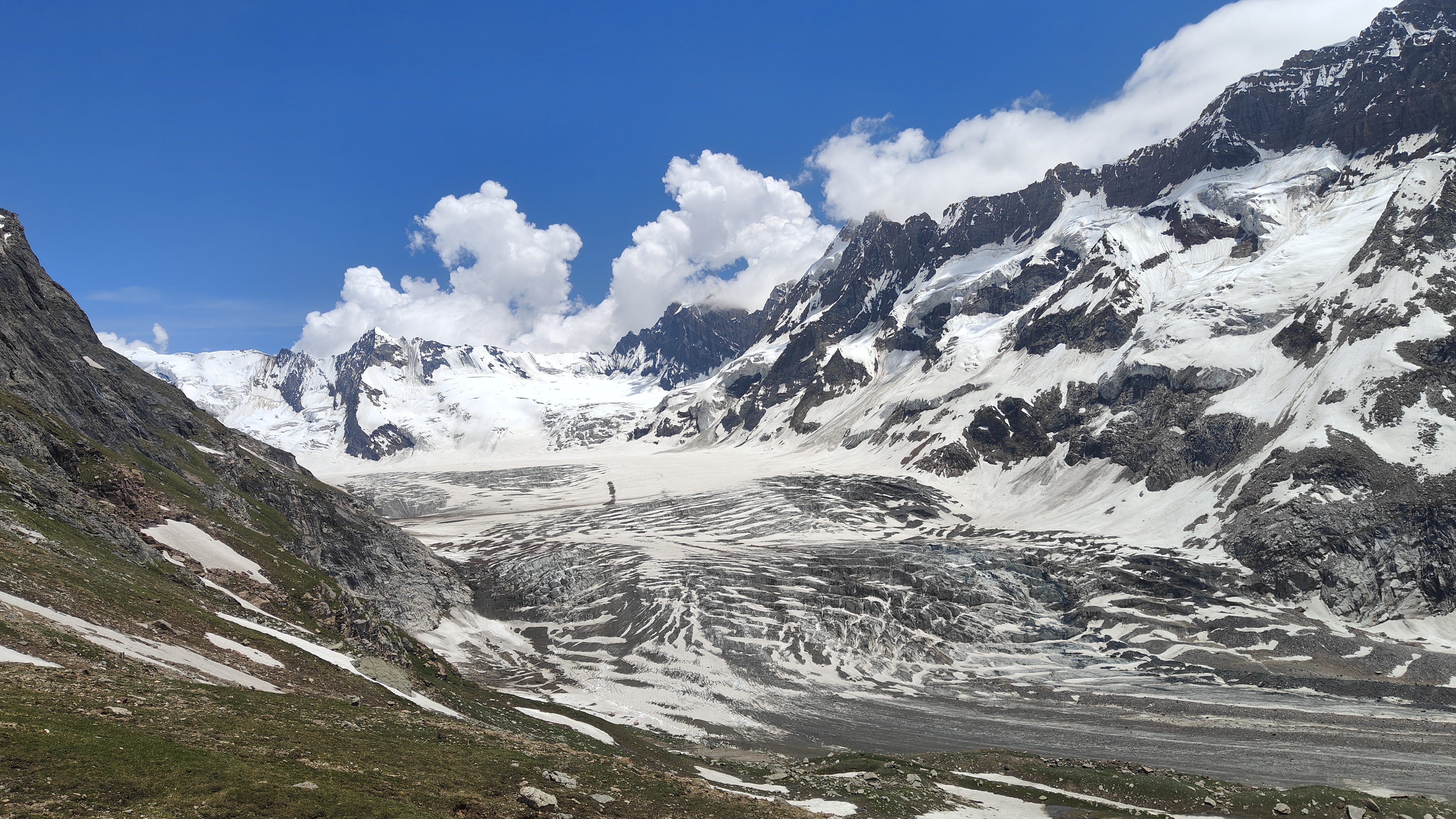
The Kolahoi Glacier feeds the Nafran Valley throughout the year, which brings life to the meadows of the valley from July to September with lush green grassland and blooming flowers of vivid colors like red, blue, violet, purple, white, yellow, and many more. Unlike more popular treks in Kashmir, Nafran Valley offers trekkers a sense of genuine wilderness exploration.
What Makes This Trek Special
1. Twin Alpine Lakes
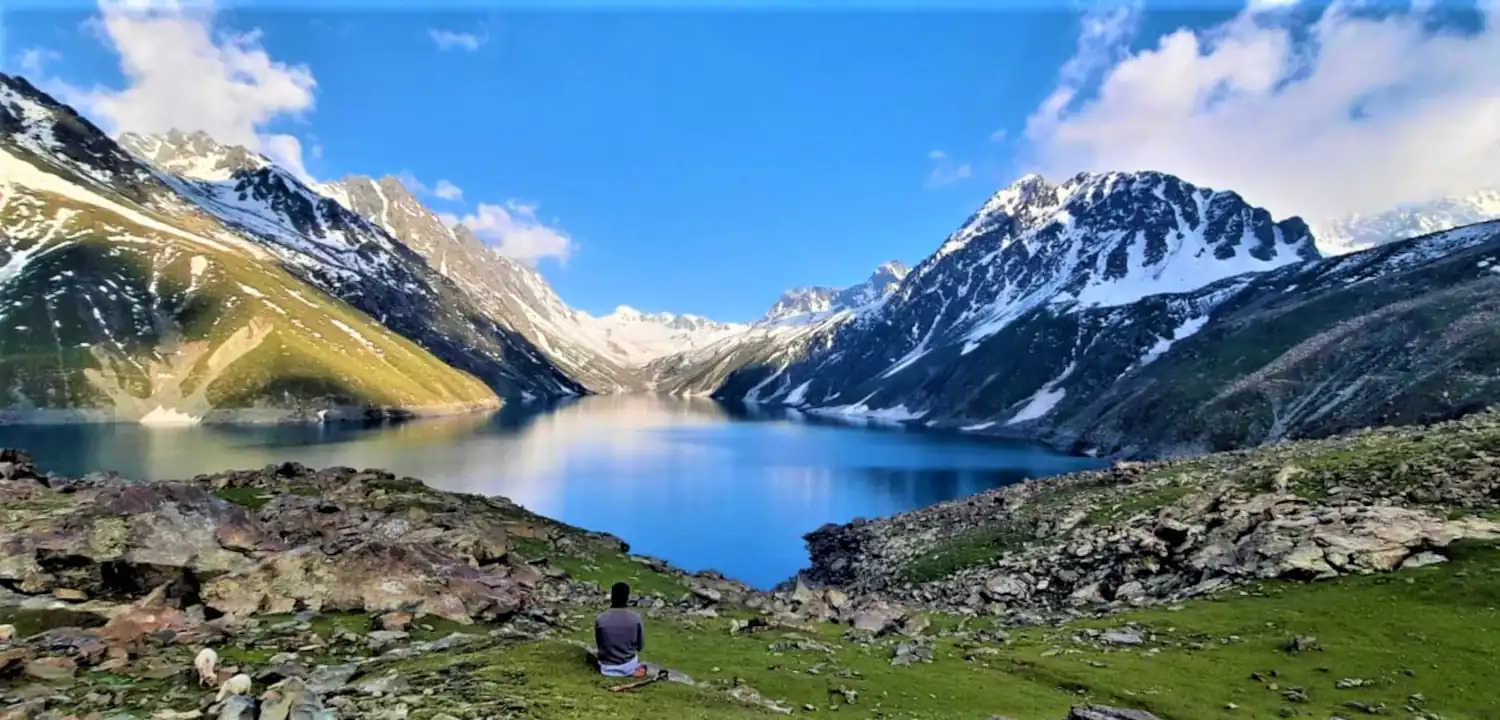
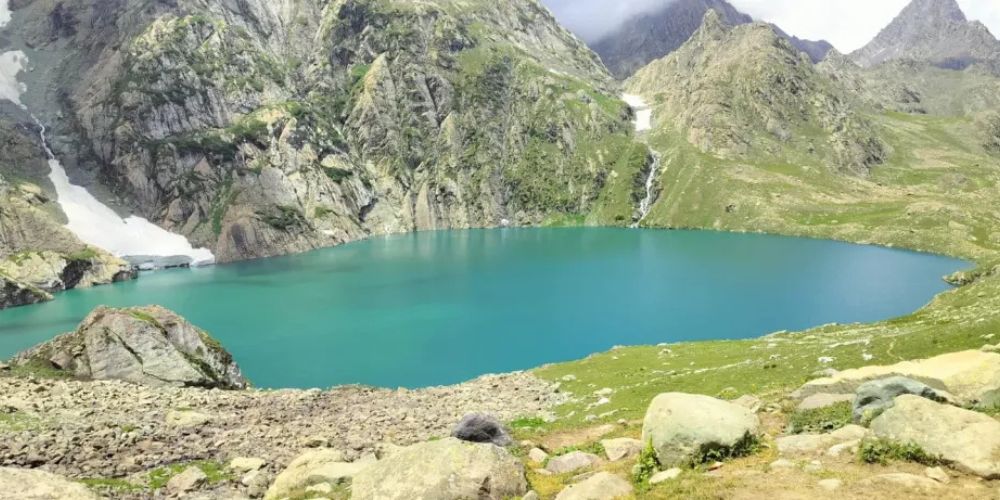
The trek features two stunning high-altitude lakes—Harnag Lake and Harbhagwan Lake. These crystal clear lakes shimmer when sun rays penetrate through them, while during the night, they mirror the galaxy and billions of stars making the Harnag Lake the perfect place for astrophotography lovers.
2. Expansive Meadows
Between June to October, the trail is abundant with wild horses and cattle, with small mud houses visible throughout—the establishments of shepherds who frequent these grasslands in the season. These meadows rival the famous grasslands of Sonamarg and Gulmarg in their beauty and scale.
3. Kolahoi Glacier Views
The trek offers close-up views of the magnificent Kolahoi Glacier, one of Kashmir’s most spectacular ice formations, which continuously nourishes the valley’s ecosystem.
4. Authentic Cultural Experience
Encounter the Gujjar shepherd communities who temporarily inhabit these highlands during summer months, living in traditional mud houses and following pastoral traditions that have remained unchanged for centuries.
Detailed Trek Itinerary
Day 1: Srinagar to Aru Valley
Your adventure begins with a scenic 100 km drive from Srinagar to Aru Valley (approximately 2-3 hours). The journey takes you through the picturesque Kashmir countryside, past apple orchards, walnut groves, and alongside the Lidder River. Aru, situated at 7,920 ft, serves as the base camp for your expedition. Spend the evening acclimatizing and exploring this charming village.
Day 2: Aru to Bhaj Margi (via Mondlan)
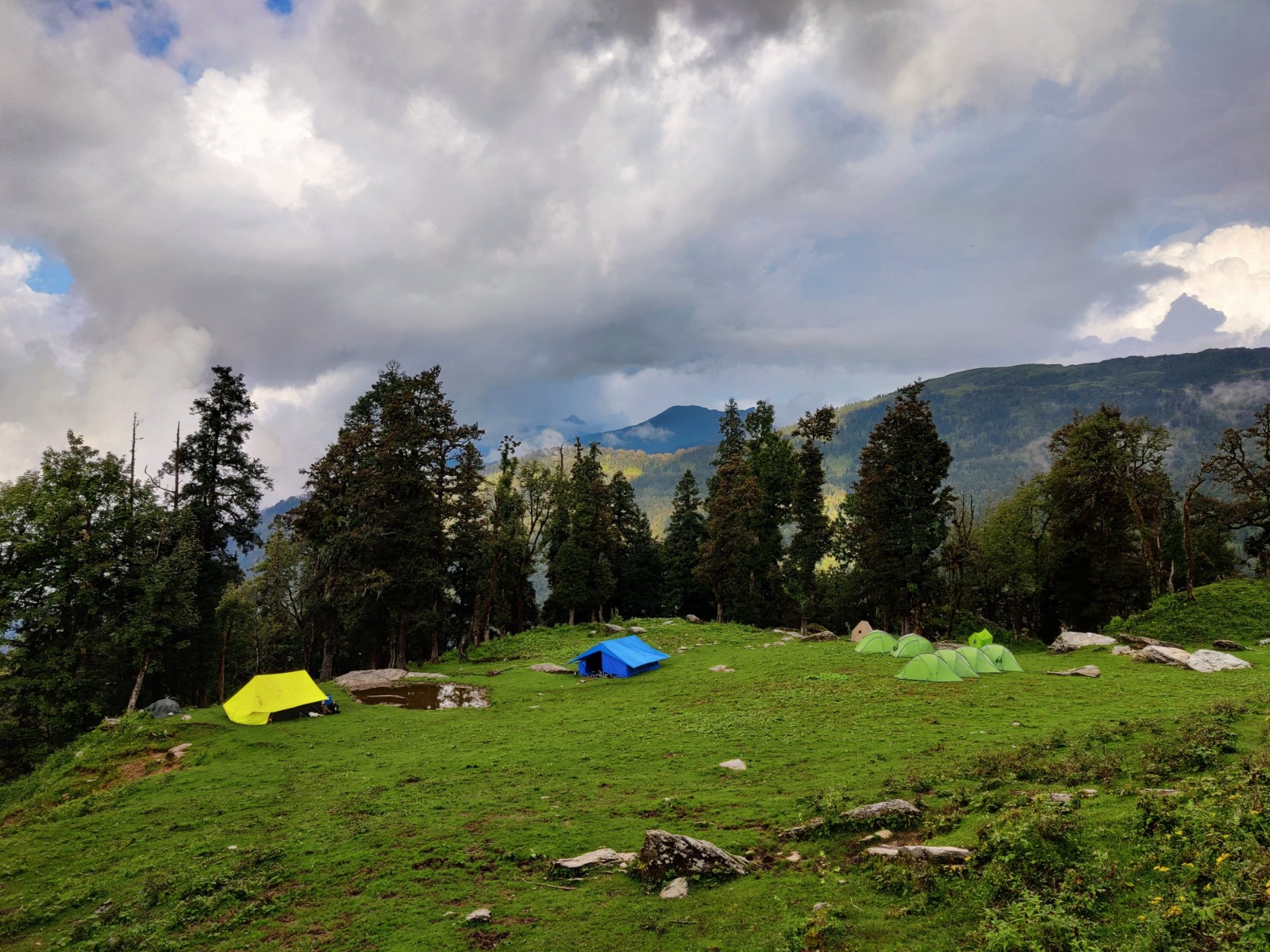
The actual trekking begins with a short drive to Mondlan, the official trail head. From here, the trek starts with scattered patches of walnut trees alternating with wide open spaces, with the forest giving way to grasslands covered in wild flowers of all colors imaginable. The trail involves a significant elevation gain of approximately 650 meters, making it a challenging first day. The campsite at Bhaj Margi (10,370 ft) is a spectacular open meadow frequented by wild horses and grazing cattle.
Trek Details: 5-6 hours | Elevation gain: 1,627 ft
Day 3: Bhaj Margi to Nafran Valley via Arram Pathri Ridge
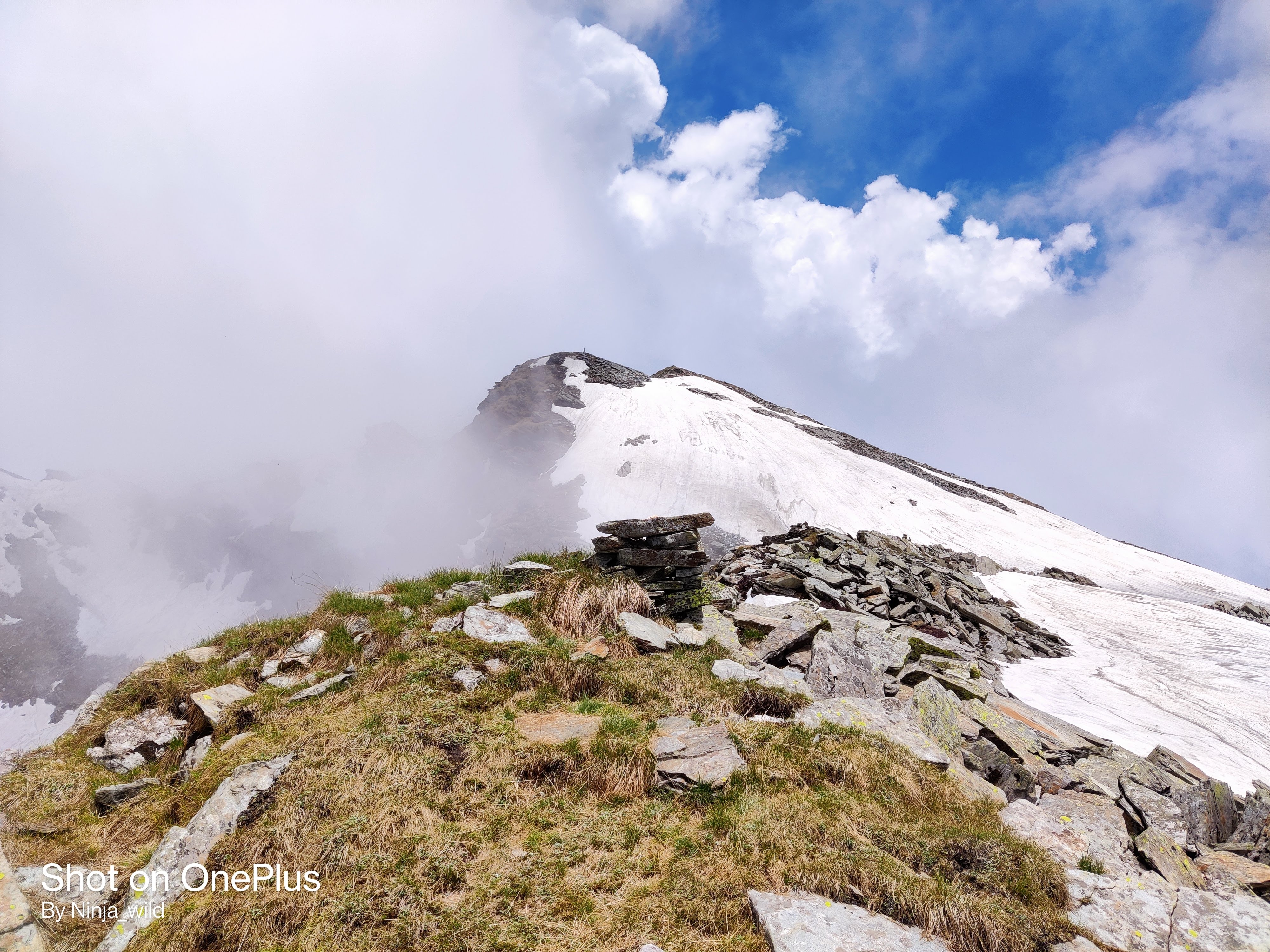
This day presents the heart of the trek. Starting on a gradual slope through forest, the trail leads to a ridge walk that provides magnificent views of meadows on both sides. As you approach Nafran Valley, the terrain becomes rockier and more challenging. The campsite in Nafran Valley (11,270 ft) is surrounded by towering peaks and offers mesmerizing views of the Kolahoi massif.
Trek Details: 7-9 hours | Elevation gain: 900 ft
Day 4: Acclimatization and Exploration at Nafran Valley
This crucial rest day allows your body to adjust to the altitude while you explore the valley’s hidden treasures. Many trekkers use this day for a side trip to Harnag Lake, situated at 11,480 ft. The emerald waters of this lake provide a perfect setting for photography, reflection, and simply soaking in the Himalayan grandeur.
Day 5: Nafran Valley to Harbhagwan Lake (Optional Extension)
For those seeking an extra challenge, this day involves trekking to the even more remote Harbhagwan Lake. The route crosses Harnag Pass, the highest point of the trek, offering panoramic views of the surrounding peaks and the Kolahoi Glacier. This extension adds considerable difficulty but rewards with unparalleled alpine beauty.
Trek Details: 6-7 hours | Maximum altitude: 13,980 ft
Day 6: Nafran Valley to Araam Pathri
Begin your descent through varied terrain, retracing your steps to Araam Pathri. This large clearing serves as your penultimate campsite, offering another night under the star-studded Kashmir sky.
Trek Details: 5-6 hours
Day 7: Araam Pathri to Aru Valley; Return to Srinagar
The final trekking day involves a descent through dense cedar forests and rolling meadows back to Aru Valley. After reaching Aru, you’ll drive back to Srinagar, arriving by evening. Many trekkers choose to spend an extra day exploring Srinagar’s famous Dal Lake, Mughal gardens, and old city.
Trek Details: 4-5 hours trek | 2-3 hours drive
Best Time to Trek
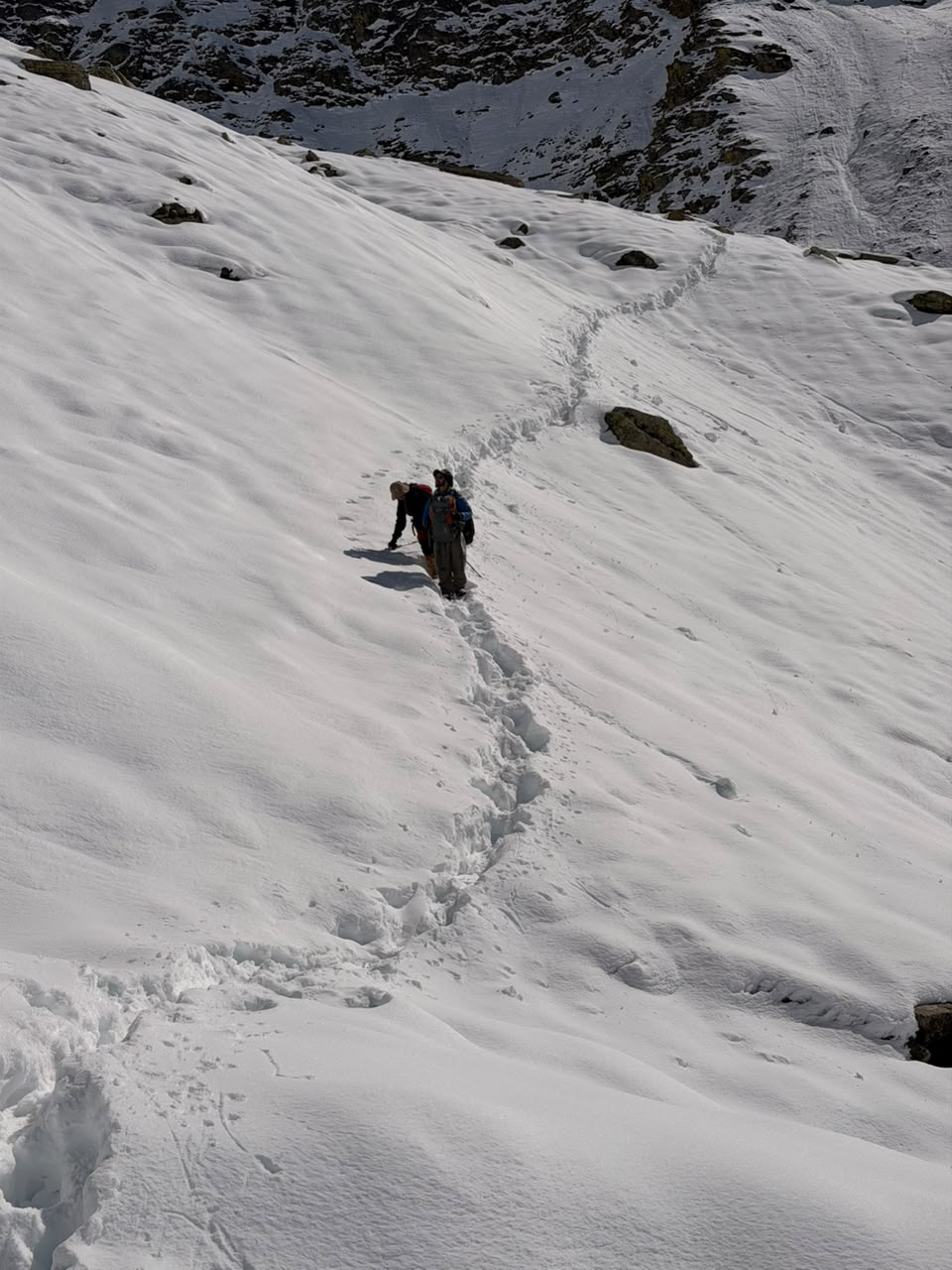
The best time to do the Nafran Valley trek is from the second week of July to the beginning of September. This period offers several advantages: Weather Stability: Kashmir’s position in the rain shadow of the Pir Panjal range means minimal rainfall during the monsoon months
Wildflower Bloom: The meadows transform into carpets of colorful wildflowers
Comfortable Temperatures: Daytime temperatures range between 12-20°C, while nights can drop to 4-10°C
Clear Trails: Snow has melted from most paths, making navigation easier
Temperature Guidelines:
Daytime: 12-20°C
Nighttime: 4-10°C
At Higher Altitudes: Expect temperatures to drop further
Difficulty Level and Fitness Requirements
The Nafran Valley Trek is classified as moderate to difficult. Here’s why:
Challenging Aspects:
Rapid altitude gain in just two days
Steep ascents and descents
Rocky and uneven terrain in sections
High altitude (above 11,000 ft for multiple days)
Weather unpredictability
Fitness Requirements:
Previous Himalayan trekking experience is highly recommended
Excellent cardiovascular endurance
Strong knees and ankles for steep descents
Mental resilience for long trekking days
Training Recommendations:
Begin cardiovascular training at least 6-8 weeks before the trek
Include hill climbing or stair climbing in your routine
Practice with a loaded backpack (8-10 kg)
Focus on leg strengthening exercises
Build stamina gradually
Essential Information for Trekkers
How to Reach
By Air: Fly to Srinagar’s Sheikh ul-Alam International Airport, well-connected to major Indian cities. From Srinagar, it’s a 3-hour drive to Aru Valley.
By Train: The nearest railway station is Jammu Tawi (approximately 7-8 hours from Srinagar by road). From Jammu, hire a taxi or take a shared cab to Srinagar.
By Road: Srinagar is well-connected by road to Jammu and other parts of Kashmir.
Permits and Documentation
Valid government-issued photo ID (Aadhar Card, Driver’s License, Passport)
Forest permits (arranged by trekking companies)
Medical certificate (recommended)
Travel insurance covering high-altitude trekking
What to Pack
Clothing:
Thermal innerwear (2 sets)
Fleece jacket
Down jacket for high altitude
Waterproof and windproof outer layer
Trekking pants (2-3)
Woolen cap and sun hat
Gloves (waterproof and insulated)
Moisture-wicking t-shirts (3-4)
Footwear:
Sturdy, broken-in trekking boots
Camp shoes or sandals
Woolen socks (4-5 pairs)
Equipment:
40-50L backpack with rain cover
Trekking poles
Water bottles (2L capacity total)
Headlamp with extra batteries
Sunglasses (UV protection)
Sunscreen (SPF 50+)
Personal first-aid kit
Power bank
Camera and accessories
Personal Items:
Personal medications
Toiletries (biodegradable)
Quick-dry towel
Toilet paper and wet wipes
Reusable cutlery
Safety Considerations
Altitude Sickness: This is a high-altitude trek with chances of AMS (Acute Mountain Sickness). Watch for symptoms like headache, nausea, dizziness, and breathlessness. If symptoms persist, descend immediately and inform your trek leader.
Weather Concerns: The Nafran Valley Trek falls in the rain-shadow region of Kashmir and rain is usually not a big worry, but exceptions do occur. Always be prepared for sudden weather changes with appropriate gear.
Regional Considerations: Stay informed about local conditions and follow your trek leader’s guidance regarding safety protocols specific to the Kashmir region.
Network Connectivity
Mobile network is available only up to Srinagar. Beyond that, connectivity is sparse or non-existent. Only post-paid SIM cards work in Kashmir. Inform family and friends beforehand about communication limitations during the trek.
What to Expect: The Nafran Valley Experience
Flora and Fauna
The valley hosts diverse Himalayan ecosystems:
Dense coniferous forests (pine, cedar, fir)
Alpine meadows with wildflowers (iris, primula, potentilla, and more)
Possibility of spotting Himalayan ibex, snow leopards (rare), Himalayan marmots, and various bird species
Cultural Encounters
The Gujjar shepherd communities you’ll encounter are descendants of nomadic pastoralists who have maintained their traditional lifestyle for generations. Their temporary summer settlements offer glimpses into a way of life that remains largely unchanged by modernity. You might have opportunities to taste authentic Kashmiri cuisine, including:
Kashmiri Kahwa (traditional tea)
Kashmiri Haak (local leafy greens)
Fresh dairy products
Traditional breads and pickles
Photography Opportunities
The Nafran Valley Trek is a photographer’s paradise:
Dawn and dusk over alpine meadows
Reflections in crystal-clear lakes
Kolahoi Glacier close-ups
Wildflower macro photography
Night sky and astrophotography
Shepherd life and culture
Dramatic mountain landscapes
Environmental Responsibility
As responsible trekkers, follow these principles:
Leave No Trace: Carry all non-biodegradable waste back with you
Respect Wildlife: Observe animals from a distance; don’t feed or disturb them
Support Local Communities: Purchase supplies from local vendors when possible
Water Conservation: Use water judiciously; avoid polluting natural water sources
Stay on Trail: Prevent erosion by sticking to established paths
Campfire Policy: Use only designated areas for fires; better yet, rely on portable stoves
Comparing Nafran Valley with Other Kashmir Treks
Nafran Valley vs. Kashmir Great Lakes
Crowds: Nafran is significantly less crowded
Lakes: Both feature stunning alpine lakes, but Nafran offers a more intimate experience
Difficulty: Similar difficulty levels
Duration: Nafran is slightly shorter
Nafran Valley vs. Tarsar Marsar
Scenery: Comparable in beauty, with Nafran offering more diverse landscapes
Altitude: Nafran reaches slightly higher elevations
Cultural Experience: Nafran provides more shepherd community interaction
Popularity: Tarsar Marsar sees more trekkers
Tips for a Successful Trek
Acclimatize Properly: Spend at least a day in Srinagar before starting the trek
Stay Hydrated: Drink 3-4 liters of water daily at high altitude
Pace Yourself: Walk slowly and steadily; this isn’t a race
Listen to Your Body: Report any discomfort to your trek leader immediately
Respect Local Customs: Kashmir has specific cultural sensitivities; dress modestly and be respectful
Pack Light: Every kilogram counts at high altitude
Prepare for Cold: Nights can be very cold even in summer
Protect from Sun: The high-altitude sun is intense; use sunscreen and lip balm
Enjoy the Journey: Don’t just focus on reaching destinations; savor every moment
The Nafran Valley Promise
The Nafran Valley Trek isn’t just about conquering altitudes or checking off another destination from your bucket list. It’s about immersing yourself in a landscape that time seems to have forgotten, where nature reveals herself in her most pristine form. It’s about nights under star-studded skies so clear you can see the Milky Way stretching across the heavens. It’s about mornings when you wake to find your tent surrounded by grazing horses against a backdrop of snow-capped peaks bathed in golden light.
This trek has the most variety you will find on any Kashmir trek, remaining an offbeat trek explored only by a select few. For those willing to venture beyond the well-trodden paths, Nafran Valley offers rewards that transcend the physical journey—it offers a transformation of perspective, a deeper connection with nature, and memories that will last a lifetime.
Whether you’re an experienced trekker seeking new challenges or someone looking to push their boundaries in one of the world’s most beautiful mountain regions, the Nafran Valley Trek stands ready to write its story into your soul. The only question that remains is: Are you ready to answer the call of these pristine mountains?
Ready to embark on this adventure? Contact ThinAirExpedition to book your Nafran Valley Trek and experience Kashmir’s best-kept secret.
📧 Email: info@thinairexpedition.com
📱 Phone: +91-9999-301010
🌐 Website: thinairexpedition.com