Pangarchulla Peak 2026 Costscenic Trails Safe Trekking
Pangarchulla Peak 2026 Costscenic Trails Safe Trekking
04
Feb

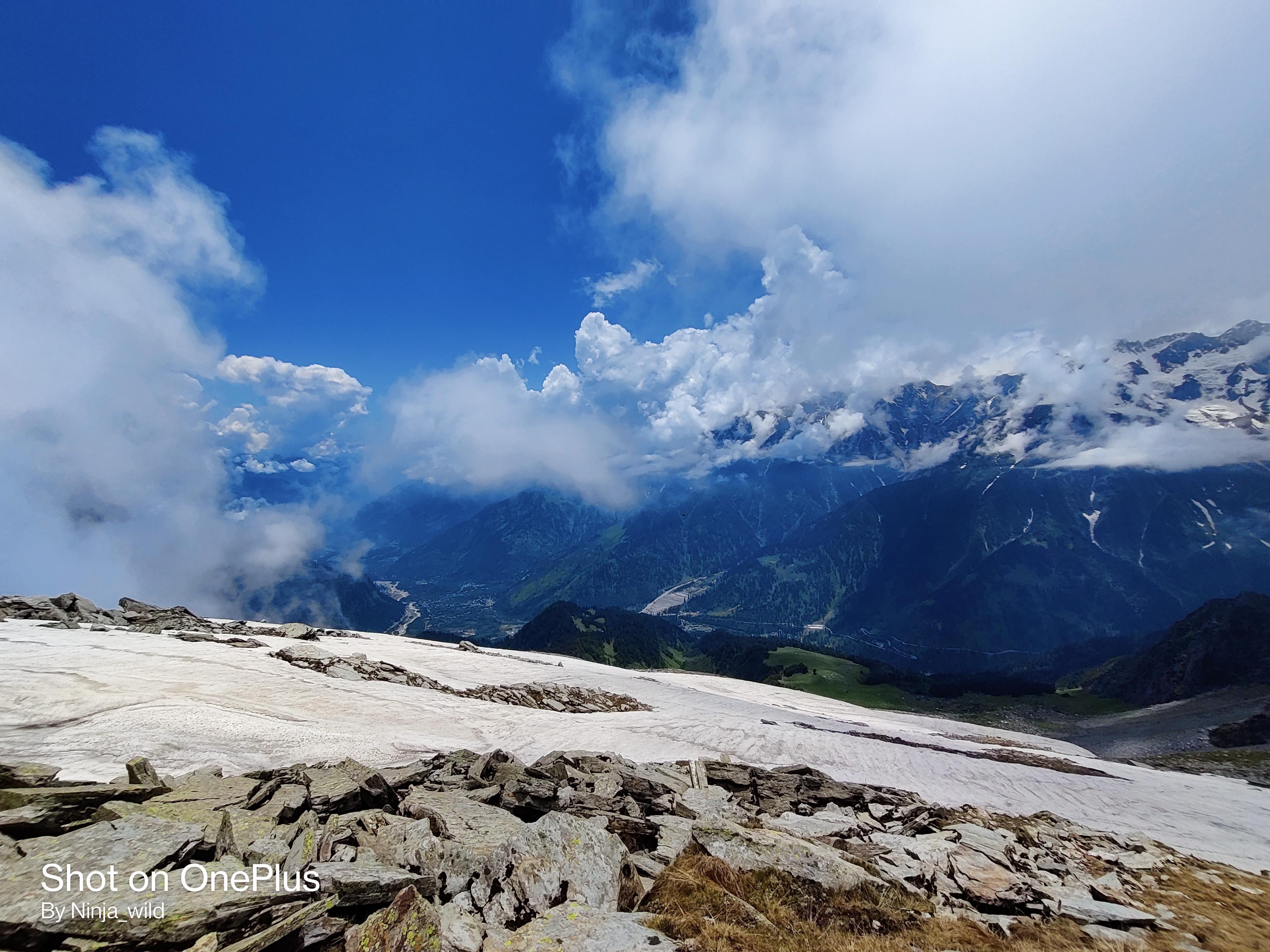
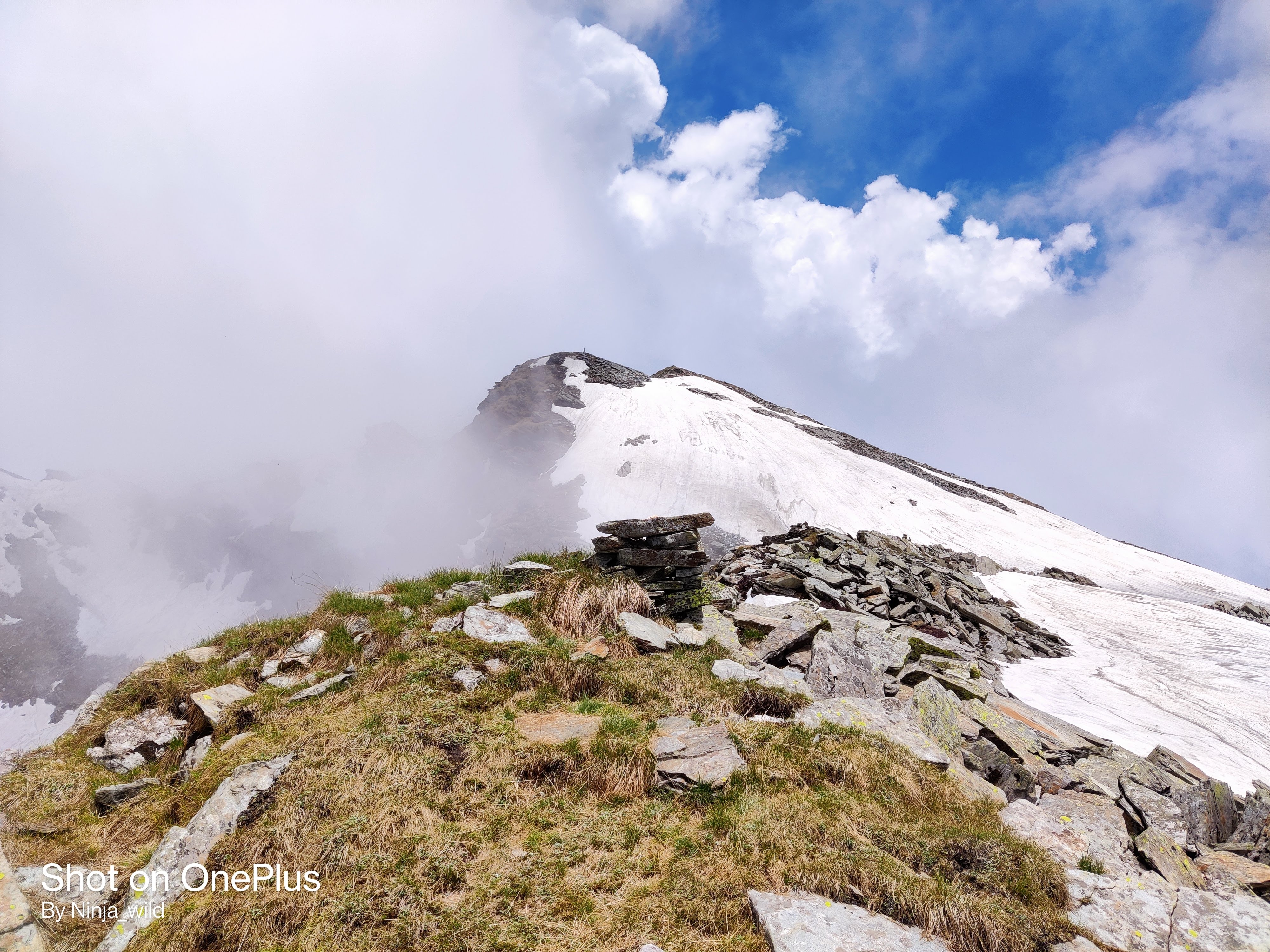
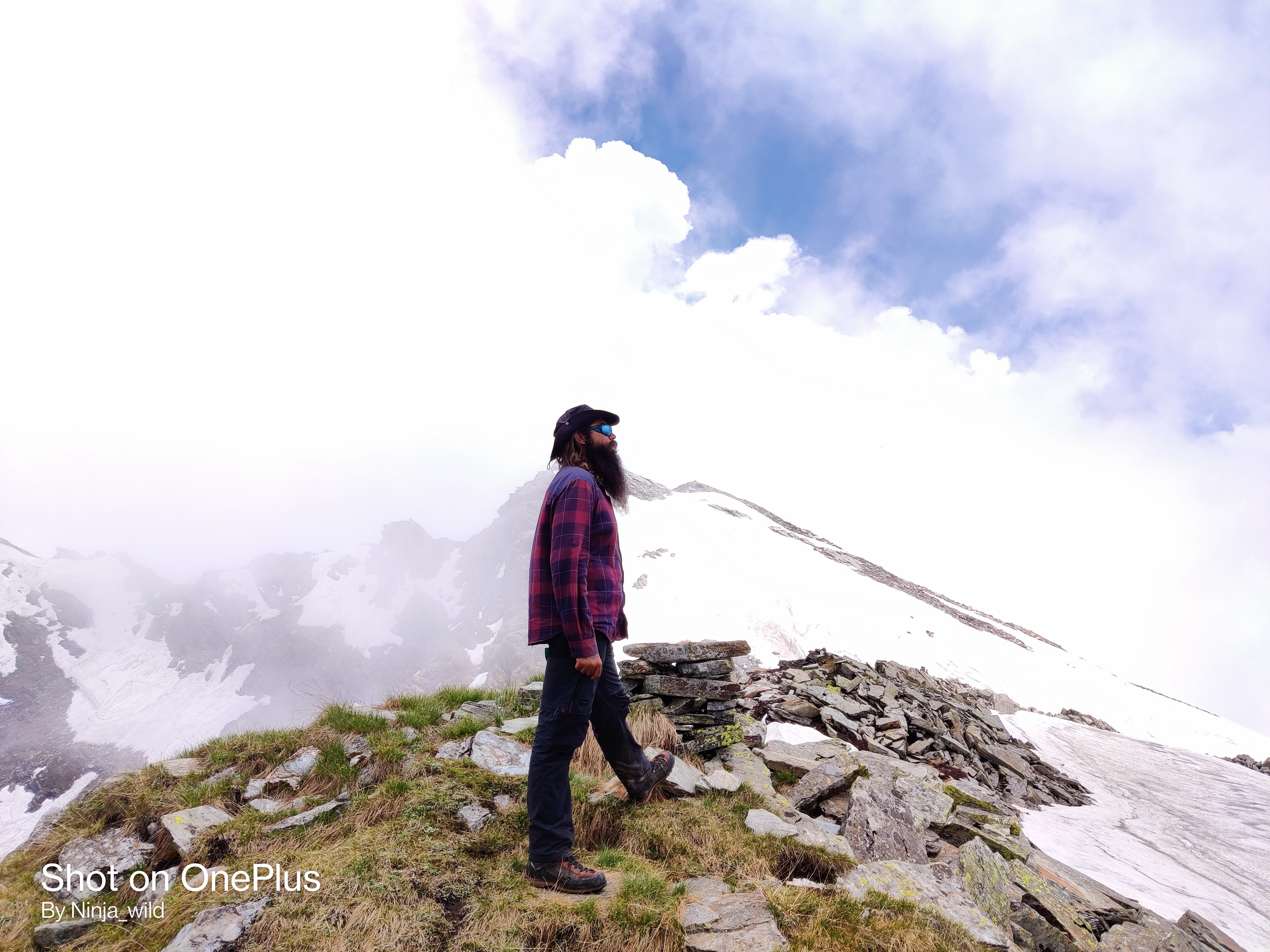
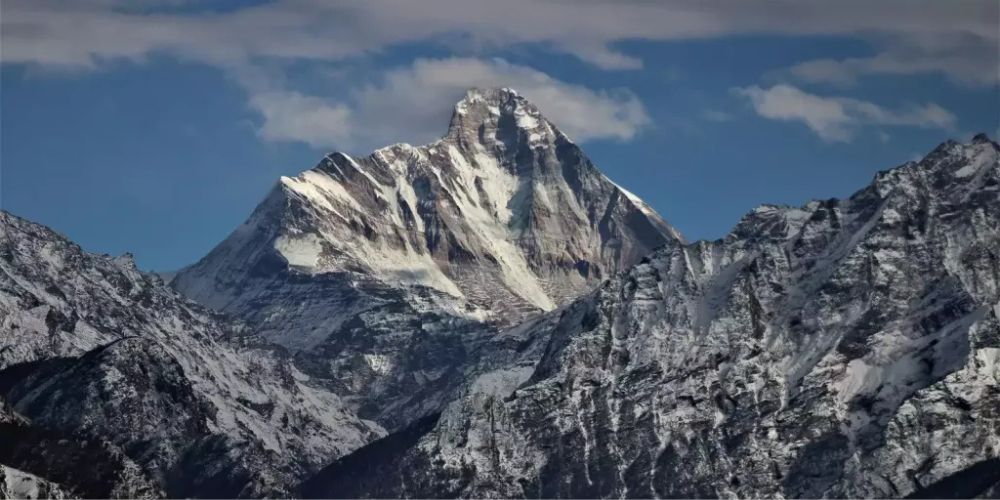
Nestled in the Garhwal Himalayas of Uttarakhand, Pangarchulla Peak stands at an impressive 15,069 feet (4,593 meters), offering trekkers one of the most rewarding summit experiences in the Indian Himalayas. This majestic peak combines the thrill of high-altitude climbing with breathtaking panoramic views, making it a bucket-list destination for adventure enthusiasts.
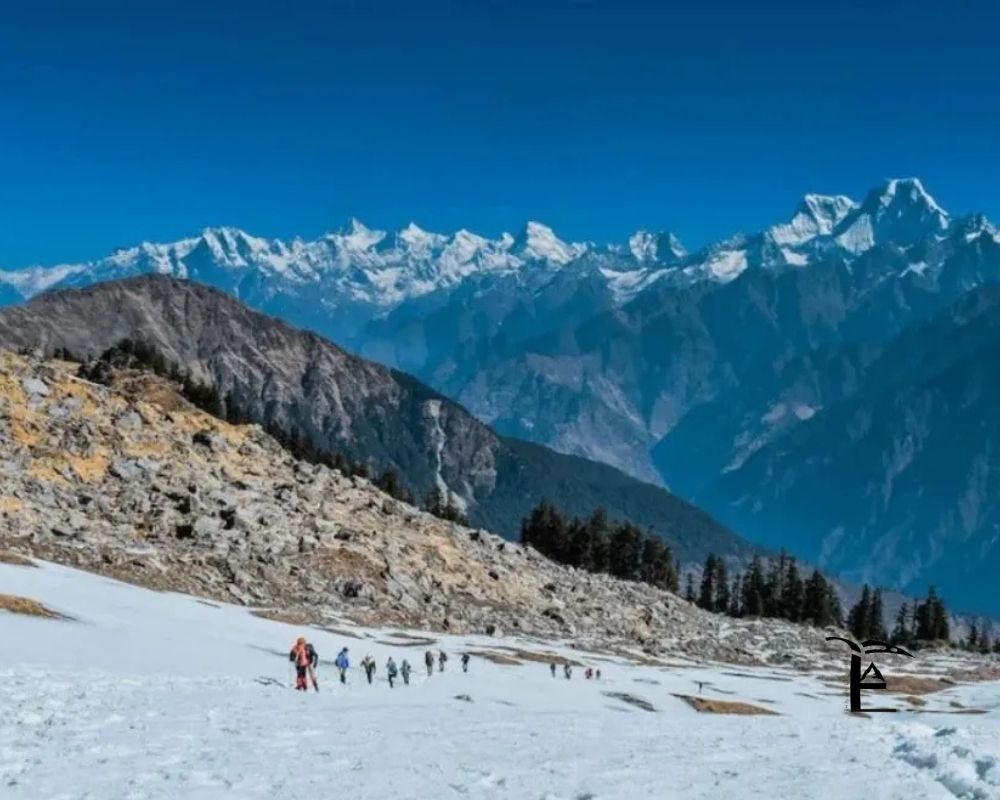
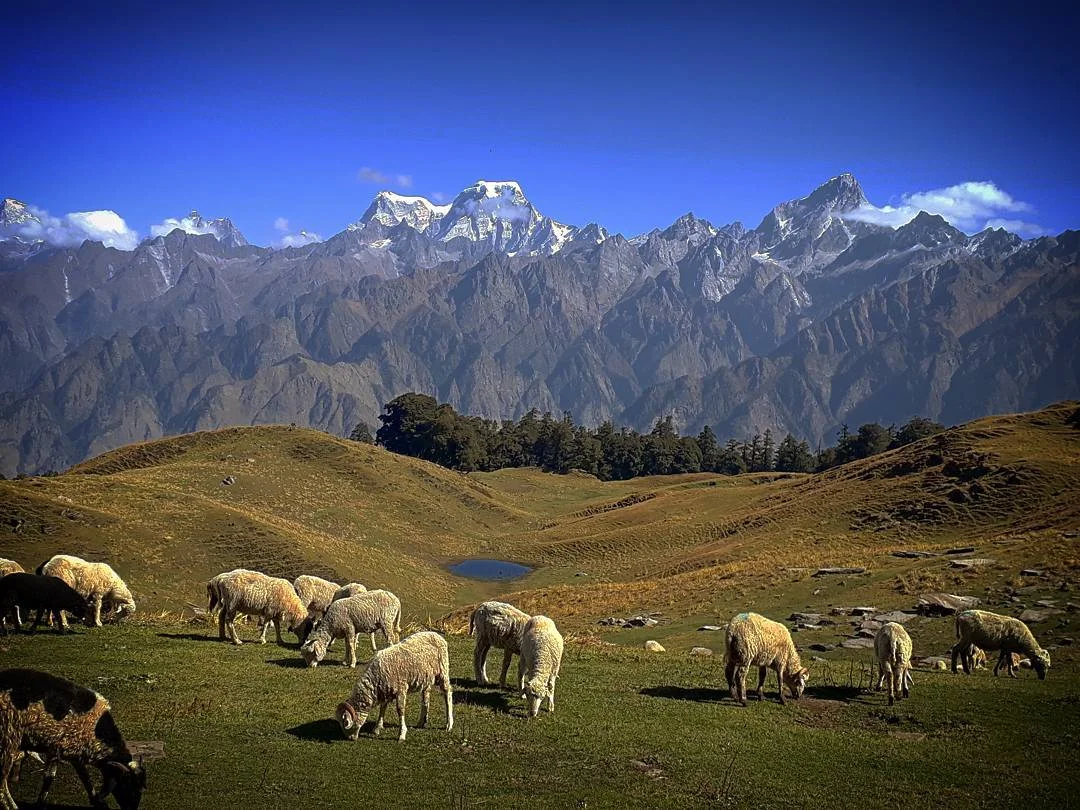
Pangarchulla isn’t just another trek—it’s a summit expedition that pushes your limits while rewarding you with unparalleled views of some of the highest peaks in India. From the summit, you can witness the magnificent Nanda Devi, Chaukhamba, Hathi-Ghodi Parvat, and countless other snow-capped giants stretching across the horizon.
What sets this trek apart is its accessibility combined with the genuine summit experience. Unlike many other treks where you reach a high point, Pangarchulla offers the satisfaction of standing on an actual mountain peak, complete with the final challenging push that makes summit day truly memorable.
Pangarchulla is classified as a moderate to difficult trek. While the initial days involve moderate hiking through forests and meadows, summit day demands physical endurance, mental determination, and basic mountaineering skills. The steep ascent, altitude, and snow conditions make it suitable for trekkers with prior high-altitude experience.
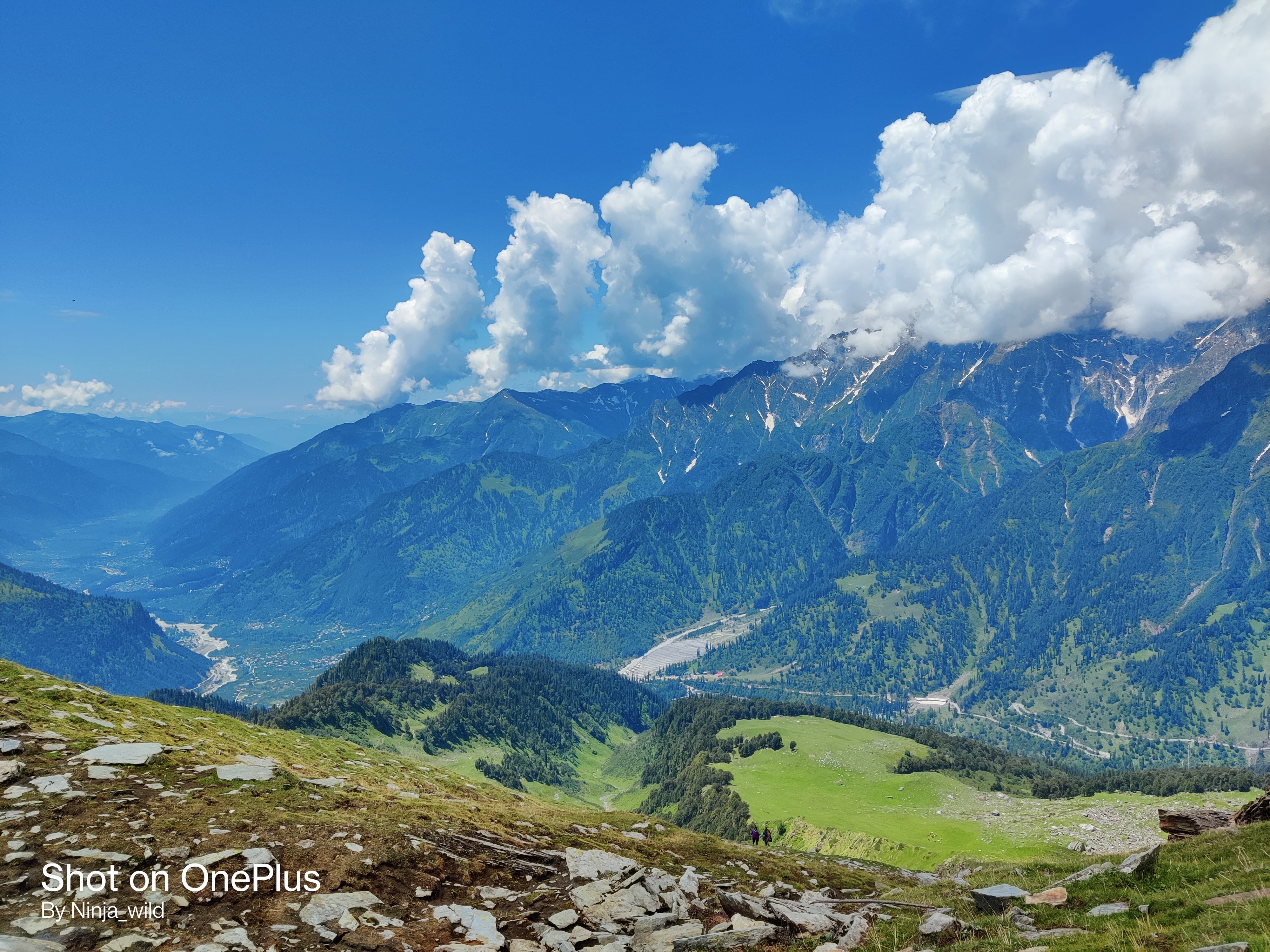
The most popular route to Pangarchulla Peak starts from the village of Joshimath, following the same trail as the famous Kuari Pass trek for the initial days.
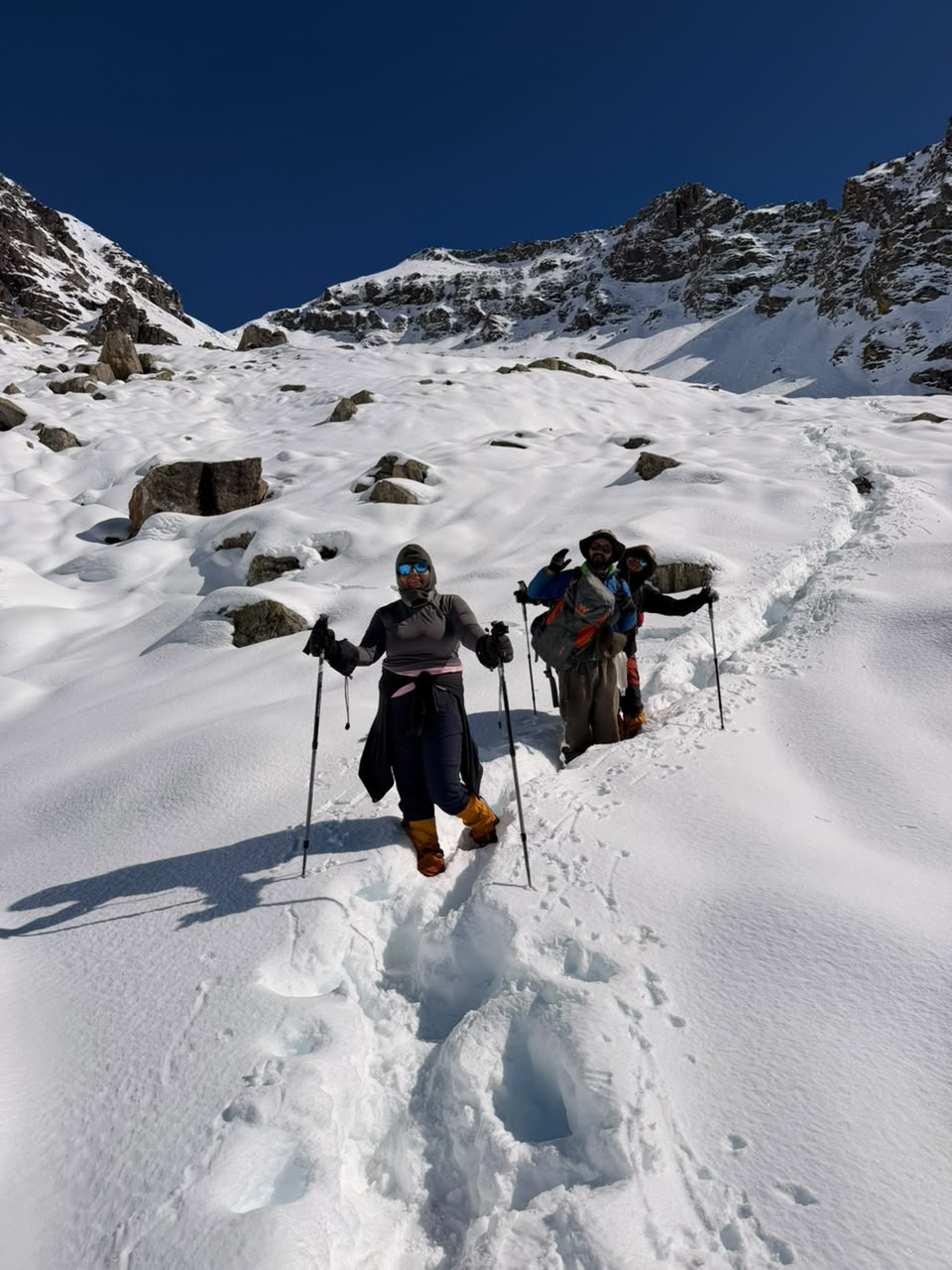
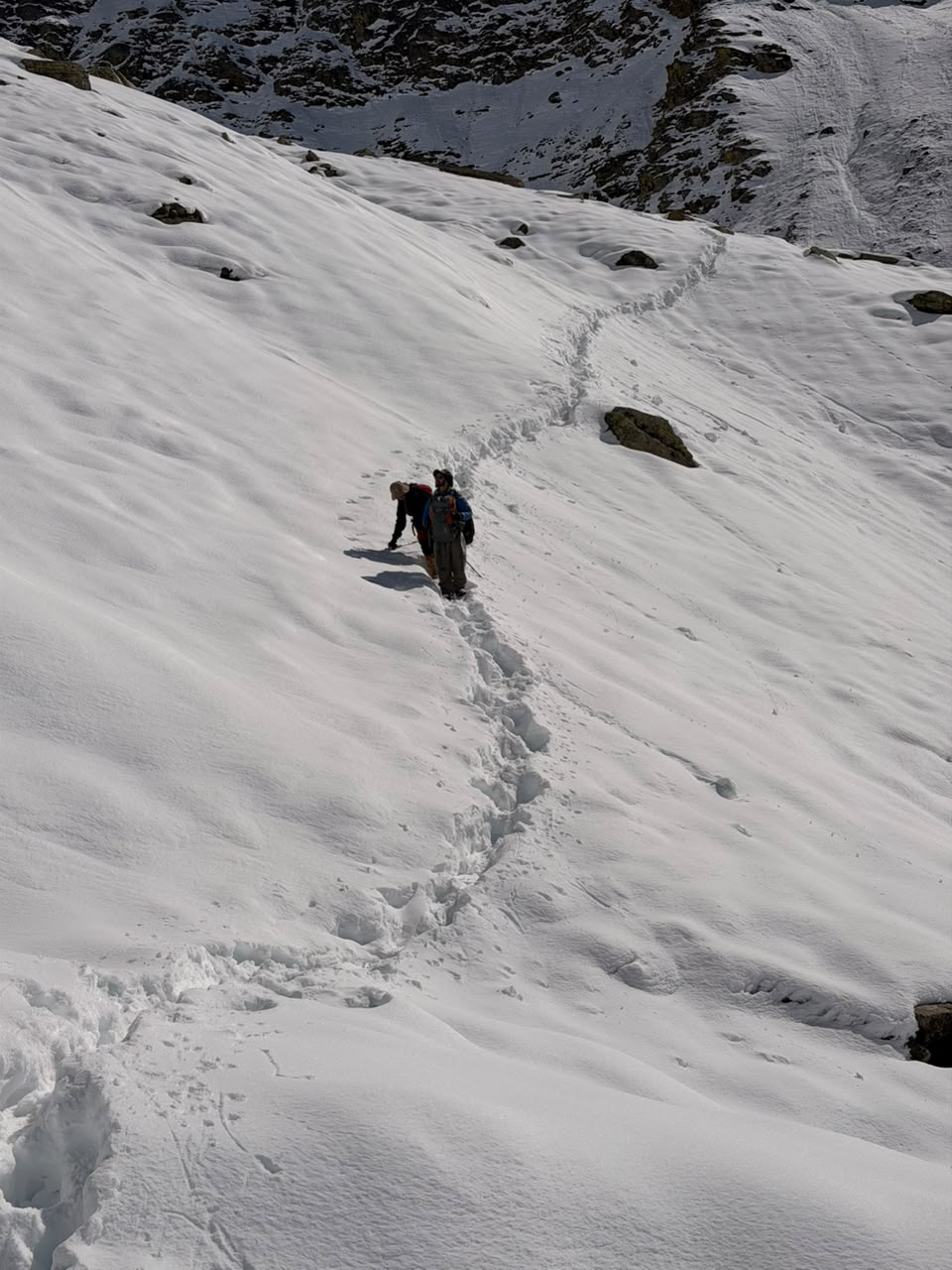
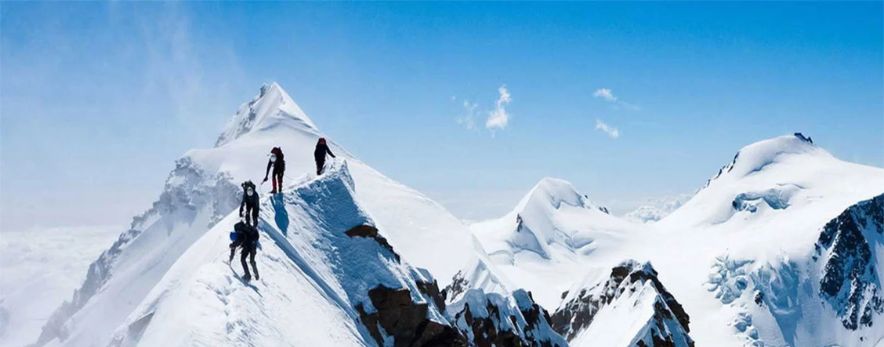
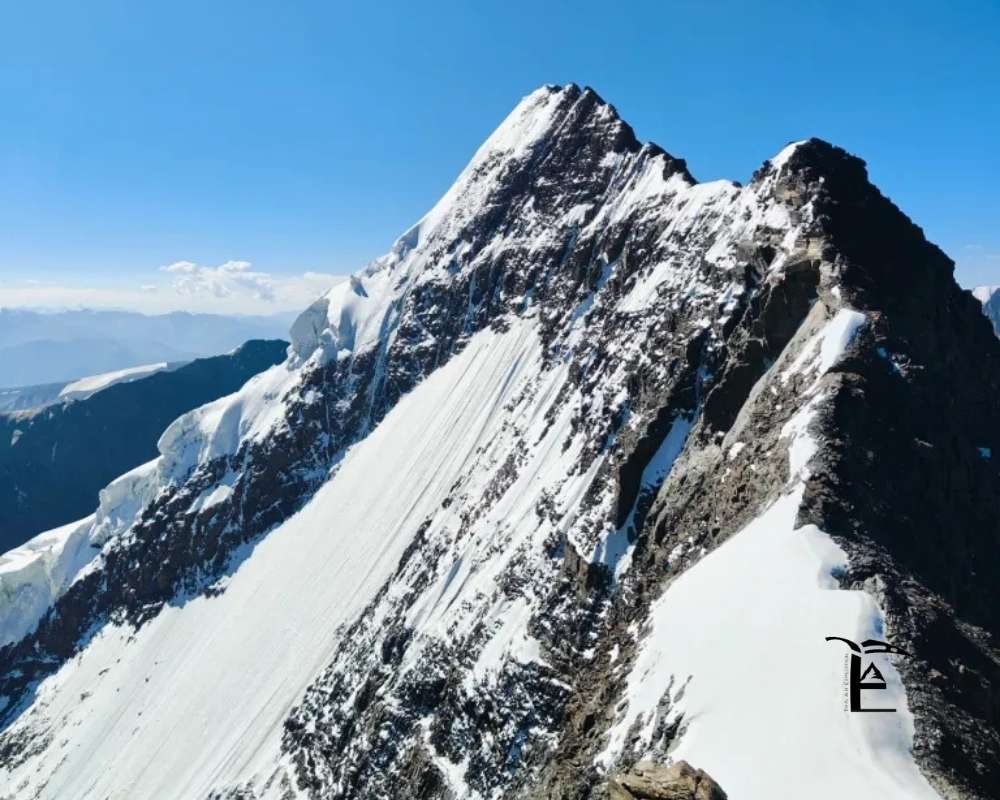
Summit day is where Pangarchulla reveals its true character. Starting before dawn, you’ll trek by headlamp under a canopy of stars. As you climb higher, the landscape transforms into a pristine white wilderness. The final approach involves some scrambling and requires the use of micro-spikes or crampons depending on snow conditions.
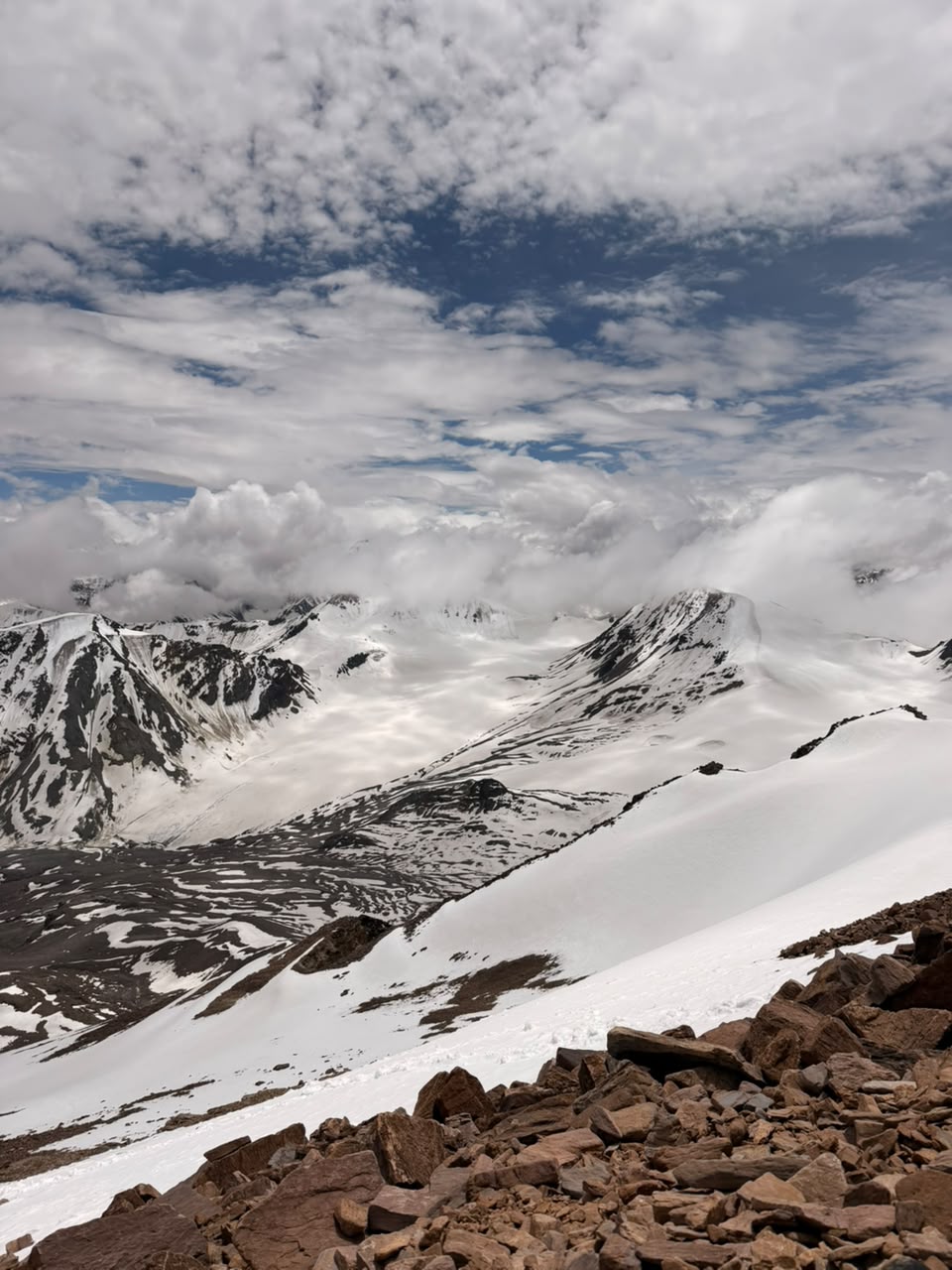
The moment you reach the summit, exhaustion gives way to pure exhilaration. The 360-degree view of the Himalayan ranges is nothing short of spectacular, a sea of snow-capped peaks stretching endlessly in every direction.
Physical Fitness: Begin training at least 6-8 weeks before the trek. Focus on cardiovascular endurance, leg strength, and stamina. Regular jogging, cycling, and stair climbing are essential.
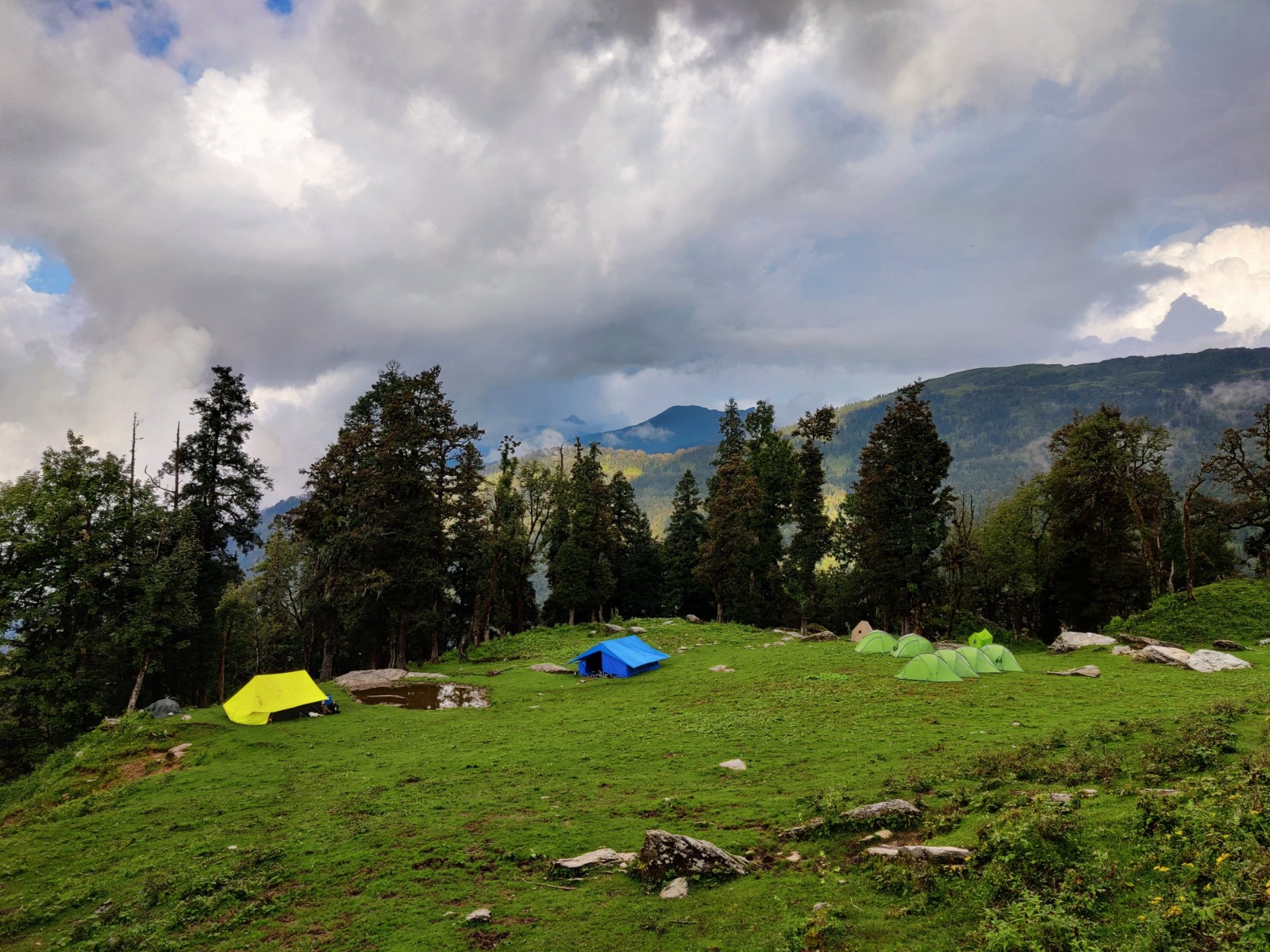
Acclimatization: Spend adequate time at each camp to let your body adjust to the altitude. Don’t rush the ascent.
Gear: Proper gear is crucial. Essential items include:
Mental Preparation: Summit day is as much a mental challenge as a physical one. Stay positive, pace yourself, and remember that reaching the summit is optional, but coming down safely is mandatory.
The Himalayas are fragile ecosystems. As trekkers, we have a responsibility to preserve these pristine landscapes:
Many trekkers combine Pangarchulla with the historic Kuari Pass, also known as the “Curzon Trail” after Lord Curzon who trekked here in 1905. This extension adds another dimension to the journey, taking you through some of the most scenic landscapes in the Garhwal region.
The region around Pangarchulla is rich with attractions:
Pangarchulla Peak Trek is more than just a trek—it’s a journey of self-discovery. The combination of challenging terrain, high altitude, and the ultimate reward of standing on a Himalayan summit makes it an unforgettable experience. Whether you’re drawn by the adventure, the scenery, or the personal challenge, Pangarchulla delivers on all fronts.
For those ready to push their boundaries and experience the raw beauty of the Himalayas, Pangarchulla awaits. The mountains are calling, and the summit is yours to claim.