The Blueprint to Planning Your First 5000 Peak Expedition in India
The Blueprint to Planning Your First 5000 Peak Expedition in India
26
Sep

There comes a definitive threshold in every mountain enthusiast’s life when hiking established trails no longer satisfies the hunger for high altitude. You look past the crowded mountain passes, past the marked paths, and toward the jagged snowlines towering above 16,000 feet. If you are an experienced trekker looking to transition into true high-altitude climbing, booking a 5000 peak expedition in India is the absolute best way to take that next step.
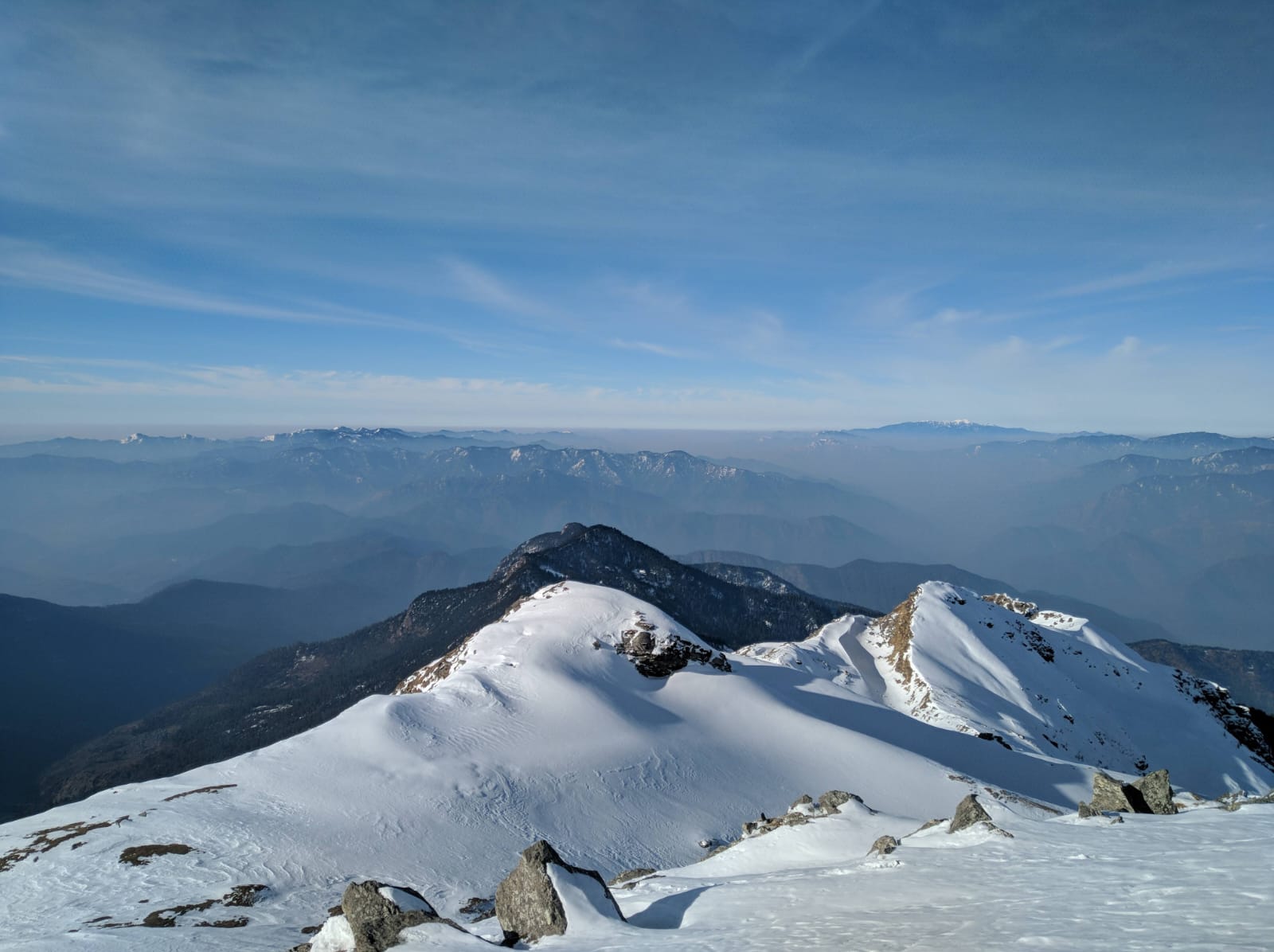
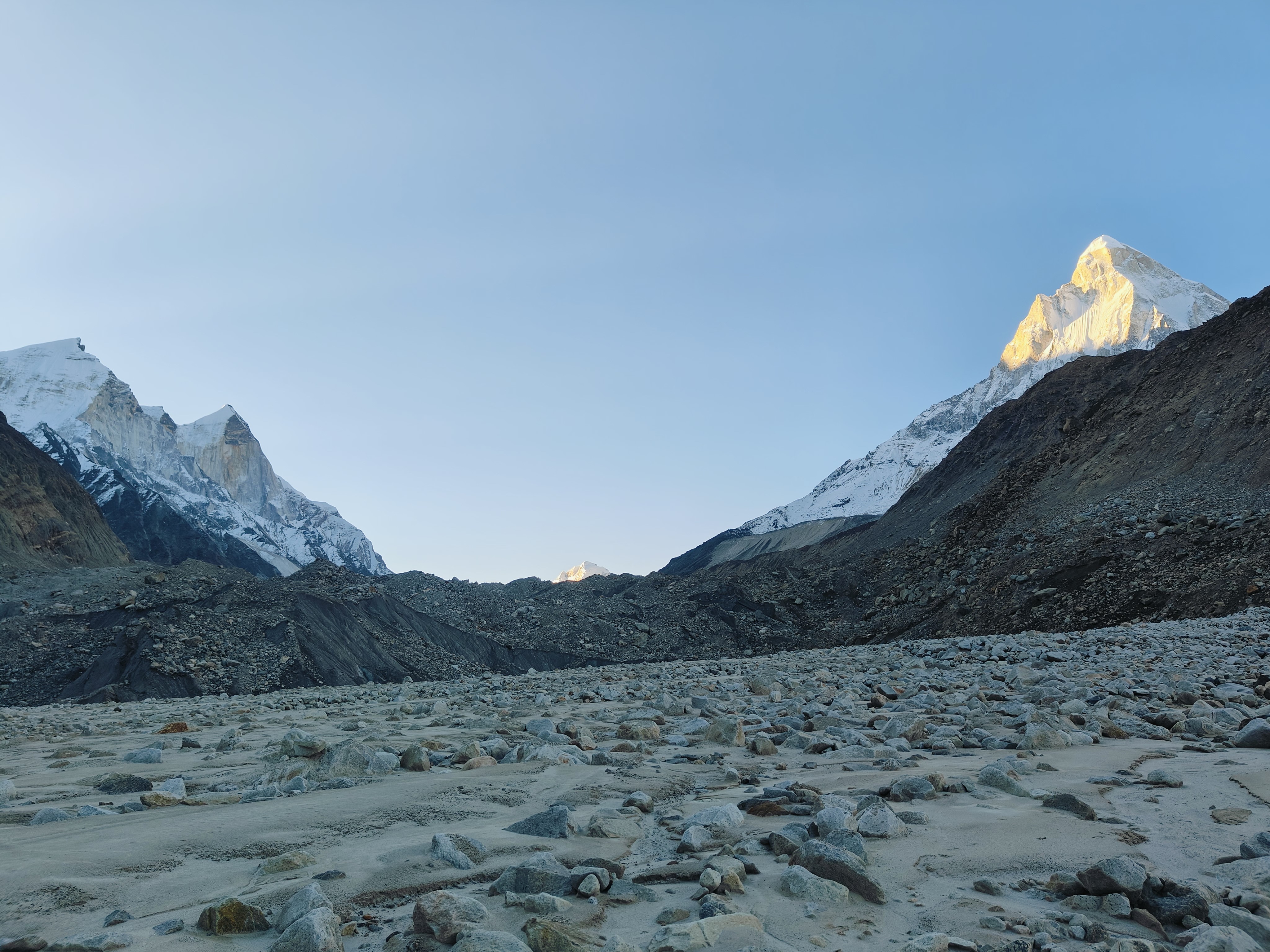
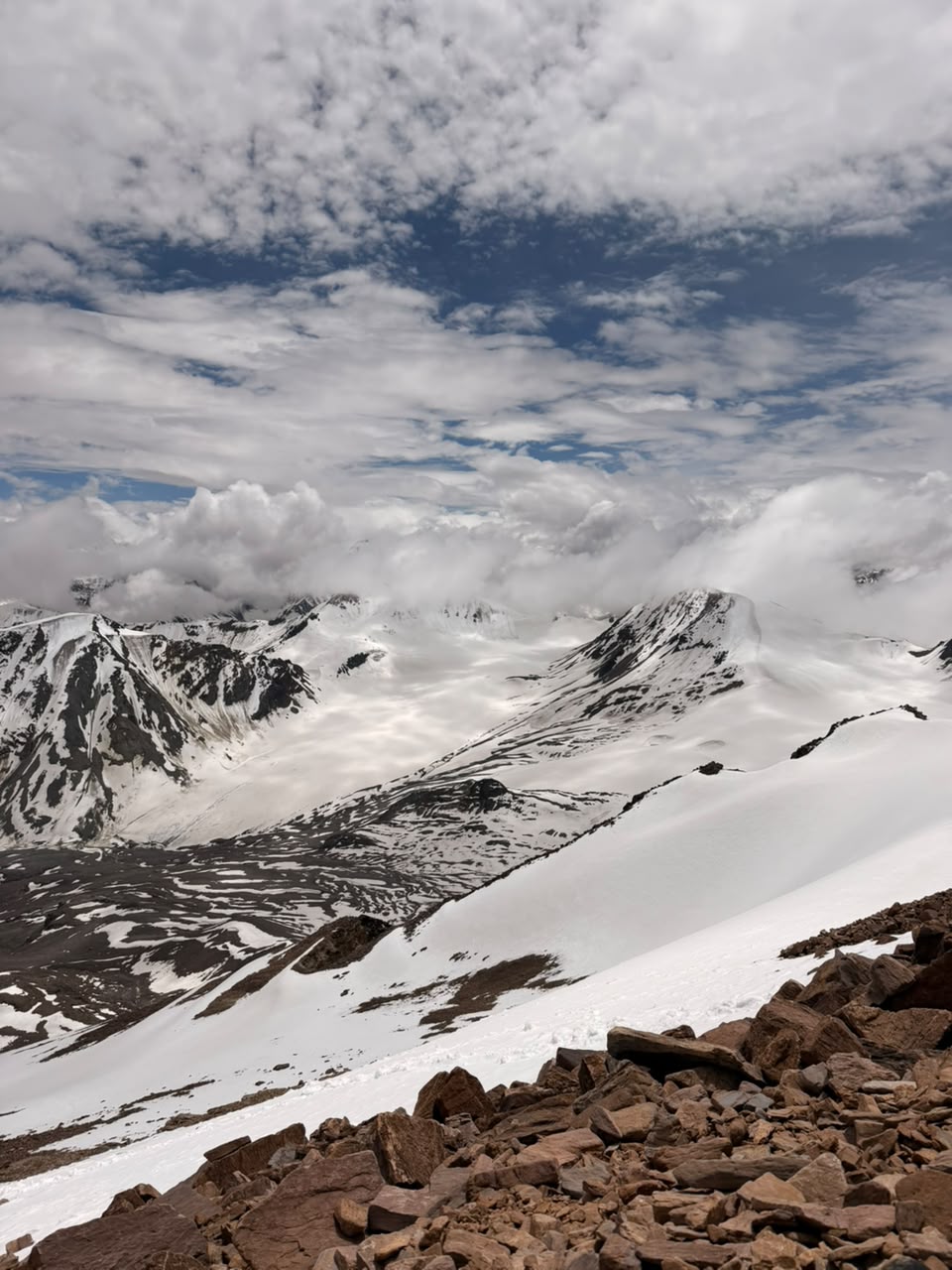
Stretching across northern state borders, the Indian Himalayas house dozens of non-technical and semi-technical 5,000-meter to 5,999-meter summits (16,400 to 19,680 feet). These peaks offer the ideal gateway for first time high altitude mountaineering in India: real exposure to thin air, glacier travel, and basic snow craft without the overwhelming technical complexity or multi-week logistics of 6000m giants.
Whether you are looking to attempt your first 5000m peak expedition in India or building confidence before taking formal mountaineering courses, this complete guide covers the top beginner-friendly peaks, altitude mechanics, gear essentials, and strategic preparation for alpine success.
What Defines a 5000m Peak Climb for Beginners?
To understand why a 5000m peak climb for beginners differs from a multi-day high-altitude trek, look at how the daily operational flow shifts once you leave base camp behind.
In standard high-altitude trekking, you follow established trails, sleep inside fixed tea houses or tents along marked routes, and rely on standard hiking boots and poles. The primary goal is usually crossing a pass or trekking through a valley.
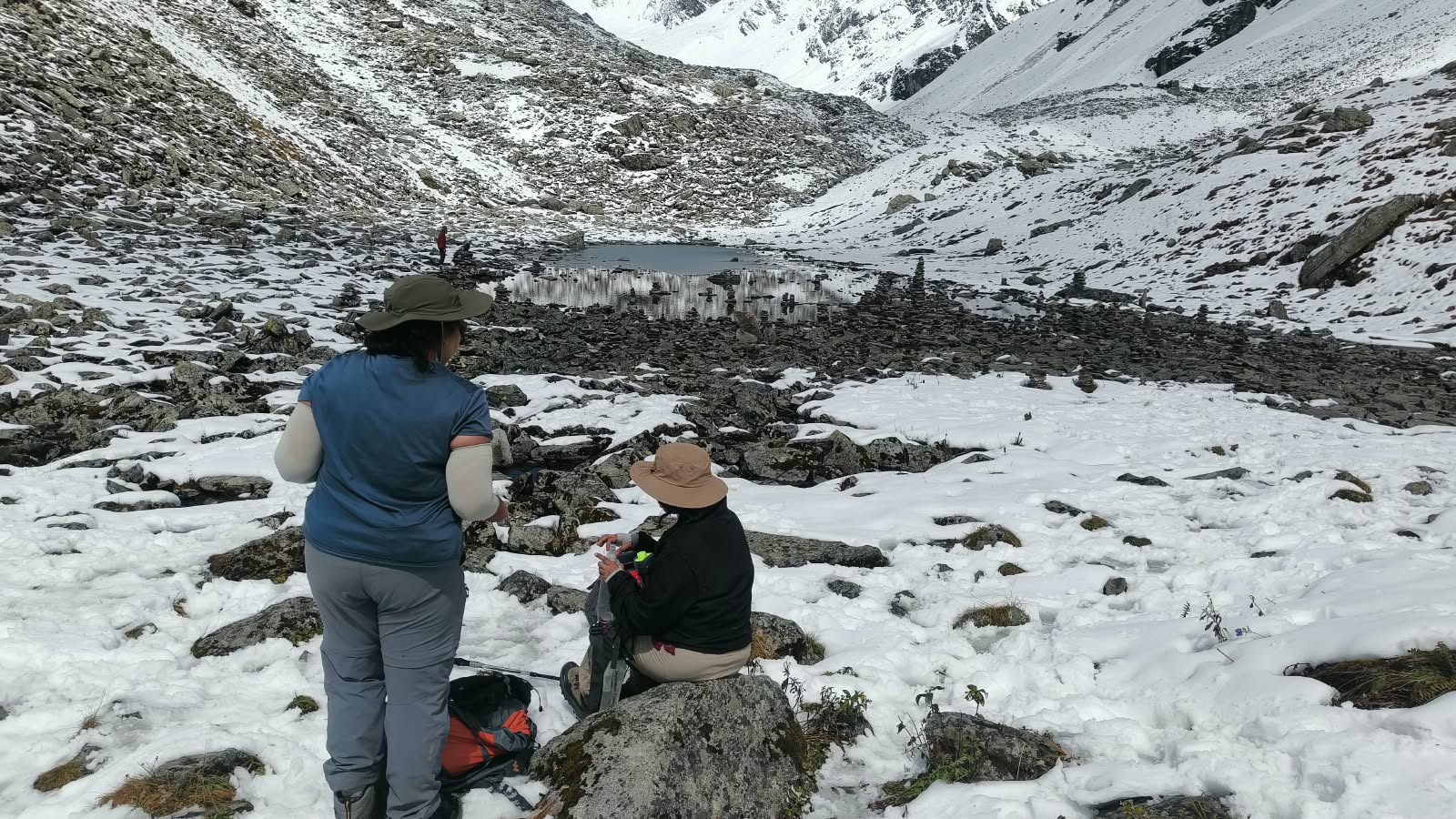
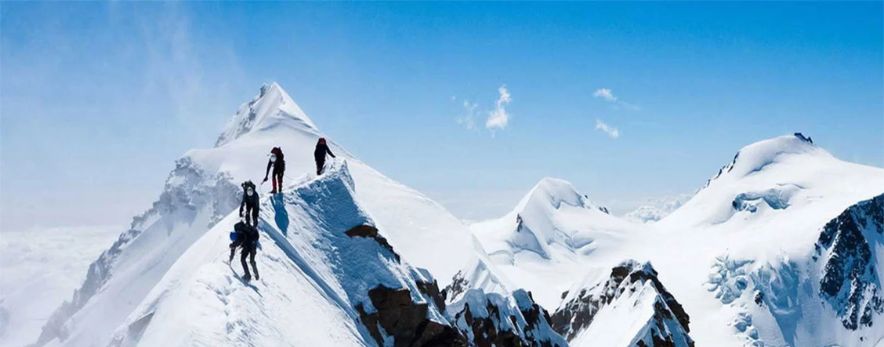
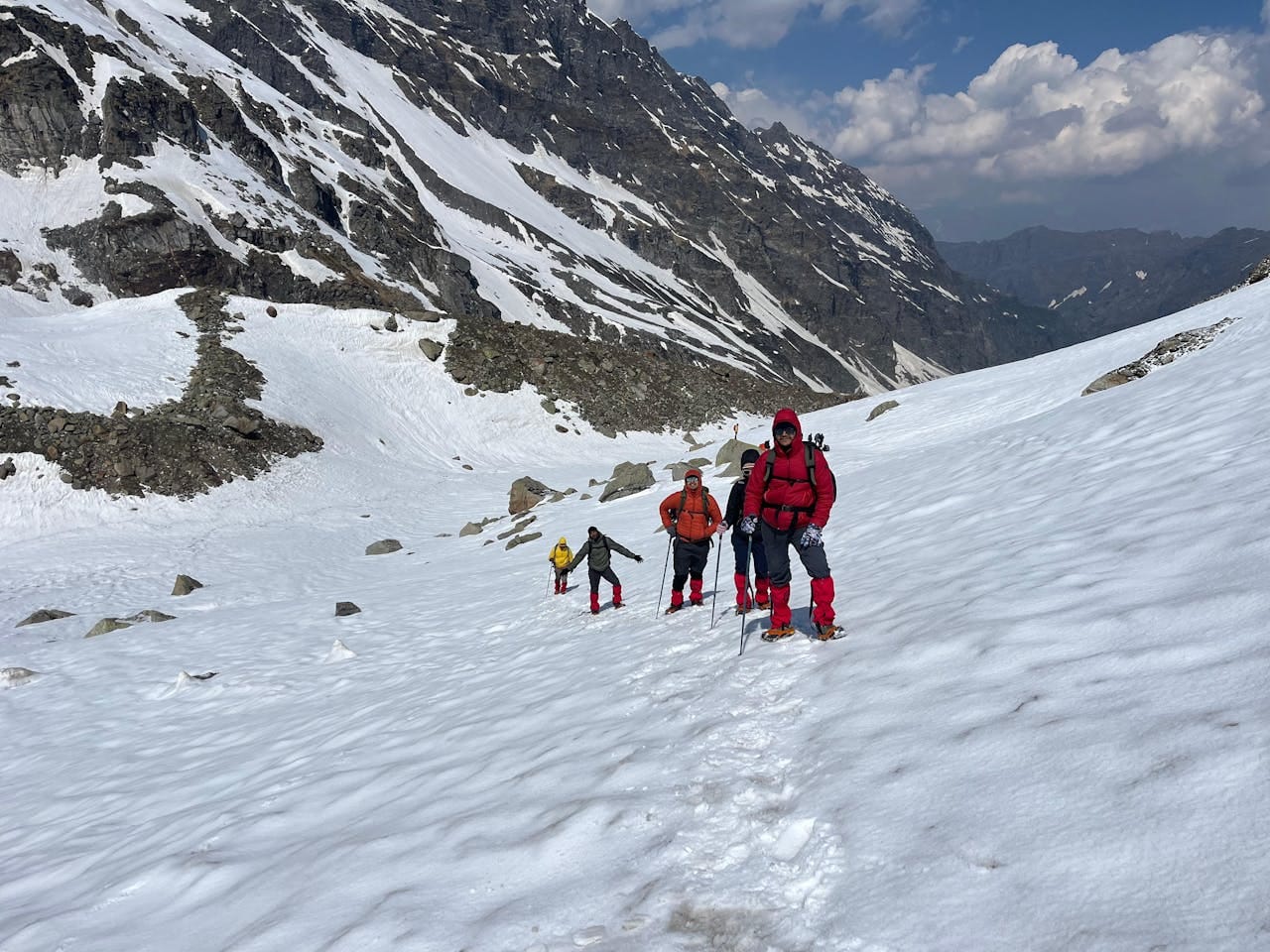
In a beginner peak expedition, you navigate off-trail moraines and snowfields, pitch high camps on glacial terrain, and use introductory mountaineering gear such as harnesses, crampons, ice axes, and ropes under the guidance of certified instructors. The objective shifts entirely to a dedicated summit push and a safe alpine descent.
When you step into peak climbing territory, the mountain demands active decision-making. You will learn how to move safely over snow, calculate early-morning alpine start times based on melt cycles, and manage rope teams across exposed ridges.
5 Gateway Peaks: Best 5000m Peak for Beginners in India
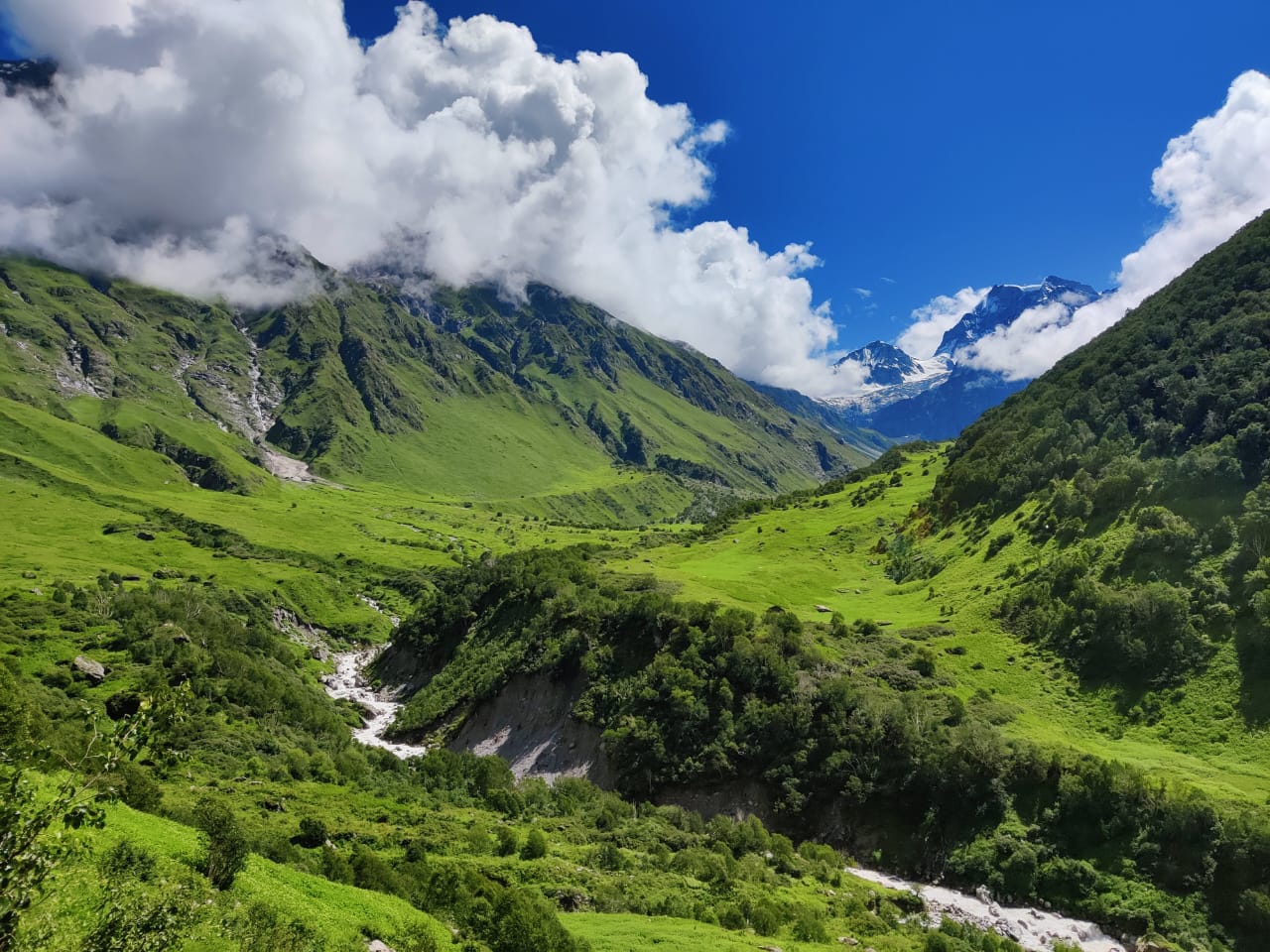
The geography of the Indian Himalayas ranges from the lush, weather-heavy valleys of Himachal Pradesh to the high-altitude cold deserts of Ladakh. Here are five standout summits ideal for your first 5000m summit attempt.
1. Friendship Peak (5,289 m) – Himachal Pradesh
2. Mt. Yunam (5,340 m) – Lahaul & Spiti
3. Shitidhar Peak (5,250 m) – Himachal Pradesh
4. Mt. Kanamo (5,964 m) – Spiti Valley
5. Mentok Kangri (5,980 m) – Ladakh
The Seasonal Matrix: When to Plan Your First Climb
Weather patterns across the Indian Himalayas dictate when specific ranges become climbable. The region broadly splits into three main climbing windows based on rain-shadow geography:
Pre-Monsoon Window (May to June)
This is the ideal season for Himachal Pradesh and Uttarakhand. You will find heavy snowpack, stable snow bridges over crevasses, and cold nights. It provides classic alpine snow climbing conditions on beginner peaks like Friendship Peak and Shitidhar Peak.
Mid-Monsoon Window (July to August)
This window favors trans-Himalayan rain-shadow regions like Ladakh, Zanskar, and Spiti Valley. While the lower Himalayas face heavy rains, dry cold air and clear skies dominate peaks like Mt. Yunam, Mt. Kanamo, and Mentok Kangri III.
Post-Monsoon Window (September to October)
Suitable across almost all Himalayan sectors, this season features firm ground, exceptionally clear autumn skies, dropping temperatures, and icier snow surfaces. It offers highly stable weather windows, though snow cover is noticeably thinner.
High-Altitude Physiology: Mastering the 5000m Environment for the First Time
At 5,000 meters above sea level, atmospheric pressure drops to approximately 55% of what your lungs experience at sea level. At sea level, you enjoy 100% effective oxygen availability. By the time you reach base camp at 3,500 meters, effective oxygen drops to around 67%, triggering your acclimatization phase. At a 5,000m high camp, it sits near 55%, requiring heavy breathing and a slower cadence. By the summit push near 5,500 meters, oxygen availability reaches about 50%, requiring a rhythmic rest-step technique. Every step demands intentional breath control and steady pacing.
Essential Acclimatization Rules for First-Time Climbers
1. The Pressure Gradient Principle: Never rush altitude gain. Limit net sleeping altitude increases to 300–500 meters per day once above 3,000 meters.
2. Execute Active Ferries: Load-carry equipment from base camp to high camp, then descend to sleep at the lower elevation. This "climb high, sleep low" pattern triggers rapid red blood cell production.
3. Hydration Mechanics: Cold mountain air is extremely dry, causing rapid fluid loss simply through heavy breathing. Consume 4 to 5 liters of water daily, supplemented with oral rehydration salts (ORS).
4. The Rest-Step Technique: On steep summit slopes, lock your rear knee on every step for a fraction of a second to transfer body weight directly onto your skeletal structure, giving your leg muscles a micro-rest with every single stride.
Targeted Physical Conditioning Strategy
A 5000m peak climb for beginners requires muscular endurance and aerobic capacity rather than bulk strength. Your training cycle should begin at least 10 weeks before your expedition date.
Phase 1: Weeks 1 to 4 (Aerobic Base & Core Stability)
Focus on building your cardiovascular foundation with 45-minute steady runs in zone 2 heart rate ranges. Pair this with core stability exercises like planks, lunges, and bodyweight squats to protect your joints.
Phase 2: Weeks 5 to 8 (Muscular Endurance & Hill Repeats)
Shift focus toward leg strength and endurance. Perform weighted step-ups carrying 10 to 12 kilograms on a bench or stairs, and incorporate trail running with steep inclines.
Phase 3: Weeks 9 & 10 (Peak Load & Taper)
Complete a full-day weekend hike carrying your full expedition pack load. During week 10, reduce training volume by 50% to allow muscle recovery and glycogen storage before flying or traveling to the mountains.
Essential Gear and Layering System
Sub-zero wind chills on summit night can plunge temperatures to -15°C. Your clothing should follow a four-layer system: start with a merino wool thermal base layer, add an active grid-fleece pullover and softshell pants, layer an 800-fill goose down heavy jacket for mid-insulation, and cap it with a windproof and waterproof Gore-Tex hard-shell jacket and pants.
Technical Climbing Kit for Beginners
Permits, Regulations, and Responsible Climbing
Mountaineering in the Indian Himalayas requires adherence to local environmental codes and state regulations:
1. Permits & Registrations: While peaks above 6,000m require formal Indian Mountaineering Foundation (IMF) clearances, beginner friendly 5000m peaks in India are typically regulated by regional forest departments and local adventure associations (such as the Himachal Pradesh Tourism Development Corporation or local Panchayats).
2. Leave No Trace (LNT): High-altitude ecosystems decompose waste extremely slowly. All non-biodegradable trash, fuel canisters, and personal waste must be hauled back down to base camp for proper disposal.
3. Local Guide Engagement: Always hire certified local mountain guides (graduates of institutes like NIM Uttarkashi, HMI Darjeeling, or ABVIMAS Manali). They bring crucial knowledge of local snow conditions, weather patterns, and evacuation protocols.
Frequently Asked Questions
Is technical climbing experience required for my first 5000m peak expedition in India?
Not necessarily. Peaks like Mt. Yunam and Mt. Kanamo are essentially non-technical high-altitude scrambles requiring strong legs and endurance. For semi-technical peaks like Friendship Peak, prior high-altitude trekking experience is expected, but guides provide hands-on training on how to use crampons, ropes, and ice axes during training days at base camp.
How many days are typically required for a beginner 5000m peak expedition?
Most itineraries range from 7 to 10 days. This includes travel to the base hub (Manali, Leh, or Kaza), approach trekking, a dedicated acclimatization day, high camp setup, the summit push, and buffer time for weather adjustments.
How cold does it get on a 5000m peak summit night?
Nighttime temperatures at high camp and during early morning summit attempts generally range between -5°C and -15°C, depending on the season and wind speeds. Proper merino base layers and an 800-fill down jacket are mandatory.
Take the Next Step Toward Your First Summit Goal
Embarking on a 5000 peak expedition in India for beginners is one of the most rewarding milestones in adventure sports. It transforms standard trail hikers into self-reliant mountaineers, opening up a lifetime of alpine exploration across the vast ranges of the Indian Himalayas. Choose a beginner-friendly peak, start your training cycle early, and step onto the snowline for your first summit with confidence.
Ready to Stand on Your First 5000m Summit?
Moving from high-altitude trekking to true mountaineering is a journey best taken with experts who know every contour of the Indian Himalayas. At Thin Air Expedition, our certified expedition leaders, small group sizes, and proven high-altitude safety protocols ensure you step onto the snowline with total confidence.
[Claim Your Summit — View Upcoming 5000m Expeditions]