Trek difficulty
Moderate - Difficult
Trek duration
11 Days Days
Trek altitude
6,250 m
Group size
6-12
Trek distance
18 Km
Basecamp
Lahaul & Spiti Region
Best Time
June to September
Pickup Point
leh
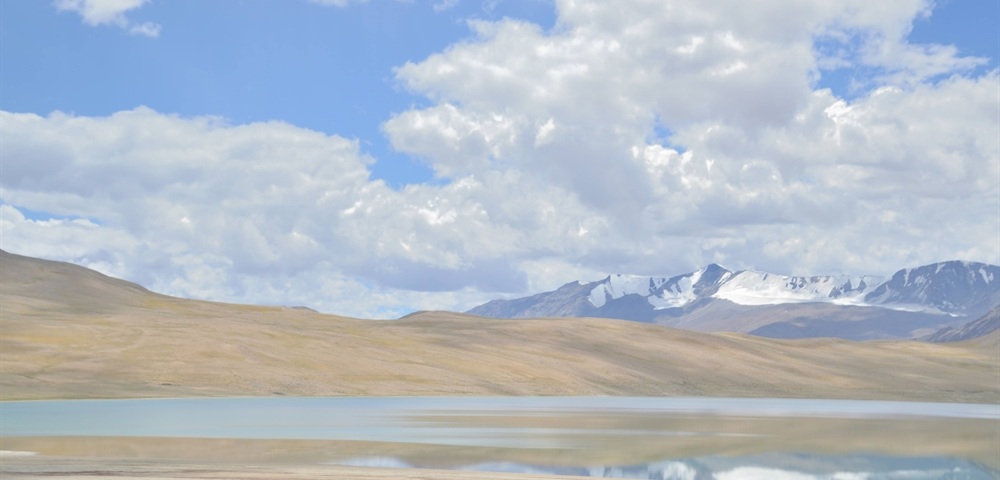
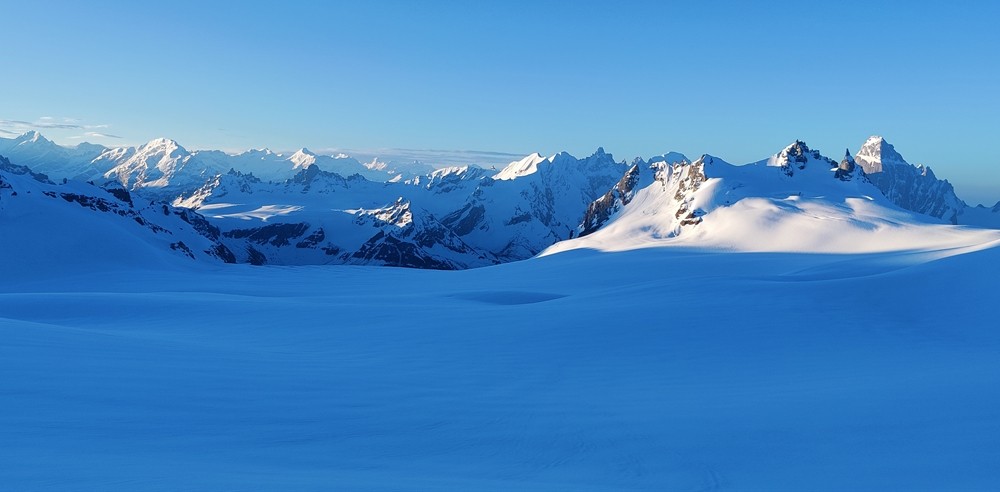
The Mentok Kangri massif is on the shores of Tso Moriri in eastern Ladakh in the Rupsu valley. The Mentok Kangri has three summits that're at 6250 m, 6150 m and 6210 m and these are connected by an easy ridge. The Mentok Kangri is at 6,250 m. It is really high over the western edge of Tso Moriri.
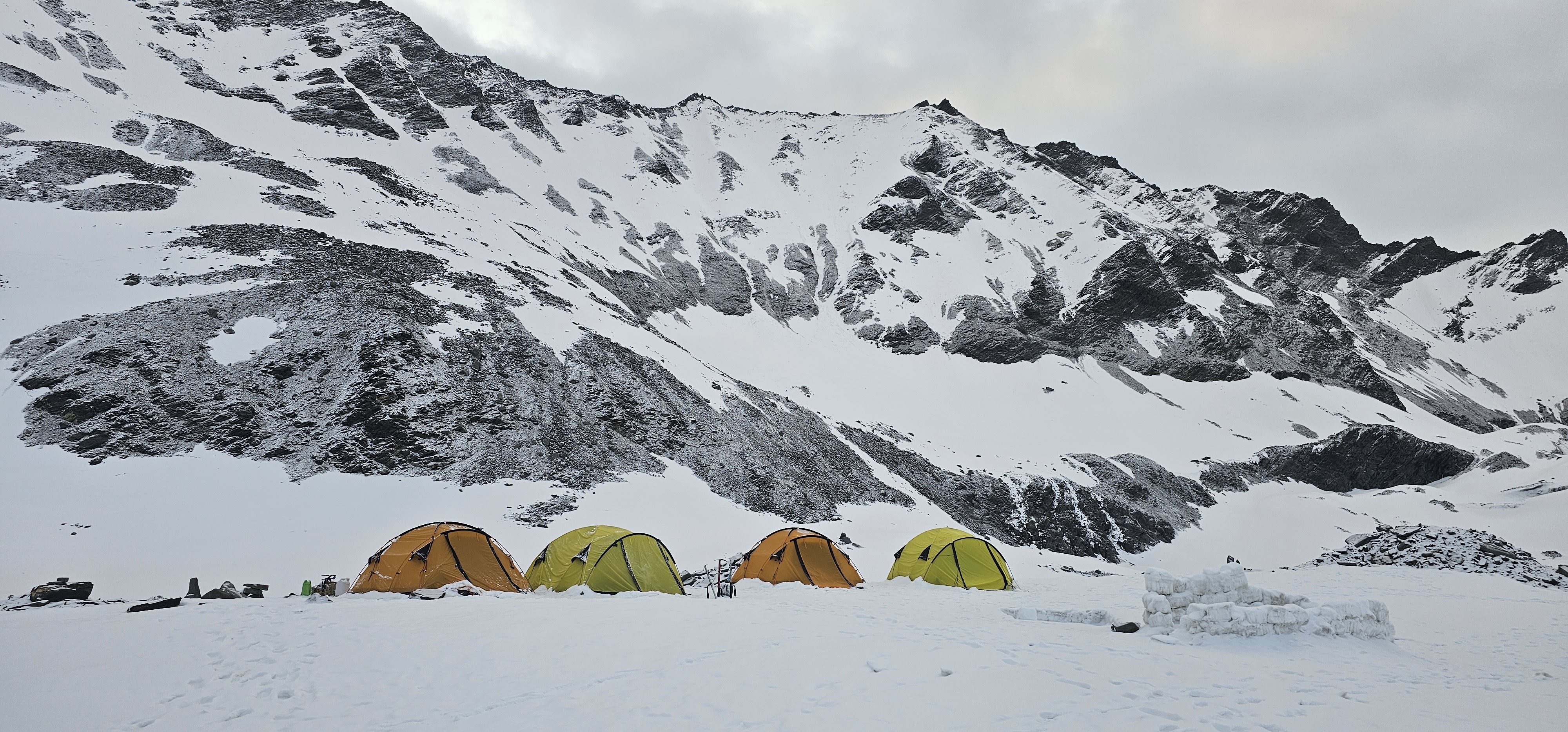
You will drive to Karzok on the banks of Tso Moriri then you will set a base near the Rupshu plateau where the Changpa nomads live. The name Mentok comes from a Wildflower that grows in this region .
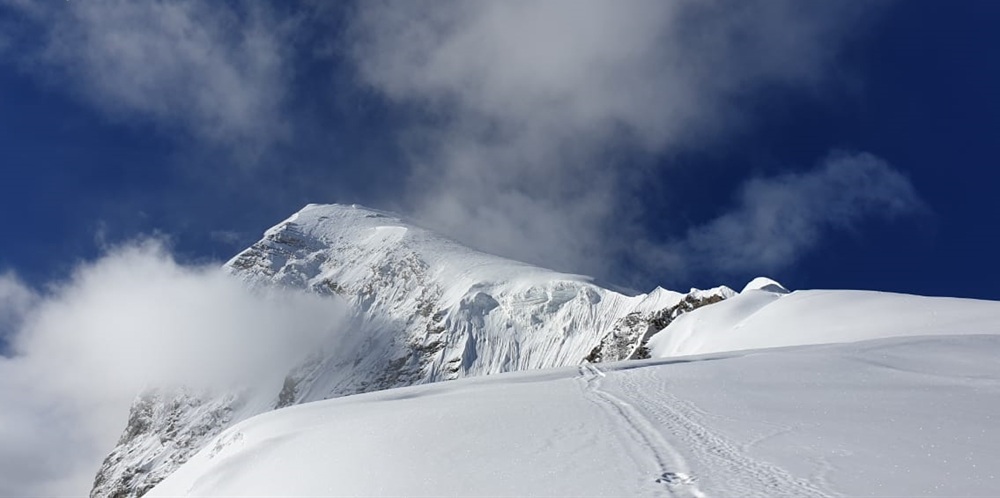
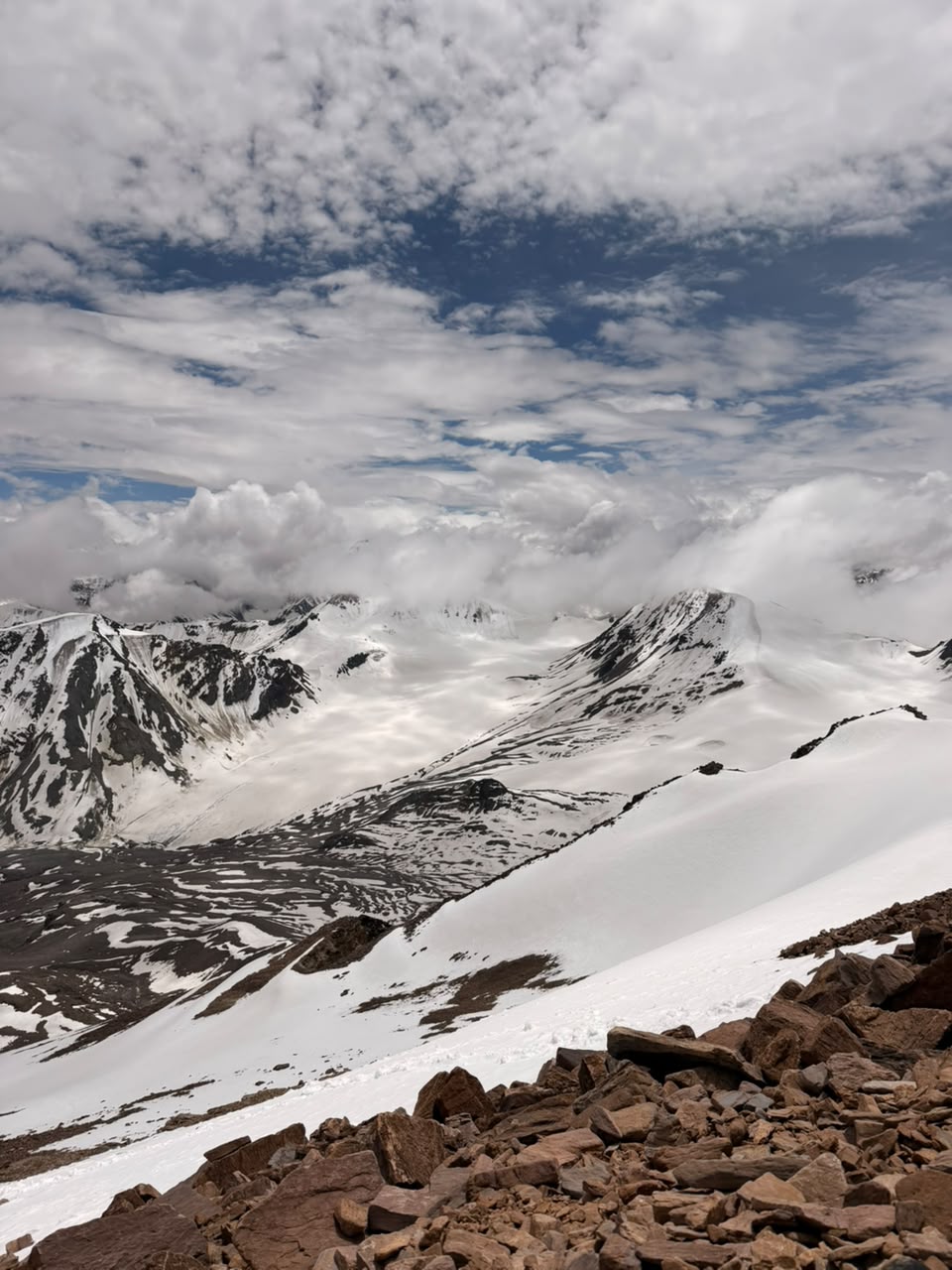
The Mentok Kangri summit is not very hard to climb. It is a snow and ice climb and from the top you can see Tso Moriri and the surrounding peaks like the 6600 m Chamser and Lungser Kangri from very high up.
The trail to the Mentok Kangri takes you through quiet valleys, old villages and monasteries on top of hills and you get to see some of the most beautiful and untouched landscapes.
The Mentok Kangri Massif is located on the shores of Tso Moriri in Eastern Ladakh. When you go on this trip you will see beautiful places, like the valleys on the Rupshu Plateau that are far away from everything and you will walk through small mountain villages old monasteries on the hills beautiful meadows in the mountains long valleys, icy slopes, big rocks everywhere and very deep valleys. This whole trip is full of excitement and adventure. The views of the mountains in Ladakh from all sides are so nice that they make you forget about all the work you did to climb Mount Mentok Kangri.
Mount Mentok Kangri is a challenge for people who like climbing mountains and want to get better at climbing high mountains. Mount Mentok Kangri has always been a favorite of mountain climbers who want to improve their skills in climbing mountains that are very high.
The Mentok Kangri is a cool mountain. In Tibetan Mentok Kangri means Flower Mountain. Now I know what you are thinking. It should be easy to climb a mountain called Flower Mountain.. The truth is, climbing the Mentok Kangri peak can be a little tricky. You need to be good at climbing mountains that're really high up.
The Mentok Kangri mountain is in Ladakh, where the Changpa nomads live. These people are famous for moving with their animals. One of the things about climbing the Mentok Kangri is the view from the top. You can see the Tso Moriri Lake clearly. The view of the Tso Moriri Lake is amazing.
Mentok Kangri in India is loved by mountaineers from, over the world. They like it because of the plants and animals that live there. You can see the Tibetan Gazelle, Blue Sheep, Mountain
Goat, Tibetan Wolf and Black Necked Cranes. There are more animals too. The Mentok Kangri is a place to see all these amazing things.
Expedition Overview
|
Feature |
Details |
|
Altitude |
6,250 m |
|
Location |
Rupshu Valley, Ladakh (Near Tso Moriri) |
|
Difficulty |
Moderate Technical |
|
Duration |
11–14 Days |
|
Key Attraction |
Panoramic views of Tso Moriri and the Changthang plains |
|
Technical Skills |
Basic crampon work and rope team travel |
Why Mentok Kangri?
The Tso Moriri Backdrop:
Most of the climb happens with Tso Moriri lake, which's 28 kilometers long shining below you. The contrast between the blue water and the white snow peaks is really amazing for a photographer.
The Changpa Nomads:
The approach to the mountain takes you through where the Changpa nomads graze their animals in the summer. Seeing their way of life with yaks and pashmina goats adds a rich cultural experience, to the expedition.
The Three Peak Opportunity:
The Mentok range has three peaks, which're 6,250 meters, 6,150 meters and 6,210 meters high. These peaks are connected by a ridge that's not too difficult. This often lets strong teams try to climb peaks.
The Mentok Kangri climb is an experience. The Tso Moriri lake and Changpa nomads make it special.
Climbing a mountain like this is not about walking. It is about living in the mountains. The wind controls your life. You wake up early in the dark. It is very cold. You can see your breath when you shine your light. You hear the sound of your crampons on the ice. It is very quiet.
Between the camps that're high up on the mountain you will learn what it means to work together as a team. You will work together to get water from the snow , help your friends with their gear and eat together in a tent when there is a big storm outside. These are the times when you make friends that you will have for your life. You will learn to look at the clouds and know what the weather will be like. You will learn to be quiet on the glacier. You will find out that you are stronger than you thought. This trip is meant to challenge you. It will also give you a special kind of peace. This peace comes from being very high away from the rest of the world. You will not have your phone or computer. You will be connected to nature. Climbing a mountain like this is an experience. The mountain will teach you a lot about yourself and about the world.
Day 1- Arrival at Leh (3500 m)
Day 2- Rest and Acclimatization in Leh
Day 3- Leh - Korzok (4500 m) [Drive]
Day 4 -Rest and Acclimatization at Korzok
Day 5- Karzok to Base camp (5250 M)
Day 6 -Karzok to Base camp (5250 M)
Day 7 -Training and Acclimatization at Base camp Trek to High Camp
Day 8 -Summit Attempt and Return to Base Camp
Day 9- Reserve Day
Day 10- Base Camp - Korzok
Day 11- Karzok - Leh
Pick the time between June and September to go for the MentokKangri II Expedition. The weather conditions are clear in these months with blue skies and cool temperatures. There is no snowfall or rain in these months.
Because of clear skies and favorable weather conditions , the trekkers can easily climb the peak. Good weather decreases the risk of road accidents as well.
Stay: homestay and camps
2. Meals (Vegetarian)
Food: All meals on trek and homestay
3. Expedition Support Team
Dedicated Base Camp Manager to coordinate logistics, communication, and emergency response.
Certified Mountaineering & First Aid qualified Expedition Leader.
Experienced High-Altitude Chef.
Skilled local mountain guides (guide strength depends on group size).
Adequate support staff for smooth expedition operations.
4. Camping & Technical Equipment
Sleeping bags and liners (if required)
Mattress
Dining utensils
3-person all-season trekking tents (twin sharing basis)
Separate kitchen, dining, and toilet tents
Camping stools
Walkie-talkie communication devices
Ropes
Helmets
Ice axe
Harness
Gaiters
Crampons
5. Medical & Safety Support
Comprehensive medical kit
Oxygen cylinder
Stretcher
Blood pressure monitor
Pulse oximeter
Stethoscope
6. Transportation
Transport from pickup point to drop point , as per itinerary.
7. Additional Services
Cloakroom facility at Base Camp.
Porters for carrying central expedition equipment.
All necessary permits and entry fees (applicable for Indian nationals up to standard charges).
Complete expedition services from Dehradun to Dehradun.
Expedition Completion Certificate.
What Is Not Included
Personal insurance (mandatory for all participants).
Meals during transit.
Personal expenses of any nature.
Porter or mule services for carrying personal luggage.
Emergency evacuation, hospitalization, or rescue expenses.
Any service not specifically mentioned under the “Inclusions” section.
Optional Add-On Services (Available on Request)
These can be arranged on prior request and subject to availability. Additional charges apply.
A satellite-based communication device that works in remote regions where regular mobile networks are unavailable.
A portable chamber used for the emergency treatment of Acute Mountain Sickness (AMS) and high-altitude complications.
A portable device used to respond to sudden cardiac arrest by delivering a controlled electric shock to restore heart rhythm.
It does not involve technical ice or rock climbing, though altitude is demanding.
Sustained exposure above 5,000 meters and a long summit day.
No technical training is required, but comfort with snow walking helps.
Climbers must intimate the Mountaineering in Indian Foundation (MIF) or the local department in Leh for access to Mentok Kangri.
₹On Demand | $On Demand
20 Days Days
Ladakh
65 Km
July to September
₹On Demand | $On Demand
24 Days
Ladakh
64 Km
June to September
₹On Demand | $On Demand
18 Days
Himachal Pradesh
43 km
June to September
₹On Demand | $On Demand
17 Days
Himachal Pradesh
42 Km
June to September
₹On Demand | $On Demand
26 Days
Himachal Pradesh
47 Km
May to September
₹On Demand | $On Demand
18 Days Days
Himachal Pradesh
47 Km
June to September
₹On Demand | $On Demand
13 Days
Himachal Pradesh
40 km
Mid-June to September/October
₹On Demand | $On Demand
19 Days/18 Nights Days
Himachal Pradesh
62 Km
June to September
₹On Demand | $On Demand
28 Days
Uttarakhand
72 Km
June - Sept
₹On Demand | $On Demand
26 Days
Uttarakhand
74 km
May-June and September-October
₹On Demand | $On Demand
27 Days
Uttarakhand
96 Km
May, June, September,October
₹On Demand | $On Demand
13 Days
Himachal Pradesh
60 km
June | September
₹On Demand | $On Demand
22 Days
Uttarakhand
79 KM
May and June | September and October
₹On Demand | $On Demand
27 Days
Uttarakhand
45Km
May to June | September to October
₹On Demand | $On Demand
11-12 Days
Uttarakhand
61 km
May to June & September
₹38000 | $500
8 Days
Himachal Pradesh
22 km
June to September
₹On Demand | $On Demand
8 Days
Himachal Pradesh
42 Km
July & August
₹On Demand | $On Demand
9-10 Days
Ladakh
72
July to September
₹70000 | $800
15 Days
Uttarakhand
72 Km
May to June and September to October
Testimonials

Rakesh dulams
Nice experience with the thinAir expedition and accommodation and hospitality and safty such as taken personal care and well experienced guide and such a cool guy

Aditi 99
I had an amazing experience with thin air expeditions. The food, the hospitality, and the preparedness of the staff for all sorts of scenarios was commendable. The location of camps was perfect. Even though i was a female solo traveller , i felt very safe and comfortable. Couldn’t have asked for a better team.

Radandi Shashank
“You are not just a mountain trek guides, but a true guardian of the journey. Your unwavering loyalty to our team, the mountains, and safety itself is extraordinary. Every step felt secure because of your dedication, integrity. And stayed committed to every trekker, through every challenge, with patience, care, and honesty. Huge respect to Subodh Jii n Aditi Mam!! Thank youu @thinairexpedition It was wonderful experience!!❤️❤️

67D3_KALYAN
Completing the Kedarkantha trek at an altitude of around 12,500 feet was not just a trek for us, it was a life-long memory, and a major reason for this unforgettable experience is our guide Shubhod Sir. From the very first day till the summit, Shubhod Sir guided us with immense patience, discipline, and genuine care. At every difficult patch, when our legs were tired and breathing became hard, his calm words, constant motivation, and confident leadership gave us the strength to keep moving forward. He never rushed anyone and always made sure that every member of the group was safe, comfortable, and mentally strong. Shubhod Sir’s knowledge of the mountains, weather, and high-altitude conditions was truly impressive. More than a guide, he felt like a protector and mentor who treated everyone like family. His positive attitude and humble nature created a sense of trust and confidence among all of us. We are also thankful to Atidhi Madam for her support and cooperation during the trek, which added to the smooth experience. Because of Shubhod Sir’s guidance and dedication, we successfully reached the summit with confidence and joy. We will always remember this trek with gratitude and respect. Truly blessed to have a guide like him. 🙏⛰️

Arvind Sahu
Wonderful experience totally worth it. At those price they provided services that no one could provides really enjoyed ❤️🎉

Kolanu Anirudh
This is my first trek in Uttarakhand(Kedharkanta) and Thin Air Expedition made it a memorable one Thanks for everything subodh bro you made it so special.

kanica kandpal
Completed the Gaumukh–Tapovan trek with Thin Air Expedition, and it was an exceptional experience from beginning to end. Instead of opting for a fixed-departure model, we chose a personally curated itinerary, as this was our first trek—and it turned out to be the perfect decision. The team was extremely thoughtful in planning each day’s distance, ensuring we were comfortably challenged without ever feeling overtired or exhausted upon reaching the campsites. Every campsite was carefully selected, offering not just safety and comfort but also breathtaking views that made each halt truly memorable. What stood out most was the level of personalization. The itinerary was clearly tailored to our pace and comfort, and the trek leader constantly shared insightful facts about the region, its geography, and cultural significance, adding depth and meaning to the journey. Overall, Thin Air Expedition delivers a highly personalized, well-paced, and enriching trekking experience. I would highly recommend them, especially for first-time trekkers looking for a safe, informative, and thoughtfully curated adventure.Sen

Raj Bahadur
I booked my trek with Thin Air Expedition on a friend’s recommendation, and it turned out to be a great decision. They managed travel and accommodation very smoothly, and everything was well organized throughout the journey. The team stayed in regular coordination, ensuring that stays and drivers were properly arranged each day. The entire trip was timely, hassle-free, and also pocket-friendly. I would definitely recommend Thin Air Expedition—you can trust them completely with your travel and trekking plans.

sachin aulakh
I recently completed the Kedarkantha Trek with ThinAirExpedition, and the entire experience was outstanding. The coordination, communication, and arrangements were excellent. The trek leaders were experienced and friendly, the support staff was humble, the stay was comfortable, and the food quality in such high altitude conditions was truly impressive. Their focus on safety and responsible trekking made the journey even better. I would definitely choose them again for my next Himalayan adventure! 🏔️✨

Aman rai
I recently completed a trek with the help of ThinAirExpedition, and the entire experience was very comfortable. From stay arrangements to travel from Rishikesh to Rishikesh, everything was well managed. The driver was extremely polite, supportive, and made the journey smooth and stress-free. Overall, a great experience and I would definitely recommend them.

Nitya Jaiswal
Kedarkantha was not just a trek, it was an experience that helped me reconnect with myself. Thanks to Thin air expeditions , I felt safe, cared for and encouraged at every step. The sunrise at the summit, the laughter around the campfire and the kindness of the guides will stay with me forever. If you're looking for a company that treats you like family on the mountains, this is the one.

Biswajit Sahoo
Subodh Sir making the trek so much of fun and intresting .. Awesome Experience with Subodh Sir

Anmol Verma
Overall trekking and accommodation was a very smooth experience. Our trek leader Mr. Ramesh was amazing and very helpful. He managed to make the trek look easy. Overall experience was 10/10. Would highly recommend.

Rishabh Singh Rana
Trek Guide Mr. Ramesh Ji is a very cool & good person. Trek journey became beautiful with the group and overall it became my one of the best experience.

aditi vaidya
I recently went on a trek with Thin Air Expeditions, and I can't get over the experience I had! I did the Phulara Ridge trek with Subodh sir, and it was an incredible experience. What made it even more special was that Subodh sir made sure I could bring my dog, Flake, a toy pom. His team and him took such great care of us, and it was clear that they truly care about their guests, human or canine! The group was amazing too. I met some wonderful people along the way, and we formed lifelong bonds. The whole experience was beautiful – from the breathtaking views to the friendly, supportive environment. I’ll cherish these memories forever! If you're looking for a SAFE, well-organized, fun, and caring trekking company, Thin Air Expeditions and Subodh sir are the ones to go with!

Anuja Vaidya
It was a wonderful experience with TAE on Phulara ridge trek, everything was on point the gears, food, trek guides and Subodh sir himself was an amazing leader who is the founder of TAE, he made sure the experience was amazing even for the first timers keeping safety the first priority. Also I took my Dog, Flake along with me for the trek and it was a great experience for her as well and her food and safety was well taken care of . 🐾 Would love to go back again with Thin air expedition. Thank you so much 🤗

Simran Samal
Phulara Ridge Trek – A Memorable Experience for me !!! Someone once told me, “Trips aren’t just about travel — they become a part of you.” I never really believed it, but this time, Phulara Ridge became exactly that for me. Our first campsite — the forest trail, the tents, the whole setting — gave me the first taste of what was to come. Everything was so thoughtfully arranged, it felt like nature itself had prepared that space for us. All thanks to our trek leader, Subodh bhai 🙌🏻. The next stop was magical in its own way. The campsite was picture-perfect, and we even ended up learning a bit of the local Uttarakhandi dance from Dev bhaiya (well… I tried to! 😄). In the evenings, we played games and spent such a good time that we forgot the weight of city life for a while. And finally, the Ridge: Honestly, we thought the weather would block the views, but Subodh bhai timed it so perfectly that the skies cleared for us. Walking on the ridge — one valley on the right, another on the left, clouds passing beneath us — felt surreal. We sat there for hours, just soaking it all in. It was pure peace. And yes, we even made tea there!!! 🫶🏻 (Of course, we made no mess, cleaned it all up, and left the space exactly the way it should be 😌). For me personally, trekking has always been like meditation — a way to quiet the noise and reconnect with myself. This trek with Subodh bhai and the team gave me exactly that: peace, perspective, memories for a lifetime, and inspiration. #SoGrateful 🙏🏻 Thank you, Subodh bhai and team, for making this such a soulful and unforgettable journey! Lastly Just one note for all: “In the end, we don’t conquer mountains; they help us discover who we truly are.” To anyone even considering it: please go with #ThinAir Expeditions to experience the rawness of trekking, the beauty of nature, and the joy of escaping city life for a while. You’ll come back not just with pictures, but with stories, stillness, and a piece of the mountains in your heart. All the best !!! ✌🏻

Netra Sharma
It was a wonderful experience with ThinAir Expedition. I went on my first trek to Phulara Ridge, and it was truly amazing. Our guide, Subodh ji, managed everything so well and remained patient throughout the trek. I enjoyed every moment and every spot. The place, the cook, and the helpers were all wonderful. The food and camps were awesome. I highly recommend joining ThinAir Expedition to experience the best of “pahadi” life!

Vaibhav Srivastava
Thin Air Expedition gave us the best experience while trekking. Everything was finely arranged and properly taken care of whether it was travel, food. Staff availablity. But the best part was free hand while trekking. Subodh led us beautifully taking in note that everyone reaches the base camp and everyone is doing well. Consulting our next phase keeping in mind the safety and gears. It was collectively very amazing. He gave us full free hand additionally it is our responsibility as well to take care of each other. We did so many activities had games and fun and he even taught us how to camp. How to set up it was fun. If it would've given me option I'll rate it 10. Thanks subodh and team and thin air expedition for such a memorable trip.

Somya Chaturvedi
I recently did the Phulara Ridge Trek with Thin Air Expedition, and it was my first trek ever truly an unforgettable experience! Everything was so well managed from safety arrangements and equipment to food and stay, I never had to worry about a thing. Our trek leader, Subodh, was extremely supportive, patient, and motivating, which made a huge difference for a first-timer like me. The food was simple, homely, and very satisfying after long trekking hours. Most importantly, safety was always the top priority. For anyone planning their first or next trek, I’d highly recommend Thin Air Expedition. Professional, caring, and passionate about making the experience memorable!
We're always ready for adventure
Trekking comes with uncertainty. Weather, terrain, and setbacks are part of the journey. We embrace them with resilience and openness—each challenge makes us stronger and more appreciative of nature's beauty.
We embrace low-noise trekking
We blend into nature, not the other way around. We avoid shouting, loud music, and noisy games. In silence, we hear birdsong, streams, and the wind—inviting peace, reflection, and a deeper connection with nature.
We protect the environment
We protect the environment by minimising waste, reusing resources, and picking up litter. We carry eco-bags, segregate waste, and inspire others to preserve trails. Sustainable trekking ensures these mountains remain beautiful for future generations.
We are self-sufficient
We carry our load as much as possible, manage our gear, and stay prepared for all situations. Self-sufficiency builds confidence, independence, and respect for fellow trekkers, support staff, and the trail itself.
We support each other
Trekking is not a solo act. We wait for each other, share burdens, and uplift teammates. By putting the group first, we build strong bonds and help everyone complete the trek joyfully.
We are fit and prepared
We train well before our treks. This helps us walk longer, handle emergencies, and contribute to the team. Fitness ensures we are never a burden and always ready to help when needed.


