Top 5 Monsoon Treks in your bucket list
Top 5 Monsoon Treks in your bucket list
08
Jul

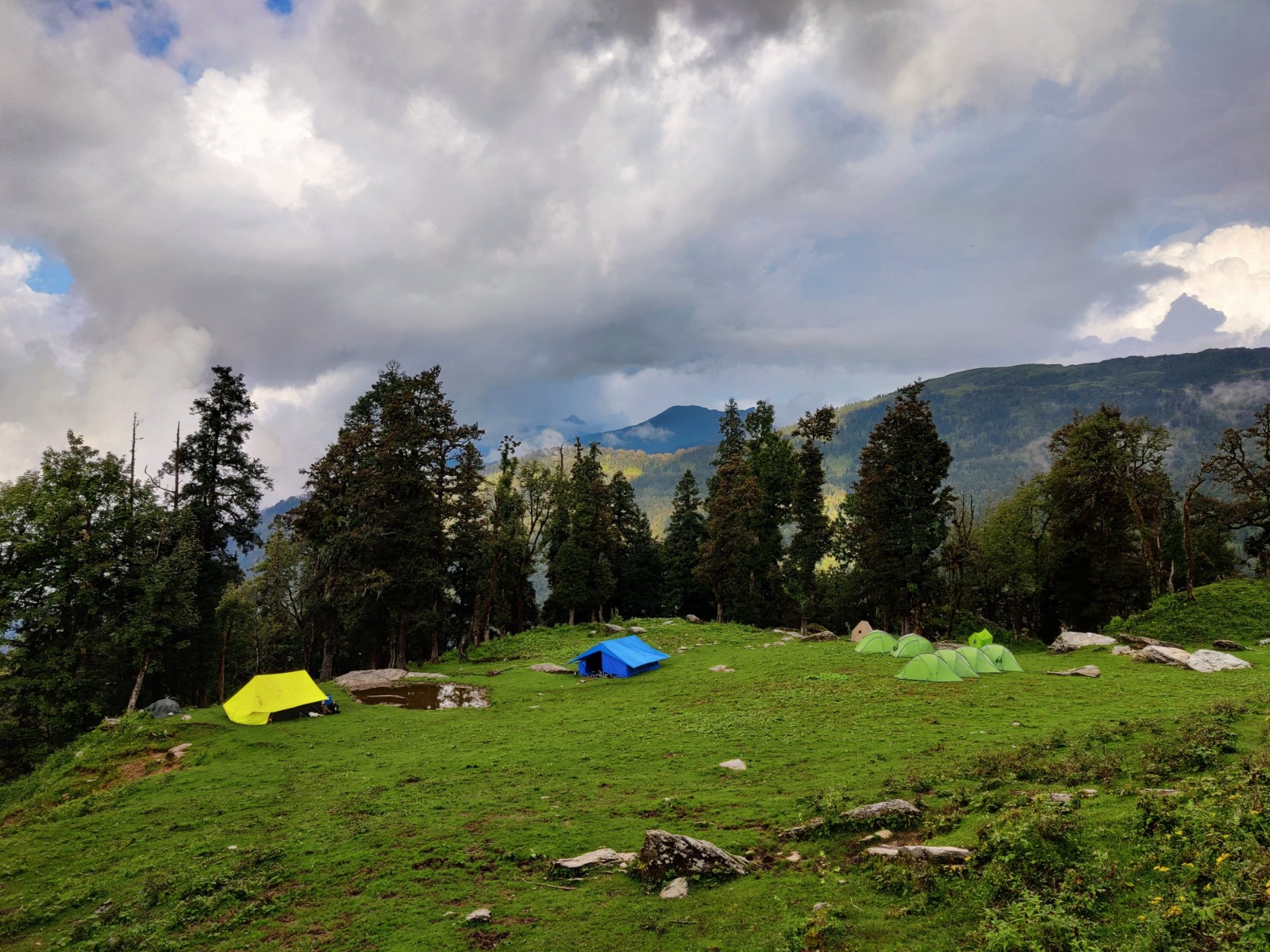
Trekking is the ultimate adventure when it's raining in the high altitude mountains. While the lower foothills have heavy floods and muddy tracks, the high areas are undergoing a beautiful transformation. These zones are located in rain shadow areas where clouds are blocked by the highest mountains, thus preventing heavy rain from falling in these areas. This unique little window that lasts from July to September is the only time of the year when these paths can be captured. The mist and light rains transform the empty alpine deserts into beautiful places. Foaming streams are roaring and the waterfalls are flowing down the granite rocks, while the dust has finally been washed away. These trekking routes are often characterized by large amounts of moisture that is unavailable in the spring or autumn. If you want to skip crowded trails and visit nature space with untouched forests, these five treks are for you.
Location: Uttarakhand
Altitude: 14,400 ft
Duration: 6 Days
Difficulty: Easy to Moderate
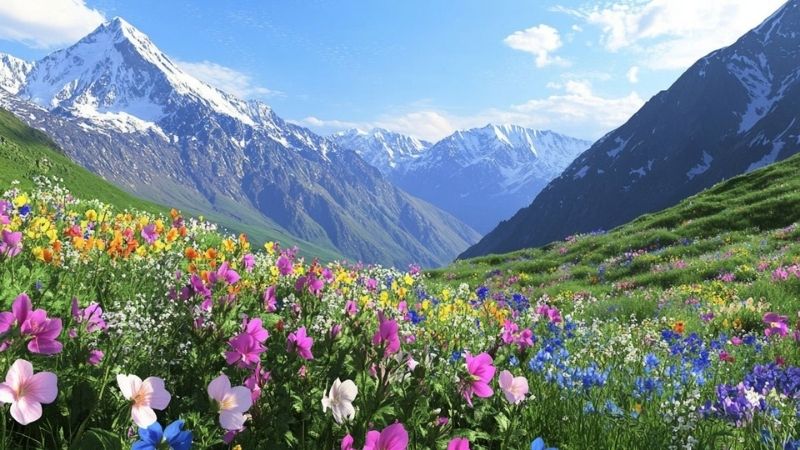
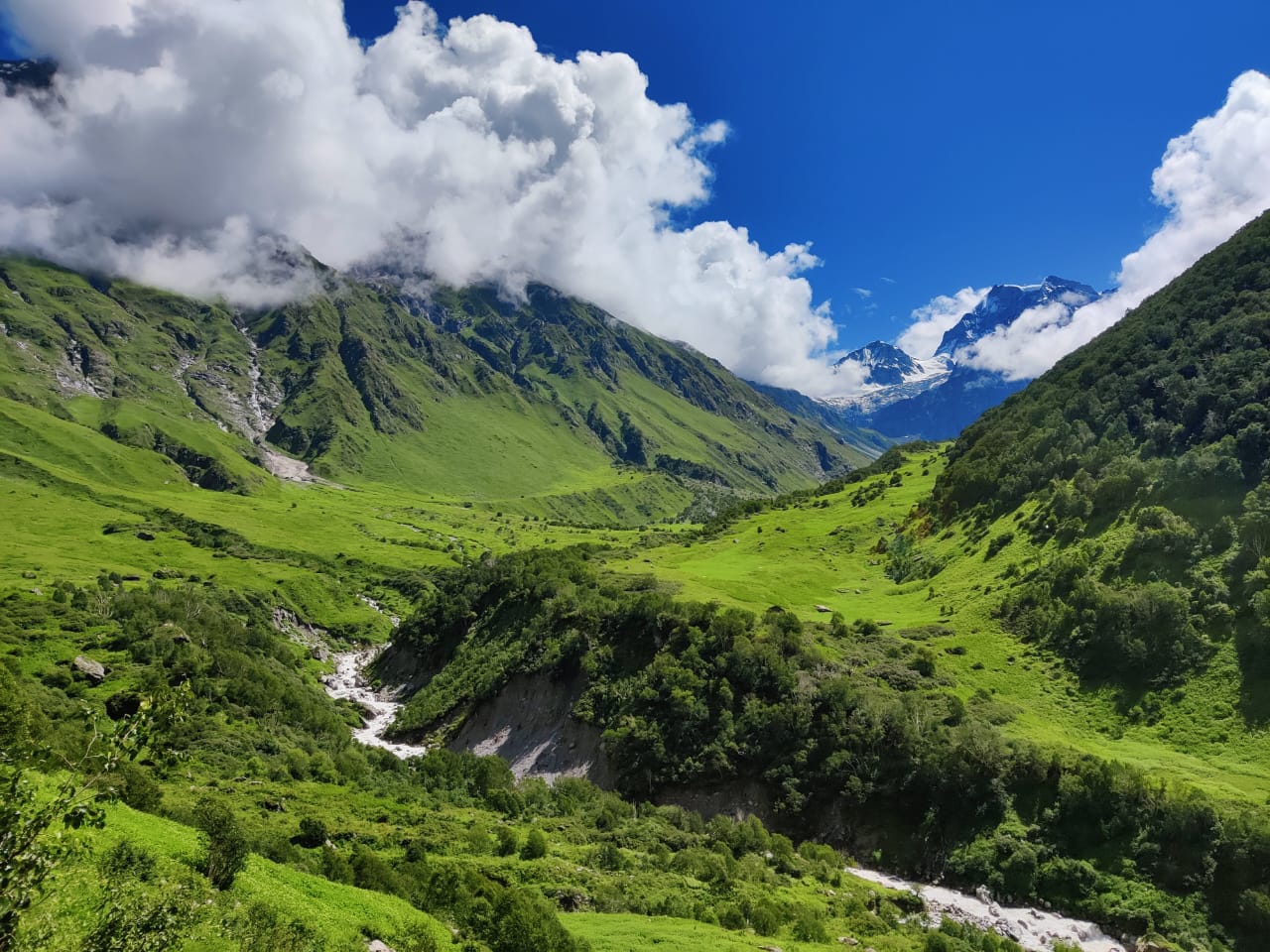
It is a UNESCO World Heritage site and remains open only during June to September, as it requires monsoon rains for the rejuvenation of all the hundred odd rare flower species that remain dormant under the blanket of snow during the other months. The trekking trail includes the lush, green and colorful surroundings of pink, blue and yellow colors accompanied by the babbling Pushpavati River.
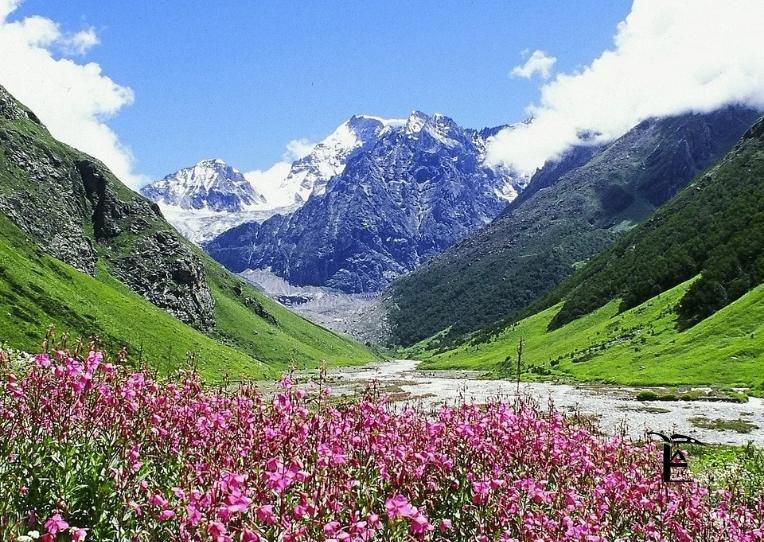
1. The Changing Hue: The appearance of the valley is a dynamic concept as its splendor transforms totally with the passing of some time, changing colors every few weeks thus going from soft pinks and purples in July to strong yellows and dark blues by the end of August.
2. Rare Species of Mountains: The rains will make the plants of the rare high-altitude region that can’t be found in any other place alive, such as the fallen Blue Poppy, the holy Brahmakamal and innumerable meadows of Himalayan Balsam.
3. Misty Clouds and Peaks of Mountains: The rains also create a wondrous ambiance with the clouds being low over the valley territories with fog flying over the surface of the valley and sometimes fading away to show other high mountains around it covered with snow.
4. Reaching Hemkund Sahib: The trek entails an exhausting climb to a holy lake (at the Gurudwara of Hemkund Sahib) located at an altitude of 15,200 feet where majestic seven peaks reflect themselves and freezing emerald-water.
Location: Himachal Pradesh (Manali to Lahaul Spiti)
Altitude: 14,010 feet
Duration: 5 days
Difficulty: Moderate
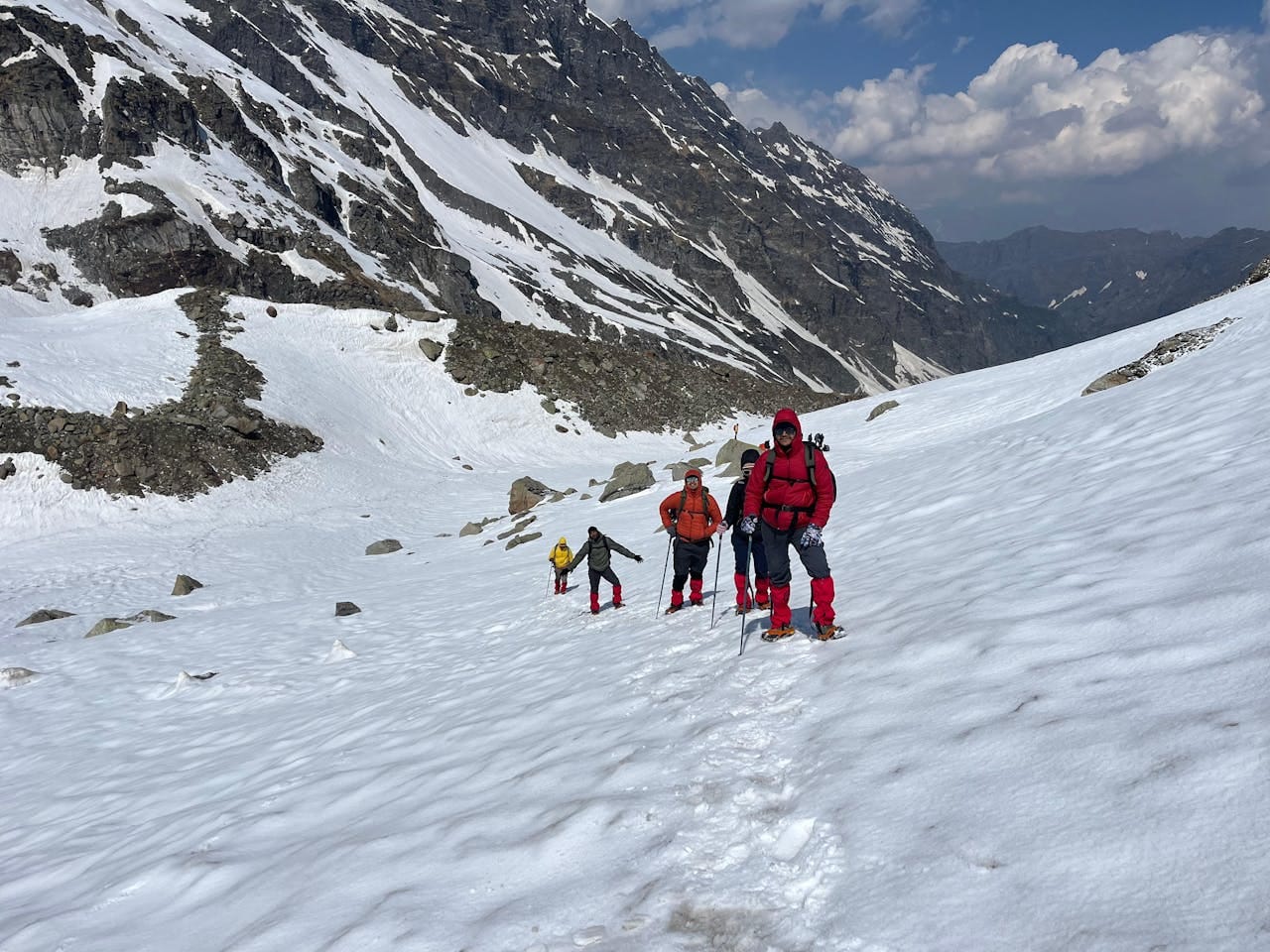
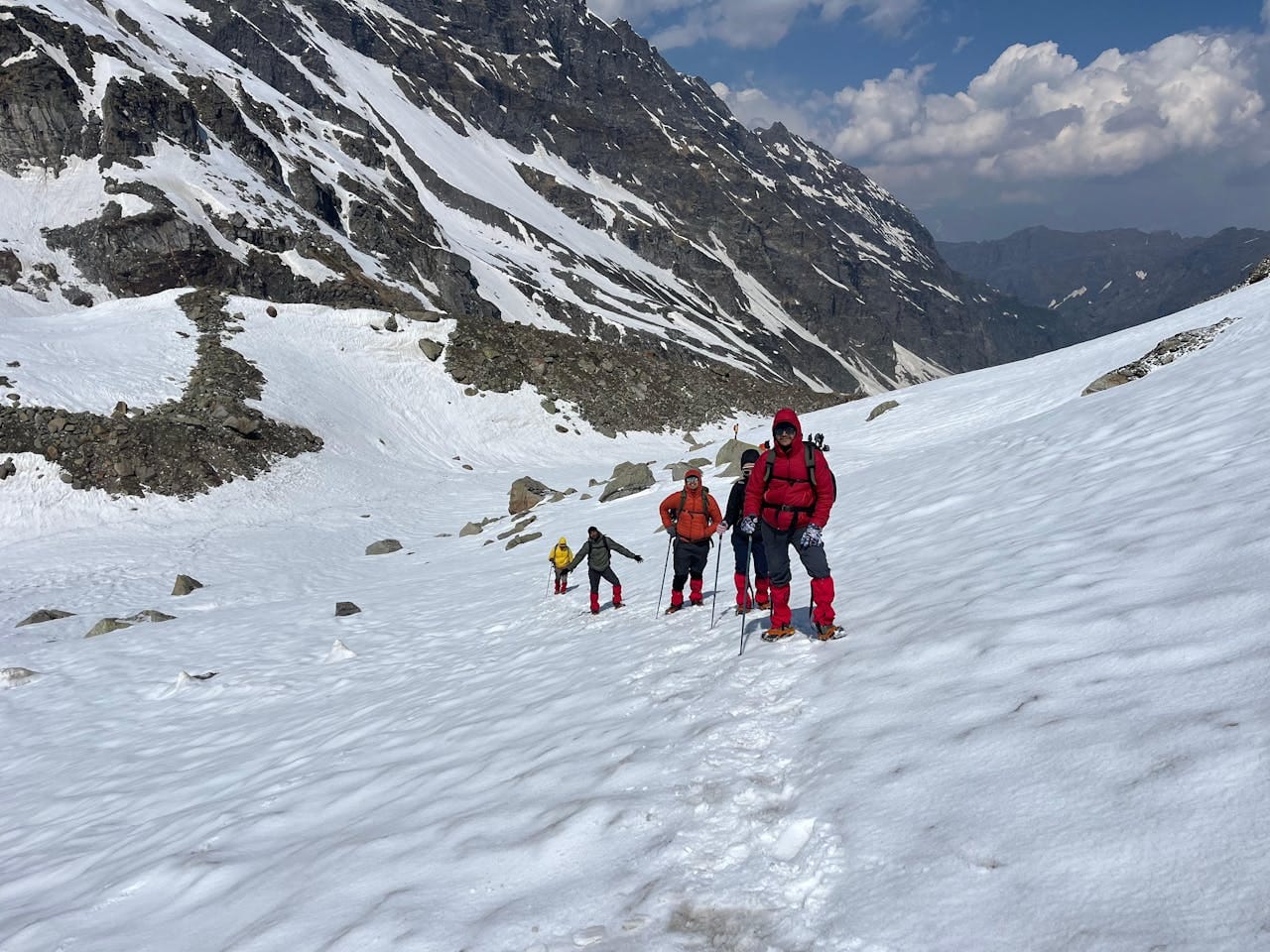
The trek to the Hampta Pass is one of the wonderful ways through which there is a dramatic change in landscape scenery. The trekkers move from green valleys of Manali through forests of pine trees to rocks and waterfalls until they arrive at the desert area of Lahaul. The last leg of the trek is a journey to a crescent shaped and blue colored lake called Chandratal (Moon Lake).
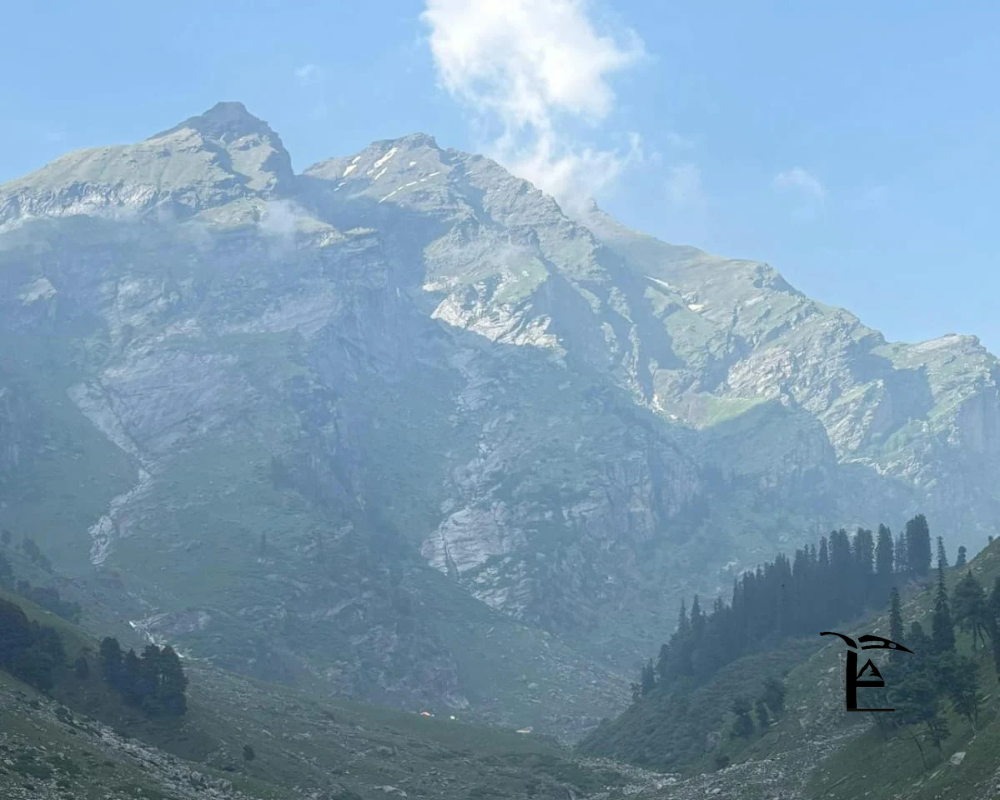
1. The Distinction of the Two World: The journey resembles a passage from one realm to another; from the height of the pass you can see the Kullu rain-swept and green valleys on one side while the desolate wind-eroded brown ridges of Lahaul on the other side.
2. Rapids of Glacial Rivers: The monsoon makes the journey full of water and the path leads you to crossing the turbulent glacial streams by foot and observing the steep cliffs dotted with many temporary waterfalls coming from the rains.
3. The Goru Shea Haven: The moment you make your camp on the Shea Goru right after crossing the pass you get a unique combination of coldness and beauty as you are placed in a cold bare valley next to the roaring river and mountains with ice visible on their tops hidden among the low clouds of the monsoon rains.
4. The After-Rain Colorfulness of Chandratal: As Lahaul is situated in the rain-shadowed zone, the weather clears up after the storms, allowing bright rays of the sun to bring the diversity of shades to the waters of Chandratal Lake making them look turquoise, blue and green.
Location: Ladakh
Altitude: 17,100 ft
Duration: 7 days
Difficulty: Moderate to Difficult
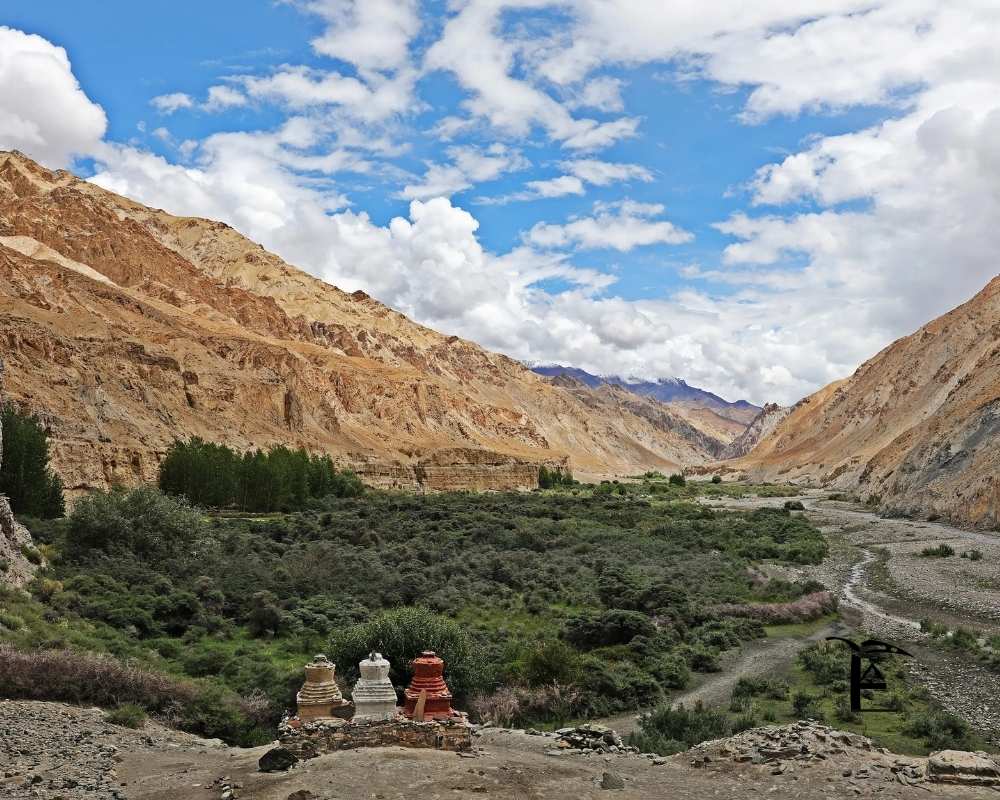
If one does not want to get into any mess in the form of monsoons, it is always better to plan for Ladakh. The place does not receive rain as it remains in the rain shadow of the Himalayas. Trekking through Markha Valley will involve trekking through Hemis National Park having rugged gorges, Tibetan Buddhist settlements, ancient temples, and exceptional ability of river crossing that leads to the great Mount Kang Yatse.
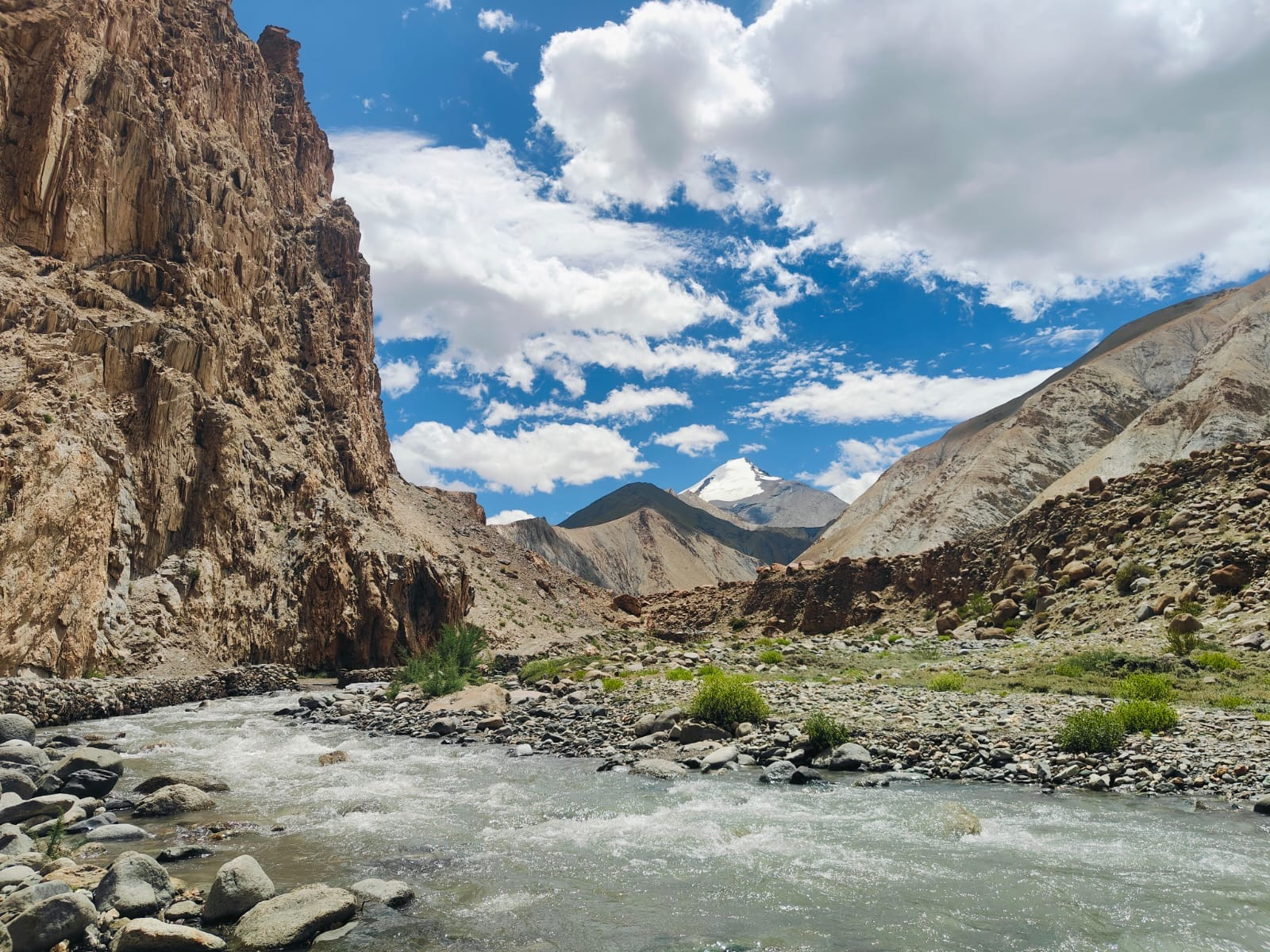
1. The Blue Sky Escape: Markha Valley, where there are monsoons drenching the rest of India but a dry and sunny valley with colored rocks in Ladakh.
2. Adventures With River Crossing: Due to the melted glaciers, you will have to cross the river in full force by walking through it because it is at the peak flow of cold Markha River during this season of the year.
3. The Life In The Mountains: You won't be sleeping in tents but rather experience the resistance of the Ladakhi mud houses with local meals of food and butter tea in the company of the people from this land for centuries.
4. The Climbing Up Kongmaru La Pass: But the trek won't be simple, yet after overcoming the altitude of 17,100 feet above the sea level, you will be amazed with the view of Kang Yatse and Karakoram.
Location: Himachal Pradesh (Kinnaur to Spiti)
Altitude: 16105 ft
Duration: 8 Days
Difficulty: Moderate to Difficult
Pin Bhaba is a trek like the Hampta Pass but less frequented than the latter. It is a trek starting from the Kinnaur side of Bhaba, with adjoining forests and meadows. Passing through the high pass, one reaches an isolated place with unique geometrical shapes like those found in Dubai.
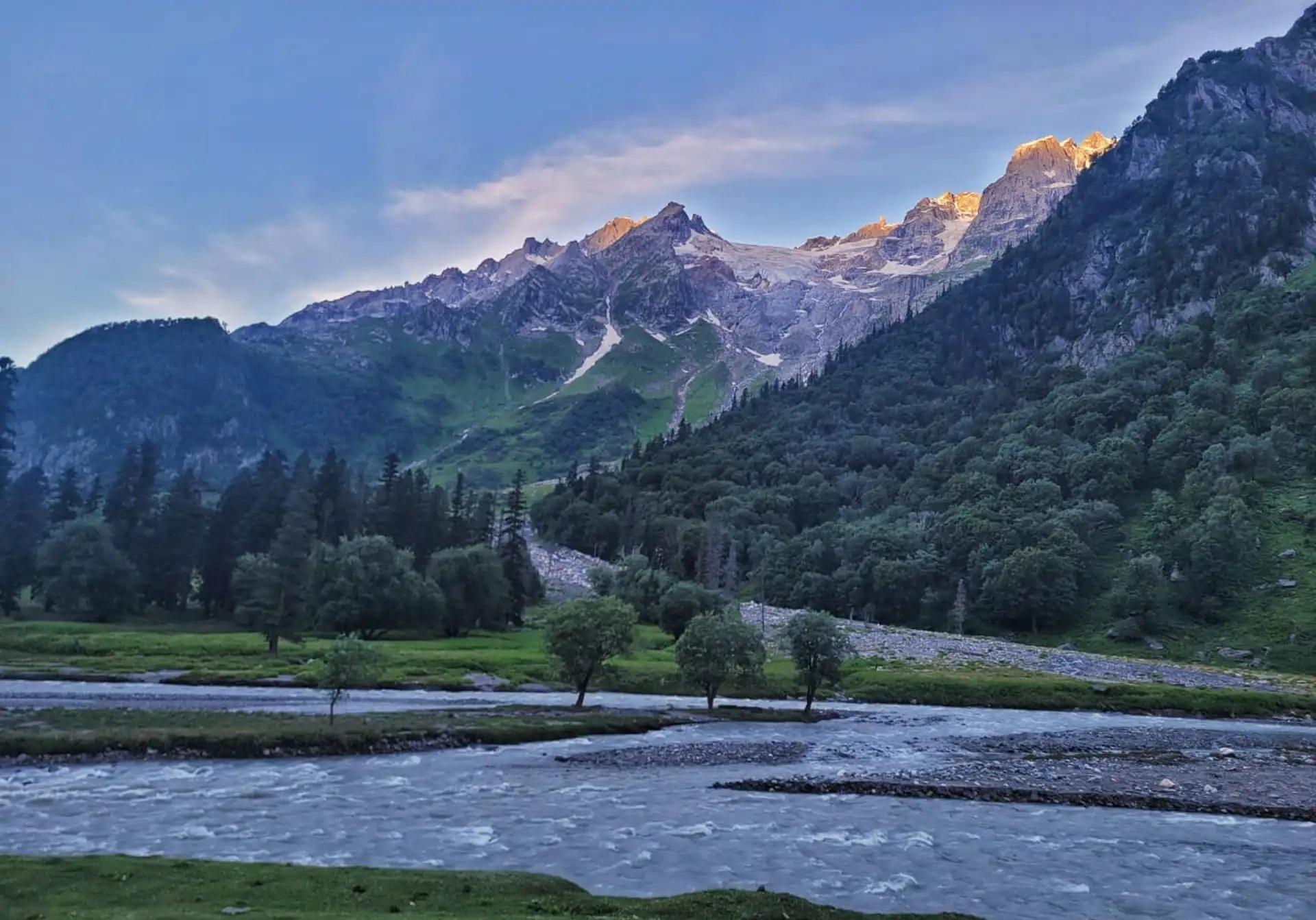
1. Mulligan's Incredible Greens: The journey begins in Kinnaur, wherein the monsoons make the lush meadows of Mulling and Karah turn an incredible green that seems surreal, with crystal-clear streams and thick pine forests.
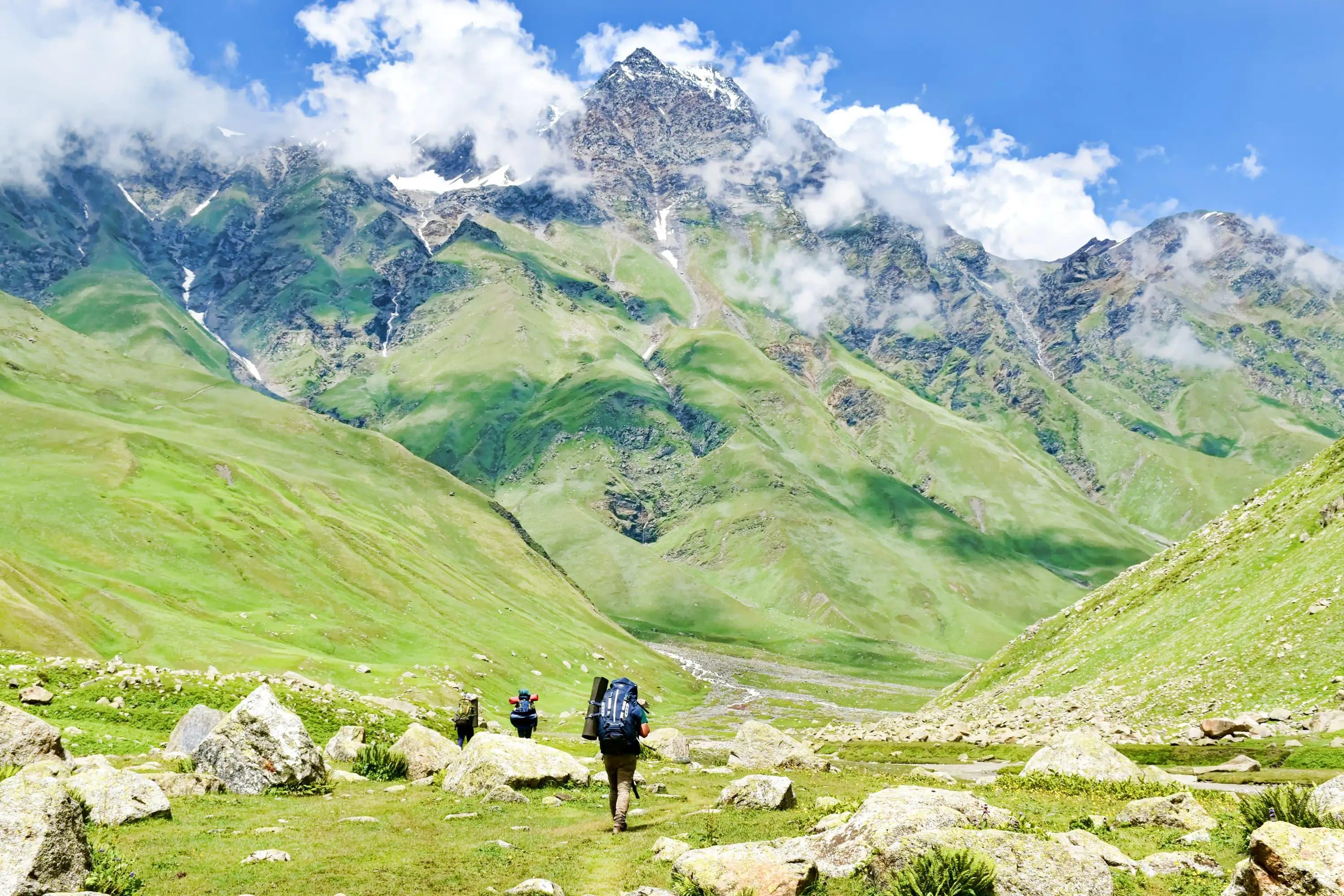
2. Traversing the Pin Bhaba Pass: Climbing the real Pin Bhaba Pass at 16,105 feet is exhilarating and requires pushing your way through steep scree, old snow, and swirling mountain mists.
3. A Stunning Transformation: Just as you cross the top of the pass, the greens fade away immediately; you find yourself in the Pin Valley of Spiti in an area of incredible, stark wilderness made up of sharp rock formations in multi-colored shapes along with total silence.
4. An Untamed, Lonely Trail: Since it is tough terrain and more secluded than Hampta Pass, the only people who will be around on these immense valleys will be locals and shepherds and you won’t see any tourists here at all.
Location: Himachal Pradesh (Lahaul Valley)
Altitude: 14,270 ft
Duration: 6 to 7 days
Difficulty: Easy to Moderate
The trek to Miyar Valley is one of the most pristine ones of Lahaul known as "Yosemite of India" due to its large and vertically standing granite rocks. During the monsoon season, the alpine desert transforms itself into a colorful world of green meadows filled with beautiful flowers, orchids, and berries. The trail runs right through the valley of the beautiful Miyar River having turquoise water, takes you through remote villages of Buddhist monks, and leads to large peaceful areas where you can reach the huge shattered snout of the Miyar Glacier.
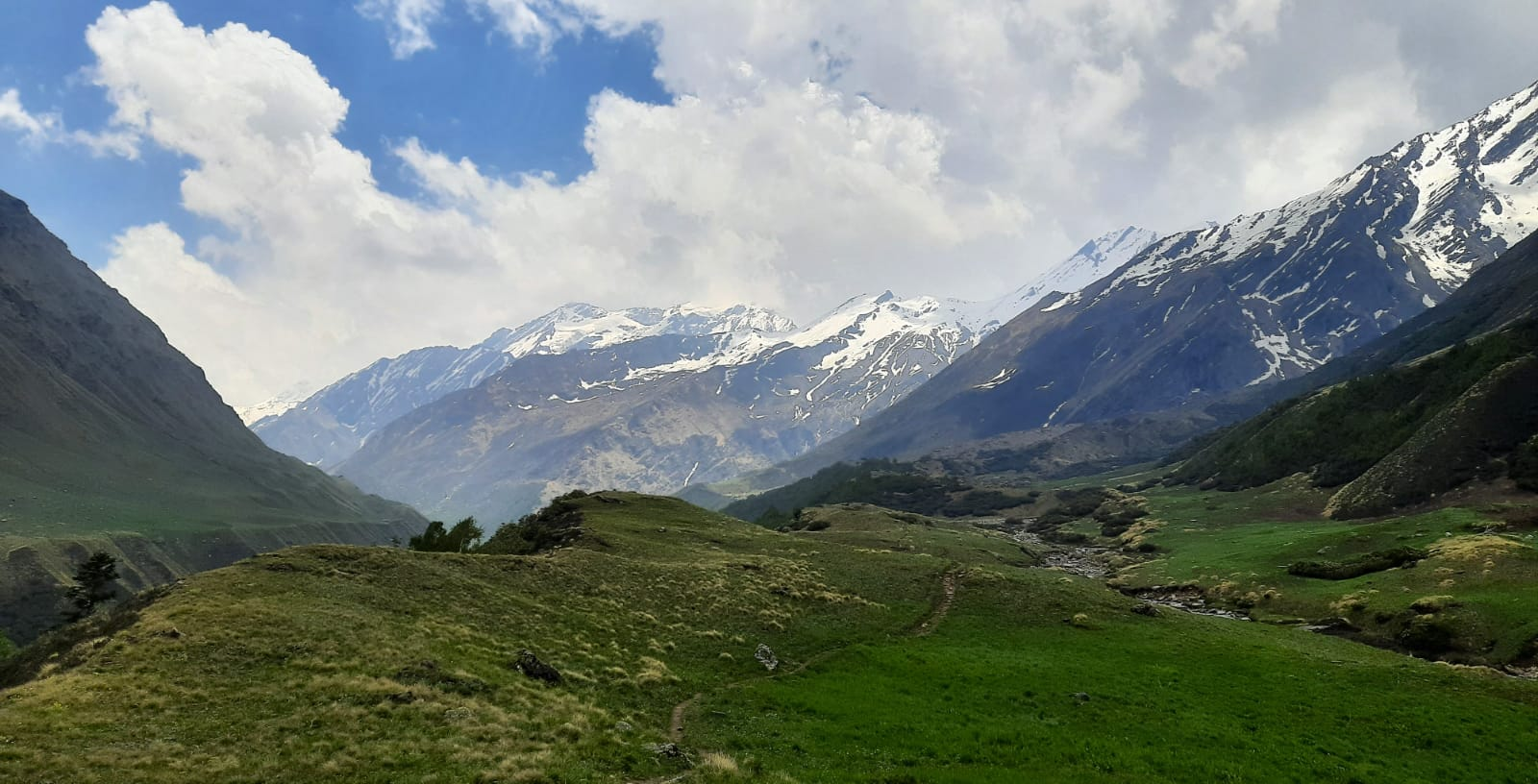
1. A Winding Gentle Climb: While most treks in the Himalayas require scaling grueling, painful inclines that make your knees ache, the Miyar Valley Trek is uniquely distinguished because of the extensive flat valley floor it offers, which allows for an easy to moderate trek that allows you to appreciate all the natural beauty around you.
2. Rock Climber’s Heaven: As you advance further in the valley, you will find yourself surrounded by towering rock faces similar to those found in the legendary granite rock faces in California's Yosemite Valley, including Neverseen Tower and Castle Peak.
3. Pristine Buddhist Culture: The trail leads you past some of the last few pockets of civilization in the area, like Urgos and Khanjar, allowing you to experience the untouched culture in the quaint monasteries and prayer flags with little green pea and barley farms surrounding them.
4. Seven Sacred Glacial Lakes: Just beyond the enormous 24 km long Miyar Glacier is the calm alpine landscape comprising seven breathtaking glacial lakes.
Exploring the Himalayas in the rainy season is undoubtedly a great experience, but very few chances of making errors are available if the mountains are drenched in rain. Optimal utilization of water, traction, and unstable ground needs to be done by doing the assessment. Below we have suggested the basics of hiking in the Himalayas in the monsoon season.
Your backpack is your lifeline during the hike in the rainy season. A simple rain cover is not up to the task as water can seep through the seams of your backpack if a monsoon rain hits. Thus, having a multi-layer waterproof system to keep your clothes and sleeping bag dry and warm becomes vital.
Layer 1 – Outer Rain Cover: It will take care of the majority of the raindrops and keeps the water from soaking the fabric.
Layer 2 – Heavy Liner: Before packing your backpack, line it with a thick trash bag or a special dry sack which will give you additional protection.
Layer 3 – Dry Sacks: Separate your equipment into smaller individual zip bags (in which case any leaking water gets contained in one bag only).
During monsoon season, the battle against rain is not only fought from outside but also happens inside one's body. If one makes a wrong choice regarding the clothes he wears, moisture will be trapped on the skin and will lead to hypothermia after many hours spent on the high level above sea.
Golden rule: The first rule is never wear items made from cotton or denim. Cotton absorbs moisture and lets it remain on the body for a long time blocking escape of body warmth during the process.
Base Layer: You are advised to wear clothes made of polyester, nylon, or merino wool when it comes to base layers as these fabrics move sweat away from the body keeping the skin dry.
Outer Shell: The next item is outer shells which should provide a high level of breathability. Otherwise, you will be just as wet from your sweat as if you had been caught in a rain, if your rain jacket breathability level is low. Make sure to buy pit zips if you want to ventilate without exposing your body to rain.
During the monsoon months while hiking, there is mud, slippery grass, moist rocks and river beds. Even one misstep could cause a twisted ankle in the best case.
Deep lug soles: The boots that are worn during trekking have to have deep and rugged lug soles composed of rubber compounds which grip the muddy terrain (like Vibram or special trail running rubber).
Waterproof or Quick dry: The waterproof boots (those with Gore-tex liners) protect very well from any mud and small amounts of water. There are some trekkers who prefer to wear non-waterproof highly breathable trail running shoes which let the water drain instantly while they are trekking in humid conditions and low altitudes.
Dual trekking poles: Two trekking poles enable a person to distribute his weight evenly and to provide additional two points of traction while moving across slippery trails.
The rushing torrents in glacial rivers and streams flow more violently during monsoon because of rain and the melting of snow. Thus, crossing such rivers requires proper timing and maneuvering.
The Early Bird Rule: Streams should preferably be crossed as early in the morning as possible. When the temperature goes up during the day, the amount of meltwater increases and calm waters can become too rough to travel.
Removing the Backpack: When crossing flowing streams, it is important to remember to release the waist belt and harness of the backpack. In case of a slip and fall in the stream, the backpack must be easily removable.
Facing the Current: Always face in the direction of the stream and lean slightly forward into the current. Move sideways across the river and maintain three contact spots (feet and trekking poles) without crossing the legs during the entire crossing maneuver.
The rainy season alters the stability of mountains. First of all, it is necessary for you to be conscious of your surroundings.
Listen to nature: With regard to landslides and rock falls, there may be chances where you will hear the rumbling sounds of stones falling down.
Don’t Go Close to Valleys and Hills: The rain during the rainy season is able to lead to flash floods in narrow valleys. Make sure to camp on high terrain instead of near rivers or steep cliffs.
Have Buffer Days in mind: It is advisable to never book your return flight the day after your travels. You should have one or more days to deal with the potential of road closures due to landslides.
The best approach for trekking in monsoon season is not about conquering the peak or following time tables; it is instead about accepting whatever the mountains have to offer at any given moment. The mountains are lively, surprising and very beautiful this season. If you expect only pleasant weather and wish to enjoy nature through trekking, you will not be satisfied. However, once you know that there is going to be a strong wind, that it might even start raining and your footwear will get dirty, your adventure will be amazing. So don’t forget to take everything you need with you, be careful at the rivers and listen to the mountains.