Banner Image

Why Yunam The mountain that replaced Stok Kangri

Home

Blogs

Why Yunam The mountain that replaced Stok Kangri

Why Yunam The mountain that replaced Stok Kangri
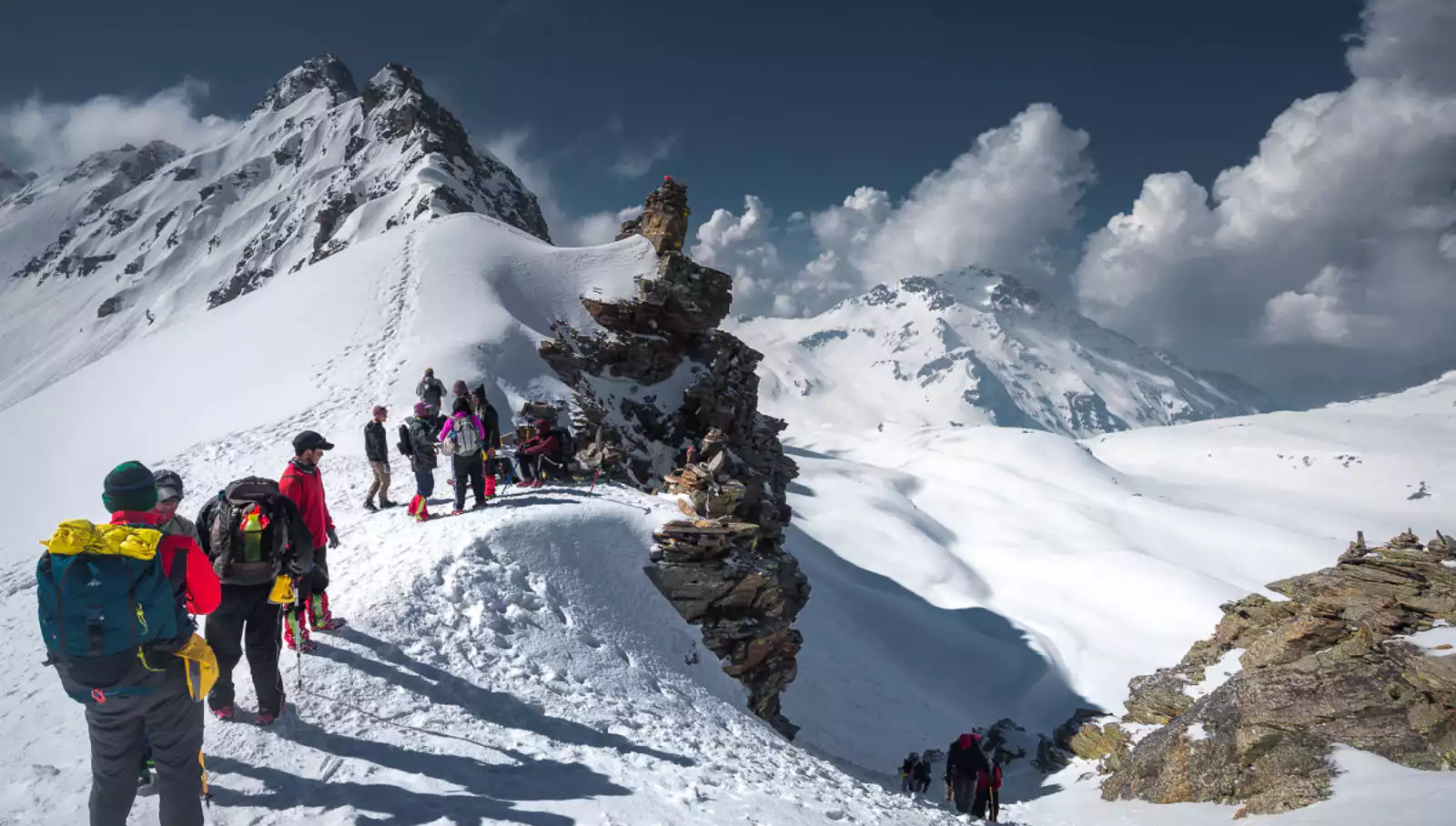
23

Jun

Profile Image
By ThinAir

Yunam Peak Expedition 2026 – Complete Guide to India’s Most Accessible 6000m Summit

The Yunam Peak Expedition is one of the most rewarding high-altitude adventures in the Indian Himalayas. Rising to approximately 6,111 meters (20,049 ft) in the remote Lahaul region of Himachal Pradesh, Yunam Peak is considered one of the few non-technical 6000-meter summits in India, making it a perfect stepping stone for trekkers aspiring to enter the world of mountaineering.

Located near the famous Baralacha La Pass on the Manali-Leh Highway, the peak offers breathtaking panoramic views of the Zanskar Range, Chandra Bhaga Range, Mulkila Massif, and the vast Trans-Himalayan landscape.

Unlike technical Himalayan peaks that require extensive climbing skills, Yunam demands exceptional endurance, acclimatization, and mental resilience due to its extreme altitude.

Quick Facts at a Glance

Feature Details
Peak Name Yunam Peak
Elevation 6,111 m (20,049 ft)
Region Lahaul, Himachal Pradesh
Mountain Range Greater Himalayas
Expedition Duration 7–9 Days
Base Camp Altitude 4,800–5,200 m
Difficulty Difficult
Technical Difficulty Non-Technical
Best Season July to September
Starting Point Manali
Summit Coordinates Near Baralacha La Pass
Fitness Level Advanced
Permit Required Yes
Nearest Airport Bhuntar Airport (Kullu)
Nearest Railway Station Chandiga
 
Why Yunam The mountain that replaced Stok Kangri

For years, trekkers dreaming of their first 6,000-metre summit looked to Stok Kangri in Ladakh. When that peak was closed for conservation, a question hung in the Himalayan air: where do first-timers go now? Yunam Peak answered.

Tucked into the Zanskar Range of Lahaul, Himachal Pradesh, just a few kilometres off the Manali–Leh highway near the legendary Baralacha La pass, Yunam sits at 6,111 metres above sea level. It demands no ropes, no ice-axe technique, no mountaineering certification. What it asks for instead is stubborn physical endurance, a deep respect for altitude, and the kind of hunger that makes 2 AM alarms feel exciting rather than cruel.

"There comes a time when trekking starts to feel familiar — the long days, the steady climbs. Yunam Peak is where that next step begins."

This is not a peak for the casual weekend walker. But it is absolutely a peak for the common person — the office worker who runs every morning, the trekker who has done Hampta Pass or Kedarkantha and is hungry for more. In 2026, with a thoughtfully planned expedition, Yunam is within the grasp of India's growing tribe of mountain lovers.

 
The Location Where the Himalayas go cold and wild

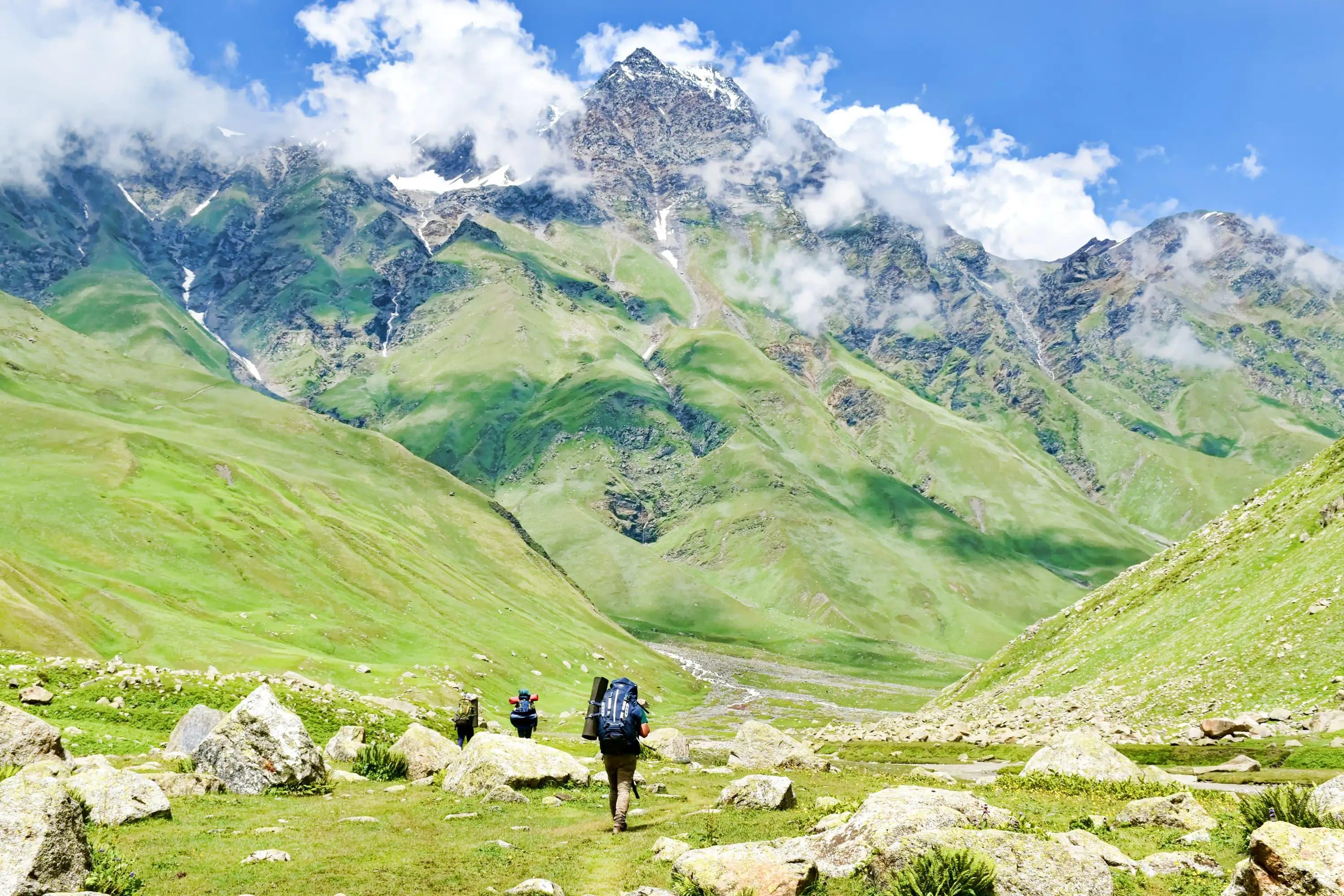
Yunam is positioned in a corner of Himachal Pradesh that most people only see from a bus window — the barren, moon-like stretch of Trans-Himalayan terrain between Manali and Leh. The mountain rises dramatically from the Bharatpur plateau at 4,700 metres, a stark landscape where brown and black replace green, and the sky becomes impossibly blue.

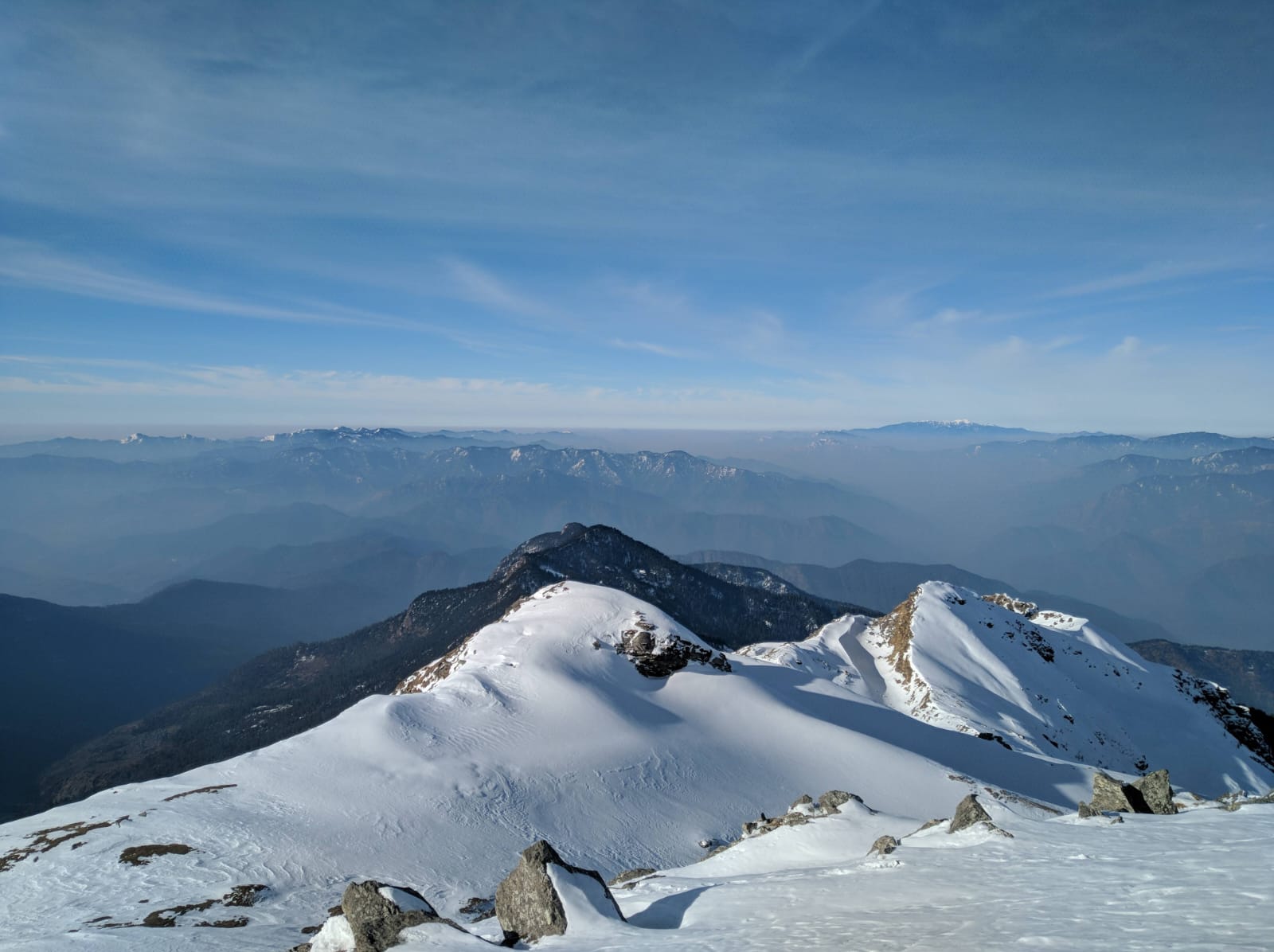
From its summit, on a clear day, you command a 360-degree panorama of the Chandrabhaga (CB) Range, the Mulkilla peaks, and the distant expanse of Zanskar. Two high-altitude lakes — Deepak Tal and Suraj Tal — glimmer below. This is raw Himalayan terrain at its most elemental.

Who can attempt this Are you ready for Yunam?

Yunam is non-technical — you won't need ropes or ice-climbing training. But altitude is the great equalizer. Here's an honest checklist:
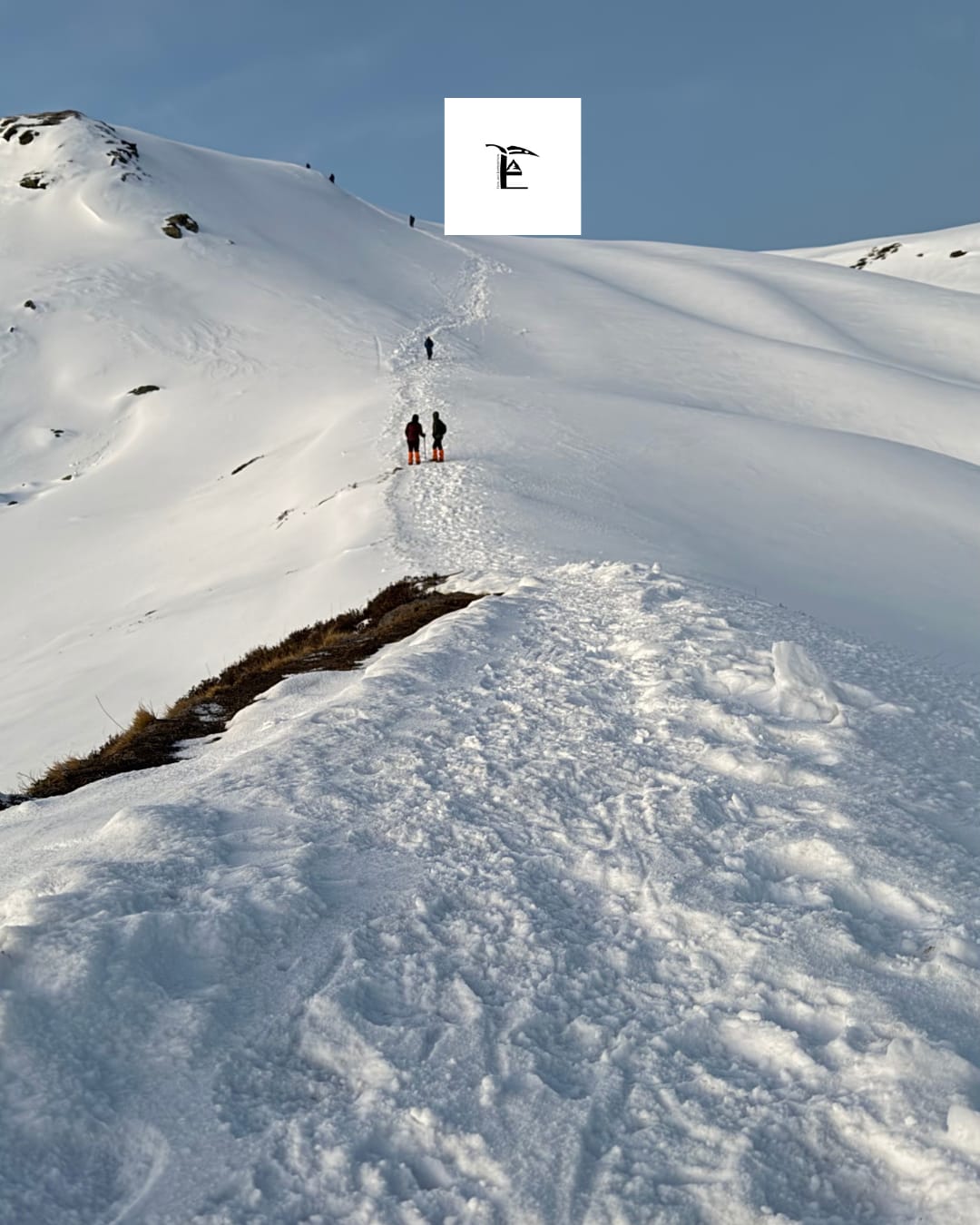
  • Prior high-altitude trek experience (above 4,500 m) — Hampta Pass, Kedarkantha, Buran Ghati, or similar
  • Able to sustain 5–8 hours of uphill walking on rocky terrain without distress
  • No prior acute mountain sickness (AMS) or heart/lung conditions
  • At least 8–10 weeks of dedicated fitness training before the expedition
  • Able to jog 10 km in under 60 minutes is a useful physical benchmark cited by operators
  • Comfortable sleeping in tents, eating camp food, and managing without phone signal for days
Health & Safety Altitude is the real boss on this mountain
  • Hydrate constantly — aim for 3–4 litres of water daily at altitude
  • Follow the "climb high, sleep low" principle during acclimatization days
  • Eat even when you have no appetite — your body burns enormous calories in the cold
  • Avoid alcohol throughout the expedition — it accelerates dehydration and worsens AMS
  • Trust your guide's judgment over your ego on summit day — turnaround decisions save lives

Key Highlights of Yunam Peak Expedition

1. Summit a 6000-Meter Himalayan Peak

One of the rare peaks in India where trekkers can cross the prestigious 6000m mark without advanced mountaineering techniques.

2. Spectacular Himalayan Panorama

Enjoy 360° views of:

  • Zanskar Range
  • Mulkila Peaks
  • Chandra Bhaga Mountains
  • Baralacha La Region
  • Lahaul Valley

3. Perfect Introduction to Mountaineering

A stepping stone before attempting peaks such as:

  • Kang Yatse II
  • Friendship Peak
  • Stok Kangri

4. Stunning High-Altitude Landscapes

  • Suraj Tal Lake
  • Deepak Tal
  • Baralacha La Pass
  • Vast cold deserts


Yunam Peak Expedition Geographical Overview

Yunam Peak is situated in the Lahaul region of Himachal Pradesh, close to the border of Ladakh. The mountain stands isolated above the Bharatpur plains, creating an imposing pyramid-like structure visible from the Manali-Leh Highway.

Terrain Characteristics

  • Rocky moraine fields
  • Scree slopes
  • Snow patches
  • Alpine ridges
  • High-altitude desert landscape

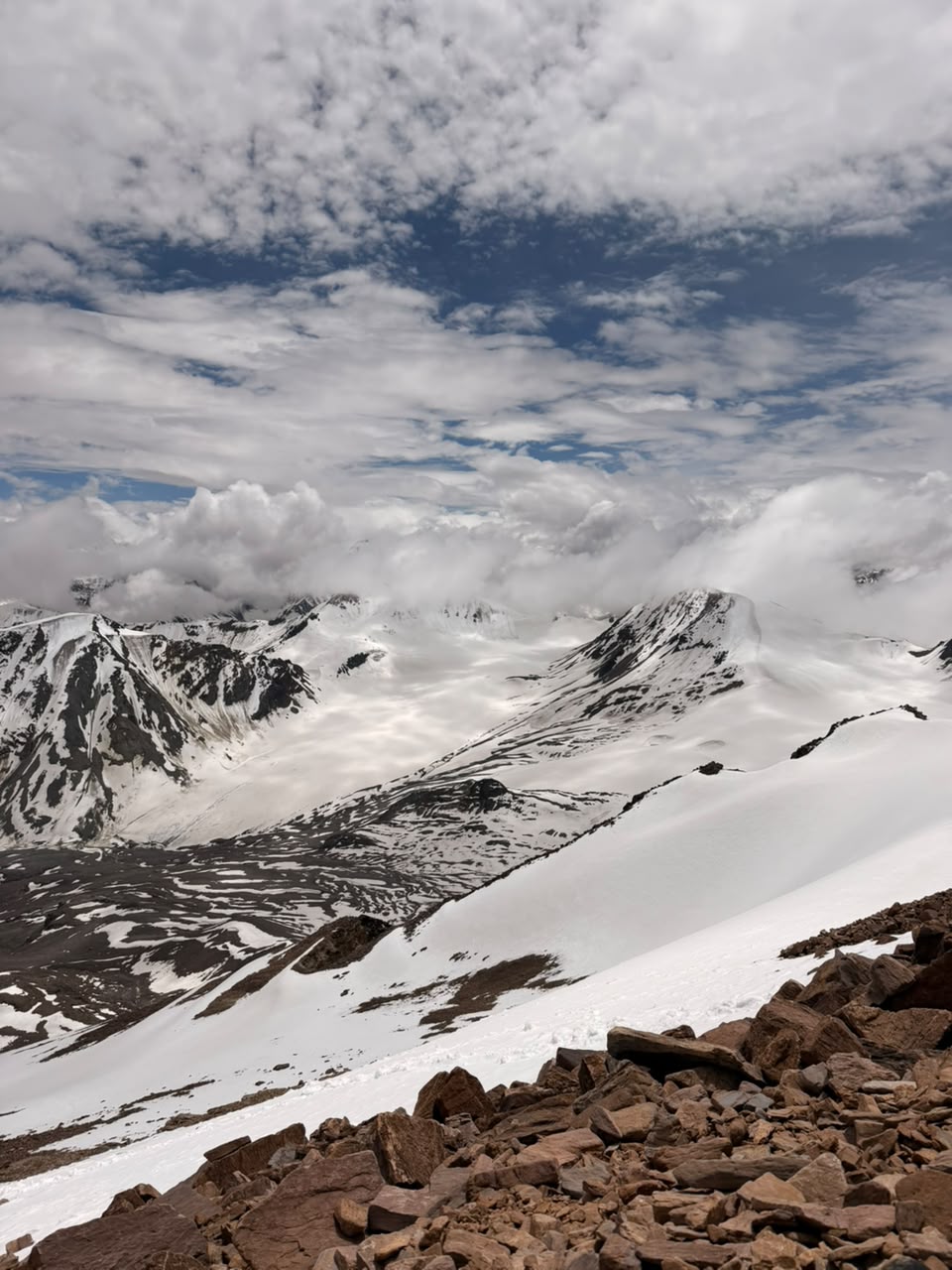
The final summit push involves long stretches of steep scree and snow slopes rather than technical glacier climbing.


Yunam Peak Expedition Acclimatization Curve

Altitude is the biggest challenge on Yunam Peak.

Day Location Altitude
Day 1 Manali 2,050m
Day 2 Jispa 3,200m
Day 3 Bharatpur 4,480m
Day 4 Base Camp 4,800–5,200m
Day 5 Acclimatization Hike 5,300m
Day 6 Summit Camp 5,500m
Day 7 Summit 6,111m


Golden Rule

Climb high, sleep low.

Proper acclimatization significantly reduces the risk of:

  • AMS (Acute Mountain Sickness)
  • HAPE
  • HACE

The rapid gain from Manali to Bharatpur makes acclimatization absolutely essential.


Flora and Fauna of the Yunam Peak Expedition Region

The expedition traverses the cold desert ecosystem of Lahaul.

Flora

Lower elevations feature:

  • Juniper shrubs
  • Alpine grasses
  • Wildflowers (July-August)
  • Sea buckthorn

Higher elevations above 5,000m become largely barren with minimal vegetation.

Fauna

Possible wildlife sightings include:

  • Himalayan Ibex
  • Blue Sheep (Bharal)
  • Himalayan Marmot
  • Red Fox
  • Snow Partridge
  • Golden Eagle

The elusive Snow Leopard inhabits the broader region but is rarely seen.


Best Time To Visit for Yunam Peak Expedition

July to September (Recommended)

July

  • Stable snow conditions
  • Pleasant temperatures
  • Blooming alpine meadows

August

  • Clear summit windows
  • Best mountain visibility

September

  • Crisp weather
  • Minimal precipitation
  • Exceptional photography opportunities

Avoid

  • Winter (October–May)
  • Heavy snowfall periods
  • Unstable weather conditions

The Local Life and Cultural Insights

The expedition passes through the culturally rich Lahaul region.

Communities

  • Lahauli people
  • Tibetan-influenced settlements
  • Buddhist and Hindu traditions

Cultural Attractions

  • Ancient monasteries
  • Traditional stone houses
  • Prayer flags
  • Yak and sheep pastoralism

Visitors often experience warm hospitality and unique Himalayan lifestyles that have remained unchanged for centuries.


Yunam Peak Expedition Fitness Requirement and Difficulty Level

Difficulty: Difficult

While technically straightforward, Yunam Peak is physically demanding because of altitude and long summit days.

Fitness Benchmarks

You should comfortably achieve:

  • 5 km run in under 30 minutes
  • 15–20 kg backpack training
  • 10–12 km trekking on consecutive days
  • Stair climbing for 45–60 minutes

Recommended Preparation

Start training at least:

8–10 weeks before the expedition

Focus on:

  • Cardio endurance
  • Leg strength
  • Core stability
  • Breathing exercises
  • High-altitude trekking experience

Prior Experience Recommended

Complete at least one trek above 4,500m before attempting Yunam Peak.


Yunam Peak Expedition Guidelines on Safety and Emergency

Altitude Safety

Watch for symptoms:

  • Headache
  • Nausea
  • Fatigue
  • Dizziness
  • Loss of appetite

Essential Safety Measures

  • Hydrate adequately
  • Maintain slow pace
  • Follow guide instructions
  • Never ignore AMS symptoms
  • Carry personal medications

Emergency Protocol

In severe altitude sickness:

  1. Immediate descent
  2. Oxygen support
  3. Evacuation to Keylong
  4. Medical treatment

Expedition Essentials

  • Down jacket (-15°C to -20°C)
  • High-ankle trekking boots
  • UV400 sunglasses
  • Trekking poles
  • Headlamp
  • Personal first-aid kit


How to Get Permit for Yunam Peak Expedition

Since Yunam Peak exceeds 6000m, climbers generally require expedition permissions and local registrations.

Permit Process

1. Register Through an Authorized Expedition Operator

Most agencies handle:

  • Climbing permissions
  • Forest permissions
  • Logistics
  • Rescue coordination

2. Carry Valid Documents

Indian Nationals:

  • Aadhaar Card
  • Government ID
  • Passport-size photographs

Foreign Nationals:

  • Passport
  • Visa
  • Passport photographs

3. Darcha Check Post Registration

All climbers are required to register at the Darcha checkpoint before entering higher Himalayan regions.

4. Insurance (Highly Recommended)

Coverage should include:

  • High-altitude trekking
  • Emergency evacuation
  • Medical emergencies

Final Thoughts

Yunam Peak is one of India's finest introductory mountaineering expeditions. Combining a non-technical route with the challenge of crossing the 6,000-meter barrier, it delivers an authentic Himalayan summit experience. For experienced trekkers looking to transition into high-altitude expeditions, Yunam Peak offers the perfect blend of adventure, endurance, and breathtaking Himalayan scenery.