10 Best Winter Treks in India for 2026 2027
10 Best Winter Treks in India for 2026 2027
07
Oct

10 Best Winter Treks in India for 2026–27: Himalayan Adventures Loved by International Trekkers
Winter changes the Himalayas in a way that no photograph can completely capture. Forest trails become quieter, alpine meadows turn white, mountain villages slow down, and familiar landscapes take on an entirely different character. For trekkers arriving from India and around the world, a winter trek in India offers the chance to experience the Himalayas at their most dramatic.
The winter trek 2026-27 season is particularly exciting for anyone looking beyond conventional summer mountain holidays. From snowy summit climbs and frozen lakes to high-altitude meadows and ancient mountain trails, there is a winter route for almost every level of trekking experience.
But choosing a winter trek is not simply about finding the trail with the most snow. Difficulty, altitude, weather, accessibility, fitness, experience and professional support all matter.
Here are 10 remarkable winter treks in India to consider for the 2026–27 season.
1. Kedarkantha Winter Trek – The Classic Himalayan Snow Adventure
Kedarkantha is often one of the first names that comes to mind when trekkers search for a classic winter trek India experience.
The trail takes you through beautiful Himalayan forests, open snow-covered landscapes and campsites surrounded by mountains. The summit climb adds another dimension to the journey, giving trekkers the satisfaction of reaching a Himalayan summit without requiring technical mountaineering skills under normal conditions.
For international trekkers visiting India for their first Himalayan snow experience, Kedarkantha can be an excellent introduction to winter trekking.
What makes it special is the combination of forest, snow, camping and summit views. The route also offers a genuine sense of moving deeper into the mountains rather than simply visiting a snowy destination.
Best for: First-time winter trekkers, international visitors and trekkers looking for a classic snow-covered summit experience.
2. Brahmatal Winter Trek – Lakes, Forests and Mountain Views
If you want your winter trek to feel quieter and more immersive, Brahmatal deserves a place on your list.
The route passes through forests and high-altitude landscapes before reaching the beautiful Brahmatal region. During winter, snow transforms the surroundings and gives the trek a completely different atmosphere.
One of the biggest attractions is the combination of frozen or snow-covered landscapes with dramatic Himalayan views. The trail feels less like a single summit objective and more like a journey through changing mountain scenery.
Brahmatal is especially appealing to trekkers who have already completed an easier Himalayan trek and want something that feels like a step forward.
Best for: Trekkers who want snow, mountain views and a longer Himalayan experience.
3. Dayara Bugyal Winter Trek – Walking Across a White Himalayan Meadow
Imagine standing in the middle of a vast Himalayan meadow with snow stretching towards distant peaks.
That is the magic of Dayara Bugyal.
During warmer months, the high-altitude meadows are known for their greenery and open landscapes. Winter completely changes their personality. Snow covers the meadow and surrounding forests, creating an expansive white landscape.
Unlike a trek where the main attraction is only reaching a summit, Dayara Bugyal is about enjoying the landscape itself. The gradual terrain and wide views make it an attractive choice for trekkers who want to experience winter in the Himalayas without choosing an extremely demanding route.
For photographers and international travellers looking for landscapes rather than crowded tourist spots, this trek can be particularly rewarding.
Best for: Beginners, photographers, families with suitable fitness and travellers seeking expansive snow landscapes.
4. Kuari Pass Winter Trek – A Trail for Big-Mountain Views
Kuari Pass has a different personality.
Rather than being known simply for snow, it is valued for its extraordinary mountain scenery. The trail moves through forests, meadows and high-altitude terrain, eventually opening towards some of the most impressive Himalayan panoramas.
Winter adds another layer to the experience. Snow-covered trails and clear mountain air can make the surrounding peaks appear exceptionally sharp on good-weather days.
This is a route for trekkers who want the feeling of being surrounded by serious Himalayan terrain while still following a non-technical trekking route under appropriate conditions.
A reasonable level of fitness is important because winter snow can make ordinary ascents more tiring.
Best for: Experienced beginners and intermediate trekkers who want spectacular mountain panoramas.
5. Chopta–Tungnath–Chandrashila Winter Trek – Mountains and Spirituality
Some Himalayan journeys are memorable because of the scenery. Others stay with you because of what the landscape makes you feel.
The Chopta–Tungnath–Chandrashila route brings both together.
The trail combines snow-covered Himalayan scenery with the spiritual atmosphere of Tungnath. Continuing towards Chandrashila adds a summit experience and expansive views of the surrounding mountains.
For travellers interested in the connection between Himalayan landscapes and Indian spirituality, this is an especially distinctive winter journey.
The route can also work well for travellers with limited time who still want a genuine high-altitude Himalayan experience.
Best for: Shorter winter adventures, spiritual travellers, photographers and trekkers who want a summit with cultural significance.
6. Nag Tibba Winter Trek – A Short Introduction to Snow Trekking
Not everyone has a week available for a Himalayan adventure.
That is where Nag Tibba becomes interesting.
It offers a shorter mountain experience and can be a practical choice for someone who wants to discover winter trekking without immediately committing to a longer high-altitude expedition.
Snow conditions can vary, so it should not be chosen solely on the assumption of guaranteed deep snow. However, when winter conditions cooperate, the route provides beautiful mountain scenery and a refreshing introduction to trekking in colder conditions.
For international travellers adding a short Himalayan experience to a larger India itinerary, Nag Tibba can be worth considering.
Best for: First-timers, short trips and travellers with limited time.
7. Gorson Bugyal Winter Trek – Snowy Meadows with a Different Pace
Gorson Bugyal is another option for trekkers who love open Himalayan landscapes.
The attraction here is not necessarily a dramatic summit push. Instead, the experience comes from walking through broad mountain terrain, forests and snow-covered meadows while surrounded by Himalayan peaks.
A winter trek through a snowy bugyal can feel completely different from walking through a forested summit trail. There is more space, more horizon and a greater sense of the scale of the mountains.
For travellers who want to slow down and actually absorb the landscape, this kind of route can be more rewarding than chasing altitude alone.
Best for: Scenic winter walks, photographers and travellers who enjoy open mountain landscapes.
8. Gulabi Kantha Winter Trek – A Quieter Snow Experience
For trekkers searching beyond the most famous Himalayan names, Gulabi Kantha offers an opportunity to explore a less mainstream winter landscape.
The route combines Himalayan forests, open high-altitude terrain and winter snow. Its appeal lies partly in the feeling of stepping away from the busiest trekking circuits.
That matters for international trekkers who may have travelled a long way to experience the quieter side of the Indian Himalayas rather than simply visiting the most popular trail.
As with every winter route, conditions should be checked before departure because snowfall, accessibility and trail conditions can change during the season.
Best for: Trekkers looking for a quieter Himalayan experience and those who want to explore beyond the most familiar routes.
9. Sandakphu Winter Trek – The Eastern Himalayas at Their Best
The Himalayas are not limited to Uttarakhand and Himachal Pradesh.
In West Bengal, Sandakphu offers a completely different Himalayan experience.
The route travels through the eastern Himalayan landscape and is famous for extraordinary mountain panoramas. On clear days, the views can include some of the highest and most recognisable peaks of the eastern Himalayas.
The cultural character of the region also adds something different to the journey. Villages, local traditions and the changing landscape make the trek feel like more than a simple walk towards a summit.
For an international trekker who wants to experience a less predictable side of Himalayan India, Sandakphu can be an excellent choice.
Best for: Experienced travellers, photographers and trekkers wanting to explore the eastern Himalayas.
10. Chadar Trek – Walking on a Frozen Himalayan Landscape
The Chadar Trek is unlike almost any other winter trek in India.
Located in Ladakh, the experience is centred around the frozen Zanskar River. Instead of following a conventional mountain trail, trekkers travel along a frozen river corridor surrounded by dramatic Ladakhi cliffs.
It is important to understand that Chadar is not simply a regular snow trek. The cold, terrain, altitude and changing ice conditions make it a demanding experience requiring appropriate preparation and experienced local support.
For trekkers who have already experienced conventional Himalayan winter routes and want something genuinely different, Chadar can be an unforgettable adventure.
Best for: Experienced winter trekkers looking for an unusual and demanding Himalayan experience.
Why Choose a Winter Trek in India?
A winter trek in India is not only about snow.
It is about experiencing the mountains during a season when everything feels slower and more intense.
The forests become quieter. Villages take on a different rhythm. Sunlight becomes precious. Nights become colder. And every step through snow becomes part of the adventure.
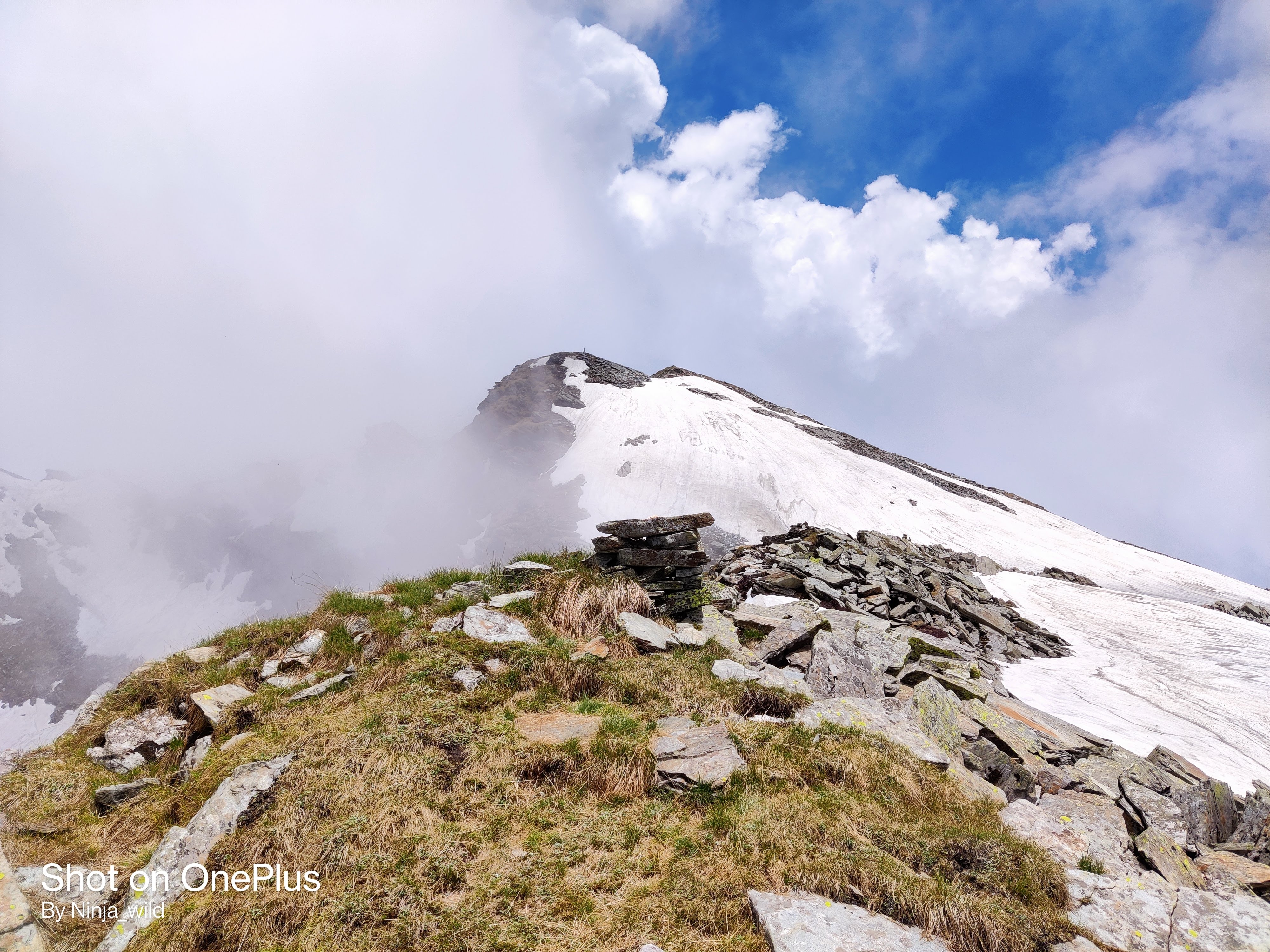
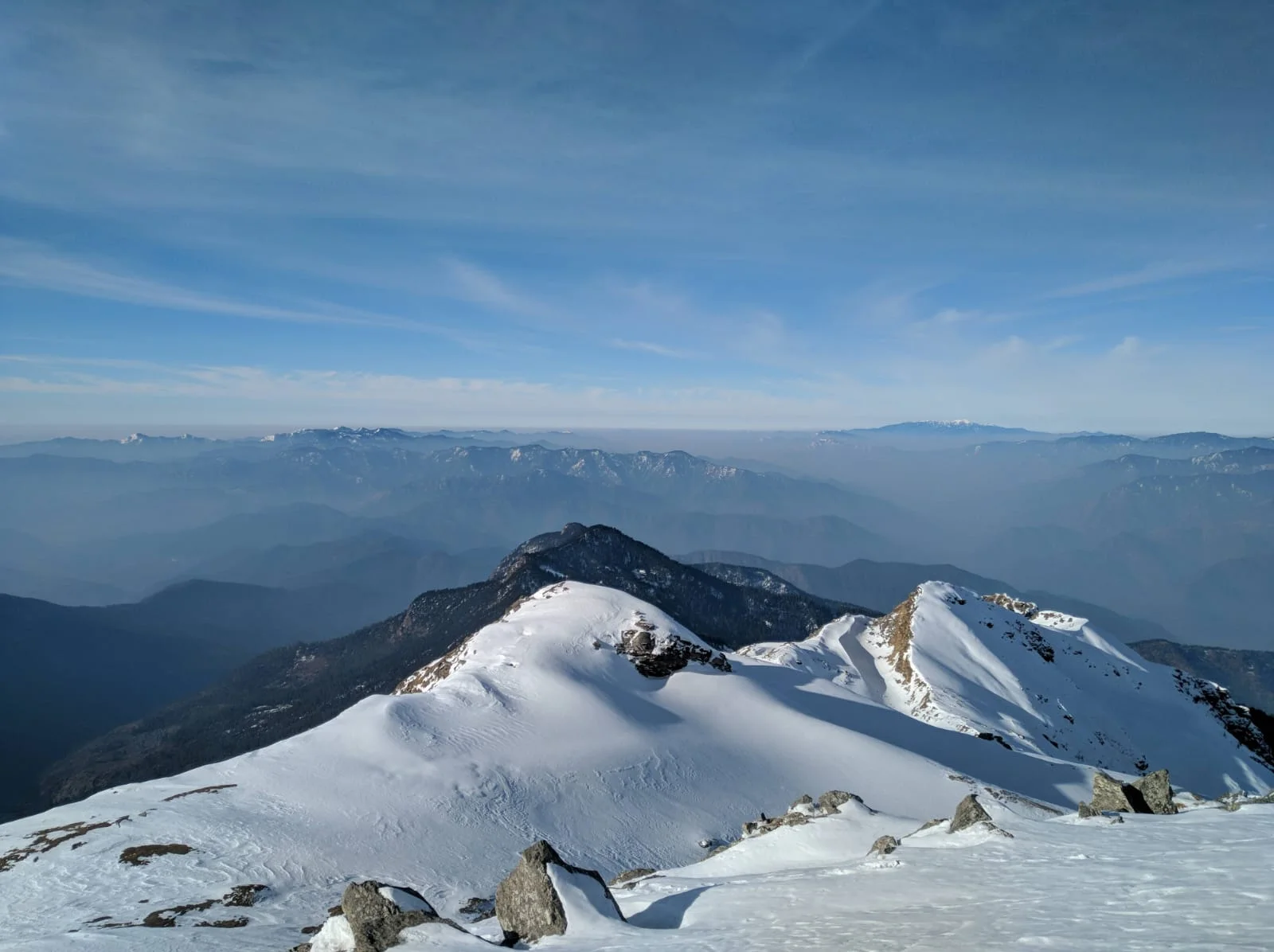
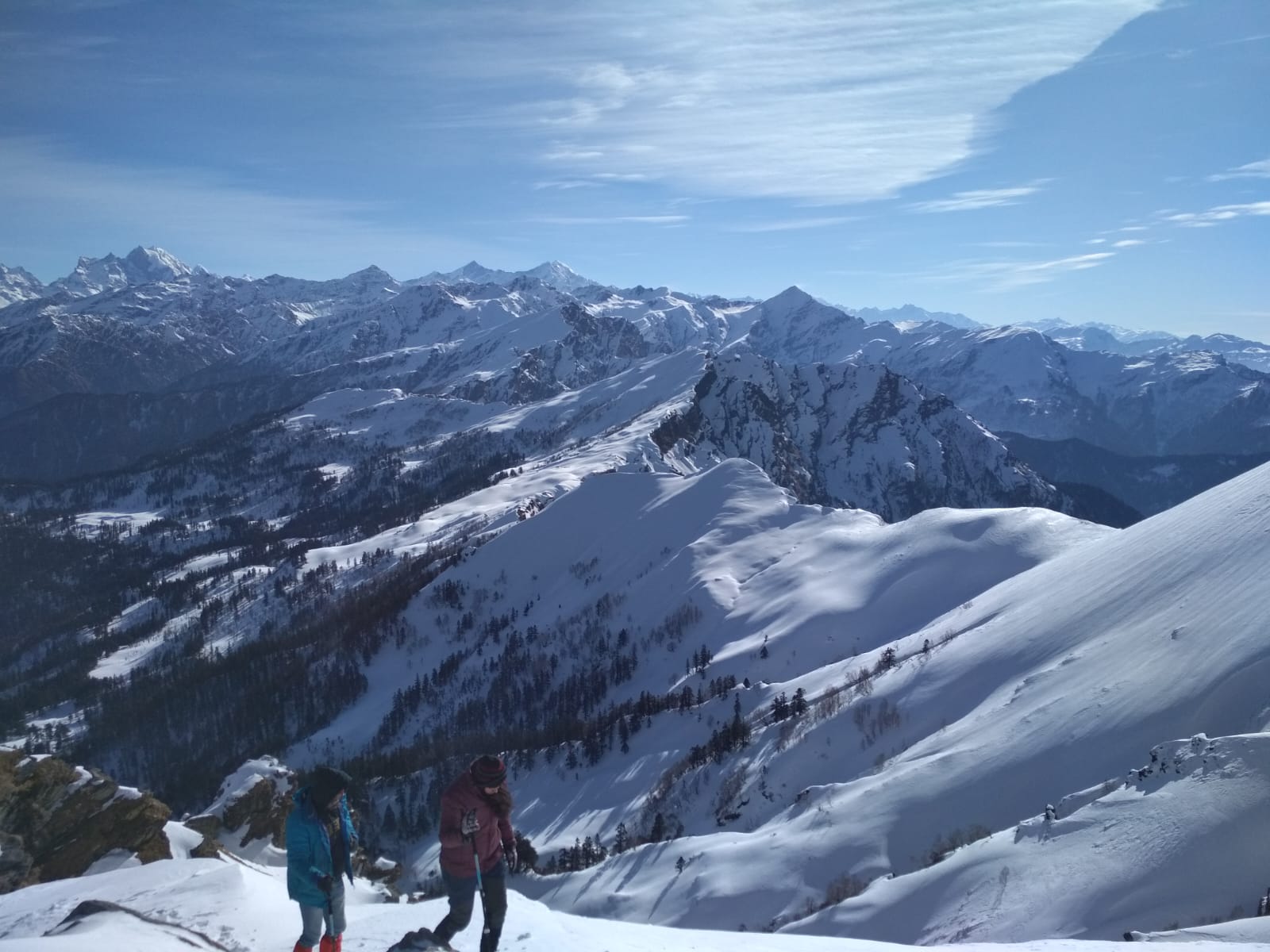
Winter also offers a different visual experience. Snow-covered landscapes create strong contrasts between white slopes, dark forests and blue Himalayan skies. On clear days, distant peaks can appear remarkably sharp.
For international trekkers, this combination of landscape, culture, spirituality and adventure is one of the reasons the Indian Himalayas stand apart from many conventional trekking destinations.
How to Choose Your Winter Trek for 2026–27
There is no single “best” winter trek for everyone.
If this is your first Himalayan snow trek, begin with a route appropriate for your fitness and experience rather than choosing a trek simply because it looks spectacular on social media.
Consider:
- Your previous trekking experience
- Your cardiovascular fitness
- Altitude and elevation gain
- Number of trekking days available
- Expected winter conditions
- Snow experience
- Your tolerance for cold
- Accessibility of the base village
- Availability of experienced local support
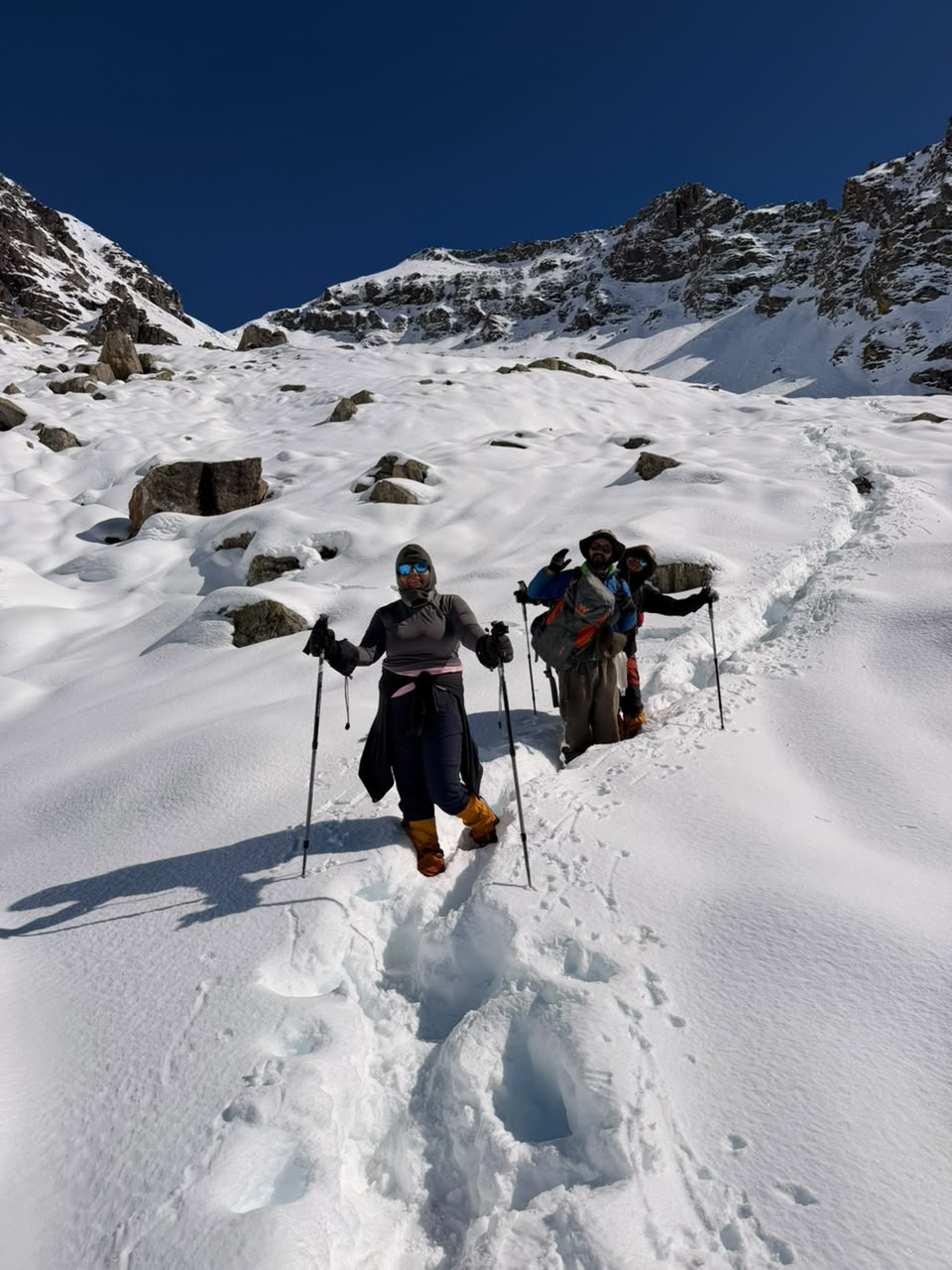
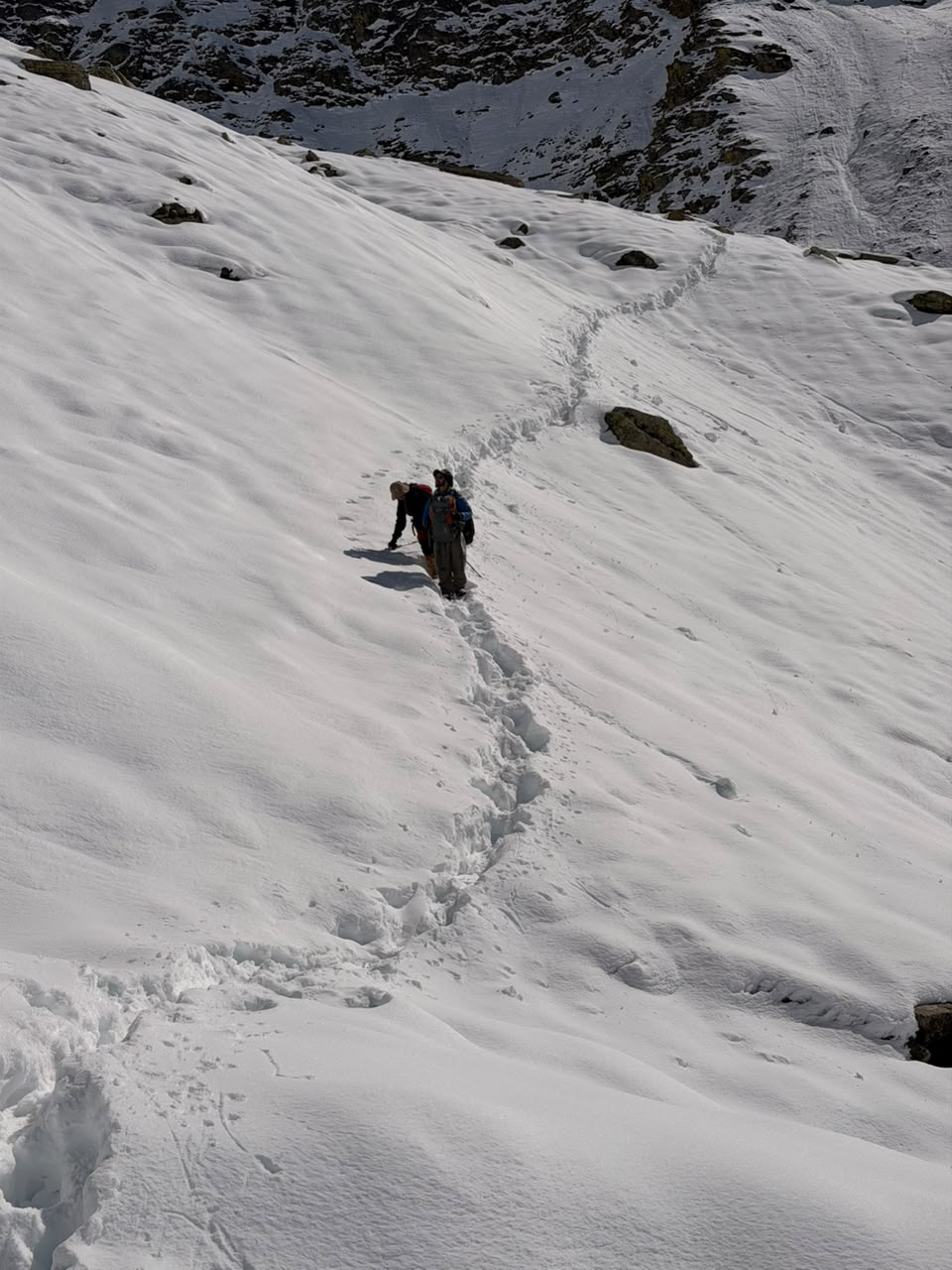
Remember that snow can change the difficulty of a trail. A route that feels comfortable in autumn may require considerably more effort after fresh snowfall.
What to Carry for a Winter Trek
Preparation becomes particularly important during winter.
Your packing list should include proper trekking shoes with good grip, thermal base layers, insulating layers, a warm jacket, waterproof protection, gloves, woollen socks and a warm cap.
Sunglasses and sunscreen are equally important because snow can reflect strong sunlight.
A headlamp, personal medicines, water bottles, trekking poles and essential personal items should also be packed according to the requirements of your route.
Most importantly, do not underestimate nighttime temperatures. The coldest part of a winter trek may come after sunset rather than during the day's walk.
Plan Your Winter Trek with the Right Support
A successful winter adventure is not simply about choosing a beautiful destination. It is about choosing the right route for your ability and travelling with a team that understands the mountains.
A winter trek Thin Air Expedition experience should be built around responsible trekking, proper preparation, experienced support and respect for the Himalayan environment.
For the winter trek 2026-27 season, trekkers should also remember that mountain conditions are never guaranteed. Snowfall, road access and trail conditions can change quickly. Decisions on routes, camps and summit attempts should always be made according to actual conditions on the ground.
The Himalayas reward preparation, patience and respect.
The best winter trek India experience is not necessarily the highest, longest or snowiest one.
It is the trek that matches your experience, fitness and expectations.
Kedarkantha can offer the excitement of a classic snowy summit. Brahmatal brings forests and high-altitude lakes. Dayara Bugyal offers wide-open snowfields. Kuari Pass delivers dramatic mountain views. Chopta–Tungnath–Chandrashila combines spirituality with Himalayan scenery, while Sandakphu and Chadar open the door to completely different winter landscapes.
Whether you are an Indian trekker planning your next mountain escape or an international traveller seeing the Himalayas for the first time, winter offers a powerful reason to step onto the trail.
The mountains are quieter.
The air is sharper.
The landscapes are transformed.
And somewhere between the first step and the final summit, winter trekking becomes more than a journey through snow—it becomes a way of experiencing the Himalayas differently.