Kuari Pass Trek vs Kedarkantha Trek Which Winter Trek Should You Choose
Kuari Pass Trek vs Kedarkantha Trek Which Winter Trek Should You Choose
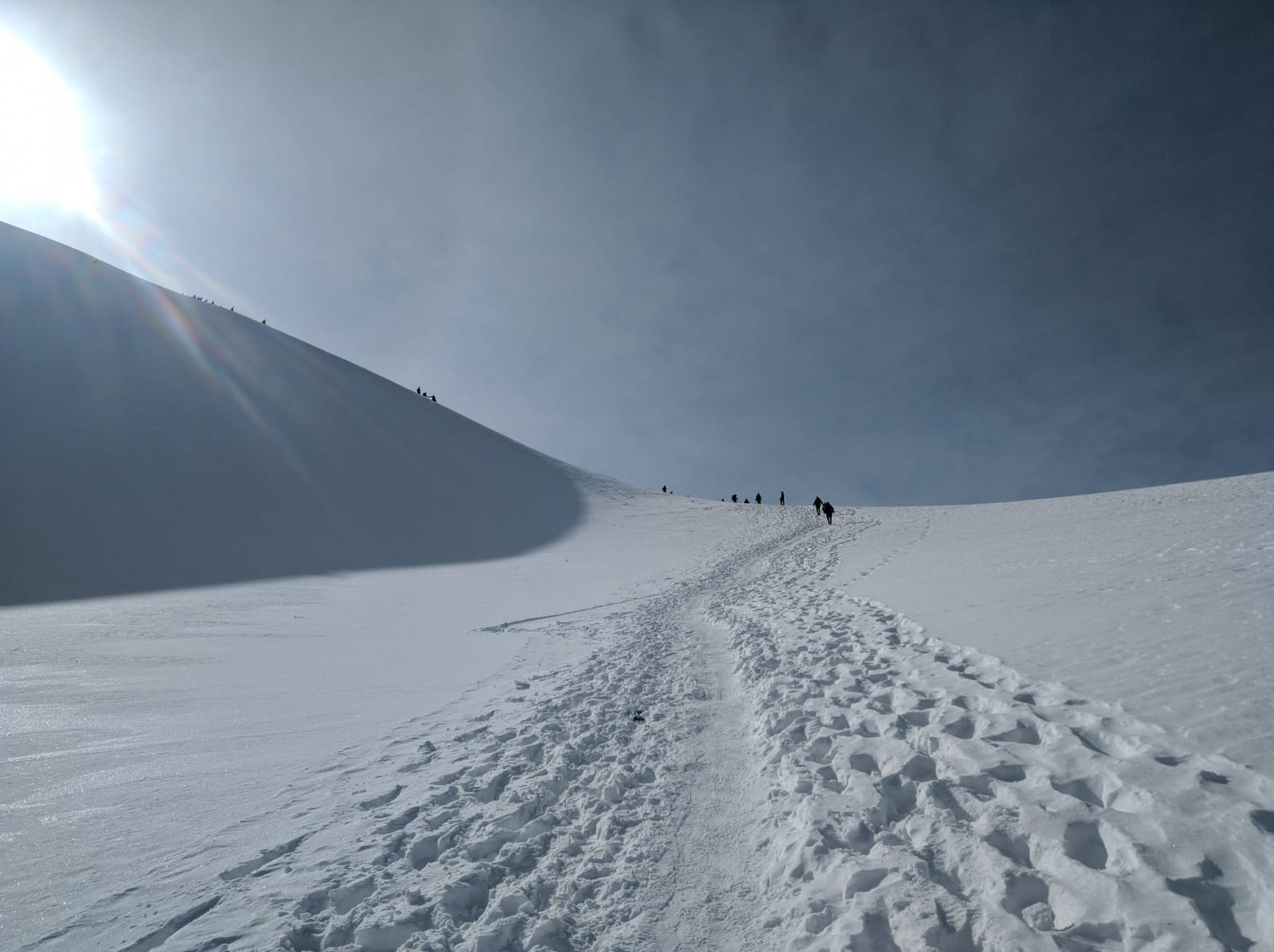
20
Nov

Winter in the Himalayas is an experience that stays with you long after the journey ends. Snow-covered forests, frozen lakes, beautiful alpine meadows, breathtaking mountain views, and peaceful campsites make Uttarakhand one of India's most popular winter trekking destinations. Among the many Himalayan trails, the Kuari Pass Trek and Kedarkantha Trek are two of the most sought-after choices for adventure lovers.
However, when it comes to choosing between the Kuari Pass Trek vs Kedarkantha Trek, many trekkers find themselves confused. Both offer spectacular winter landscapes, memorable camping experiences, and incredible Himalayan views. Yet, the two trails are quite different in terms of terrain, difficulty, trekking experience, and overall adventure.
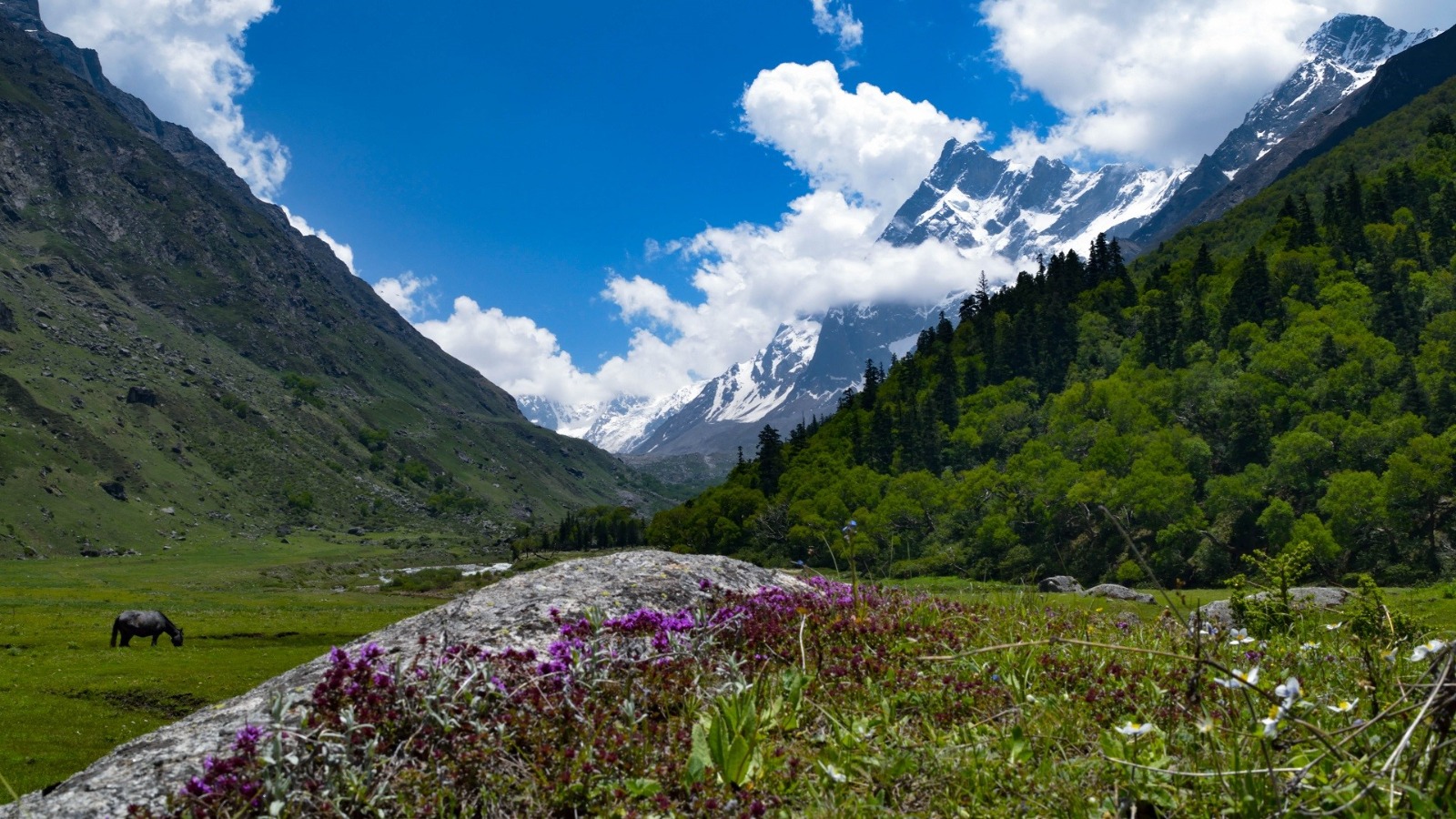
While Kuari Pass is famous for its panoramic views of some of the tallest Himalayan peaks and its beautiful ridge walks, Kedarkantha is particularly popular for its snow-covered forests, frozen Juda Ka Talab, and rewarding summit climb.
So, which winter trek should you choose? Should you experience the magnificent mountain panoramas of Kuari Pass or challenge yourself with the iconic summit of Kedarkantha?
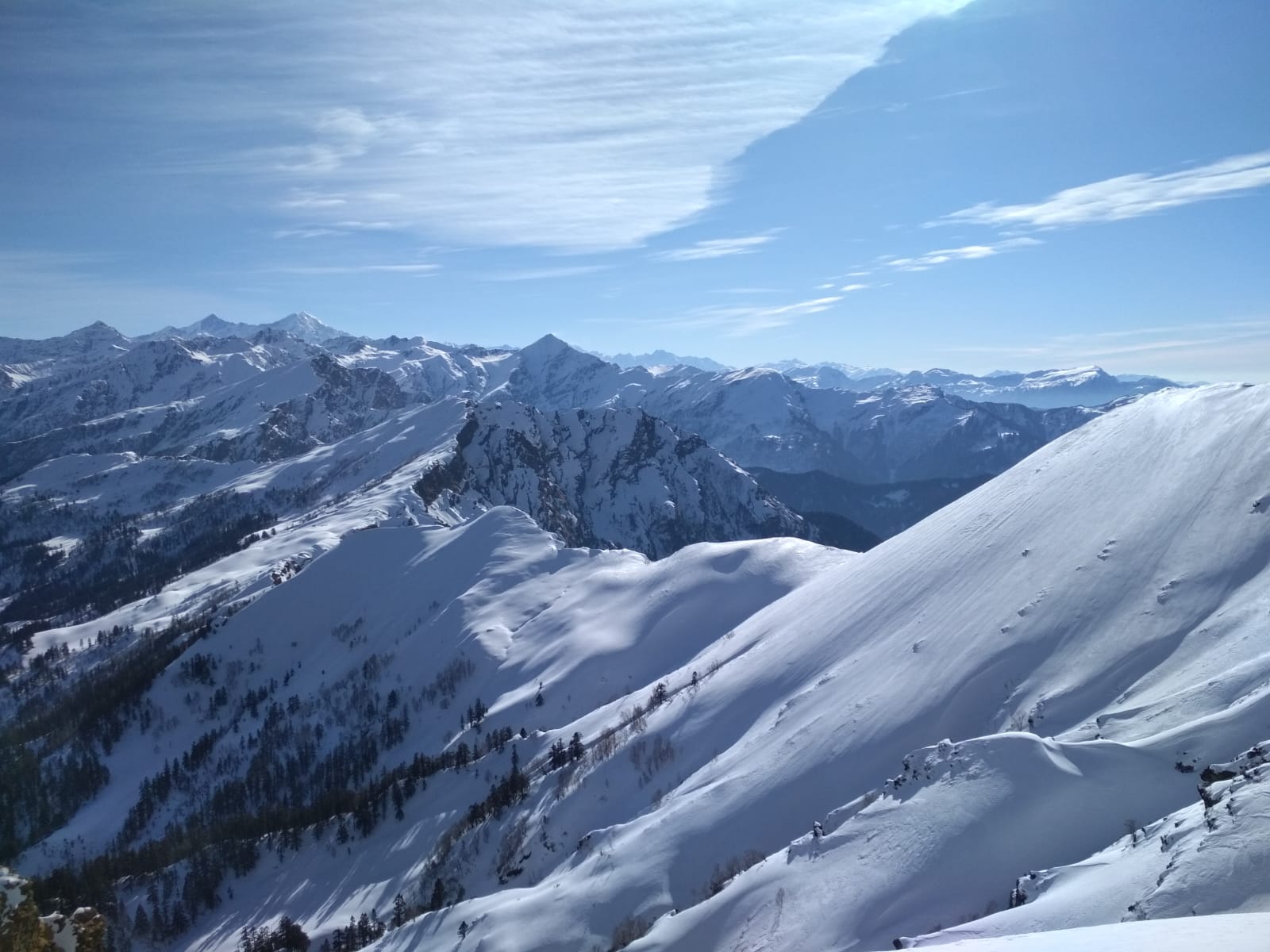
Let's compare both treks in detail to help you make the right decision.
1. Kuari Pass Trek vs Kedarkantha Trek: An Overview
Before choosing your winter adventure, it is important to understand what makes these two treks special.
The Kuari Pass Trek, also known as Lord Curzon's Trail, is located in the Chamoli district of Uttarakhand. It takes trekkers through beautiful oak and rhododendron forests, open alpine meadows, snow-covered ridges, and traditional Himalayan landscapes. The trek reaches approximately 12,516 feet (3,815 metres), offering magnificent views of Nanda Devi, Dronagiri, Kamet, Chaukhamba, and other Himalayan giants.
The Kedarkantha Trek, on the other hand, is located in the Govind Pashu Vihar National Park region of Uttarkashi district. Starting from the picturesque village of Sankri, the trail passes through dense pine forests, snow-covered campsites, and the beautiful Juda Ka Talab before reaching the Kedarkantha summit at approximately 12,500 feet (3,800 metres).
Here is a quick comparison:
|
Trekking details |
Kuari Pass Trek |
Kedarkantha Trek |
|
Location |
Chamoli, Uttarakhand |
Uttarkashi, Uttarakhand |
|
Maximum altitude |
12,516 ft |
12,500 ft |
|
Difficulty |
Moderate |
Easy to Moderate |
|
Duration |
5–6 days (typical) |
5–6 days (typical) |
|
Starting point |
Dhak/Tugasi region |
Sankri |
|
Famous for |
Himalayan mountain views |
Snow-covered forests and summit |
|
Winter experience |
Snowy meadows and ridges |
Snowy forests and campsites |
|
Ideal season |
December–February for winter conditions |
December–April for winter conditions |
|
Best suited for |
Fit beginners and experienced trekkers |
Beginners and first-time trekkers |
Actual trekking distances, itineraries, and trail conditions depend on the operator and weather.
2. Landscape and Scenic Beauty: Which Trek Offers Better Views?
When comparing the scenic beauty of Kuari Pass and Kedarkantha, both trails offer completely different experiences.
Kuari Pass Trek: A Paradise for Himalayan Mountain Views
If you love watching enormous Himalayan peaks rising above snow-covered landscapes, Kuari Pass should be high on your list.
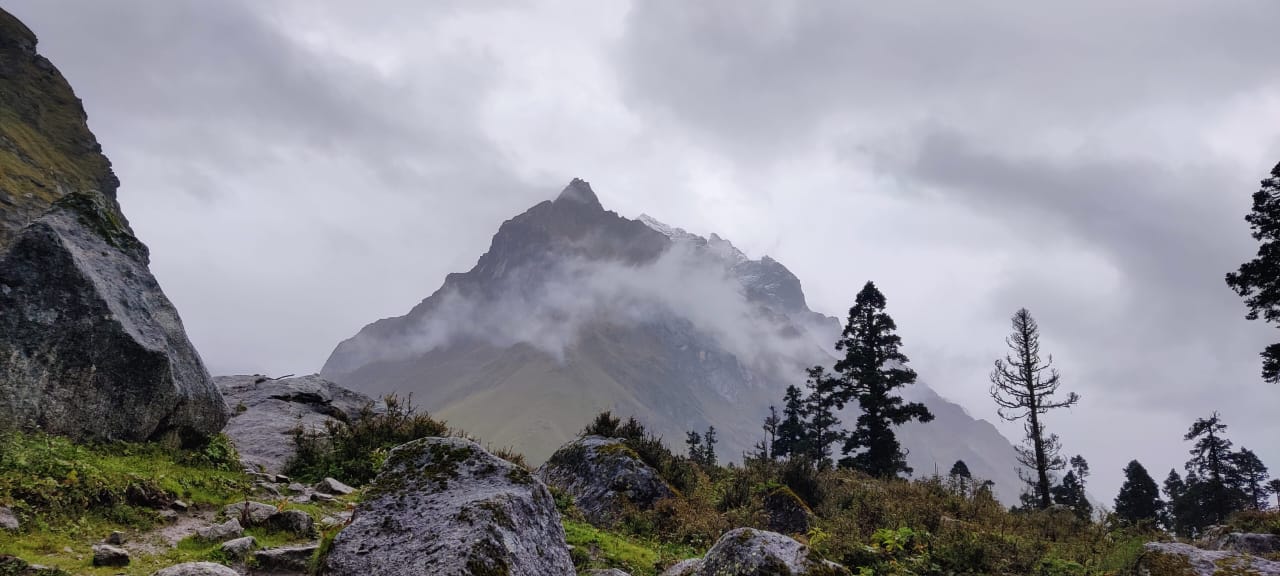
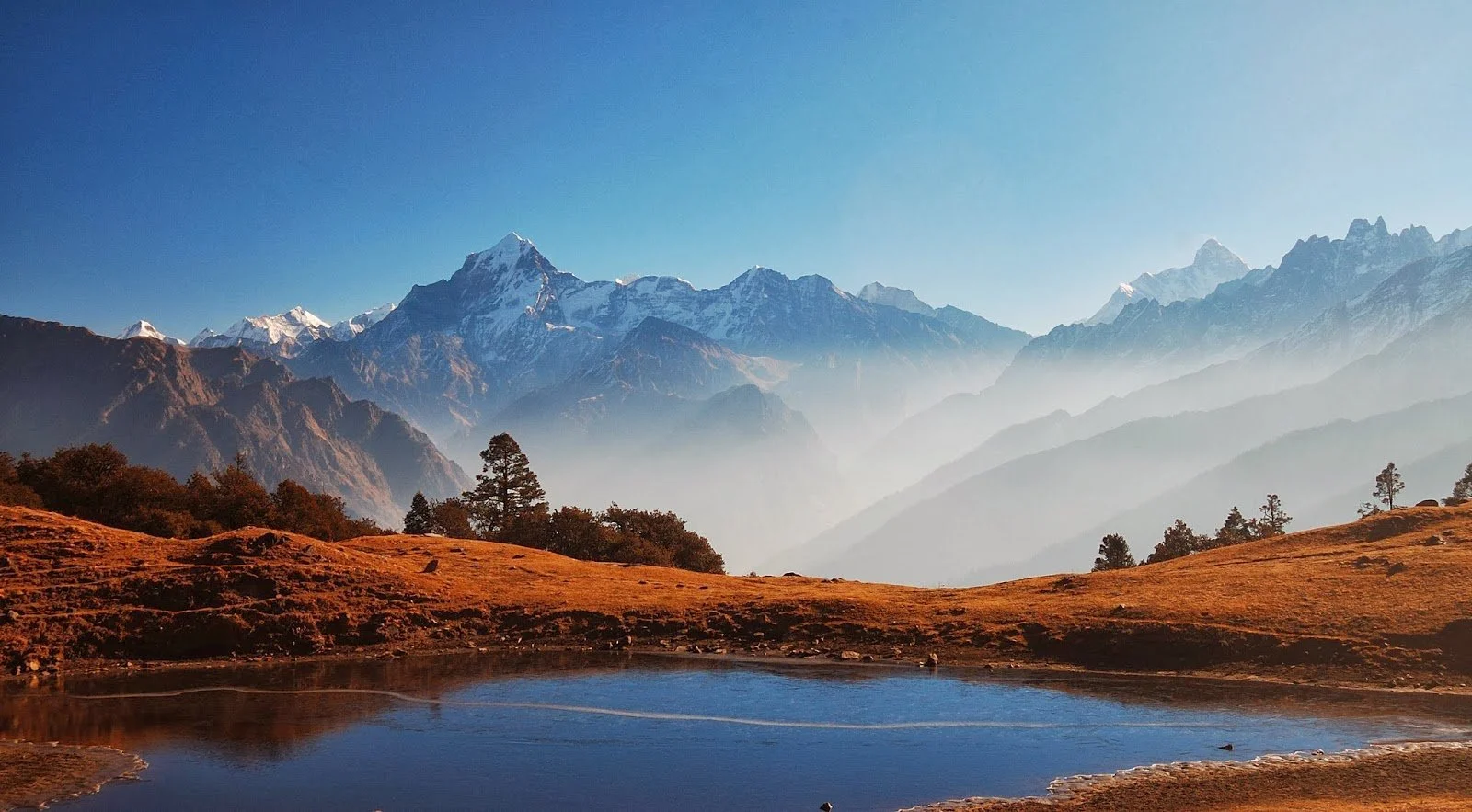
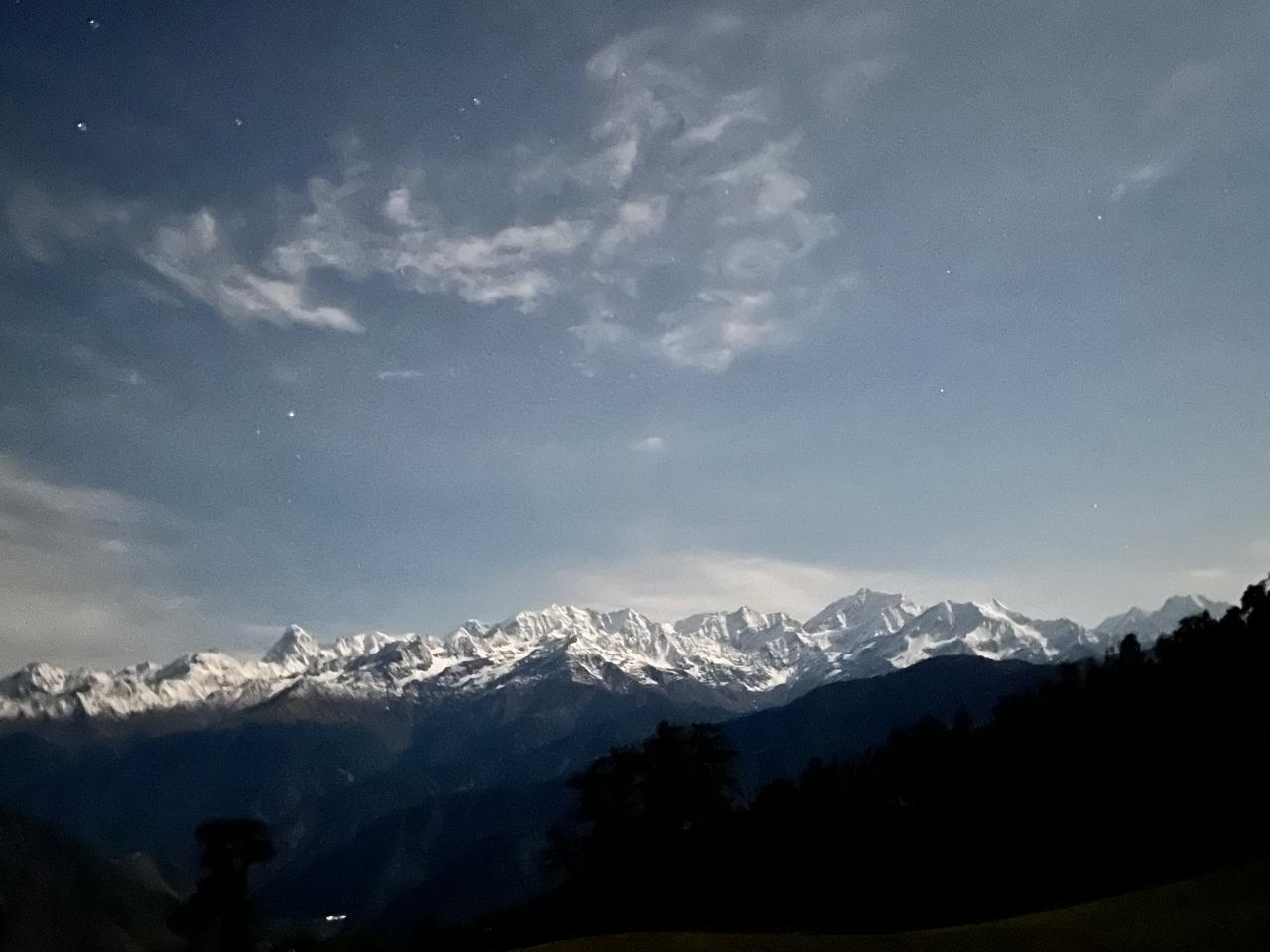
The trail is particularly famous for its spectacular mountain panoramas. As you climb higher, the forest gradually opens into beautiful alpine meadows and expansive ridgelines. On clear days, trekkers can witness magnificent views of Nanda Devi, Dronagiri, Kamet, Chaukhamba, and Neelkanth.
One of the biggest highlights of the Kuari Pass winter trek is walking through snow-covered meadows with uninterrupted mountain views. The changing landscapes, peaceful forest sections, and open mountain ridges make the journey incredibly rewarding.
The trek is also known for its association with Lord Curzon, adding historical significance to an already beautiful Himalayan adventure.
Kedarkantha Trek: A Magical Snow Wonderland
Kedarkantha offers a different kind of Himalayan beauty. Instead of focusing primarily on expansive mountain ridges, the trek takes you through enchanting forests, peaceful lakes, and snow-covered campsites.
The journey begins in Sankri, a charming Himalayan village surrounded by beautiful mountains. As you move towards Juda Ka Talab, the landscape transforms into a winter wonderland, with pine and oak trees covered in snow.
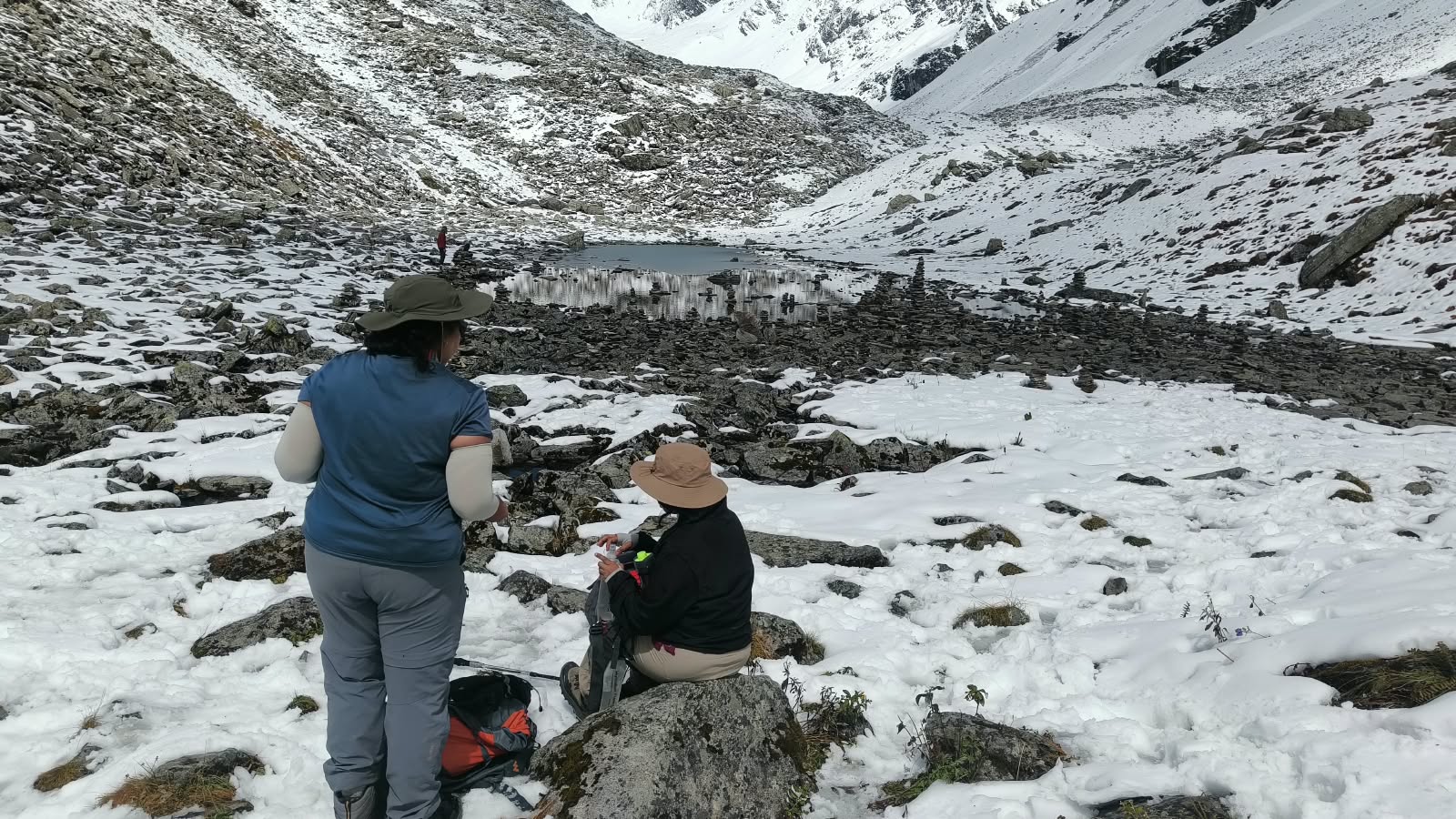
Juda Ka Talab is one of the most beautiful attractions along the trail. During winter, the lake can freeze, creating a magical atmosphere.
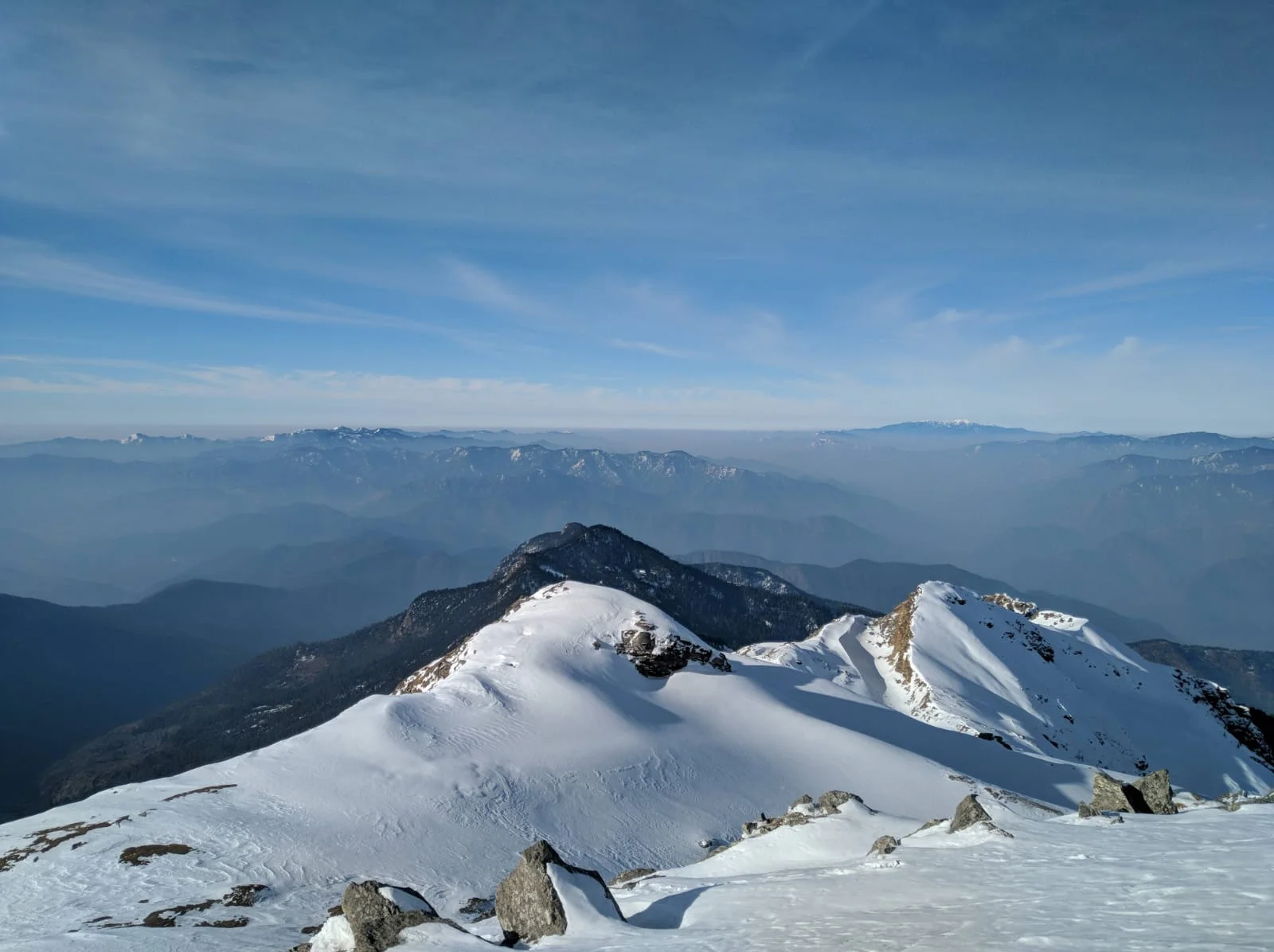
The biggest visual reward comes from the summit. From the top of Kedarkantha, trekkers can enjoy panoramic views of surrounding Himalayan peaks, including Swargarohini, Bandarpoonch, and Kala Nag.
Our verdict: Choose Kuari Pass if you prioritise grand Himalayan mountain views and open landscapes. Choose Kedarkantha if you prefer snow-covered forests, beautiful campsites, frozen lakes, and a classic summit experience.
3. Snowfall Experience: Kuari Pass or Kedarkantha for Snow?
For many people, winter trekking is all about experiencing fresh snowfall and walking through white landscapes.
Both treks offer wonderful opportunities to experience snow, but the actual snowfall depends on weather conditions and the timing of your trip.
Snow Experience on Kuari Pass
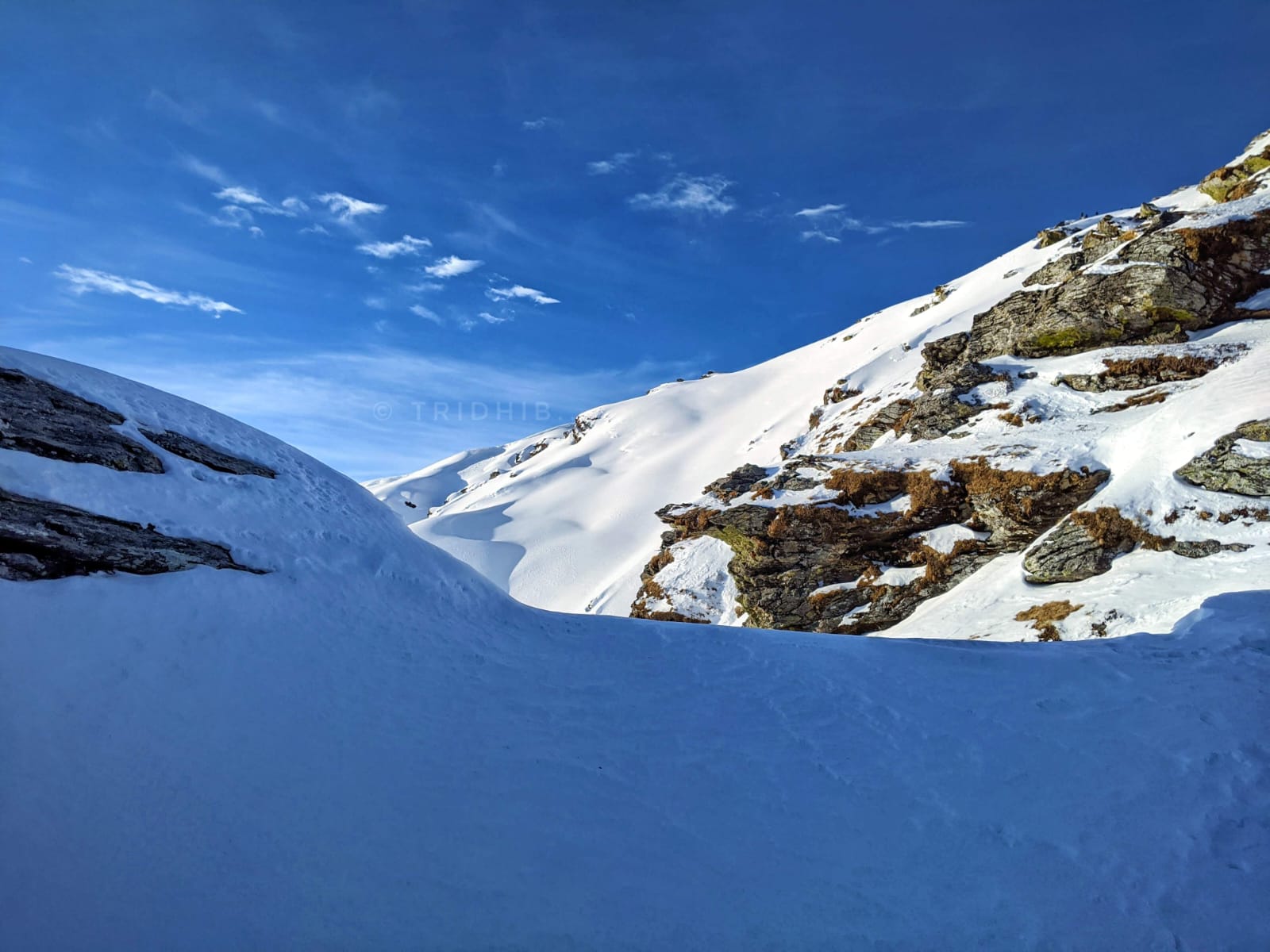
The Kuari Pass trail becomes especially beautiful during the winter months. Snow-covered meadows, white forest trails, and high-altitude ridges create a spectacular setting.
January and February are generally popular months for experiencing winter conditions. However, snowfall is never guaranteed on specific travel dates.
The open meadows are particularly attractive for photography, allowing trekkers to capture vast white landscapes against the backdrop of Himalayan peaks.
Snow Experience on Kedarkantha
Kedarkantha is widely recognised as one of the classic winter treks in Uttarakhand. Its snow-covered forest trails, frozen lake surroundings, and beautiful campsites make it a favourite among people looking for their first Himalayan snow experience.
December to February is particularly popular for winter trekking, although snow conditions vary every year.
The experience of walking through snow-covered pine forests and camping beneath a clear winter sky is one of the biggest reasons behind Kedarkantha's popularity.
Our verdict: If your main goal is to experience snowy forests, campsites, and a classic winter trekking atmosphere, Kedarkantha is an excellent choice. If you prefer open snowfields and panoramic Himalayan landscapes, Kuari Pass may be more rewarding.
4. Difficulty Level: Which Trek Is Better for Beginners?
Difficulty is an important consideration, especially if you are planning your first winter trek.
Kuari Pass Trek Difficulty
Kuari Pass is generally graded moderate. The route involves gradual ascents, forest trails, uneven mountain paths, and longer trekking sections.
Although it does not involve technical mountaineering, winter conditions can make certain sections more demanding. Snow-covered slopes, cold temperatures, and changing weather require good physical fitness and preparation.
The pass-crossing section can involve a longer trekking day, so beginners should prepare with regular walking, stair climbing, and cardiovascular exercises.
Kedarkantha Trek Difficulty
Kedarkantha is generally considered an easy-to-moderate winter trek and is a popular choice for beginners.
The trail includes gradual climbs through forests, campsite sections, and a challenging summit day. The final ascent is particularly steep in places and requires stamina, balance, and careful movement over snow.
Even though Kedarkantha is beginner-friendly, it should not be considered an effortless walk. Winter conditions, altitude, and cold weather can make the trek physically demanding.
Our verdict: Kedarkantha is usually the better option for first-time winter trekkers. Kuari Pass is more suitable for people who are comfortable with longer walking days and want a moderately demanding Himalayan adventure.
5. Trekking Route and Overall Experience
The route plays a major role in determining how memorable your trekking experience will be.
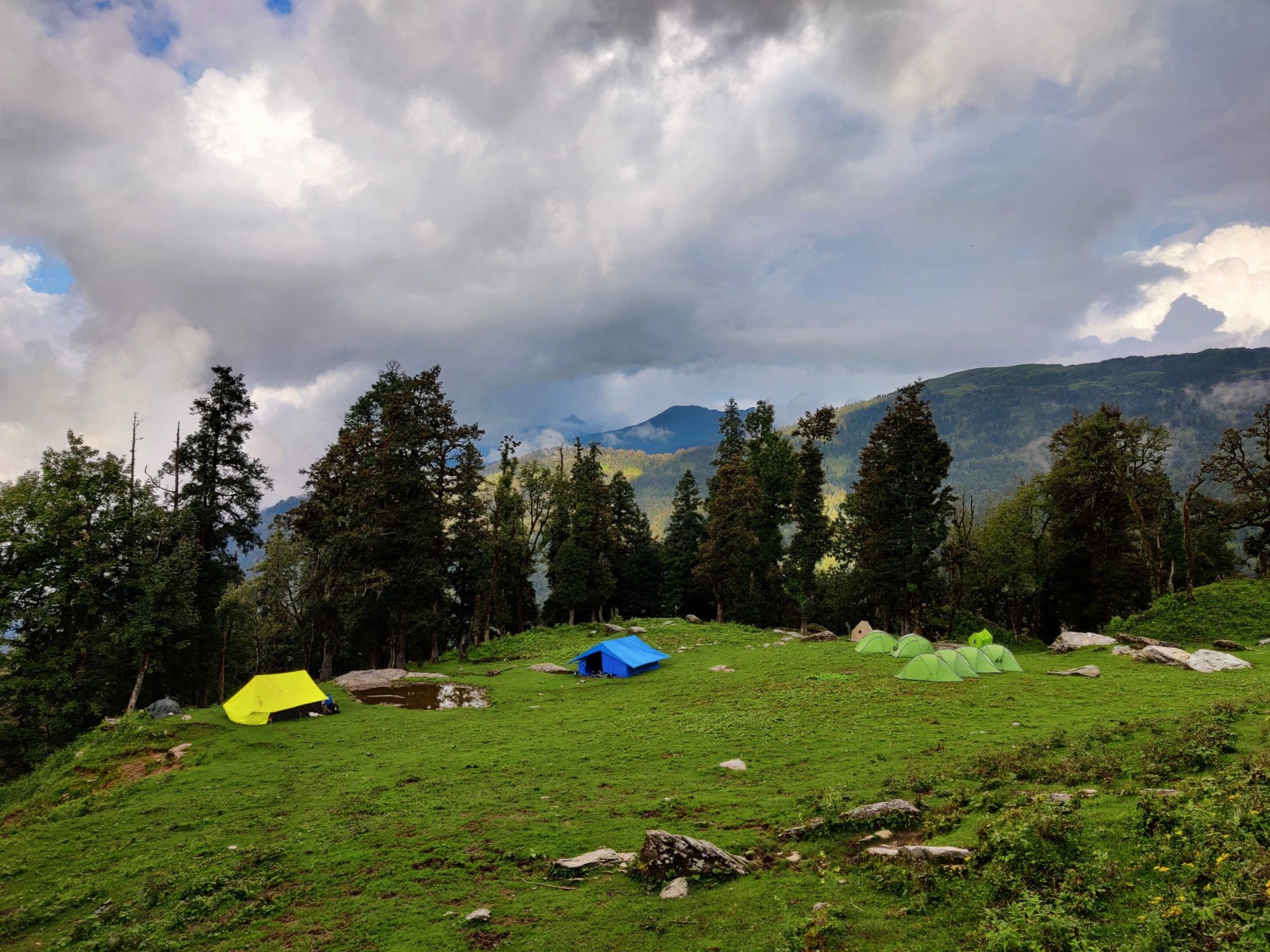
The Kuari Pass Trek generally begins from the Dhak or Tugasi region, depending on the itinerary. The trail takes you through beautiful mountain villages, dense forests, and alpine meadows before reaching campsites such as Gulling, Tali, or Khullara. The pass-crossing day is one of the major highlights, followed by a scenic descent.
Kedarkantha begins from Sankri, a beautiful village that serves as the gateway to several Himalayan treks. From here, the trail moves towards Juda Ka Talab, followed by Kedarkantha Base Camp. Trekkers then start early for the summit climb before descending towards Hargaon and returning to Sankri.
The difference is in the overall journey. Kuari Pass is more about exploring changing landscapes and enjoying continuous mountain panoramas, while Kedarkantha revolves around the excitement of reaching a beautiful Himalayan summit.
6. Best Time to Visit: Kuari Pass vs Kedarkantha in Winter
Choosing the right month can significantly improve your trekking experience.
For Kuari Pass, December to February is a popular winter window. December can offer the beginning of the winter landscape, while January and February may bring more established snow conditions, depending on the season.
For Kedarkantha, December to April is a popular trekking period. January and February are particularly attractive to people looking for a traditional snow trekking experience.
March and April bring changing conditions, with snow gradually retreating from lower sections and spring landscapes becoming more visible.
If you are planning a Kuari Pass or Kedarkantha trek in December, remember that snowfall cannot be guaranteed. Weather forecasts, trail conditions, and local safety assessments should always guide your final decision.
7. Cost and Budget: Which Winter Trek Is More Affordable?
The total cost of either trek depends on the trekking operator, group size, transport arrangements, accommodation, meals, equipment, and inclusions.
Both treks can be planned within a similar broad budget range, but prices vary considerably between operators and departure dates.
When comparing packages, do not focus only on the advertised price. Check whether the package includes transportation, accommodation before and after the trek, meals, experienced trek leaders, permits, camping equipment, and safety arrangements.
A slightly more expensive package may offer better value if it includes proper equipment, experienced guides, and reliable emergency support.
Ultimately, the better choice is the trek that matches your interests, fitness, available time, and budget.
8. Kuari Pass vs Kedarkantha: Which Winter Trek Should You Choose?
Now comes the most important question: which trek deserves a place on your winter adventure list?
Choose the Kuari Pass Trek if you are fascinated by dramatic Himalayan panoramas, expansive alpine meadows, beautiful ridgelines, and scenic mountain landscapes. It is an excellent option for trekkers who want a more immersive journey through the Garhwal Himalayas and enjoy spending time surrounded by towering mountain peaks.
Choose the Kedarkantha Trek if you are a beginner looking for your first winter trekking experience. Its snow-covered pine forests, beautiful Juda Ka Talab, picturesque campsites, and rewarding summit climb make it an unforgettable introduction to Himalayan trekking.
If you have limited trekking experience and want a popular winter adventure, Kedarkantha is generally the more approachable option.
However, if you have reasonable fitness and want to experience some of the most beautiful mountain panoramas in Uttarakhand, Kuari Pass deserves your attention.
There is no absolute winner in the Kuari Pass Trek vs Kedarkantha Trek comparison. Both are incredible Himalayan adventures, and the right choice depends on the kind of experience you want.
9. Essential Tips for Winter Trekking in Uttarakhand
Winter trekking requires preparation, particularly when temperatures drop below freezing at higher campsites.
Before heading towards either destination, spend time improving your cardiovascular fitness and leg strength. Regular walking, jogging, stair climbing, and endurance exercises can help prepare your body for consecutive trekking days.
Invest in good-quality thermal wear, waterproof trekking shoes, warm gloves, woollen socks, and layered winter clothing. Sunglasses, sunscreen, a water bottle, and a comfortable backpack are also important.
Most importantly, never underestimate altitude or changing weather conditions. Follow your trek leader's instructions, maintain a comfortable walking pace, stay hydrated, and report symptoms of altitude sickness immediately.
Always choose a responsible trekking operator that prioritises safety over summit targets.
Frequently Asked Questions (FAQs)
1. Which is better, Kuari Pass or Kedarkantha Trek?
Both treks offer unique winter experiences. Kedarkantha is generally better for beginners who want snowy forests, beautiful campsites, and a summit climb. Kuari Pass is ideal for trekkers who prefer expansive Himalayan mountain views, alpine meadows, and scenic ridges.
2. Which trek is easier, Kuari Pass or Kedarkantha?
Kedarkantha is generally considered easier and more beginner-friendly. Kuari Pass is graded moderate and may involve longer walking days and more demanding sections, particularly in winter.
3. Which trek offers more snow, Kuari Pass or Kedarkantha?
Both treks can offer excellent snow experiences during winter. Kedarkantha is particularly famous for snow-covered forests and campsites, while Kuari Pass offers beautiful snowy meadows and mountain ridges. Actual snow conditions depend on the weather and travel dates.
4. Is Kuari Pass Trek suitable for beginners?
Yes, Kuari Pass can be suitable for fit beginners who have prepared physically and are comfortable with moderate trekking challenges. Winter conditions can increase the difficulty, so proper preparation and experienced guidance are important.
5. Is Kedarkantha good for a first winter trek?
Yes. Kedarkantha is one of the popular choices for first-time winter trekkers because of its manageable itinerary, scenic campsites, and rewarding summit experience. Beginners should still prepare for steep sections, cold temperatures, and high-altitude conditions.
6. Can I do the Kedarkantha Trek in December?
Yes. December is a popular month for Kedarkantha trekking. However, snowfall and trail conditions vary each year, so it is important to check current weather and local trekking updates before departure.
7. What is the maximum altitude of Kuari Pass and Kedarkantha?
Kuari Pass reaches approximately 12,516 feet (3,815 metres), while Kedarkantha summit is approximately 12,500 feet (3,800 metres) above sea level.
8. Which trek is better for photography?
Kuari Pass is particularly rewarding for mountain landscape photography because of its expansive views of Himalayan peaks and open meadows. Kedarkantha is excellent for capturing snowy forests, frozen lake surroundings, winter campsites, and summit panoramas.
Why Choose Thin Air Expedition for Your Winter Trek?
Choosing the right trekking route is only one part of planning a memorable Himalayan adventure. The trekking company you travel with also plays an important role in shaping your overall experience.
At Thin Air Expedition, the aim is to make every mountain journey meaningful, enjoyable, and memorable. Whether you are interested in the spectacular mountain panoramas of the Kuari Pass Trek or the magical snow-covered trails of the Kedarkantha Trek, choosing the right itinerary and trekking support can make a significant difference.
A good trekking experience should go beyond simply reaching the summit. It should include thoughtful planning, responsible mountain travel, knowledgeable guidance, suitable camping arrangements, and attention to trekker safety.
Thin Air Expedition aims to help adventure enthusiasts explore the Himalayas while appreciating the natural beauty, local culture, and unique experiences of the mountains.
Whether you are a first-time trekker planning your first winter adventure or an experienced mountain lover looking for another Himalayan experience, you can explore the trekking options available with Thin Air Expedition and select a journey that matches your fitness, interests, and expectations.
The mountains are calling, and your next adventure could be waiting on the snowy trails of Kuari Pass or Kedarkantha.
Explore the Himalayas with Thin Air Expedition and make your next winter trekking experience unforgettable!