Nag Tibba Trek 2 Day Weekend Trek from Dehradun Itinerary Cost Best Time Complete Travel Guide
Nag Tibba Trek 2 Day Weekend Trek from Dehradun Itinerary Cost Best Time Complete Travel Guide
20
Nov

Looking for a quick Himalayan escape without taking a week off from work? The Nag Tibba Trek is one of the best weekend trekking experiences in Uttarakhand, offering beautiful mountain views, dense forests, peaceful camping spots, and an exciting summit climb in just two days. Located in the Tehri Garhwal region of Uttarakhand, Nag Tibba is an excellent choice for adventure enthusiasts who want to experience the Himalayas without committing to a long trekking expedition.
Popularly known as the Serpent's Peak, Nag Tibba stands at approximately 9,915 feet (3,022 metres) above sea level and is the highest peak of the Nag Tibba range. Its relatively short duration, accessible starting point, and beginner-friendly trail have made it a favourite among college students, working professionals, families, and first-time trekkers.
One of the biggest advantages of the Nag Tibba weekend trek from Dehradun is that you can complete the entire adventure in two days. You begin with a scenic drive from Dehradun to Pantwari village, trek through beautiful oak and rhododendron forests, spend a night camping in the mountains, and climb to the summit the following morning.
Whether you want to experience snowfall in winter, enjoy the colourful rhododendron forests in spring, or escape the city for a peaceful weekend, Nag Tibba offers something special in every suitable season.
In this detailed guide, we will cover the Nag Tibba Trek itinerary, distance, difficulty level, best time to visit, estimated trekking cost, transportation options, and everything you need to know before planning your weekend adventure.
About Nag Tibba Trek: Why Is It Perfect for a Weekend?
Nag Tibba is situated in the Jaunpur region of Tehri Garhwal district, Uttarakhand. The name combines two local words: Nag, referring to a serpent deity, and Tibba, meaning hill or peak. The summit is associated with the local worship of Nag Devta, making the mountain culturally significant for nearby villages.
The trek is particularly popular because it offers a genuine Himalayan summit experience within a short duration. Unlike longer Himalayan expeditions that require five to eight days, the traditional Pantwari route can be completed in approximately two days and one night.
The journey begins from Pantwari village, which is around 90–100 km from Dehradun by road, depending on the route. From there, trekkers follow a mountain trail through terraced fields, forest sections, and open clearings before reaching the campsite below the summit.
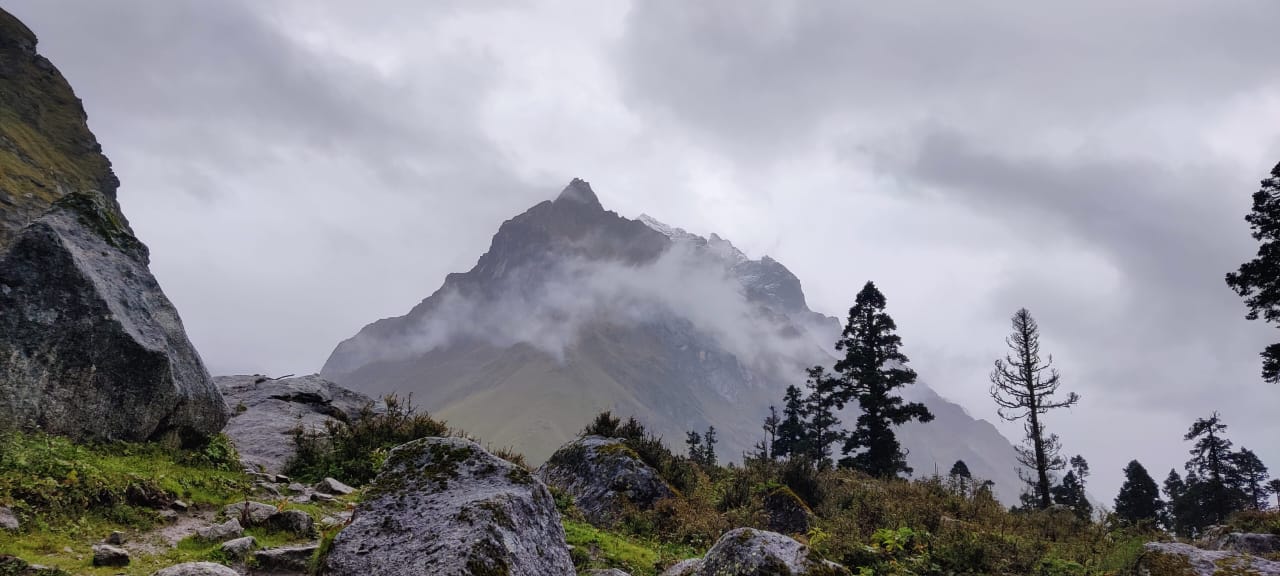
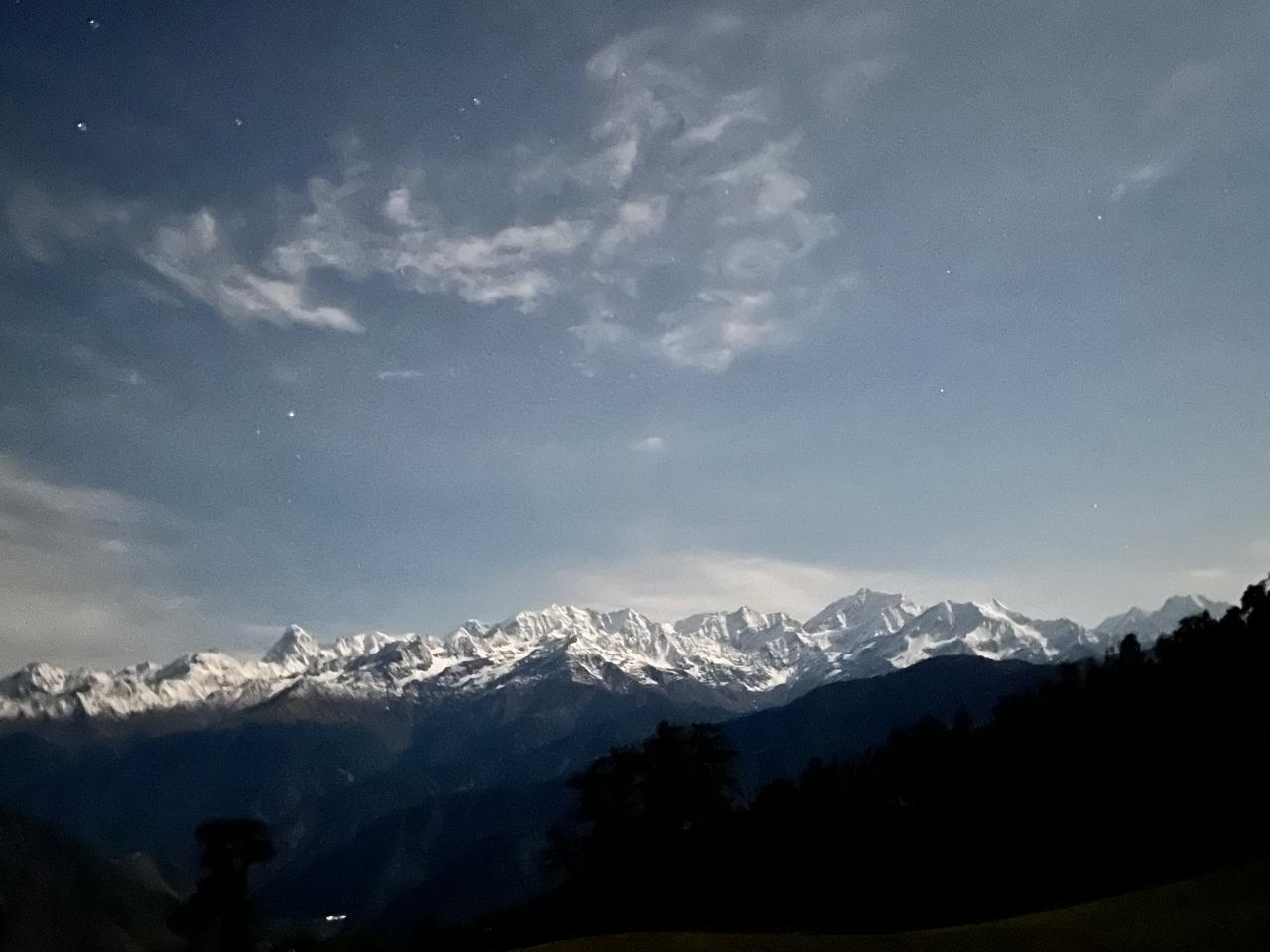
The biggest attraction is the summit panorama. On a clear day, you can enjoy beautiful views of Bandarpoonch, Swargarohini, Kala Nag, Srikanth, and the Gangotri mountain group. The surrounding valleys and forest-covered ridges add to the beauty of the landscape.
For anyone searching for a 2-day Himalayan trek from Dehradun, Nag Tibba is an excellent option because it combines adventure, nature, camping, and mountain views without requiring an extended holiday.
Nag Tibba Trek Overview: Distance, Altitude and Difficulty
The Nag Tibba Trek is generally graded easy to moderate. It is suitable for beginners with reasonable fitness, although the summit day requires stamina because of the continuous ascent and descent.
The summit reaches approximately 9,915 feet, while the campsite is situated lower on the mountain. The total trekking distance on the popular Pantwari route is approximately 16–18 km, depending on the campsite, trail conditions, and return route.
The first day involves a steady uphill walk through forests and village landscapes. The second day is more demanding because trekkers climb towards the summit before descending to Pantwari. Therefore, even though Nag Tibba is considered a beginner-friendly trek, basic physical preparation is important.
The trail does not generally involve technical mountaineering skills. However, snow, rain, slippery surfaces, and changing mountain weather can increase the difficulty. During winter, proper footwear and warm clothing become especially important.
Nag Tibba Trek Itinerary: 2 Days from Dehradun
The two-day Nag Tibba itinerary is designed for people who want to experience the Himalayas over a weekend. The most popular route starts from Pantwari village and includes one night of camping.
Day 1: Dehradun to Pantwari – Trek to Nag Tibba Base Camp
The adventure begins early in the morning in Dehradun. Trekkers generally assemble at a designated pickup location, such as Dehradun Railway Station, depending on the trekking operator's arrangements.
After meeting the trek leader and fellow participants, you begin the road journey towards Pantwari village. The drive covers approximately 90–100 km and usually takes around 3–4.5 hours, depending on traffic, road conditions, and weather.
The route passes through the beautiful hill town of Mussoorie and the surrounding mountain landscapes. As the vehicle climbs higher, the scenery gradually changes from busy urban surroundings to peaceful Himalayan roads. You will encounter forested slopes, small mountain settlements, and beautiful valley views along the way.
After reaching Pantwari, you can have lunch, organise your trekking equipment, and attend a short briefing before starting the trek.
The trekking trail initially passes through the village and terraced agricultural fields. As you leave the settlement behind, the landscape gradually changes into forest terrain. The trail moves through oak, rhododendron, and other Himalayan vegetation, offering a pleasant combination of shaded paths and open clearings.
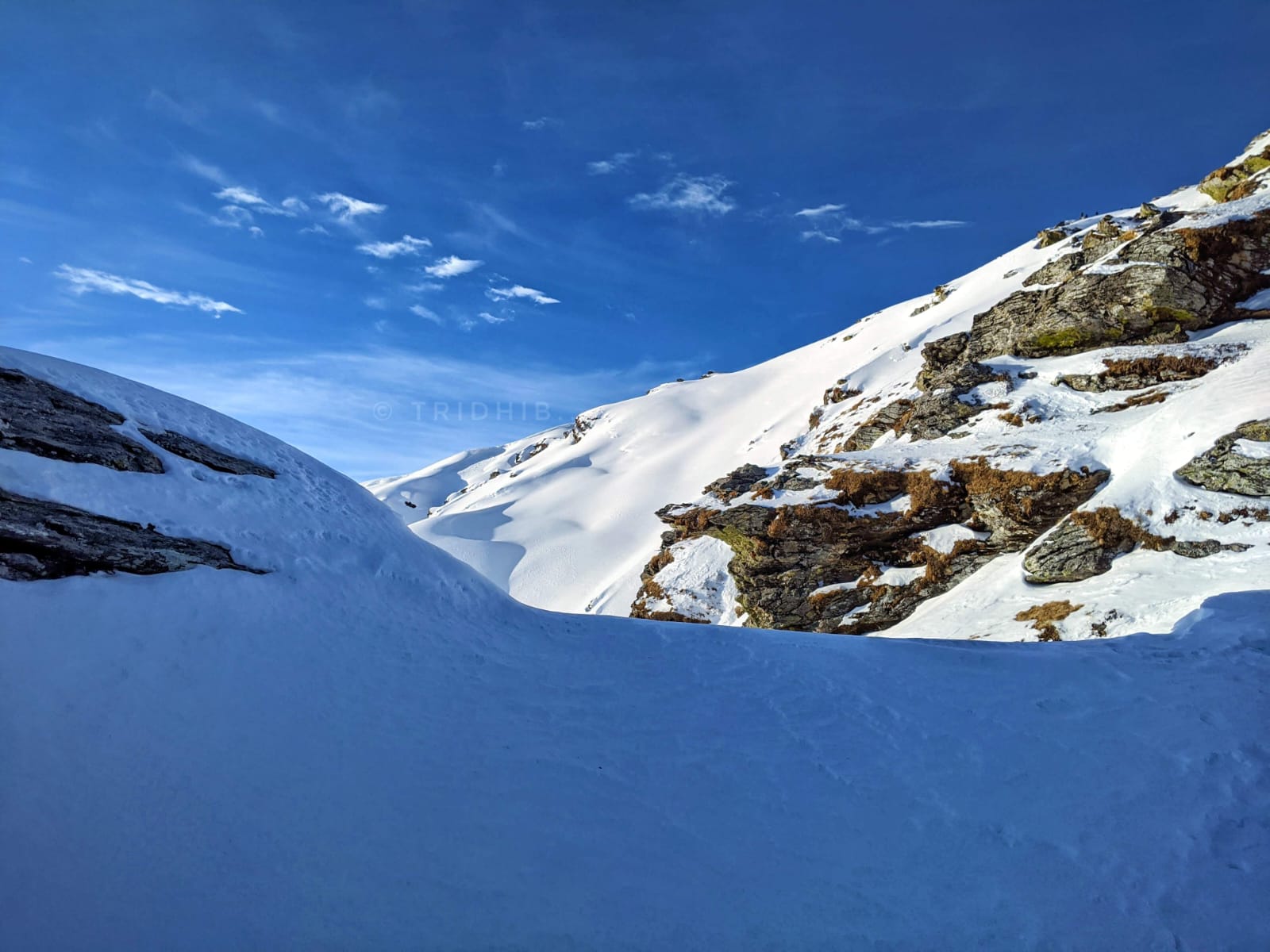
During spring, rhododendron flowers add beautiful colours to the forest. In winter, the upper sections may be covered in snow, transforming the surroundings into a white Himalayan landscape.
The climb is gradual in several sections, although some stretches can feel challenging, particularly for first-time trekkers. You will get opportunities to take short breaks, enjoy the surrounding views, and capture photographs.
Depending on the itinerary, campsite, and walking pace, the trek generally takes around 4–6 hours. The traditional route may use Khatian or another designated camping area below the summit.
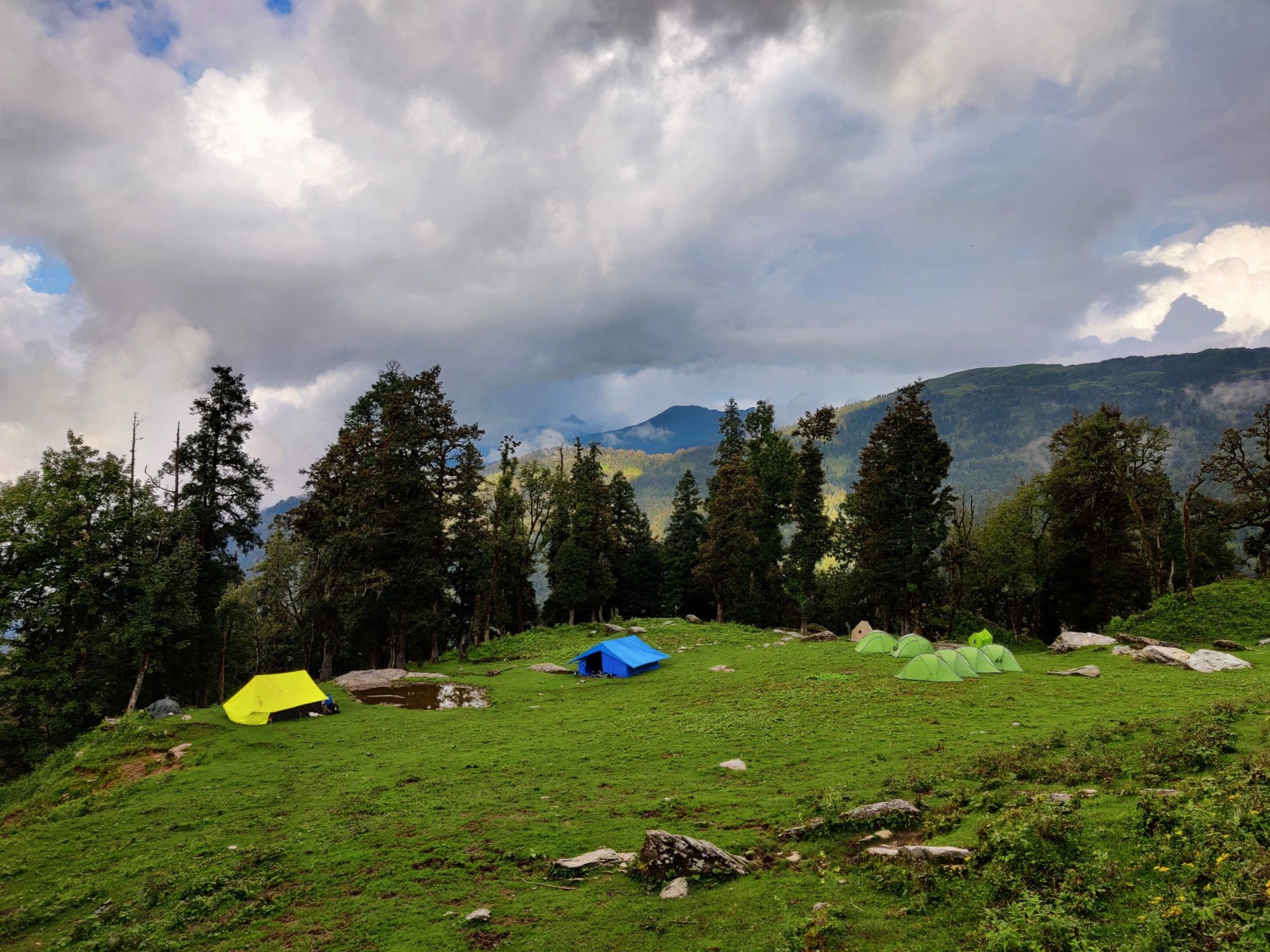
On reaching the campsite, you can settle into your tents and enjoy some well-deserved rest. The evening is one of the most memorable parts of the Nag Tibba weekend trek. As the temperature drops, the mountains become quieter, the sky gradually fills with stars, and the campsite offers a peaceful atmosphere away from city life.
Enjoy a warm dinner, interact with fellow trekkers, and prepare for the summit adventure the next morning. Overnight stay is generally arranged in tents.
Day 2: Nag Tibba Summit – Descend to Pantwari – Drive to Dehradun
Wake up early in the morning to prepare for the summit climb. Depending on the weather, trail conditions, and sunrise timing, the trek leader will decide the departure time.
After a light breakfast or an early morning refreshment, begin walking towards Nag Tibba summit.
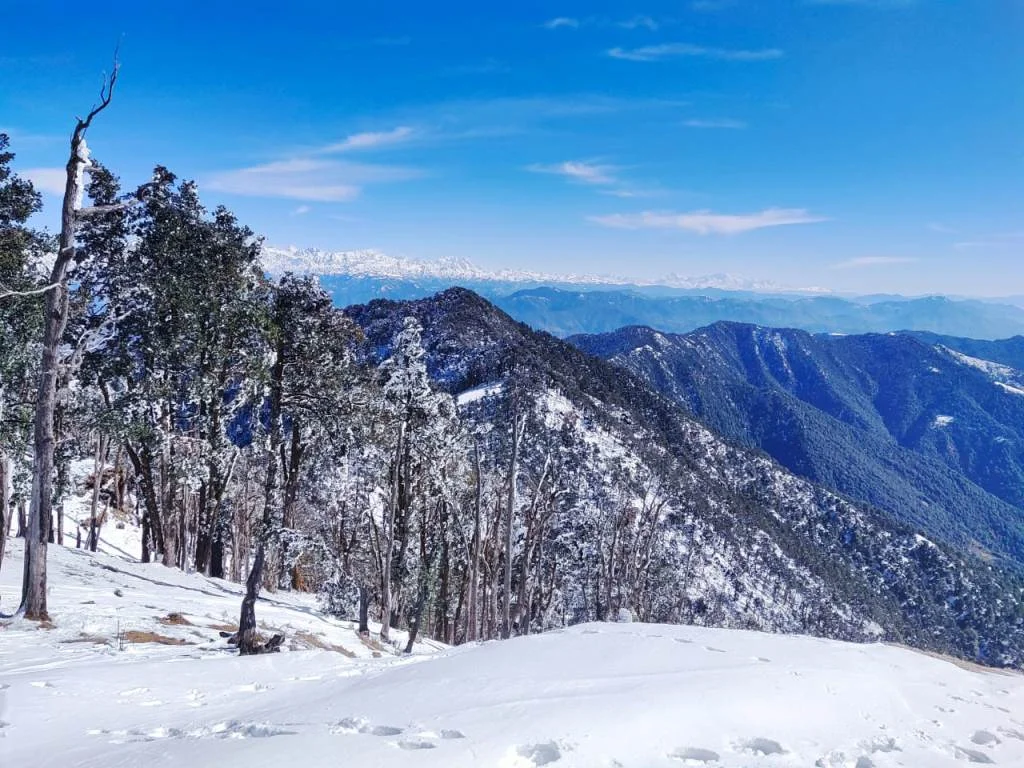
The trail passes through forest sections and open clearings before reaching the Nag Tibba temple area. The landscape becomes increasingly beautiful as you gain altitude. During winter, snow-covered trees and frozen patches can make the climb particularly memorable.
The summit is situated at approximately 9,915 feet. Reaching the highest point is the most rewarding moment of the entire trek. On a clear day, you can enjoy panoramic views of several Himalayan peaks, including Bandarpoonch, Swargarohini, Kala Nag, and the Gangotri ranges.
Take some time to appreciate the surroundings, capture photographs, and enjoy the mountain atmosphere. The summit is also associated with Nag Devta, and the temple nearby adds a cultural dimension to the journey.
After spending time at the top, begin your descent towards the campsite or directly towards Pantwari, depending on the operator's itinerary.
The descent can be demanding on the knees, especially on uneven or snow-covered terrain, so walk carefully and follow your trek leader's instructions.
After reaching Pantwari, board the vehicle for the return journey to Dehradun. The drive generally takes around 3–4.5 hours, although traffic and weather can affect the travel time.
You can expect to reach Dehradun by evening or later, depending on the departure time and road conditions. If you have a train or flight to catch, it is advisable to keep sufficient buffer time rather than scheduling a tight connection.
This completes your two-day Nag Tibba weekend adventure.
Nag Tibba Trek Cost: How Much Does the Weekend Trek Cost?
The Nag Tibba Trek cost from Dehradun depends on the trekking company, group size, transportation arrangements, accommodation, meals, and services included in the package.
For a typical organised two-day trek, an indicative budget is approximately ₹2,500–₹4,500 per person without transportation from Dehradun. Packages with transportation, additional accommodation, or private arrangements can cost more.
The Uttarakhand Tourism website also lists a Nag Tibba two-day itinerary with an indicative budget of ₹3,650 per person, excluding airfares. Actual package prices and inclusions should always be confirmed before booking.
The main difference between trekking packages usually comes down to transport and the quality of arrangements. A basic trekking package may include camping, meals, a trek leader, support staff, and forest permissions. A more comprehensive package may also arrange transportation from Dehradun, additional stays, and equipment.
When comparing the Nag Tibba Trek package price, check whether the following services are covered: transportation, camping tents, sleeping bags, meals during the trek, experienced trek leaders, support staff, forest entry fees, and basic first-aid arrangements.
Also check what is excluded. Personal expenses, travel insurance, personal trekking equipment, additional snacks, and emergency evacuation costs may not be included.
It is important to understand that the cheapest package is not necessarily the best choice. A responsible trekking operator with proper safety arrangements, experienced staff, and reliable camping equipment can make a significant difference to your overall experience.
Best Time to Visit Nag Tibba Trek
One of the biggest advantages of the Nag Tibba Trek is that it can be explored across several seasons, except during periods when heavy monsoon rainfall makes the trail unsafe. Every season offers a different experience, so the best time to visit depends on whether you prefer snowfall, pleasant weather, colourful forests, or clear Himalayan views.
Nag Tibba Trek in Winter (December to February)
Winter is one of the most exciting seasons for the Nag Tibba Trek. The upper forest sections and summit trail can receive snowfall, creating beautiful white landscapes. For people who want to experience their first snow trek, Nag Tibba is an excellent choice.
January and February are particularly popular for snow trekking, although snowfall depends on weather conditions each year. The temperatures can drop significantly at night, sometimes falling below freezing at the campsite.
If you are planning the Nag Tibba winter trek, carry proper thermal layers, insulated gloves, warm socks, and waterproof trekking shoes. Snow-covered sections can become slippery, so walking carefully is essential.
Nag Tibba Trek in Spring (March to April)
Spring brings a completely different charm to Nag Tibba. The forests begin to turn colourful as rhododendrons bloom, and the weather generally becomes more comfortable for trekking.
The trail is particularly attractive for nature lovers and photographers. Snow may remain in some higher sections after a heavy winter, but lower sections gradually become greener.
This is a wonderful season for people who want to enjoy mountain scenery without experiencing extremely cold winter nights.
Nag Tibba Trek in Summer (May to June)
Summer is another good time to explore Nag Tibba. While the plains experience warmer temperatures, the mountain environment remains comparatively pleasant.
The forest trails provide shade, and the summit offers beautiful views of the surrounding Himalayan ranges. This season is particularly suitable for beginners, families, and people looking for a refreshing weekend break.
However, afternoons can become warmer during the climb, so starting early and carrying sufficient drinking water is important.
Nag Tibba Trek in Autumn (September to November)
The post-monsoon season is known for fresh mountain landscapes and beautiful visibility. After the rains, the forests appear greener, while the skies often become clearer.
October and November are especially attractive for mountain photography and enjoying panoramic Himalayan views. The weather becomes colder as winter approaches, but conditions can be pleasant during the daytime.
Heavy monsoon rainfall generally makes July and August less suitable for trekking because of slippery trails, poor visibility, and possible landslides along mountain roads.
How to Reach Nag Tibba from Dehradun
The most convenient way to reach Nag Tibba is through Pantwari village, which serves as the starting point for the popular trekking route.
Dehradun is well connected to major Indian cities through rail, road, and air transport. If you are travelling from Delhi, you can reach Dehradun by train, bus, or private vehicle. Once in Dehradun, you can arrange a shared vehicle, private taxi, or transportation through your trekking operator.
The drive from Dehradun to Pantwari generally covers around 90–100 km and takes approximately 3–4.5 hours. The route passes through Mussoorie and the Nainbagh region before reaching Pantwari.
If you are travelling by air, Jolly Grant Airport is the nearest airport to Dehradun. From the airport, you can reach the city and continue towards Pantwari by road.
Another important consideration is the return journey. Since the second day includes the summit climb, descent, and drive back to Dehradun, it is better to avoid booking an early evening flight or train. Mountain travel can be unpredictable, and an additional time buffer will make your journey more comfortable.
What Makes the Nag Tibba Summit Special?
The summit is undoubtedly the highlight of the entire Nag Tibba Trek. Reaching approximately 9,915 feet above sea level is a rewarding experience, especially for someone attempting their first Himalayan summit.
Unlike many long Himalayan treks that require several days of continuous walking, Nag Tibba allows you to experience a summit adventure over a weekend.
The mountain panorama is one of its biggest attractions. On clear days, the surrounding Himalayan ranges appear beautifully layered across the horizon. Bandarpoonch and the Gangotri group are among the prominent mountain views associated with the summit.
The nearby Nag Devta temple also gives the destination cultural significance. Local communities have a strong connection with the deity, and the mountain has long been an important part of the region's traditions.
The summit experience is not just about reaching a particular altitude. It is about witnessing the beauty of the Garhwal Himalayas, enjoying the silence of the mountains, and experiencing the satisfaction of completing a challenging journey.
Is Nag Tibba Trek Suitable for Beginners?
Yes, the Nag Tibba Trek is considered one of the popular beginner-friendly treks in Uttarakhand. Its short duration and relatively accessible trail make it suitable for people who are new to Himalayan trekking.
However, beginner-friendly does not mean physically effortless. The first day involves continuous uphill walking, while the second day includes a summit ascent followed by a long descent. These sections require reasonable stamina and physical fitness.
If you are planning your first trek, begin preparing at least two to three weeks in advance. Regular walking, jogging, stair climbing, and basic leg-strength exercises can help improve your endurance.
You should also become comfortable walking for several hours with a backpack. Maintaining a steady pace and taking appropriate breaks will make the experience easier.
Families and younger trekkers may also enjoy Nag Tibba, but suitability depends on individual fitness, age, health, weather, and the operator's policies. Children should always be accompanied by responsible adults.
What Should You Pack for the Nag Tibba Weekend Trek?
Packing correctly can make your Nag Tibba Trek much more comfortable. Since the mountain weather can change quickly, it is important to carry clothing suitable for both daytime walking and cold nights.
Wear comfortable trekking clothes and use a layering system rather than depending on one heavy jacket. Thermal innerwear, fleece, and an insulated outer jacket are useful, particularly during winter.
Good-quality trekking shoes with adequate grip are essential because the trail includes uneven surfaces, forest paths, and potentially slippery snow sections. Carry extra socks, gloves, a woollen cap, sunglasses, and sunscreen.
A small backpack with a reusable water bottle, personal medicines, basic toiletries, and energy snacks will also be helpful.
During winter, waterproof gaiters and traction aids may be useful if snow conditions require them. Your trek leader should advise you about the specific equipment needed for the departure date.
Avoid carrying unnecessary items because every additional kilogram makes the uphill climb more tiring.
Important Safety Considerations for the Nag Tibba Trek
Although Nag Tibba is a relatively accessible Himalayan trek, mountain safety should never be overlooked.
Altitude can affect people differently, even on shorter treks. The summit is approximately 3,022 metres above sea level, so maintaining a comfortable pace and staying hydrated are important.
Weather conditions can change quickly, especially during winter and the monsoon. Follow the trek leader's instructions and avoid attempting the summit during unsafe weather.
If you experience unusual breathlessness, persistent headaches, nausea, dizziness, or other symptoms that may indicate altitude-related illness, inform your trek leader immediately. Do not continue climbing simply to reach the summit.
It is equally important to follow responsible trekking practices. Avoid littering, do not disturb wildlife, respect the local temple and village traditions, and bring all non-biodegradable waste back with you.
A successful trek is not just about reaching the summit. It is also about returning safely while protecting the natural environment.
Frequently Asked Questions About Nag Tibba Trek
1. How many days are required for the Nag Tibba Trek?
The Nag Tibba Trek can generally be completed in two days and one night through the popular Pantwari route. The first day involves travelling from Dehradun to Pantwari and trekking to the campsite. The second day includes the summit climb, descent, and return drive to Dehradun.
2. What is the total cost of the Nag Tibba Trek from Dehradun?
The approximate cost of an organised Nag Tibba Trek package without transportation is ₹2,500–₹4,500 per person. Packages with transportation, accommodation, and additional services may cost more. Always confirm the inclusions and exclusions before booking.
3. What is the maximum altitude of the Nag Tibba Trek?
Nag Tibba summit is approximately 9,915 feet (3,022 metres) above sea level. It is the highest peak of the Nag Tibba range in the Garhwal Himalayas.
4. Is Nag Tibba a difficult trek?
Nag Tibba is generally classified as an easy-to-moderate trek. It is suitable for beginners with basic physical fitness. However, the summit day can be tiring because it includes an uphill climb and a long descent.
5. Does it snow during the Nag Tibba Trek?
Yes, snowfall is possible on Nag Tibba during winter, particularly between December and February. January and February are popular months for experiencing snow, but actual snowfall depends on weather conditions.
6. Can beginners do the Nag Tibba Trek?
Yes, Nag Tibba is an excellent introduction to Himalayan trekking. Beginners who maintain reasonable fitness and prepare themselves for consecutive walking days can generally enjoy the experience. A professional trek leader is recommended, especially during winter.
7. How far is Nag Tibba from Dehradun?
Pantwari, the popular starting point of the Nag Tibba Trek, is approximately 90–100 km from Dehradun. The road journey generally takes around 3–4.5 hours, depending on traffic and road conditions.
8. What is the best month for the Nag Tibba Trek?
January and February are popular for snow trekking, March and April are attractive for rhododendron blooms, and October and November generally offer pleasant weather and clear mountain views. The best month depends on your preferred trekking experience.
9. Is one night of camping included in the Nag Tibba Trek?
Most organised two-day Nag Tibba trekking packages include one night of camping in tents. However, accommodation arrangements differ between operators, so confirm the camping facilities, sleeping bags, meals, and other inclusions before booking.
10. Can Nag Tibba be completed in one day?
Fit and experienced trekkers sometimes complete the Pantwari-to-summit route and return in one long day. However, it involves considerable physical effort and requires an early start. The two-day itinerary is more comfortable for most beginners because it allows an overnight camping experience and a better-paced summit attempt.
11. Is Nag Tibba Trek safe for solo travellers?
Nag Tibba is a popular trekking destination, but solo travellers should plan their journey carefully. Joining an organised group with experienced trek leaders is a practical option, especially for first-time trekkers and people visiting during winter.
12. What is the total trekking distance of Nag Tibba?
The total trekking distance on the popular Pantwari route is approximately 16–18 km round trip. The exact distance depends on the campsite, summit approach, and return route selected by the trekking operator.
Why Choose Thin Air Expedition for the Nag Tibba Trek?
Planning a Himalayan weekend adventure becomes easier when you have the right trekking support. From transportation and camping arrangements to route planning and guidance, every part of the experience contributes to a memorable journey.
At Thin Air Expedition, the focus is on helping adventure enthusiasts explore the Himalayas through thoughtfully planned trekking experiences. Whether you are attempting your first mountain trek or looking for a refreshing weekend escape, Nag Tibba offers an excellent opportunity to discover the beauty of Uttarakhand.
The right trekking experience should combine adventure with responsible mountain travel. Experienced trek leaders, suitable camping arrangements, proper equipment, and attention to safety are important factors when choosing a trekking company.
With Thin Air Expedition, you can explore the Nag Tibba trekking experience and enquire about suitable departures, itinerary details, package inclusions, and transportation arrangements.
Instead of spending another weekend surrounded by traffic, screens, and city noise, imagine waking up to fresh mountain air, walking through beautiful Himalayan forests, camping beneath a star-filled sky, and watching the sunrise from a mountain summit.
Your two-day Himalayan adventure is waiting.
Plan your Nag Tibba Trek with Thin Air Expedition and turn an ordinary weekend into an unforgettable mountain experience!