Pin Bhaba Pass Trek The Ultimate Crossover Trek from Kinnaur to Spiti
Pin Bhaba Pass Trek The Ultimate Crossover Trek from Kinnaur to Spiti
20
Jun

The Most Dramatic Landscape Transition in the Himalayas
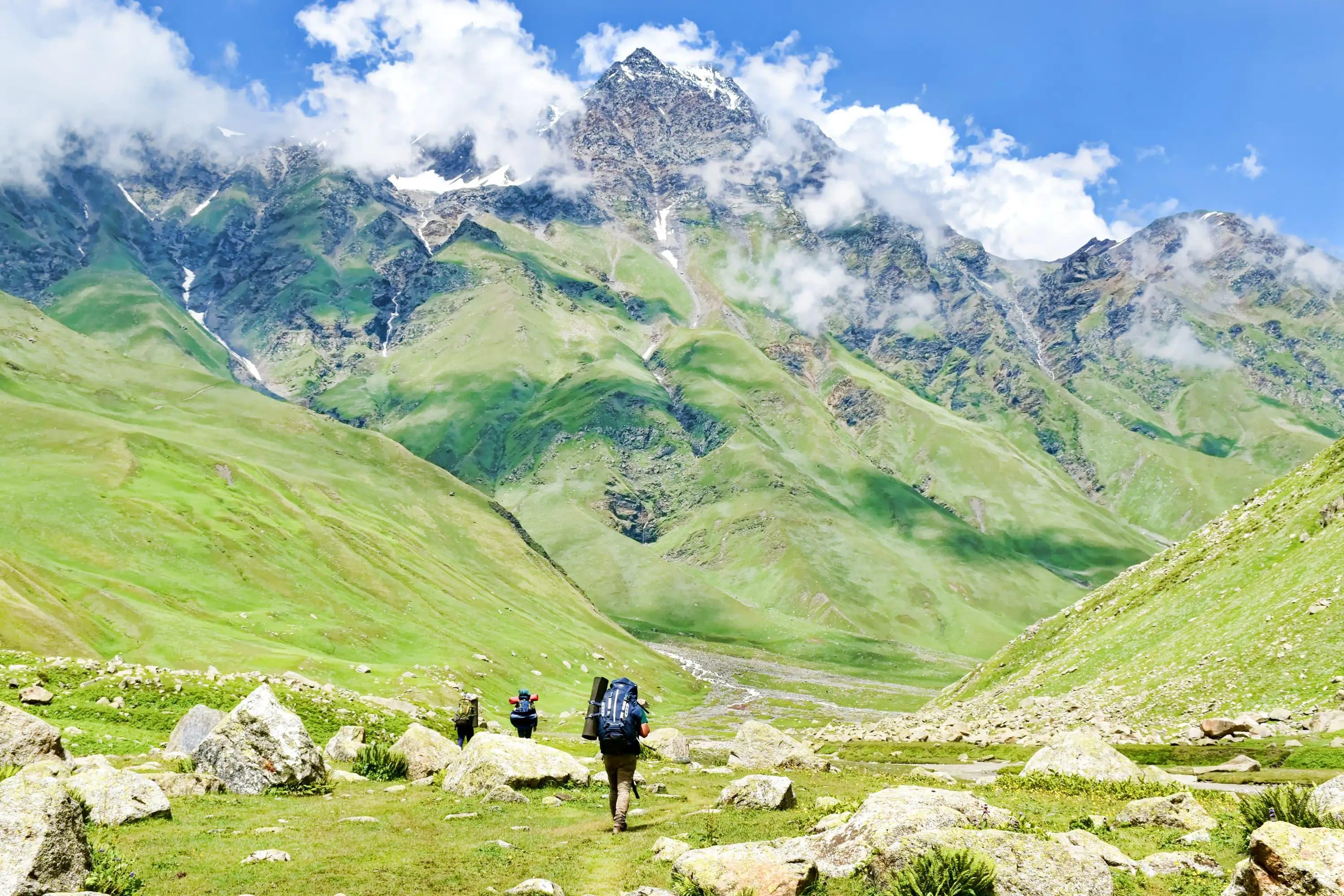
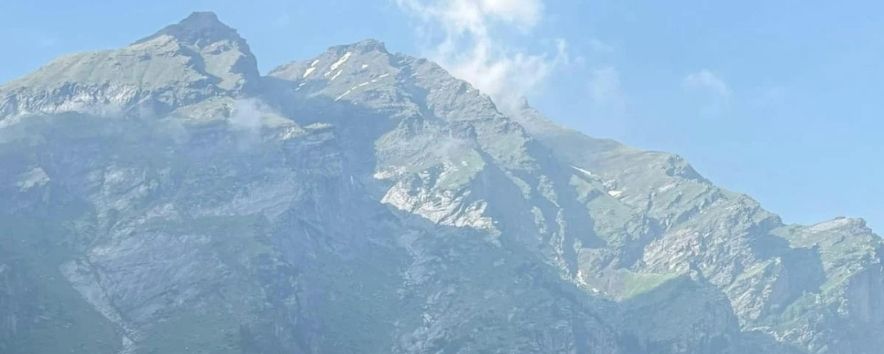
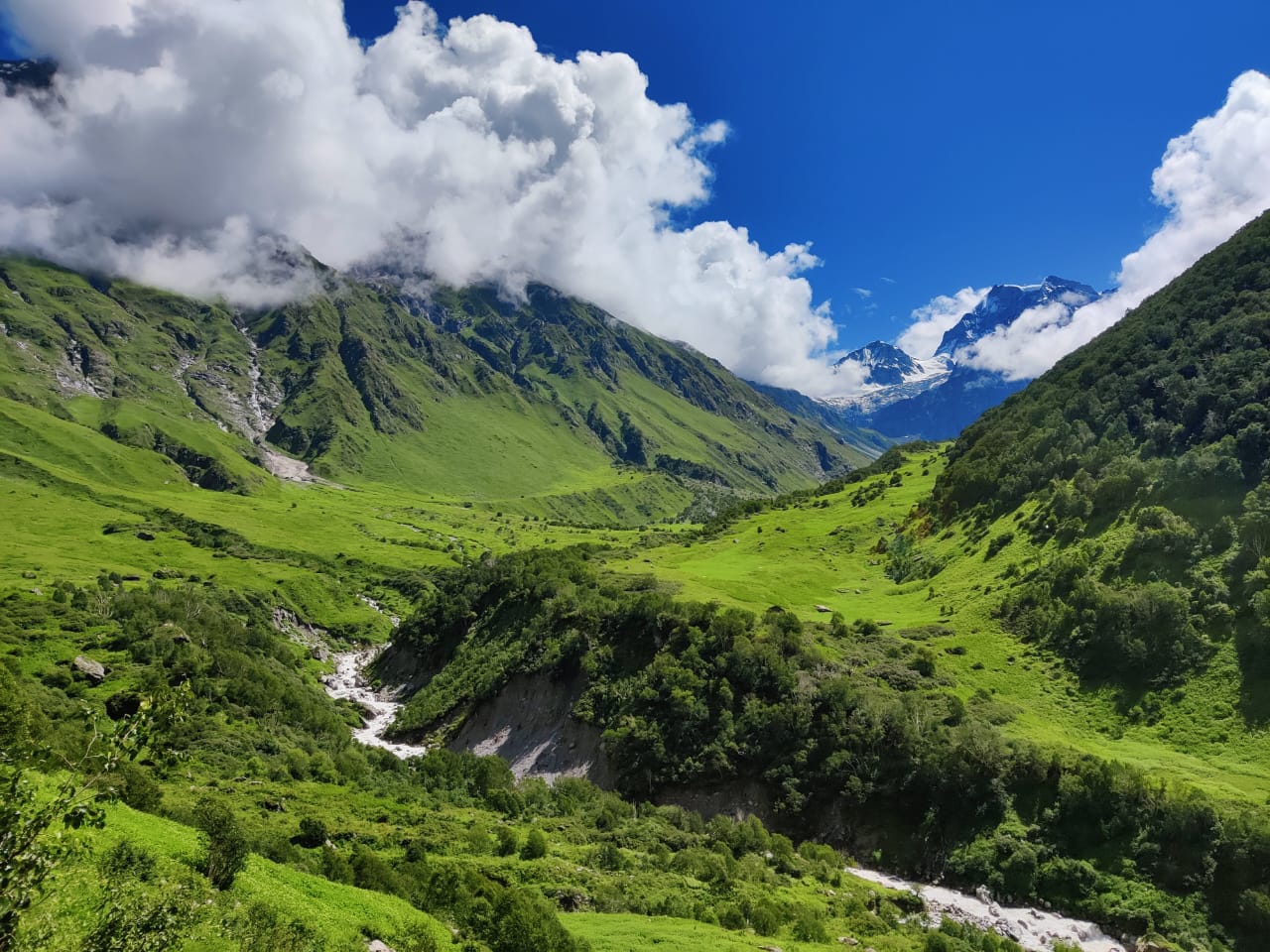
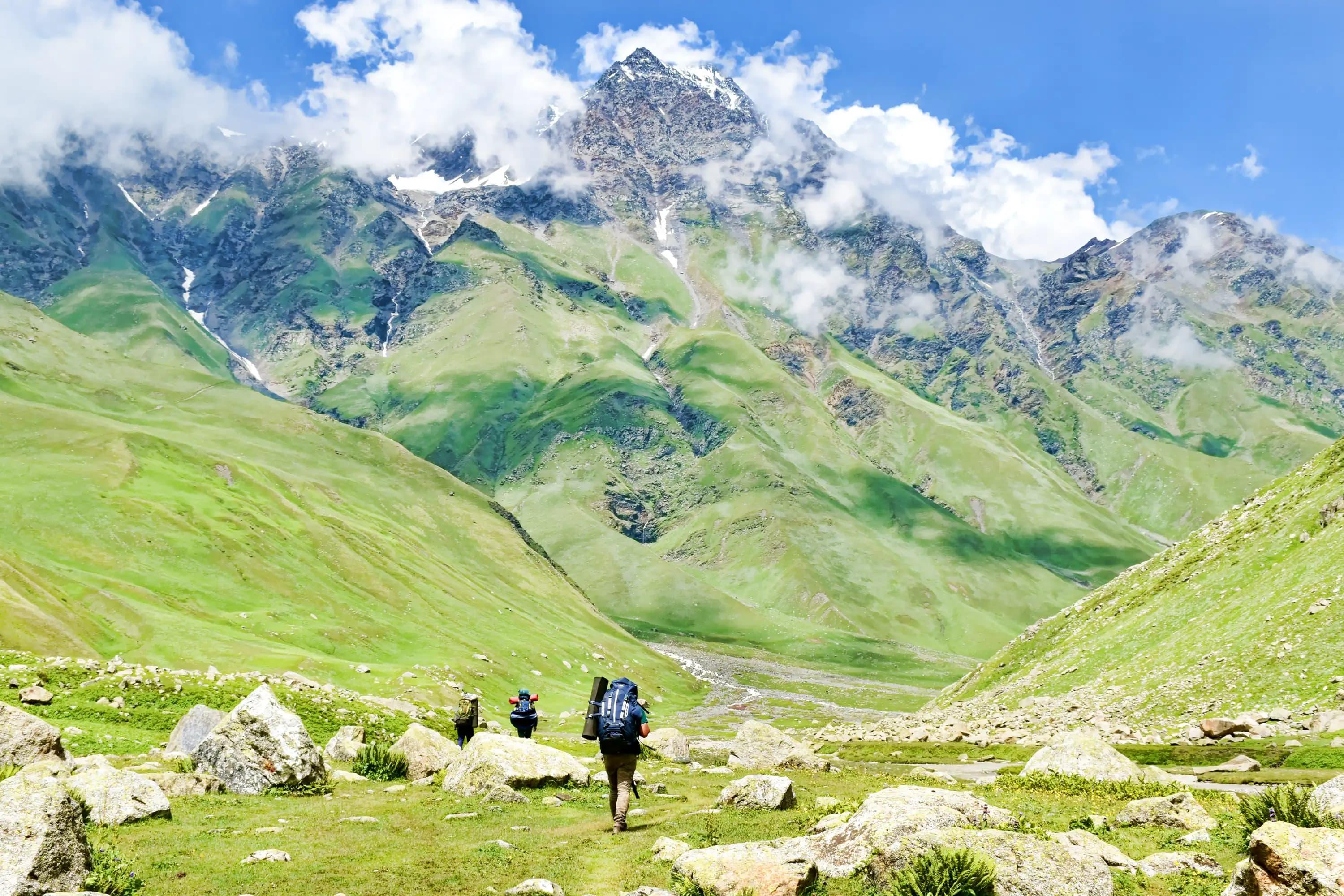
Very few treks in India offer such an abrupt shift in terrain. The pass crossing day reveals an almost unbelievable change from green valleys to barren desert mountains.
Diverse Landscapes in One Trek
During the journey, trekkers experience:
· Pine and birch forests
· Alpine meadows
· Wildflower valleys
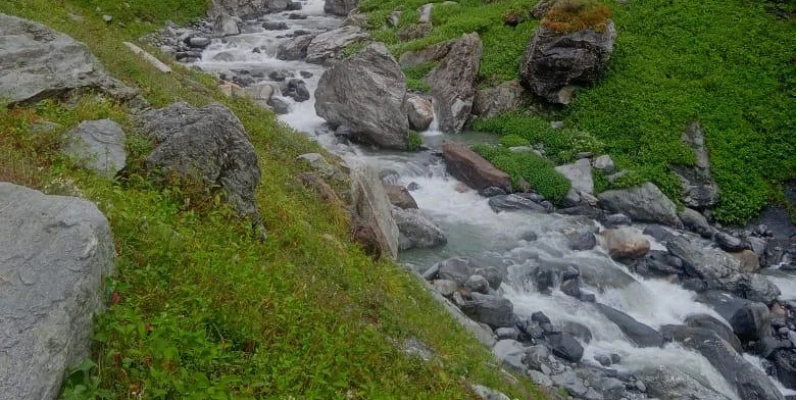
· Glacial streams
· Boulder zones
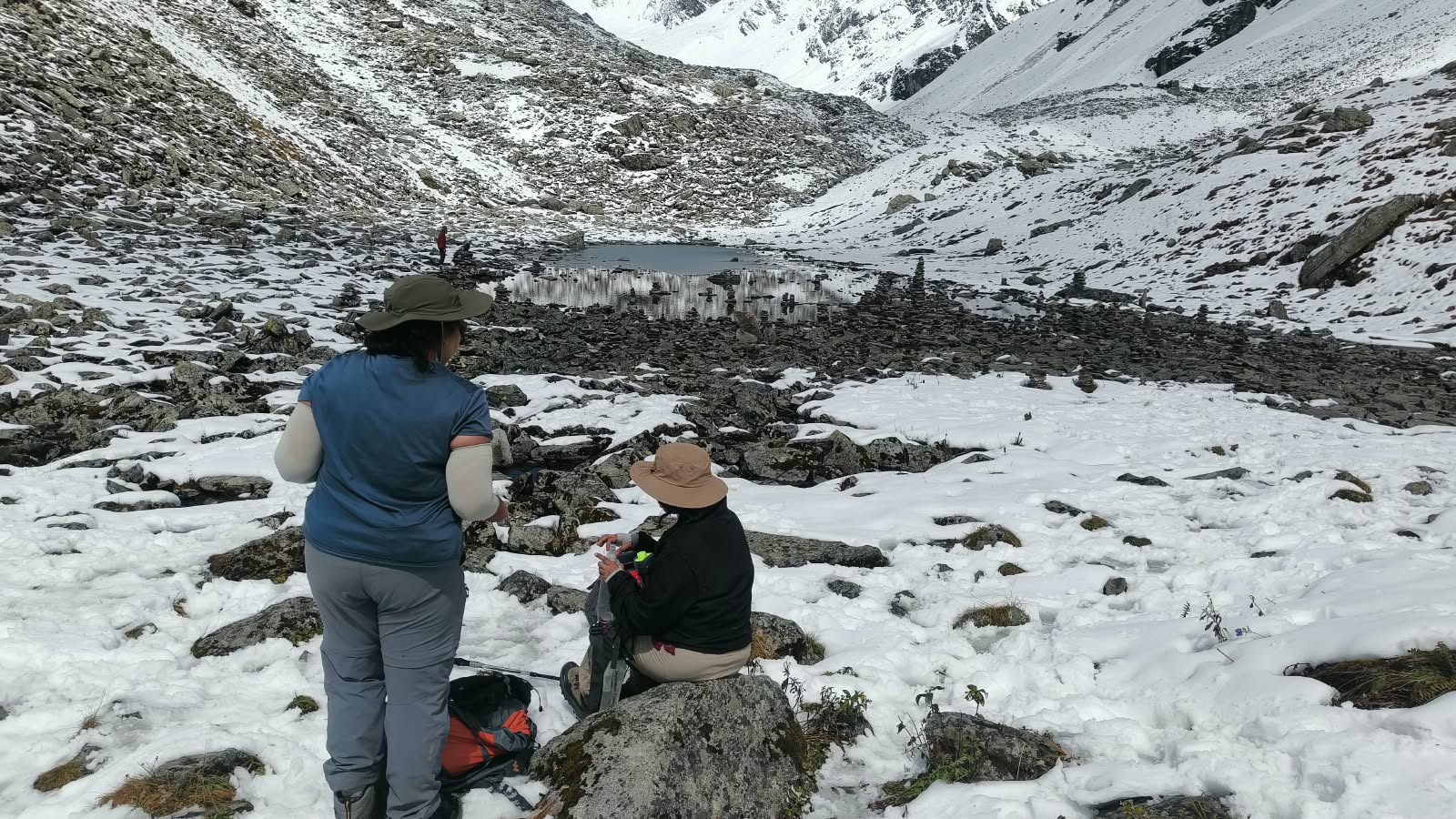
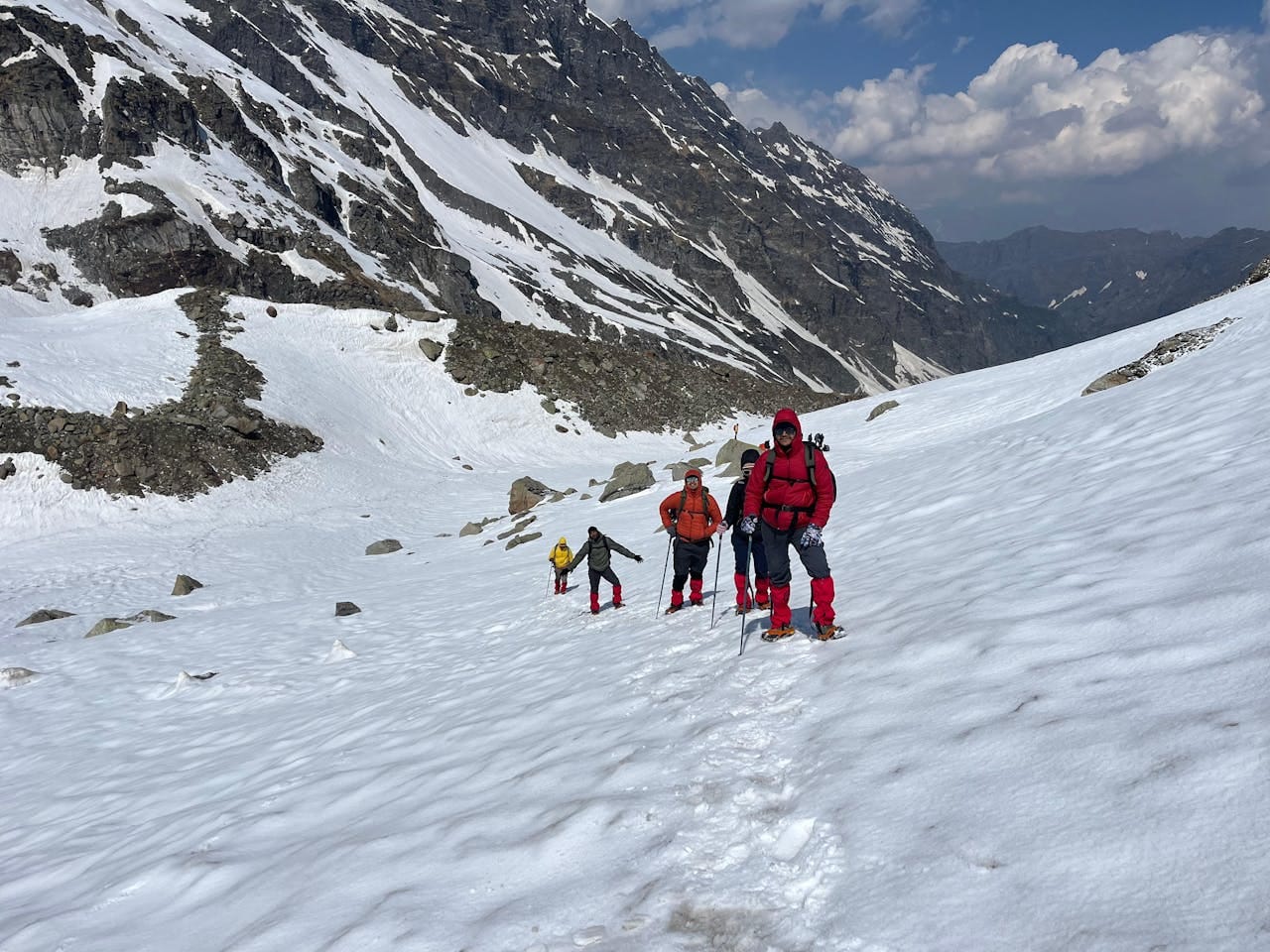
· Snow patches
· High mountain passes
· Cold desert terrain
· Less Crowded Than Popular Treks
Compared to Hampta Pass, Kedarkantha, Valley of Flowers, or Brahmatal, Pin Bhaba Pass receives significantly fewer trekkers, offering a more peaceful wilderness experience.
Authentic Himalayan Experience
The trek passes through remote regions where trekkers experience local Kinnauri and Spitian culture, traditional mountain villages, and untouched Himalayan landscapes.
Stunning Campsites
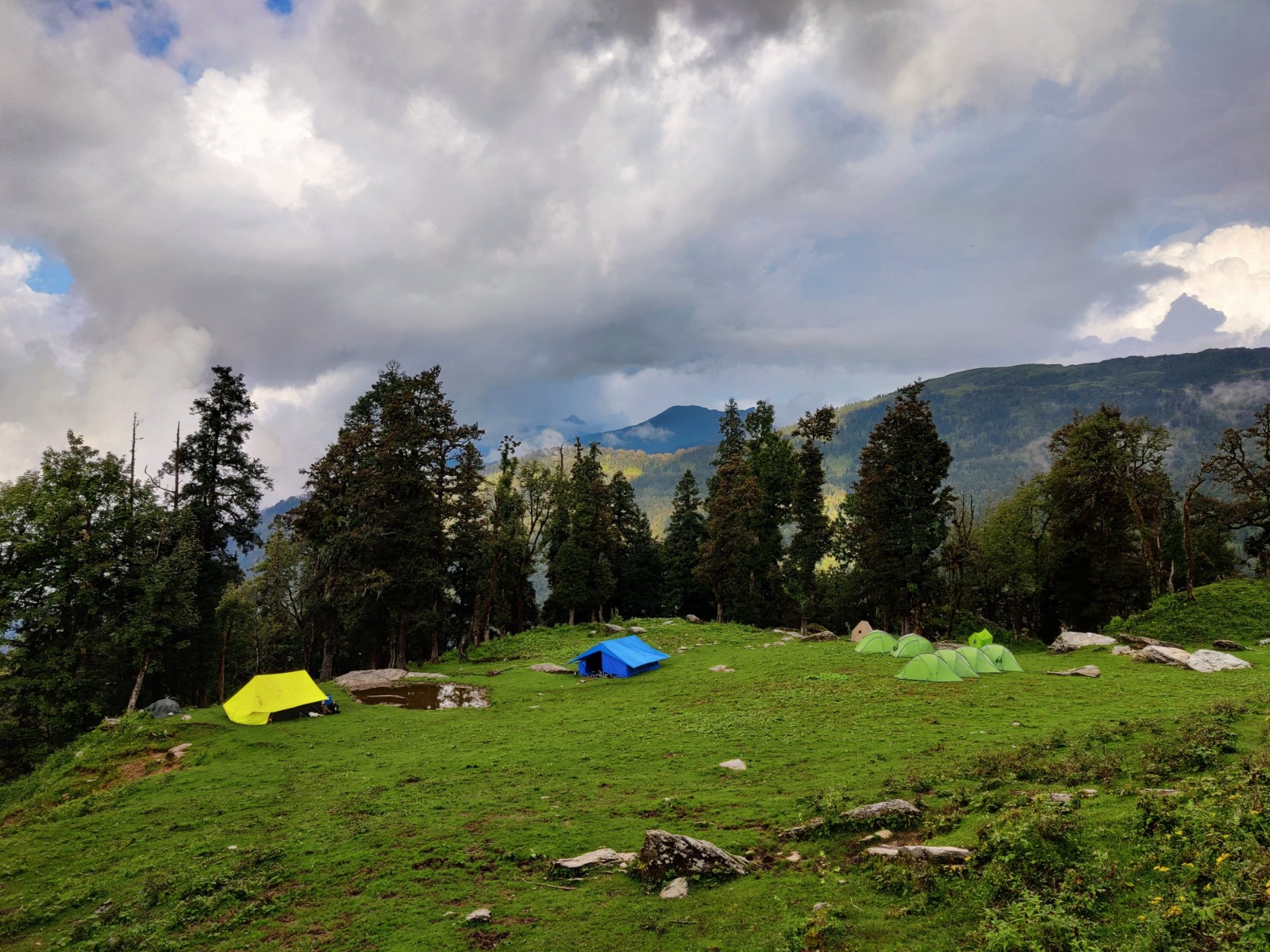
Campsites such as Mulling, Kara, and Phutsirang are considered among the most beautiful in the Indian Himalayas.
· Adventure seekers
· Landscape photographers
· Experienced beginners
· Nature lovers
· Himalayan trekking enthusiasts
· Trekkers looking for a less-commercialized route
|
Feature |
Details |
|
Trek Name |
Pin Bhaba Pass Trek |
|
State |
Himachal Pradesh |
|
Region |
Kinnaur and Spiti Valley |
|
Maximum Altitude |
4,915 m (16,125 ft) |
|
Trek Distance |
48–55 km |
|
Trek Duration |
6–8 Days |
|
Difficulty |
Moderate to Difficult |
|
Starting Point |
Kafnu |
|
Ending Point |
Mudh Village |
|
Best Time |
July to September |
|
Highest Campsite |
Phutsirang |
|
Base Village |
Kafnu |
|
Nearest Railway Station |
Shimla |
|
Nearest Airport |
Shimla Airport |
|
Mobile Connectivity |
Limited |
|
Accommodation |
Guesthouses and Camping |
|
River Crossings |
Multiple |
|
Guide Recommended |
Yes |
|
Suitable for Beginners |
Fit Beginners with preparation |
Pin Bhaba Pass Trek Route Map and Trail Overview
The Pin Bhaba Pass Trek follows a historic mountain route connecting Kinnaur and Spiti. The journey starts in the lush Bhaba Valley and gradually climbs toward the high-altitude pass before descending into the stark landscapes of Pin Valley.
Trek Route
Shimla → Kafnu → Mulling → Kara → Phutsirang → Pin Bhaba Pass → Murtunga → Mudh Village → Kaza
Route Breakdown
Kafnu (2,400 m)
The trek begins from Kafnu, a beautiful village located along the Bhaba River. It serves as the base camp for the trek.
Kafnu to Mulling
The trail follows the river through dense forests and gradually opens into wider valleys. Trekkers cross wooden bridges and pass grazing areas used by shepherds.
Mulling to Kara
The landscape becomes increasingly dramatic with vast meadows, towering cliffs, and glacier-fed streams. Kara is one of the most scenic campsites on the trek.
Kara to Phutsirang
Trekkers move closer to the pass through high-altitude terrain. Snow patches and moraine fields become common as elevation increases.
Phutsirang to Pin Bhaba Pass
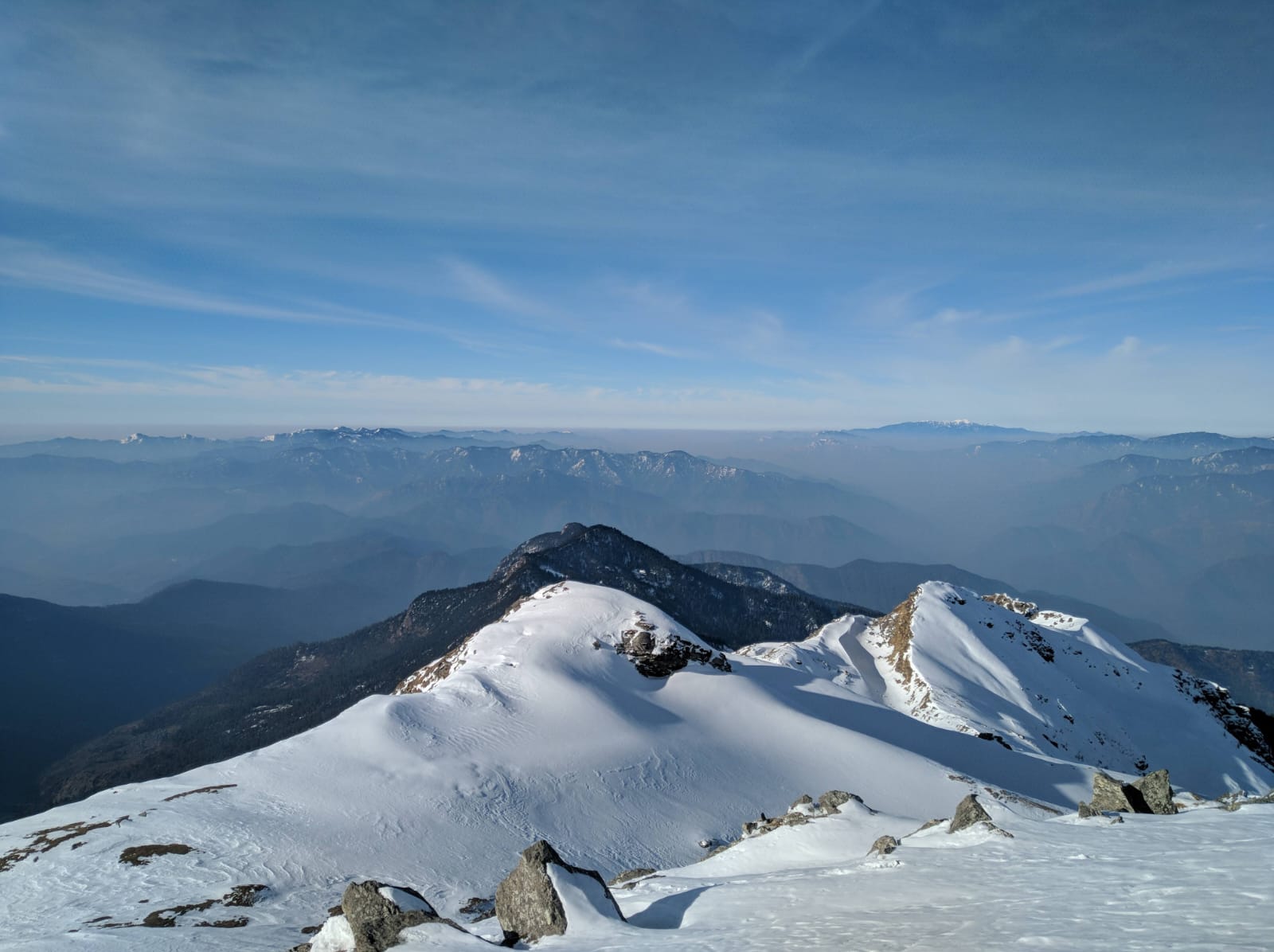
This is the most challenging and rewarding day of the trek. After a steep ascent, trekkers reach Pin Bhaba Pass at 4,915 meters, where breathtaking panoramic views reveal the striking contrast between Kinnaur and Spiti.
Pass Crossing to Murtunga
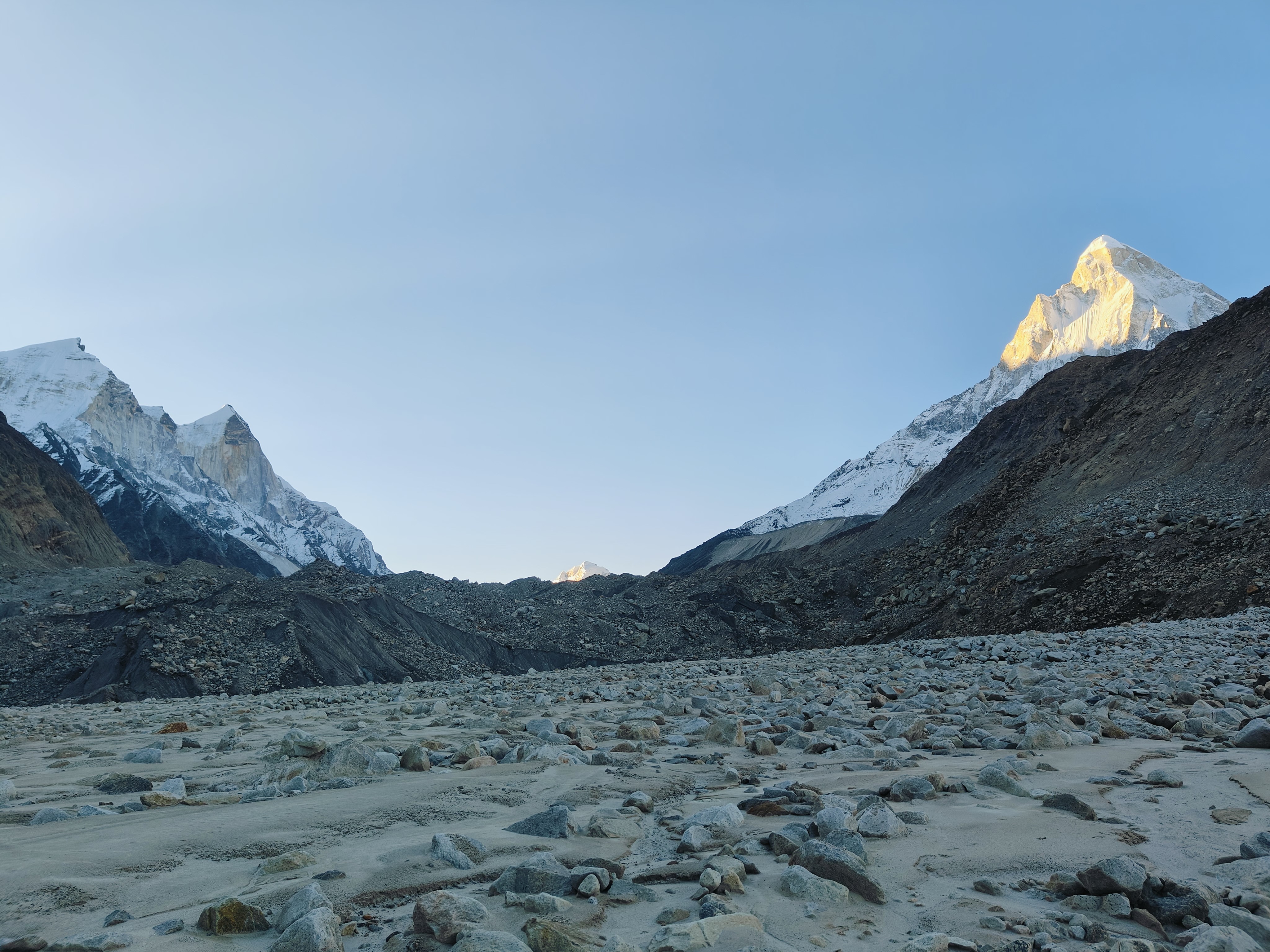
After crossing the pass, the landscape transforms dramatically. Green valleys disappear, replaced by barren mountains, rocky terrain, and expansive cold desert views.
Murtunga to Mudh Village
The final descent leads into Pin Valley and concludes at Mudh, one of the most beautiful villages in Spiti.
· Kafnu: 2,400 m
· Mulling: ~3,250 m
· Kara: ~3,550 m
· Phutsirang: ~4,100 m
· Pin Bhaba Pass: 4,915 m
· Murtunga: ~4,000 m
· Mudh Village: ~3,750 m
· Bhaba River Valley
· Alpine meadows of Kara
· High-altitude glacier-fed streams
· Pin Bhaba Pass summit
· Spectacular Kinnaur-Spiti transition
· Pin Valley National Park
· Traditional Spitian villages
· Himalayan wildlife sightings
One of the most fascinating aspects of the Pin Bhaba Pass Trek is the incredible biodiversity found along the route. As the trek traverses two distinct ecological zones—**the lush Bhaba Valley of Kinnaur** and the **cold desert ecosystem of Spiti**—trekkers witness a remarkable variety of plant and animal life that changes dramatically with altitude and terrain.
The trek begins in the verdant forests of Kinnaur, where dense vegetation gradually gives way to alpine meadows and eventually the sparse vegetation of Spiti's cold desert.
1. Coniferous Forests
In the lower reaches near Kafnu, trekkers pass through forests dominated by:
- Himalayan Pine
- Blue Pine
- Deodar Cedar
- Spruce
- Fir Trees
These forests provide habitat for numerous bird and mammal species.
2. Birch and Rhododendron Zones
As altitude increases, the dense forests transition into:
- Himalayan Birch (Bhojpatra)
- Rhododendron Shrubs
- Juniper Bushes
Historically, the bark of the Bhojpatra tree was used to write ancient Sanskrit scriptures.
3. Alpine Meadows
The meadows around Mulling and Kara campsites burst into life during July and August with vibrant wildflowers.
Common alpine flowers include:
- Himalayan Blue Poppy
- Primulas
- Potentillas
- Anemones
- Edelweiss
- Himalayan Daisy
- Gentians
These meadows create a colorful contrast against the snow-capped peaks.
4. Medicinal Plants
The region is also known for several valuable medicinal herbs, including:
- Kutki (*Picrorhiza kurroa*)
- Jatamansi (*Nardostachys jatamansi*)
- Himalayan Thyme
- Wild Artemisia
Many of these plants have been used in traditional Himalayan medicine for centuries.
5. Cold Desert Vegetation
After crossing Pin Bhaba Pass, the landscape changes dramatically. Vegetation becomes sparse and consists mainly of:
- Sea Buckthorn
- Dwarf Juniper
- Alpine Grasses
- Hardy Desert Shrubs
These plants are specially adapted to survive extreme cold, strong winds, and low rainfall.
The Pin Bhaba region lies close to the boundaries of the protected ecosystems of the Himalayas and supports a rich variety of wildlife.
1. Himalayan Ibex
One of the most iconic animals of the region, the Himalayan Ibex is often spotted on steep rocky slopes.
Identification:
Large curved horns
Excellent climbing ability
Usually seen in small groups
2. Blue Sheep (Bharal)
The Blue Sheep is among the most commonly sighted mammals in the higher reaches of the trek.
Interesting Fact: Despite its name, it is more closely related to goats than sheep.
3. Himalayan Marmot
These adorable burrowing rodents are frequently seen in alpine meadows and open grasslands.
What You'll Notice:
- Whistling alarm calls
- Standing upright on hind legs
- Social colony behavior
4. Red Fox
The elusive Himalayan Red Fox inhabits both Kinnaur and Spiti regions.
Trekkers occasionally spot them during early morning or late evening hours.
5. Snow Leopard (Rare)
Although sightings are extremely rare, the greater Spiti ecosystem is known habitat for the legendary Snow Leopard.
Most trekkers will not encounter one, but knowing you are trekking through Snow Leopard country adds to the adventure.
6. Himalayan Weasel
A small but agile predator often found near rocky terrain and grasslands.
- Birdlife Along the Trek
Birdwatchers can enjoy sightings of several Himalayan species.
- Common Birds
- Himalayan Monal (State Bird of Himachal Pradesh)
- Snow Pigeon
- Yellow-billed Chough
- Red-billed Chough
- Himalayan Griffon Vulture
- Golden Eagle
- Lammergeier (Bearded Vulture)
7. High-Altitude Raptors
The skies above Pin Bhaba often host:
- Golden Eagles
- Griffon Vultures
- Himalayan Buzzards
These birds can frequently be seen soaring over valleys and ridgelines.
What makes Pin Bhaba Pass truly special is the dramatic ecological shift between two worlds:
|
Bhaba Valley (Kinnaur) |
| Pin Valley (Spiti) |
|
Dense forests |
Cold desert |
|
Rich vegetation |
Sparse shrubs |
|
Moist climate |
Arid climate |
|
Alpine meadows |
Rocky plateaus |
|
Abundant water sources |
Limited vegetation |
This transition occurs within just a few days of trekking, making Pin Bhaba Pass one of the most ecologically diverse treks in the Indian Himalayas.
While trekking:
- Maintain a safe distance from wildlife.
- Avoid feeding animals.
- Do not pick wildflowers or medicinal plants.
- Carry back all waste.
- Respect the fragile Himalayan ecosystem.
The rich flora and fauna of Pin Bhaba Pass add another layer of beauty to a trek already famous for its stunning landscapes, making it a paradise for nature lovers, photographers, and wildlife enthusiasts alike.
1. What is the difficulty level of the Pin Bhaba Pass Trek?
The Pin Bhaba Pass Trek is considered a moderate to difficult trek. While the trail does not require technical climbing skills, trekkers must be prepared for long walking days, steep ascents, river crossings, high altitude, and a demanding pass-crossing day.
2. Can beginners do the Pin Bhaba Pass Trek?
Yes, fit beginners can complete the trek with proper preparation. It is not recommended for complete novices who have never trekked before. Prior trekking experience is helpful but not mandatory.
3. What is the maximum altitude of Pin Bhaba Pass?
The highest point of the trek is Pin Bhaba Pass at 4,915 meters (16,125 feet) above sea level.
4. How long is the Pin Bhaba Pass Trek?
The trekking distance is approximately 48–55 kilometers, depending on the itinerary and campsite locations.
5. How many days are required for the trek?
Most itineraries take 6–8 days, including travel to and from the trek.
6. Which is the best month for Pin Bhaba Pass Trek?
The best months are:
July: Snow patches and lush greenery
August: Peak greenery and wildflowers
September: Clear skies and stunning mountain views
7. Is there snow on Pin Bhaba Pass Trek?
Yes. Snow is usually found near the pass, especially during June, July, and early August. The amount varies each year depending on winter snowfall.
8. What is the temperature during the trek?
July: Morning-10°C to 18°C, Night- 0°C to 5°C
August: Morning 10°C to 20°C, Night- 2°C to 6°C
September: Morning 8°C to 18°C, Night: -2°C to 4°C
Higher camps and the pass crossing day can feel significantly colder due to wind chill.
9. Is Pin Bhaba Pass Trek safe?
Yes, the trek is generally safe when undertaken with experienced guides and proper acclimatization. Trekkers should follow instructions, stay hydrated, and avoid rushing at high altitudes.
10. Is altitude sickness a concern?
Since the trek reaches nearly 5,000 meters, there is a possibility of Acute Mountain Sickness (AMS). Symptoms may include:
Headache
Nausea
Fatigue
Dizziness
Proper acclimatization and hydration significantly reduce the risk.
11. What level of fitness is required?
A trekker should ideally be able to:
· Run 5 km in 35–40 minutes
· Walk continuously for 6–8 hours
· Climb stairs comfortably
· Carry a daypack on steep terrain
12. Are there difficult river crossings?
Yes. The trek includes several river and stream crossings, particularly in the Bhaba Valley. Trek leaders usually guide trekkers through these safely.
13. What type of accommodation is available?
· Guesthouses or homestays at Kafnu
· Tented accommodation during the trek
· Homestays or guesthouses at Mudh Village
14. Is mobile network available on the trek?
Mobile connectivity is extremely limited.
Networks may work at Kafnu and occasionally in Mudh.
There is usually no network coverage during the trekking days.
15. Is internet available?
No reliable internet is available during the trek. Trekkers should inform family members beforehand.
16. Are charging facilities available?
Charging is generally available only at: Kafnu and Mudh Village. A power bank is strongly recommended.
17. What kind of food is served during the trek?
Most trekking operators provide: Breakfast, Lunch, Evening snacks, Dinner, and Hot beverages.
Meals are typically vegetarian and designed to provide sufficient energy at high altitude.
18. What should I pack for Pin Bhaba Pass Trek?
Essential items include:
· Waterproof trekking shoes
· Warm layers
· Down jacket
· Rain jacket and pants
· Gloves and woollen cap
· Sunglasses
· Sunscreen
· Personal medicines
· Water bottles
· Trekking poles
19. Do I need trekking poles?
Trekking poles are highly recommended, especially for:
· River crossings
· Steep descents
· Pass crossing day
They help reduce strain on knees and improve balance.
20. Is a guide necessary?
While technically possible to trek independently, hiring a guide is strongly recommended due to:
· Route finding
· Weather changes
· River crossings
· Emergency situations
21. Which is better: Pin Bhaba Pass or Hampta Pass trek?
|
Factor |
Pin Bhaba Pass |
Hampta Pass |
|
Crowds |
Less crowded |
More crowded |
|
Difficulty |
Harder |
Easier |
|
Altitude |
Higher |
Lower |
|
Scenery Change |
More dramatic |
Dramatic |
|
Adventure Factor |
Higher |
Moderate |
22. Which is better: Pin Bhaba Pass or Rupin Pass trek?
Choose:
Pin Bhaba Pass for landscape diversity and Spiti transition.
Rupin Pass for waterfalls, hanging villages, and a more challenging trekking experience.
23. Are washrooms available on the trek?
At campsites, trekking operators usually provide toilet tents. Permanent washroom facilities are not available on most trekking days.
24. What wildlife can be spotted during the trek?
The region is home to:
· Himalayan Ibex
· Blue Sheep (Bharal)
· Himalayan Marmots
· Golden Eagles
· Various alpine bird species
Wildlife sightings depend on weather and season.
25. Why is Pin Bhaba Pass famous?
Pin Bhaba Pass is famous for offering one of the most dramatic landscape transitions in the Indian Himalayas, where trekkers walk from the lush green valleys of Kinnaur into the stark high-altitude desert of Spiti.
26. Is Pin Bhaba Pass Trek worth it?
Absolutely! If you're looking for a trek that combines adventure, varied landscapes, remote wilderness, beautiful campsites, and the iconic Kinnaur-to-Spiti transition, Pin Bhaba Pass is among the finest trekking experiences in India.